13 Foods Scientists Say May Vanish
The grocery store aisles we take for granted could look dramatically different in the coming decades. Rising temperatures, unpredictable rainfall, pollinator declines, and extreme weather are putting pressure on crops that have fed civilizations for thousands of years.
Scientists warn that several foods may become scarce or even disappear entirely if current trends continue.
Coffee

Coffee faces an extinction risk for about 60 percent of its 124 species, including arabica, a globally dominant variety. Rising temperatures and declining pollinators threaten traditional growing regions in Latin America, with projections suggesting that 88 percent of coffee-suitable land could vanish by 2050.
Chocolate

Cacao trees need narrow, equatorial conditions to thrive. Rising temperatures and erratic rainfall in major producers like Côte d’Ivoire and Ghana are stressing the trees, while pollinator declines compound the threat, potentially making chocolate shortages common within decades.
Bananas

Bananas are highly vulnerable due to their lack of genetic diversity and susceptibility to disease. Around 60 percent of current growing land in Latin America and the Caribbean could become unsuitable by 2080 due to heat, water shortages, and pathogens.
Avocados
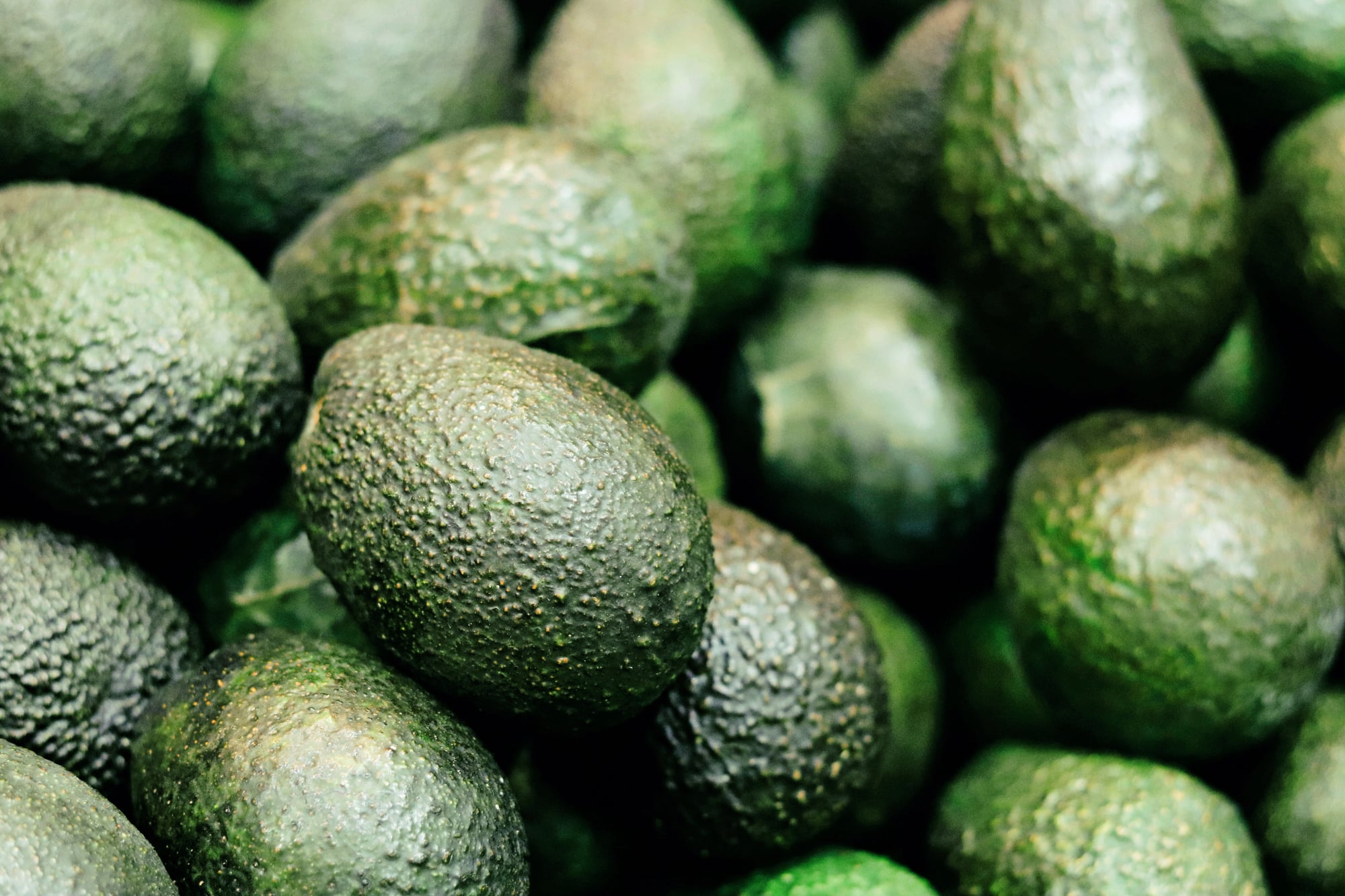
Avocados require enormous amounts of water and predictable weather. Mexico’s production zones could shrink significantly by 2050, and wild avocado varieties carrying drought- and heat-resistant traits are themselves at risk, threatening the development of more resilient commercial crops.
Wine Grapes

Wine production could drop by up to 85 percent over the next 50 years in premium regions like Napa and Sonoma. Even small temperature changes alter grape flavor profiles, and limited variety diversity leaves the industry extremely vulnerable.
Potatoes

Potatoes, a staple crop for over 8,000 years, are moving higher into the Andes to escape rising temperatures in Peru. Wild potato relatives that could help breed heat-tolerant varieties are also under threat, putting global potato production at risk.
Peanuts

Peanuts need predictable warm weather and rainfall. Droughts and heat waves in the southern U.S. have already wiped out crops, and some varieties could go extinct by 2055, affecting everything from snacks to animal feed.
Rice

Rice feeds more than half the world and is highly sensitive to temperature and extreme heat during flowering. Rising sea levels and saltwater intrusion also threaten coastal paddies, putting global food security at risk.
Wheat

Wheat provides 20 percent of the world’s calories and protein. Global warming has already reduced harvests, and further temperature increases, heat stress, shifting pests, and erratic rainfall could cut yields significantly by mid-century.
Corn

Corn production faces declines due to heat and unreliable rainfall. Just a 1-degree Celsius rise in temperature could slow growth by 7 percent, impacting animal feed, processed foods, and biofuels worldwide.
Maple Syrup

Sugar maple sap depends on freezing nights and thawing days. Warmer winters are shifting maple habitats northward and reducing sap sugar content, threatening traditional maple syrup production in the northeastern U.S. and Canada.
Cherries

Cherry trees need winter chill hours to bloom properly. Rising temperatures reduce these hours, leading to fewer fruits or failed harvests.
Extreme weather events, like late freezes, can devastate crops even in established growing regions.
Honey

Honey depends on healthy bee populations. Managed honeybee colonies in the U.S. have dropped by half since the 1940s, and climate change disrupts pollination timing. Reduced pollination threatens both honey production and 75 percent of major food crops.
A Changing Plate

The foods we rely on are not guaranteed to be around in their current form. Farmers are already adapting by relocating crops, developing new varieties, and changing practices.
By 2050, grocery store shelves may look different, with some familiar foods costing more, tasting different, or coming from new regions. The menu is certain to change—our choices today will determine how drastically.
More from Go2Tutors!

- The Romanov Crown Jewels and Their Tragic Fate
- 13 Historical Mysteries That Science Still Can’t Solve
- Famous Hoaxes That Fooled the World for Years
- 15 Child Stars with Tragic Adult Lives
- 16 Famous Jewelry Pieces in History
Like Go2Tutors’s content? Follow us on MSN.