Countries Producing Massive Amounts of Global Coffee
The morning ritual connects millions of people worldwide, but few pause to consider the journey their coffee took to reach that ceramic mug. Behind every sip lies a complex global network of farms, processing facilities, and trade routes that span continents.
Some countries have built entire economies around those small brown beans, transforming landscapes and communities in the process. The scale of production in these coffee powerhouses shapes not just international markets, but the daily lives of farmers, workers, and families who depend on this caffeinated cornerstone of global commerce.
Brazil

Brazil doesn’t just lead global coffee production — it dominates it completely. The country produces roughly one-third of all coffee consumed worldwide.
That’s more than the next three largest producers combined. The southeastern states of Minas Gerais, São Paulo, and Espírito Santo contain vast coffee plantations that stretch beyond the horizon.
Mechanized harvesting has transformed these regions into industrial-scale operations where efficiency matters more than tradition. Weather patterns in Brazil can shift global coffee prices overnight.
Vietnam

Vietnam’s coffee story reads like an economic miracle wrapped in caffeine (though not the kind most Western palates expect, since the country specializes in robusta beans rather than the arabica varieties that dominate specialty shops). After the Vietnam War devastated the country’s agricultural infrastructure, coffee became the crop that helped rebuild entire regions — and it worked so well that Vietnam now sits firmly in second place globally, producing around 20% of the world’s coffee supply.
The Central Highlands, particularly Dak Lak province, transformed from war-torn landscape into endless rows of coffee plants, with small-scale farmers who typically own just a few hectares each contributing to this massive output. But here’s what makes Vietnam’s approach different: while Brazil embraces mechanization and large plantations, Vietnam’s coffee production relies heavily on family farms and manual labor, creating a completely different economic model that somehow manages to compete at the highest levels of global production.
Colombia

Coffee doesn’t just grow in Colombia’s mountains — it lives there, stubborn and particular about elevation and rainfall. The Andes create microclimates that arabica beans prefer, those finicky plants that demand specific conditions before they’ll produce anything worth drinking.
Colombian coffee carries a reputation that extends far beyond volume. The country produces less than Brazil or Vietnam but commands premium prices for beans that consistently deliver complexity and balance.
Coffee here grows at altitudes that would make other crops struggle, between 1,200 and 2,000 meters above sea level. Marketing helped, to be fair. Juan Valdez became one of the most recognizable fictional characters in advertising history, which is saying something for a man whose primary skill involved picking coffee beans.
Indonesia

Indonesia’s coffee archipelago stretches across thousands of islands, each with its own microclimate and processing traditions. Sumatra produces earthy, full-bodied beans that taste like they’ve absorbed the island’s volcanic soil.
Java — yes, that Java — grows coffee that gave the beverage one of its most enduring nicknames. The country ranks fourth in global production, but its approach differs dramatically from the industrial operations elsewhere.
Small farms dominate, many still using traditional methods passed down through generations. Processing often happens in village cooperatives rather than centralized facilities.
Weather patterns here can be unpredictable. Monsoons, volcanic activity, and the geographic complexity of island life all influence harvest timing and quality in ways that larger continental producers rarely face.
Ethiopia

Ethiopia holds coffee’s origin story, and the country wears that history like a quiet badge of honor that doesn’t need announcing to anyone who pays attention. Legend places the discovery of coffee’s energizing effects here, somewhere in the highlands where wild coffee plants still grow among other vegetation, unpruned and unmanaged, producing small crops of beans that taste nothing like the standardized varieties cultivated elsewhere.
Coffee ceremonies remain central to Ethiopian social life — not the quick morning ritual familiar to commuters worldwide, but elaborate affairs where green beans are roasted by hand, ground fresh, and brewed in clay pots while conversation flows and time moves at its own pace. The country produces distinct regional varieties: Yirgacheffe with its bright, floral notes; Sidamo with fruit-forward complexity; Harrar with wine-like undertones that seem impossible until you taste them.
And yet Ethiopia exports only about half of what it grows — the rest gets consumed domestically, which tells you something about a culture that discovered coffee first and never forgot why it mattered.
Honduras

Honduras climbed the global coffee rankings through sheer determination and geographic advantages that finally paid off. The country now produces more coffee than several traditional powerhouses, thanks to mountainous terrain that creates ideal growing conditions and a government that decided coffee exports could drive economic development.
Small-scale farmers dominate the landscape, typically working plots of less than three hectares. Cooperative structures help these farmers access international markets and maintain quality standards that individual producers couldn’t achieve alone.
Processing infrastructure improved dramatically over the past two decades. Climate change poses real challenges here.
Rising temperatures push optimal growing zones to higher elevations, forcing some farmers to relocate their operations or switch crops entirely.
Peru

Peru’s coffee regions read like a geography lesson in vertical farming, where beans grow on steep Andean slopes that seem designed to make harvesting as difficult as possible. The country has become a major player in organic and fair-trade coffee production, not through grand planning but because many farmers were already using traditional methods that happened to meet certification standards.
Small farms carved into mountainsides produce coffee at elevations that range from 1,200 to 2,200 meters, creating growing conditions that stress the plants just enough to concentrate flavors in the beans — a process that sounds almost accidental but produces consistently high-quality results (though getting those beans down from remote mountain farms to processing facilities requires logistics that would challenge shipping companies). The northern regions of Cajamarca, Amazonas, and San Martín contribute most of the country’s production, while the central valleys add their own distinct profiles to Peru’s coffee offerings.
So the country combines high altitude, traditional farming methods, and cooperative structures that help small producers access international markets — a combination that somehow works well enough to make Peru one of the top ten coffee producers globally.
India

Coffee grows in India’s shadows, literally and figuratively. The Western Ghats provide shade from monsoon trees that create a canopy over coffee plants below.
This traditional shade-growing method produces beans slowly, but the extended maturation develops flavors that direct sunlight cultivation rarely achieves. Karnataka, Kerala, and Tamil Nadu produce most of India’s coffee, with small estates and family operations maintaining methods that haven’t changed dramatically in decades.
The country grows both arabica and robusta varieties, often on the same properties. Monsoon coffee represents India’s most distinctive contribution to global coffee culture.
Green beans are exposed to monsoon winds and moisture, which changes their color, texture, and flavor profile in ways that sound like they shouldn’t work but somehow do.
Uganda

Uganda’s coffee industry operates on two distinct tracks that rarely intersect but somehow combine to make the country a significant global producer. Robusta beans grow in the lower-altitude regions around Lake Victoria, where the climate stays warm and humid year-round — perfect conditions for the hardy robusta plants that produce the high-caffeine, bitter beans that instant coffee manufacturers prefer.
Meanwhile, arabica cultivation happens in the eastern highlands near Mount Elgon, where cooler temperatures and volcanic soil create growing conditions that produce entirely different flavor profiles in the same country (go figure, since most coffee-producing nations specialize in one variety or the other, but Uganda makes both work commercially). The vast majority of Uganda’s coffee comes from small-scale farmers who typically own less than two hectares and process their harvest using traditional methods that haven’t changed much in generations.
But here’s what makes Uganda’s position interesting: the country produces enough coffee to rank among the top ten globally, yet most Ugandans drink tea rather than coffee — nearly all of that production gets exported to feed other nations’ caffeine habits.
Guatemala

Guatemala’s coffee landscape unfolds across volcanic slopes where altitude and ash create growing conditions that seem designed specifically for arabica beans. Eight distinct coffee regions produce beans with flavor profiles so different they might come from separate countries entirely.
Antigua coffee grows in the shadow of three volcanoes, where mineral-rich soil and dramatic temperature swings between day and night stress the plants into producing concentrated, complex flavors. Huehuetenango beans develop at extreme altitudes where frost threatens during harvest season, but the elevation creates brightness and acidity that coffee professionals recognize immediately.
Small farms dominate production, many operated by indigenous families whose connection to the land spans generations. Processing methods vary by region, from traditional washed techniques to experimental fermentation processes that push flavor boundaries.
Mexico

Mexico’s coffee belt stretches along the southern states where mountains meet tropical climate, but the industry faces challenges that go beyond weather and market prices. Chiapas, Veracruz, and Oaxaca produce most of the country’s coffee, primarily arabica varieties grown at altitudes between 900 and 1,600 meters above sea level.
The majority of Mexican coffee comes from small farms — often less than five hectares — where indigenous communities maintain traditional cultivation methods that emphasize sustainability over maximum yield, though economic pressures make this approach increasingly difficult to sustain (which creates tension between preserving cultural practices and meeting international market demands that favor efficiency and volume). Climate change has pushed coffee leaf rust and other diseases into regions that previously remained unaffected, forcing farmers to replant with resistant varieties that may not produce the same flavor profiles that established their reputations.
And yet Mexico continues producing enough coffee to rank among the world’s top producers while maintaining organic and shade-grown practices that appeal to specialty markets willing to pay premium prices for beans that tell a story beyond caffeine content.
Nicaragua

Nicaragua rebuilt its coffee industry from the ground up after decades of political upheaval, and the results show what determination combined with ideal growing conditions can accomplish. The northern mountains provide everything arabica plants need: altitude, volcanic soil, and rainfall patterns that deliver moisture during growing season and dry conditions during harvest.
Small farms and cooperatives dominate the landscape, with many producers focusing on quality over quantity. Processing infrastructure improved significantly over the past twenty years, allowing Nicaraguan coffee to compete in specialty markets that pay premiums for consistency and unique flavor profiles.
Recent political instability has created uncertainty for farmers and exporters, but coffee production continues because the economic alternatives remain limited in rural mountain communities.
Costa Rica

Costa Rica turned coffee quality into national policy decades ago, and that decision continues paying dividends in international markets where the country’s beans command premium prices despite relatively small production volumes. The government banned robusta cultivation entirely, mandating that only arabica varieties could be grown commercially — a bold move that essentially bet the entire coffee industry on quality over quantity, and it worked.
Eight distinct coffee regions produce beans with markedly different characteristics: Tarrazú grows coffee at high altitudes that produce bright acidity; the Central Valley offers balanced, classic profiles; while Guanacaste experiments with honey-processed and natural methods that push flavor boundaries (though these processing innovations only emerged in recent years as farmers sought ways to distinguish their coffee in increasingly competitive specialty markets). Most farms remain relatively small, family-owned operations that pass agricultural knowledge through generations, but modern processing equipment and direct trade relationships allow these producers to capture more value from their coffee than the traditional commodity market structure typically permits.
So Costa Rica produces less coffee than its Central American neighbors but earns more per pound, which turns out to be a sustainable business model in an industry where volume often trumps everything else.
A Global Network Built on Small Farms
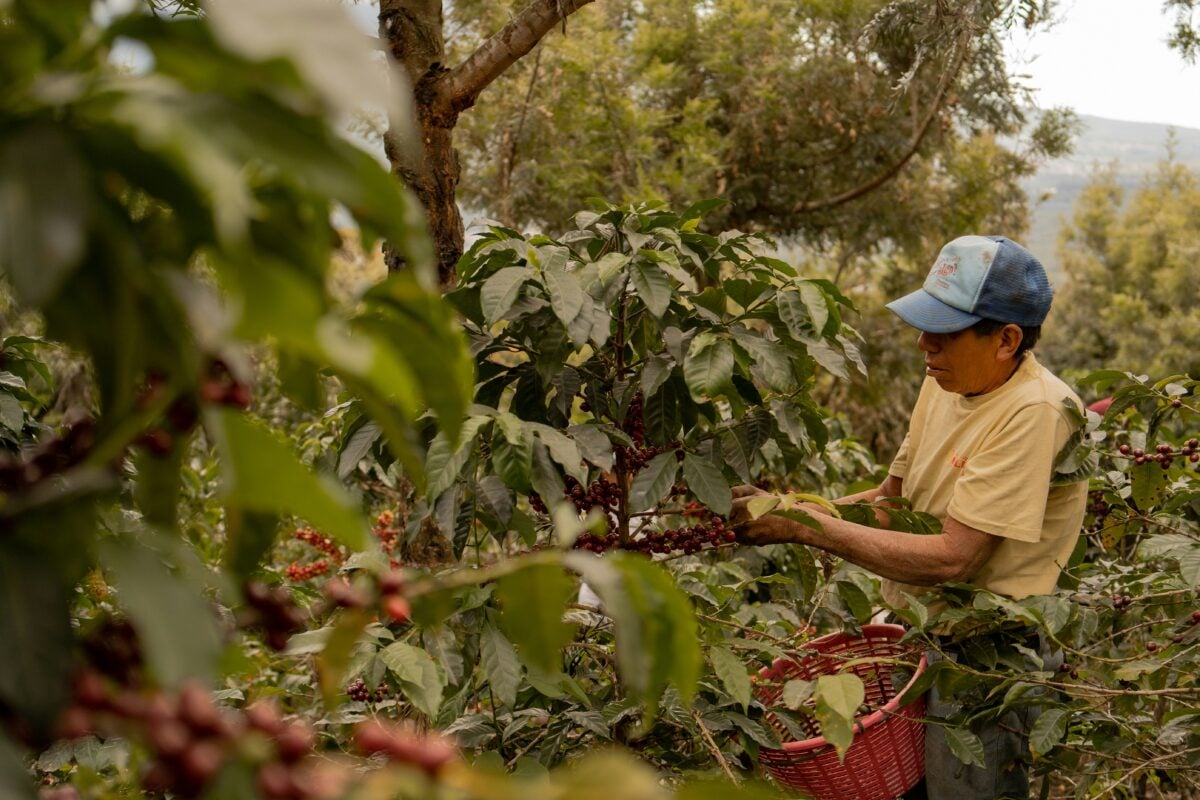
These coffee-producing giants share more similarities than their different climates might suggest. Small-scale farming dominates most regions, creating economic lifelines for millions of families whose livelihoods depend on plants that take years to mature and remain vulnerable to weather, disease, and market fluctuations beyond anyone’s control.
The scale of global coffee production becomes staggering when viewed from ground level — millions of individual farmers making daily decisions about cultivation, harvesting, and processing that collectively shape international markets worth billions of dollars. And yet the morning ritual continues unchanged, connecting producers on remote mountain farms to consumers who rarely consider the complexity behind their daily caffeine fix.
More from Go2Tutors!

- The Romanov Crown Jewels and Their Tragic Fate
- 13 Historical Mysteries That Science Still Can’t Solve
- Famous Hoaxes That Fooled the World for Years
- 15 Child Stars with Tragic Adult Lives
- 16 Famous Jewelry Pieces in History
Like Go2Tutors’s content? Follow us on MSN.