13 Tree Species That Changed International Economics
Throughout history, certain trees have wielded extraordinary influence over global trade, politics, and economics. These weren’t just sources of timber or shade—they became the foundation of entire industries, sparked wars, and reshaped the economic map of the world.
Here is a list of 13 tree species that fundamentally altered the course of international economics.
Hevea Brasiliensis (Rubber Tree)
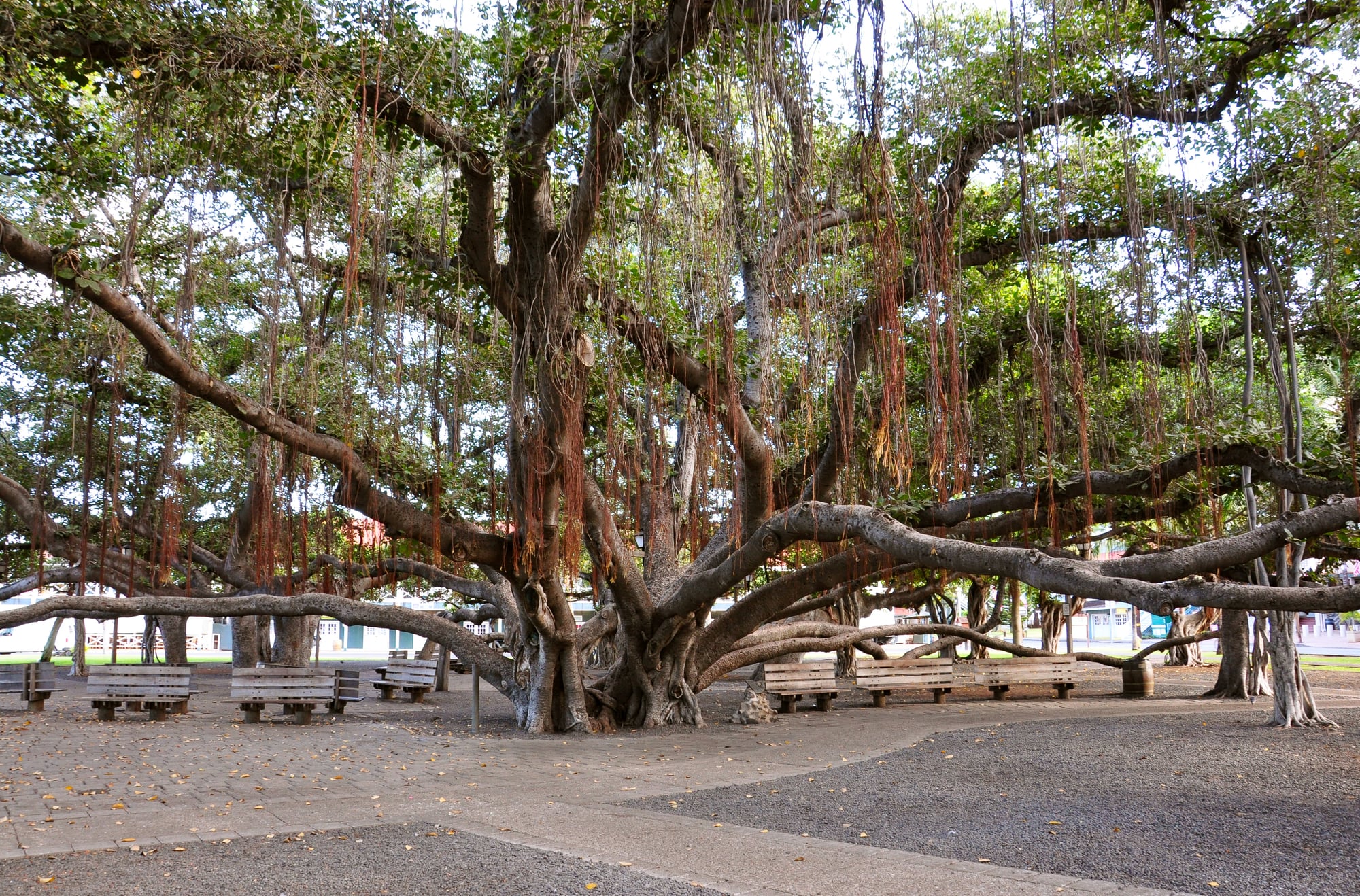
Brazil’s rubber trees created the world’s first major rubber boom in the late 1800s—transforming the Amazon basin into an economic powerhouse. The city of Manaus became so wealthy that it built an opera house rivaling those in Europe.
Yet when British botanist Henry Wickham smuggled seeds to Southeast Asia in 1876, he effectively ended Brazil’s monopoly and shifted the rubber industry permanently to Malaysia and other Asian countries.
Theobroma Cacao (Cocoa Tree)
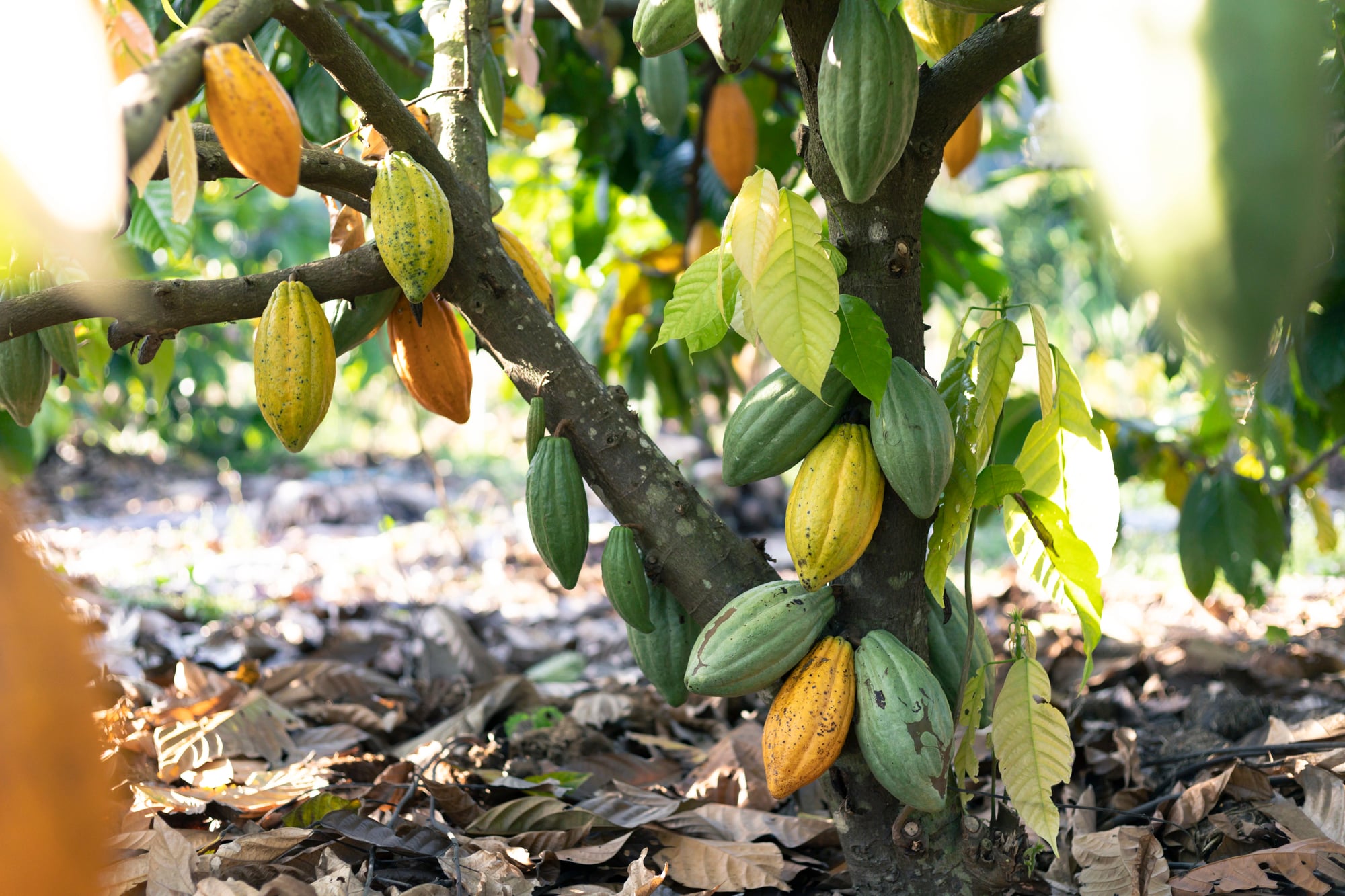
Cacao beans were so valuable to the Aztecs that they used them as currency. This tree’s influence only grew with European colonization, though.
The cocoa trade became a cornerstone of colonial economies in West Africa and Latin America—a pattern that continues today. Countries like Côte d’Ivoire and Ghana still produce about 60% of the world’s cocoa, making their national economies heavily dependent on chocolate demand.
Like Go2Tutors’s content? Follow us on MSN.
Coffea Arabica (Coffee Tree)

Coffee transformed from an Ethiopian highland curiosity into one of the world’s most traded commodities. The Dutch established coffee plantations in Java and Ceylon—while the French introduced it to the Caribbean.
Coffee became so economically important that price fluctuations could destabilize entire nations, which led to the creation of international coffee agreements to manage supply and pricing.
Santalum Album (Sandalwood)

Sandalwood’s aromatic heartwood was worth more than gold in ancient trade routes between India and China. The tree’s economic impact was so significant that it led to the near-extinction of native Hawaiian sandalwood forests—as local chiefs traded massive quantities to pay off debts to American merchants.
This sandalwood trade represented one of the first major economic connections between Hawaii and the mainland United States.
Tectona Grandis (Teak)
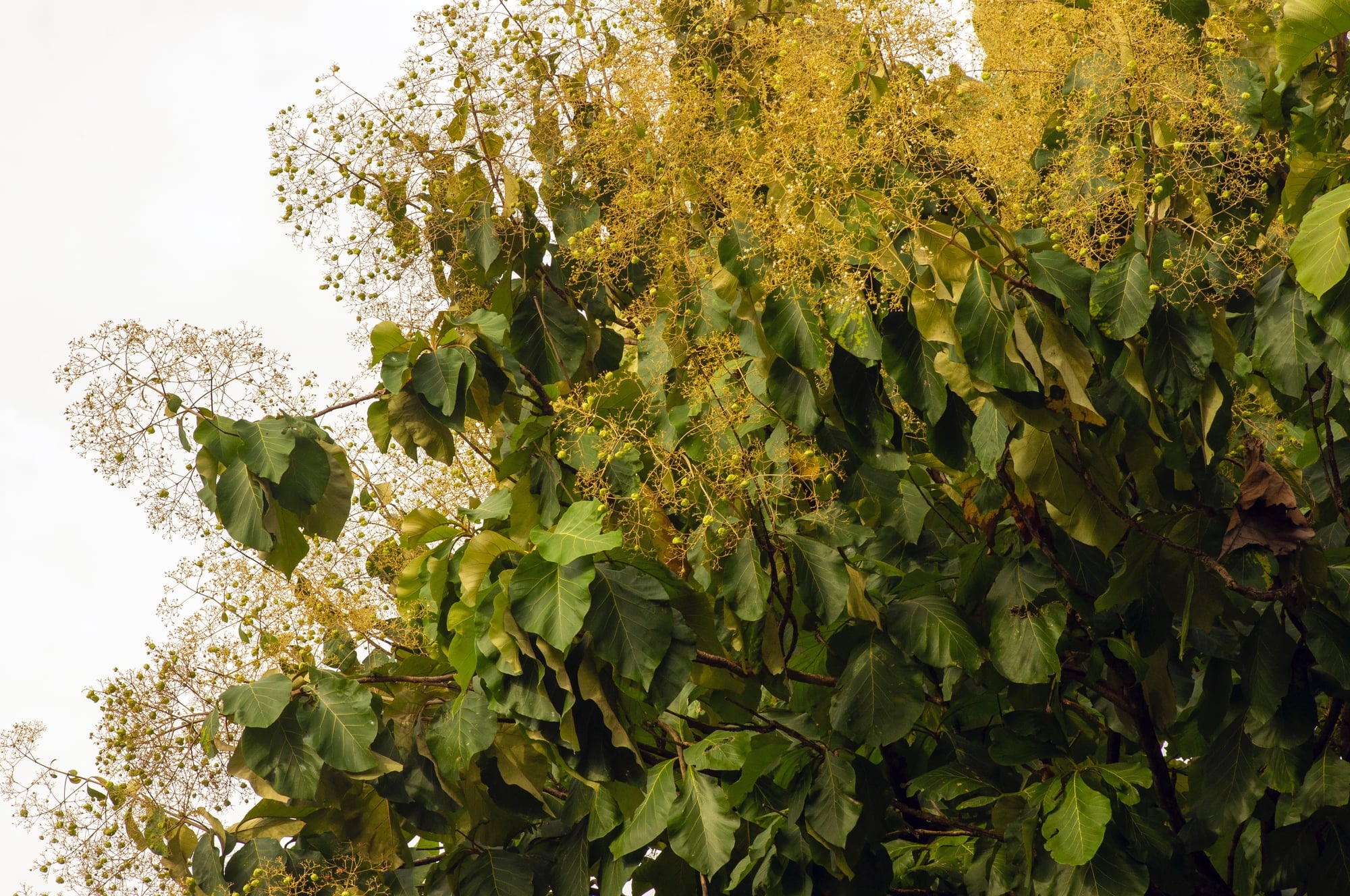
Teak’s exceptional durability made it the preferred wood for shipbuilding, particularly naval vessels. The British Empire’s naval supremacy partly depended on teak from Burma and India—since ships built with teak lasted decades longer than those made from other woods.
Control of teak forests became a strategic military priority, influencing colonial policies throughout Southeast Asia.
Like Go2Tutors’s content? Follow us on MSN.
Swietenia Mahagoni (Mahogany)
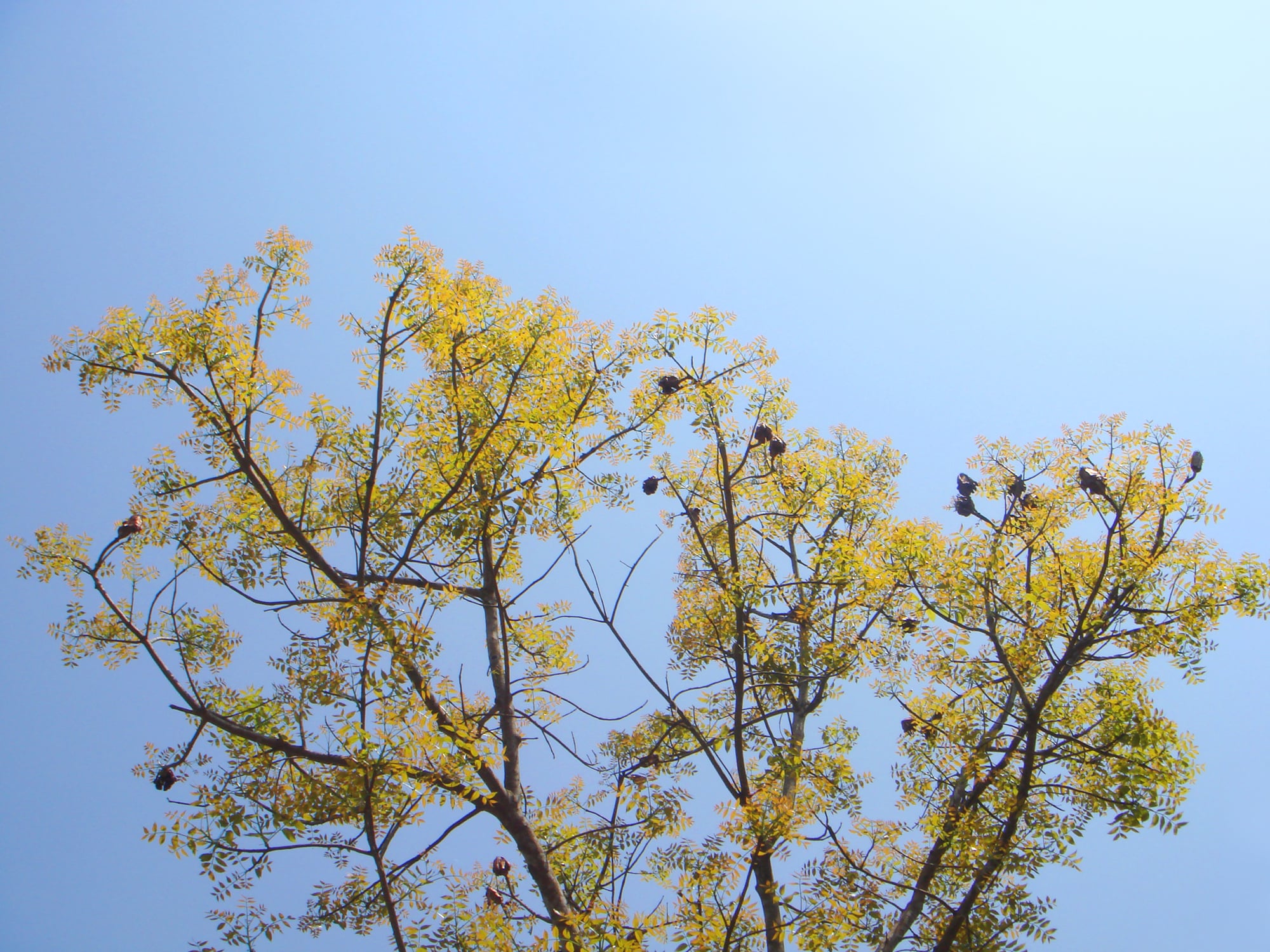
Mahogany’s beautiful grain and workability made it the premier wood for furniture among European aristocracy. The mahogany trade drove Spanish colonial expansion in Central America and the Caribbean—as entire regions developed around logging operations.
Ships loaded with mahogany became targets for pirates, while the wood’s value influenced diplomatic relations between European powers.
Aquilaria Species (Agarwood)
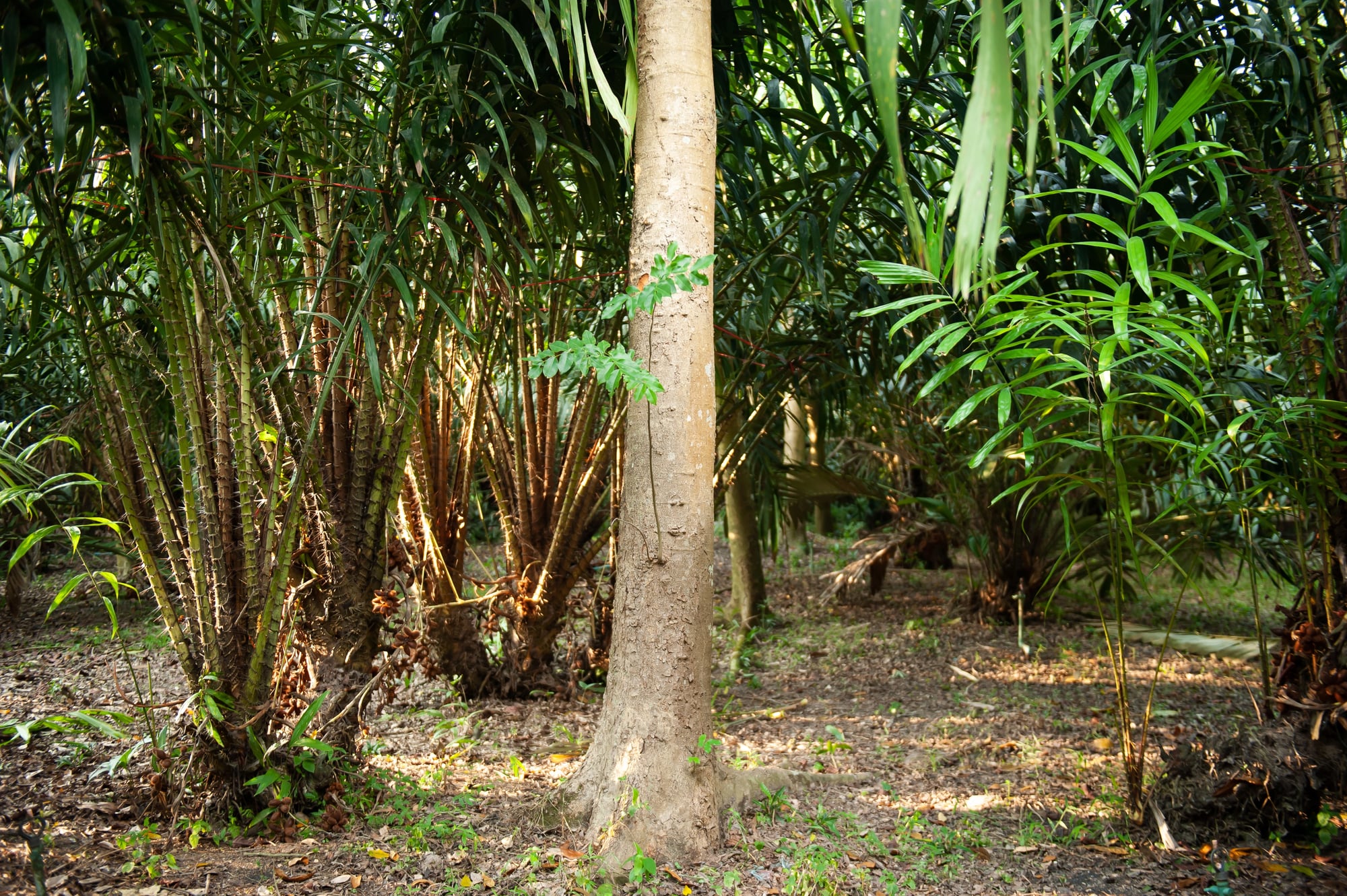
Agarwood produces one of the most expensive natural products in the world when infected with a specific type of mold. This aromatic resin has been traded across Asia for over 2,000 years—influencing trade routes from India to China.
The economic value of agarwood is so extreme that it’s driven most wild populations to near-extinction, creating a thriving but often illegal international trade worth billions of dollars.
Cinnamomum Verum (Cinnamon Tree)

True cinnamon was once worth more than gold—driving European exploration of sea routes to Asia. The Portuguese and later the Dutch fought numerous wars to control Sri Lanka’s cinnamon forests.
The spice trade was profitable enough to fund the Dutch East India Company, one of history’s first multinational corporations, helping establish the Netherlands as a major economic power.
Like Go2Tutors’s content? Follow us on MSN.
Pinus Strobus (Eastern White Pine)

Eastern white pine became the backbone of New England’s colonial economy and played a crucial role in American maritime commerce. These trees were so valuable for ship masts that the British Crown marked the largest specimens with the ‘King’s Arrow,’ reserving them for the Royal Navy.
The pine trade helped establish Boston as a major port while contributing significantly to early America’s economic development.
Quercus Suber (Cork Oak)
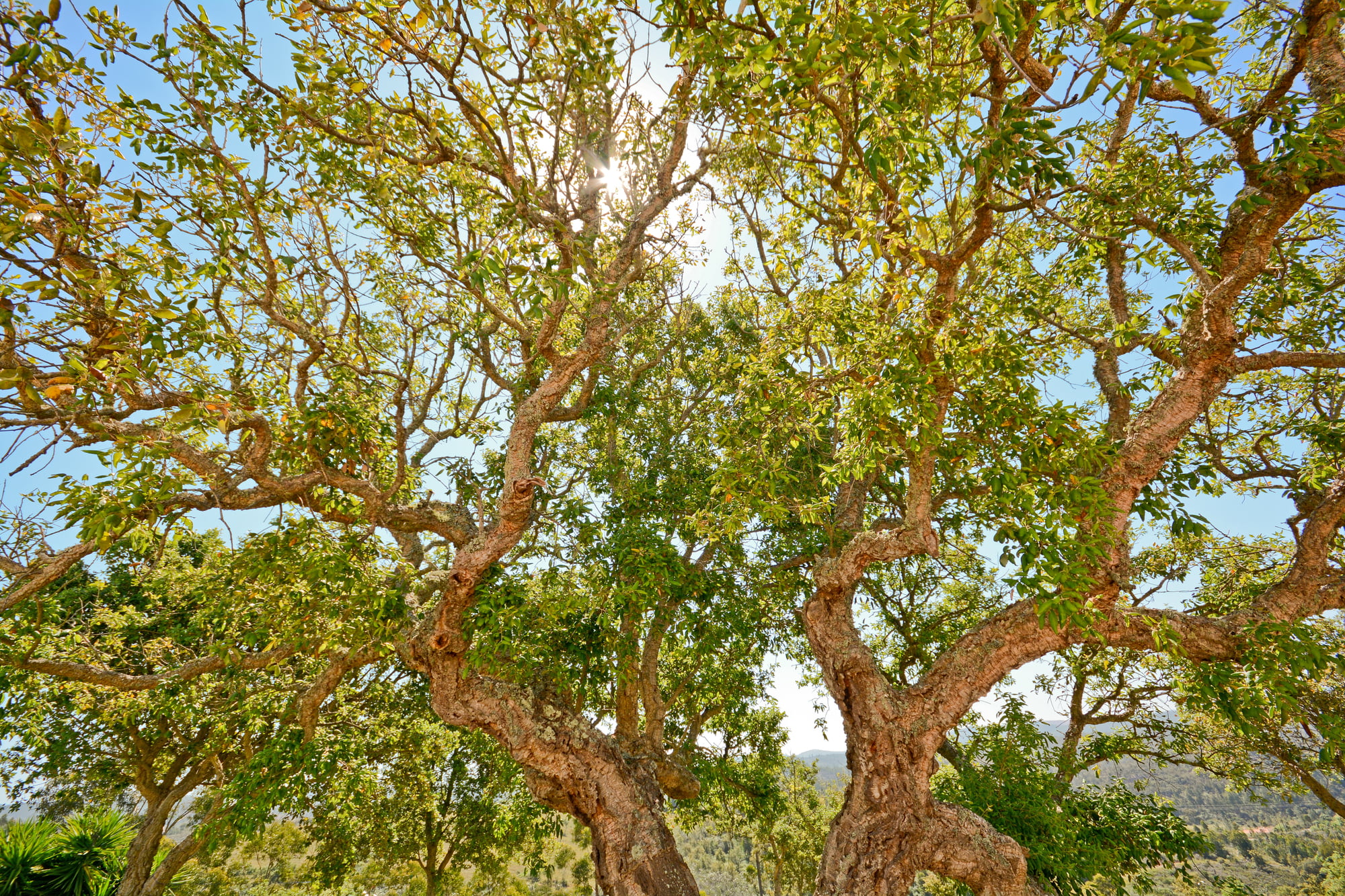
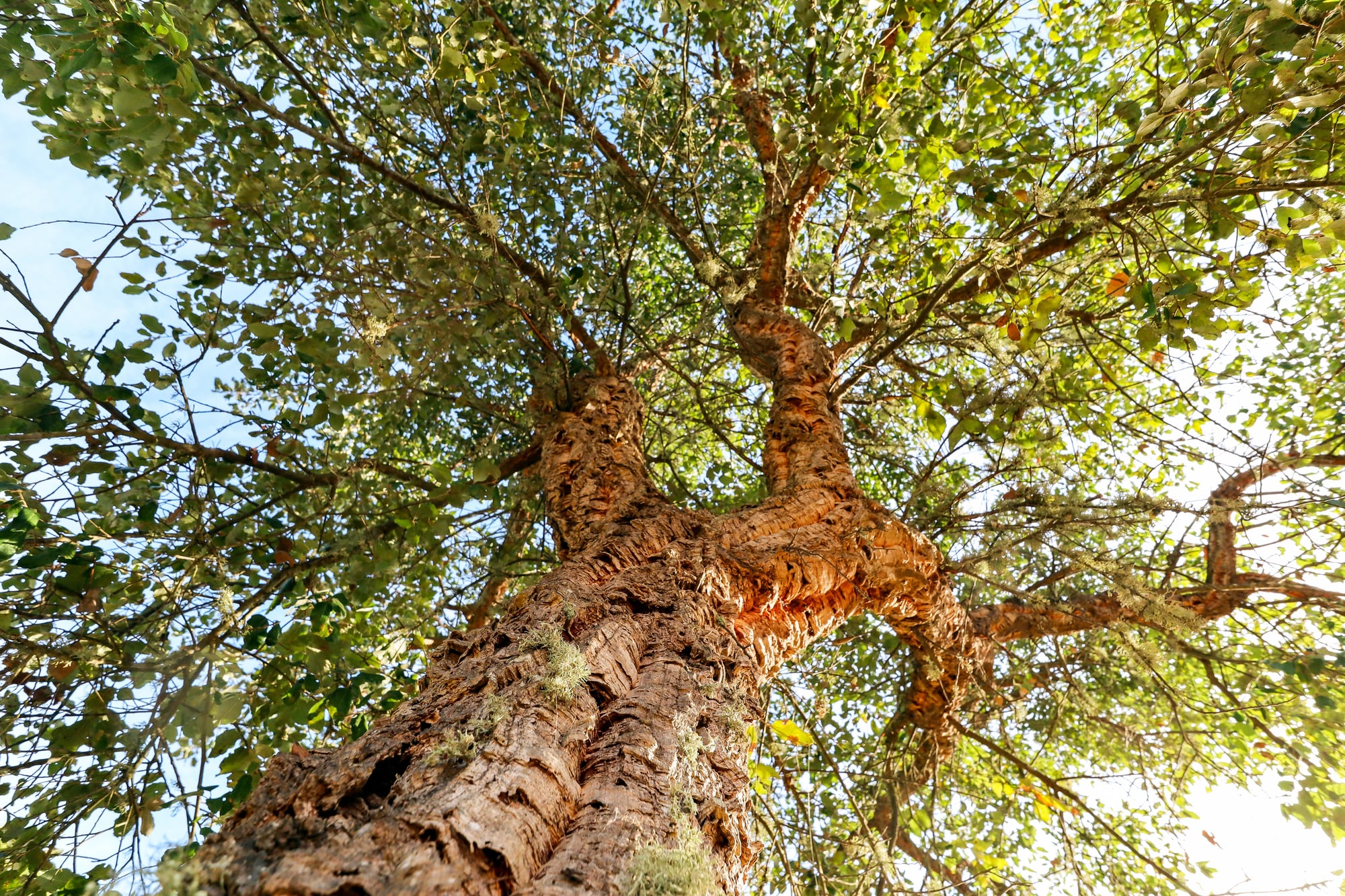
Cork oak trees revolutionized wine storage and transportation, making long-distance wine trade economically viable. Portugal’s cork forests became a national treasure, providing the raw material for wine corks that enabled the global wine industry to flourish.
The cork trade was important enough to Portugal’s economy that cork oak forests received special legal protections. Portugal still dominates global cork production today.
Boswellia Sacra (Frankincense Tree)
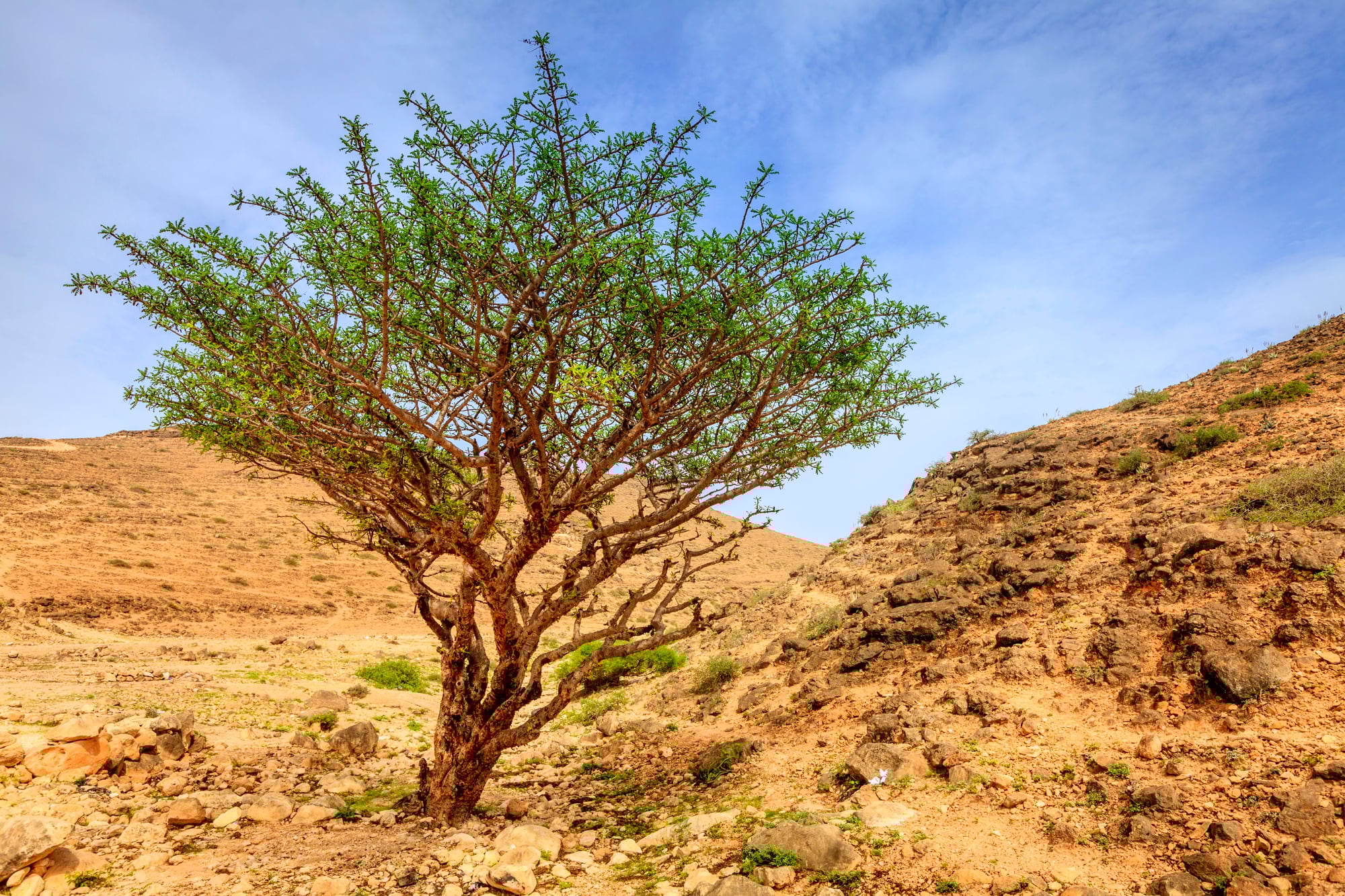
Frankincense was literally worth its weight in gold in ancient times, driving trade routes across the Arabian Peninsula. The Kingdom of Sheba built its wealth on frankincense trading, though the spice was so valuable that it influenced the rise and fall of entire civilizations.
Roman demand for frankincense was high enough to create one of history’s most lucrative trade monopolies.
Like Go2Tutors’s content? Follow us on MSN.
Dipteryx Odorata (Tonka Bean Tree)
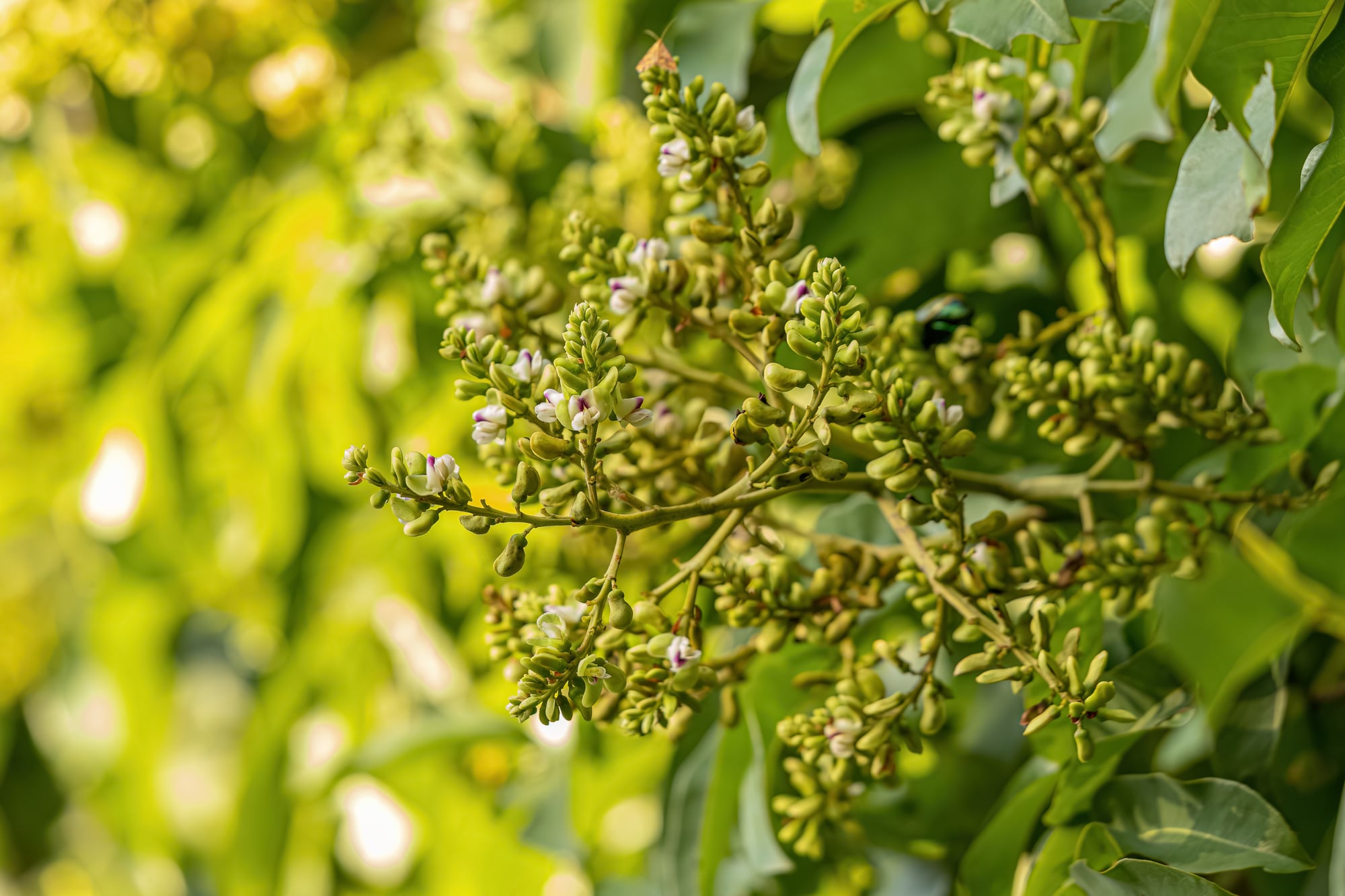
Tonka beans contain coumarin, which was used in perfumes and food flavoring before synthetic alternatives were developed. The tonka bean trade created significant wealth in Venezuela and British Guiana, where the trees grew naturally.
This economic impact was substantial enough that tonka bean exports influenced national budgets and international trade agreements in South America.
Cedrus Libani (Cedar of Lebanon)
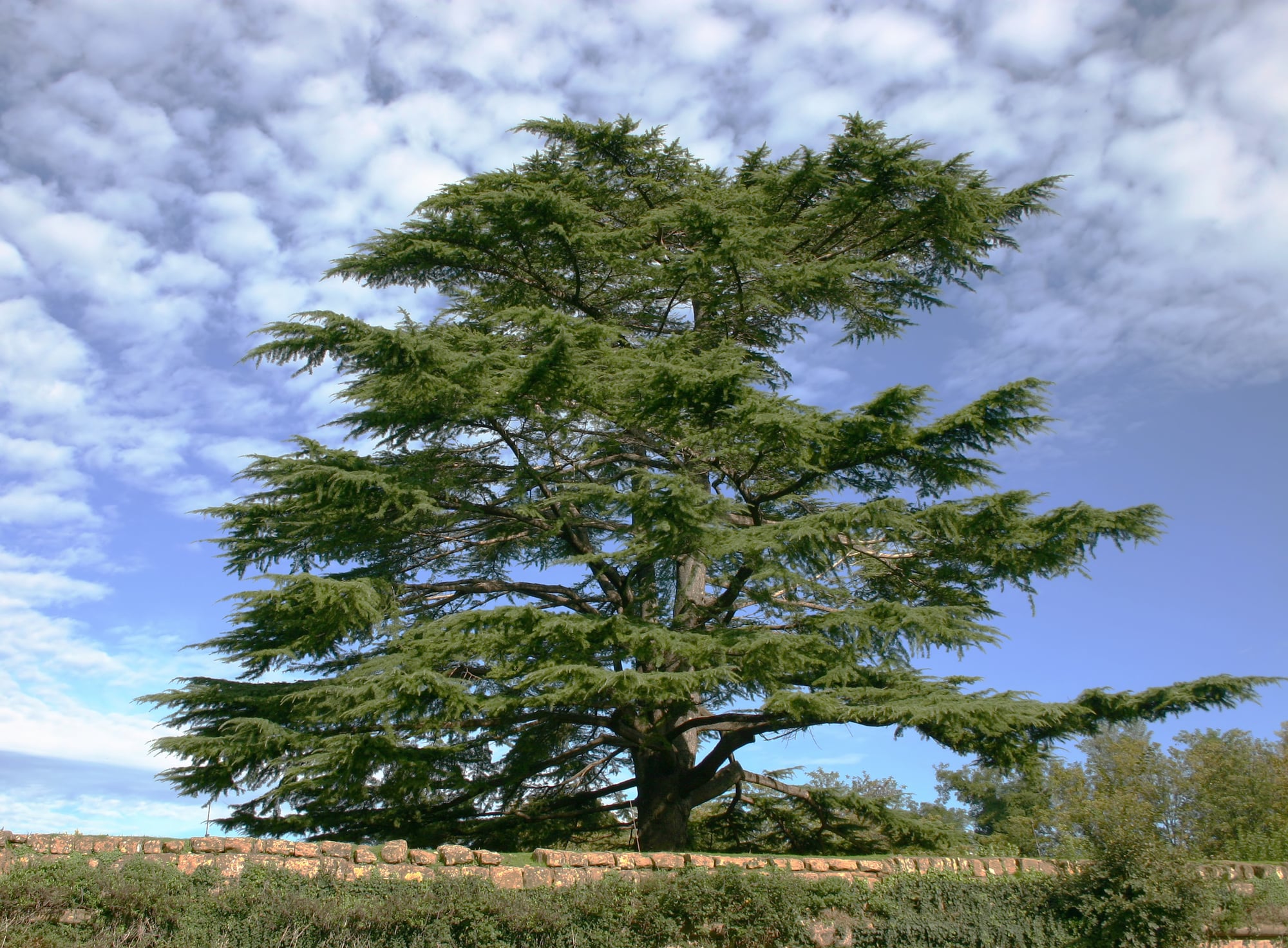
Lebanon’s cedar forests supplied the ancient world with premium construction timber, from Solomon’s Temple to Phoenician ships. These trees were economically important enough to influence political relationships between ancient kingdoms.
The cedar trade helped establish the Phoenicians as master merchants and shipbuilders, contributing to their dominance of Mediterranean commerce for centuries.
The Root of Global Commerce
These 15 tree species demonstrate how natural resources have consistently shaped human civilization and international relations. From the rubber boom that transformed the Amazon to the spice trades that funded maritime empires, trees have been silent architects of economic history.
Understanding these connections helps explain why environmental conservation and sustainable forestry practices aren’t just ecological concerns but economic necessities. The next time anyone enjoys a cup of coffee or admires a mahogany table, they’re experiencing the legacy of trees that once moved markets and toppled governments.
Like Go2Tutors’s content? Follow us on MSN.
More from Go2Tutors!

- 16 Historical Figures Who Were Nothing Like You Think
- 12 Things Sold in the 80s That Are Now Illegal
- 15 VHS Tapes That Could Be Worth Thousands
- 17 Historical “What Ifs” That Would Have Changed Everything
- 18 TV Shows That Vanished Without a Finale
Like Go2Tutors’s content? Follow us on MSN.