US Cities That Changed Their Names
Cities grow, change, and sometimes decide their old names just don’t fit anymore. Some places switched names to honor different people, while others wanted to distance themselves from embarrassing or outdated labels.
A few cities made the change for practical reasons, like avoiding confusion with other towns or attracting more business. These name changes tell fascinating stories about American history, culture, and the constant evolution of communities across the country.
Let’s look at some cities that decided to reinvent themselves with brand new names.
New Amsterdam to New York

The Dutch established New Amsterdam in 1624 at the southern tip of Manhattan Island, building a thriving trading post that quickly became valuable. England wanted control of this strategic location and took over the colony in 1664 without firing a single shot.
King Charles II gave the territory to his brother, the Duke of York, who immediately renamed the settlement after himself. New York stuck even when the Dutch briefly recaptured the city in 1673, renaming it New Orange for a hot minute before the English took it back for good.
The Dutch influence remains visible today in neighborhood names like Harlem and Brooklyn, but the city itself carries its English name proudly.
Yerba Buena to San Francisco
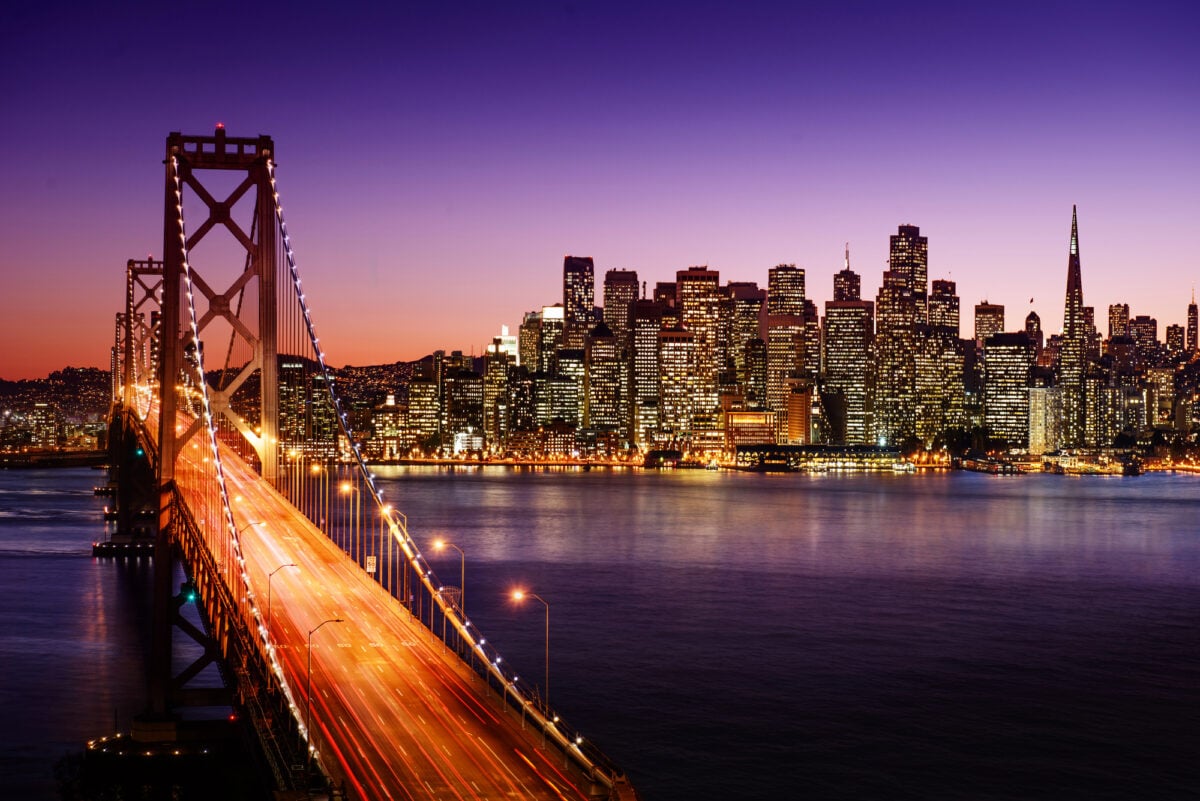
Spanish missionaries and soldiers knew the area around San Francisco Bay as Yerba Buena, which means ‘good herb’ in Spanish, referring to a mint plant that grew wild there. The tiny settlement had maybe 200 residents when Americans started arriving in the 1840s, but its location on the magnificent bay held obvious potential.
When the United States claimed California in 1846, the town’s leaders realized they needed a name that sounded more impressive to attract settlers and businesses. They chose San Francisco, borrowing from the nearby mission, and the timing couldn’t have been better because the Gold Rush hit just two years later.
That name change probably helped the city grow faster, since Yerba Buena sounds like a sleepy village while San Francisco suggests something grand.
Pig’s Eye to Saint Paul

A French-Canadian whiskey trader named Pierre ‘Pig’s Eye’ Parrant set up shop along the Mississippi River in the 1840s, and settlers started calling the growing community Pig’s Eye Landing. The nickname came from Parrant’s appearance, and while it was memorable, it definitely didn’t make the best first impression for a place trying to attract respectable families.
Father Lucien Galtier built a log chapel in 1841 and dedicated it to Saint Paul, giving residents a much better naming option. The territorial legislature officially adopted Saint Paul in 1841, and the city became Minnesota’s capital in 1849.
Imagine trying to convince people to move to a place called Pig’s Eye when nearby Minneapolis had such a dignified name.
Terminus to Atlanta

Railroad planners marked the spot where a new line would end in 1837, literally calling it Terminus because it was the terminal point. That name worked fine for engineers and surveyors, but it sounded pretty uninspiring for what the founders hoped would become a major city.
They briefly tried Marthasville in 1843, honoring the daughter of a former governor, before settling on Atlanta in 1845. The name came from ‘Atlantic,’ referencing the Western and Atlantic Railroad that made the city possible in the first place.
Atlanta sounded modern, commercial, and forward-thinking, which matched the city’s ambitions perfectly.
Fort Dallas to Dallas

A military outpost called Fort Dallas sat along the Trinity River in the 1840s, serving as protection for settlers in the area. When residents decided to incorporate their growing town in 1856, they kept the Dallas part but dropped the Fort.
The name honored George Mifflin Dallas, who served as Vice President under James K. Polk from 1845 to 1849. Interestingly, George Dallas never actually visited the city that bears his name, and Texas didn’t even have a personal connection to him since he was from Pennsylvania.
The choice reflected the common practice of naming new settlements after prominent political figures, regardless of whether they had any real ties to the place.
Pea Patch Island settlement to Delaware City
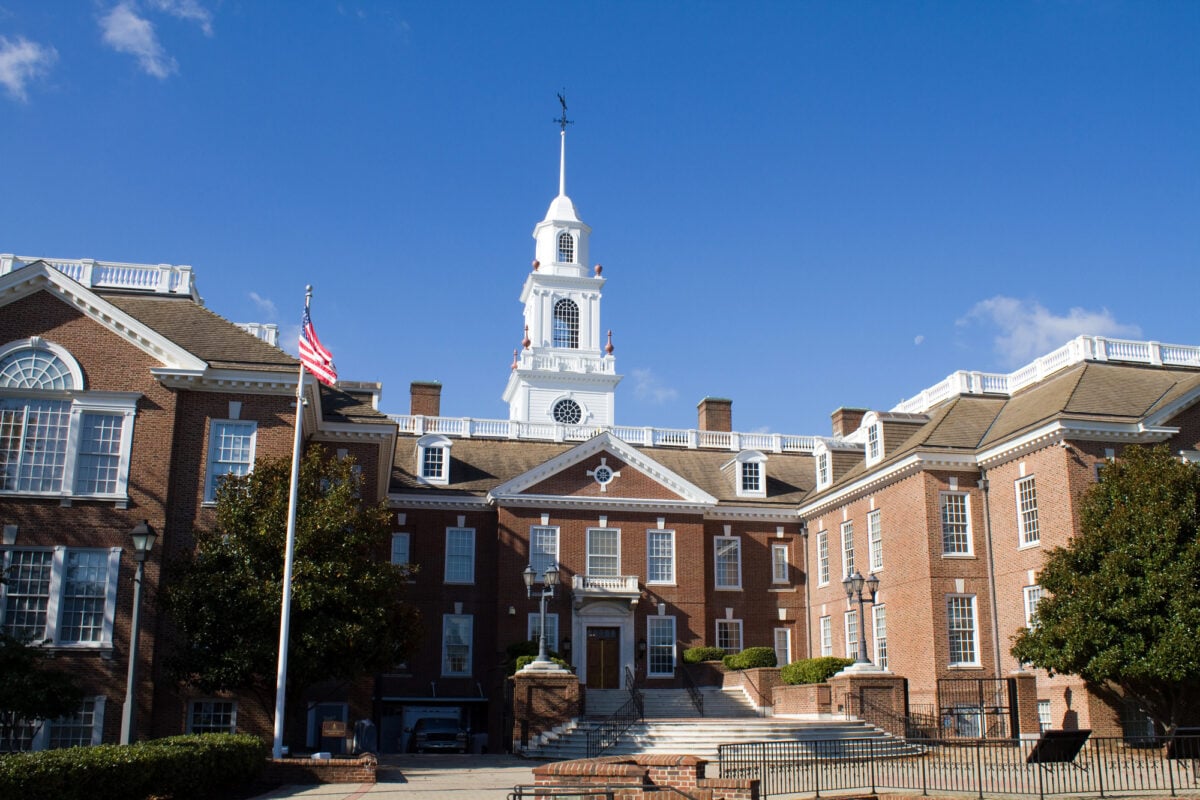
A small community grew up around a fort on Pea Patch Island in the Delaware River during the early 1800s. The name came from a legend about a ship carrying peas that wrecked on a sandbar, supposedly causing the island to form, though that story seems pretty far-fetched.
Residents didn’t love being associated with a vegetable patch, especially as they tried to develop serious commercial enterprises. They renamed their town Delaware City in 1826, linking themselves to the larger state and river system.
The change worked, and Delaware City became a busy port and canal town, though it never quite achieved the massive growth its founders imagined.
Lancaster to Lincoln

Pennsylvania already had a city called Lancaster, which caused constant mail mix-ups for the Nebraska settlement that shared the name. Local officials decided to rename their town in 1867, right around the time Nebraska achieved statehood.
They chose Lincoln to honor the recently assassinated president, Abraham Lincoln, who had signed the Homestead Act that brought so many settlers to Nebraska. The timing proved excellent because Lincoln became the state capital that same year, giving the name even more significance.
The city grew rapidly as both a political center and a railroad hub, making the name change look like a smart strategic move.
Queen Anne to Seattle

The settlement around Elliott Bay went by several names in its early years, including Queen Anne and Duwamps, neither of which really captured what the founders wanted. David Swinson ‘Doc’ Maynard, one of the city’s pioneers, pushed hard to rename the town after Chief Seattle of the Duwamish and Suquamish tribes.
The chief had established friendly relations with white settlers and helped prevent conflicts that plagued other areas. City leaders adopted the name Seattle in 1853, though they changed the spelling slightly from Sealth, the chief’s actual name.
Chief Seattle reportedly didn’t love having a city named after him because of his people’s belief about names and the afterlife, but the name stuck anyway.
Losantiville to Cincinnati

A tiny settlement in Ohio started out with the unwieldy name Losantiville in 1788, cobbled together from bits of Latin, Greek, and French words meaning ‘the city opposite the mouth of the Licking River.’ Surveyor John Filson created this name, apparently trying too hard to sound educated and worldly.
When General Arthur St. Clair arrived as territorial governor in 1790, he immediately renamed it Cincinnati after the Society of the Cincinnati, a group of Revolutionary War officers. The name honored the Roman leader Cincinnatus, who left his farm to save Rome before returning to his plow, symbolizing the ideal of citizen-soldiers.
Cincinnati sounds much better than Losantiville, which seems like something someone made up on the spot.
Dade County to Miami-Dade County

Florida’s Dade County carried its name since 1836, honoring Major Francis L. Dade, who died in the Second Seminole War. As Miami grew into a major international city, people increasingly identified the area with Miami rather than Dade.
The county government officially changed to Miami-Dade County in 1997 after residents voted for the switch. This wasn’t quite a complete name change, but it put Miami front and center, which made sense given the city’s global recognition.
The hyphenated name kept the historical connection while acknowledging present-day reality.
Hot Springs to Truth or Consequences

A small New Mexico town called Hot Springs decided to pull off one of the strangest name changes in American history in 1950. The radio show ‘Truth or Consequences’ announced it would broadcast from any town willing to rename itself after the program.
Hot Springs jumped at the chance for free publicity and officially became Truth or Consequences, a name that still makes people do a double-take. The show’s host, Ralph Edwards, visited the town every year for decades, and the publicity stunt actually worked in attracting tourists.
Locals call it T or C for short because saying the full name takes too long.
Long Island City to Queens
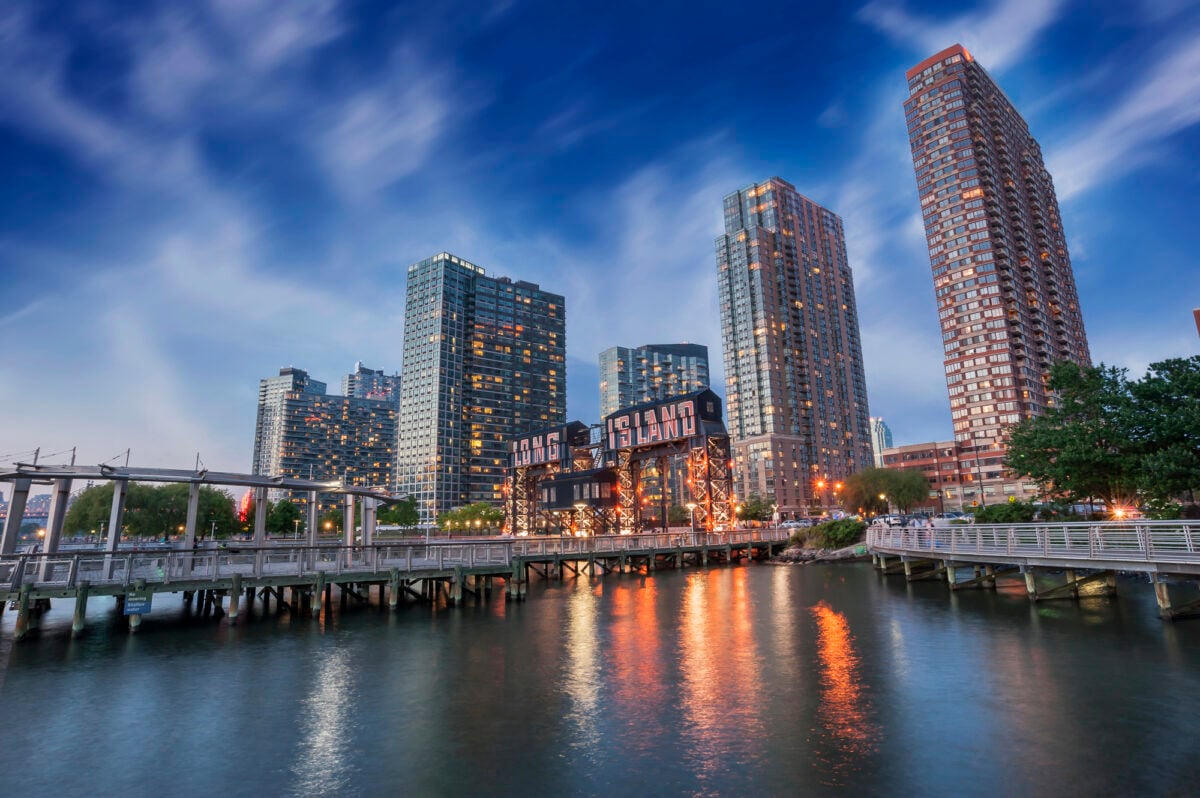
Multiple communities on Long Island, including the village of Long Island City, merged into New York City in 1898 as part of the Greater New York consolidation. The area became the borough of Queens, taking its name from Queen Catherine of Braganza, wife of King Charles II.
Long Island City still exists as a neighborhood name within Queens, but it lost its status as an independent municipality. The consolidation transformed New York into the massive five-borough city people know today.
Queens Borough Hall still sits in the old Long Island City area, maintaining that historical connection.
Oneida to Green Bay
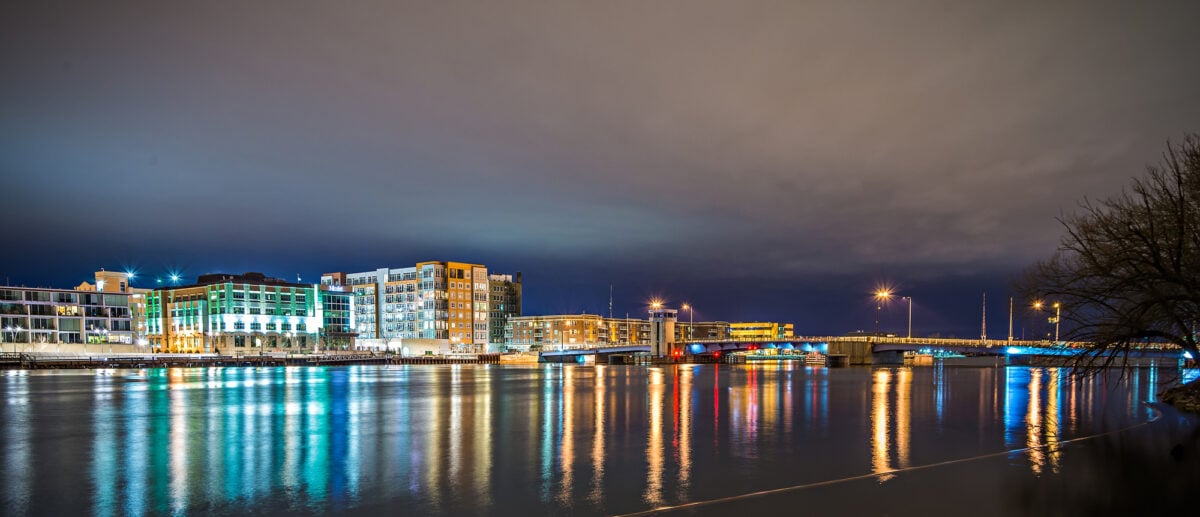
French explorers called the area Baie des Puants, which roughly translates to ‘Bay of Stinking Waters,’ referring to the marshy smell around the bay. American settlers who arrived later briefly used Oneida before settling on Green Bay, which sounds infinitely more appealing than anything involving the word ‘stinking.’
The name comes from the greenish color of the water during certain times of year. Green Bay became an important fur trading post and later a major paper industry center.
The football team probably wouldn’t have become so beloved if they were still called the Oneida Packers or Bay of Stinking Waters Packers.
Beantown reference aside, Boston stayed Boston

Boston actually never changed its name, but the city came close during colonial tensions with England. Some radical patriots wanted to rename it something without British connections since the city took its name from Boston in Lincolnshire, England.
The idea never gained serious traction because too many people already knew Boston, and changing it would have caused confusion. The city kept its English name even while fighting England for independence, showing that sometimes practicality wins over symbolism.
Bostonians still debate whether ‘Beantown’ should become official, but that’s more of a nickname than a serious proposal.
Filbert to Hazleton

A small Pennsylvania town started as Filbert, probably named after a family or landowner in the area. As the community grew in the 1850s thanks to nearby coal mining, residents wanted a name that sounded more substantial and businesslike.
They switched to Hazleton in 1857, with the name possibly coming from Hazel Creek or just being chosen because it sounded good. The extra ‘e’ in Hazleton appeared and disappeared in various spellings before the current version stuck.
The coal boom made Hazleton prosperous for decades, and the more serious name probably helped it attract investors and workers.
Babcock’s Grove to Lombard
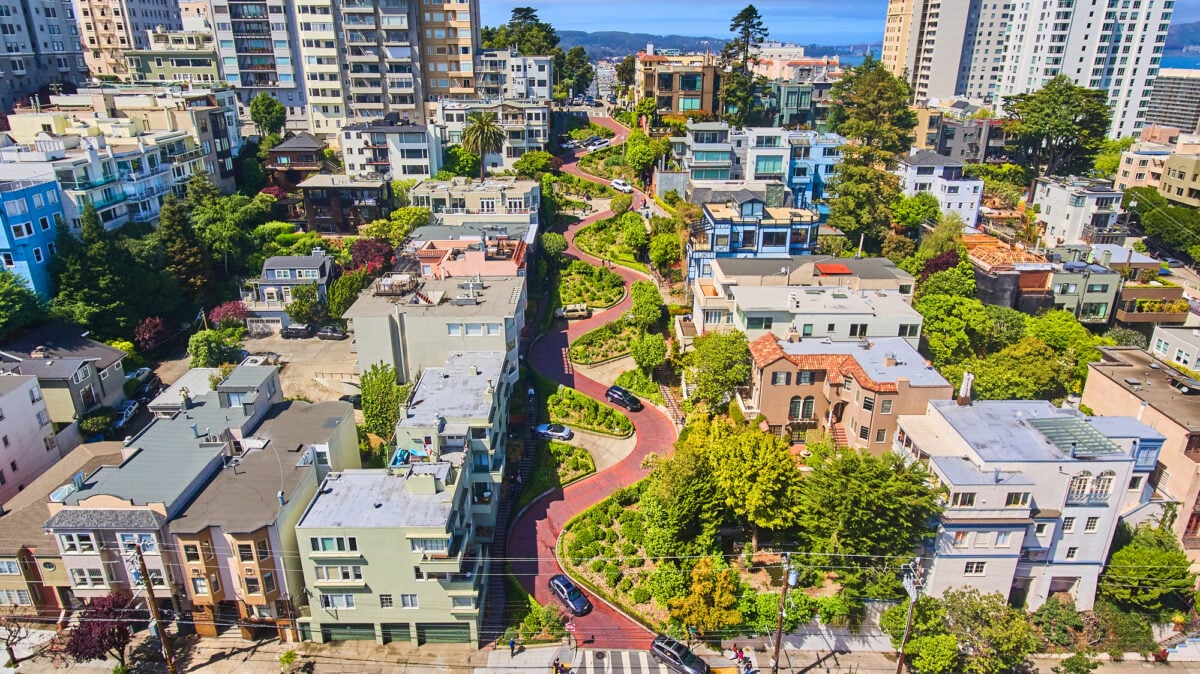
This Illinois spot just west of Chicago was first called Babcock’s Grove, named for folks who ran a tavern plus coaching inn ages ago. As trains showed up in 1869, local planners figured a classier title might lure workers and shops.
So they picked Lombard – after Josias Lombard, a connected city merchant who backed the rail line’s path here. It added a touch of old-world charm, making the place feel settled, maybe even upscale.
Over time, it expanded slow but steadily along the tracks, turning into one of DuPage County’s bigger towns.
Guthrie to Oklahoma City

Oklahoma’s original capital was Guthrie, yet oil discoveries plus rail links helped OKC expand quicker. By 1910, citizens picked a new location through voting – shifting power to Oklahoma City.
Even though Guthrie held onto its name, it faded in influence fast. The bigger city benefited from sounding like the whole state, which gave it an edge.
Legal fights followed, along with anger; some folks in Guthrie said ballots were tampered with. Still, OKC came out on top, turning into the main urban hub, while Guthrie stayed quiet and small.
Cape Canaveral to Cape Kennedy and back
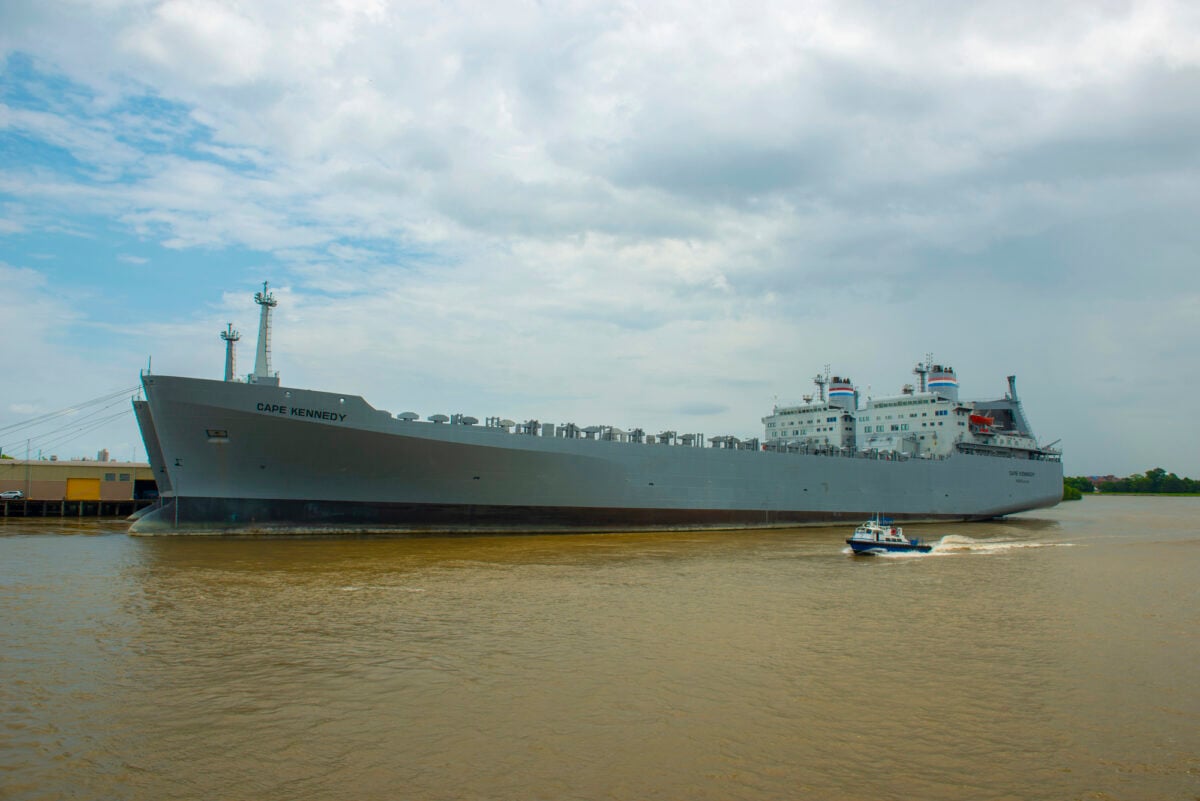
Florida’s Cape Canaveral held onto its old Spanish title for ages until LBJ changed it to Cape Kennedy in ‘63, right after JFK was killed. That shift came fast – no real talk with locals – and folks down there didn’t like D.C. forcing a new label.
While the launch site stayed Kennedy-named, the actual cape reverted by 1973 ’cause people kept demanding the past one back. So now you’ve got Kennedy Space Center built on Cape Canaveral, keeping both names alive side by side.
It just goes to show how deep feelings run about what places are called – and why towns dig in their heels to protect those titles.
Names That Stick
Cities swap names for different causes, yet lasting updates often show deeper community changes. Certain rebrands boosted growth – making towns seem sharper or dropping awkward ties.
Meanwhile, some tributes celebrated figures or moments key to local pride. Strong choices stuck so well folks barely recalled earlier labels after ten years passed.
Such shifts prove locations keep evolving, kicking off renewal with just a fresh marker on maps.
More from Go2Tutors!

- The Romanov Crown Jewels and Their Tragic Fate
- 13 Historical Mysteries That Science Still Can’t Solve
- Famous Hoaxes That Fooled the World for Years
- 15 Child Stars with Tragic Adult Lives
- 16 Famous Jewelry Pieces in History
Like Go2Tutors’s content? Follow us on MSN.