15 Bizarre Obsessions Of the World’s Most Eccentric Billionaires
There’s something humbling about discovering that Earth still keeps secrets. Despite satellites mapping every corner and documentaries bringing distant places into living rooms, some of nature’s most extraordinary displays remain stubbornly tied to specific coordinates.
These phenomena don’t travel. They wait.
Elon Musk’s Underground Tunnel Networks
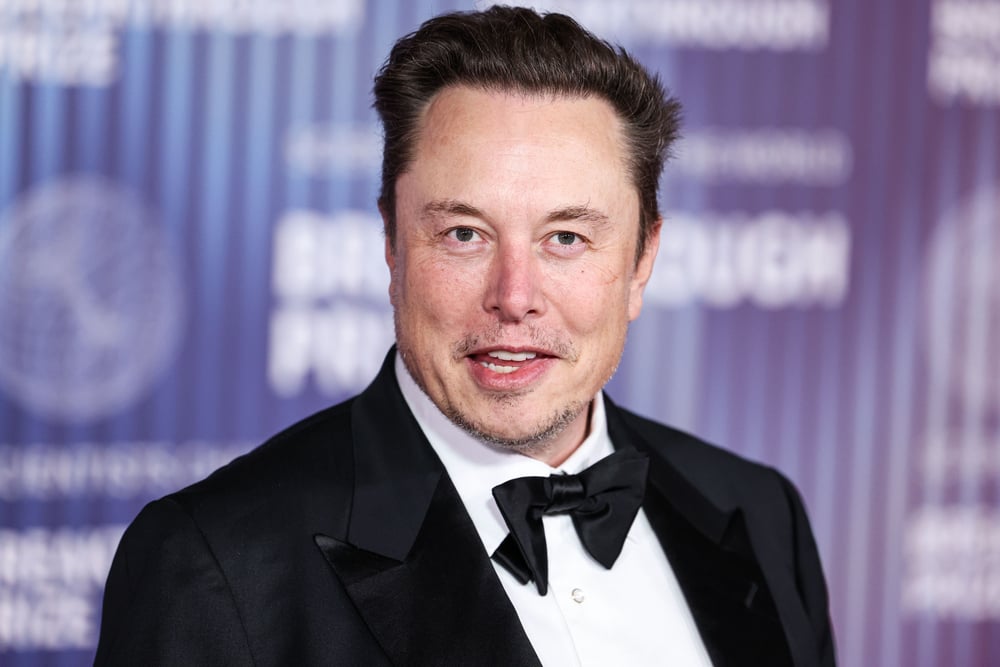
Musk got stuck in LA traffic and decided to dig under it. The Boring Company exists because one man refused to accept that sitting in gridlock was just part of modern life.
So far the tunnels don’t solve much traffic. But they’re getting built anyway.
Jeff Bezos’s 10,000-Year Clock
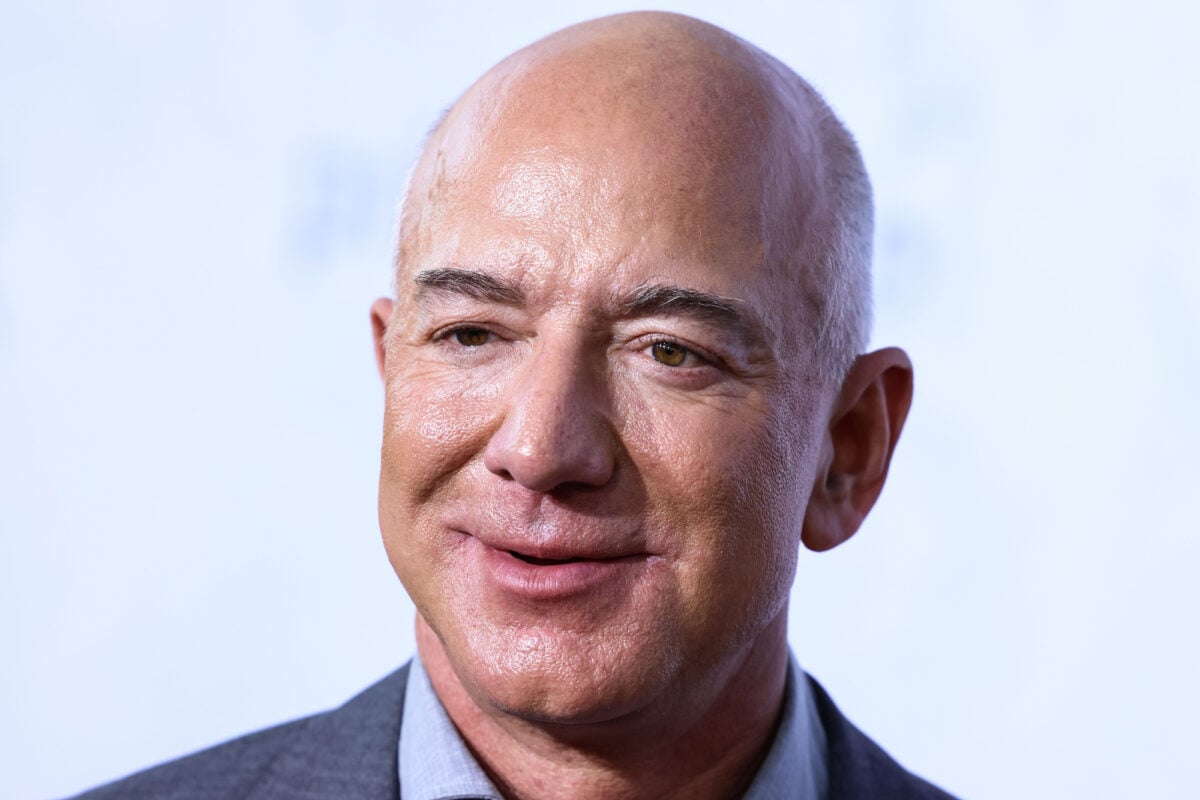
Bezos is funding a mechanical clock designed to tick for ten millennia inside a mountain in Texas. The project (which involves some of the smartest engineers on the planet working on gear ratios and pendulum mechanics) represents his attempt to think beyond quarterly earnings reports—though whether anyone will be around to wind it in the year 12,023 remains an open question.
And there’s something almost childlike about a man who sells everything from toothbrushes to cloud computing deciding that what the world really needs is a really, really accurate timepiece that most people will never see. But then again, when you’ve conquered retail and space travel, perhaps the only frontier left is time itself, and Bezos has always been someone who thinks in decades rather than fiscal years, which explains both his success and his willingness to hollow out a mountain for a clock that will outlast every government currently on Earth.
Bill Gates’s Manuscript Collection
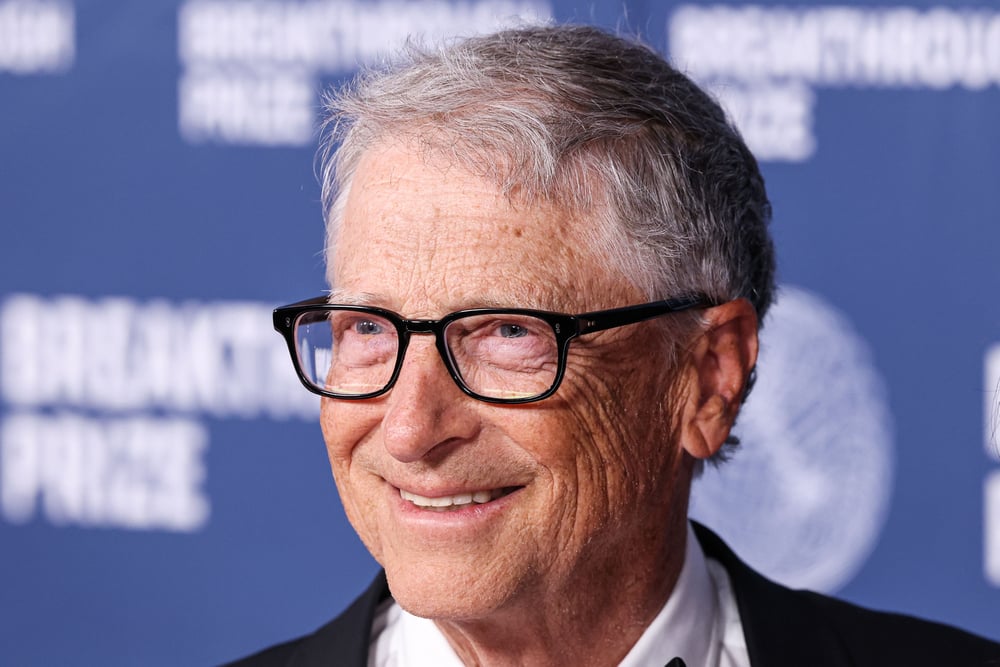
Gates collects rare scientific manuscripts the way other people collect baseball cards. He owns Leonardo da Vinci’s notebook for $30 million.
The pages contain mirror writing about flying machines and human anatomy. You can understand wanting to own ideas that changed the world.
What’s odd is keeping them in a private collection instead of a museum.
Larry Ellison’s Island Nation Fantasy
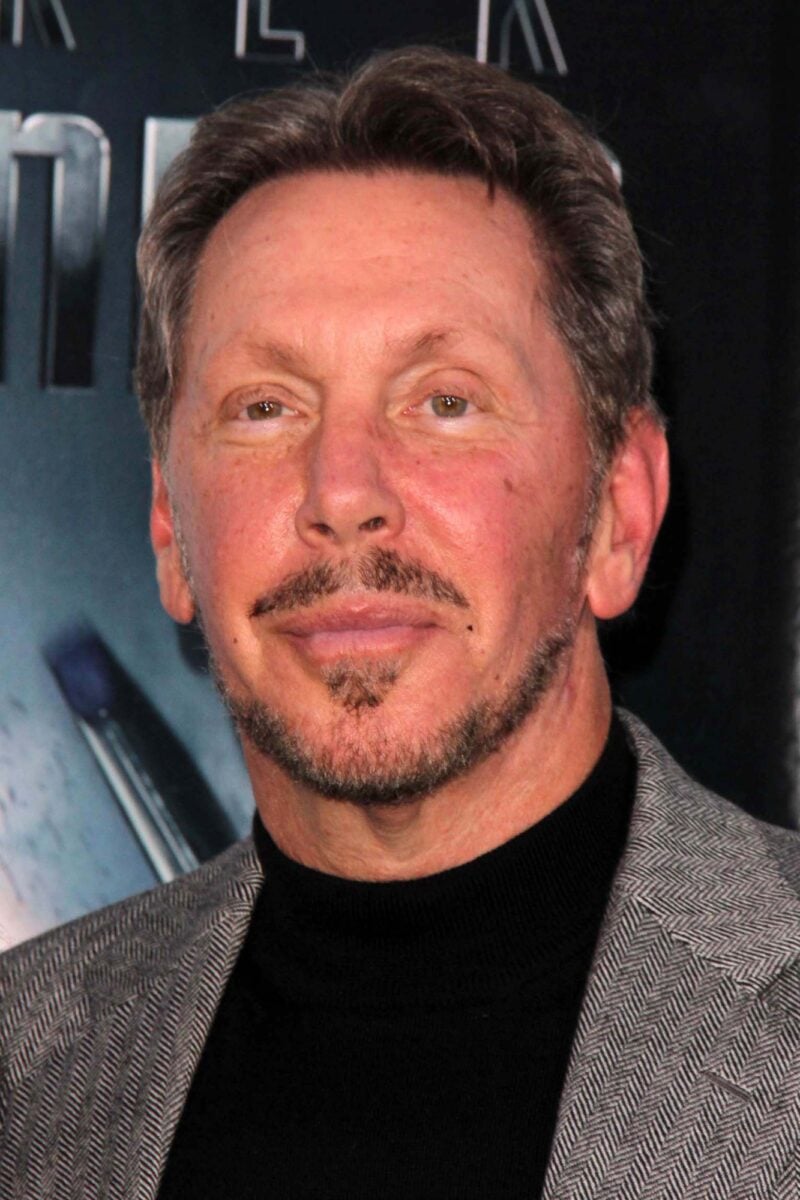
Ellison bought 98% of the Hawaiian island of Lanai and decided to turn it into his personal sustainability experiment. Solar panels, electric cars, organic farms—the whole environmental utopia package, which sounds noble until you realize he’s essentially playing SimCity with real people’s lives and livelihoods.
The residents didn’t exactly volunteer to become test subjects for one man’s vision of the future. Fair enough if you want to save the planet, but maybe ask the neighbors first.
Warren Buffett’s Bridge Obsession
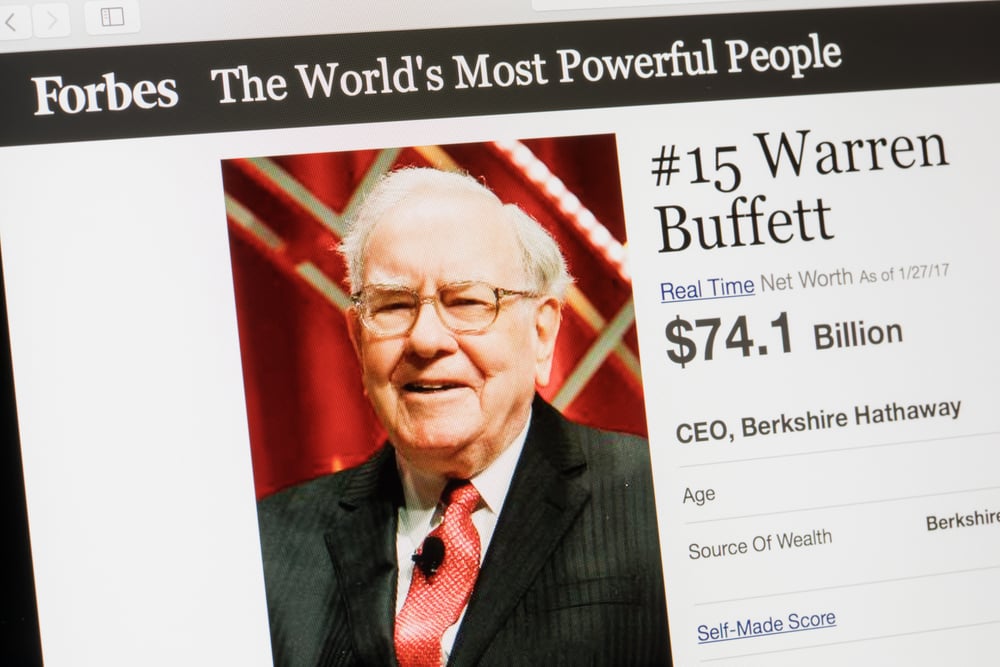
Bridge isn’t just a hobby for Buffett—it’s a consuming passion that borders on compulsion, and he’s been known to play online for hours under pseudonyms, which means somewhere out there, regular people have been getting demolished at cards by one of history’s greatest investors without knowing it (and probably blaming their losses on bad luck rather than sitting across from someone whose entire fortune was built on calculating odds). The man who can move markets with a single stock pick spends his evenings trying to figure out whether his partner has the ace of spades, and there’s something both endearing and slightly absurd about watching someone worth $100 billion get genuinely frustrated over a botched finesse.
But then again, bridge is all about reading people, managing risk, and making decisions with incomplete information—which, when you think about it, is exactly what made Buffett rich in the first place. So maybe it’s not so strange after all.
Mark Zuckerberg’s Metaverse Obsession
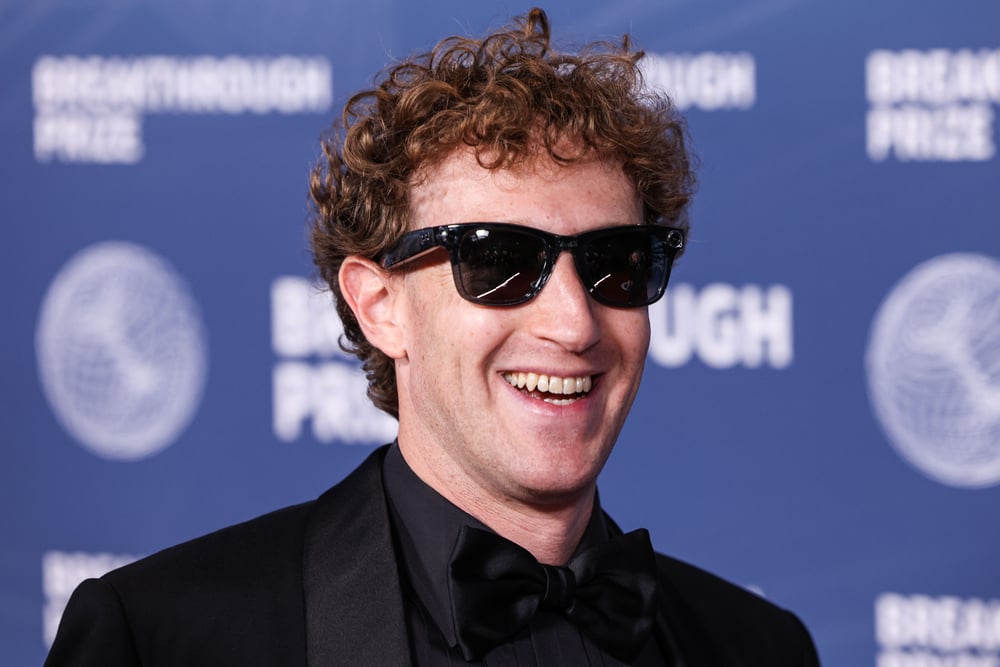
There’s something unsettling about watching someone try to build a digital world while seemingly struggling to navigate the analog one. Zuckerberg’s devotion to virtual reality feels less like technological vision and more like an elaborate escape plan—as if the solution to human connection isn’t fixing the platforms we already have, but abandoning physical reality altogether.
His avatars have more personality than his congressional testimony. Which is saying something.
Michael Bloomberg’s Data Fetish
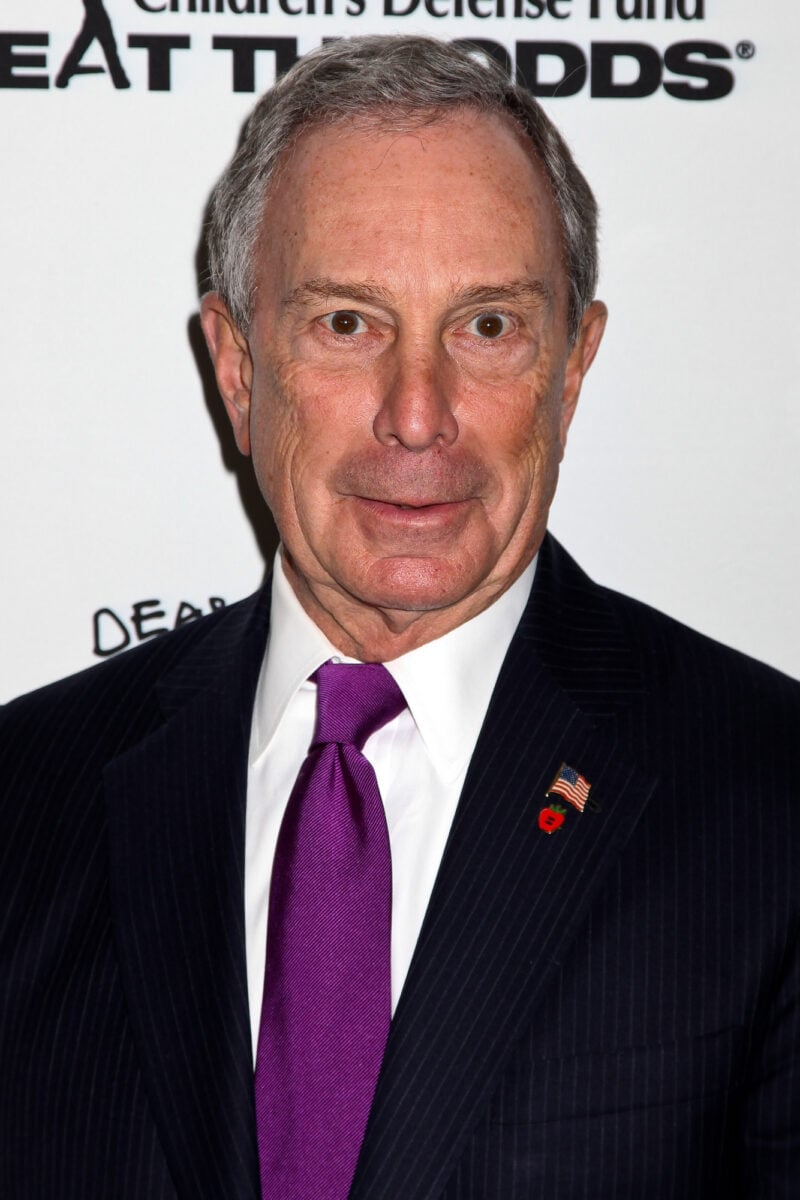
Bloomberg terminals aren’t just his business—they’re his religion. The man lives and breathes real-time information.
His company collects data on everything from pork belly futures to municipal bond ratings. Bloomberg checks market data the way normal people check the weather.
Multiple times per hour, just in case something changed in the last ten minutes.
Sergey Brin’s Airship Dreams
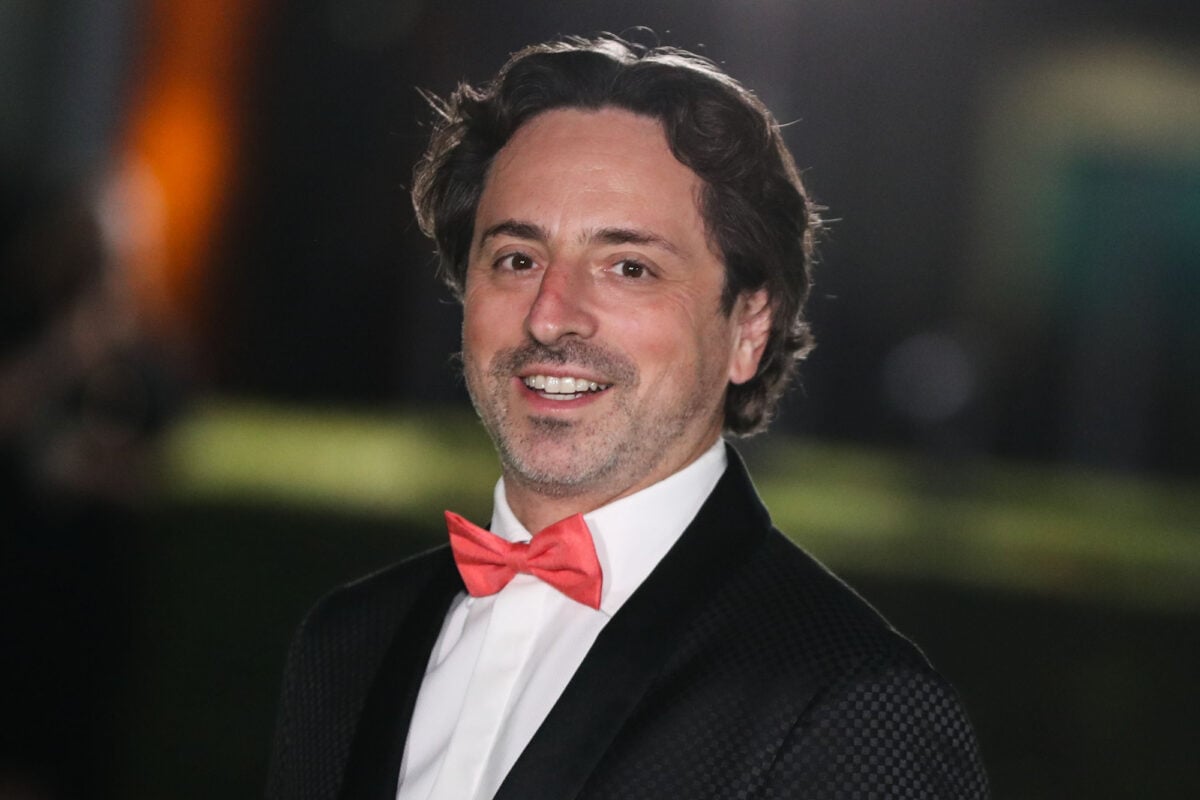
Google co-founder Brin is quietly building the world’s largest airship inside a NASA hangar, which sounds like either a brilliant transportation solution or the setup for a very expensive disaster, and honestly, it could go either way (though given that airships peaked in popularity around the time people thought the Titanic was unsinkable, perhaps there’s a reason this particular form of aviation didn’t catch on). The project burns through millions of dollars while Brin apparently believes that what modern transportation really needs is more hydrogen gas floating overhead, which seems like the kind of idea that sounds revolutionary right up until you remember why we stopped using these things in the first place.
And yet there’s something admirably stubborn about doubling down on 1930s technology using 2020s engineering, as if Brin looked at traffic jams and airport security lines and decided the answer was to bring back the Hindenburg. But with better safety protocols, presumably.
Larry Page’s Flying Car Collection
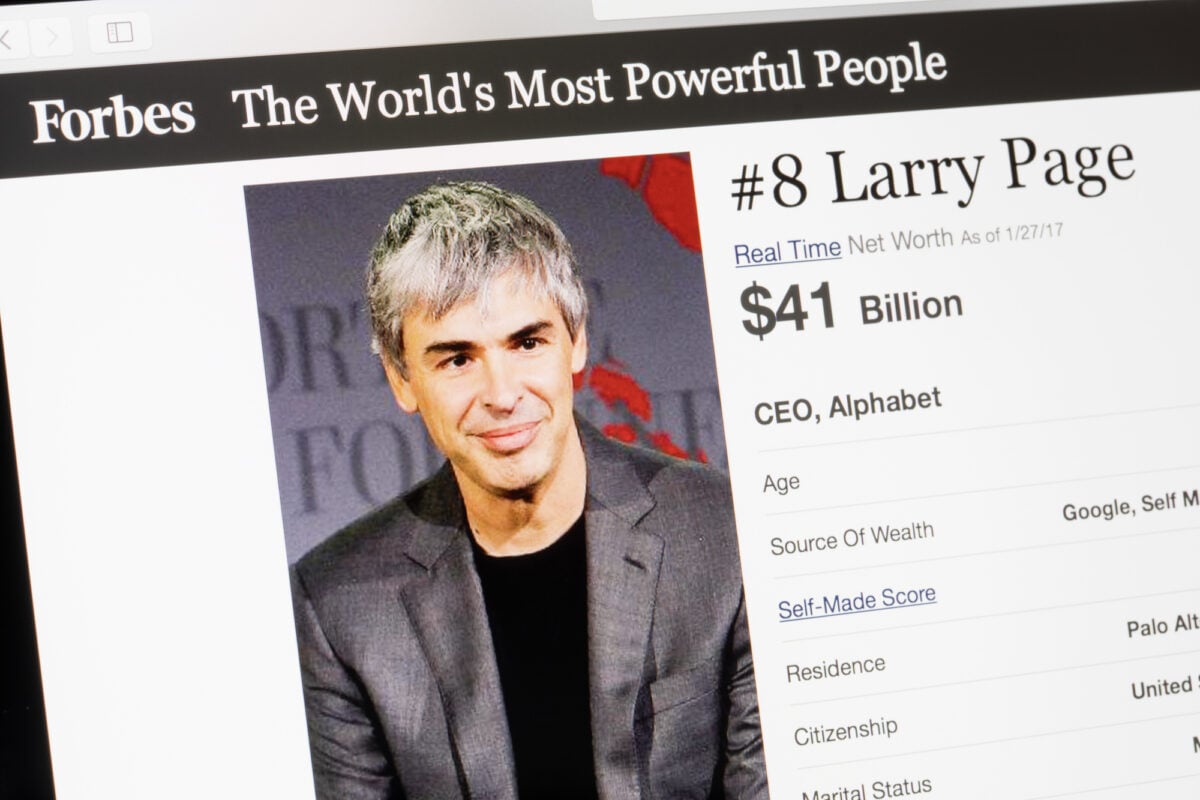
Page has been quietly funding multiple flying car startups while amassing a collection of prototype vehicles that may never see commercial production. There’s something deeply human about a man who helped organize the world’s information deciding that what he really wants is to soar above traffic—as if all that knowledge eventually points toward the simple desire to escape the ground entirely.
His garage looks like a museum of transportation futures that keep not quite arriving. Yet he keeps buying them anyway, collecting possibilities the way others collect art.
Peter Thiel’s Life Extension Research
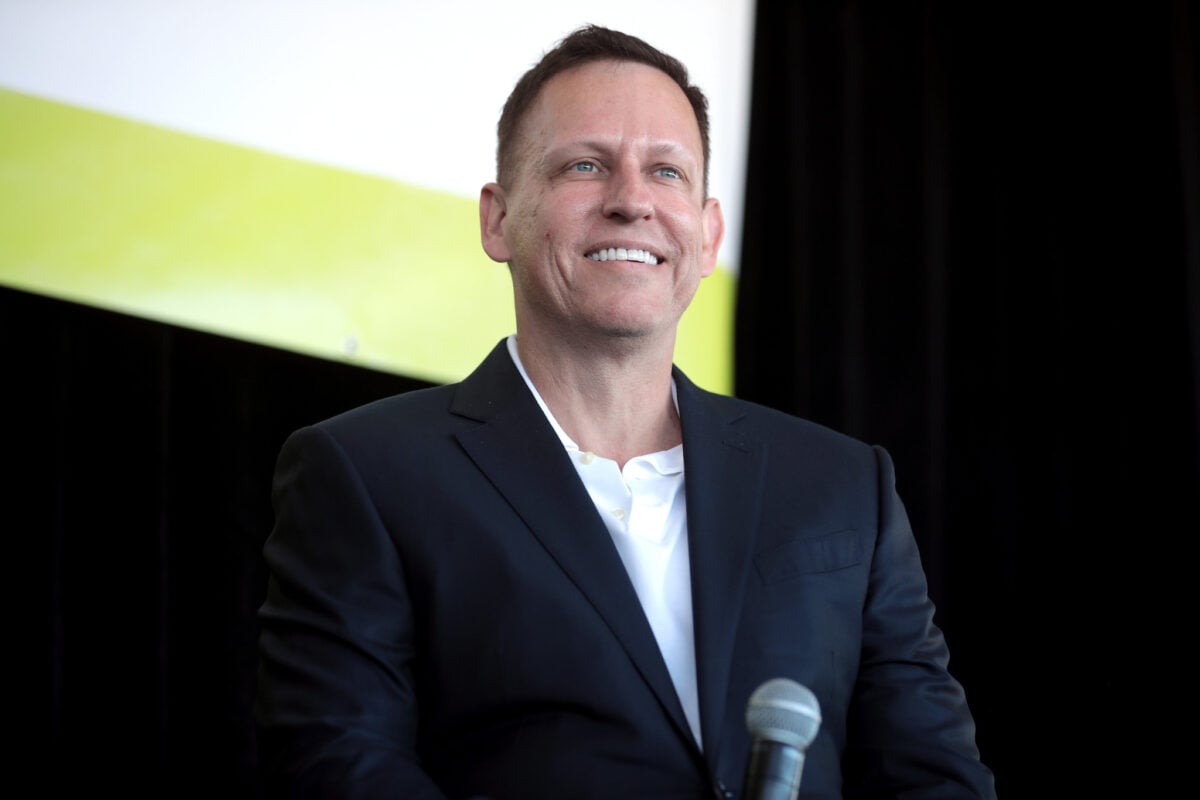
Thiel is obsessed with defeating aging and death through parabiosis—transfusing young blood into older bodies. The research involves actual vampire-adjacent procedures.
He’s reportedly spent millions investigating whether teenage plasma can reverse the aging process. The man who helped create PayPal wants to pay his way out of mortality.
Death apparently just needs the right disruption.
Sheldon Adelson’s Miniature Train Empire

Before his death, casino mogul Adelson maintained an elaborate model railroad setup that filled multiple rooms in his homes, and the level of detail was obsessive—tiny working traffic lights, miniature populations going about their daily business, locomotives running on schedules more precise than actual public transportation (which isn’t particularly difficult to achieve, but still impressive for something that serves no purpose beyond personal satisfaction). The same man who built gambling empires and influenced elections spent hours watching inch-tall trains move cargo that didn’t exist to destinations that weren’t real, and there’s something both touching and slightly disturbing about that level of control being exercised over a world where nothing can go genuinely wrong.
But maybe that was the point—after decades of managing businesses where real money and real people hung in the balance, perhaps what Adelson really wanted was a universe where the only stakes were whether the 3:47 to Miniatureville arrived on time. And it always did.
Richard Branson’s Record-Breaking Addiction
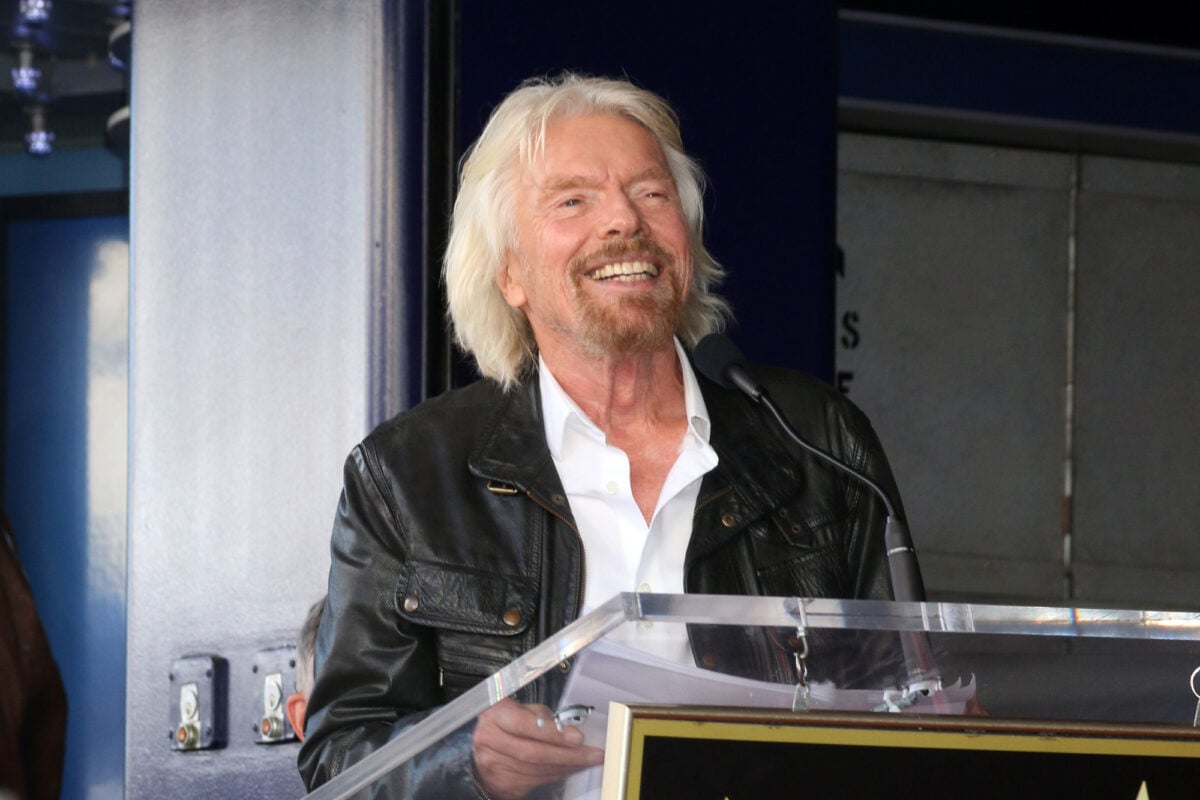
Branson can’t stop attempting world records. Hot air balloons across the Pacific.
Speed records across the Atlantic. Space travel in a custom vehicle.
Each attempt costs millions and risks his life. The man has enough money to buy safety but keeps choosing danger instead.
Adrenaline apparently doesn’t care about your net worth.
Steve Jobs’s Perfectionist Food Rituals
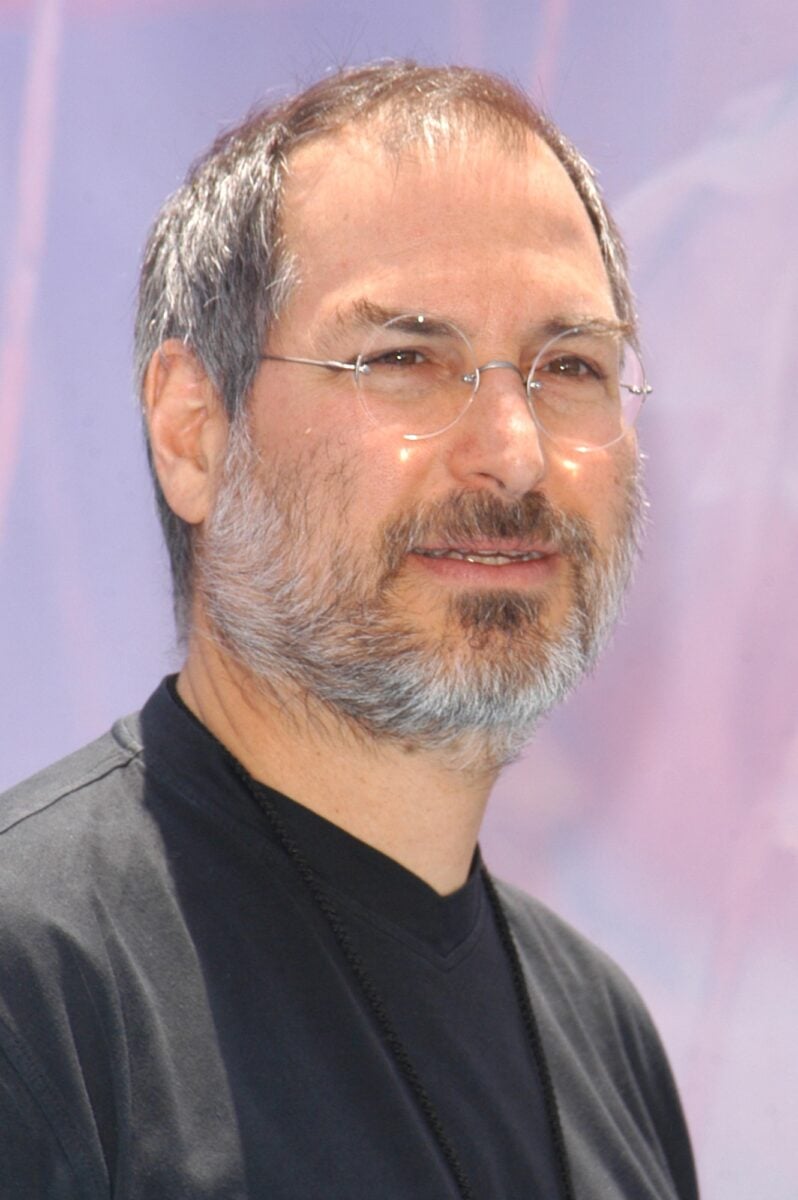
Jobs was notorious for eating only one type of food for weeks at a time. Carrots for months.
Then apples. Then nothing but almonds.
The obsessive focus that revolutionized technology extended to his plate in ways that bordered on self-punishment. His dietary restrictions were more rigid than most people’s budgets.
Control manifested everywhere, including breakfast.
Howard Hughes’s Germ Warfare
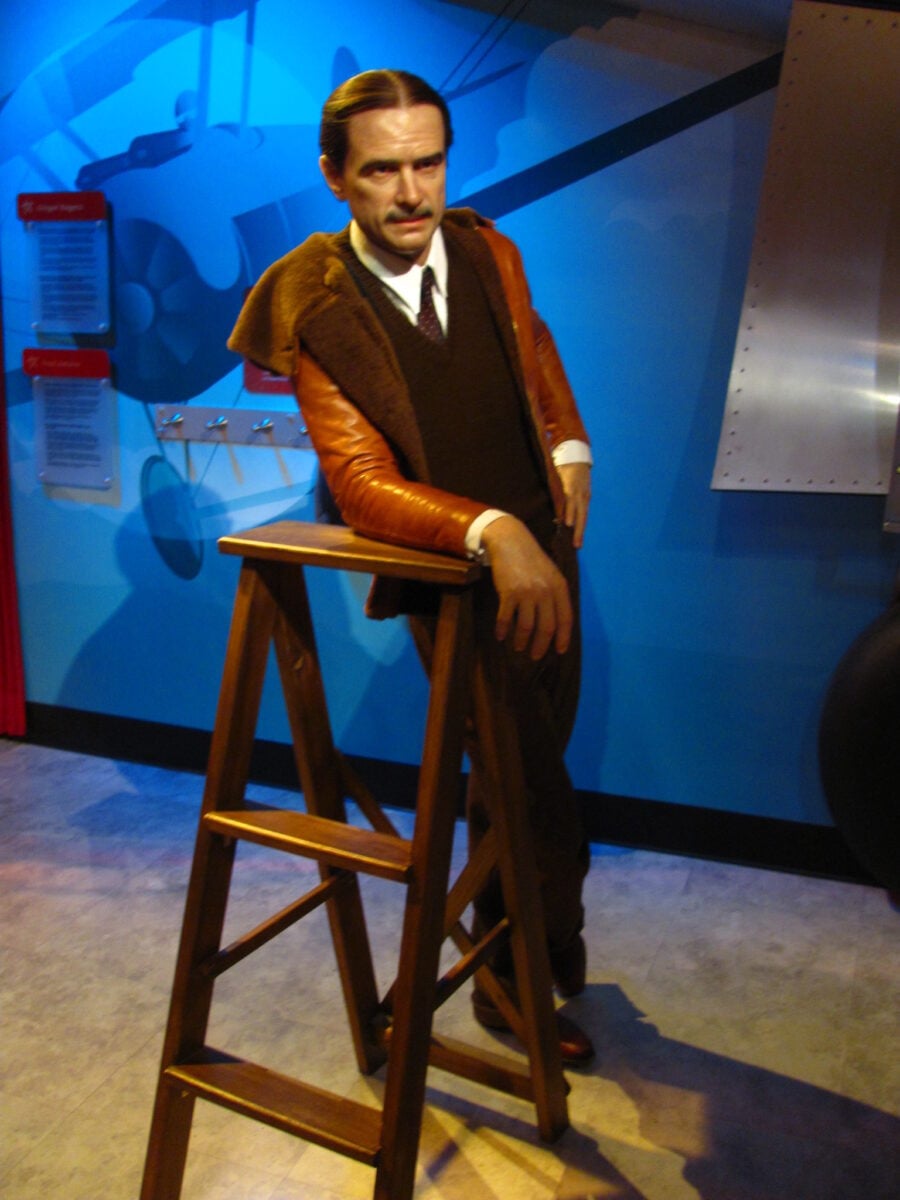
Hughes turned hypochondria into a lifestyle, complete with custom air filtration systems, sterilized environments, and employees who had to follow elaborate cleansing protocols just to enter his presence. The man who built planes and movies spent his final decades waging war against invisible enemies that existed mostly in his mind—though given recent global events, perhaps he was just ahead of his time.
Paranoia and wealth make for expensive combinations. Hughes proved you can buy isolation but not peace of mind.
Mark Cuban’s Efficiency Experiments
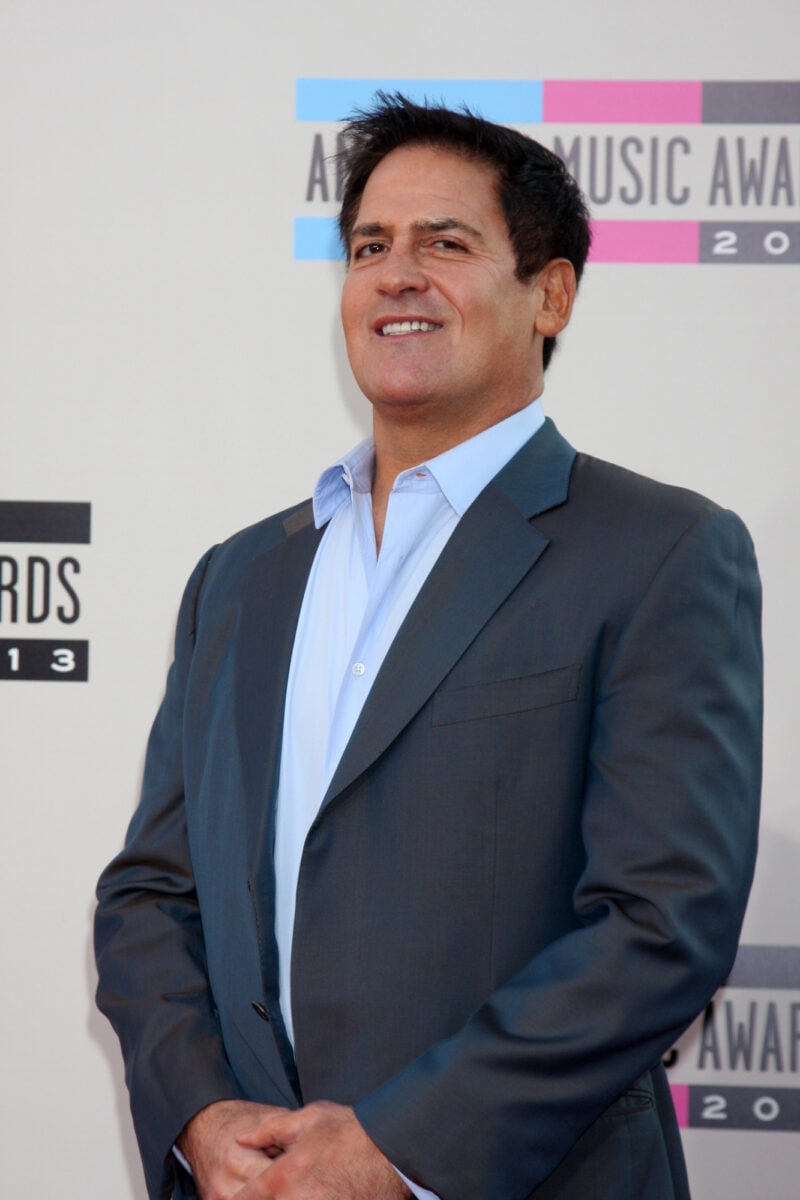
Cuban applies business optimization to everything, including his personal life. He times his morning routines.
He measures the efficiency of different workout methods. He tracks productivity metrics for leisure activities.
The man turned relaxation into a performance review. Even his hobbies have KPIs.
The Price Of Unlimited Choice

Money doesn’t just buy things—it buys the freedom to pursue any obsession to its logical extreme. These billionaires represent what happens when human curiosity meets unlimited resources, and the results are as revealing as they are bizarre.
Some chase immortality, others dig tunnels. Some collect ancient wisdom, others build digital worlds.
But they all share the same fundamental truth: when you can afford anything, the strangest luxury becomes the pursuit of something that money can’t quite buy—whether that’s time, control, or simply the satisfaction of seeing an impossible idea become reality.
More from Go2Tutors!

- The Romanov Crown Jewels and Their Tragic Fate
- 13 Historical Mysteries That Science Still Can’t Solve
- Famous Hoaxes That Fooled the World for Years
- 15 Child Stars with Tragic Adult Lives
- 16 Famous Jewelry Pieces in History
Like Go2Tutors’s content? Follow us on MSN.