13 Vintage Tape Dispensers With Unusual Materials and Shapes
Adhesive tape dispensers began as plain workshop tools and ended up as design objects. Over the decades they were cast in iron, molded in Lucite, plated in silver and even made in gold.
Collectors now hunt them for their shapes as much as their function.
Value depends heavily on condition. Original paint, intact cutting teeth and the correct spools all matter, and a dispenser missing any of them is worth less than a complete example.
The 1932 Cast Iron Original
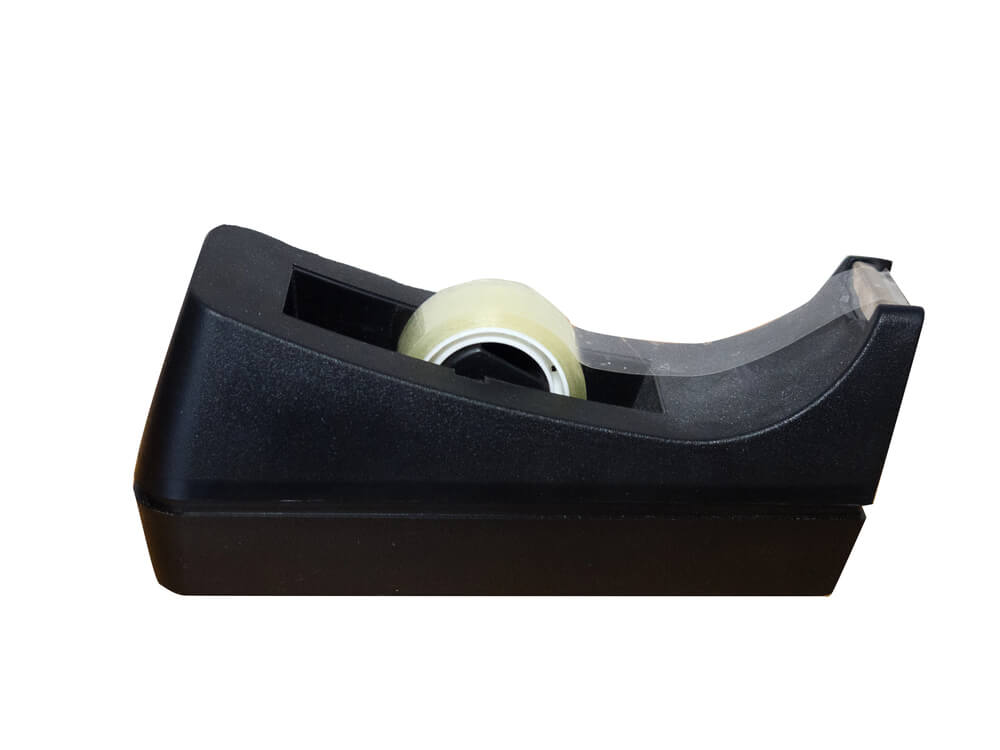
The first Scotch dispenser, introduced in 1932, was made of cast iron and weighed almost seven pounds. Its mass kept it from sliding across a desk as a strip was pulled.
It remains the standard against which later designs are compared.
The 1939 Snail
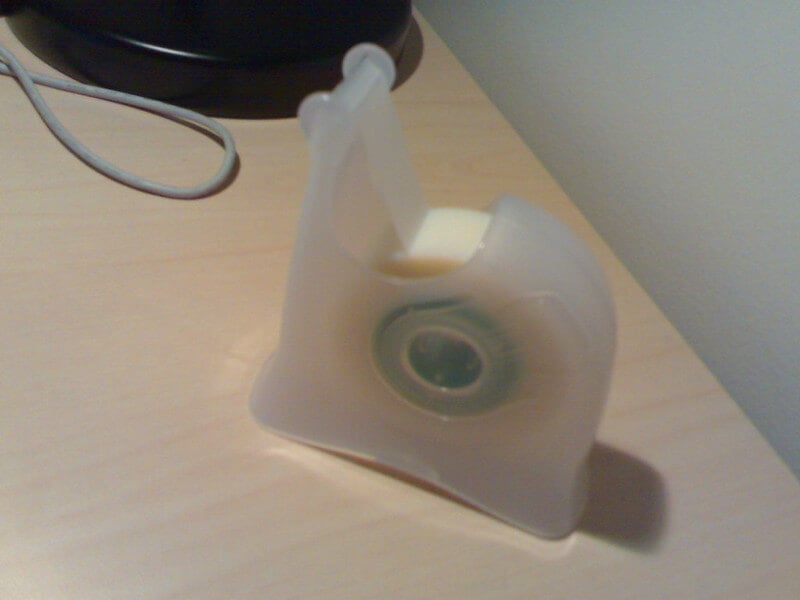
The dispenser nicknamed the snail appeared in 1939. The first version was made of stamped sheet metal, and a plastic version followed a year later.
The swap shows how quickly manufacturers moved from metal to molded materials.
The Seal-O-Matic
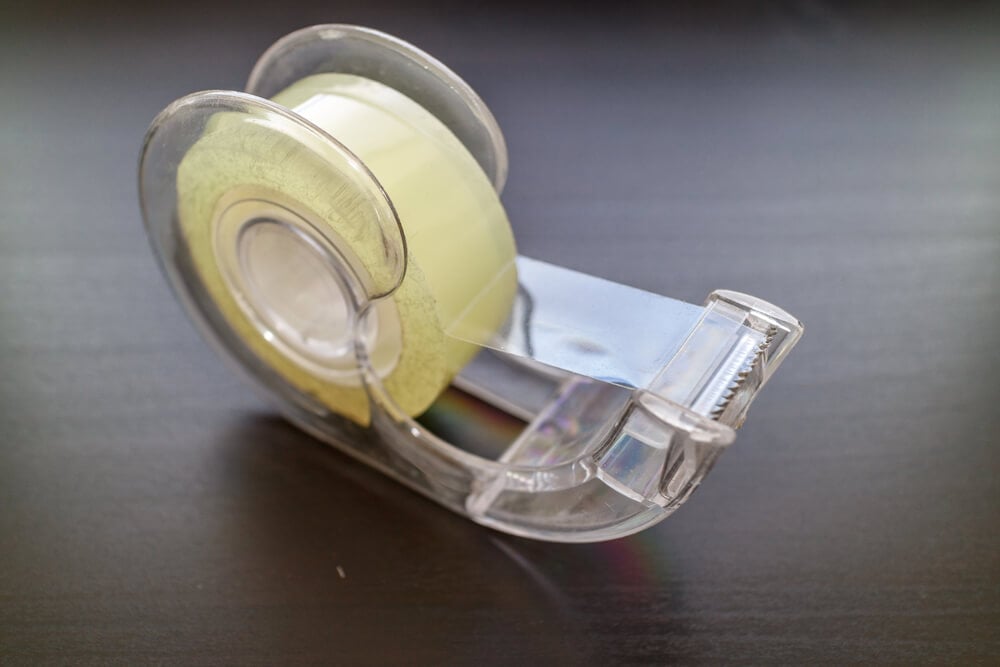
A cast iron Seal-O-Matic from the 1930s, made in Newark, New Jersey, turns up in its original blue paint. Surviving paint is a major factor in what such a piece is worth.
Few heavy iron dispensers escaped decades of desk use without chipping.
The 3M DD-1 Whale Tail
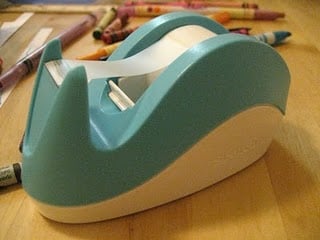
The 3M DD-1 of the 1940s is a cast iron dispenser nicknamed the whale tail for its profile. It is very heavy for its size.
Collectors value it as a rugged postwar office fixture.
The 1953 Cast Iron Office Dispenser
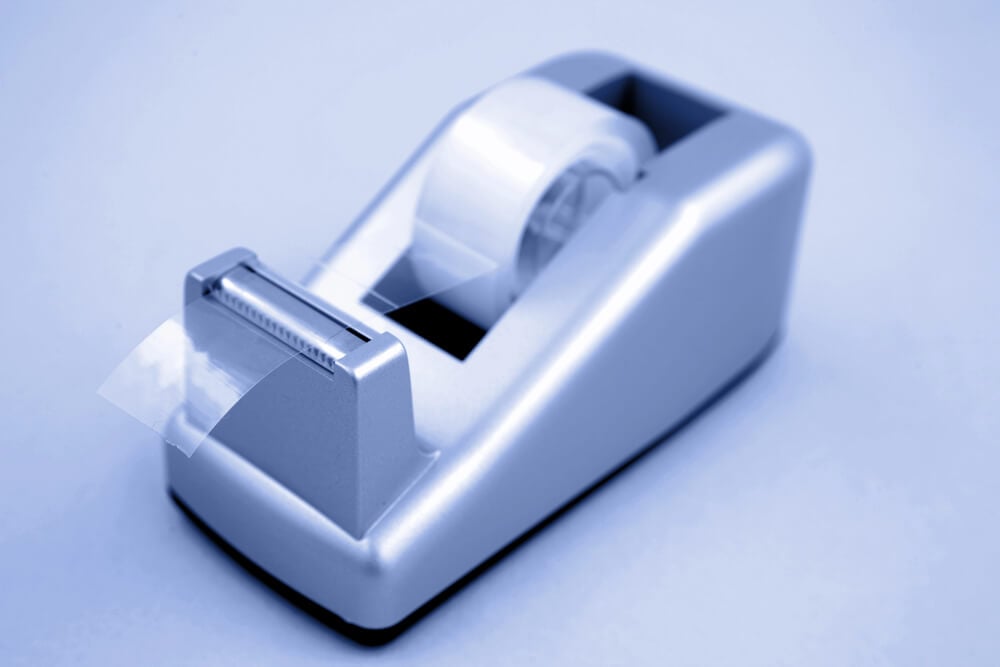
A cast iron office dispenser from 1953 has a blade shaped like the curve of a violin. The curved cutter let a user tear the tape in a single stroke.
It reflects a period when even a desk accessory got a carefully drawn silhouette.
The 1980s Hermès Dispenser
A 1980s Hermès dispenser is silver with a brass belt-buckle detail and is stamped Hermès Paris Made in France. Few items on a desk say less about function than a silver tape dispenser from a luxury house.
The stamp is what separates the genuine article from imitations.
The Bulgari Gold Dispenser
Bulgari made a Scotch dispenser in 18-karat gold in the 1980s. Gold is an extravagant choice for something designed to be pressed by a thumb.
Its existence shows how far the object had traveled from the workshop.
Ted Arnold’s Horse Head
Ted Arnold produced a horse-head dispenser in cast metal and brass in the 1960s. The animal profile turned the cutting edge into part of the sculpture.
It belongs to a wave of novelty desk accessories from that decade.
The Italian Parrot Head
A parrot-head dispenser made in Italy in the 1970s uses the bird’s beak as the tape cutter. The design makes the function part of the joke.
Italian makers of the era were notably playful with ordinary objects.
The Mark Cross Swan
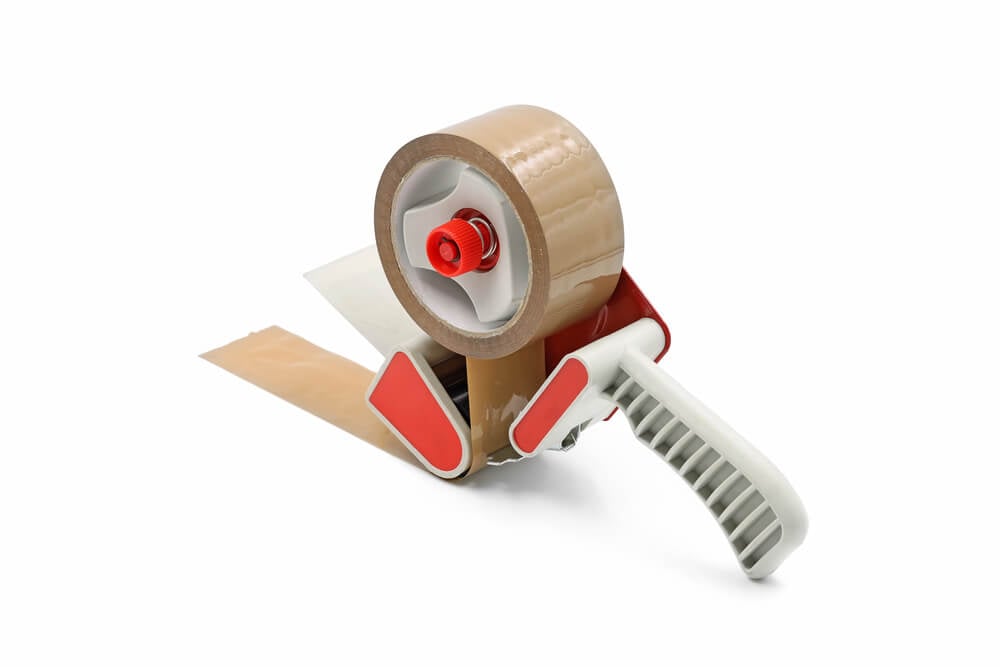
An Italian-made swan-shaped dispenser carries the Mark Cross name. The long neck forms the part that holds the tape.
The swan is among the more elegant of the animal dispensers.
The Lucite Owl
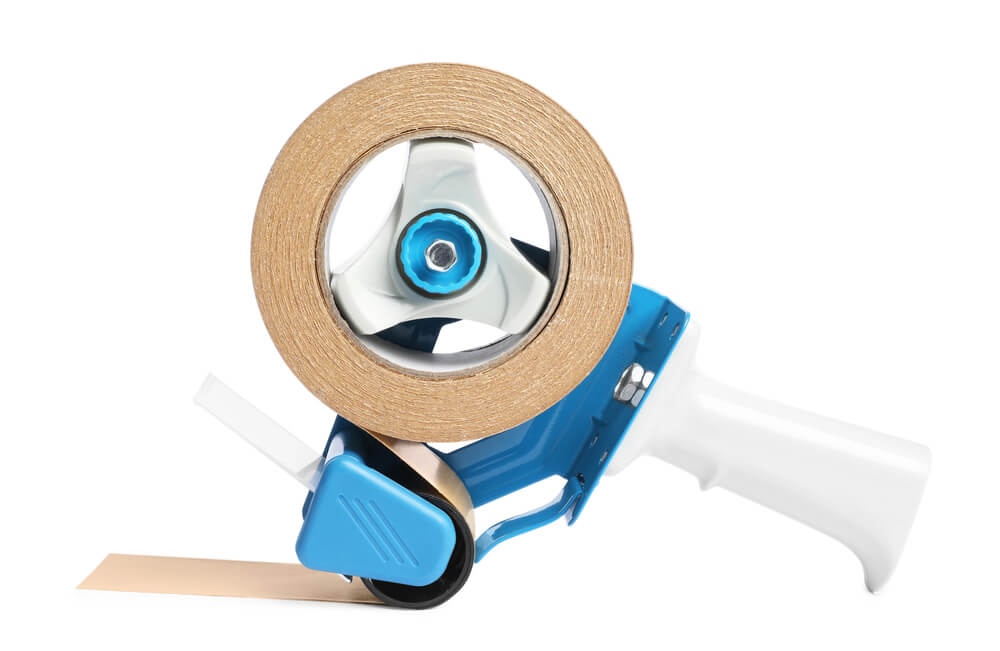
Two’s Company made a Lucite owl dispenser in the 1960s, produced in Hong Kong and distributed from Mount Vernon, New York. The design is attributed to Robert P. Gottlieb.
Clear plastic lets the roll of tape show through the body.
Serge Mansau’s Lucite Design
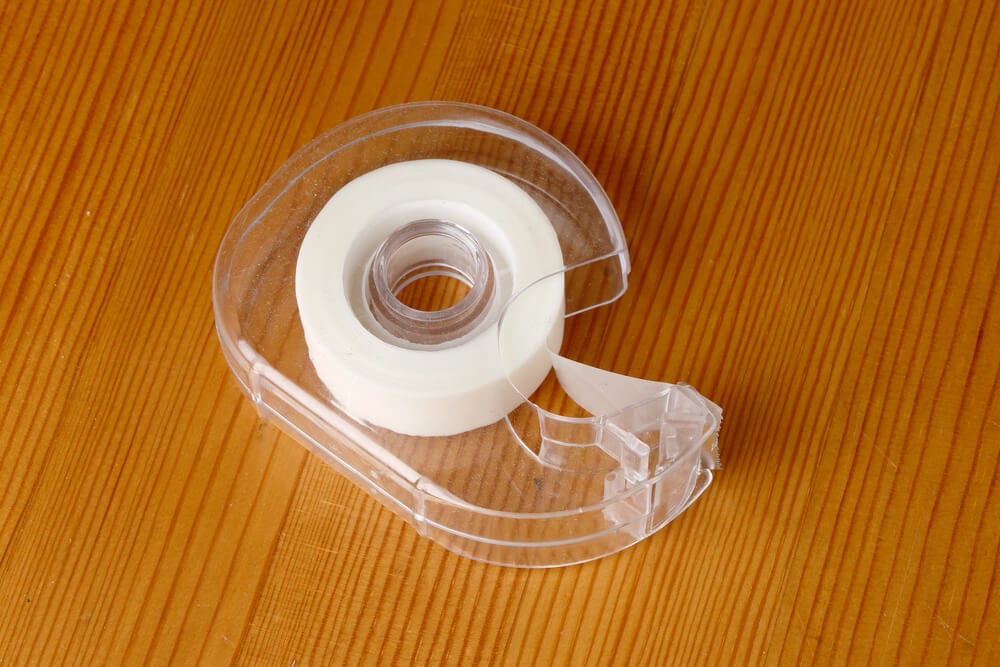
Serge Mansau designed a Lucite dispenser for the Italian firm Fratelli Guzzini. The transparent material gave a utilitarian object the look of art glass.
It shows how plastics were taken seriously as design materials.
The Big Inch
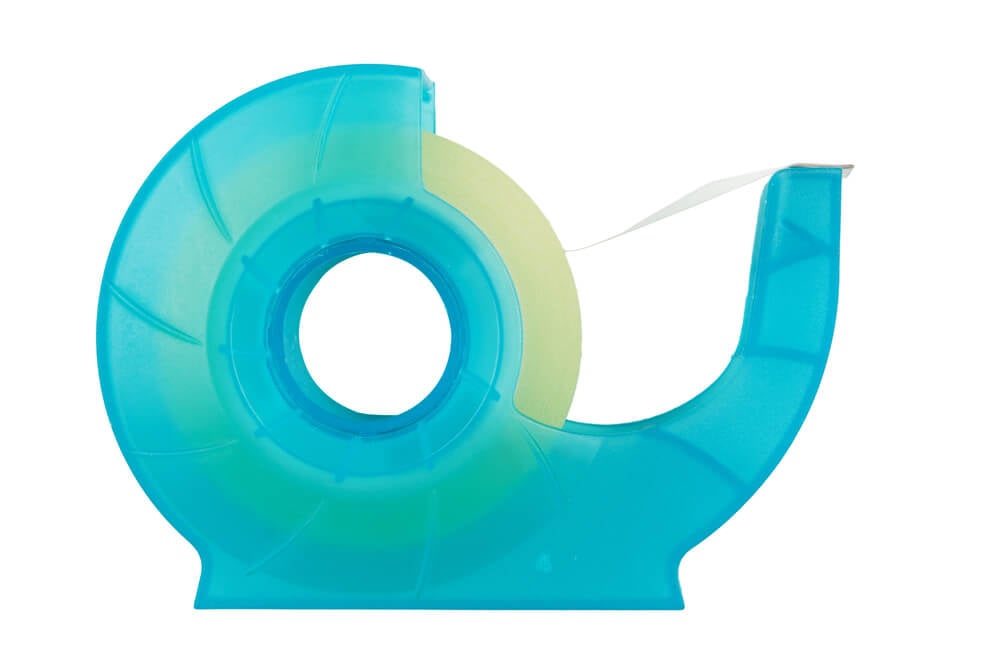
The Big Inch is an Art Deco dispenser styled after the work of Raymond Loewy. Streamlined curves were applied even to small desk objects of that era.
It stands as proof that industrial design reached down to the most ordinary tools.
The Weight of Small Machines
Across these thirteen dispensers, the story is one of materials. Cast iron gave way to plastic, plastic gave way to Lucite, and luxury makers used silver and gold.
Each shift changed what a desk accessory was allowed to be.
Collecting them rewards patience and a careful eye. Original spools, intact cutting teeth and surviving paint can decide whether a piece is a prize or a project, and condition remains the first question to ask.
More from Go2Tutors!

- 27 Silver Dollars and Half Dollars Worth Keeping
- 28 Restaurant Menu Items Nobody Orders Anymore
- 17 Places Built in Seemingly Impossible Spots
- 27 Vintage Rings Worth More Than They Look
- 25 Restricted Sites Tourists Can’t Enter
Like Go2Tutors’s content? Follow us on MSN.