15 Churches With Fascinating Hidden History
Churches have always been more than just places of worship – they’re repositories of secrets, witnesses to forgotten events, and keepers of stories that span centuries. While millions of visitors admire their stunning facades and soaring spires each year, few realize the incredible discoveries lurking beneath their floors, hidden within their walls, or concealed in their construction techniques. From ancient burial chambers to medieval artwork, these sacred spaces continue to reveal surprises that reshape our understanding of history.
Here is a list of 15 churches whose hidden histories have captivated archaeologists, historians, and visitors alike, each offering its own remarkable glimpse into the past.
Hagia Sophia
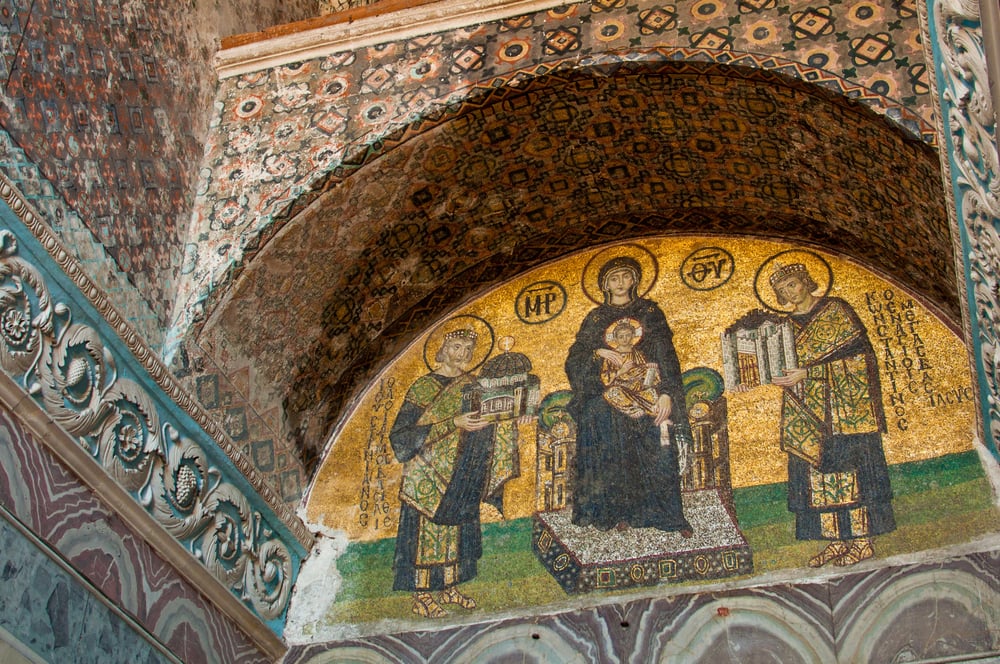
Istanbul’s architectural marvel hides rooms that tourists never see, including a secret chamber above the vestibule containing mosaics that weren’t discovered until the 20th century. The building’s orientation was deliberately planned to align with the sunrise of the winter solstice, symbolizing Christ’s birth through its architecture.
Hidden behind its walls are ancient columns from earlier pagan temples, and the structure contains the ‘Nice Door,’ the oldest architectural element dating back to the 2nd century BC, originally from a pagan temple in Tarsus.
Notre Dame Cathedral
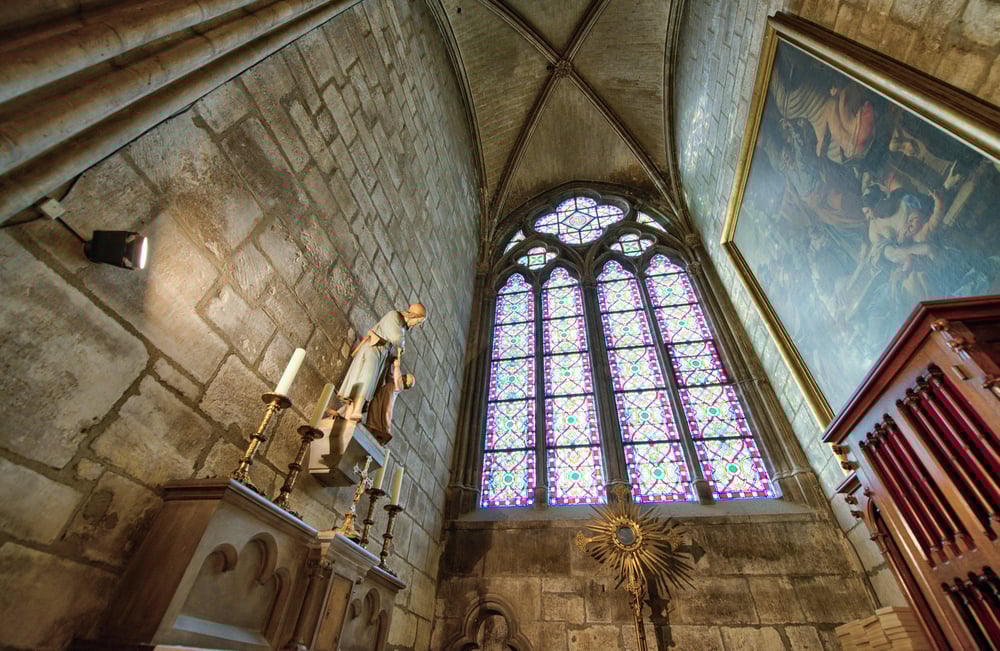
The devastating 2019 fire inadvertently gave archaeologists unprecedented access to secrets buried for centuries beneath this iconic Paris landmark. Teams uncovered over 1,000 medieval sculpture fragments from a 13th-century choir screen, many still bearing their original vibrant paint that had been lost to history.
Archaeological excavations revealed that Notre Dame was the first Gothic cathedral to use iron extensively as a construction material, with metal clamps creating reinforcing belts throughout the walls – a hidden engineering innovation that’s invisible to visitors but crucial to the building’s stability.
Like Go2Tutors’s content? Follow us on MSN.
Church of Saint Pierre
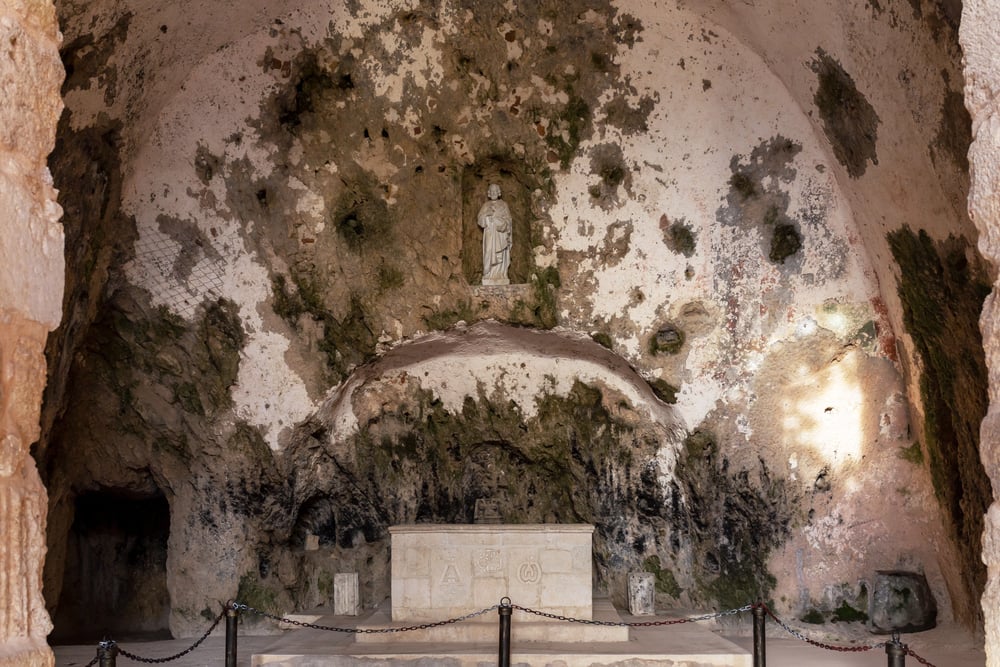
Located in Antakya, Turkey, this site is considered by many to be the world’s first Christian church, carved directly into a mountainside. Recent archaeological excavations discovered smashed clay vessels that once held holy water, providing physical evidence of early Christian rituals from the late Roman era.
The church was built when Christians still needed to worship in secret, and its cave-like structure offered protection from persecution while maintaining a connection to the divine.
Sagrada Familia
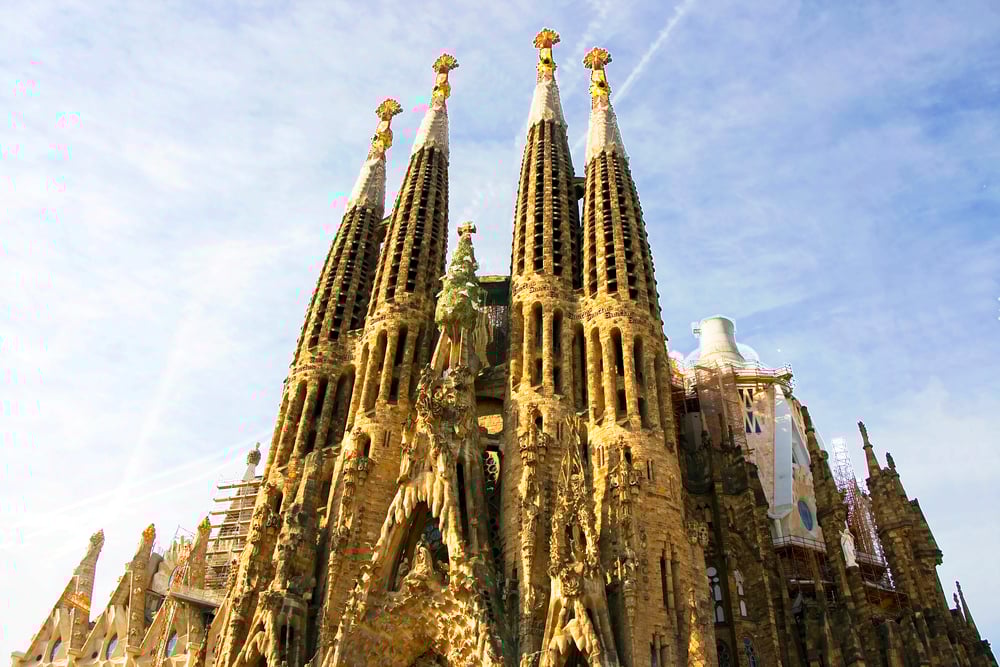
While still under construction after 144 years, Gaudí’s masterpiece contains mathematical secrets woven into its very design. The Passion Facade features a mysterious 4×4 magic square where every row, column, and diagonal adds up to 33 – the age of Christ when he was crucified.
The entire structure contains no straight lines, as Gaudí believed nothing in nature has straight edges, and the faces of actual construction workers have been carved into the stone as a tribute to their labor.
Ancient Church of Artaxata
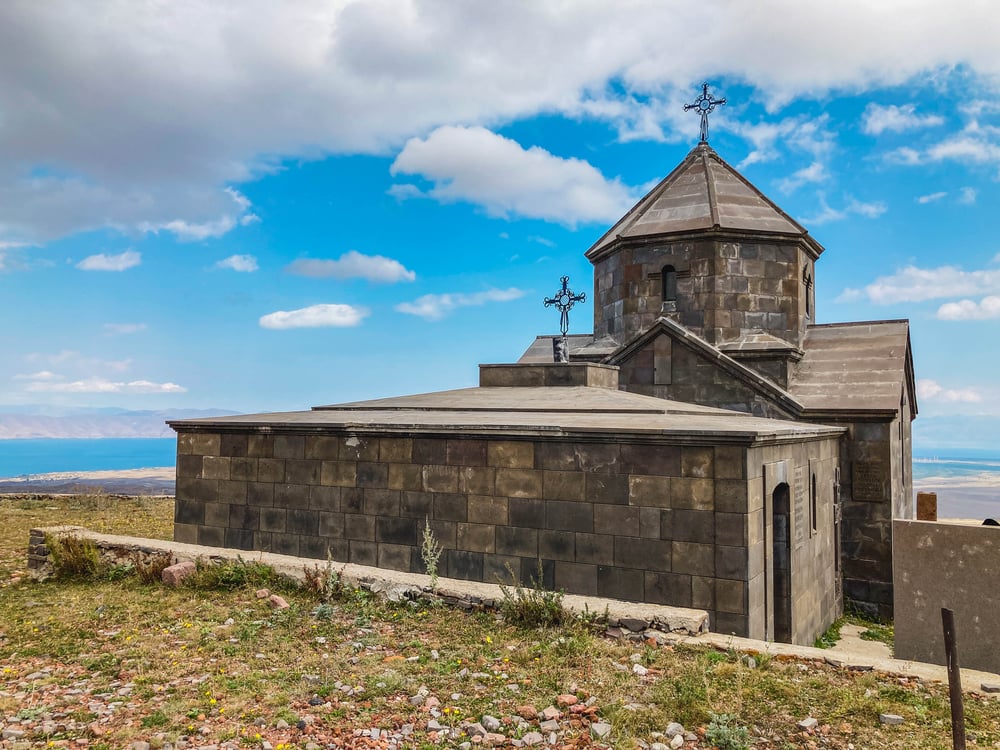
Discovered in 2024 by German and Armenian archaeologists, this octagonal church represents one of the oldest Christian structures ever found, dating back to the 4th century AD. The unique eight-sided design was unprecedented in Armenia and suggests connections to early Christian memorial buildings in the eastern Mediterranean.
Radiocarbon dating of wooden platforms found within the church confirmed its mid-4th century origins, making it a crucial piece of evidence for understanding early Christianity’s spread.
Like Go2Tutors’s content? Follow us on MSN.
Church of the Holy Sepulchre
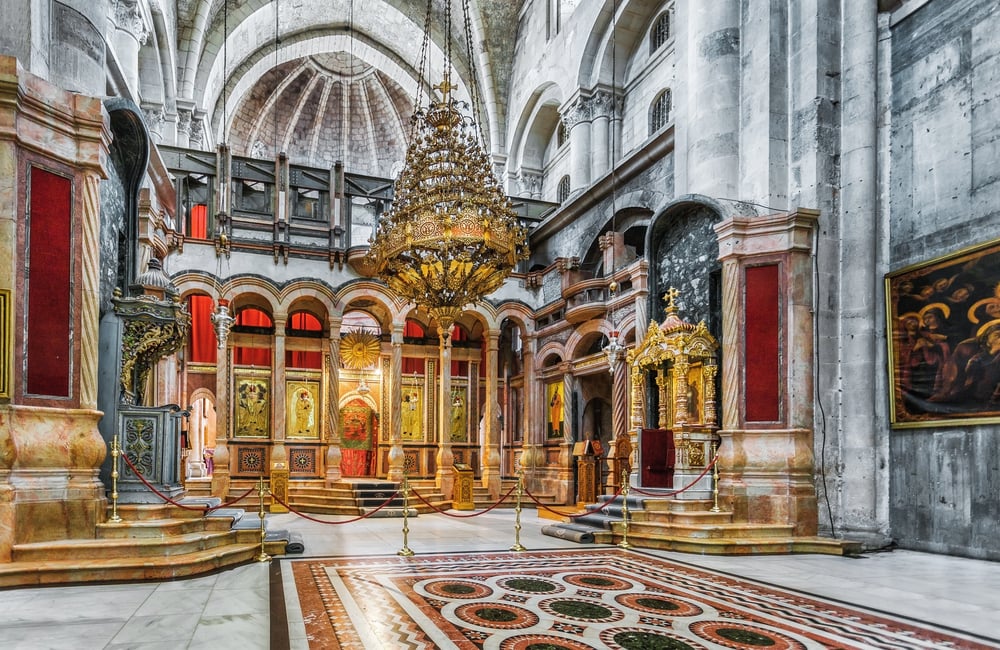
Beneath this Jerusalem landmark lies a complex maze of ancient structures that archaeologists continue to explore. Recent discoveries include a 2,000-year-old ritual bath near the biblical Garden of Gethsemane and remains of a 1,500-year-old Byzantine church.
The site has been continuously occupied and modified for nearly two millennia, with each generation leaving its mark in hidden chambers and forgotten foundations that tell the story of Christianity’s evolution.
Trimithis Church
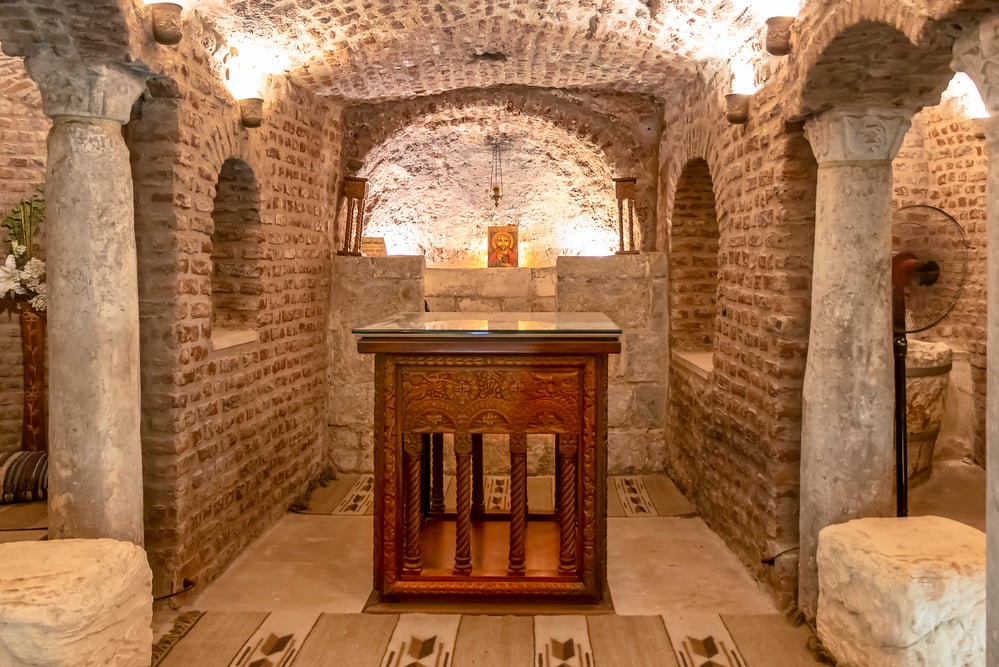
This recently excavated 4th-century church in Egypt’s western desert revealed surprising burials that have puzzled researchers. Seventeen human remains were discovered within the church walls, with twelve buried in crypts underneath what would have been the altar – a practice that suggests this early Christian community had unique burial traditions.
The church’s basilica-style design represents the confident emergence of Christianity from underground worship to proud public buildings.
St. Peter’s Basilica
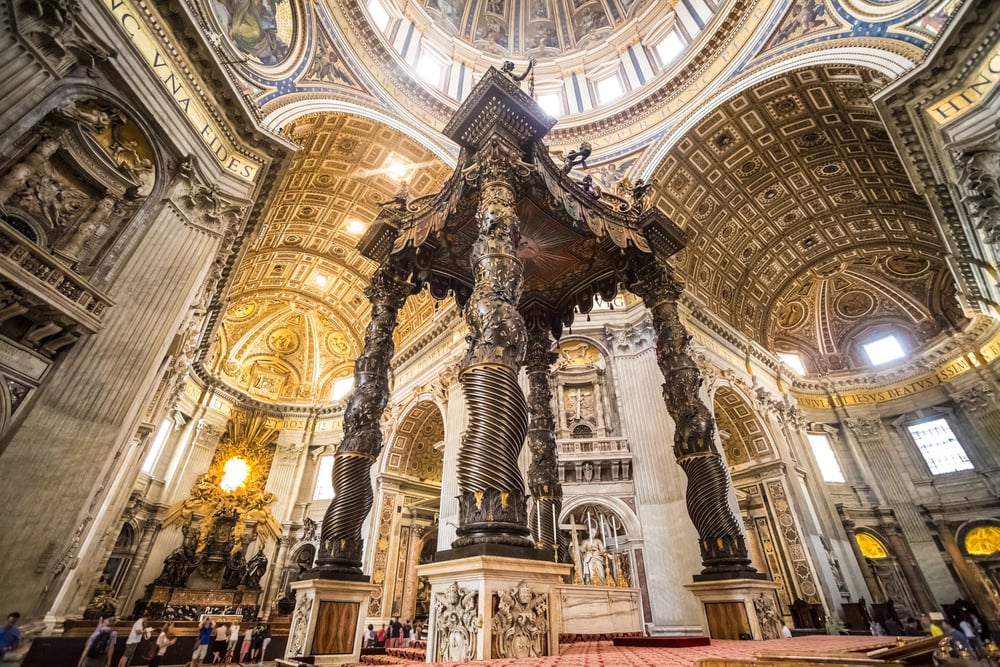
Hidden beneath the Vatican’s most famous church lies the Scavi, an ancient Roman necropolis where St. Peter himself is believed to be buried. Archaeological excavations revealed a complex of 1st and 2nd-century tombs, including elaborate mausoleums with stunning frescoes and mosaics.
The discovery of what may be St. Peter’s actual burial site has remained one of archaeology’s most closely guarded secrets, accessible only to a handful of visitors each year.
Like Go2Tutors’s content? Follow us on MSN.
Capernaum Church
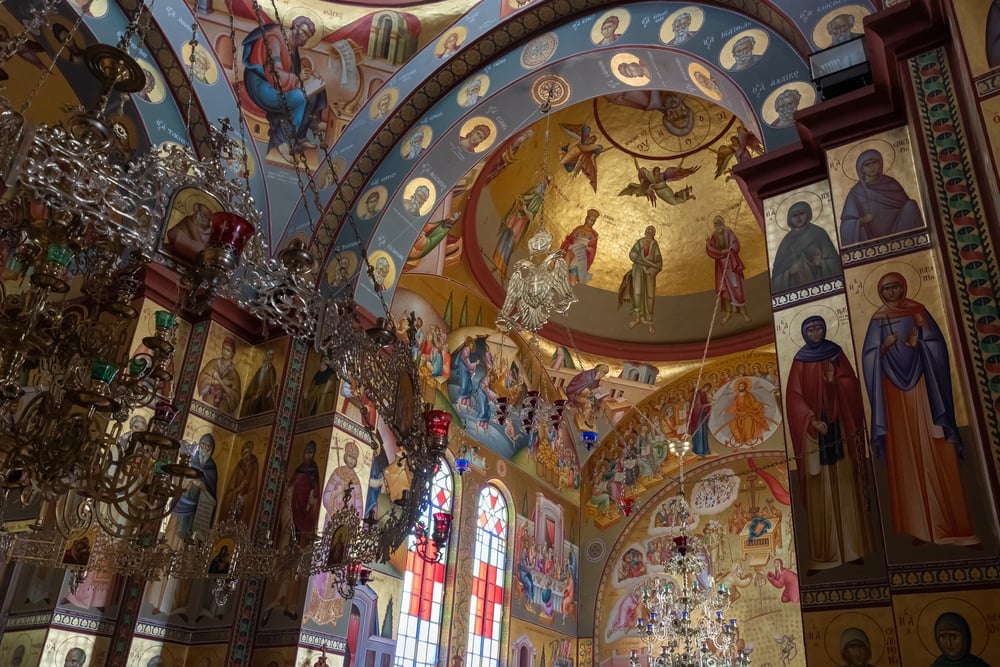
Archaeological investigations revealed that this octagonal 5th-century church was built directly over what appears to be St. Peter’s house from the 1st century. Graffiti referring to Jesus as ‘Lord’ and ‘Messiah’ provides strong evidence that early Christians venerated this location almost immediately after Christ’s death.
The layered construction tells the story of how Christianity evolved from house churches to grand public buildings over several centuries.
Canterbury Cathedral
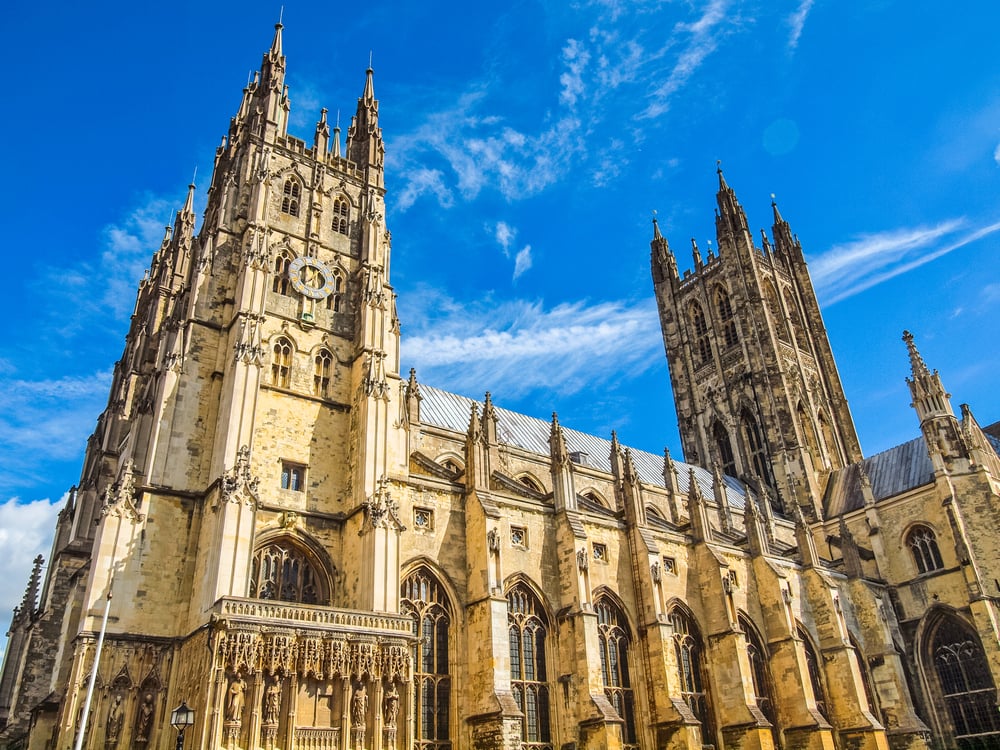
Recent restoration work uncovered medieval wall paintings that had been hidden for centuries beneath layers of whitewash and later decorations. Archaeological investigations also revealed Saxon foundations beneath the Norman structure, showing continuous religious use of the site for over 1,400 years.
The cathedral’s crypt contains one of the largest collections of 12th-century carved capitals in Europe, many depicting scenes and symbols whose meanings are still being decoded by scholars.
Durham Cathedral
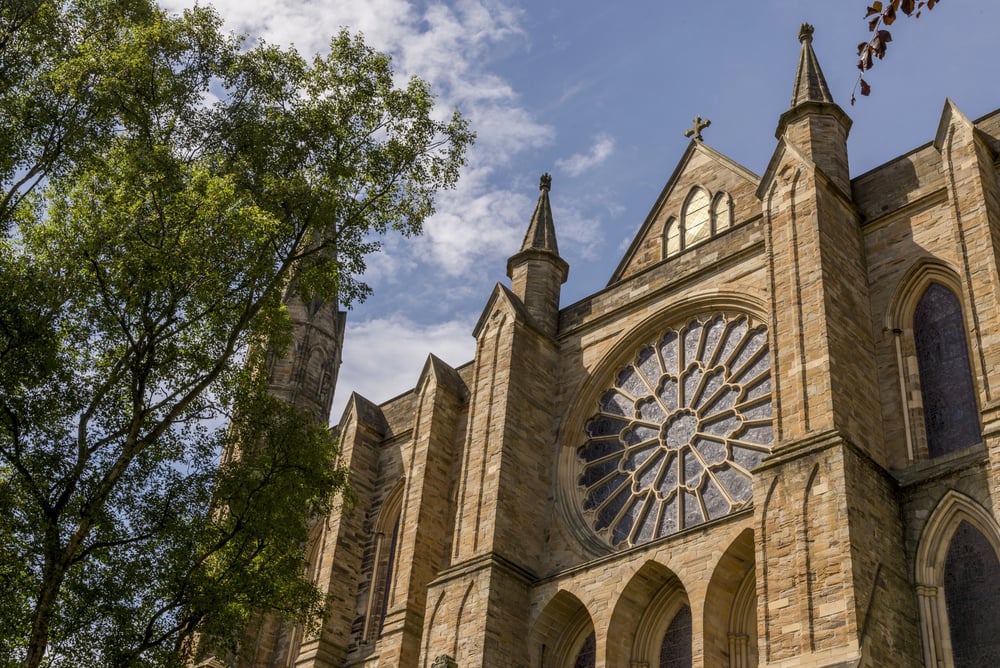
This Norman masterpiece conceals innovative architectural techniques that were revolutionary for their time, including the earliest pointed arches in England and experimental ribbed vaulting that influenced Gothic architecture across Europe. Hidden within its massive walls are chambers and passages that once housed monks and contained secret libraries.
Recent investigations have revealed that the cathedral’s builders used sophisticated mathematical principles to create acoustic properties that enhanced chanting and prayer.
Like Go2Tutors’s content? Follow us on MSN.
Basilica of San Clemente
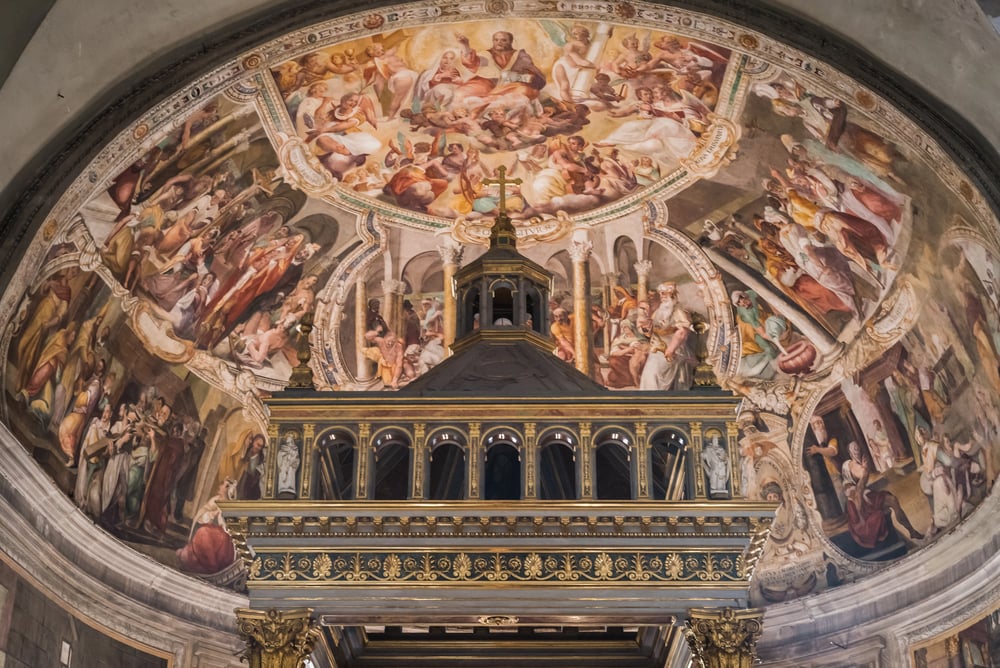
This Rome church literally sits on top of history, with three distinct levels representing different eras of Roman civilization. The current 12th-century basilica covers a 4th-century church, which in turn was built over a 1st-century Roman house and a Mithraic temple.
Visitors can descend through layers of time, discovering frescoes, early Christian mosaics, and even the sound of underground streams that flow beneath the ancient foundations.
Church of the Nativity

Archaeological work at this Bethlehem landmark has revealed that it stands on foundations dating back to Constantine’s original 4th-century church. Hidden beneath the current structure are mosaics from the original Byzantine church, including depictions of angels and geometric patterns that were buried during later renovations.
Recent restoration efforts uncovered medieval wall paintings and ancient columns that had been concealed for centuries behind Ottoman-era modifications.
Wieliczka Salt Mine Chapel
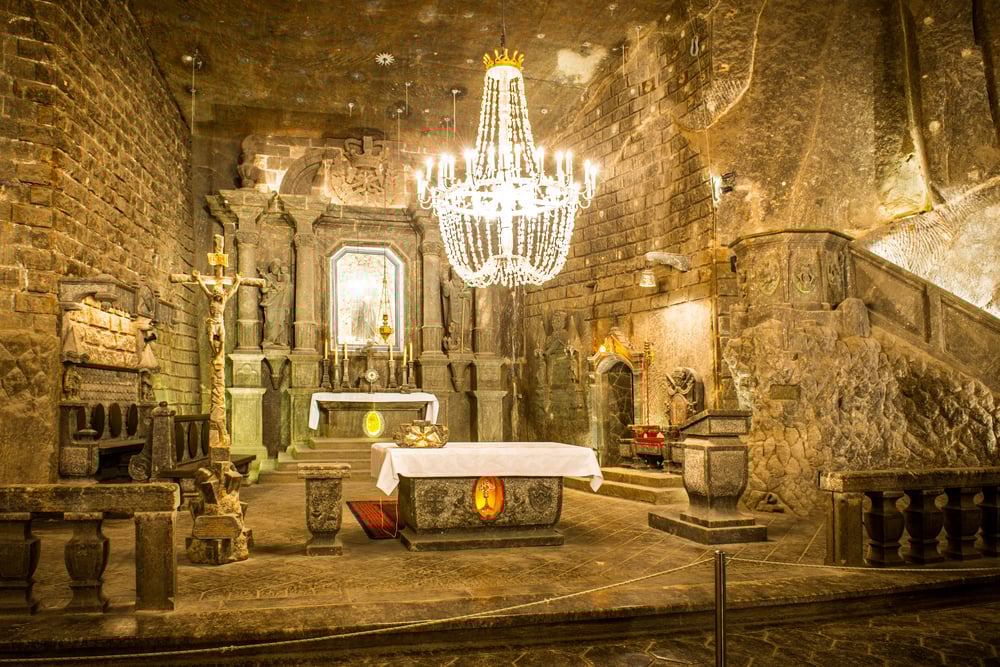
Deep underground in Poland’s famous salt mine, the Chapel of St. Kinga represents one of the world’s most unique religious spaces, carved entirely from salt rock by miners over centuries. During World War II, the underground chambers served as a hidden refuge, and the mine’s religious artwork created by workers shows how faith sustained communities even in the depths of the earth.
The chapel’s chandeliers, altars, and sculptures are all crafted from salt, creating an otherworldly religious experience 400 feet below ground.
Like Go2Tutors’s content? Follow us on MSN.
Skellig Michael Monastery
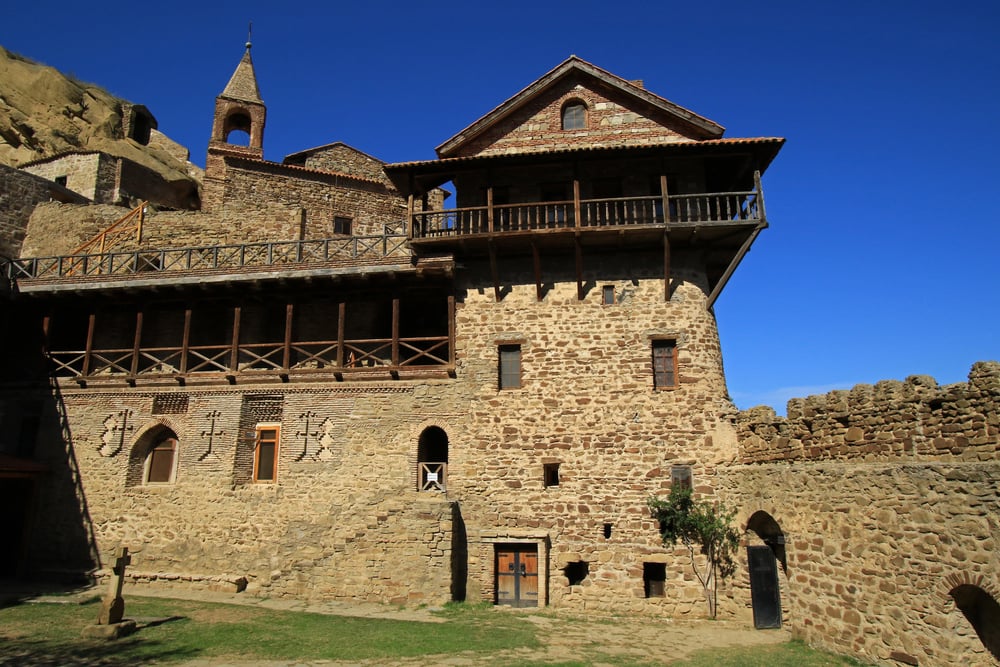
Perched on a remote Irish island, this 6th-century monastery was built by monks seeking ultimate isolation for prayer and contemplation. Archaeological investigations have revealed sophisticated water collection systems, hidden storage chambers, and evidence of a thriving medieval community that survived Viking raids and harsh Atlantic storms.
The monastery’s beehive-shaped stone cells were constructed using techniques that have kept them standing for 1,400 years without mortar, representing a masterpiece of early medieval engineering.
Stories Written in Stone
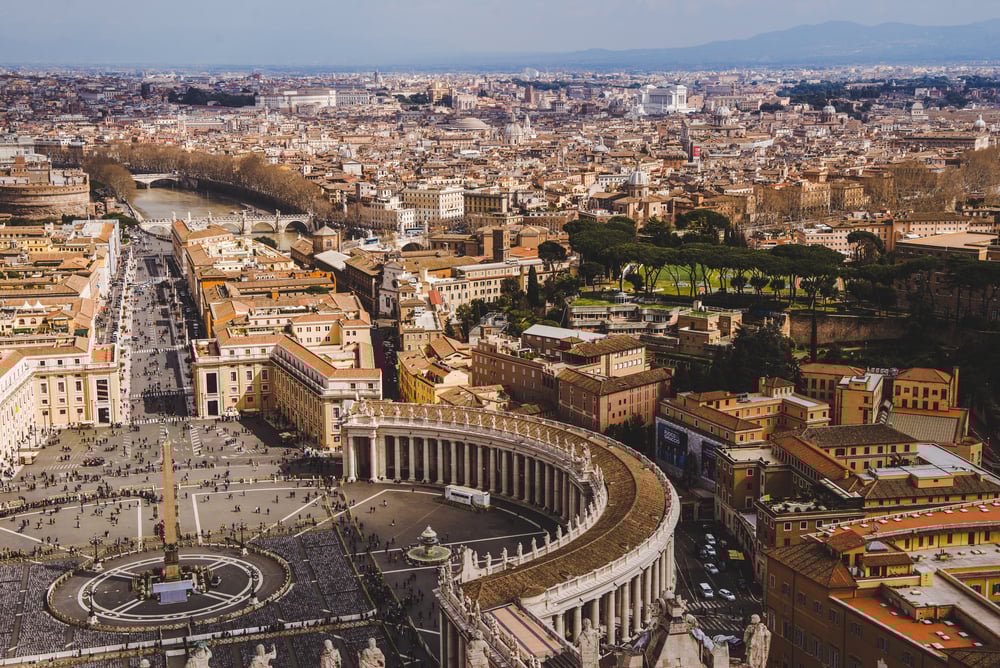
These churches remind us that sacred architecture is never just about the buildings themselves – it’s about the human stories embedded in every stone, the secrets buried beneath every altar, and the innovations hidden within every wall. Each discovery adds another chapter to our understanding of how faith, artistry, and human ingenuity have shaped these magnificent structures over centuries.
Whether through accidental fires that reveal hidden treasures or careful archaeological investigations that uncover forgotten foundations, these churches continue to surprise us with their ability to keep secrets and then, at just the right moment, share them with the world.
More from Go2Tutors!

- 16 Historical Figures Who Were Nothing Like You Think
- 12 Things Sold in the 80s That Are Now Illegal
- 15 VHS Tapes That Could Be Worth Thousands
- 17 Historical “What Ifs” That Would Have Changed Everything
- 18 TV Shows That Vanished Without a Finale
Like Go2Tutors’s content? Follow us on MSN.