14 Ancient Inventions We Still Can’t Replicate
Throughout history, humans have pulled off some pretty incredible engineering feats that continue to stump modern scientists. These ancient innovations showcase a fascinating mix of creativity, technical skill, and knowledge that somehow vanished over time.
Sure, we’ve managed to send people to the moon and build supercomputers, yet there are still creations from thousands of years ago that today’s technology simply can’t reproduce. What’s really striking is how this gap between ancient achievements and modern capabilities shows just how sophisticated our ancestors actually were.
Here is a list of 14 ancient inventions that continue to challenge our understanding of what was possible way back then.
Damascus Steel

The legendary Damascus steel — forged mainly between 300 and 1700 CE — produced blades sharp enough to slice through falling silk while staying flexible enough to bend without snapping. This steel actually contained carbon nanotubes, something modern science didn’t even discover until the 1990s.
Though metallurgists have tried extensively to reverse-engineer the process, they still can’t nail down the exact technique that made these weapons so superior.
Roman Concrete

Roman concrete has held up for over 2,000 years and gets stronger with age, particularly when it’s exposed to seawater. Most modern concrete falls apart within decades, whereas Roman structures like the Pantheon are still standing strong.
The magic happens through volcanic ash combined with a specific lime mortar — creating a self-healing chemical reaction that we’re still trying to crack.
Like Go2Tutors’s content? Follow us on MSN.
Greek Fire

This Byzantine Empire weapon could burn right on top of water and was nearly impossible to put out. Between the 7th and 12th centuries, Greek fire gave the Byzantines a huge edge in naval warfare.
The recipe was guarded so fiercely that it died with its creators, though chemists have made countless attempts to recreate the original formula.
Antikythera Mechanism
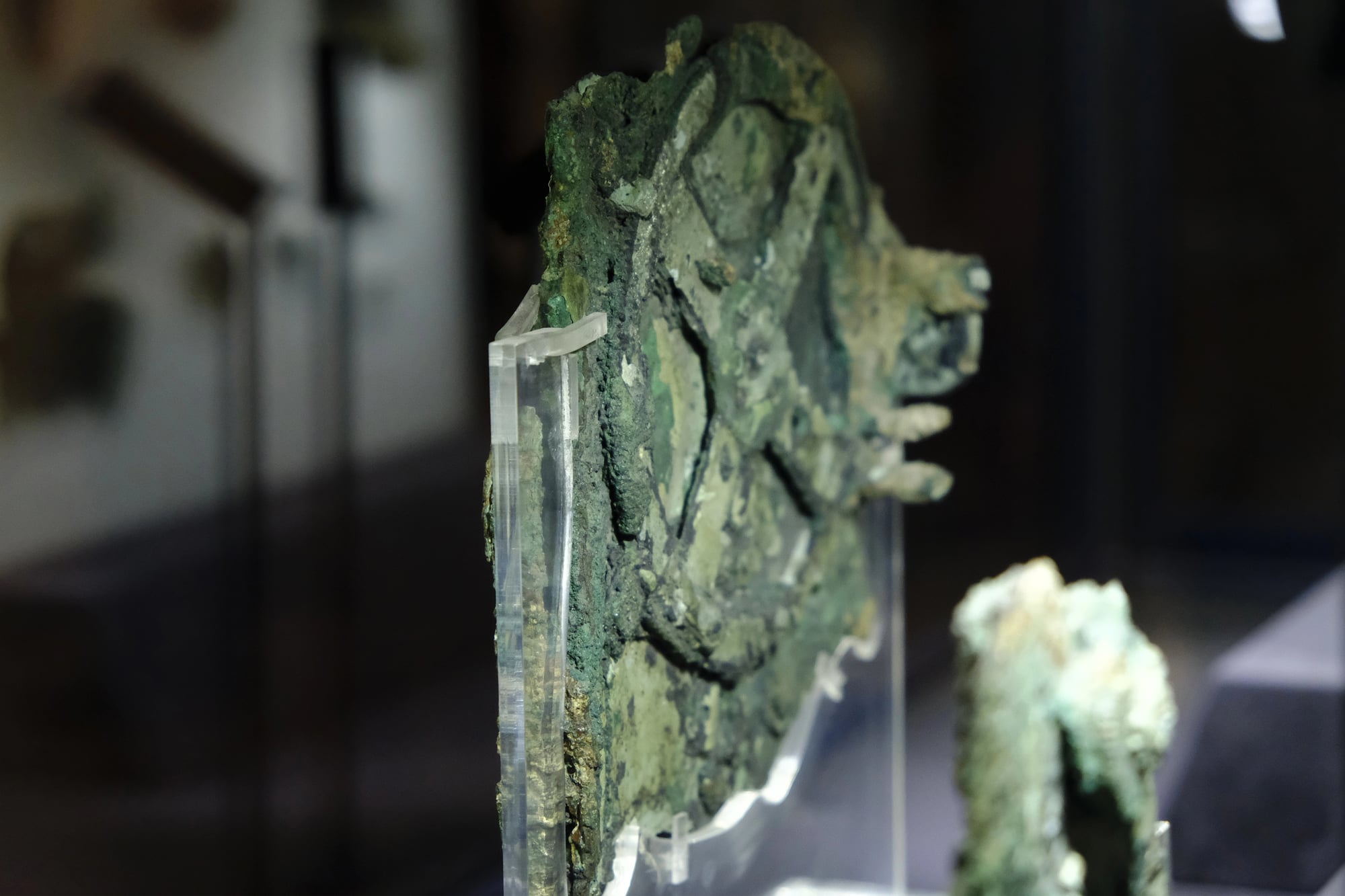
Often dubbed the world’s first computer, this ancient Greek contraption from around 100 BCE could predict eclipses and track how planets moved across the sky. The bronze gears and dials show precision engineering that wouldn’t surface again until medieval clockwork appeared centuries later.
Modern recreations need advanced machinery — stuff the ancient Greeks supposedly didn’t have access to.
King Tut’s Dagger

The iron dagger buried with King Tutankhamun contains nickel levels suggesting it came from meteoric iron. While we know where the material originated, the crafting method used around 1350 BCE remains completely mysterious.
Shaping meteoric iron with Bronze Age tools should’ve been impossible — yet somehow they managed it.
Like Go2Tutors’s content? Follow us on MSN.
Lycurgus Cup
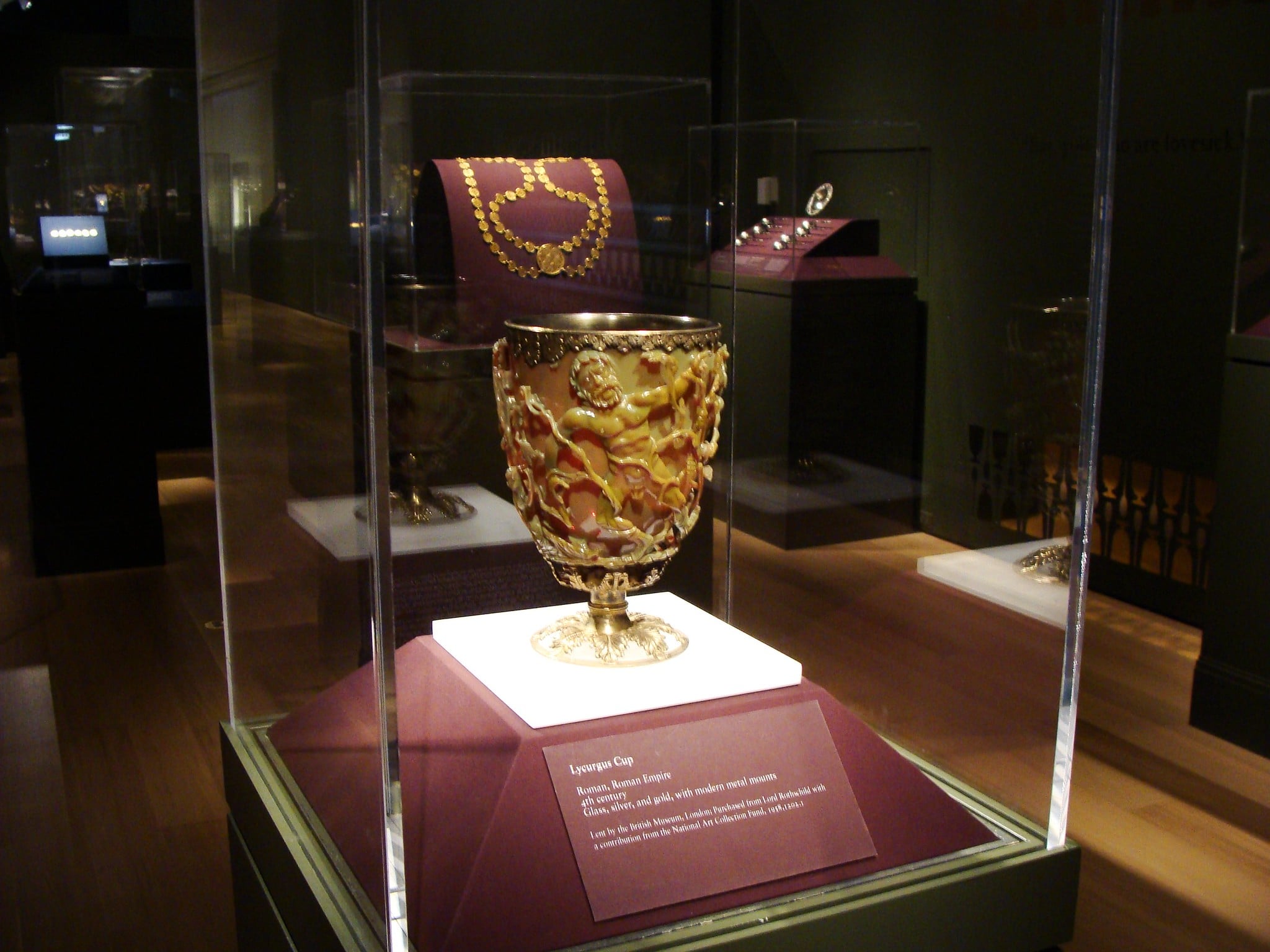
This 4th-century Roman cup shifts from green to red depending on which direction light hits it. The glass contains gold and silver nanoparticles that create this color-changing effect — nanotechnology that modern science only began understanding recently.
Getting such precise nanoparticle distribution without today’s equipment seems absolutely impossible.
Ulfberht Swords

These Viking swords from 800 to 1000 CE were made using crucible steel that needed temperatures hitting 3,000 degrees Fahrenheit. The steel quality was so outstanding that Europe wouldn’t see anything comparable until the Industrial Revolution rolled around.
The swords carry the ‘+ULFBERHT+’ inscription — but nobody knows who made them or exactly how.
Wootz Steel
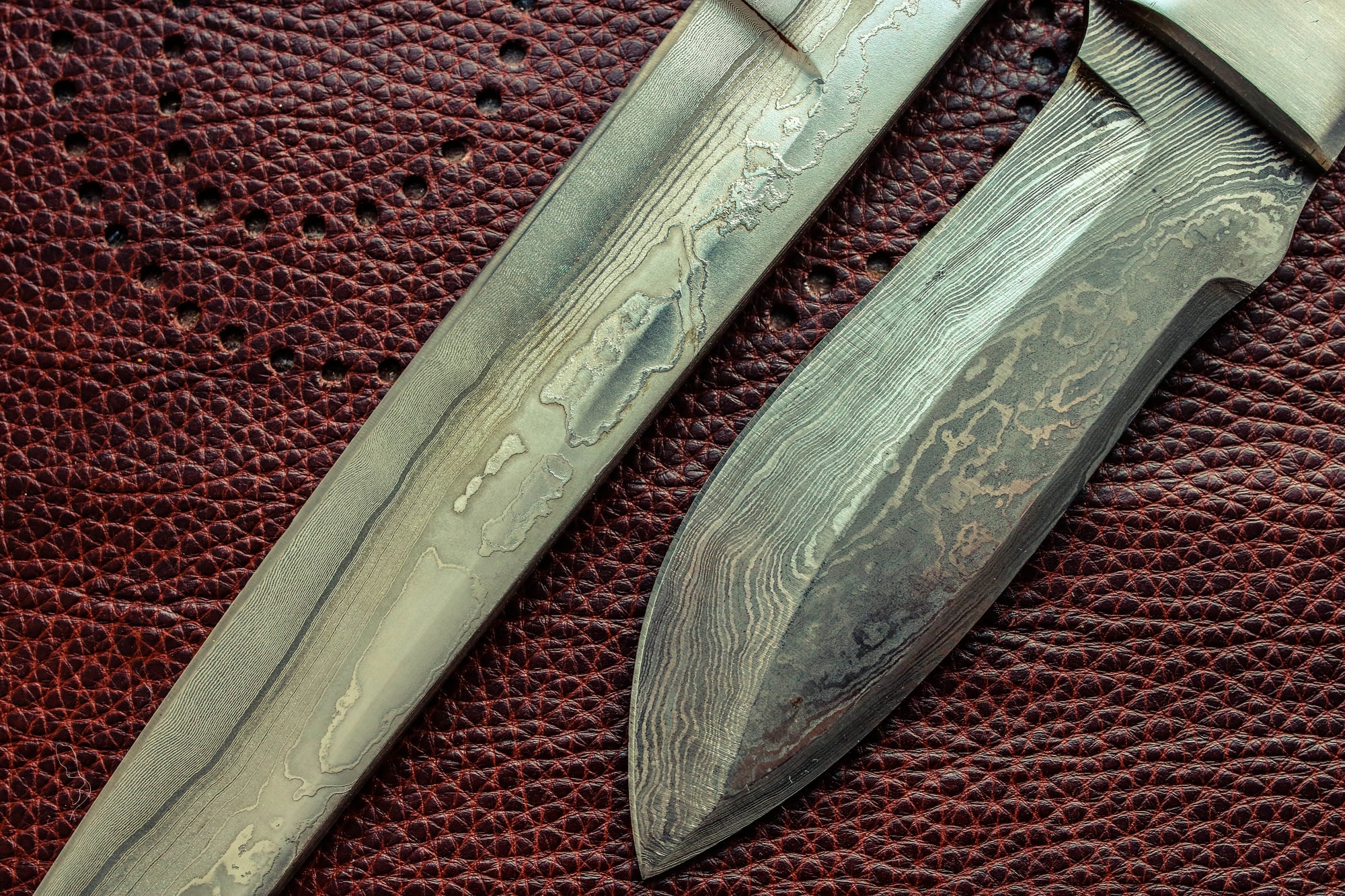
This Indian steel created the famous Damascus blades through a complex process involving specific iron ores and organic materials. The finished steel showed a distinctive watered pattern along with incredible sharpness.
Even knowing the basic ingredients, modern metallurgists can’t recreate the precise conditions that gave Wootz steel its unique characteristics.
Like Go2Tutors’s content? Follow us on MSN.
Stradivarius Violins

Antonio Stradivari crafted violins between 1644 and 1737 that produce sound quality modern makers simply can’t match. Theories range from the particular wood he used to special varnish recipes — yet despite analyzing every possible aspect, today’s violins still don’t measure up to the Stradivarius standard.
Maya Blue

This brilliant blue pigment used by Maya civilization has survived over 1,000 years without any fading, even in brutal tropical conditions. The color comes from indigo dye bonded with a specific clay mineral through a process creating an incredibly stable compound.
Modern attempts to recreate Maya blue have only been partially successful.
Nazca Lines
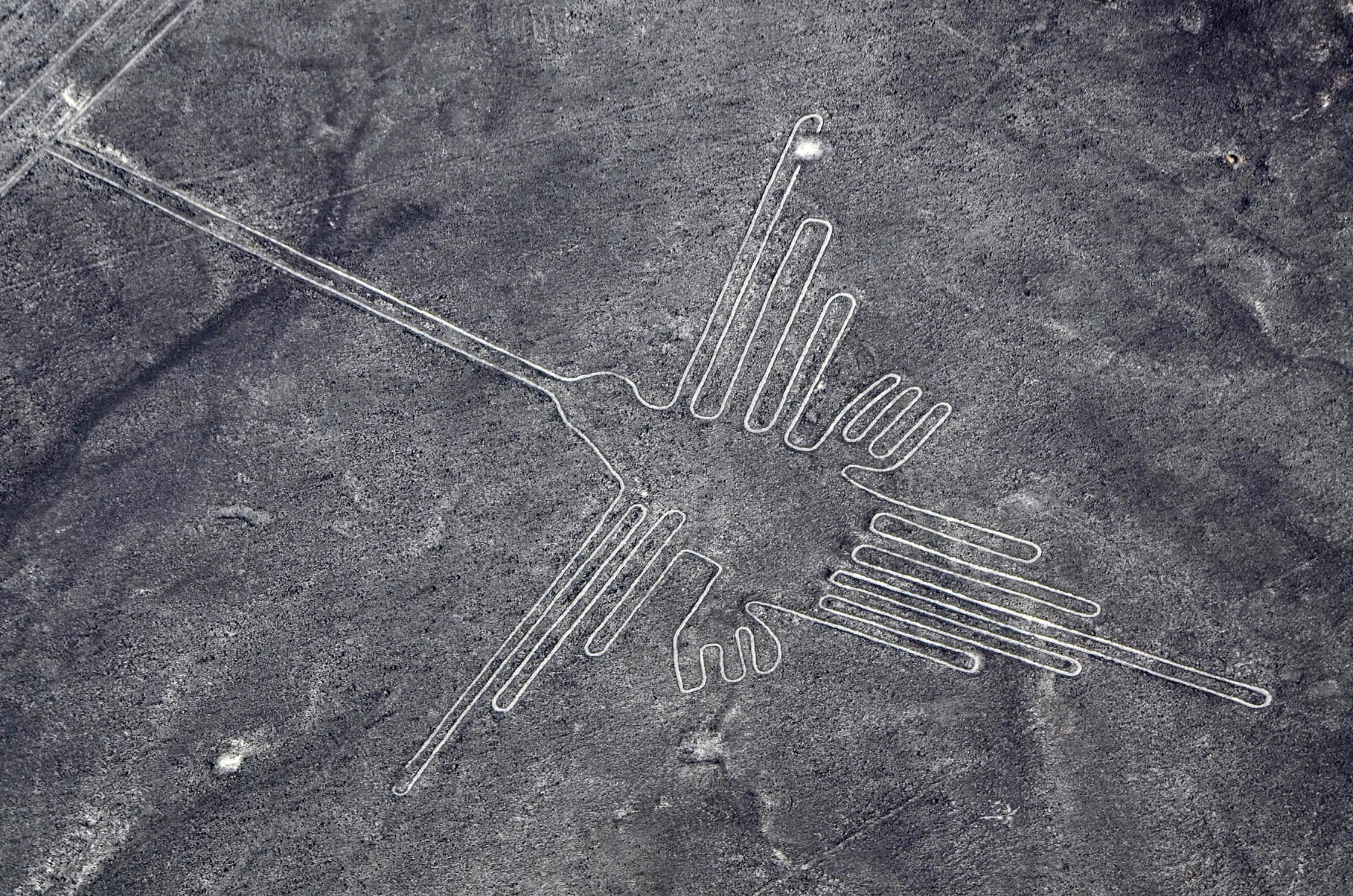
While we can easily see and map these massive geoglyphs in Peru, the precision needed to create perfectly proportioned figures across miles of desert without aerial perspective remains mind-boggling. Created between 500 BCE and 500 CE, the lines show geometric and mathematical knowledge that seems way too advanced for that time period.
Like Go2Tutors’s content? Follow us on MSN.
Bath of Caracalla Heating System
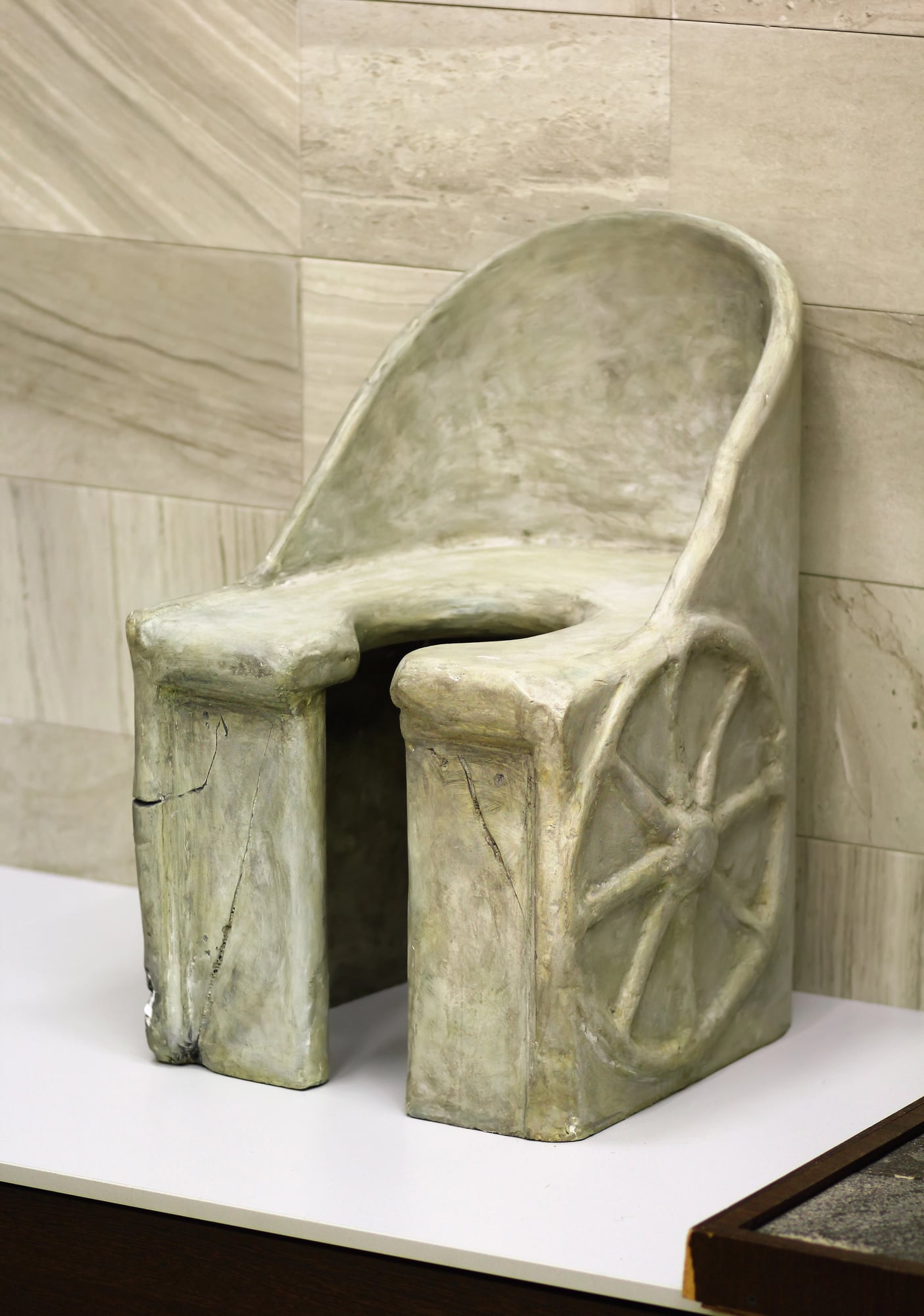
The Romans developed a hypocaust heating system that efficiently warmed enormous public baths using underground furnaces and wall cavities. The engineering required to distribute heat evenly across such massive spaces without modern pumps or fans involved complex calculations of airflow and thermal dynamics that we still struggle to replicate effectively.
Hoysala Architecture

The detailed stone carvings of 12th-century Hoysala temples in India show work so fine it looks almost like lacework. Sculptors carved elaborate figures, animals, and geometric patterns from single soapstone blocks with precision that modern power tools have trouble matching.
Nobody has figured out the technique used to achieve such delicate craftsmanship.
Inca Stonework
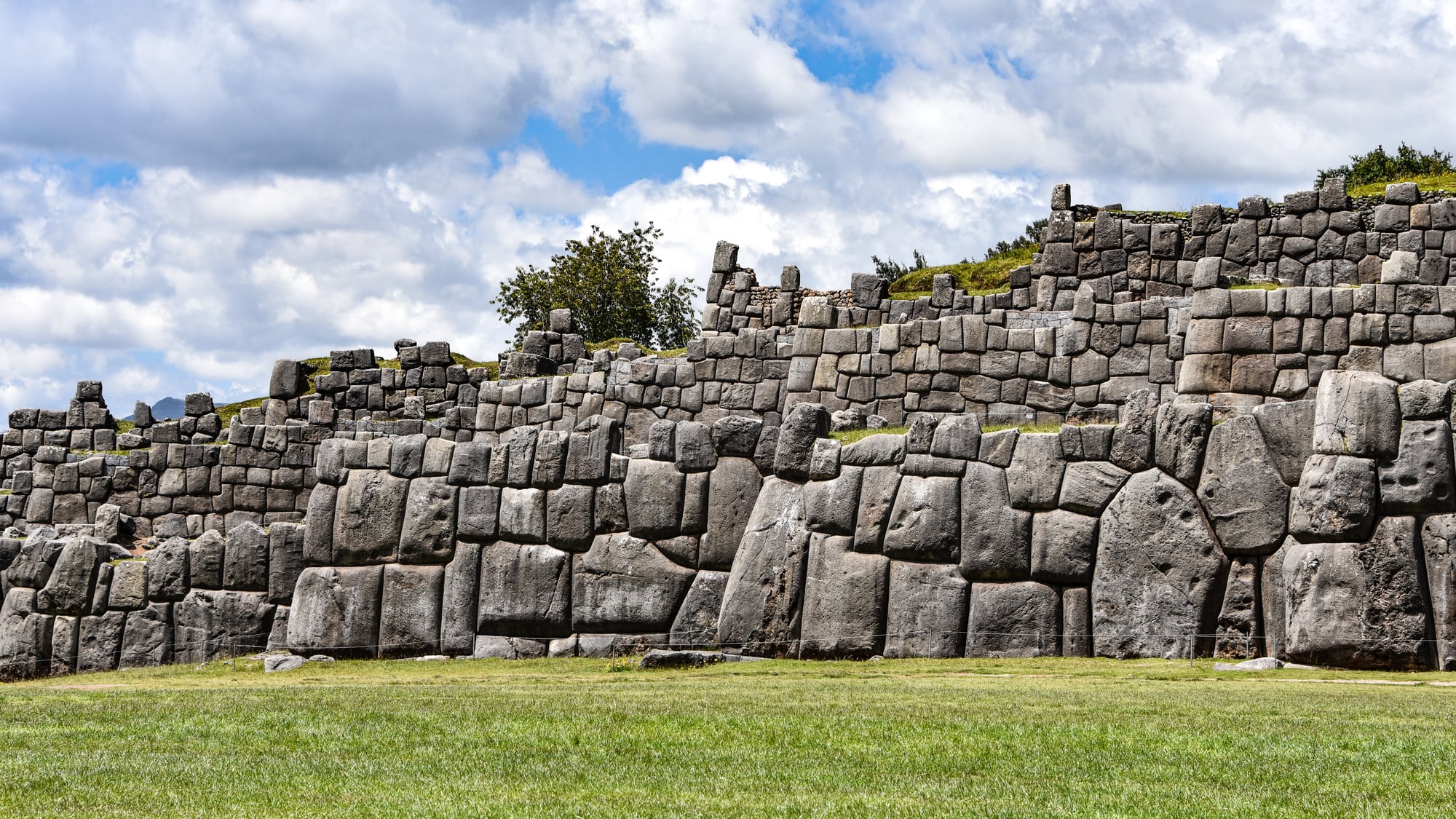
The precision of Inca stonework at sites like Sacsayhuamán involves massive stone blocks fitted together so perfectly that you can’t slide a knife blade between them. The stones were cut and shaped without mortar, metal tools, or wheels, yet they’ve survived centuries of earthquakes.
The techniques used to achieve such precision remain completely mysterious.
Like Go2Tutors’s content? Follow us on MSN.
Echoes of Innovation
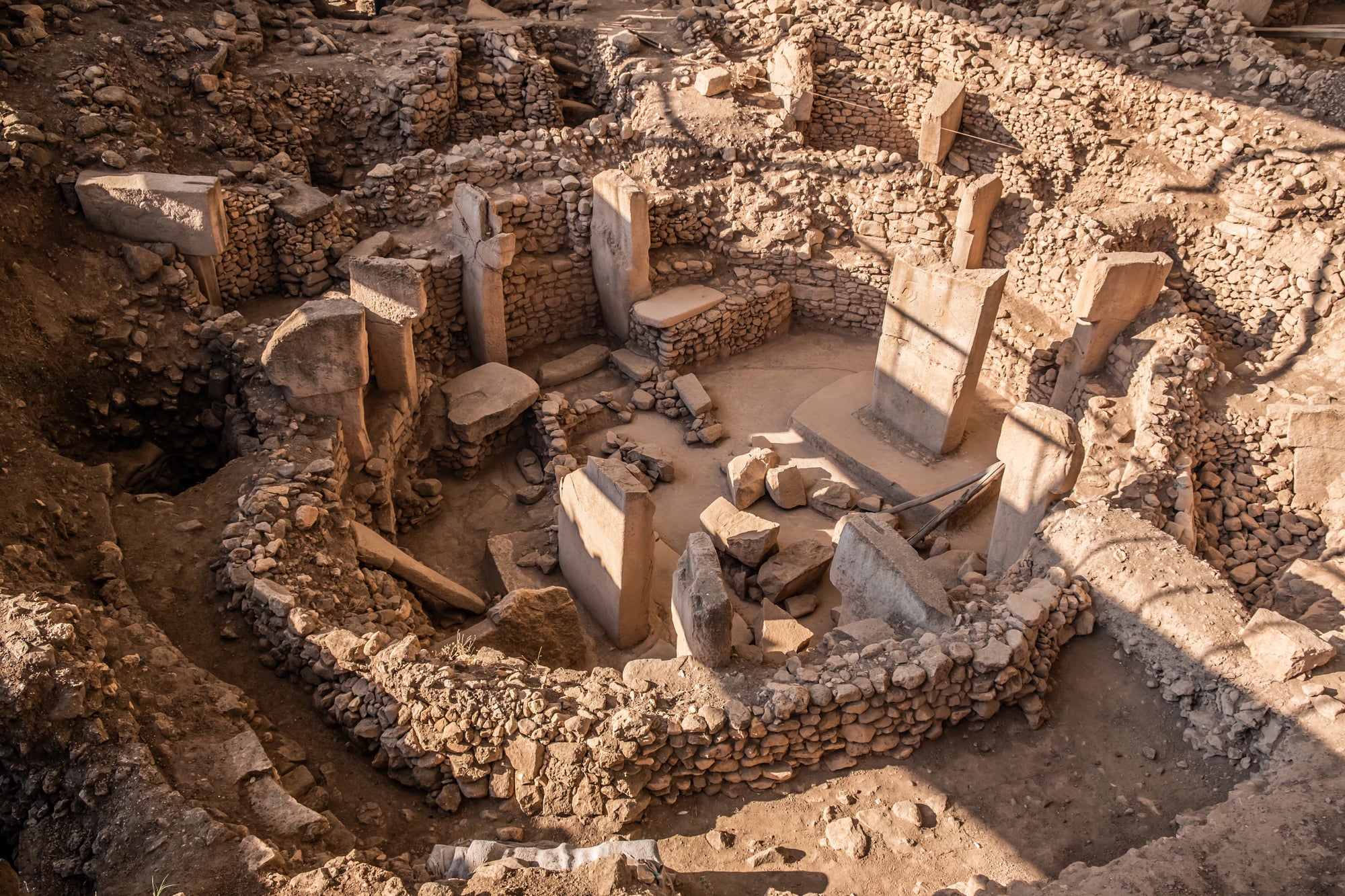
These ancient achievements remind us that human creativity has always found ways to push past apparent limitations. What makes these inventions particularly fascinating is how they represent not just lost techniques, but entire approaches to problem-solving that seem to have disappeared from human knowledge.
Many emerged from civilizations that supposedly lacked the tools and understanding we consider essential today, yet they achieved results our advanced technology cannot match. The persistence of these mysteries suggests that ancient peoples possessed knowledge and skills we’ve somehow forgotten, leaving us to wonder what other secrets lie buried in the ruins of the past.
More from Go2Tutors!

- 16 Historical Figures Who Were Nothing Like You Think
- 12 Things Sold in the 80s That Are Now Illegal
- 15 VHS Tapes That Could Be Worth Thousands
- 17 Historical “What Ifs” That Would Have Changed Everything
- 18 TV Shows That Vanished Without a Finale
Like Go2Tutors’s content? Follow us on MSN.