33 Unwritten Rules of Medieval Life Most People Never Learned About
There’s a version of the Middle Ages that lives in movies and theme parks — knights in gleaming armor, banquets with turkey legs, peasants cheerfully tilling fields under blue skies. That version is wrong in almost every detail.
The real medieval world ran on an intricate web of unspoken rules, social contracts, and deeply held customs that governed everything from how you greeted a stranger to where you were allowed to stand during a church service. These weren’t laws you could look up.
They were absorbed through childhood, enforced through community pressure, and occasionally punished in ways that made a point. If you’d stumbled into 13th-century England without knowing any of this, you would have offended someone within the first hour.
Here’s what they never put in the textbooks.
The Left Hand Was Trouble

Never hand anything to a person of higher standing with your left hand. The left hand was associated with impurity — it was the hand used for personal hygiene tasks that nobody discussed in polite company — and offering it to a superior was somewhere between rude and genuinely alarming.
Right hand, always. Even if it was less convenient.
Eye Contact Had a Price

Prolonged eye contact with a social superior wasn’t confidence. It was a provocation.
A peasant who held the gaze of a lord for too long was communicating something — and none of the possible interpretations were flattering. You looked, acknowledged, and then your eyes moved.
The people who understood this rule never had to be told twice.
Bread Was the Table, Not Just the Food

The trencher — that thick slab of stale bread used as a plate — wasn’t supposed to be eaten until the end of the meal, and even then, etiquette varied by household. In wealthier homes, the used trencher was collected for the poor waiting outside, and eating your own before it could be distributed marked you as someone with no social awareness whatsoever.
It was a plate. It was charity.
It was a test of your character, all at once.
Strangers Got One Night, Not Two

Hospitality in medieval society was a near-sacred obligation — you fed a traveler, you gave them a bed, you asked no difficult questions — but the unspoken ceiling was one night. A second night required the guest to explain themselves, and a third suggested something had gone sideways.
The warmth of welcome wasn’t unconditional; it had a quiet expiration date that everyone understood without being told.
Your Hat Told People Who You Were

Headwear wasn’t fashion — it was identification. Sumptuary laws in many parts of medieval Europe dictated what styles, fabrics, and colors different social classes were permitted to wear, and hats were especially scrutinized.
Wearing something above your station wasn’t just tacky; it was a legal offense in certain jurisdictions and a social one everywhere else. People read a hat the way people now read a job title on a business card.
Silence at the Table Was Suspicious
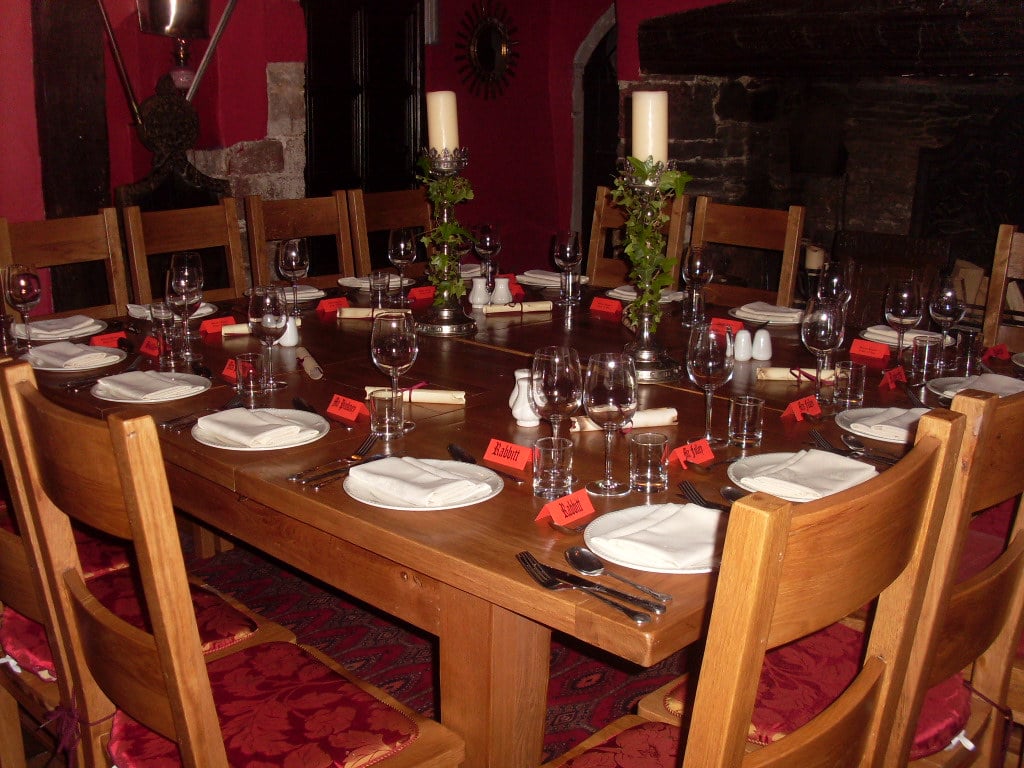
Mealtimes in noble households were performative occasions, not just refueling stops, and sitting in silence at a communal table signaled sullenness, contempt, or some kind of brewing grievance. You were expected to contribute — pleasantly, carefully, without monopolizing — and the person who ate with their head down and said nothing was quietly noted.
Medieval social life ran on visible participation, and the quiet ones made people nervous.
The Threshold Carried Real Weight
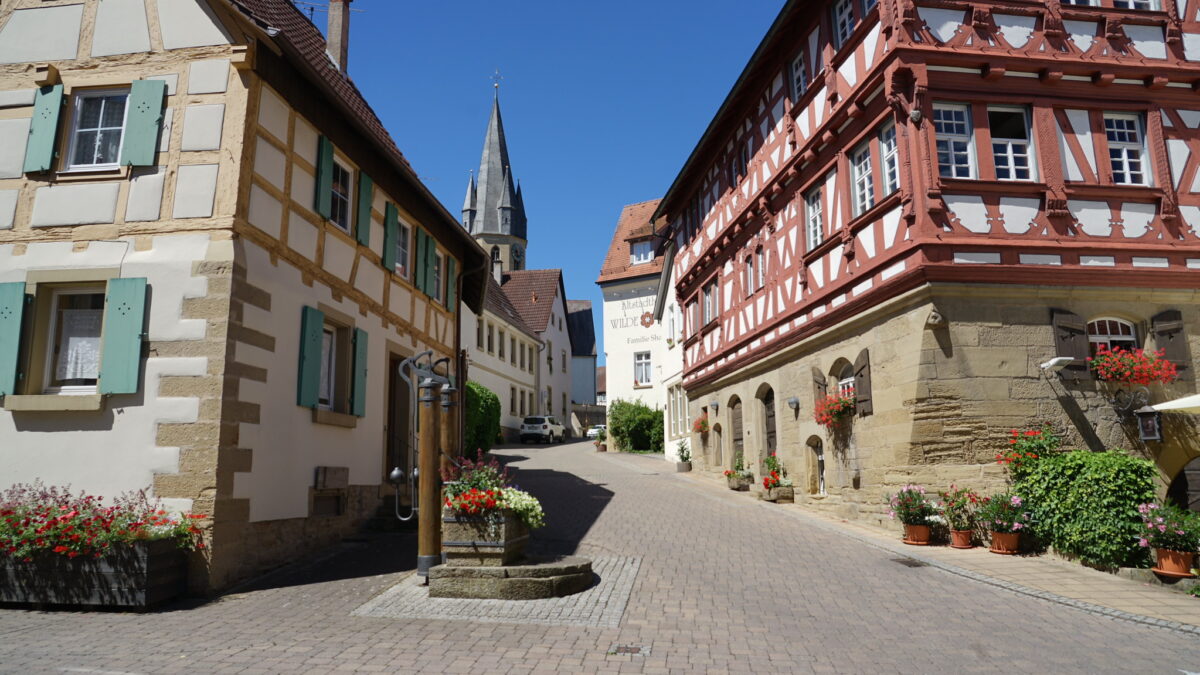
Entering a home without being invited over the threshold — even with the door wide open — was a serious breach. The threshold was understood as a boundary between public and private space, and crossing it uninvited was, depending on the context, an act of aggression or deeply bad manners.
Guests waited. They were welcomed in.
The host led, not the visitor. That particular choreography was non-negotiable.
Clergy Got the Best Seat, Every Time

When a member of the clergy entered a room, you stood. When seating was arranged, they took the most honored position without discussion.
This wasn’t merely deference to personal piety — it was recognition that the church occupied a different plane of social reality, and failure to observe that recognition was noticed by everyone in the room, not just the clergyman. It was one of those rules where breaking it said more about you than about them.
Animals in the Hall Were Ranked, Too

Hunting dogs were permitted in great halls; scavenging dogs were not. The distinction mattered enormously.
A lord’s prized hunting hounds might rest near the hearth after a hunt, but letting a common yard dog wander through dinner suggested the household had no standards. The animals you allowed near your table communicated something about your household’s discipline — and by extension, about you.
Apothecaries Didn’t Speak Ill of Physicians
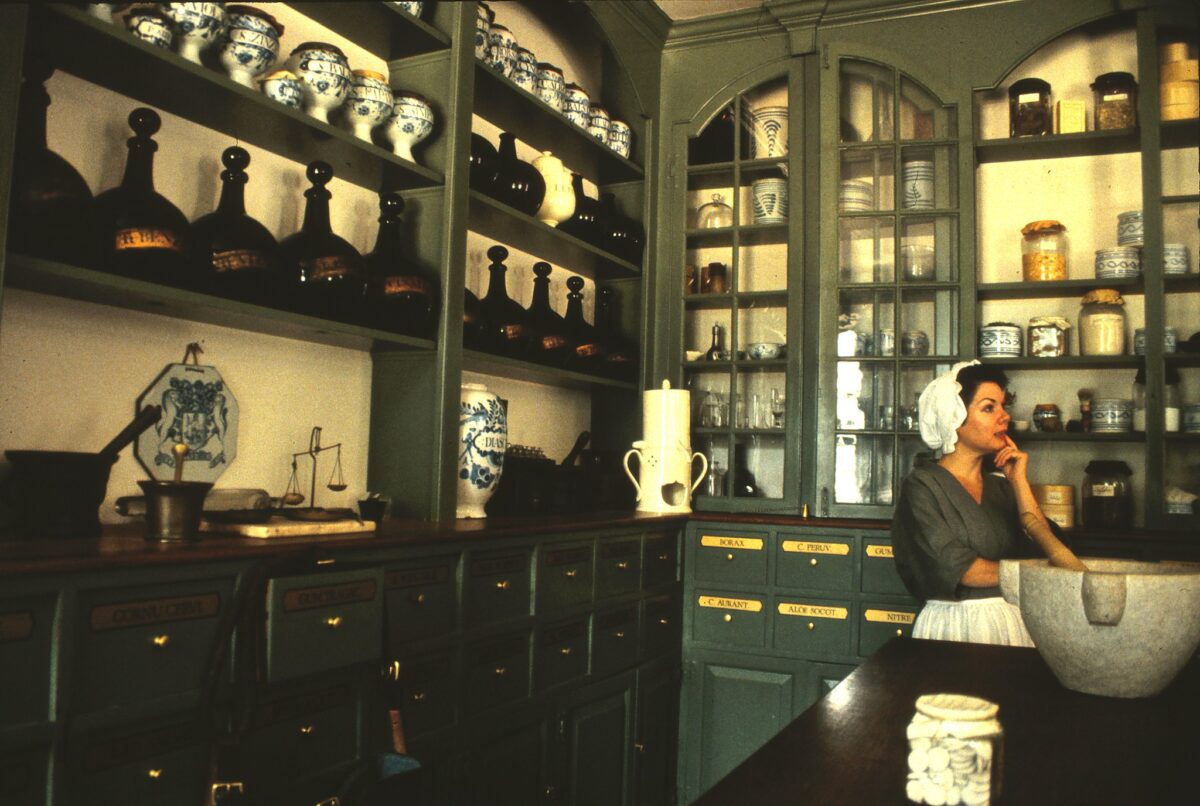
There was an understood professional courtesy between apothecaries, physicians, and barber-surgeons — a loose hierarchy in which each recognized the other’s domain and didn’t publicly contradict a colleague’s treatment, even when the treatment was questionable. Undermining another practitioner’s diagnosis in front of a patient was a violation of guild culture and professional solidarity that could follow a man for years.
The system protected its members first and the patient second, and everyone with any experience in it understood that arrangement perfectly.
Children Ate Last and Spoke Less
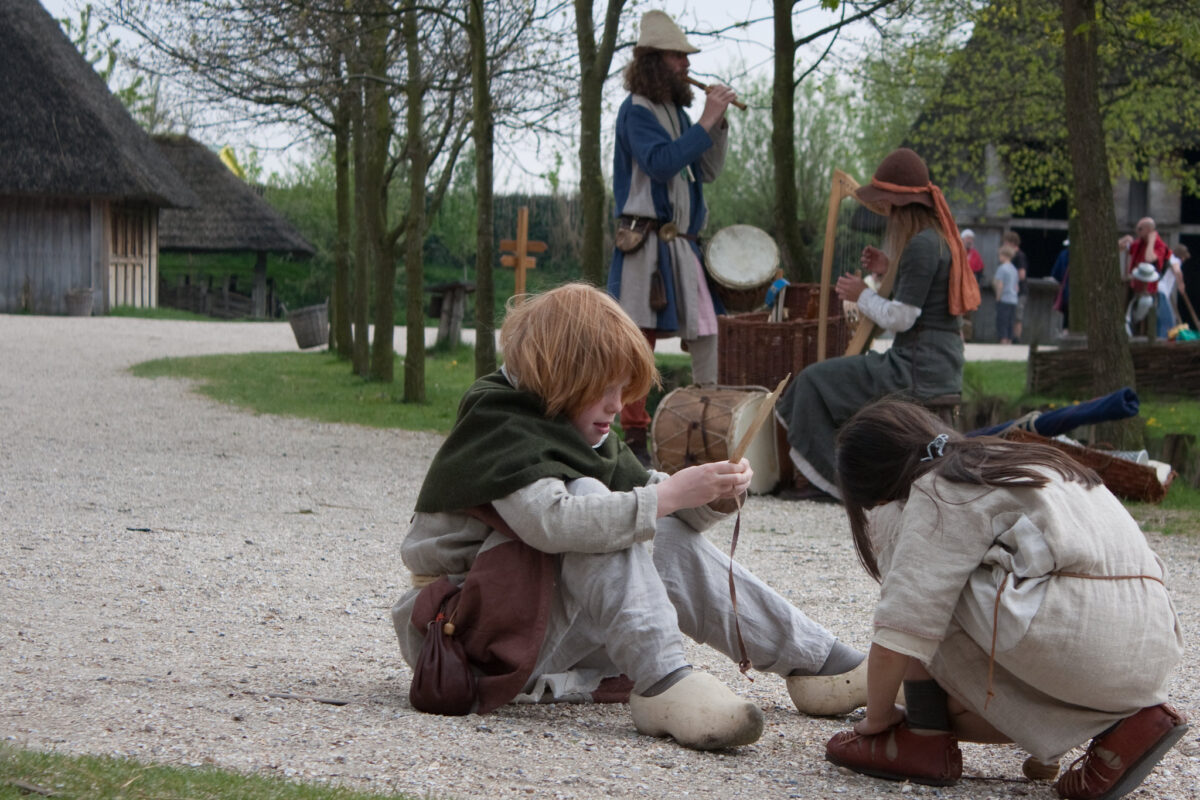
In households of all classes, children occupied the lowest rung of the table and were expected to be useful, quiet, and invisible unless addressed. This wasn’t cruelty — it was training.
A child who pushed toward the food, interrupted adult conversation, or demanded attention was failing at the single most important lesson of medieval socialization: knowing your place in a room before you spoke in it.
Witnesses Were Everything
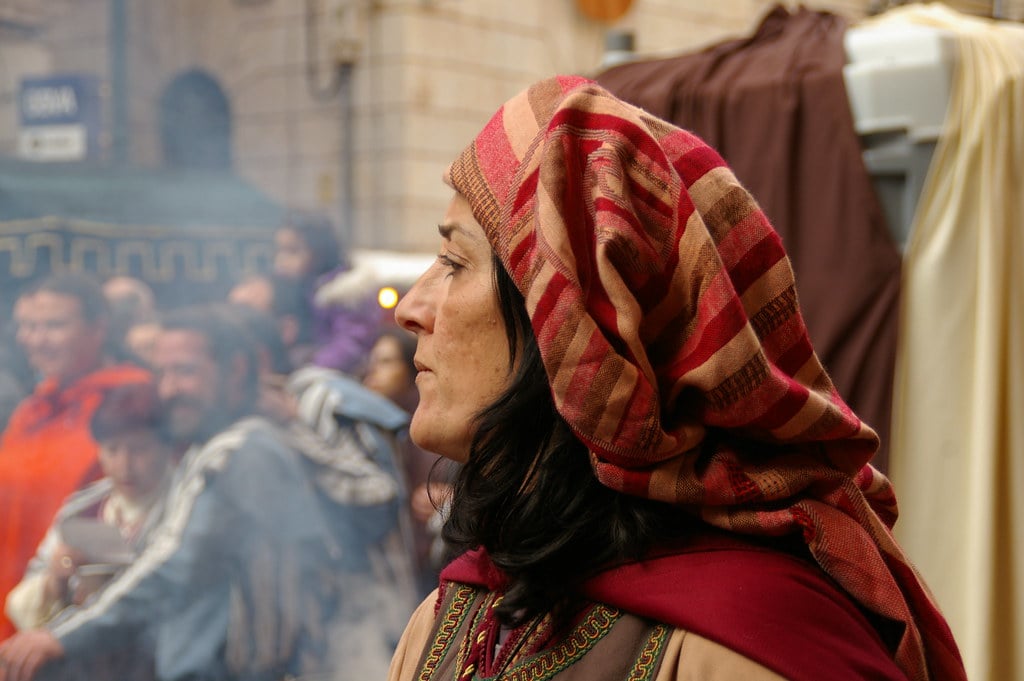
Any transaction of significance — a land transfer, a betrothal agreement, a debt acknowledged — required witnesses, and the number of witnesses present was a direct indicator of how serious the matter was taken. Conducting significant business without witnesses wasn’t just impractical; it was socially strange, suggesting either naivety or an intent to later deny what had been agreed.
Medieval people didn’t trust documents the way we do. They trusted people who had been in the room.
Fire Was Communal Property After Dark

In many villages, an extinguished fire wasn’t your private loss — it was a community problem, because relighting required borrowing coals from a neighbor. The unwritten rule was that you kept your fire going through the night or made arrangements.
A household that let their fire die and then came knocking in the dark was a nuisance at best and a hazard at worst. The curfew bell — its name literally derived from the French couvre-feu, “cover the fire” — was a reminder that fire management was everyone’s concern, not just yours.
Complaining About Food Was Unacceptable

Whether you were a guest at a feast or a farmhand eating whatever the season had produced, complaining about the quality of the food was a direct insult to the host’s resources, their generosity, and their household management. You ate what was provided.
You expressed gratitude. The idea that a guest might comment critically on what they’d been given for free would have read as something between bizarre and genuinely offensive.
The Lord’s Mill Was Not Optional

In a feudal village, peasants were often obligated to use the lord’s mill to grind their grain — and pay for the privilege. Attempting to grind grain at home was technically defiant, and while enforcement varied wildly depending on the lord and the era, the social pressure to comply was constant.
Your neighbors knew if you were grinding your own grain. They also knew what it meant.
Mourning Had a Dress Code and a Timeline
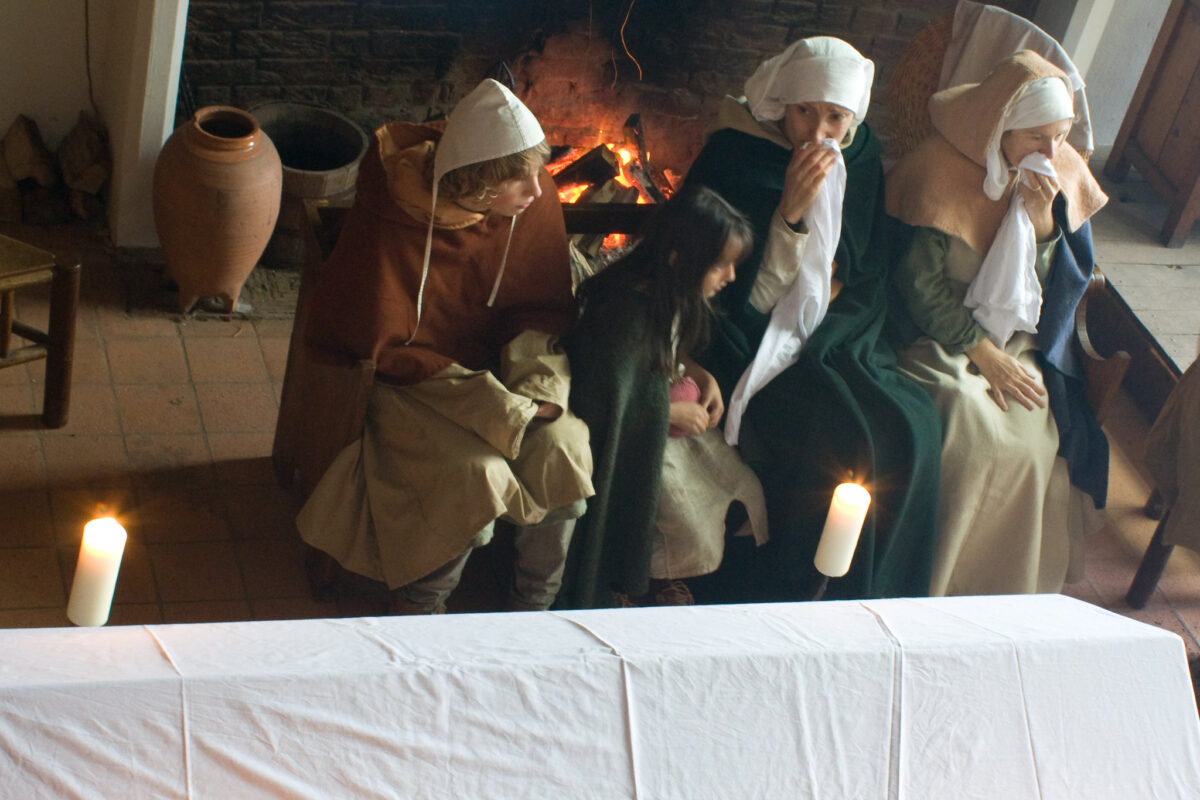
Grief was public, structured, and expected to follow observable conventions. Widows wore specific mourning garments for a defined period — the length varied by region and social class — and appearing in ordinary clothing too soon after a death was read as a failure of respect, not personal resilience.
The community was watching, and they had opinions. Medieval grief wasn’t private; it was performed for an audience that felt entitled to judge the performance.
You Didn’t Boast About a Lucky Harvest

Openly celebrating an exceptional harvest — announcing your surplus too loudly, bragging about a yield your neighbors hadn’t managed — was a form of social aggression in tight-knit village communities where one household’s abundance sat directly beside another’s scarcity. The unspoken rule was measured gratitude: acknowledge good fortune quietly, share where custom required, and don’t make your neighbor feel the weight of comparison.
Medieval communities were too interdependent for conspicuous plenty.
Touching a Noble Without Permission Was Dangerous
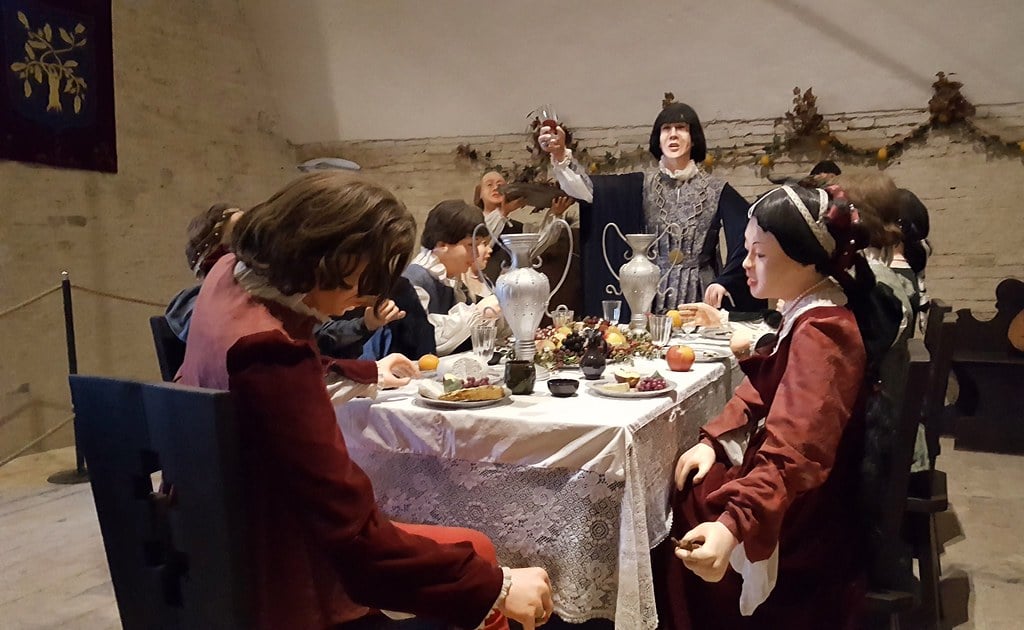
Physical contact with a person of significantly higher social rank — a pat on the back, a hand on the arm, even steadying someone who stumbled — required either explicit permission or an emergency that excused the breach. Uninvited physical contact communicated a familiarity that simply didn’t exist, and it put the person doing the touching in a deeply awkward position that could, depending on the noble’s temperament, go badly in a hurry.
Markets Had an Unspoken Order of Arrival
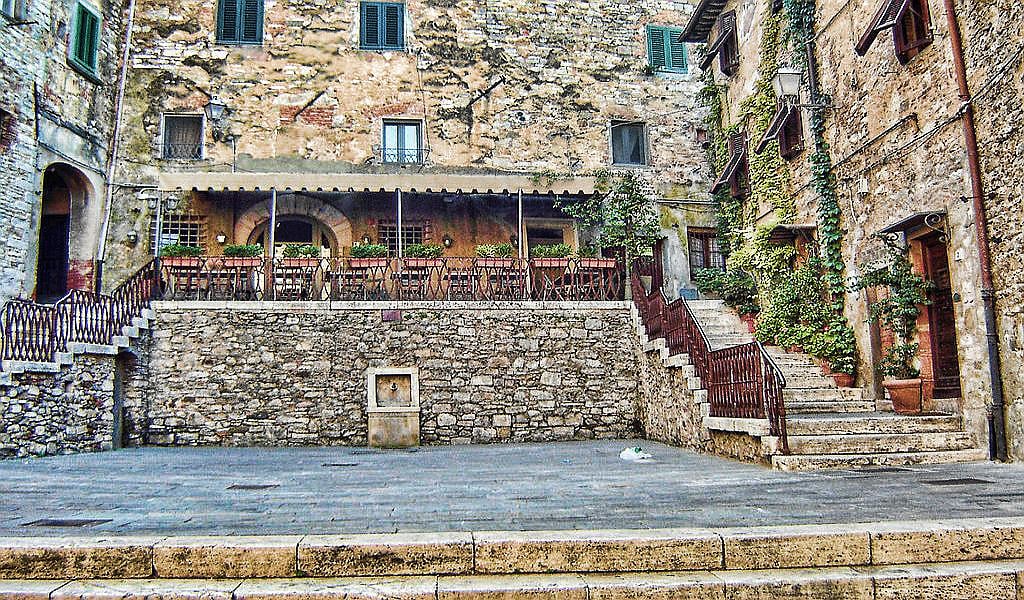
At market stalls, first arrival carried weight, but so did social rank — and the two didn’t always align. A peasant who arrived early at a butcher’s stall technically held first position, but if a merchant’s wife arrived shortly after, the peasant was expected to yield.
Nobody announced this rule. It didn’t need to be announced. It was one of those invisible arrangements that held because everyone had accepted it before they were old enough to question it.
Gossip Was Gendered and Punished Accordingly
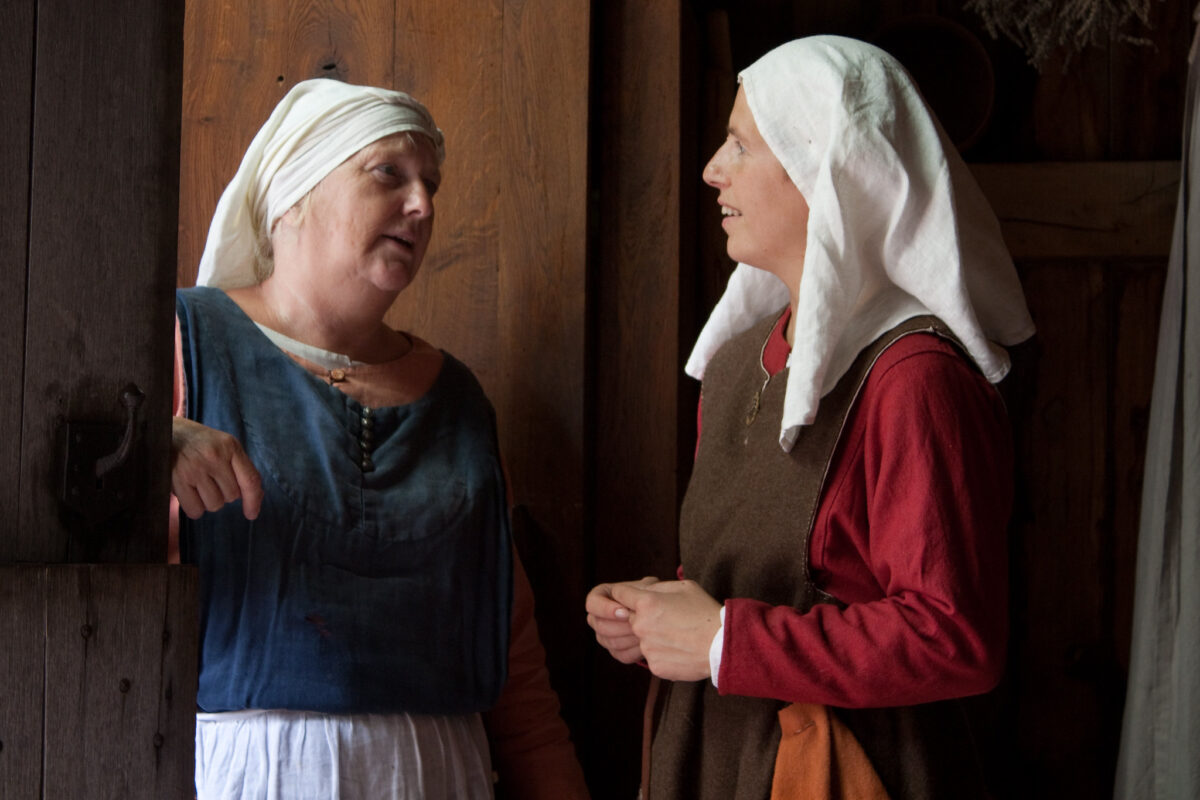
Women who were accused of excessive gossip or public slander could face the scold’s bridle in some parts of England — a humiliating iron cage fitted over the head — while men who spread damaging rumors typically faced fines or community censure instead. The rule wasn’t about truth or harm; it was about who was permitted to speak at volume, and female speech that became inconvenient to the community got treated as a disorder to be corrected rather than a behavior to be addressed.
Prayers Were Non-Negotiable and Observed
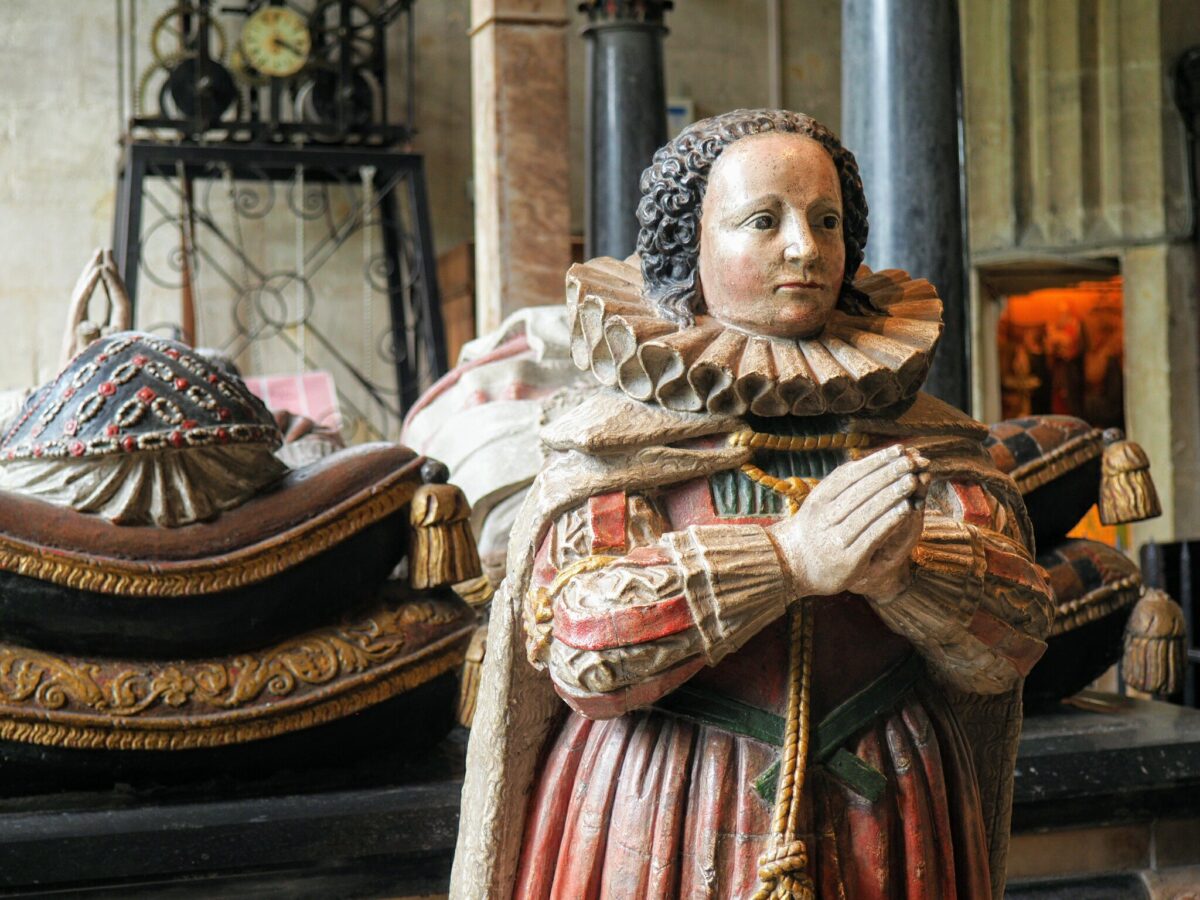
Daily prayers — particularly those aligned with the canonical hours, the structured cycle that divided the day into prayer times — were social obligations as much as religious ones. A person who visibly skipped prayers, failed to observe Sunday mass, or showed indifference to the rhythm of the liturgical calendar was marking themselves as someone outside the community’s shared spiritual life.
In a world where the church organized time itself, religious participation wasn’t optional; it was the price of belonging.
Debts Between Neighbors Were Tracked Publicly
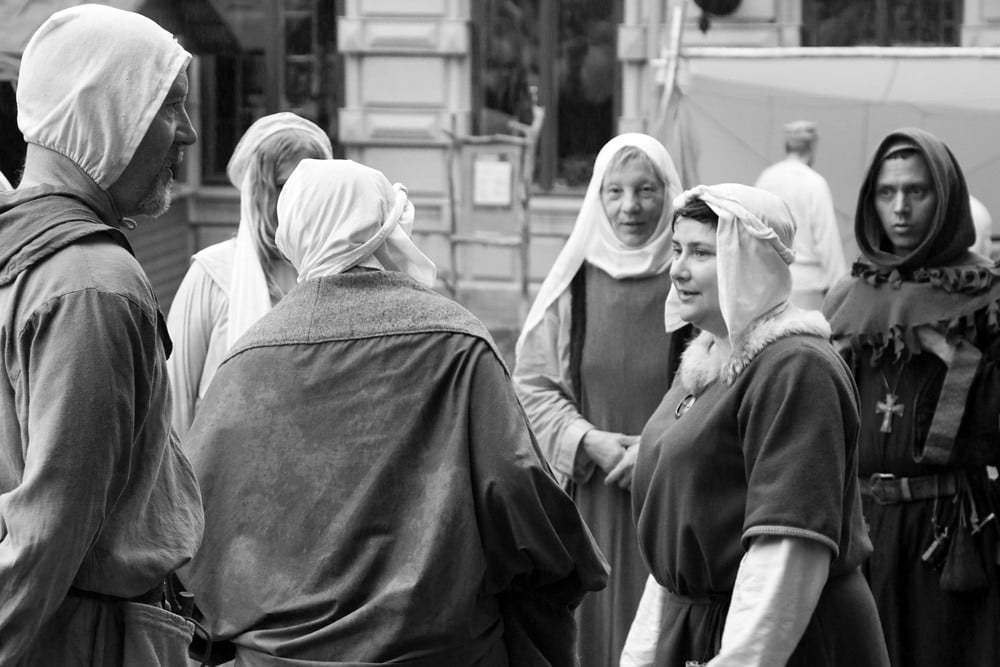
Informal credit between neighbors — borrowing tools, seed, a day of labor — was tracked through community memory, not written ledgers. Everyone knew who owed what to whom, and a person who consistently borrowed without repaying wasn’t just indebted to a single neighbor: they were indebted to the community’s patience.
The unspoken rule was reciprocity, maintained over years and enforced through the slow withdrawal of goodwill that left a defaulter quietly isolated.
Swords Inside a City Carried Restrictions

In many medieval towns and cities, carrying an unsheathed sword inside the walls was prohibited outside of specific contexts — escorting a lord, traveling in an official capacity — and even a sheathed sword on the wrong street at the wrong hour drew attention. The rule wasn’t always written into law, but it was understood: weapons inside civilian spaces were a statement, and the community had a right to read that statement and respond accordingly.
Guild Membership Came With Lifestyle Obligations

Belonging to a guild wasn’t just an occupational status — it came with behavioral expectations that extended far beyond the workshop. Guild members were expected to attend funerals of fellow members, contribute to the care of members’ widows and orphans, and behave in public in ways that reflected well on the guild’s collective reputation.
A member who conducted himself badly outside working hours wasn’t just embarrassing himself; he was pulling at a fabric that held everyone’s livelihoods together.
Naming a Child Followed Strict Convention
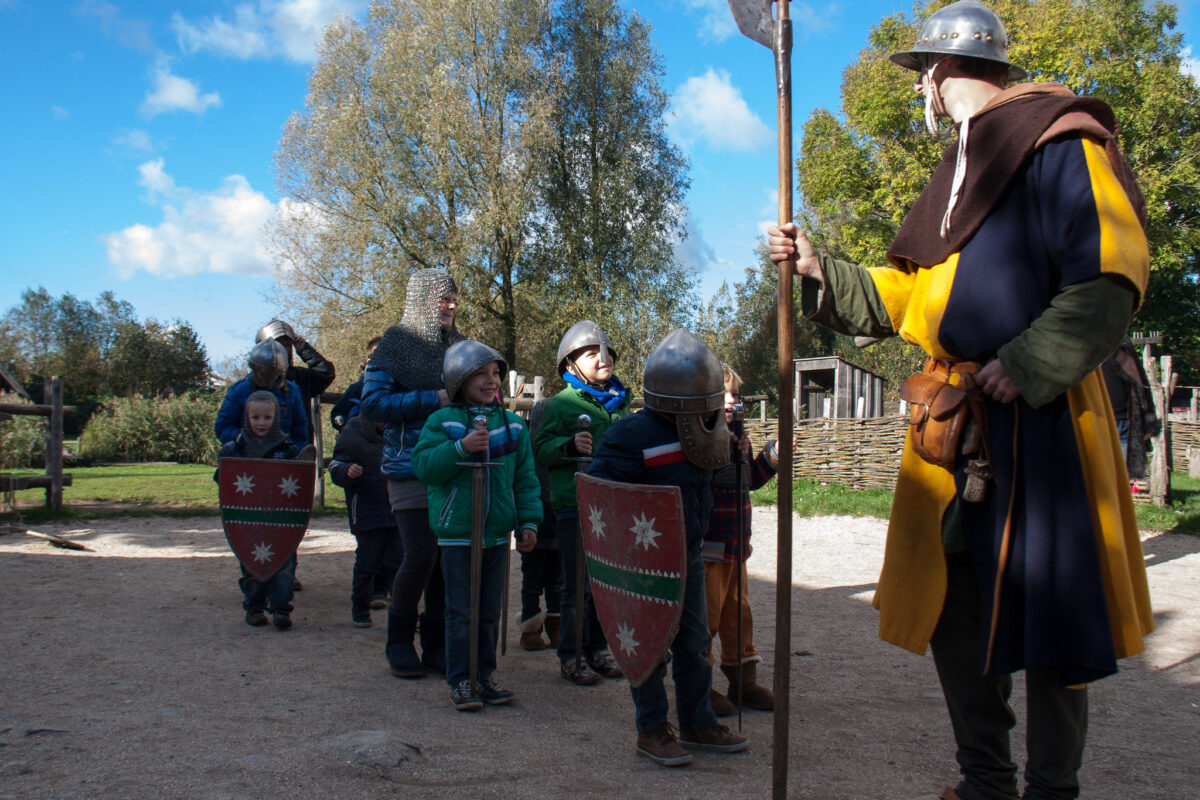
Firstborn sons were routinely named after paternal grandfathers; firstborn daughters after maternal grandmothers. Deviation from this pattern required explanation — or at least raised questions — because naming conventions were a visible form of family loyalty and lineage acknowledgment.
Choosing a fashionable or entirely original name for a firstborn child communicated something about your relationship with the family that name was supposed to honor. People noticed.
They remembered.
The Sick Were Isolated Without Announcement

A household with serious illness — particularly anything that might spread — was expected to signal this fact to the community without being asked. Hanging a cloth, marking a door, or simply keeping family members away from communal spaces was an unspoken obligation of social hygiene that predated any formal public health system by centuries.
Communities enforced this through pressure; the household that concealed illness and sent sick members to market was breaking a trust that could get people killed.
Laughter in Church Was a Gravely Serious Offense

Not just frowned upon — laughter during a church service was classified in some ecclesiastical writings as a form of disrespect bordering on sacrilege, and clergy who laughed during the mass could face formal rebuke. For laypeople, visible amusement during worship services was the kind of social transgression people remembered and repeated.
Medieval churches were not solemn by accident; they were solemn by active cultural enforcement.
Seating in Church Reflected Social Rank Exactly

Pews — where they existed — were not first-come, first-served. Wealthy families held reserved positions near the front, sometimes marked with family crests.
Moving into a family’s accustomed spot was a territorial violation that would be addressed calmly, firmly, and publicly before the service started. The church was a spiritual space and a social map, and both functions operated simultaneously every single week.
Apprentices Didn’t Speak Back
The relationship between an apprentice and a master craftsman operated on near-total deference. An apprentice who openly contradicted a master’s technique — even when he was right — was violating the structure of an arrangement that wasn’t just professional but quasi-familial.
You learned by watching, by practicing, by asking careful questions. The apprentice who was right too loudly was the apprentice who found himself looking for a new master.
Weapons Were Inherited, Not Sold

Passing a sword or longbow to a stranger through a market sale was technically possible but socially strange. Quality weapons moved through families, through lords distributing to loyal men, through formal grants — not through casual commerce.
A man who sold his sword at market was implicitly communicating something about his circumstances that he probably didn’t want communicated, and buyers were aware of what it said about the weapon’s provenance.
Night Walking Was Its Own Offense

In many medieval towns, moving through the streets after curfew without a specific reason — a light, an explanation, an identifiable destination — was grounds for detention. Night walkers were assumed to be up to something, and the assumption was usually correct.
The rule wasn’t about where you were going; it was about the basic principle that legitimate activity happened in daylight where the community could observe it.
Pilgrimages Required Social Permission

Setting out on a pilgrimage — even a pious, personally motivated journey to a shrine — required the practical approval of anyone who depended on you. A serf couldn’t simply leave for Canterbury without the lord’s permission.
A married woman needed her husband’s consent, in most legal frameworks. A craftsman left his workshop unattended at professional risk.
The pilgrimage was spiritually meritorious and socially complicated, and the two things existed in permanent tension.
Seasons Dictated What You Could Want

Medieval social life had an implied rule that your desires — your requests, your ambitions, your complaints — should align with the reality of the season. Asking for fresh fruit in January, demanding warm weather clothing be available in November, or expecting agricultural labor to perform at spring-planting intensity in late autumn was tone-deaf in a way that marked you as disconnected from the world everyone else was navigating.
You lived inside the same seasons as your neighbors. You were expected to remember that.
The Weight of What’s Been Forgotten

The strangest part of all of this is how completely it has vanished. These weren’t minor details — they were the operating system of daily life for millions of people across hundreds of years, the invisible architecture that told you where to stand, when to speak, and what your silence meant.
And yet almost none of it survived the transition into recorded history in any organized way. It was never written down because it didn’t need to be written down.
Everyone already knew. The trouble is, eventually everyone who knew it was gone, and the rules evaporated with them — leaving only the faint outline of a world that was far more structured, far more watched, and far more socially demanding than any castle tour will ever tell you.
More from Go2Tutors!

- The Romanov Crown Jewels and Their Tragic Fate
- 13 Historical Mysteries That Science Still Can’t Solve
- Famous Hoaxes That Fooled the World for Years
- 15 Child Stars with Tragic Adult Lives
- 16 Famous Jewelry Pieces in History
Like Go2Tutors’s content? Follow us on MSN.