14 Bread Brands Families Bought by the Loaf
Open the cupboard of almost any American kitchen from the last century and a wrapper with a familiar name was probably sitting on the counter. Sandwiches, toast and French toast all depended on a loaf that arrived from a local bakery truck or a grocery shelf. Many of those names have changed hands, changed bakeries or vanished from the shelf.
The brands below were the loaves that packed lunch boxes and fed dinner tables. Some began in a home kitchen, some began as a cooperative, and a few were absorbed by larger companies after decades of loyalty.
Wonder
— Photo by mkopka
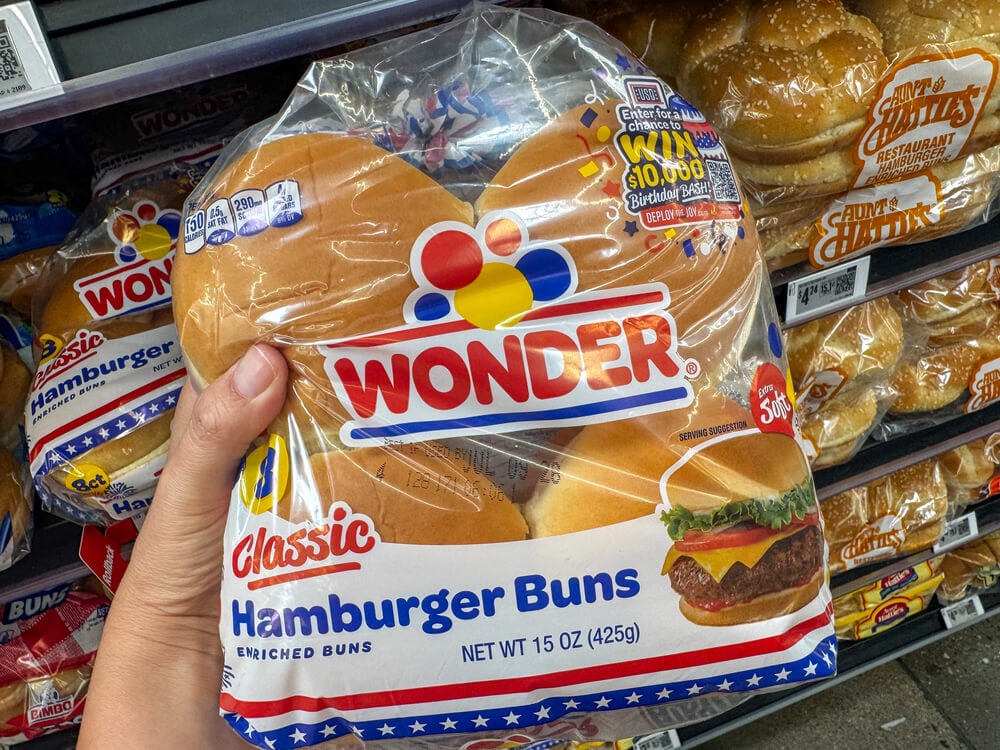
Wonder debuted in 1921 from the Taggart Baking Company in Indianapolis, and its wrapper of colorful dots was inspired by an aerial race at the Indianapolis Motor Speedway. The sliced version followed in 1930, which helped turn a regional loaf into a national habit.
After Hostess shut down in 2012, Flowers Foods bought a group of its bread brands and bakeries for $355 million. Wonder returned to supermarket shelves in September 2013 under its new owner.
Kleen Maid

The first commercially sliced bread was sold on July 7, 1928, by the Chillicothe Baking Company of Chillicothe, Missouri, under the name Kleen Maid. Owner Frank Bench had bought the slicing and wrapping machine invented by Otto Rohwedder, an Iowa-born jeweler who spent years refining it after a fire destroyed his first prototype.
Bakers had been skeptical that customers would want a loaf cut in advance, since it seemed likely to dry out. Within a few years the idea had spread to bakeries across the country, and plain sliced loaves became the standard.
Sunbeam
— Photo by homank76
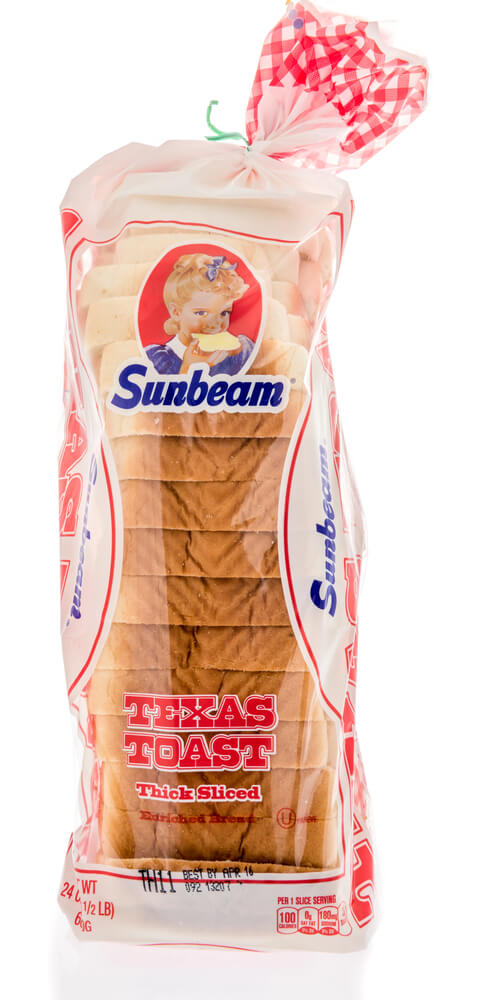
Sunbeam arrived in 1942 through Quality Bakers of America, a cooperative of independent bakeries that shared a single brand and recipe. The blond girl on the wrapper became one of the better-known faces in the bread aisle.
Today the brand belongs to Flowers Foods, a company founded in 1919 in Thomasville, Georgia. It is baked for grocery shelves across the South.
Roman Meal
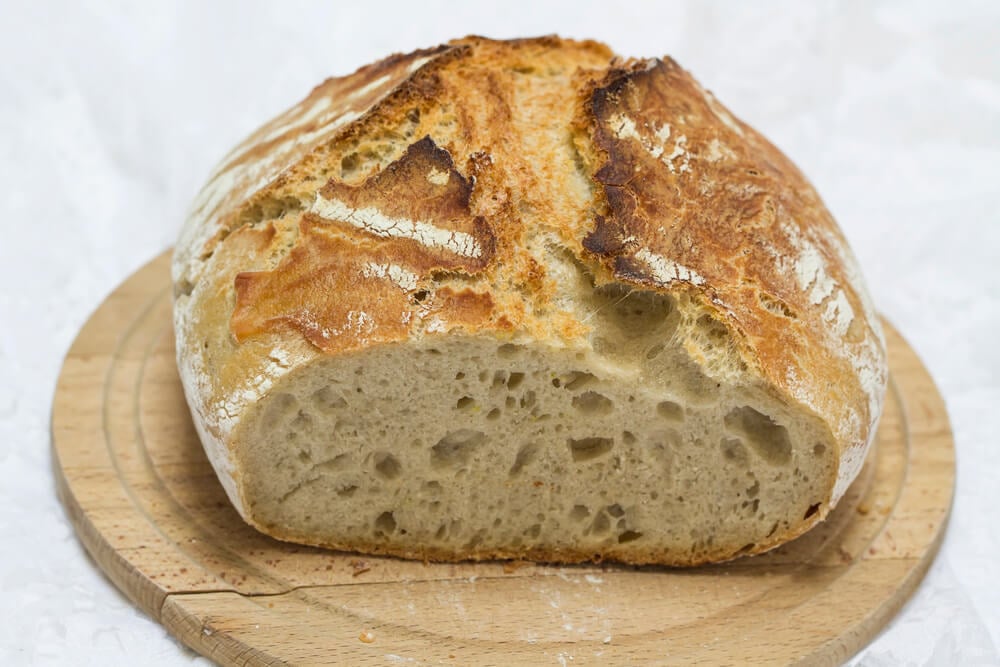
Roman Meal was built around a grain blend of wheat, rye, bran and flaxseed developed by Dr. Robert Roman, a physician in Tacoma, Washington. The company pitched the mix as a hearty cereal in the spirit of what ancient Romans ate, and the name carried that idea straight onto the bread bag.
Bakeries made the loaf under the Roman Meal name, and its dense brown slices were a fixture in many kitchens by the 1970s. Few other sandwich breads trace their identity to a doctor’s cereal formula.
Pepperidge Farm
— Photo by homank76
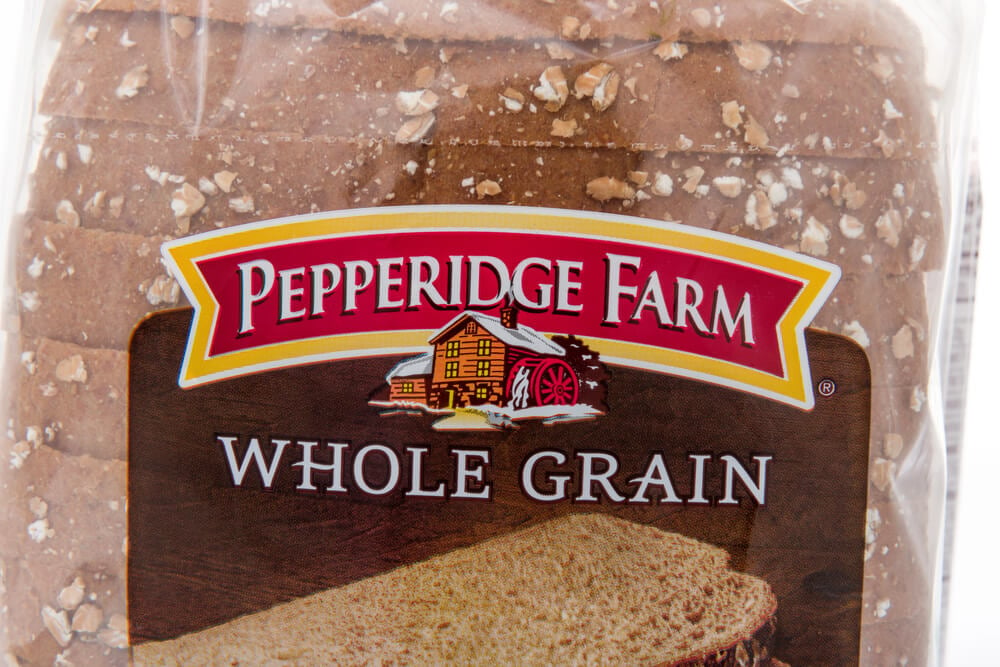
Margaret Rudkin began baking in 1937 at her home in Fairfield, Connecticut, after a doctor suggested stone-ground wheat bread for her young son, who had allergies. She named the business after the family property, and her loaves moved from neighbors to local grocers to a growing regional following.
The company grew large enough that Campbell Soup Company bought it in 1961. Rudkin remains among the more unusual founders in American baking, a housewife who turned a prescription into a national brand.
Mrs. Baird’s
— Photo by mkopka
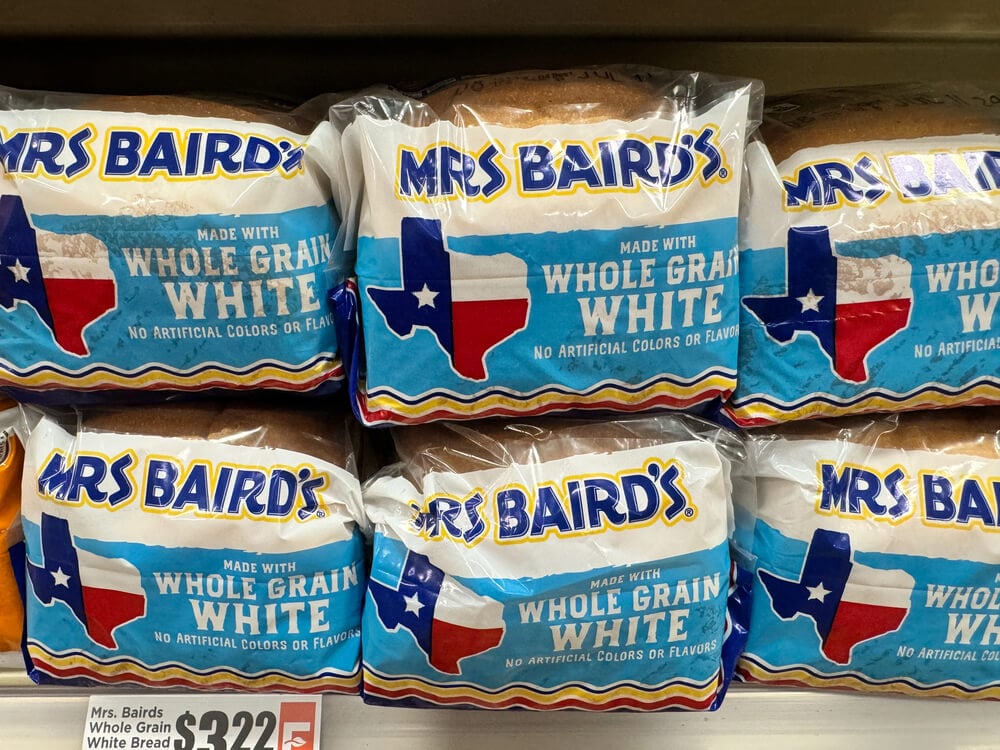
Ninnie Baird founded Mrs. Baird’s in Fort Worth, Texas, in 1908, building a bakery business from her own kitchen and her family’s labor. The brand became a Texas institution, with its loaves sold across the state for most of the twentieth century.
Grupo Bimbo bought the company in 1998, bringing the Texas favorite into one of the largest baking groups in the world. Even so, the name of a woman from Fort Worth still appears on the wrapper.
Arnold
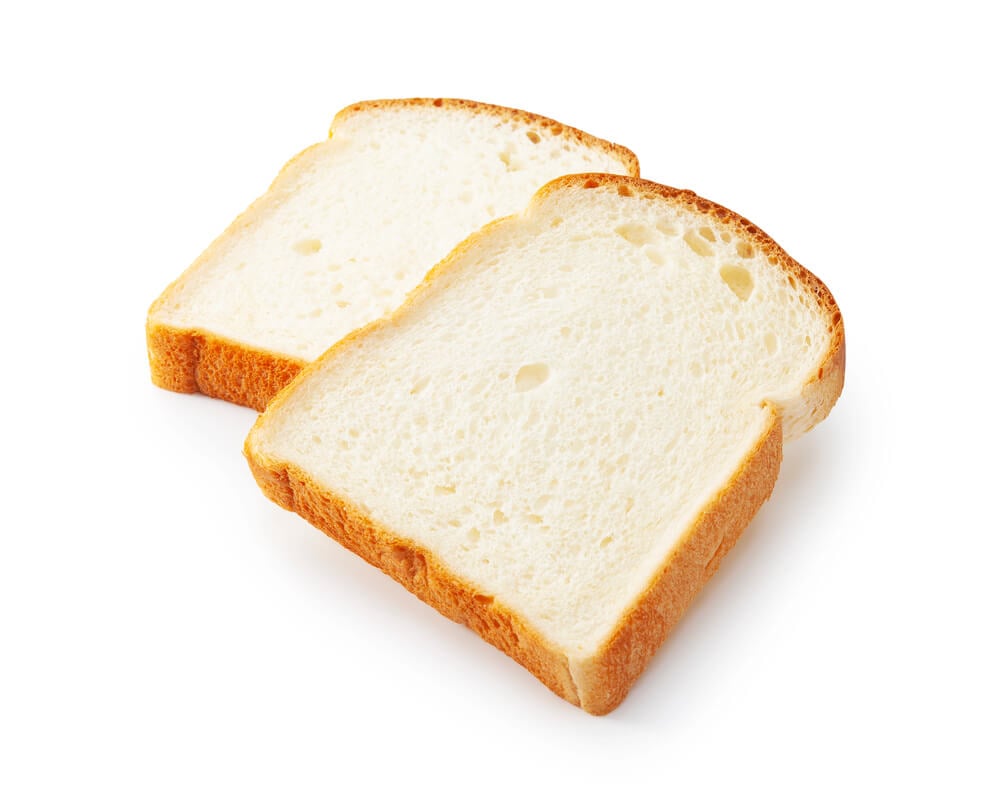
Arnold has long been associated with the Northeast, where its sliced loaves were a regular at family tables. The brand became part of Bimbo Bakeries USA after Bimbo bought the American baking business of Weston Foods in 2009.
Bimbo Bakeries USA later brought Arnold and Brownberry under the Oroweat banner, merging three once-separate regional identities into a single shelf presence. The old name survived even as the corporate structure behind it shifted.
Oroweat
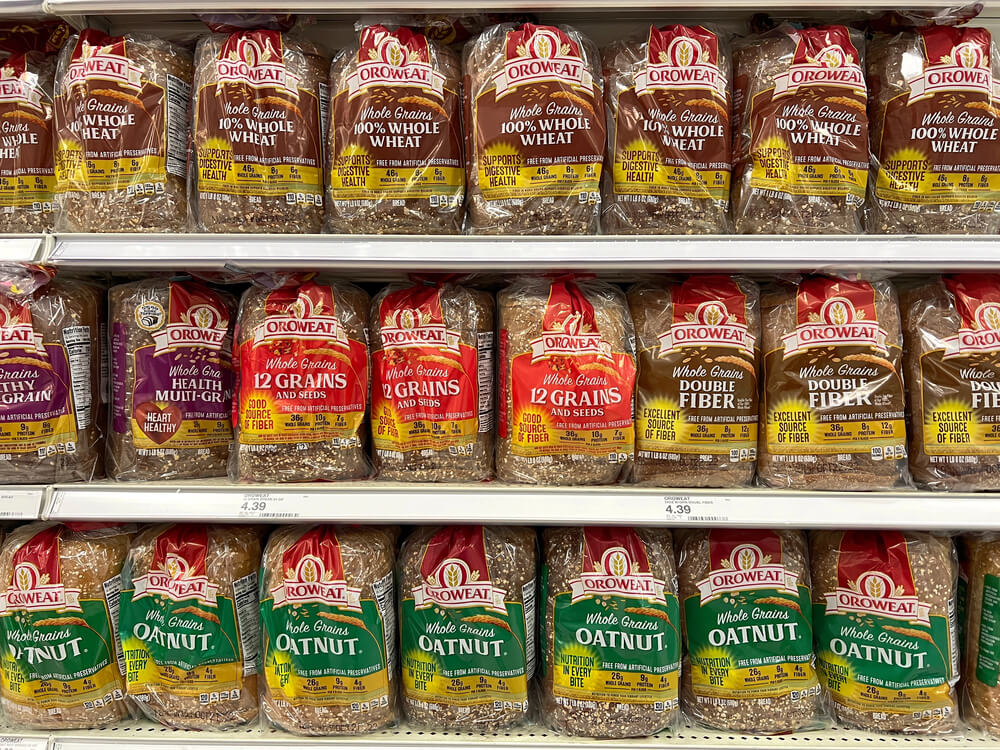
— Photo by Sheilaf2002
Oroweat began in Oakland, California, in 1932, and became the bread of choice for many West Coast households that wanted something heartier than plain white. The brand grew from a regional baker into a recognizable name among grocery shoppers looking for seeded and grain-heavy loaves.
It is now part of Bimbo Bakeries USA, which also owns Arnold and Brownberry. The Oroweat label became the umbrella for those other two when the company consolidated its premium bread lines.
Nature’s Own
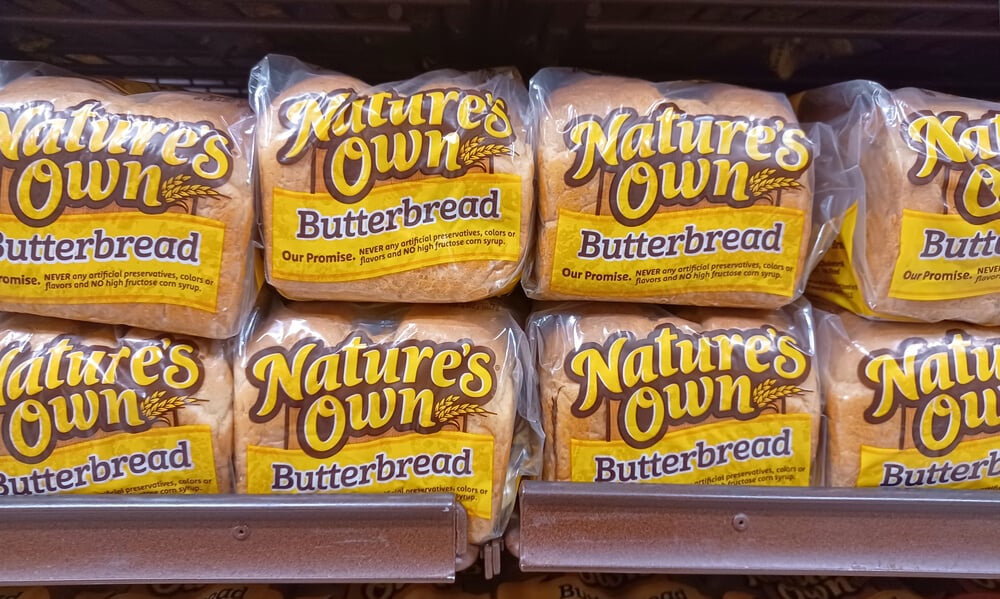
— Photo by Brett Hondow
Nature’s Own is a Flowers Foods brand that built its reputation on honey wheat and other soft, lightly sweet loaves aimed at families. Flowers announced that the brand reached $974 million in annual retail sales, making it the nation’s best-selling bread brand.
That figure placed it ahead of long-established names that had been on shelves for decades. It shows how quickly a newer label can overtake the old standbys when it matches what shoppers want in a daily loaf.
Schwebel’s
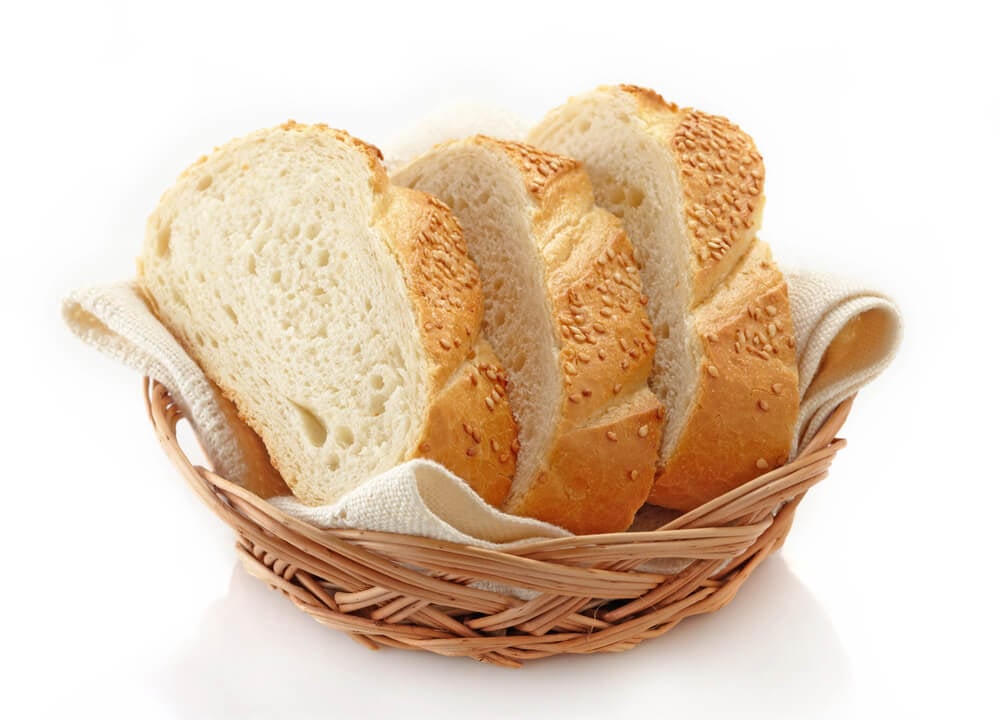
Schwebel’s was founded in 1906 in Youngstown, Ohio, by Paul Schwebel, and for most of its life it remained a family-run bakery serving Ohio and neighboring states. The bakery announced in 2026 that it would close after 120 years in business, a rare ending for a company that stayed independent as larger rivals consolidated.
Residents recalled its loaves as part of everyday life in the Mahoning Valley. Its long run made it one of the last regional bread companies of its kind.
Sara Lee
— Photo by madvideos.gmail.com
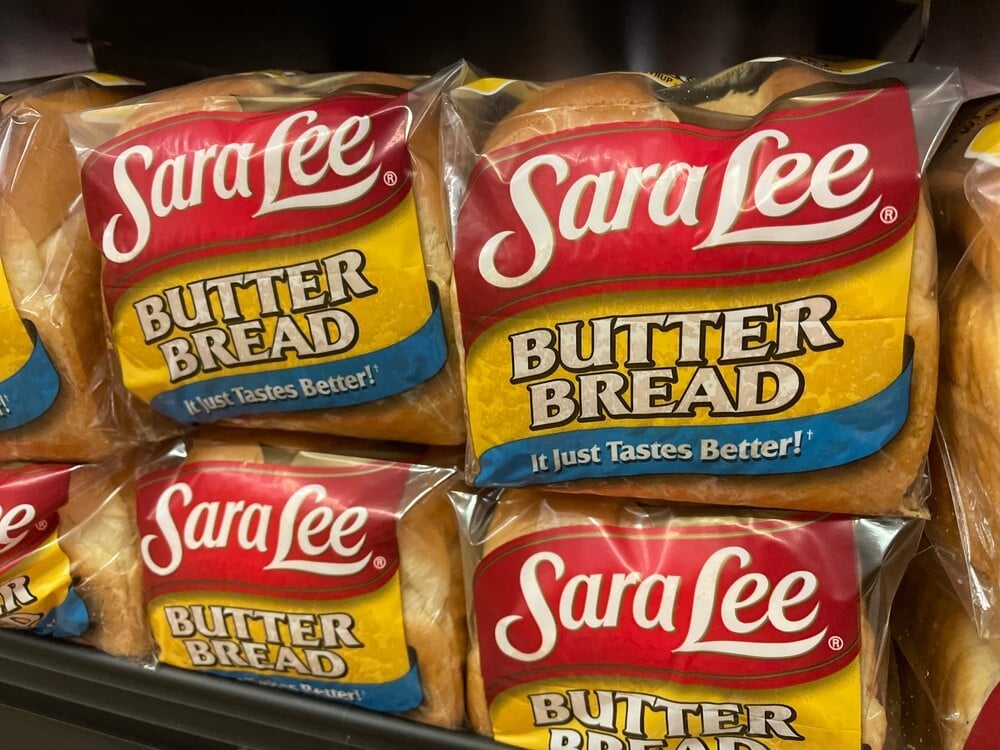
Sara Lee began in Chicago in 1951 when Charles Lubin named his cheesecake business after his daughter, and the name eventually spread to a line of sandwich breads. The label became familiar in supermarket bread aisles beyond its dessert roots.
Bimbo bought Sara Lee’s North American fresh bakery business in 2011, which placed the bread under the same corporate roof as Arnold and Oroweat. A brand founded on a father’s gift of a name ended up as part of a global baking giant.
Earthgrains
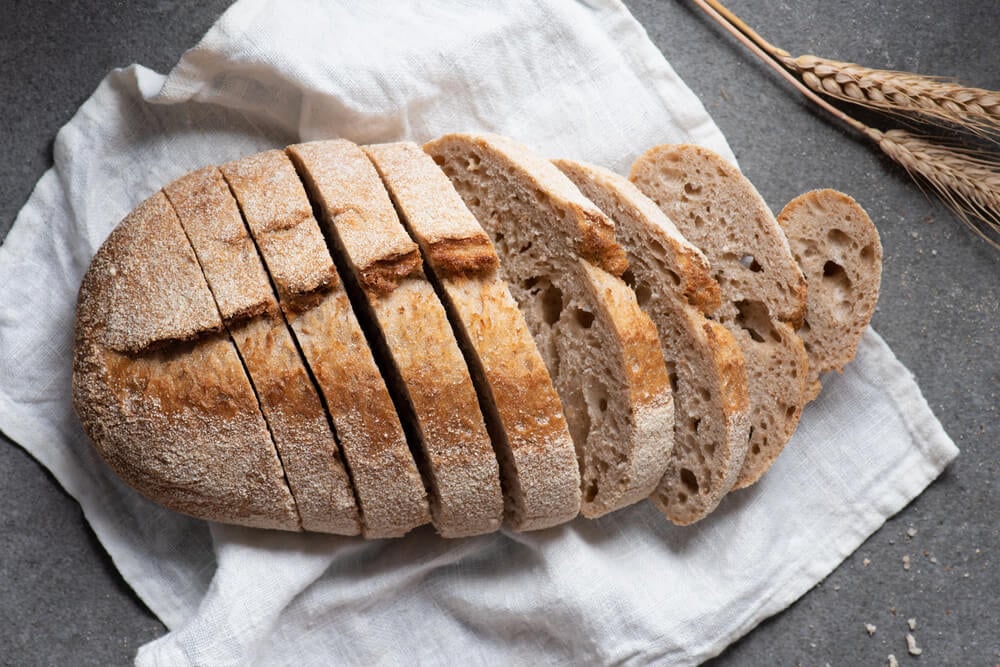
Earthgrains was the bakery arm of Anheuser-Busch before it was spun off as an independent company in 1996, with headquarters in St. Louis. The company built a business on regional bread brands and then sold itself to Sara Lee in 2001.
Its name signaled a push toward grainier, more natural-looking loaves at a time when plain white bread was losing ground. The brand shows how often bread companies changed owners behind the same familiar wrapper.
Dave’s Killer Bread
— Photo by homank76
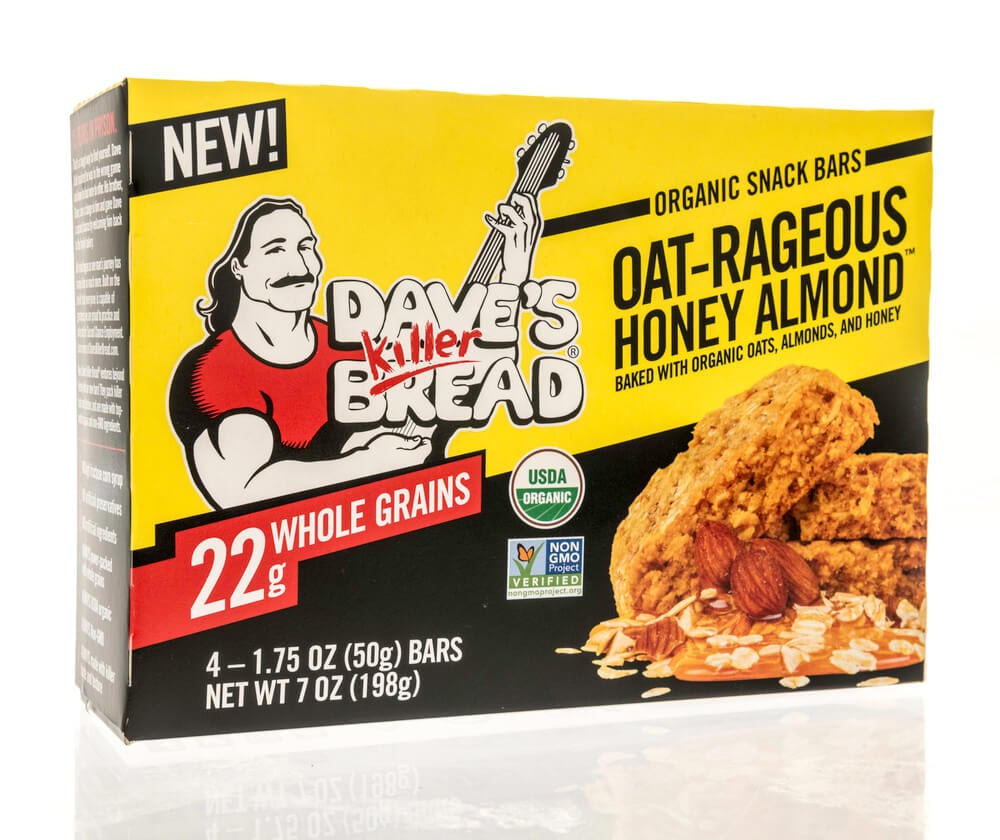
Dave’s Killer Bread came from Dave Dahl, an Oregon baker who launched the brand after spending time in prison, and its seed-covered loaves became a cult favorite in health-minded households. Flowers Foods agreed to buy the company in 2015 for $275 million.
The wrapper featured Dahl’s own story, which helped the brand stand out against more traditional packaging. It became one of the few bread labels that sold on a founder’s personal comeback as much as on flavor.
Merita
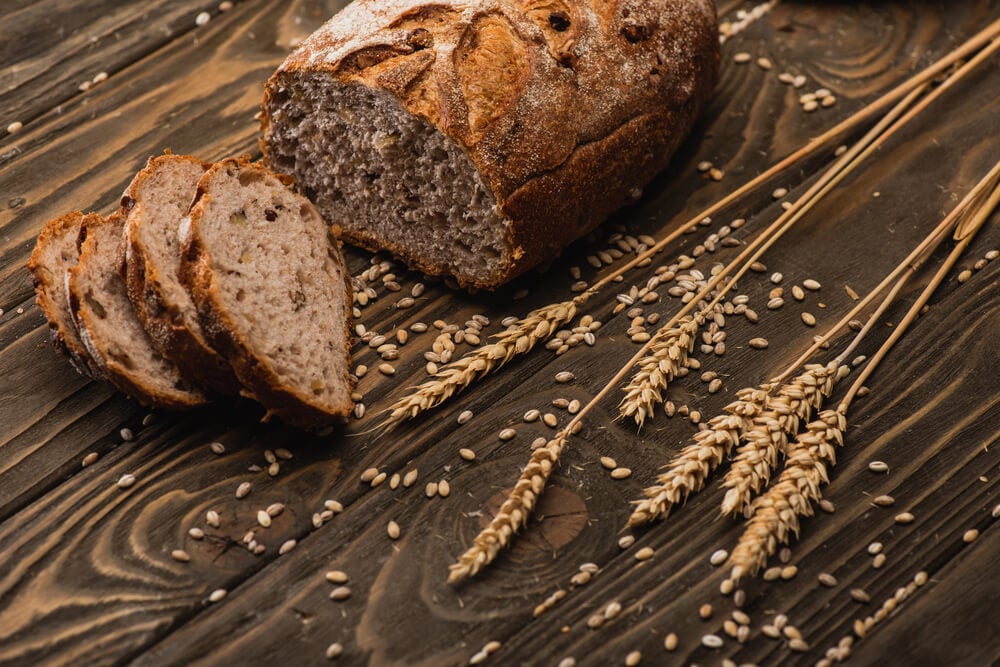
Merita was a Southeast staple, the kind of loaf associated with tomato sandwiches in many Southern households. It was among the brands Hostess sold to Flowers Foods in 2013 after the company’s bankruptcy.
By 2019 a Charleston newspaper reported that the bread was no longer sold on local store shelves there. For many families, the disappearance of Merita marked the end of a regional habit rather than just a product change.
When a Wrapper Becomes a Memory
Bread brands that once seemed permanent turned out to depend on bakeries, trucks, routes and owners who could change without warning. Hostess’s collapse in 2012, Bimbo’s expansion and the Flowers purchases all reshaped what families found on the shelf, usually without much announcement. Shoppers often noticed only when a familiar bag stopped appearing.
The loaf itself stayed remarkably constant, even as the names came and went. A sandwich still needed two slices, and the habit that began with a Missouri bakery in 1928 shaped how most households ate for the rest of the century. The brands are the part that proved temporary, and the memory of a wrapper can outlast the company behind it.
More from Go2Tutors!

- 27 Silver Dollars and Half Dollars Worth Keeping
- 28 Restaurant Menu Items Nobody Orders Anymore
- 17 Places Built in Seemingly Impossible Spots
- 27 Vintage Rings Worth More Than They Look
- 25 Restricted Sites Tourists Can’t Enter
Like Go2Tutors’s content? Follow us on MSN.