15 Countries That Censored the Internet
The internet was designed to be a free-flowing highway of information, connecting people across the globe without borders or barriers. Unfortunately, that idealistic vision hasn’t become reality everywhere.
Governments around the world have discovered that controlling online information gives them tremendous power over their citizens, and they’re not shy about using it. From complete internet blackouts during protests to sophisticated filtering systems that block entire categories of content, digital censorship has become a go-to tool for authoritarian regimes and even some democratic nations.
The methods vary wildly—some countries prefer the sledgehammer approach of shutting everything down, while others use scalpel-like precision to target specific websites or social media platforms.
Here is a list of 15 countries that have implemented significant internet censorship measures, ranging from complete digital isolation to selective content blocking.
China
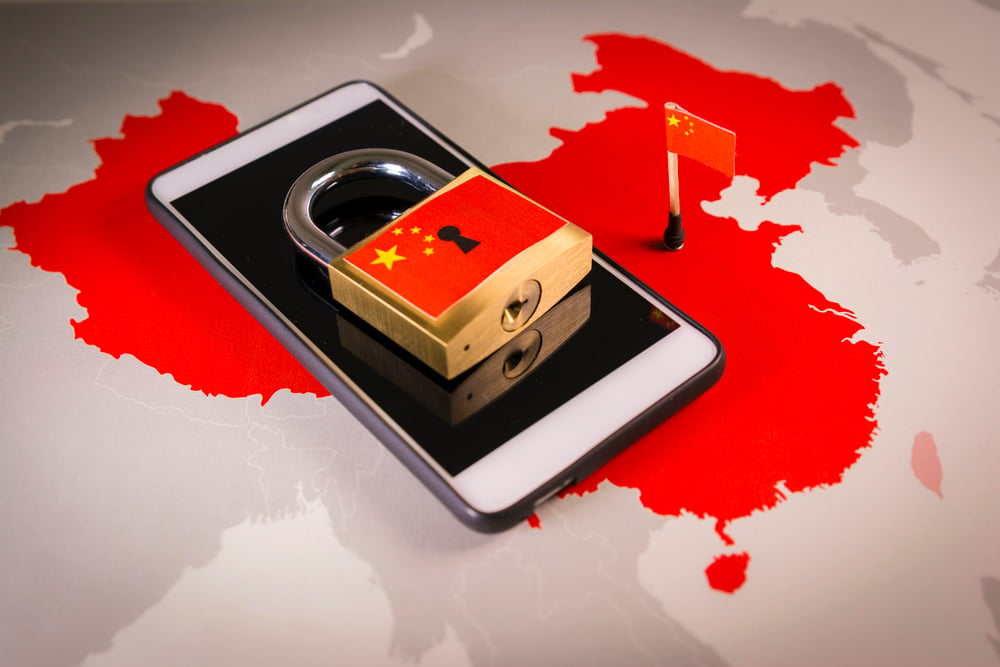
China operates the world’s most sophisticated internet censorship system, known as the Great Firewall, and has been rated as having the worst environment for internet freedom for seven consecutive years. This isn’t just about blocking a few websites—it’s a comprehensive system that monitors, filters, and controls virtually everything Chinese citizens can access online.
The government possesses the ability to shut down internet access for entire provinces and can target specific individuals if dissension is suspected. Think of it like having a digital border patrol that checks every piece of information trying to enter or leave the country.
Myanmar
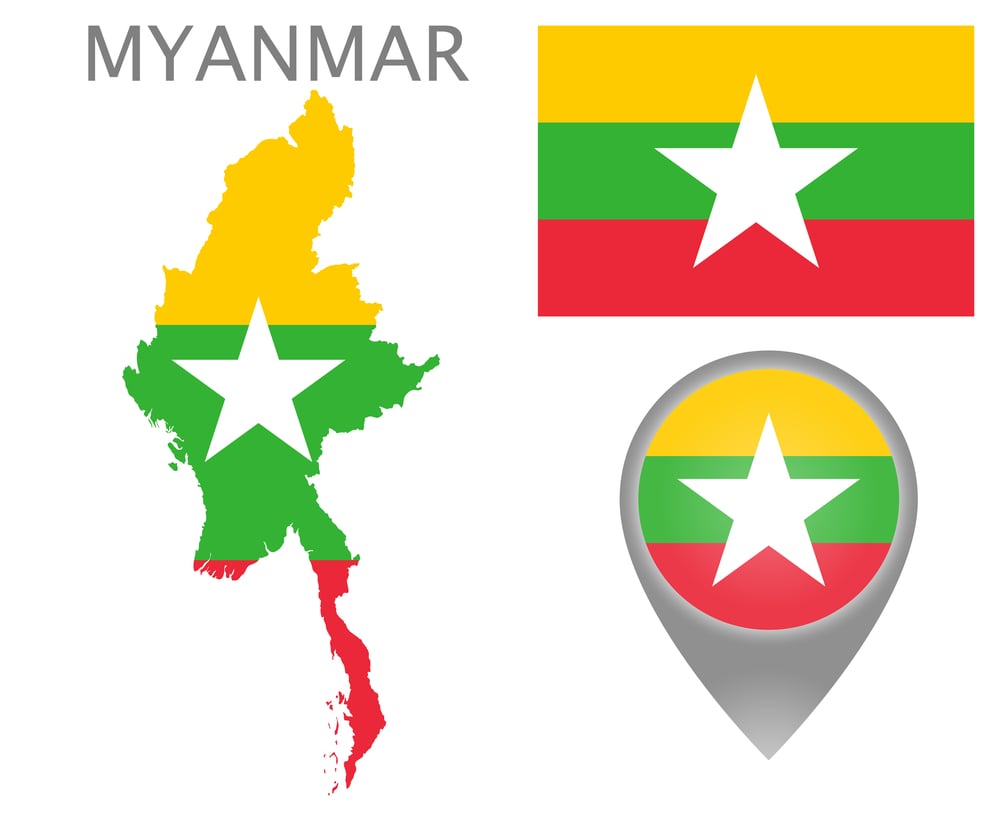
For the first time in 10 years, Myanmar now shares China’s designation as the world’s worst environment for internet freedom, with conditions deteriorating to their lowest point since Freedom House began tracking. Since the 2021 military coup, Myanmar’s regime has conducted a brutally violent crackdown on dissent, imprisoning thousands for their online speech while building a mass censorship and surveillance system.
The military even introduced new technology in May 2024 that blocks most VPNs, cutting residents off from the tools they relied on to bypass internet controls.
Russia
Russia remained the worst-performing country in the Eurasia region as the Kremlin continued to expand and intensify its censorship regime. The government has blocked major social media platforms like Twitter, Facebook, and Instagram, while also prosecuting users for criticizing the war in Ukraine online.
In March 2024, Russia enacted new legislation that criminalizes the use and promotion of VPNs, following the blocking of additional VPN services. It’s like they’re building a digital Iron Curtain to keep outside information from reaching their citizens.
Iran
Iran has one of the toughest internet censorship regimes worldwide, with millions of websites blocked, and was rated with only 12 points out of 100 on Freedom House’s internet freedom scale. Localized internet shutdowns during anti-government protests are common practice, and journalists and online activists face imprisonment or even death for creating anti-state content.
The government treats internet access like a privilege they can revoke whenever citizens get too uppity about freedom or democracy.
North Korea
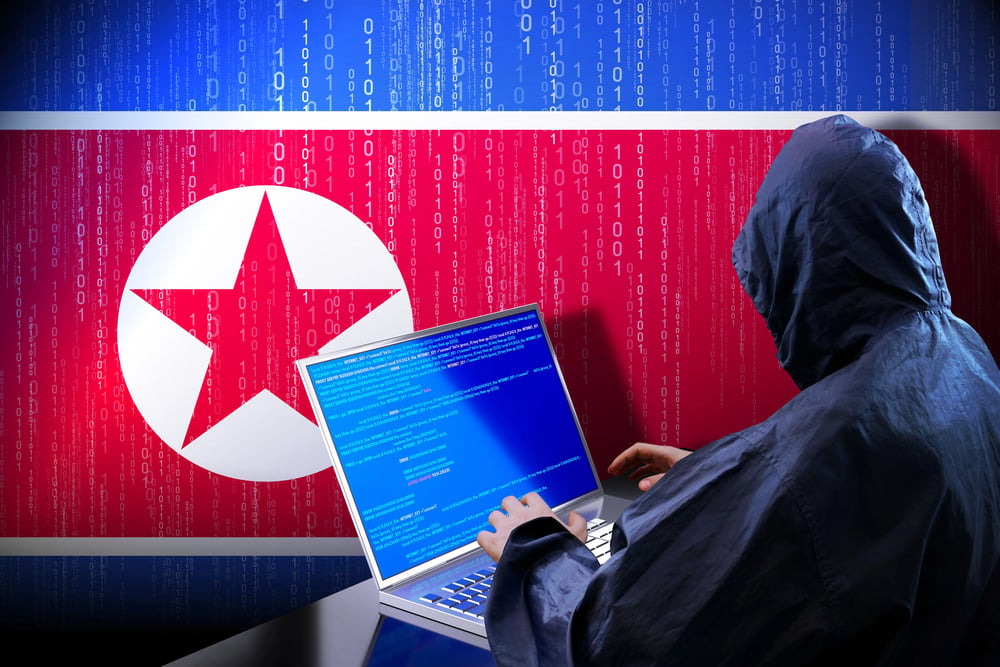
North Korea is known to have similarly strict internet censorship as China, with the government maintaining complete control over all digital communications. The country operates more like a digital island than a connected nation—most citizens have no access to the global internet and can only use a domestic intranet system called Kwangmyong.
It’s essentially like having a fake internet that only shows you what the government wants you to see.
Turkey
Turkey scored 31 points on Freedom House’s 100-point scale and was rated Not Free, though it was the only European country to show marginal improvement. The government has imprisoned Kurdish politicians for their social media posts and blocked virtual private network services.
Turkey also monitors citizens’ social media content and restricts the use of VPNs and messaging services. The authorities treat social media like a battleground where any dissenting voice needs to be silenced.
Belarus
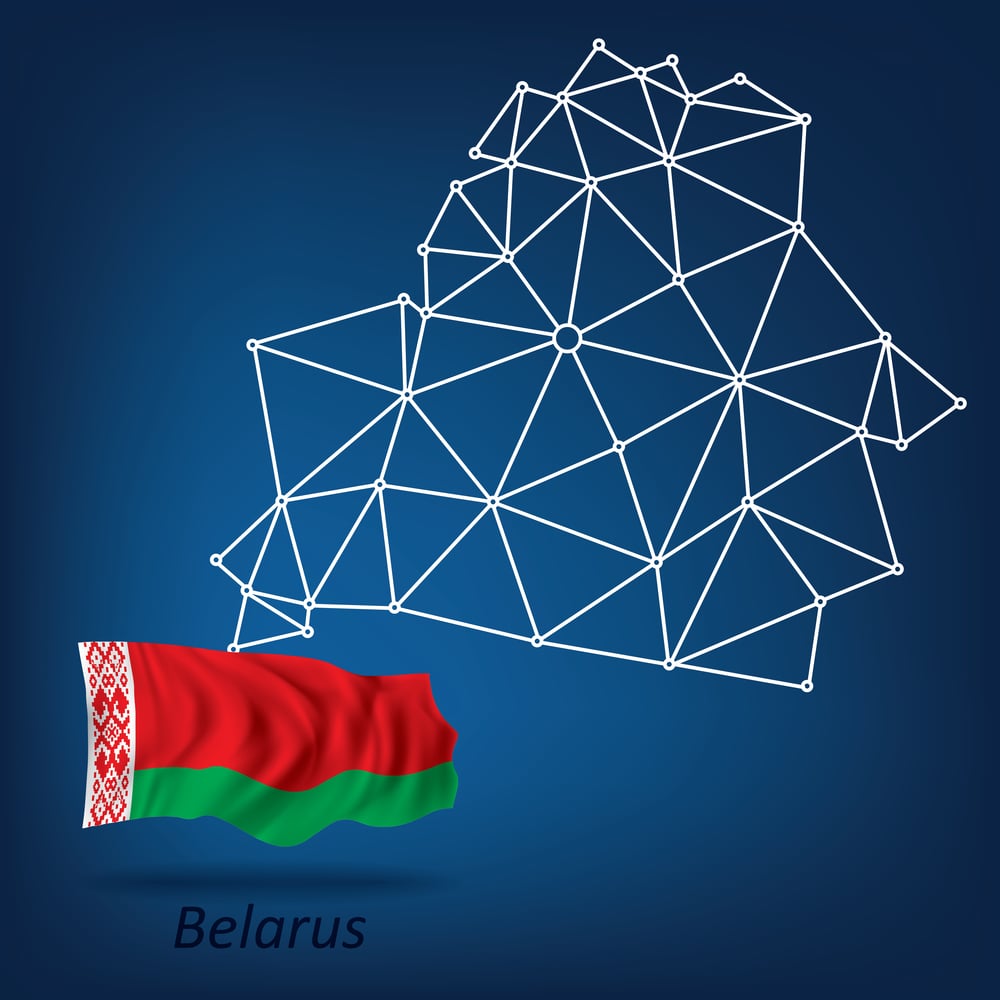
During recent coverage periods, hundreds of ordinary citizens in Belarus were imprisoned and thousands faced criminal or administrative penalties for their internet-related activities. Authorities restricted access to YouTube to prevent people from watching opposition leader Sviatlana Tsikhanouskaya deliver a speech ahead of elections.
The government essentially uses internet restrictions like a mute button, silencing opposition voices whenever elections or protests threaten their grip on power.
Pakistan
Pakistan bore one of the highest economic losses from internet shutdowns in 2024, losing about $1.62 billion to various shutdowns including long social media blocks and a nationwide cellular blackout on election day. During February 2024 general elections, the military intensified censorship when the opposition organized virtual rallies, with users reporting difficulty accessing the internet and social media platforms.
The authorities treat digital communication like enemy territory during politically sensitive times.
India
India led the world with 84 internet shutdowns in 2024, accounting for a huge share of global incidents. Partisan officials forced tech companies to toe a favorable line ahead of the 2024 elections.
The government often shuts down internet access in specific regions during protests or examinations, treating connectivity like a switch they can flip on and off based on their convenience.
Iraq
Iraq suffered the largest score decline in the Middle East region, falling 3 points to a score of 40 as authorities blocked several independent websites and imposed long prison sentences on users for their online content. The country continues its control over the internet with various shutdowns during exam periods and protests.
They’ve turned internet access into a seasonal privilege that disappears whenever students take tests or citizens voice complaints.
Cuba
Cuba was the lowest-scoring country in the Americas region with 20 points out of 100 and was rated Not Free. Reliable internet access is prohibitively expensive, making penetration rates the lowest in Latin America, with residents earning minimum wage unable to afford 3G or 4G services.
Legislative provisions give the government permission to restrict access to sites whose contents contradict state interests. The government uses economic barriers like a paywall to keep most citizens offline.
Venezuela
Venezuela continues to enforce social media restrictions and censorship, with authorities increasingly arresting ordinary internet users for comments made in WhatsApp groups or on social media. Despite generally repressive conditions, the country showed a 1-point improvement due to faster fixed-line internet connections.
The authorities monitor private messaging like they’re reading everyone’s diary, arresting people for casual conversations that criticize the government.
Saudi Arabia
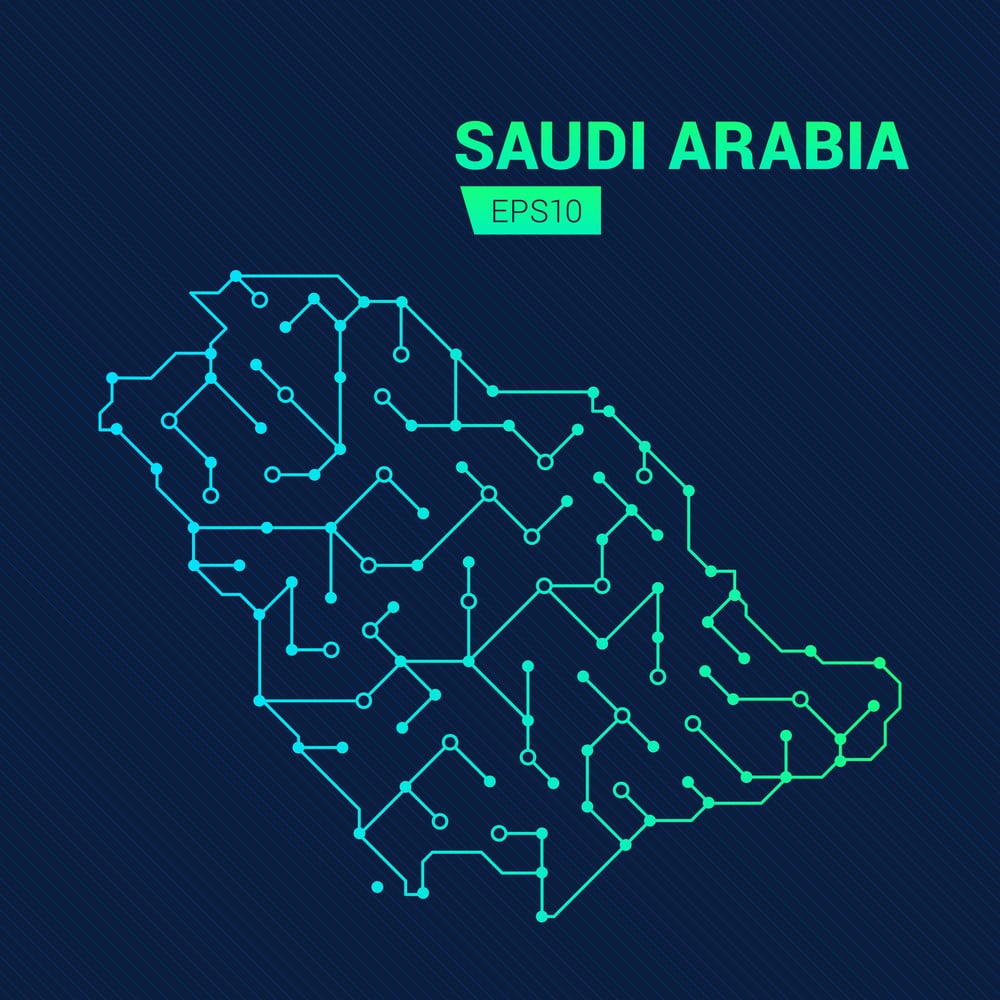
Saudi Arabia scored 10 out of 12 on internet restriction measures, with the score remaining unchanged from previous assessments. The kingdom maintains strict controls over online content, particularly anything that challenges religious orthodoxy or criticizes the royal family.
They treat the internet like a library where they’ve removed all the books they don’t want people to read.
Turkmenistan
Turkmenistan scored 11 out of 12 on internet restriction measures and has full bans on VPN use. The country operates under some of the world’s most restrictive internet policies, with the government controlling virtually all online activity.
Citizens live in a digital fishbowl where every click and keystroke can be monitored by authorities.
Eritrea
Eritrea ranked as the first most censored country according to the Committee to Protect Journalists, where only state media is allowed to disseminate news and the last accredited international correspondent was expelled in 2007. The government controls the internet and all media, creating a restrictive environment where even those working for heavily censored state press live in constant fear of arrest.
It’s like living in a country where the government has appointed itself as the sole narrator of reality.
The Digital Divide Between Freedom and Control
These censorship trends have contributed to the 14th consecutive year of decline in global internet freedom, with conditions deteriorating in 27 of 72 countries covered by recent assessments. The economic impact alone tells a sobering story—government-imposed internet disruptions cost the global economy an estimated $7.69 billion in 2024.
Beyond the financial toll, these restrictions represent a fundamental shift in how governments view information flow, treating it as something to be controlled rather than protected. As digital technology becomes increasingly central to human rights and democratic participation, the battle over internet freedom will likely determine whether the next generation grows up in an open digital world or behind increasingly sophisticated digital walls.
The internet’s original promise of connecting humanity may depend on whether democratic values can outpace authoritarian innovation in the digital sphere.
More from Go2Tutors!

- The Romanov Crown Jewels and Their Tragic Fate
- 13 Historical Mysteries That Science Still Can’t Solve
- Famous Hoaxes That Fooled the World for Years
- 15 Child Stars with Tragic Adult Lives
- 16 Famous Jewelry Pieces in History
Like Go2Tutors’s content? Follow us on MSN.



