27 Royal Rules That Governed Daily Life for Centuries
Royal courts ran on rules that had nothing to do with law and everything to do with proximity to the throne. Some of these customs lasted for centuries precisely because breaking them carried consequences far beyond simple embarrassment.
No One Sits Until the Monarch Does

Across most European courts, protocol required that no one take a seat in the monarch’s presence until the sovereign had sat down first, and in many settings only those of sufficiently high rank were permitted to sit at all. The rule extended to formal dinners, audiences, and ceremonial gatherings, and violating it was treated as a serious breach of respect rather than a minor social slip.
The Ban on Turning One’s Back to the Sovereign

Court etiquette in many European monarchies required courtiers to back out of a room after an audience with the monarch rather than turning to walk out normally, since presenting one’s back was considered disrespectful. The rule demanded considerable practice to execute gracefully, particularly for women navigating long formal gowns and trains.
Sumptuary Laws and the Colors Reserved for Royalty

Sumptuary laws enacted across medieval and early modern Europe restricted who could legally wear certain fabrics, furs, and colors, with the deepest purple dyes in particular reserved exclusively for royalty and the highest nobility for centuries. The dye was extraordinarily expensive to produce, since it required thousands of a specific type of sea snail, which reinforced the color’s association with wealth the law was already protecting.
The Right of Wreck

English common law once granted the crown a claim over goods and vessels washed ashore from shipwrecks along the coastline, a right that dated back centuries and generated real revenue for the monarchy in maritime regions. Coastal communities frequently resented the rule, since it meant valuable salvage that local residents recovered technically belonged to the sovereign rather than to whoever found it.
Ownership of the Kingdom’s Swans

Under a custom still technically in effect in England, the reigning monarch retains ownership of all unmarked mute swans swimming in open water across much of the country, a right dating back to the twelfth century. An annual ceremonial swan count called Swan Upping continues on the River Thames, though the practice today functions mainly as a conservation survey rather than an assertion of royal property.
Ownership of Whales and Sturgeon

A medieval English statute declared whales and sturgeon caught or found within the kingdom’s waters to be “royal fish,” technically belonging to the crown regardless of who actually caught them. The law remains formally on the books today, though in modern practice the monarchy typically waives its claim when a whale or sturgeon happens to wash ashore.
The Royal Touch for the King’s Evil
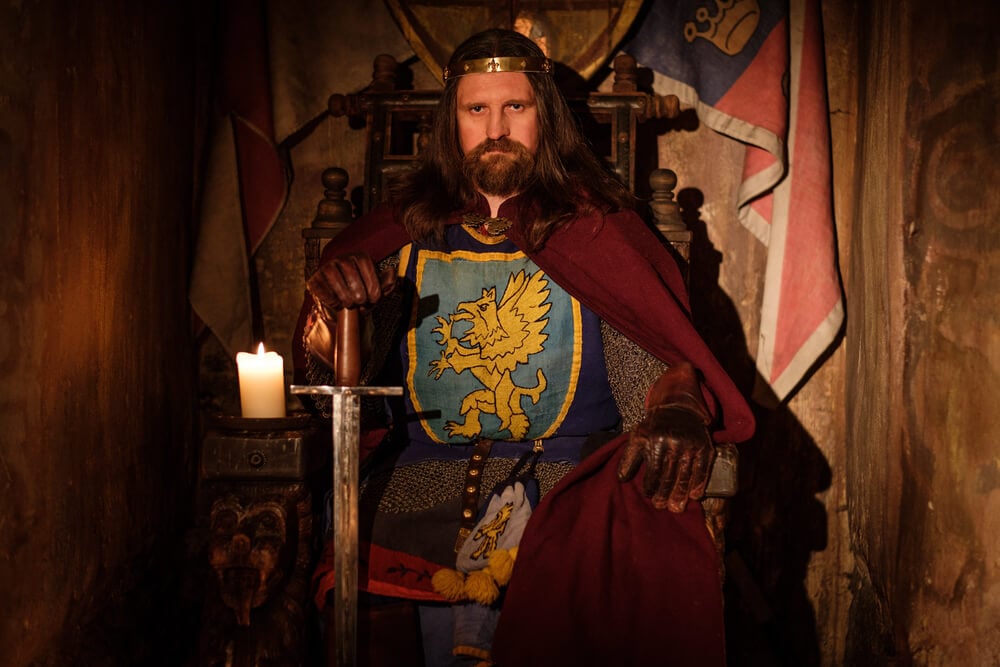
For centuries, European monarchs practiced a ceremony known as the royal touch, in which the sovereign would lay hands on subjects suffering from a skin condition popularly called the King’s Evil, believed to be curable through the monarch’s divinely sanctioned touch. Thousands of people lined up for these ceremonies at various points in English and French history, and the practice persisted well into the eighteenth century before medical skepticism finally ended it.
Food Tasters and the Fear of Poison

Royal households across many cultures and centuries employed dedicated tasters to sample food and drink before it reached the monarch, a precaution against assassination by poisoning that shaped elaborate kitchen protocols. The role carried genuine physical risk, and some courts required tasters to sample dishes well before the food ever reached the royal table, adding time to already elaborate dining rituals.
The Royal Marriages Act’s Consent Rule
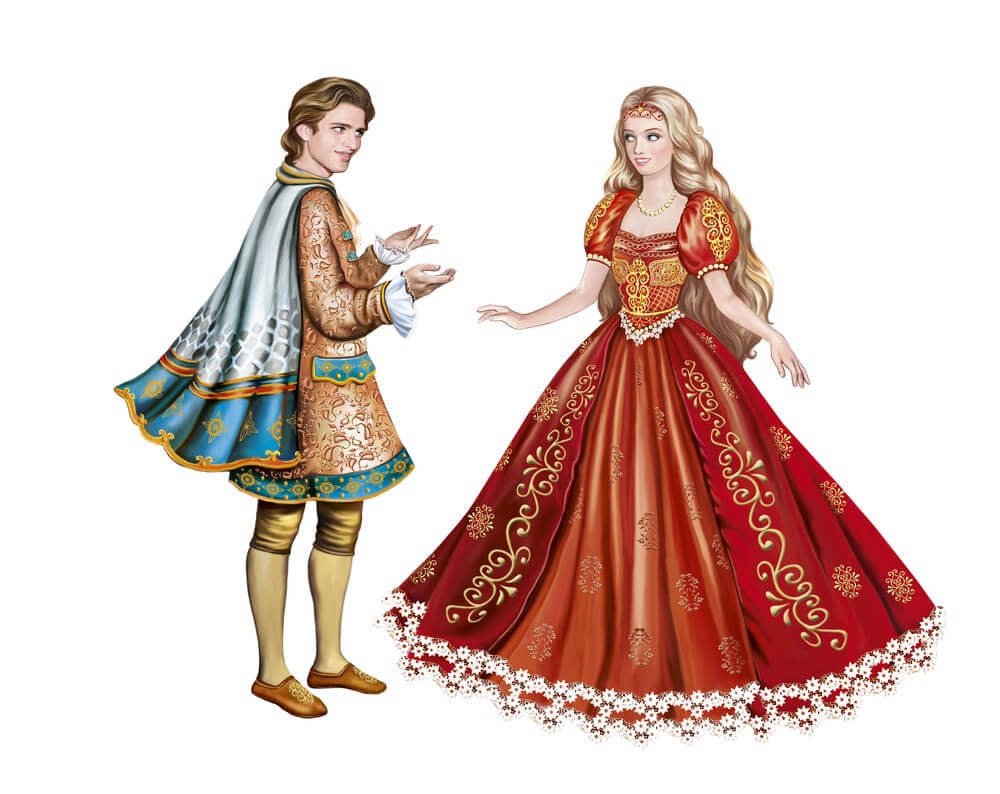
Britain’s Royal Marriages Act of 1772 required descendants of King George II to obtain the sovereign’s formal approval before marrying, under penalty of having the marriage declared legally invalid. The law remained in force for more than two centuries, shaping and sometimes derailing royal marriage plans, until it was finally replaced by more limited legislation in 2013.
Mourning Attire and Its Fixed Timeline
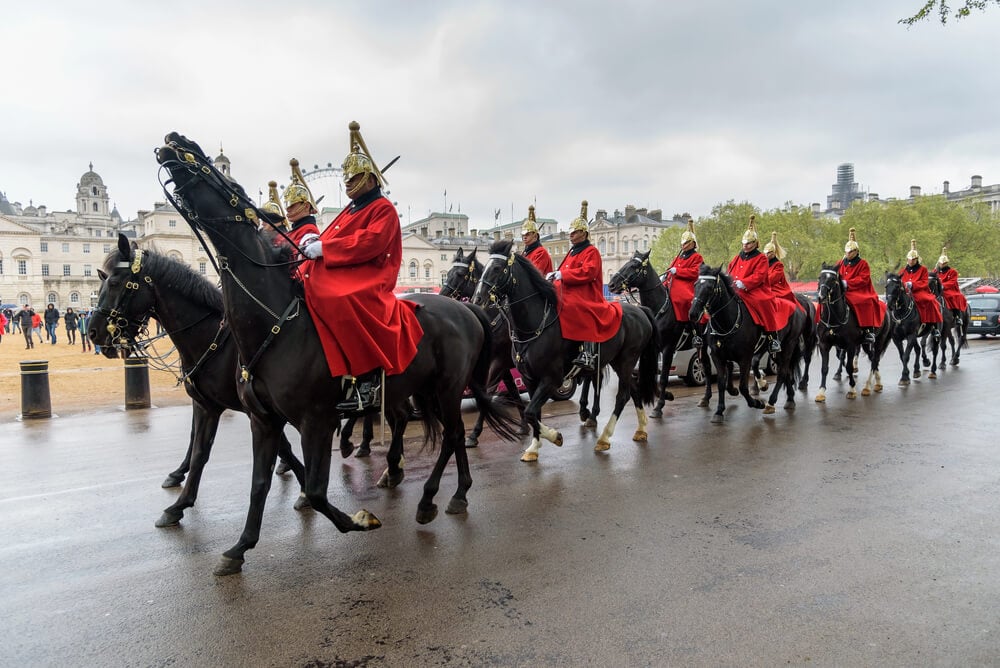
Royal courts across Europe enforced strict, precisely timed periods of mourning dress following a death in the royal family, with specific fabrics, colors, and even jewelry restrictions dictated for courtiers depending on their relationship to the deceased. Queen Victoria’s decades-long personal mourning after the death of her husband, Prince Albert, became so extreme that it shaped fashion trends and court behavior across an entire era.
Forest Law and the King’s Exclusive Hunt

Norman kings of England enforced a body of regulations known as forest law that reserved large tracts of woodland exclusively for royal hunting, with brutal penalties, including mutilation in earlier centuries, for commoners caught poaching game within the boundaries. The law generated enormous resentment among the peasantry and remained a source of political conflict for generations before its harshest provisions were eventually softened.
Versailles Table Etiquette Under Louis XIV
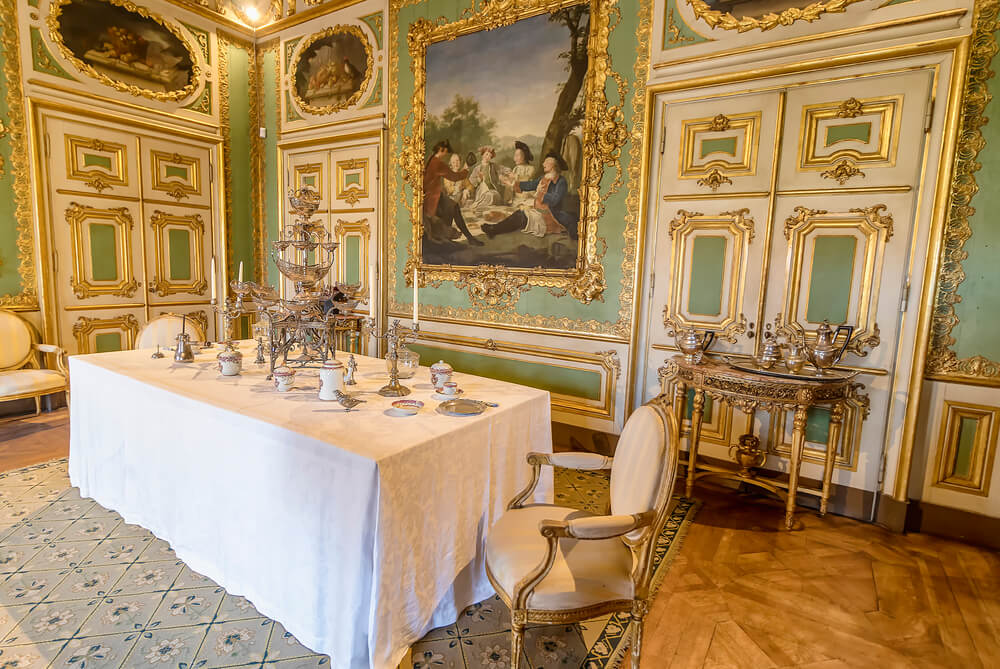
Louis XIV codified an extraordinarily detailed set of dining rules at the Palace of Versailles, dictating exactly who could eat with the king, in what order dishes were served, and even which utensils were appropriate for which foods. Nobles competed fiercely for the privilege of simply watching the king eat in public, a ritual known as the grand couvert that could draw a substantial audience.
Witnesses Required at a Royal Birth

For centuries, European royal births were required to take place with government officials or senior court witnesses present in the room, a custom meant to prevent any possibility of a substituted or falsely claimed heir. The practice persisted into the twentieth century in some monarchies and stemmed directly from historical scandals in which the legitimacy of a royal birth had been publicly disputed.
The Act of Settlement’s Religious Bar
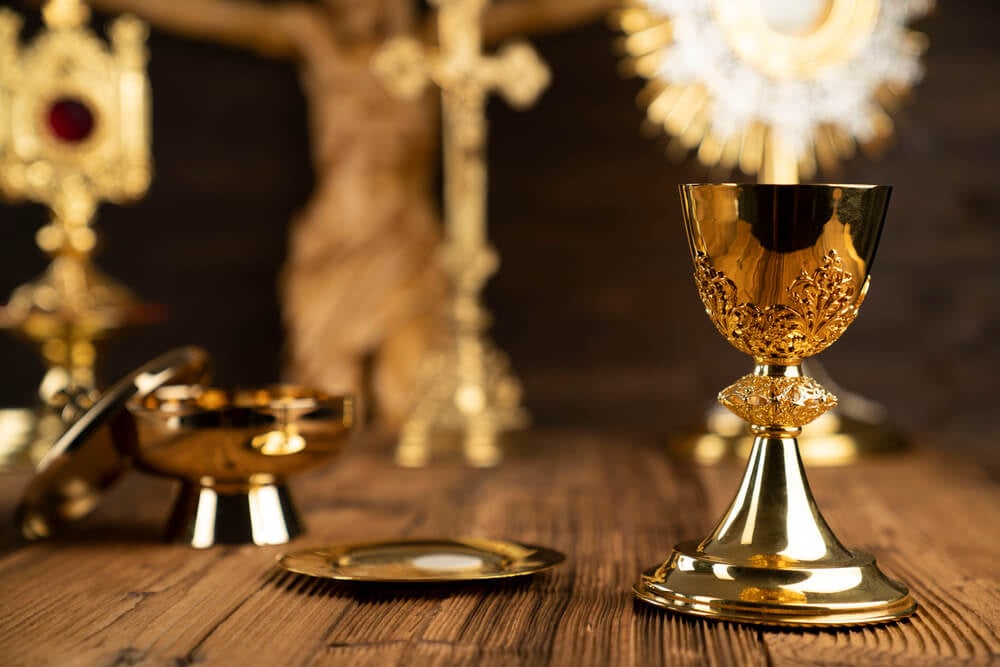
England’s Act of Settlement of 1701 barred Catholics, and anyone married to a Catholic, from inheriting the throne, a religious restriction that shaped the entire line of royal succession for more than three centuries. The rule regarding marriage to a Catholic was only removed in 2013, though the requirement that the monarch personally be in communion with the Church of England remains in place.
Rules of Address and Royal Styles

Elaborate and precisely graded systems of address governed exactly how different members of a royal family and their courtiers were to be spoken to, with specific titles, honorifics, and forms of address required depending on rank. Getting the formula wrong, even slightly, was treated as a genuine social error in many courts, and children of the nobility were drilled extensively on the correct phrasing from an early age.
Primogeniture and the Order of Succession
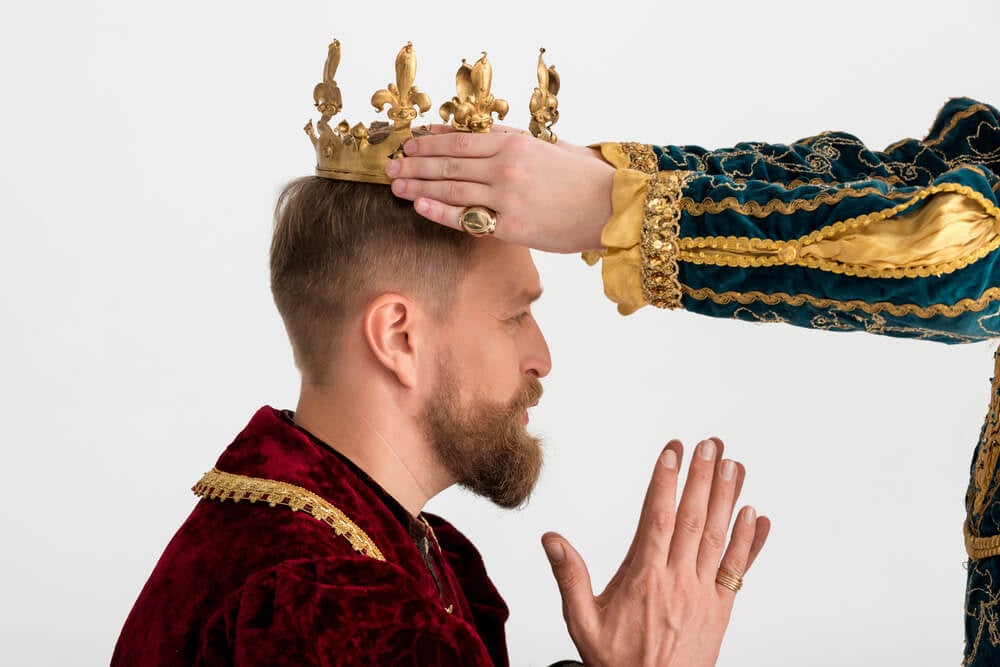
Most European monarchies operated under a rule of primogeniture, in which the eldest legitimate child, historically the eldest son, automatically inherited the throne ahead of any younger siblings regardless of individual merit or preparation. The rule shaped centuries of political history, occasionally forcing unprepared or unwilling heirs into power simply because of their birth order.
The Coronation Oath’s Binding Promises
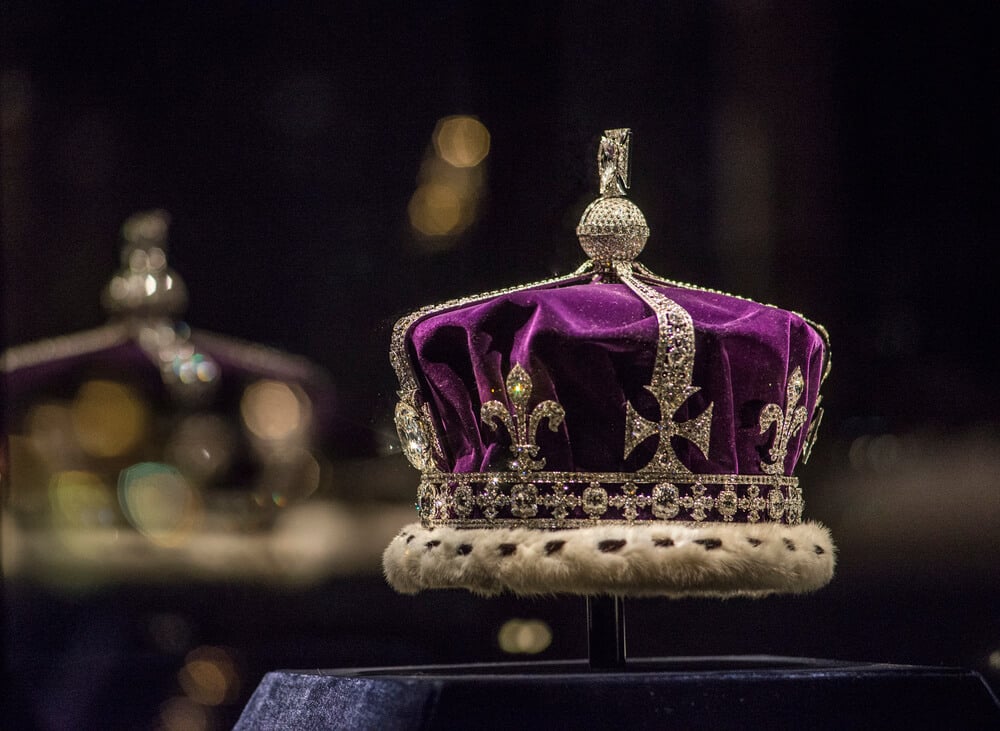
Monarchs across many European kingdoms were required to swear a formal coronation oath promising to uphold specific laws, protect the church, and govern according to established custom, with the ceremony itself considered essential to the ruler’s legitimacy. Refusing or altering the oath, as some monarchs discovered, could trigger genuine political crises with nobles who considered the promise a binding contract rather than a formality.
Curfew Bells and the Couvre-Feu

Medieval rulers across parts of Europe enforced a nightly bell signal, originally meaning to cover the fire, that required households to extinguish open flames and lights by a set hour as a fire-prevention measure in densely built towns. The custom, imposed by royal or municipal authority, shaped the rhythm of daily life for ordinary residents living under its jurisdiction for centuries.
The Convention Against Royal Political Opinion

Modern British royal protocol holds that the monarch and senior working royals must remain strictly neutral on political matters, avoiding public statements on policy or partisan issues even in private correspondence that might later become public. The convention developed gradually over the twentieth century as the monarchy’s practical political power diminished in favor of a purely constitutional role.
The Custom of Never Carrying Cash

By long-standing convention, the reigning British monarch does not carry money in the traditional sense, since the currency itself bears the sovereign’s own image, and daily expenses are instead handled entirely by household staff and aides. The custom reflects the monarch’s largely ceremonial relationship to commerce rather than any actual legal restriction.
Approval Required Before Speaking to the Press

Royal households across many modern monarchies maintain strict internal rules requiring that any public statement, interview, or press engagement by a family member be cleared through official communications staff beforehand. The rule exists partly to maintain a unified public message and partly to prevent individual family members from creating diplomatic or political complications through unscripted remarks.
Divine Right and the Monarch’s Unquestioned Authority

The doctrine of divine right, widely accepted across early modern Europe, held that a monarch’s authority came directly from God and was therefore not subject to challenge by earthly institutions, including parliaments or the church. The doctrine shaped centuries of political theory and conflict before being gradually dismantled by revolutions and the rise of constitutional government across the continent.
The Hidden Emperor of Japan’s Ritual Seclusion

For much of Japanese history, the emperor lived in extreme ceremonial seclusion, rarely seen directly by ordinary subjects and surrounded by strict ritual protocols governing even mundane daily activities like eating and bathing. The custom reflected the emperor’s sacred, almost untouchable status within traditional belief, a role that shifted considerably once the modern constitutional monarchy was established in the twentieth century.
Servants Waiting to Eat Until Royalty Finished
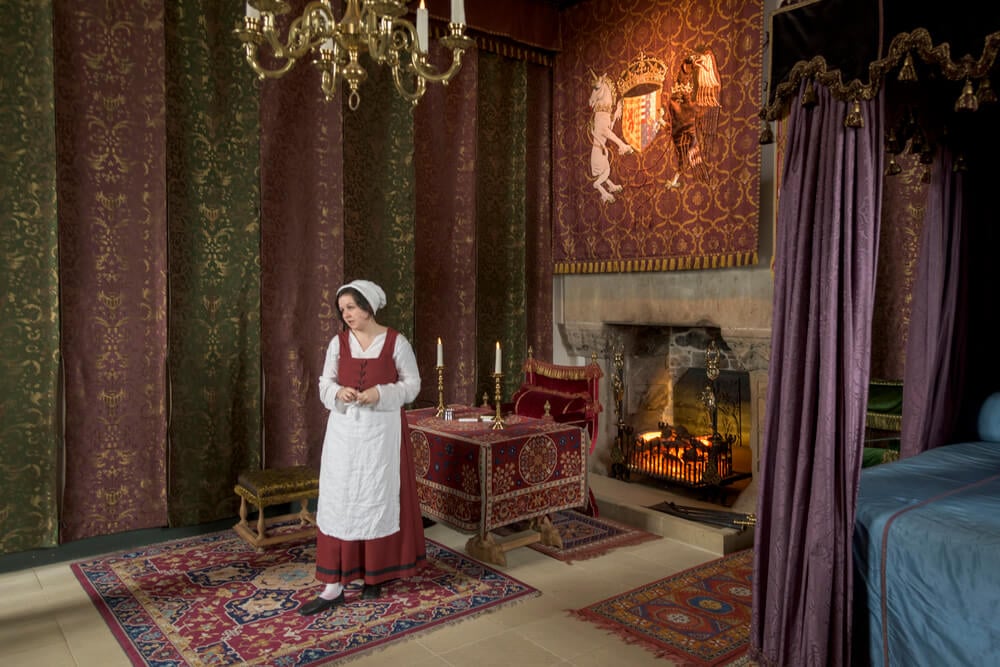
In many historical courts, household staff and even lower-ranking nobles were required to wait until the monarch had finished eating before they themselves could sit down to a meal, regardless of how long the royal meal lasted. The custom reinforced strict hierarchy at every level of court life, extending the logic of royal precedence down through an entire household’s daily schedule.
Gloves Required When Handling Royal Regalia
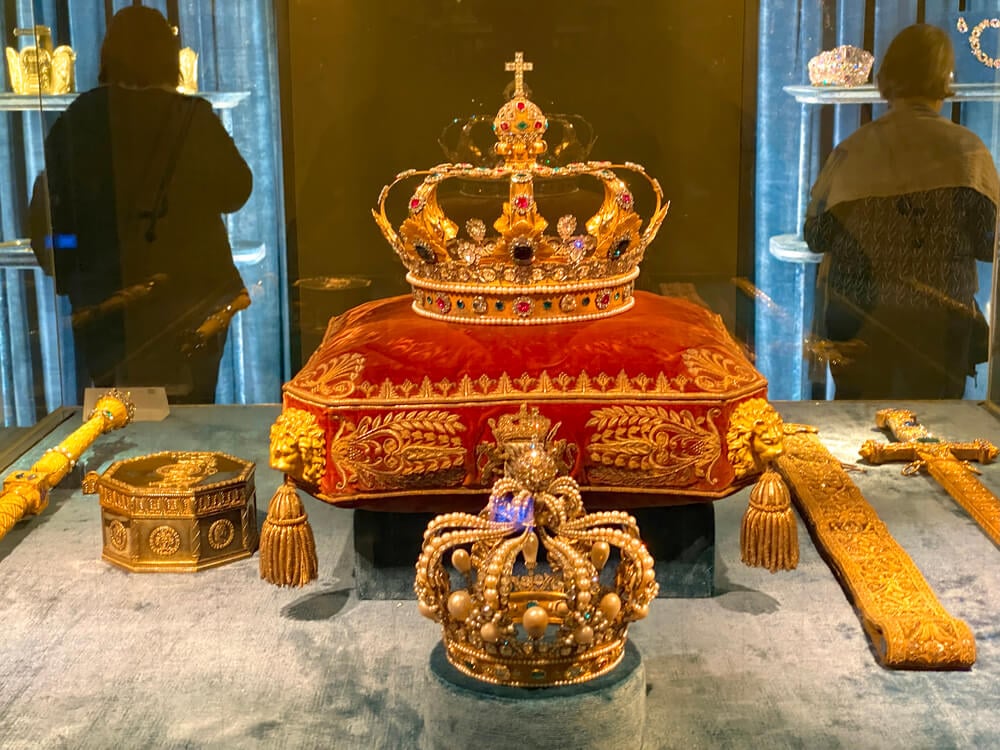
Ceremonial protocol in many monarchies requires that anyone handling crown jewels, scepters, or other coronation regalia wear white gloves, both to protect the often centuries-old materials from skin oils and to preserve the formal dignity of objects considered sacred to the institution. The rule persists today at major royal ceremonies and museum displays alike.
The Rule Against Public Displays of Affection in Court
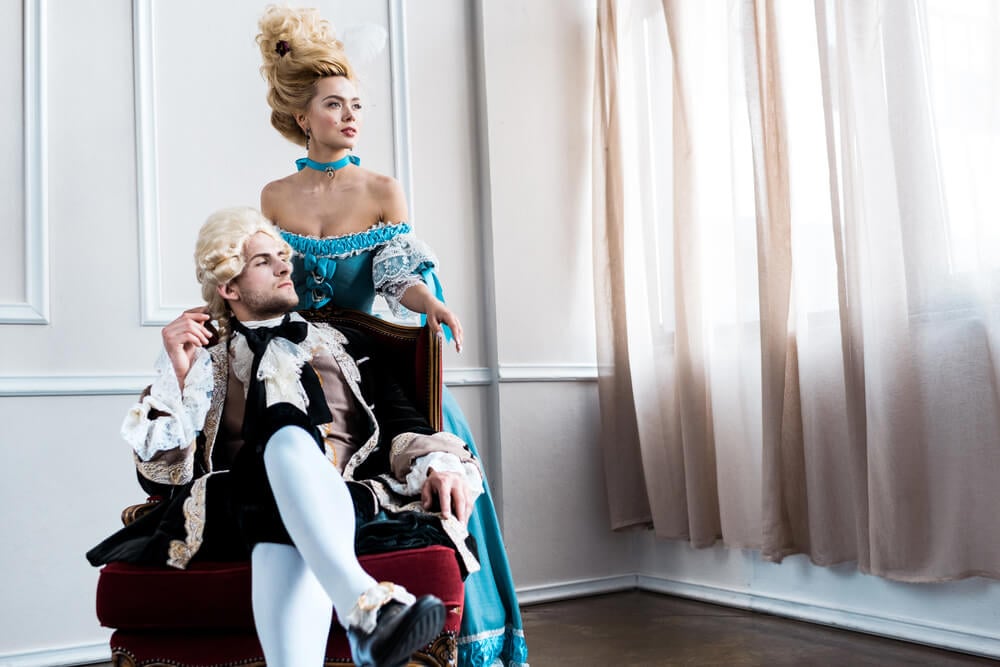
Formal European court etiquette for centuries discouraged visible physical affection between royals in public settings, treating restrained composure as a core expectation of dignified royal behavior regardless of the occasion. The expectation loosened considerably in the twentieth century as royal families increasingly appeared before television cameras and public crowds during major ceremonial events.
Precedence at the Royal Table
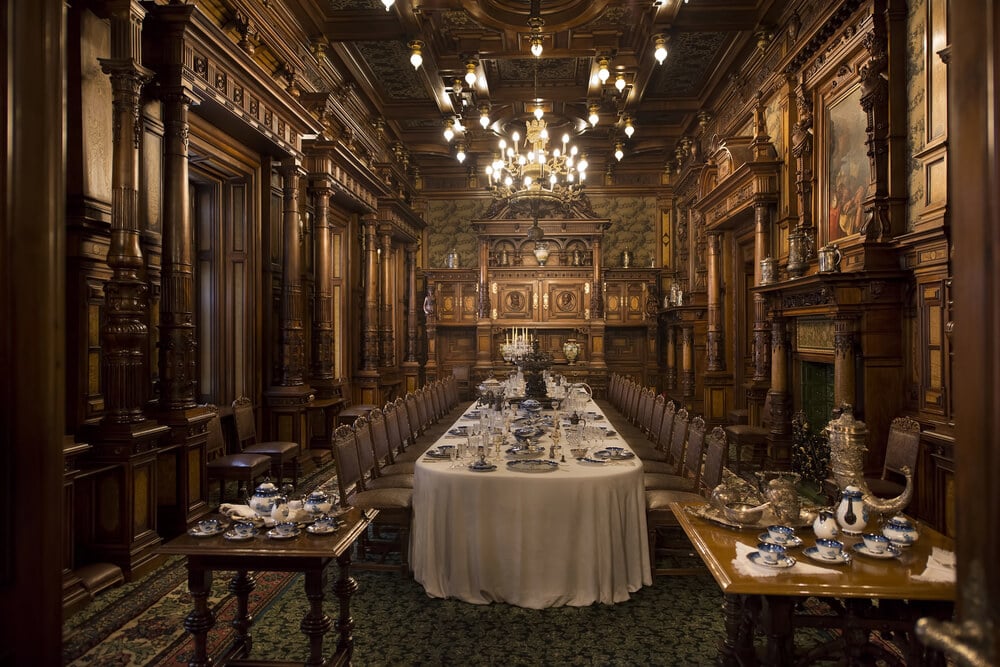
Formal dining in royal courts followed an exacting order of precedence determining exactly who sat where relative to the monarch, with seating position functioning as a constant, visible reminder of everyone’s relative standing at court. Diplomatic incidents occasionally erupted over perceived seating slights, since a poorly placed guest could interpret the arrangement as a deliberate insult from the crown.
The Architecture of Obedience
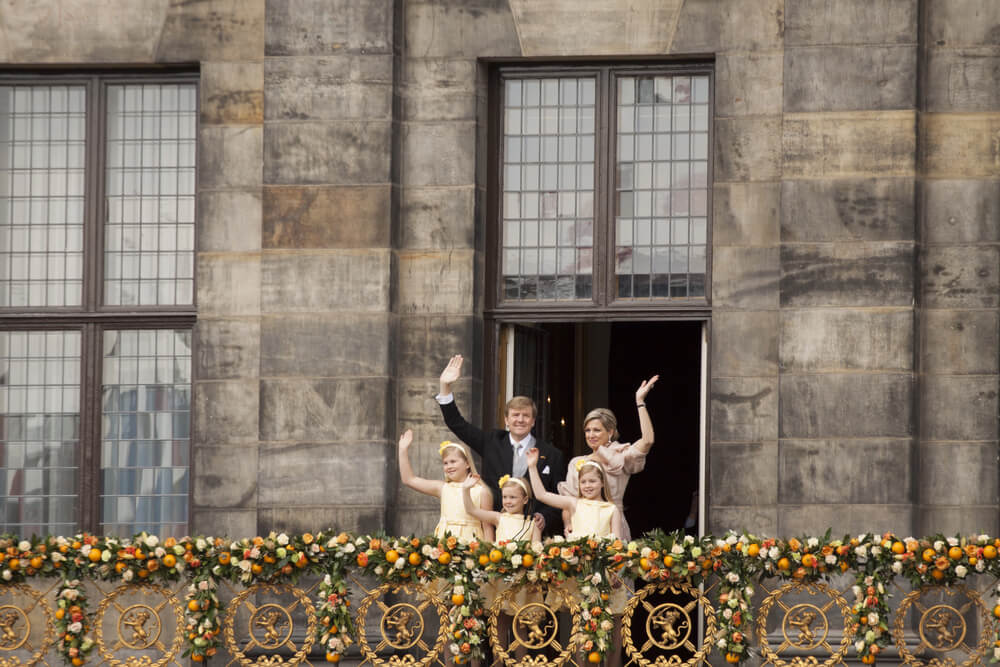
None of these rules existed by accident. Each one reinforced the same basic idea: that the monarch’s body, presence, and authority sat at the center of a system everyone else had to organize their own behavior around, down to where they sat and when they could speak.
That level of choreographed deference is largely gone from public life today, even in the monarchies that still exist. What remains are the fragments, a swan count, a glove requirement, a press office approval, that hint at how total the old system once was.
More from Go2Tutors!

- The Romanov Crown Jewels and Their Tragic Fate
- 13 Historical Mysteries That Science Still Can’t Solve
- Famous Hoaxes That Fooled the World for Years
- 15 Child Stars with Tragic Adult Lives
- 16 Famous Jewelry Pieces in History
Like Go2Tutors’s content? Follow us on MSN.