Facts About the Pyramids
The pyramids of Egypt have stood for thousands of years, watching empires rise and fall while keeping their secrets locked inside massive stone walls. These ancient structures continue to puzzle scientists, historians, and curious travelers who come from every corner of the world to stand in their shadows.
Built with tools that seem impossibly simple by today’s standards, they represent one of humanity’s greatest achievements in engineering and determination. So what makes these towering monuments so special?
Let’s dig into the surprising truths that make them worth talking about.
They weren’t built by slaves

Contrary to what old movies suggest, the pyramids weren’t constructed by enslaved people dragging stones under the whip. Archaeological evidence shows that skilled workers built these monuments, and they were paid for their labor.
These workers lived in nearby villages with their families, received medical care when injured, and ate well-balanced meals that included meat and bread. The remains of their settlements reveal an organized community with bakeries, breweries, and places to rest.
Graffiti left by work crews even shows they took pride in their teams, giving themselves names and competing to see who could move the most stone.
The Great Pyramid was the tallest structure for almost 4,000 years
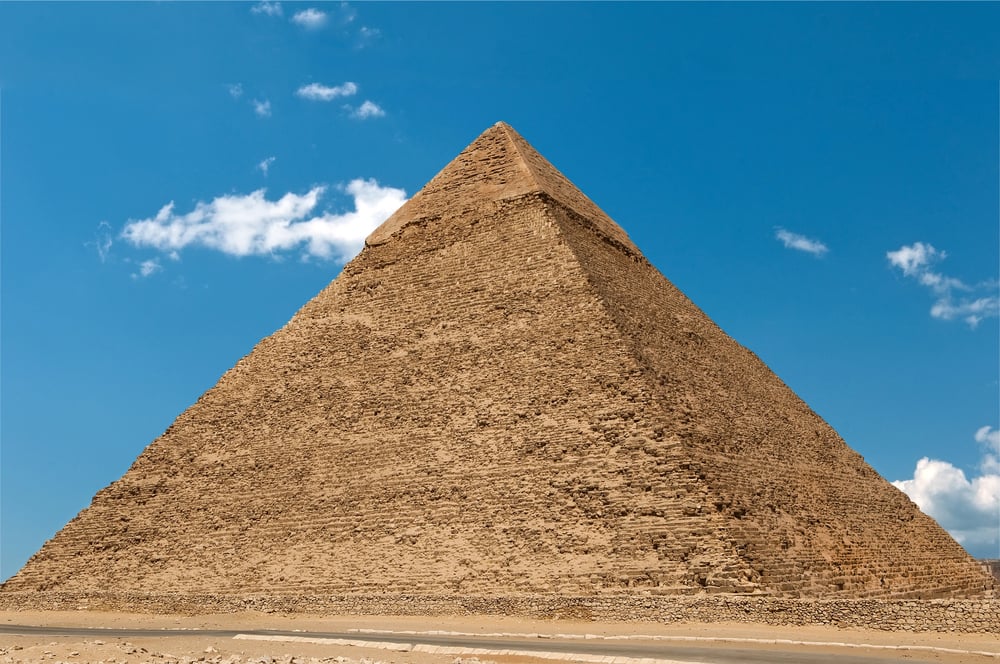
Standing at 481 feet when completed, the Great Pyramid of Giza held the record as the world’s tallest human-made structure until 1311 AD. That’s when Lincoln Cathedral in England finally surpassed it with its central spire.
For nearly four millennia, nothing else came close to matching its height. The pyramid maintained this record through the rise and fall of ancient Greece, the entire Roman Empire, and well into medieval times.
They were originally covered in white limestone

The pyramids didn’t always look like the sandy brown structures we see today. They were once covered in smooth, white Tura limestone that reflected the sun’s light so brilliantly they could be seen from mountains in Israel.
The polished casing stones fit together so perfectly that you couldn’t slide a knife blade between them. Over the centuries, earthquakes loosened these outer stones, and people from nearby Cairo removed them to build mosques and other buildings.
Only a few of these original casing stones remain at the top of Khafre’s pyramid, giving us a glimpse of their former glory.
The Great Pyramid aligns almost perfectly with true north
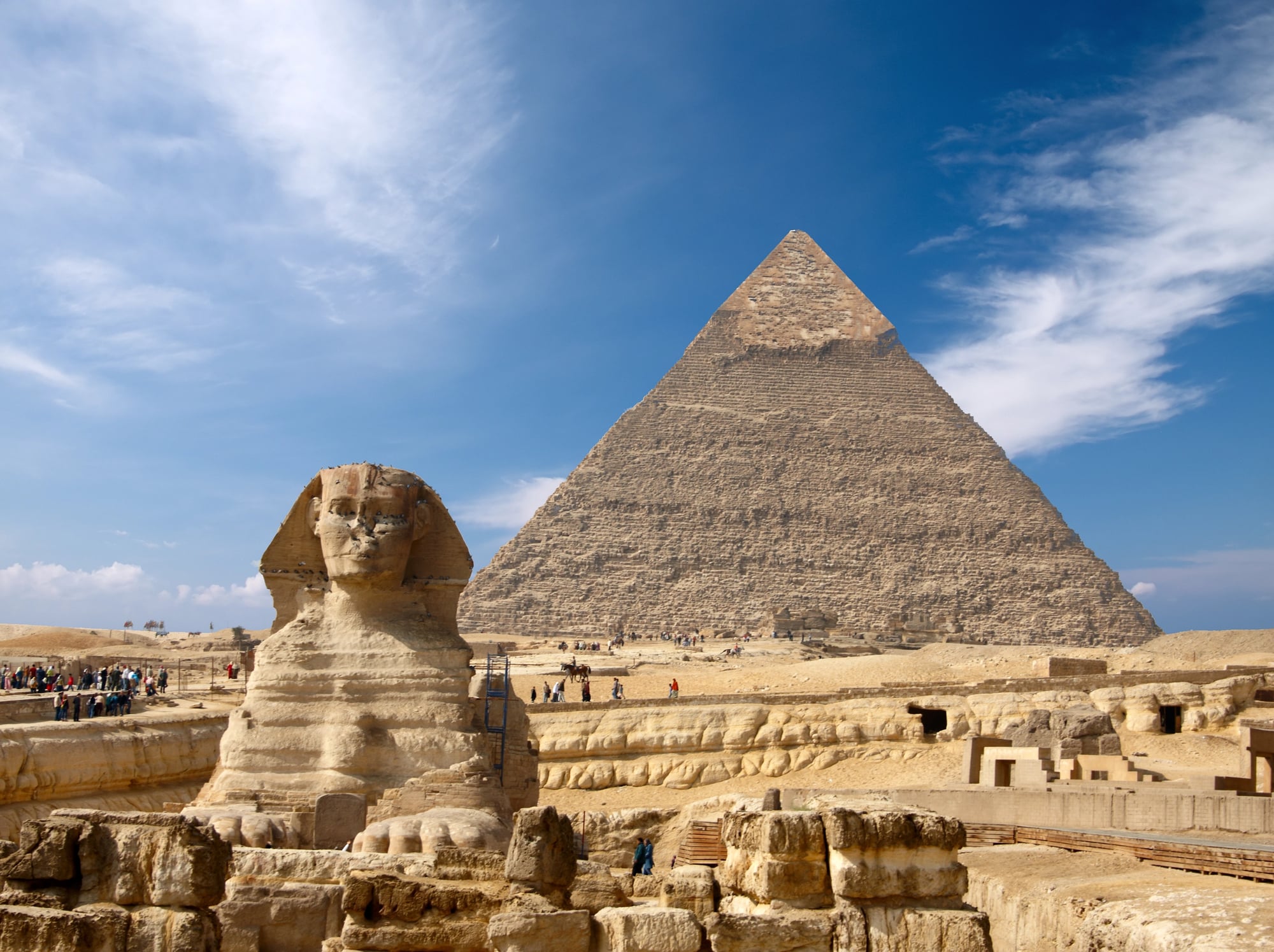
Ancient Egyptian builders achieved something remarkable when they oriented the Great Pyramid’s sides to the cardinal directions. The structure aligns with true north with an accuracy of just 3/60th of a degree.
Modern compasses point to magnetic north, which shifts over time, making this achievement even more impressive. Scientists believe the builders used the stars, specifically the circumpolar stars that never set below the horizon, to achieve this precision.
This level of accuracy shows a deep understanding of astronomy and careful planning.
Construction took about 20 years

Building the Great Pyramid required moving approximately 2.3 million stone blocks, with an average weight of 2.5 tons each. If construction really took 20 years, workers would have needed to set a block in place every two and a half minutes during a 10-hour workday.
This means the project required incredible coordination between quarry workers, transporters, and the builders on site. The speed and efficiency of ancient Egyptian construction methods continue to impress engineers today.
The pyramids were built during Egypt’s flood season

The Nile River flooded every year between June and September, making farming impossible during those months. This annual event actually helped with pyramid construction because farmers needed work and the high water brought boats closer to the building sites.
Workers could float heavy limestone blocks down the river from quarries and transport them more easily when the ground was wet. The flood season provided a ready workforce and solved major logistical problems that would have made construction much harder during dry months.
There are over 100 pyramids in Egypt
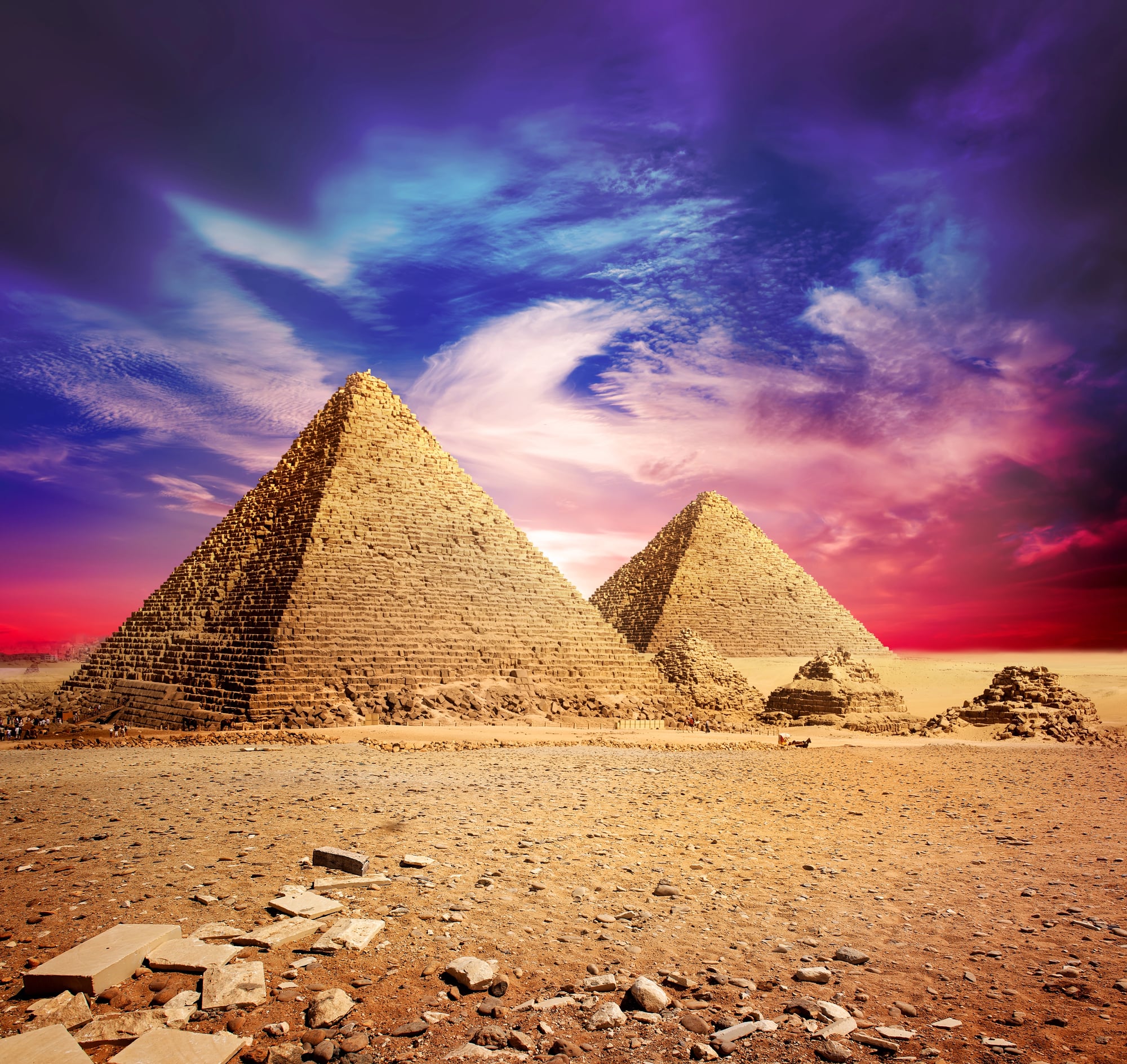
While the three pyramids at Giza get most of the attention, Egypt has more than 100 pyramids scattered across the desert. These structures vary greatly in size, condition, and design.
Some are small and crumbling, barely recognizable as pyramids anymore. Others, like the Bent Pyramid at Dahshur, show the evolution of pyramid building techniques as architects learned from their mistakes and successes.
The Great Pyramid has eight sides, not four
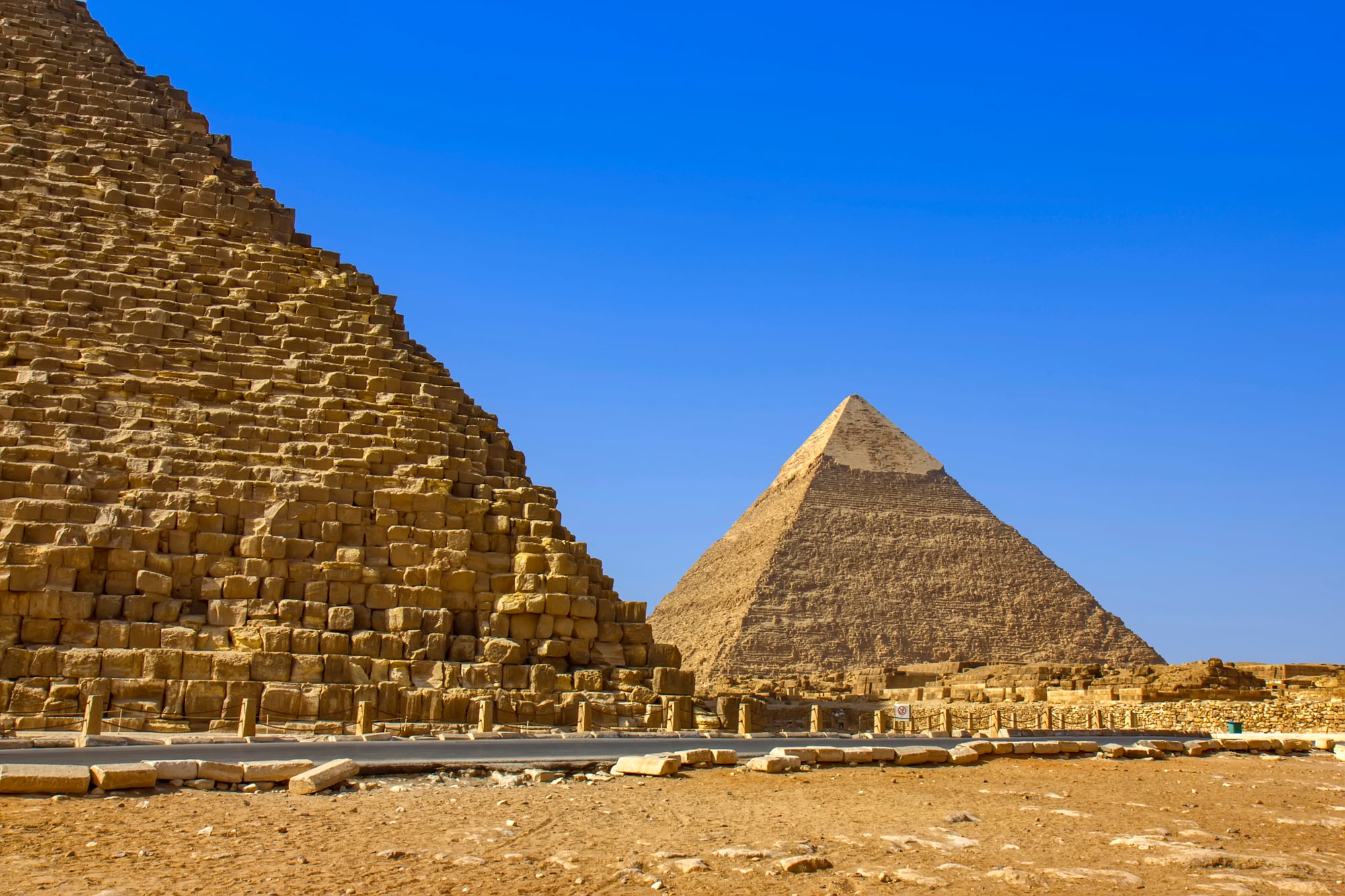
From the ground, the Great Pyramid appears to have four smooth sides, but aerial photographs reveal something different. Each of the four faces is actually slightly concave, creating eight distinct surfaces that meet at a subtle indentation running down the center of each side.
This feature is only visible from the air and only under the right lighting conditions, typically at dawn and sunset during the spring and fall equinoxes. Archaeologists still debate whether this was intentional or the result of erosion and structural settling over thousands of years.
Temperatures inside stay constant at 68 degrees Fahrenheit

No matter how scorching the desert gets outside, the temperature inside the pyramids remains remarkably stable. The massive stone blocks and the structure’s design create a natural cooling system that keeps interior chambers at around 68 degrees year-round.
This constant temperature helped preserve artifacts and mummies placed inside. The ancient Egyptians understood thermal mass and used it to their advantage long before modern climate control systems existed.
Mortar was used between the stones

Ancient Egyptian builders didn’t just stack stones on top of each other. They used a type of mortar made from gypsum and sand to bind the blocks together.
This mortar is actually stronger than the limestone blocks themselves, which explains why the pyramids have survived earthquakes that damaged other ancient structures. Scientists have analyzed this ancient cement and found it has properties that modern construction materials struggle to match.
The Great Pyramid contains roughly 2.3 million blocks
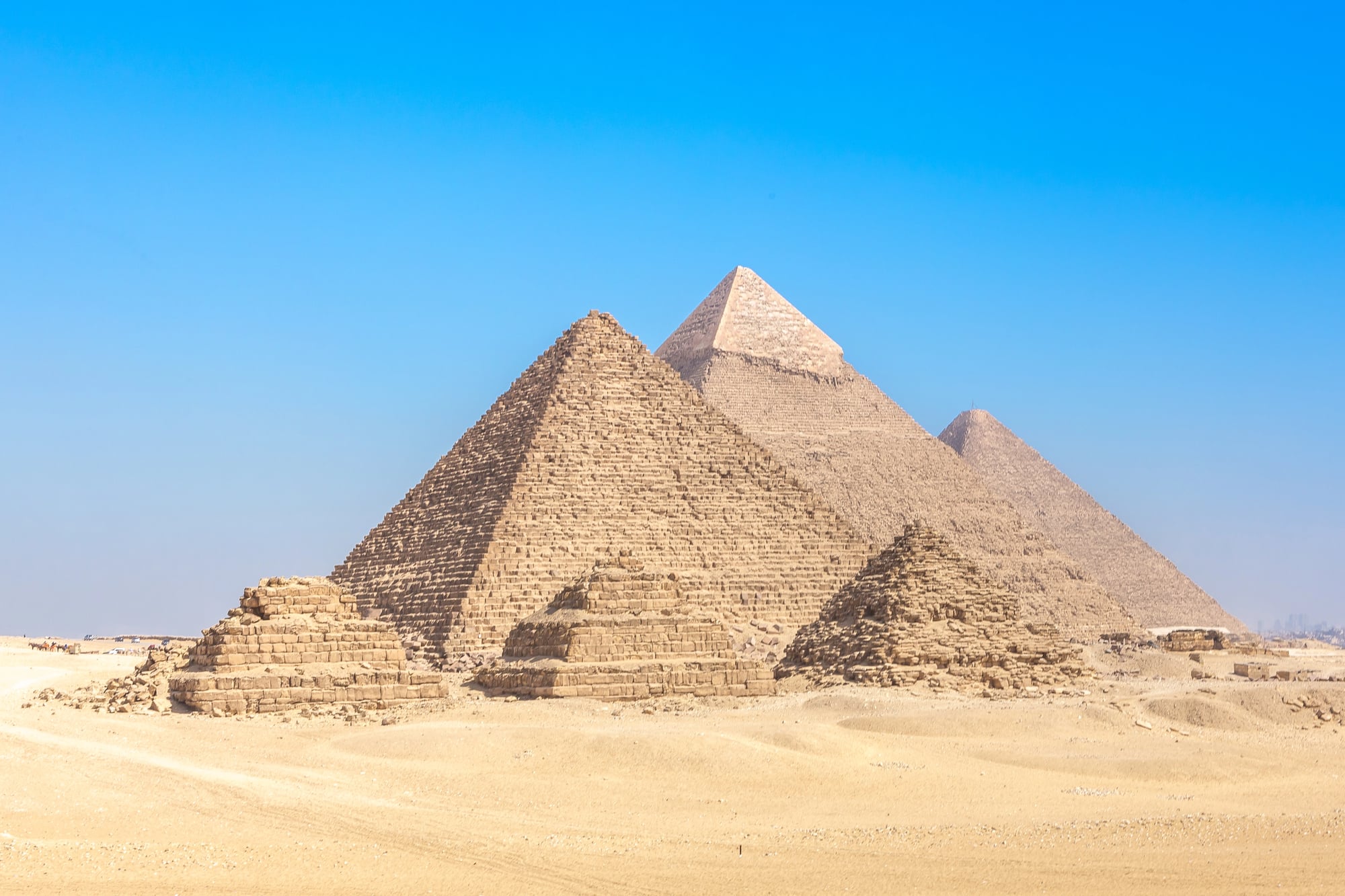
Imagine cutting, moving, and placing 2.3 million stone blocks, many weighing as much as a large truck. Some of the granite blocks in the King’s Chamber weigh up to 80 tons.
These massive stones came from quarries in Aswan, about 500 miles south of Giza. The logistics of this operation boggle the mind when you consider the tools available at the time were made of copper, stone, and wood.
Pyramids were part of larger complexes

The pyramids weren’t isolated monuments standing alone in the desert. Each pyramid was part of a larger complex that included temples, causeways, smaller pyramids for queens, and elaborate boat pits.
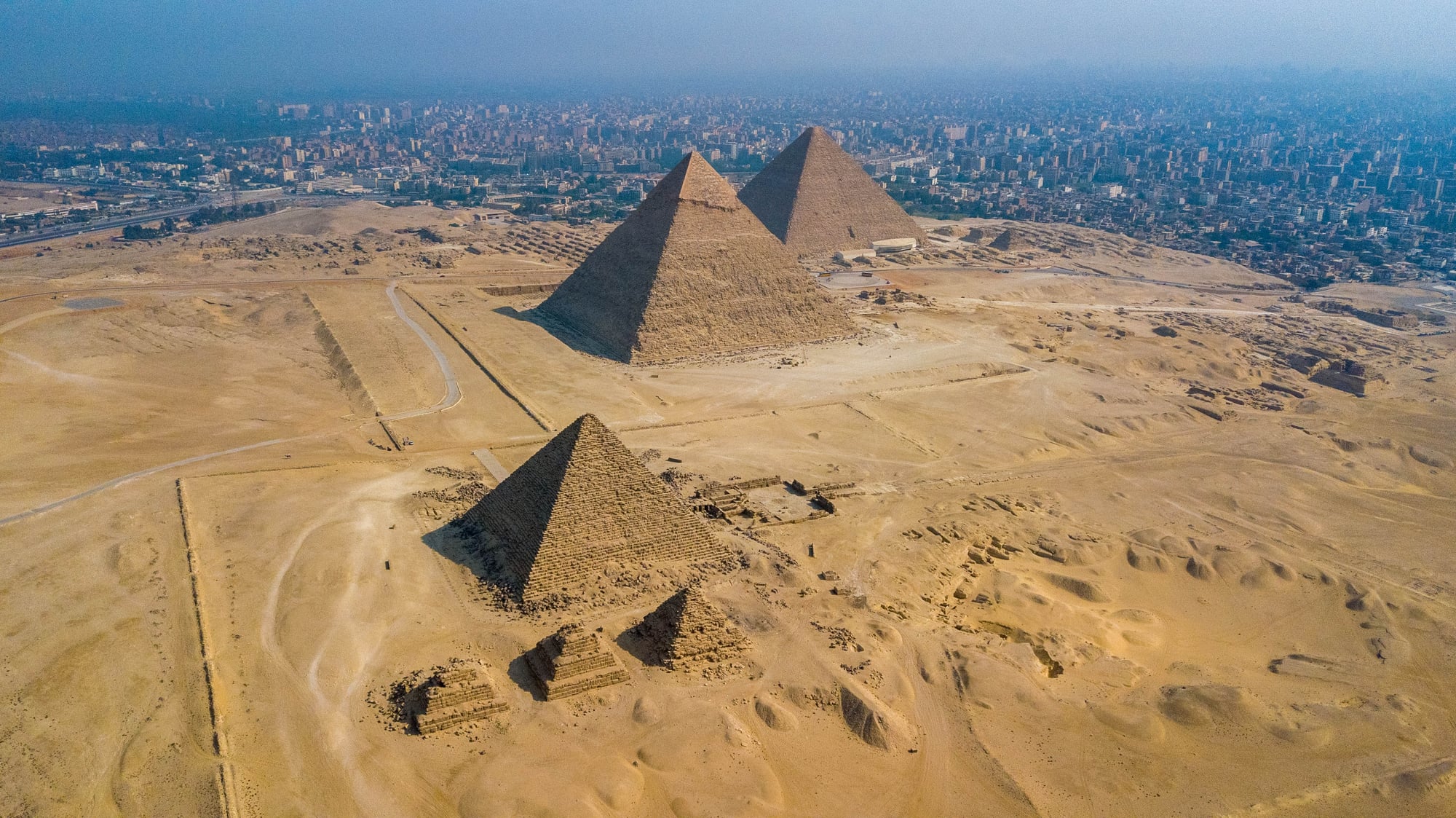
The Giza plateau contains the Great Sphinx, three main pyramids, six small pyramids, workers’ villages, and multiple temples connected by raised walkways. These complexes functioned as complete religious and ceremonial centers, not just tombs.
They contain narrow shafts pointing to specific stars
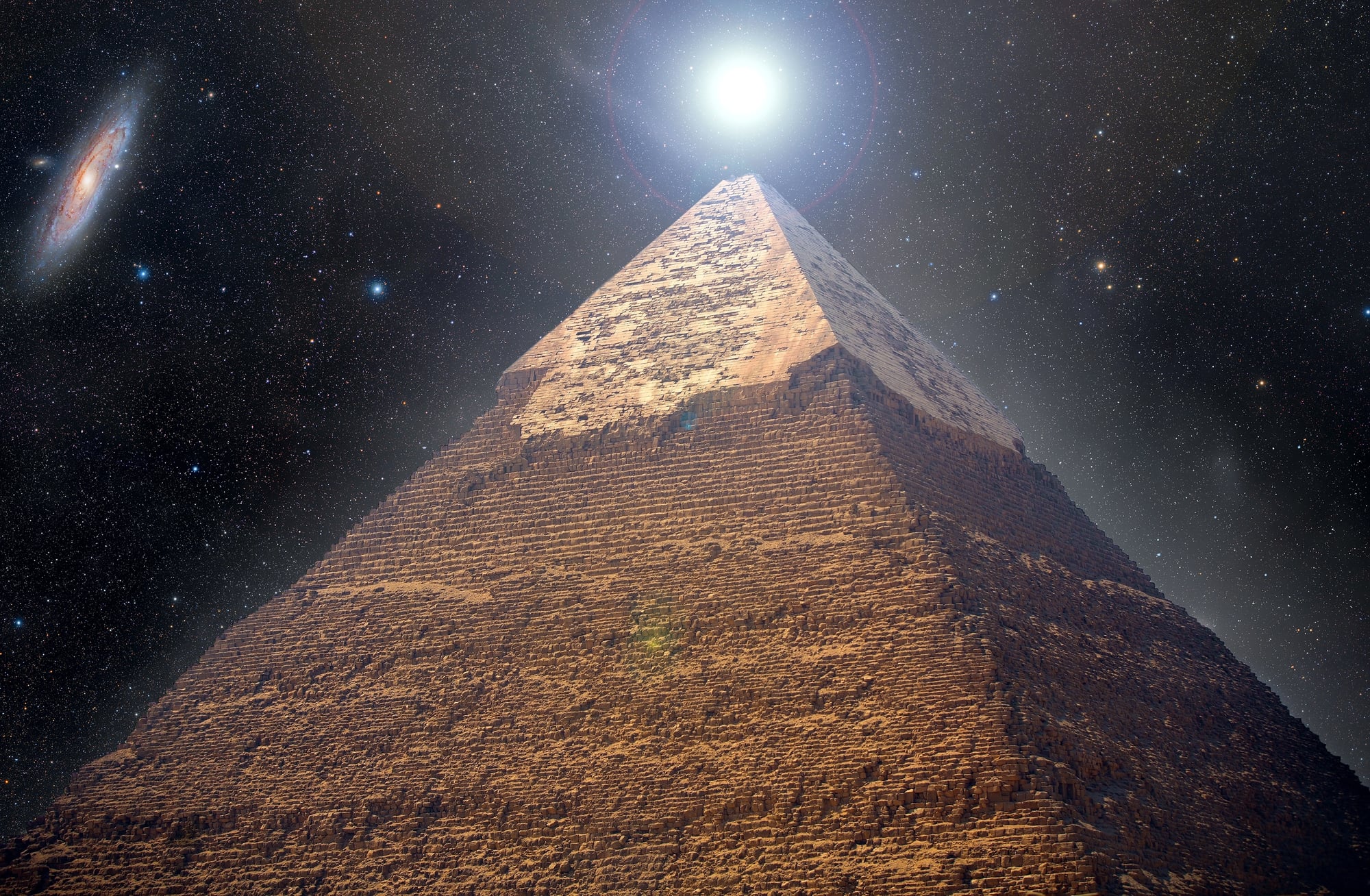
The Great Pyramid has four narrow shafts extending from the King’s and Queen’s chambers. For years, people thought these were air shafts, but they didn’t reach the outside of the pyramid.
Research suggests they pointed to important stars in the ancient Egyptian sky: the southern shaft from the King’s Chamber aimed at Orion’s Belt, which Egyptians associated with Osiris, god of the afterlife. The northern shaft pointed toward the circumpolar stars, which the Egyptians called the ‘Indestructibles’ because they never disappeared below the horizon.
The capstone of the Great Pyramid is missing

Nobody’s sure where the pyramidion went – the piece that crowned the Great Pyramid. Maybe it vanished because people thought it was gold, which would’ve attracted looters over time.
A few think it could’ve been carved from solid granite or some sacred rock tied to rituals. Without it, the pyramid ends in a level surface roughly 30 by 30 feet, giving off vibes like something got cut short.
Today’s machines wouldn’t finish quicker
Scientists looked at how the pyramids were built, figuring out that doing it today – even with advanced tools – would still push our limits. Stone blocks were cut so exact, placed so true, yet moved without machines we rely on now.
Getting massive amounts of material across rough ground was a huge task back then; current tech solves this another way – but not always faster or smarter. Simulations show old techniques took more people power, sure, but made clever use of what they had.
Once upon a time, they belonged to a city of the dead

The pyramids at Giza stood at the heart of a vast burial zone. Nearby sat mastabas – boxy tombs with flat tops – for high-ranking people, along with tiny pyramids, shrines, and paths bordered by graves.
It stayed active when funeral events or spiritual celebrations took place. Even long after their kings passed away, priests kept looking after these sites, running ceremonies while preserving the structures through generations.
Some old markings by laborers can still be found within

In the pyramids’ hidden spots – far from where tourists go – workers’ marks have been uncovered by researchers. These writings list gang names, sometimes playful ones such as ‘Khufu’s buddies’ or ‘Menkaure’s party crew’.
Instead of just records, they hint at teamwork and even jokes among laborers. Rather than dry notes, these scribbles reveal real human sides of the people who built them.
Because written accounts are rare, this graffiti stands out as one of the few glimpses into their lives and pride.
What keeps on showing up in their lessons
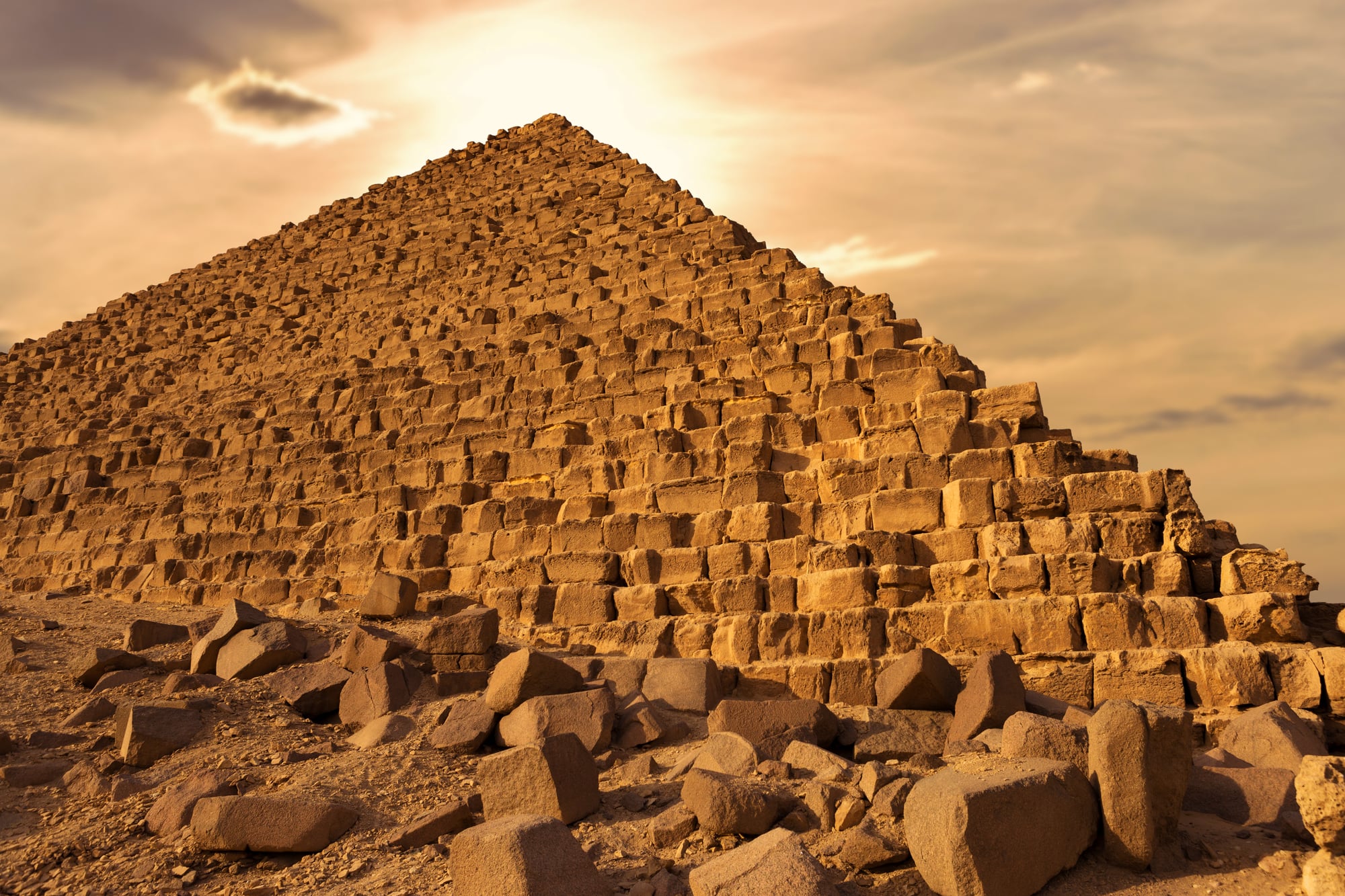
The pyramids keep spilling fresh clues about old Egypt thanks to high-tech gear such as muon scanning and radar that sees underground. Hidden rooms recently found deep in the Great Pyramid show it’s still holding back mysteries we haven’t cracked.
Each era comes with new gadgets along with wild ideas trying to figure out how they stacked those stones – and why they’re still standing. Shaking off quakes, battles, centuries of wind and rain? That’s what lifts them past graves or photo spots – clear evidence people can build stuff tougher than nations, tongues, whole worlds gone quiet.
More from Go2Tutors!

- The Romanov Crown Jewels and Their Tragic Fate
- 13 Historical Mysteries That Science Still Can’t Solve
- Famous Hoaxes That Fooled the World for Years
- 15 Child Stars with Tragic Adult Lives
- 16 Famous Jewelry Pieces in History
Like Go2Tutors’s content? Follow us on MSN.



