Famous Speeches That Changed History
Words have weight. Sometimes that weight shifts the world. A single speech can topple governments, spark revolutions, or heal nations wounded by decades of division.
These moments remind us that language, delivered with conviction at precisely the right time, carries power beyond bullets or treaties. History’s most transformative speeches didn’t always come from podiums or palace steps.
Some emerged from prison cells, others from the steps of monuments to freedom. What united them was timing, truth, and a speaker who understood that their moment had arrived — and that millions were ready to listen.
The Gettysburg Address
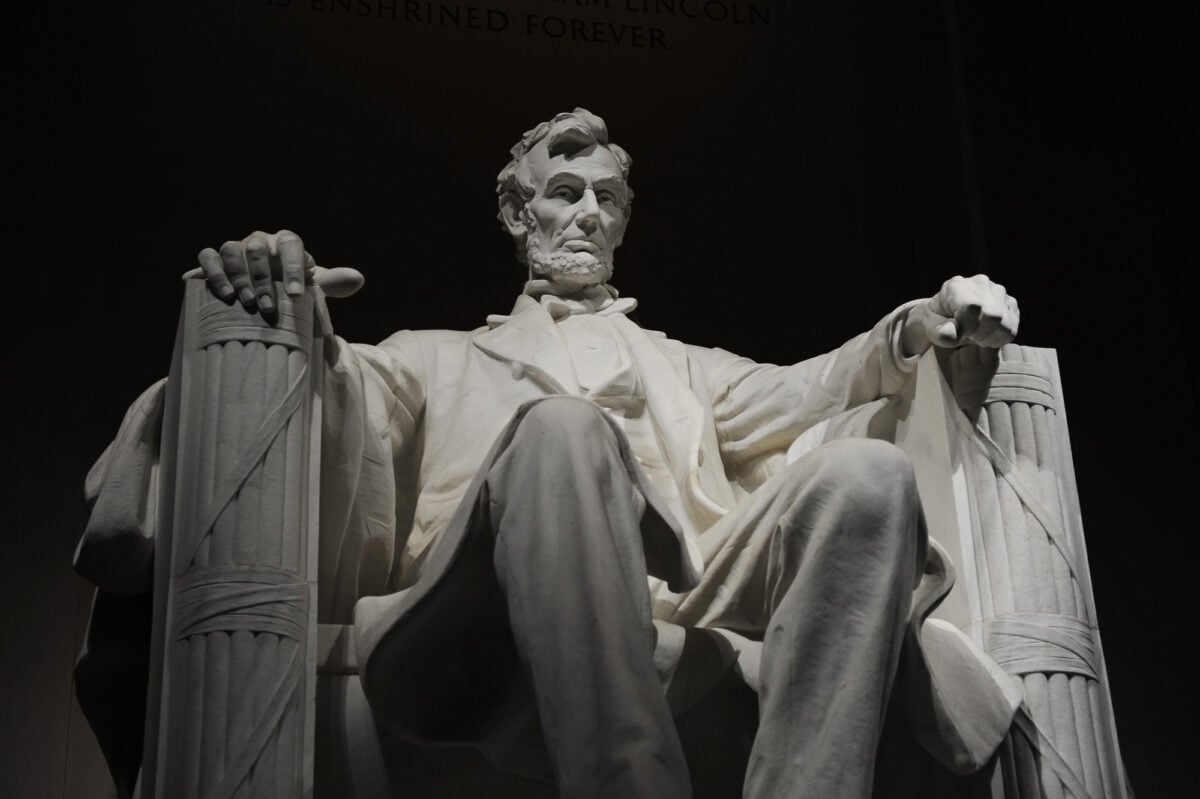
Lincoln had ten sentences and two minutes. The main speaker that day delivered a two-hour oration that history forgot.
Lincoln’s brief remarks redefined the Civil War and American identity itself. He transformed a battlefield dedication into something larger — a reckoning with whether democracy could survive its greatest test.
The speech didn’t just honor the dead. It challenged the living to finish what soldiers had started.
I Have a Dream
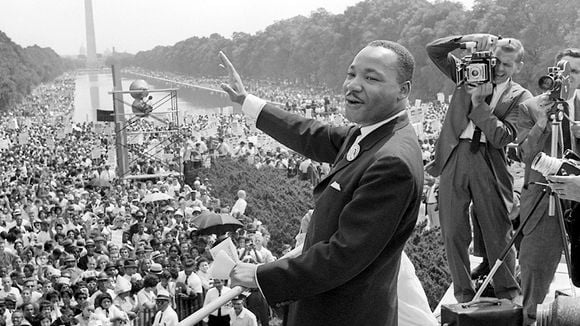
Standing before the Lincoln Memorial, Martin Luther King Jr. delivered what became (and this might sound strange when you consider how meticulously planned the March on Washington was) a largely improvised masterpiece — because the dream sequence wasn’t in his prepared text. Mahalia Jackson shouted “Tell them about the dream!” from behind him, and King set aside his script to speak from somewhere deeper.
The speech works because it balances righteous anger with unwavering hope; it confronts America’s failures while refusing to abandon faith in America’s possibilities. But here’s what makes it endure: King painted a picture so vivid that people could see themselves living in it.
Dreams, it turns out, are more powerful than demands.
We Shall Fight on the Beaches
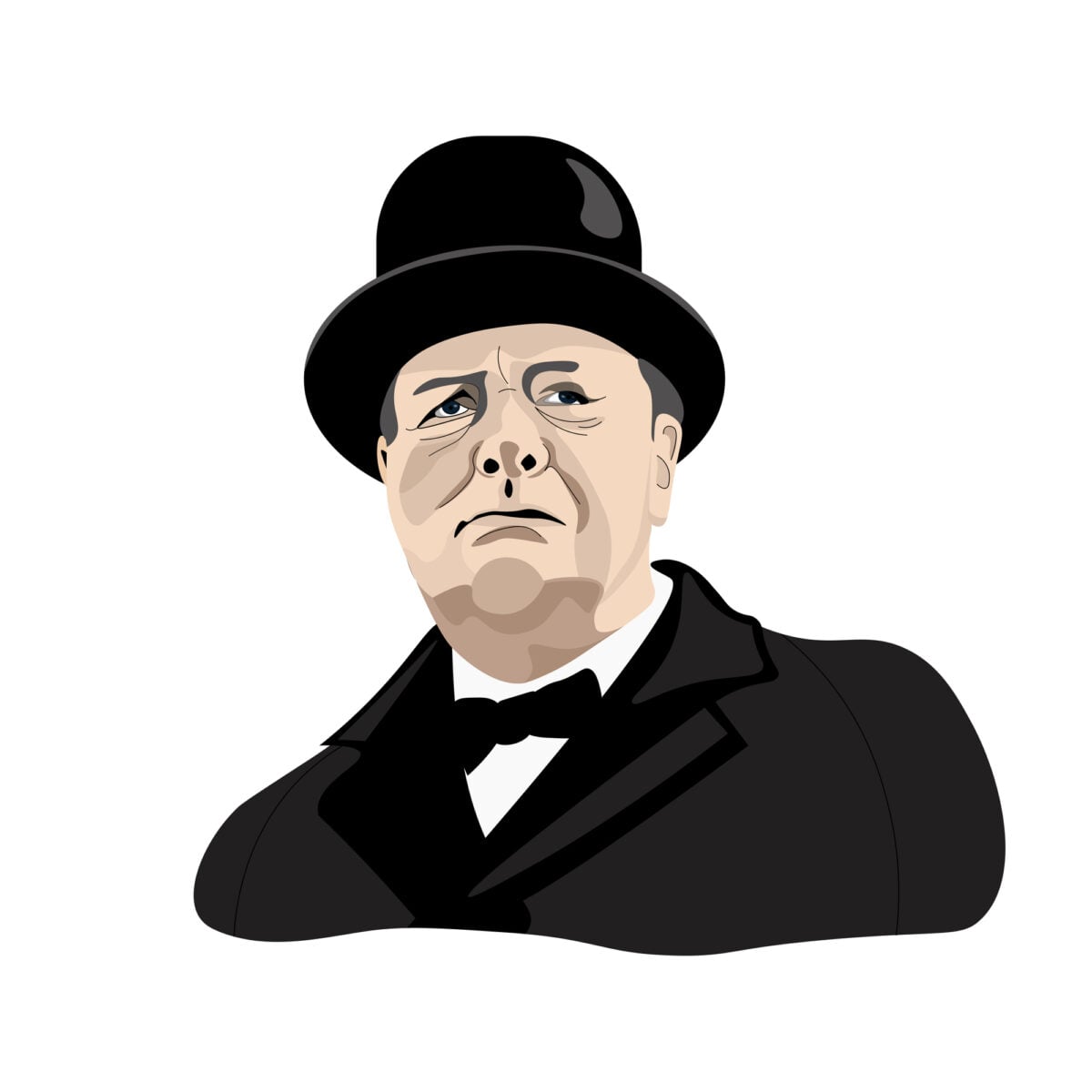
Churchill’s voice crackled through radio speakers across Britain in 1940, reaching a nation that had just watched its army barely escape annihilation at Dunkirk. The speech was defiance dressed as fact — Britain would fight, period. Not might fight, not hope to fight. Would fight.
The genius lies in the rhythm. Each “we shall fight” builds like a drumbeat, creating momentum that carries listeners forward. By the time Churchill reaches “we shall never surrender,” it sounds inevitable rather than hopeful.
Sometimes the most important battle is convincing your own side that defeat isn’t an option.
Tear Down This Wall
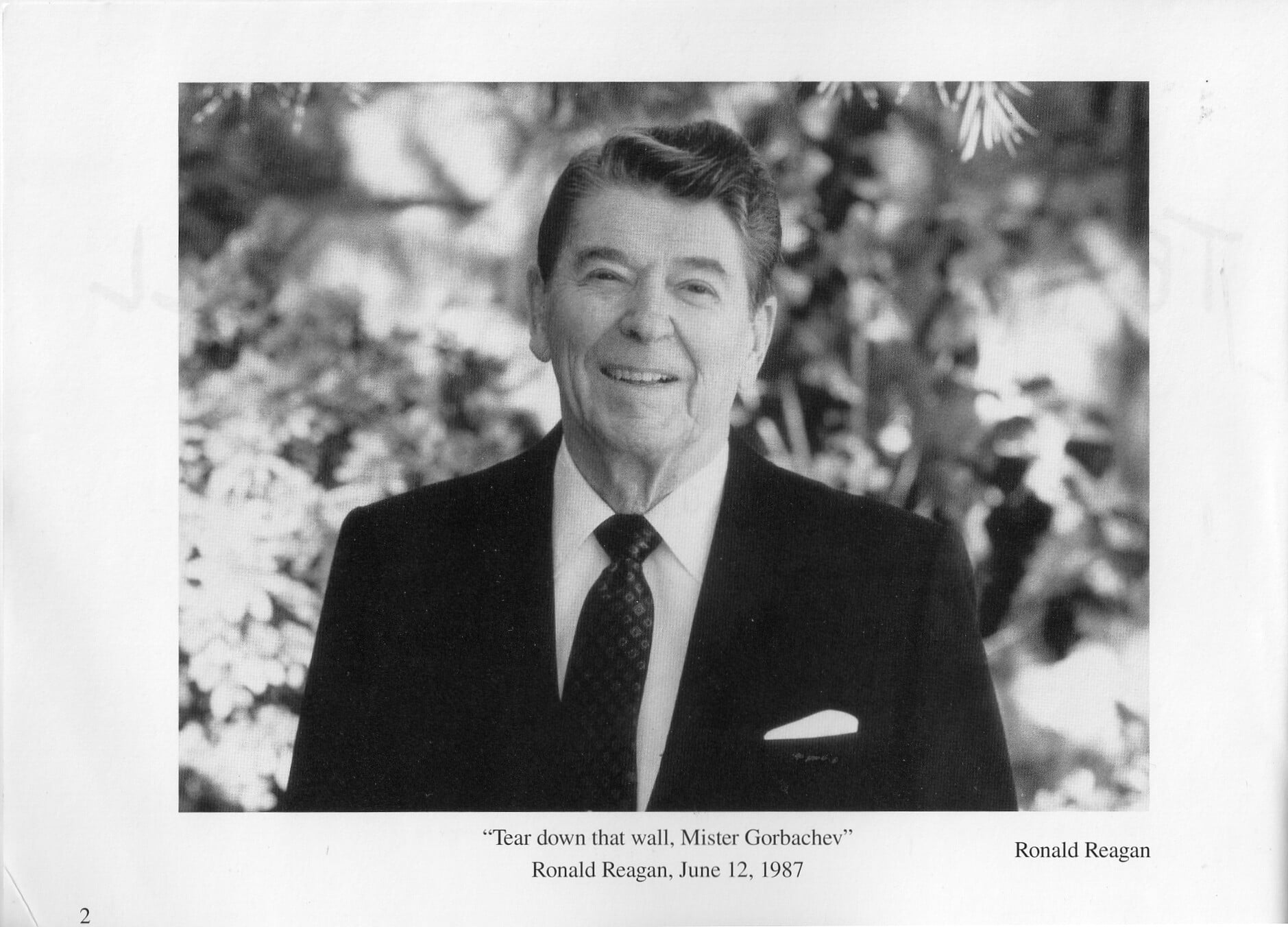
Reagan stood at the Brandenburg Gate knowing full well that calling for the Berlin Wall’s destruction might seem naive, even reckless — but he also understood that bold declarations sometimes create their own reality. The line wasn’t written for diplomats or policy papers; it was written for television cameras and the people watching behind the Iron Curtain.
What Reagan grasped was this: the Soviet Union’s greatest weakness wasn’t military or economic. It was the growing recognition among its own people that their system had stopped making sense.
Sometimes the most powerful thing a leader can do is say out loud what everyone already knows but no one dares to admit.
Blood, Toil, Tears and Sweat
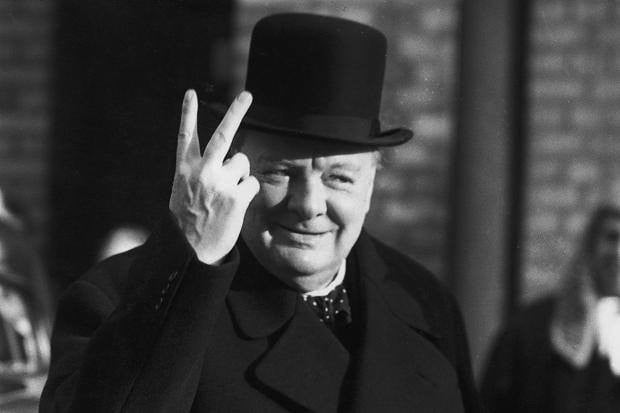
Churchill’s first speech as Prime Minister offered Britain exactly nothing in the way of comfort. No false promises, no sugar-coating, no reason for optimism beyond the simple assertion that Britain would keep fighting.
The honesty was shocking. Politicians typically win support by promising easier times ahead. Churchill won it by promising harder ones.
He understood that people can endure almost anything if someone tells them the truth about what they’re enduring and why it matters. The speech worked because it matched the gravity of the moment with language equally grave.
The Iron Curtain
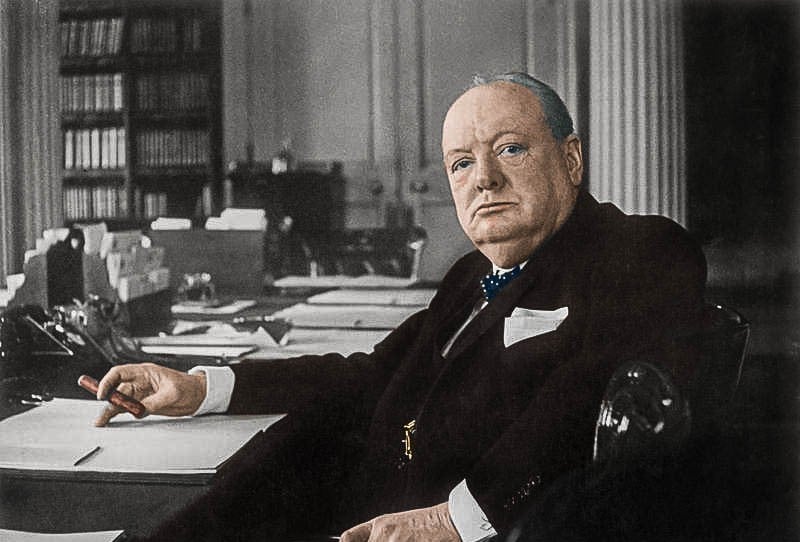
Winston Churchill wasn’t Prime Minister anymore when he traveled to Fulton, Missouri, in 1946, which made his warning about Soviet intentions both more credible (he had nothing to gain politically) and more dangerous (he was essentially accusing a wartime ally of becoming a peacetime enemy). The phrase “iron curtain” gave the emerging Cold War its defining metaphor — and metaphors, once they take hold, shape how entire generations understand reality.
The speech didn’t create the division between East and West, but it named that division in a way that made it impossible to ignore. Sometimes the most important thing a speaker can do is put words to what people are feeling but haven’t yet learned to articulate.
Ask Not What Your Country Can Do for You
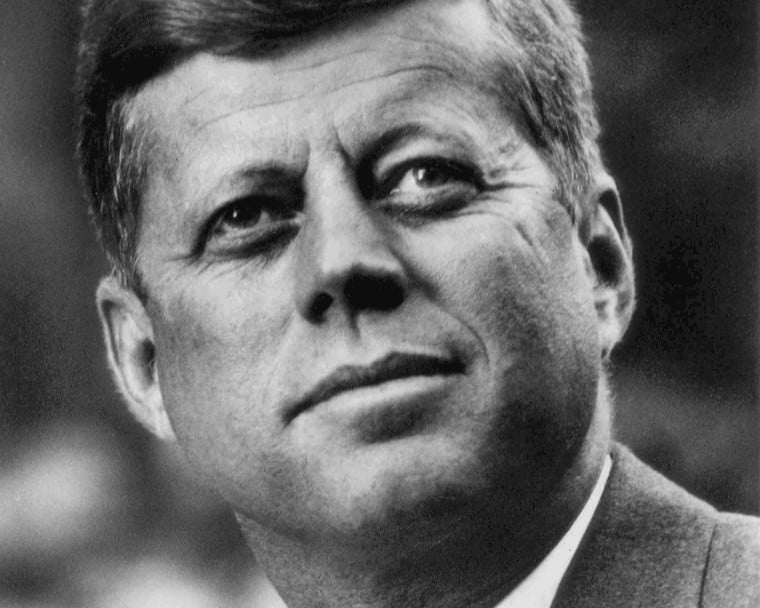
Kennedy’s inauguration speech flipped the script on American political rhetoric. Instead of promising voters what the government would deliver, he asked what they would sacrifice.
The famous line works because it sounds like a challenge rather than a slogan. What made the speech transformative wasn’t just the call to service — it was the recognition that Americans were hungry for something larger than their own comfort.
The Peace Corps, the space program, the civil rights movement: all grew from soil prepared by that January afternoon when a young President suggested that the highest American virtue wasn’t getting what you wanted but giving what you could.
Ich bin ein Berliner
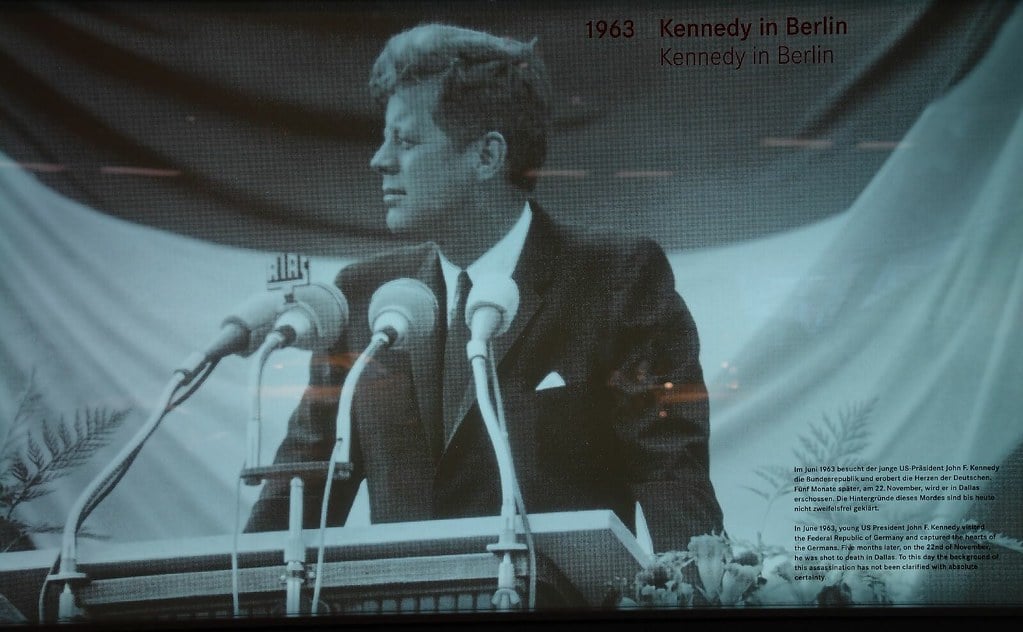
Kennedy spoke to 450,000 West Berliners in 1963, delivering what was essentially a love letter to a city under siege — though the siege was political rather than military, the stakes felt existential to everyone listening. The four German words Kennedy struggled to pronounce carried weight far beyond their literal meaning; they were a promise that America wouldn’t abandon Berlin to Soviet pressure.
The power of the moment came from its simplicity. Kennedy didn’t offer complex policy prescriptions or diplomatic solutions.
He offered solidarity, spoken in the language of the people who needed to hear it most. And he delivered it just 22 months after East Germany had built the Berlin Wall, when that solidarity felt anything but guaranteed.
Sometimes foreign policy comes down to showing up and saying the right thing at precisely the right moment.
Letter from Birmingham Jail
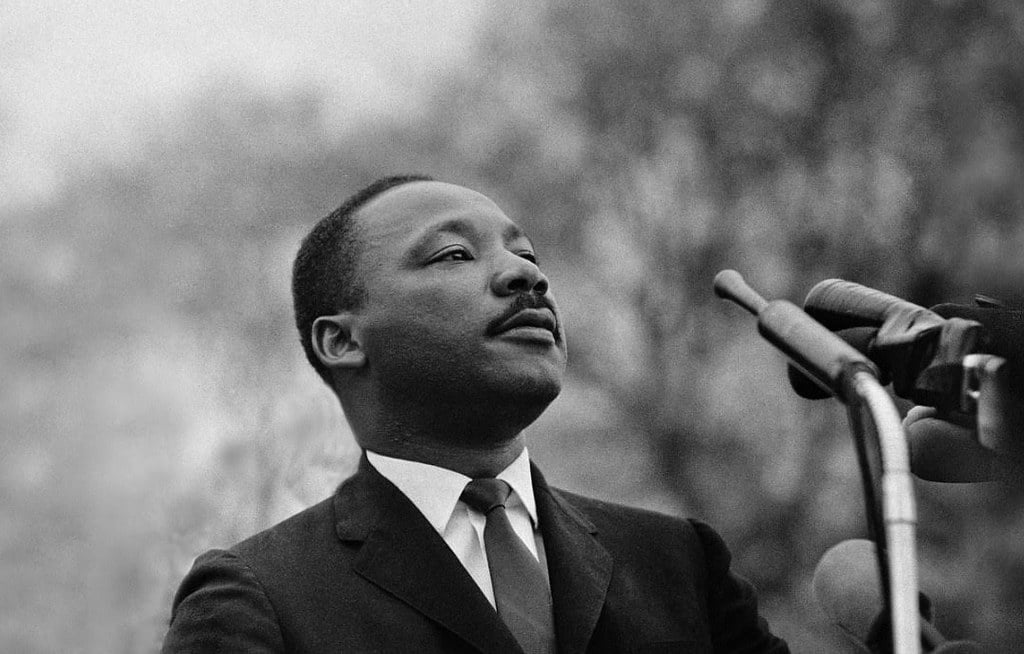
Dr. King wrote his response to white clergymen on newspaper margins and scraps of paper smuggled out of his cell, creating what became one of history’s most powerful defenses of civil disobedience. The letter works because it meets its critics on their own ground — using Christian theology and American constitutional principles to dismantle arguments for patience and gradual change.
King’s genius was rhetorical aikido: he used his opponents’ own moral framework to demonstrate why their position was morally untenable. The letter didn’t just answer criticism; it transformed criticism into a platform for explaining why justice delayed truly is justice denied.
Four Score and Seven Years Ago
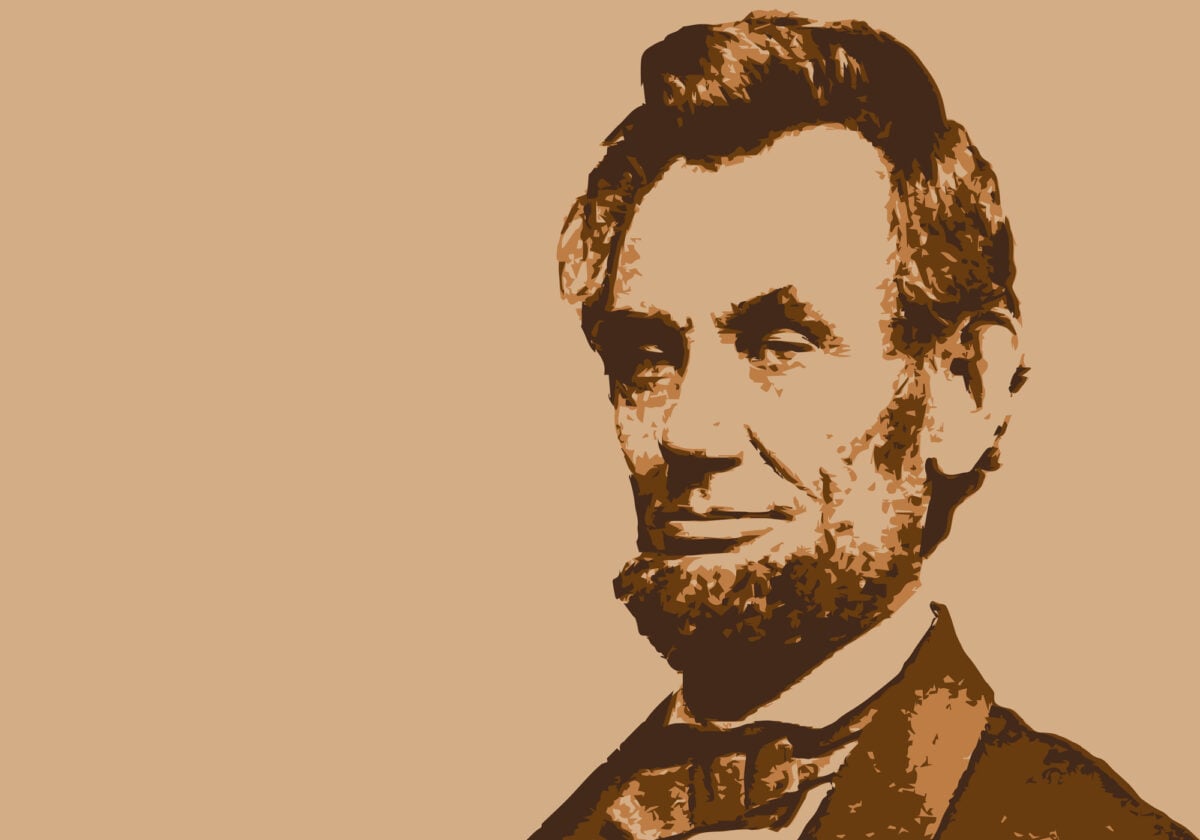
Lincoln’s Second Inaugural Address gets more attention from scholars, but the Gettysburg Address changed how Americans talked about their country. Before Lincoln, political speeches were ornate, flowery affairs filled with classical references and elaborate metaphors.
Lincoln stripped all that away. The speech redefined American democracy not as a political system but as an ongoing test — a test that living generations could pass or fail.
Lincoln made every American a participant in an unfinished experiment. That’s a heavy responsibility to place on people, but it’s also an inspiring one.
Never, Never, Never Give In
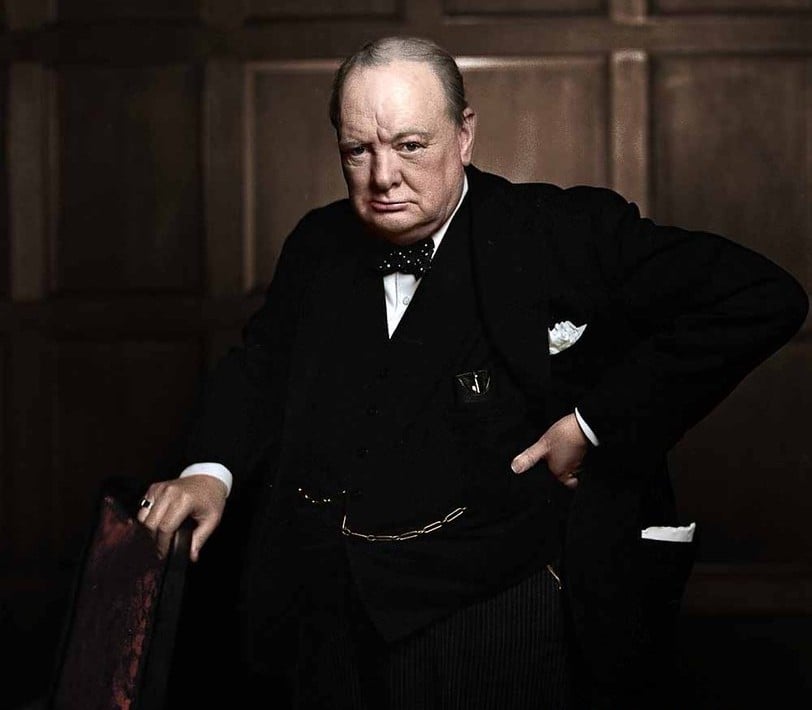
Churchill delivered this speech at Harrow School in 1941, speaking to students whose older brothers were fighting in North Africa and whose cities were being bombed nightly. The circumstances made the message both more urgent and more personal than his parliamentary addresses.
What makes the speech memorable isn’t the famous phrase about never giving in — it’s Churchill’s recognition that victory would require changing everything about how Britain saw itself and its role in the world. He was asking a generation to sacrifice not just their comfort but their assumptions about what their lives would contain.
The Ballot or the Bullet
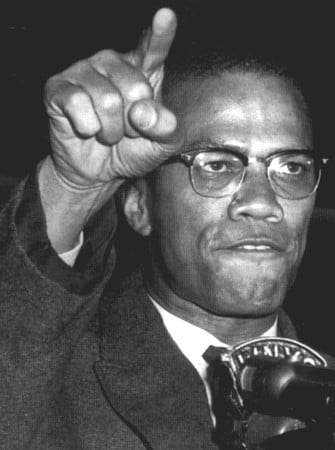
Malcolm X delivered this speech twice in 1964, first in Cleveland and then in Detroit, speaking to audiences that were growing impatient with the slow pace of civil rights progress. The title suggests an ultimatum, but the speech itself is more complex — part warning, part analysis, part call to action.
Malcolm’s argument was straightforward: if the political system wouldn’t respond to Black demands for equality, then Black Americans would be forced to seek change through other means. The speech gave voice to frustrations that the mainstream civil rights movement sometimes struggled to acknowledge, creating space for anger that had nowhere else to go.
A Time for Choosing

Ronald Reagan wasn’t running for anything when he delivered this televised speech supporting Barry Goldwater in 1964, but the address launched Reagan’s political career and established him as conservatism’s most persuasive spokesman. Reagan’s gift was making complex policy arguments sound like common sense.
The speech worked because Reagan understood that political conversion happens through stories, not statistics. He told anecdotes about government waste and bureaucratic absurdity that stuck with voters long after they’d forgotten the specific policy proposals.
Reagan proved that in politics, the person who controls the narrative usually wins the argument.
The Power of Words
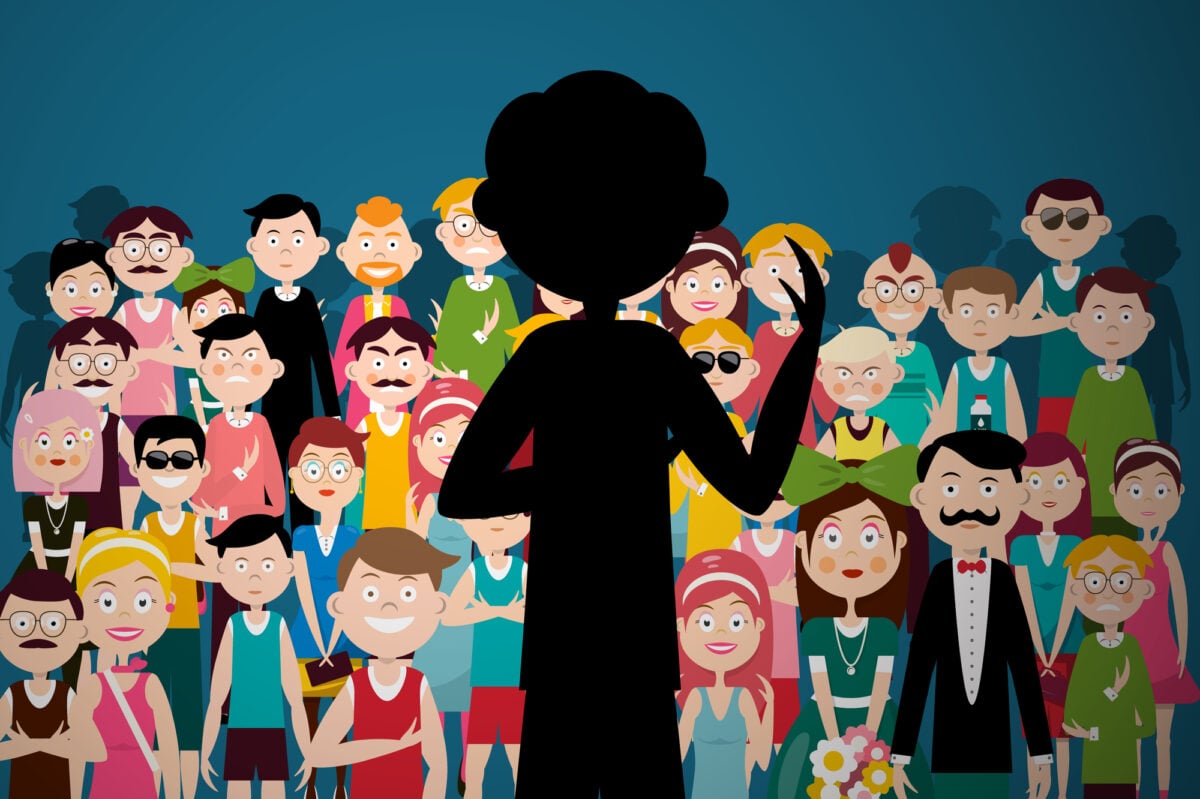
These speeches didn’t change history by accident. They worked because someone understood that the right words, delivered at the right moment, could shift how entire nations saw themselves and their possibilities.
Not every generation gets speakers who rise to meet their moment, but when they do, the effects ripple forward for decades. What unites these speeches across centuries and continents isn’t their style or their politics — it’s their recognition that words, carefully chosen and courageously delivered, remain among the most powerful tools humans possess for changing the world.
In an age of tweets and soundbites, that lesson feels worth remembering.
More from Go2Tutors!

- The Romanov Crown Jewels and Their Tragic Fate
- 13 Historical Mysteries That Science Still Can’t Solve
- Famous Hoaxes That Fooled the World for Years
- 15 Child Stars with Tragic Adult Lives
- 16 Famous Jewelry Pieces in History
Like Go2Tutors’s content? Follow us on MSN.