15 Royal Family Traditions That Defy Logic
The British Royal Family stands as one of the world’s oldest monarchies, with traditions dating back centuries. These customs, while respected as part of their heritage, often appear remarkably outdated or peculiar when viewed through a modern lens. Many practices continue simply because ‘that’s how it’s always been done,’ regardless of practical value in today’s world.
Here is a list of 15 royal traditions that seem to defy common sense and practical thinking, yet continue to be observed with unwavering dedication.
Weighing Guests

The royal family maintains a tradition of weighing guests before and after Christmas dinner at Sandringham. This practice dates back to King Edward VII, who wanted to ensure visitors were properly fed.
Guests must sit on antique scales, with their weights recorded in a special book, just to prove they enjoyed a hearty meal. Modern nutritional knowledge makes this practice seem particularly outdated.
Royal Wills Remain Secret

Unlike ordinary citizens, royal wills remain permanently sealed after death. This practice began in 1910 with Prince Francis of Teck and continues today despite numerous legal challenges.
The contents remain hidden for eternity, preventing public knowledge of royal assets and inheritances. This level of secrecy contradicts modern transparency expectations applied to other public figures.
No Shellfish Consumption

Royal family members avoid eating shellfish, especially during official travels. This tradition stems from ancient concerns about food poisoning when refrigeration didn’t exist.
Despite modern food safety standards making shellfish consumption generally safe, the royals continue this practice. The queen particularly enforced this rule during overseas visits, prioritizing ancient caution over culinary exploration.
Bowing to Christmas Trees

Each Christmas, royal family members traditionally bow to the Christmas trees at Windsor Castle. This unusual custom reportedly began during Queen Victoria’s reign and has continued ever since.
Staff members witness the family members acknowledging the trees with a slight nod or bow before the festivities begin. The trees certainly don’t bow back, making this a rather one-sided relationship.
The Royal Touch
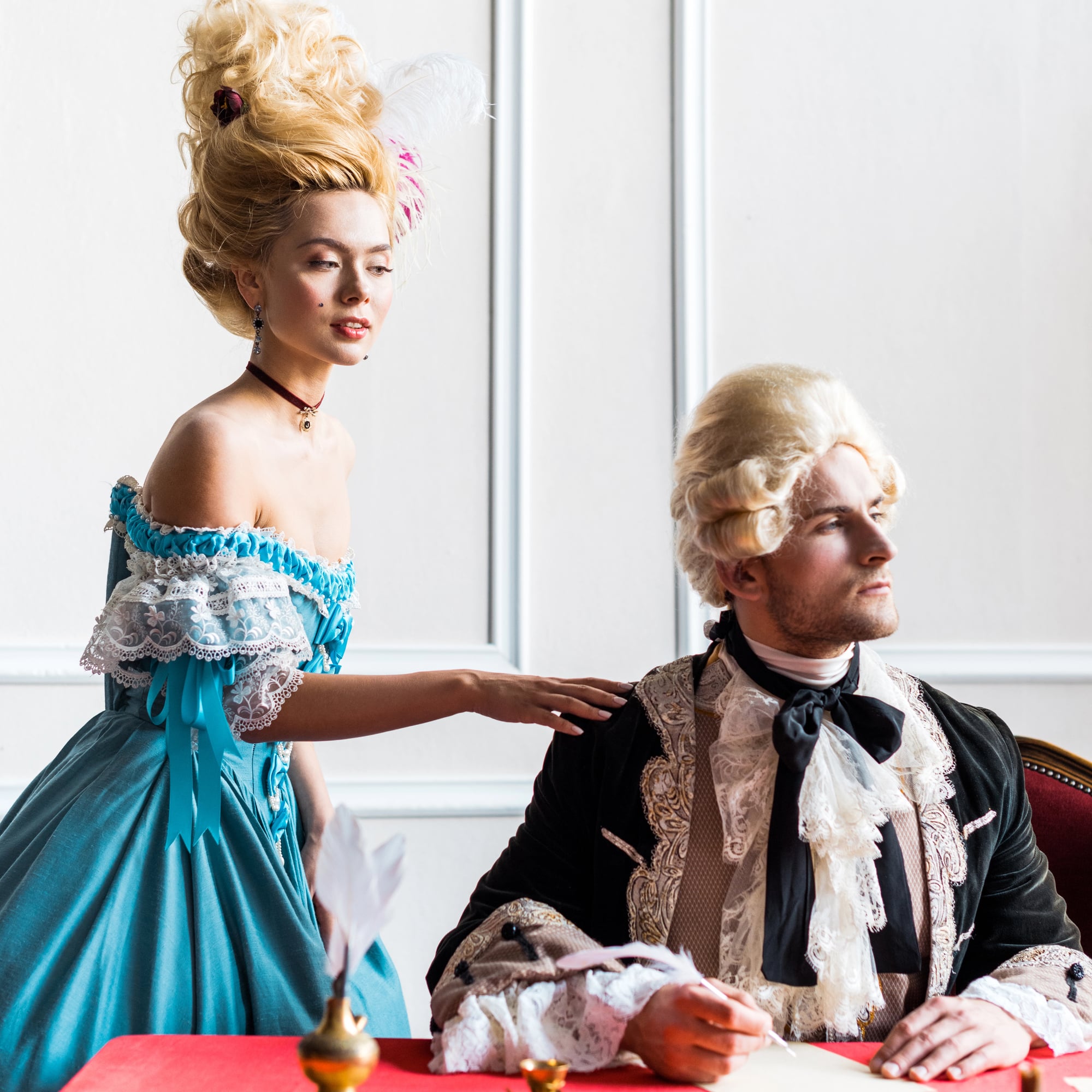
For centuries, monarchs were believed to possess healing powers through ‘the royal touch.’ People with skin diseases would line up hoping for a cure when touched by the sovereign.
Though medical understanding has advanced significantly, certain ceremonial ‘touching’ rituals remain symbolic aspects of coronations and royal ceremonies. Modern medicine offers substantially better outcomes than a royal hand.
Ravens at the Tower
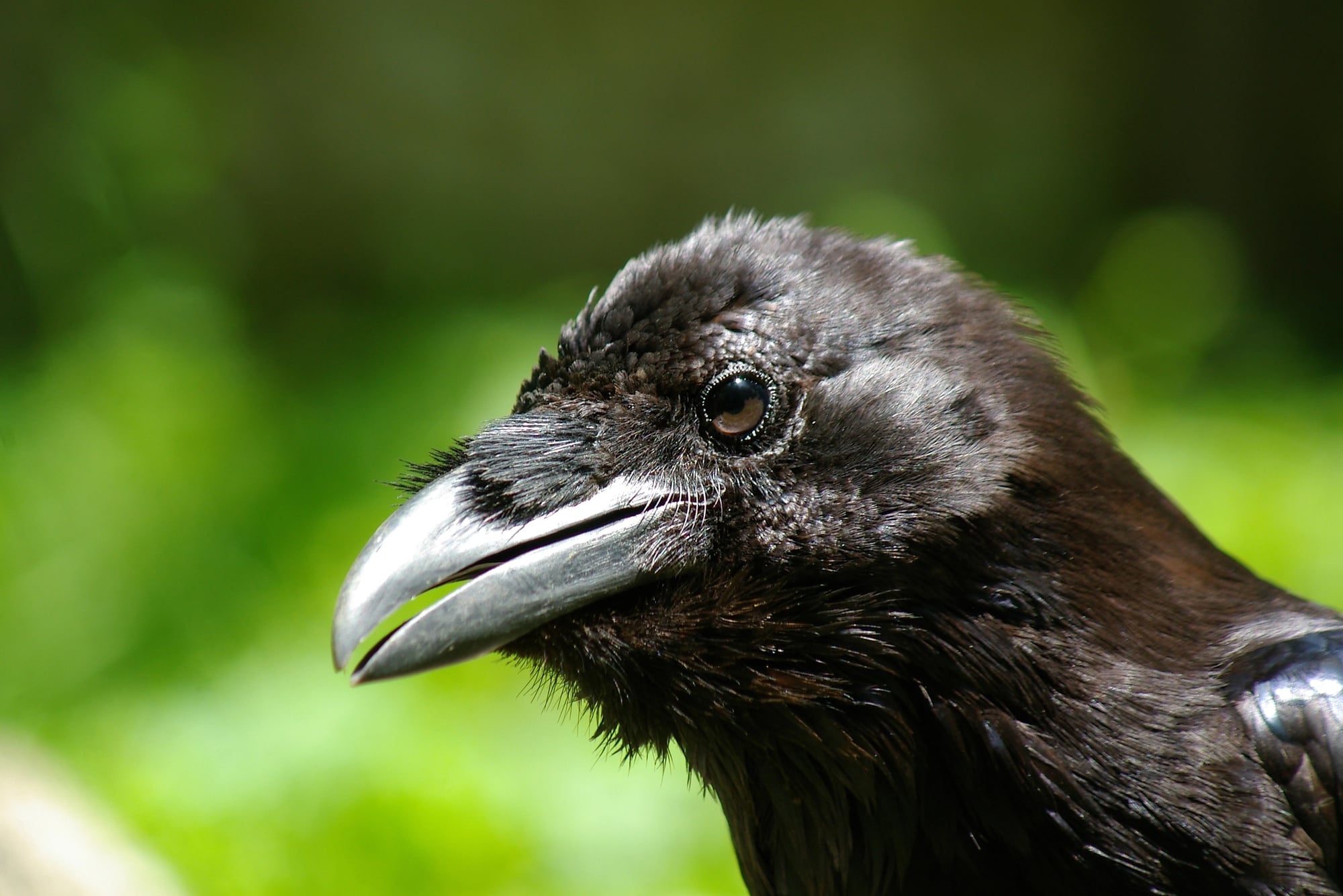
At least six ravens must remain at the Tower of London at all times, or the kingdom will supposedly fall. These birds receive special care from designated Yeoman Warders and even have their wing feathers trimmed to prevent flight.
The ravens enjoy a diet of raw meat and bird biscuits soaked in blood, living better than many humans throughout history. This superstition costs thousands of pounds annually to maintain.
Two Birthday Celebrations
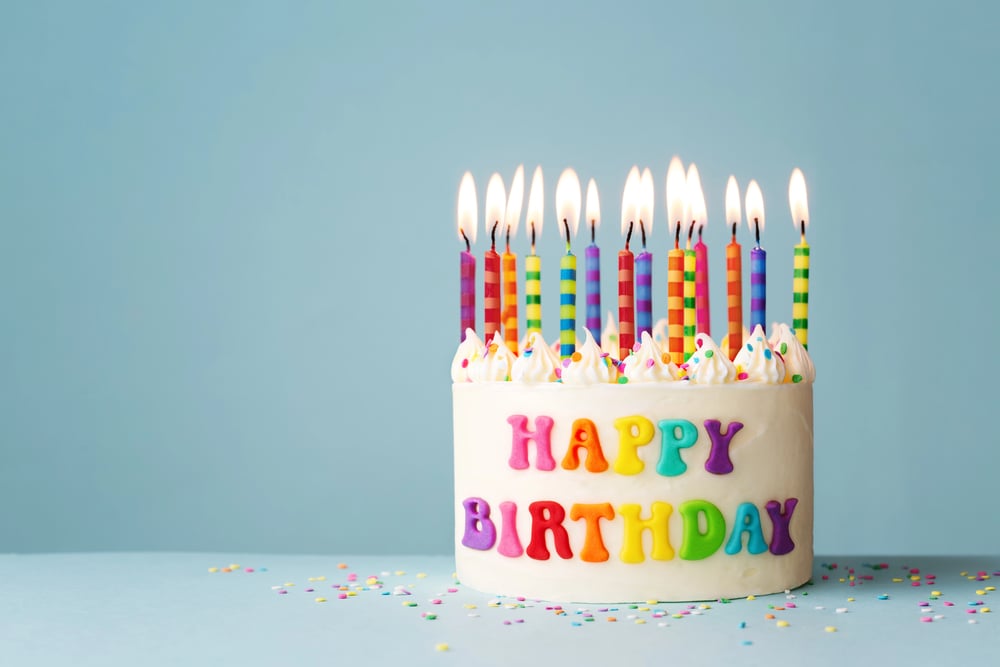
The monarch celebrates two birthdays each year – their actual birth date and an ‘official’ birthday, typically in June. This tradition began with King Edward VII, whose November birthday featured notoriously poor weather for public celebrations.
The practice continues regardless of when the current monarch was born. Essentially, they created perfect weather for celebrations by simply changing the date.
Royal Swan Ownership

All unmarked swans in open waters technically belong to the monarch. Each year, officials conduct ‘swan upping’ on the Thames, counting and checking swans’ health in a ceremonial process.
The ownership claim dates back to the 12th century when swans were considered a luxury food. Today, nobody eats the swans, yet the monarchy maintains this ownership claim over thousands of wild birds.
No Political Voting
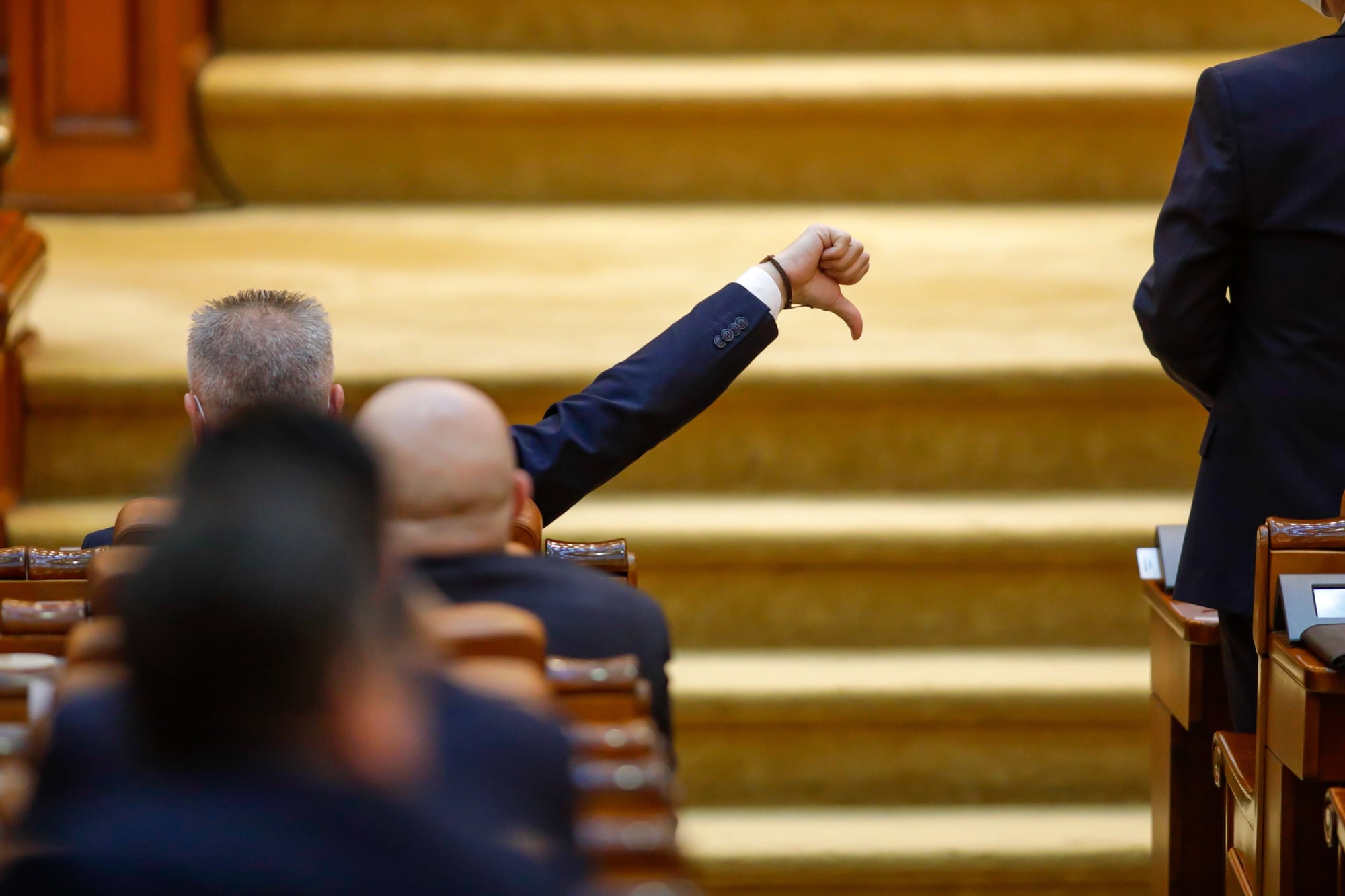
Members of the royal family voluntarily refrain from voting in elections, though no law explicitly forbids it. This self-imposed restriction aims to maintain political neutrality.
The monarchy continues functioning alongside democratic government by avoiding public political participation. The practice creates an unusual situation where some of the most privileged citizens in the country voluntarily surrender a fundamental democratic right.
The Royal Piper
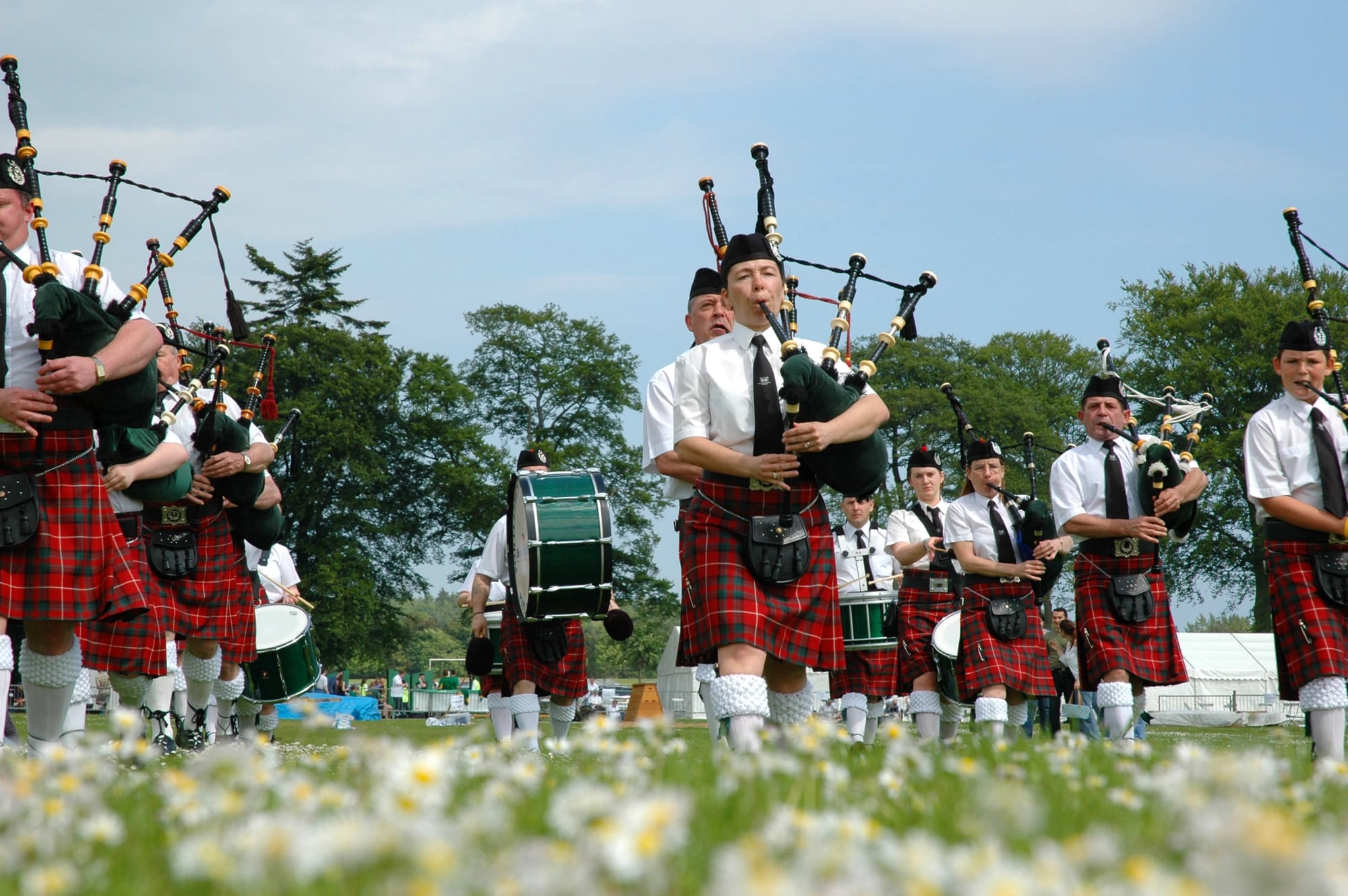
Every morning at 9 AM, a personal bagpiper plays outside the sovereign’s window for 15 minutes. This tradition began in 1843 when Queen Victoria discovered that Irish chieftains employed personal pipers.
The monarch essentially receives a daily alarm clock that would drive most neighbors to complain about noise violations. The position comes with a salary and residence on the palace grounds.
Black Clothing Requirement

Royal family members must pack a black outfit for every trip, ensuring appropriate attire if someone dies during their absence. This rule became prominent after Queen Elizabeth II was abroad when her father died, requiring her to wait on the plane until proper mourning clothes arrived.
The constant preparation for death seems rather morbid, yet remains standard protocol for all royal travels.
Christmas Present Exchange on Christmas Eve

Unlike most British families who exchange gifts on Christmas morning, the royals open presents on Christmas Eve. This tradition follows their German heritage through Queen Victoria’s husband, Prince Albert.
Gifts are reportedly laid out on tables with name cards, exchanged during afternoon tea. The practice actually aligns with many European traditions, making it one of their more internationally relatable customs.
Hostage Taking During Parliament

When the monarch visits Parliament for the State Opening, a Member of Parliament is ceremonially held ‘hostage’ at Buckingham Palace. This ensures the sovereign’s safe return, originating from times when monarchs and Parliament had dangerous power struggles.
The ‘hostage’ enjoys hospitality while essentially serving as a human insurance policy. This ceremonial kidnapping continues despite centuries of a stable constitutional monarchy.
No Monopoly Allowed
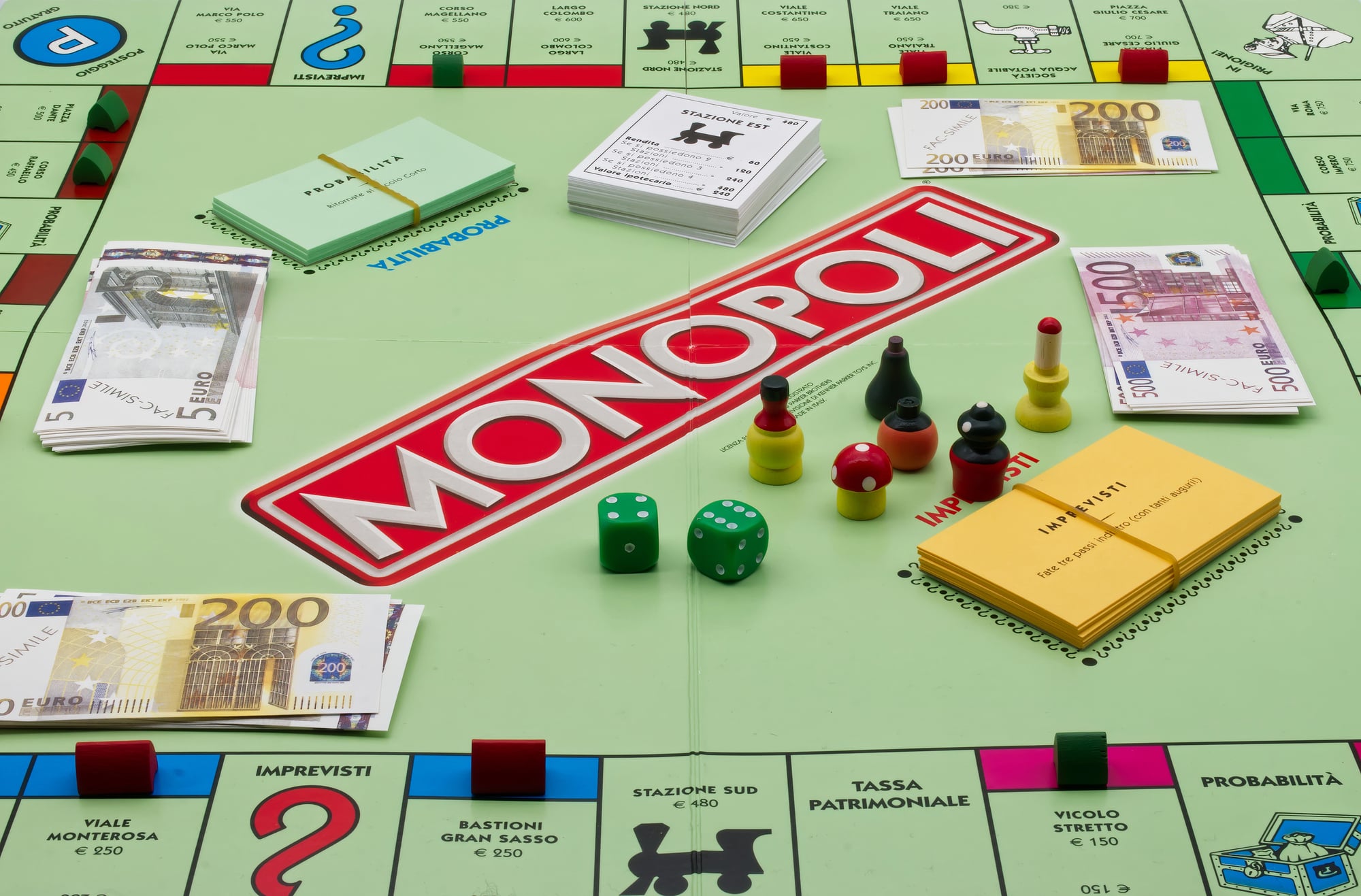
The royal family reportedly banned the board game Monopoly from their gatherings because games became ‘too vicious.’ Prince Andrew once revealed this unusual restriction during a public engagement.
The competitive property-trading game apparently caused too much family discord to be permitted at royal residences. Imagine being wealthy enough to own actual properties but forbidden from owning Boardwalk or Park Place.
Royal Myrtle Bouquets

Every royal bride since Queen Victoria’s daughter carries a sprig of myrtle in her bouquet. This tradition uses cuttings grown from Victoria’s own wedding bouquet, cultivated at Osborne House for over 170 years.
The same plant provides foliage for each generation of royal brides. Wedding florists must coordinate with gardeners at the royal estate rather than simply visiting a local flower shop.
Heritage of Tradition
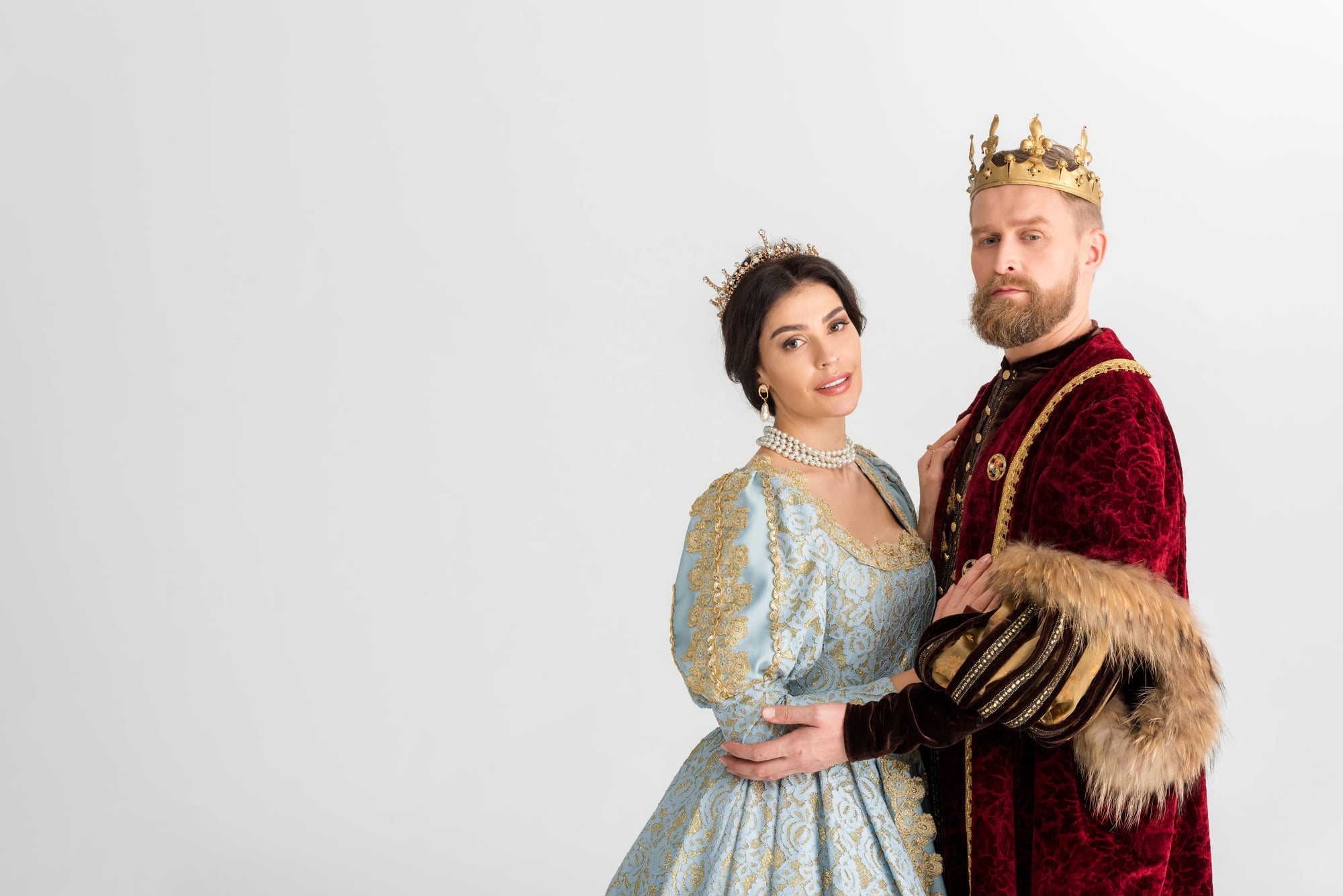
These royal traditions, while occasionally impractical, represent living connections to centuries of British history. The monarchy adapts some practices while preserving others as cultural touchstones that distinguish the institution from political offices.
The balance between tradition and modernity continues evolving with each generation of royals. The persistence of these customs demonstrates how institutions sometimes value continuity over convenience, creating a distinctive identity through shared practices that outsiders find puzzling.
Perhaps there’s something refreshingly stubborn about maintaining traditions that defy modern logic – a reminder that not everything needs practical justification to hold meaning.
More from Go2Tutors!

- The Romanov Crown Jewels and Their Tragic Fate
- 13 Historical Mysteries That Science Still Can’t Solve
- Famous Hoaxes That Fooled the World for Years
- 15 Child Stars with Tragic Adult Lives
- 16 Famous Jewelry Pieces in History
Like Go2Tutors’s content? Follow us on MSN.