13 Coldest Inhabited Places on Earth
While most humans naturally gravitate toward temperate climates, some communities thrive in regions where winter doesn’t just visit – it dominates. These extreme environments challenge conventional notions of habitability, yet generation after generation continues to call these frigid landscapes home. From Siberian outposts to high-altitude villages, these settlements represent extraordinary adaptations to conditions most would find unbearable.
Here’s a look at 13 of the planet’s most breathtakingly cold inhabited places.
Oymyakon, Russia

Widely recognized as the coldest permanently inhabited settlement on Earth, this Siberian village has recorded temperatures bottoming out at -96°F. Just 500 hardy souls live in this remote outpost – their cars perpetually running during winter months to prevent engines from freezing solid.
Local schools close only when temperatures drop below -61°F, though children often skip outdoor recess when it’s merely -40°F outside. The ground remains permanently frozen, requiring graves to be cut with jackhammers when rare burials become necessary.
Yakutsk, Russia

Unlike tiny Oymyakon, Yakutsk supports an astonishing 282,000 residents despite winter temperatures regularly plunging below -40°F. The world’s coldest major city stands on permafrost so deep and solid that most buildings rest on stilts driven into the frozen ground.
Daily life adapts remarkably – from specialized triple-pane windows to underground utility tunnels that can’t be buried directly in soil. Locals navigate the five-month winter wearing fur hats with earflaps, traditional reindeer-hide boots, and multiple layers designed for temperatures that can freeze exposed skin within minutes.
Verkhoyansk, Russia

This remote town of 1,400 shares the distinction with Oymyakon as one of Earth’s coldest settlements, having recorded -93.6°F during the depth of winter. Sitting north of the Arctic Circle, Verkhoyansk experiences temperature swings that defy belief – from winter’s extreme cold to summer highs occasionally reaching 99°F.
The town serves as a testament to human adaptability, with specially insulated homes featuring unusually small windows and thick walls. Local architecture prioritizes heat retention above all else, creating distinctive building styles found nowhere else.
Norilsk, Russia
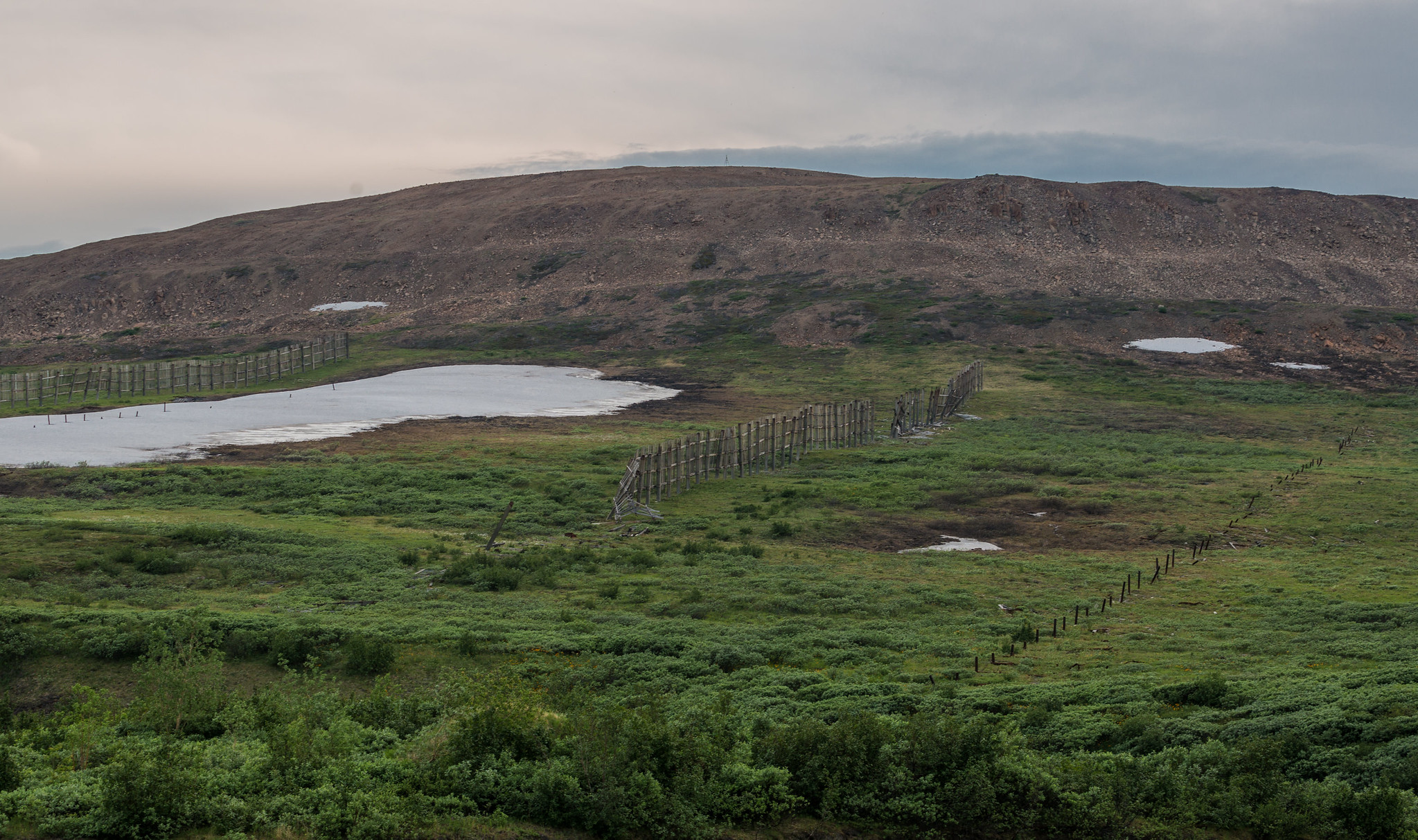
The world’s northernmost city with more than 100,000 residents wasn’t established by choice but necessity – built around rich nickel deposits discovered in the 1920s. Winter temperatures averaging -22°F combine with industrial pollution to create particularly harsh living conditions.
The city remains closed to non-Russians without special permits, and despite modernization efforts, residents endure two months of polar night each winter. Buildings painted in distinctive bright colors help combat winter’s psychological effects – providing visual stimulation during the darkest months.
Barrow, Alaska

Now officially called Utqiagvik, America’s northernmost settlement endures average winter temperatures around -20°F coupled with biting Arctic winds. The predominantly Iñupiat community of 4,500 maintains traditional subsistence practices alongside modern amenities, though everything comes at steep prices – milk costs $10 per gallon when available.
The sun disappears completely for 65 days during winter, creating psychological challenges alongside physical ones. Local adaptations include homes built on stilts above permafrost and simplified exteriors that minimize wind resistance.
Fraser, Colorado

Unlike most entries on this list, Fraser isn’t located in Arctic or subarctic regions but instead sits at 8,574 feet in the Rocky Mountains. The town earned its ‘Icebox of the Nation’ nickname through consistently frigid temperatures – winter readings regularly drop below -30°F.
What makes Fraser unique is how this cold affects a community integrated with modern American life rather than isolated from it. Locals develop specialized knowledge about winter driving, home insulation techniques, and cold-weather recreation that transforms limitations into opportunities.
Snag, Yukon Territory

This tiny Canadian outpost holds the North American cold temperature record at a staggering -81°F recorded in 1947. While technically uninhabited today except for a small weather station, nearby communities including Beaver Creek maintain year-round populations despite similar conditions.
These settlements represent the outer edge of habitable Canada – places where diesel fuel gels without additives and boiling water thrown into the air freezes before hitting the ground. Vehicles require block heaters, and homes feature specialized ventilation systems to prevent moisture buildup inside super-insulated walls.
Harbin, China
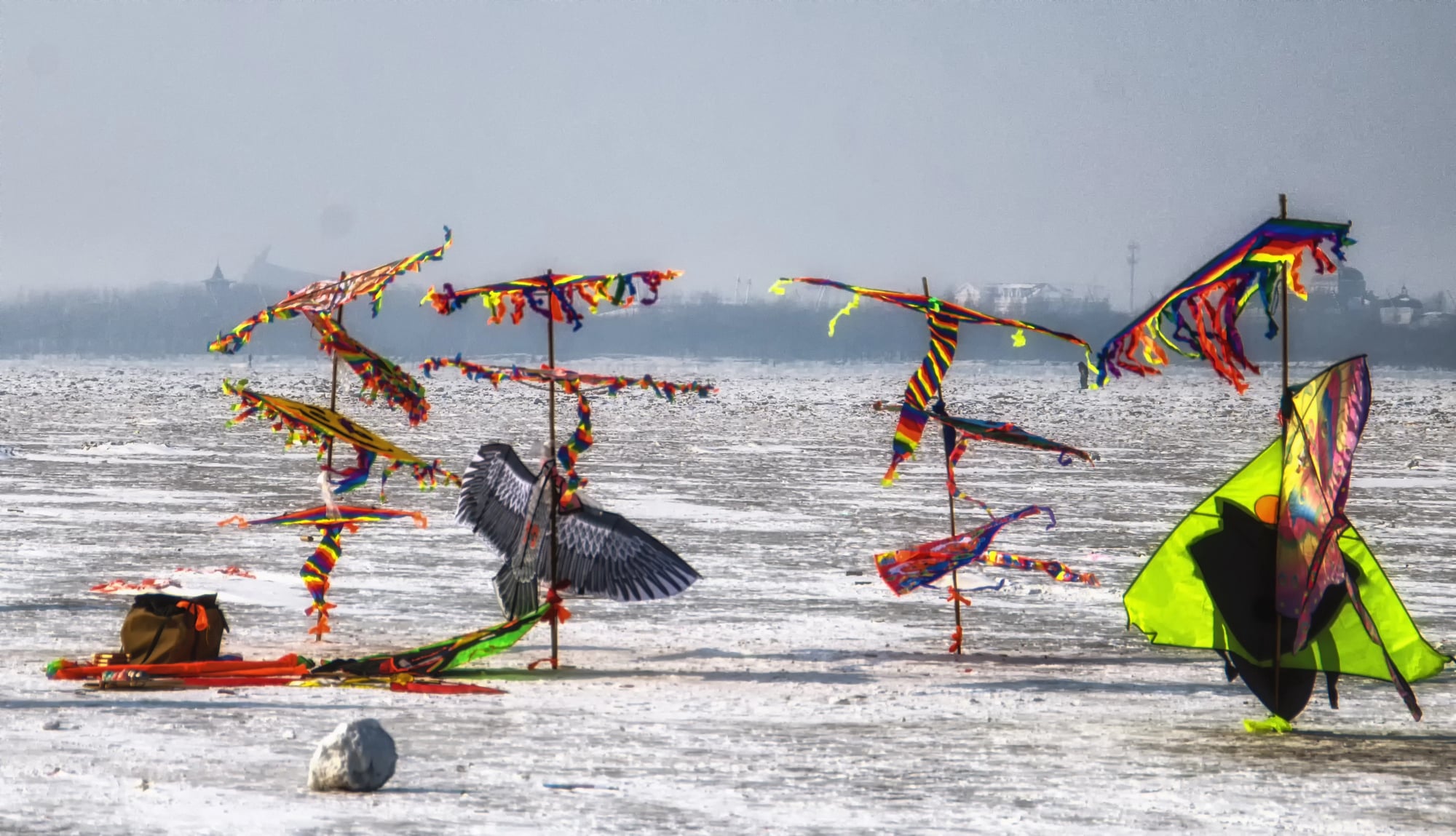
Known as ‘Ice City,’ Harbin represents a different approach to extreme cold – embracing it as a cultural identity rather than merely enduring it. This metropolis of 10 million residents experiences average January temperatures around -8°F, though extremes dip much lower.
The city hosts the world’s largest ice festival each winter, transforming frozen river water into elaborate sculptures and entire buildings constructed from ice blocks. Russian architectural influences remain visible in onion-domed churches – a legacy of early development when Russian engineers brought cold-appropriate building techniques.
International Falls, Minnesota

Competing with Fraser for the ‘Icebox of the Nation’ title, this small American town along the Canadian border records more days below 0°F than virtually anywhere else in the continental United States. Winter temperatures averaging 7°F don’t tell the complete story – extreme cold snaps regularly plunge temperatures below -30°F, sometimes for weeks at a stretch.
The town has developed specialized infrastructure, including systems that pump warm water into Rainy Lake to prevent complete freezing around vital docks. January brings an average of only 15 hours of weak sunshine across the entire month.
Ulaanbaatar, Mongolia
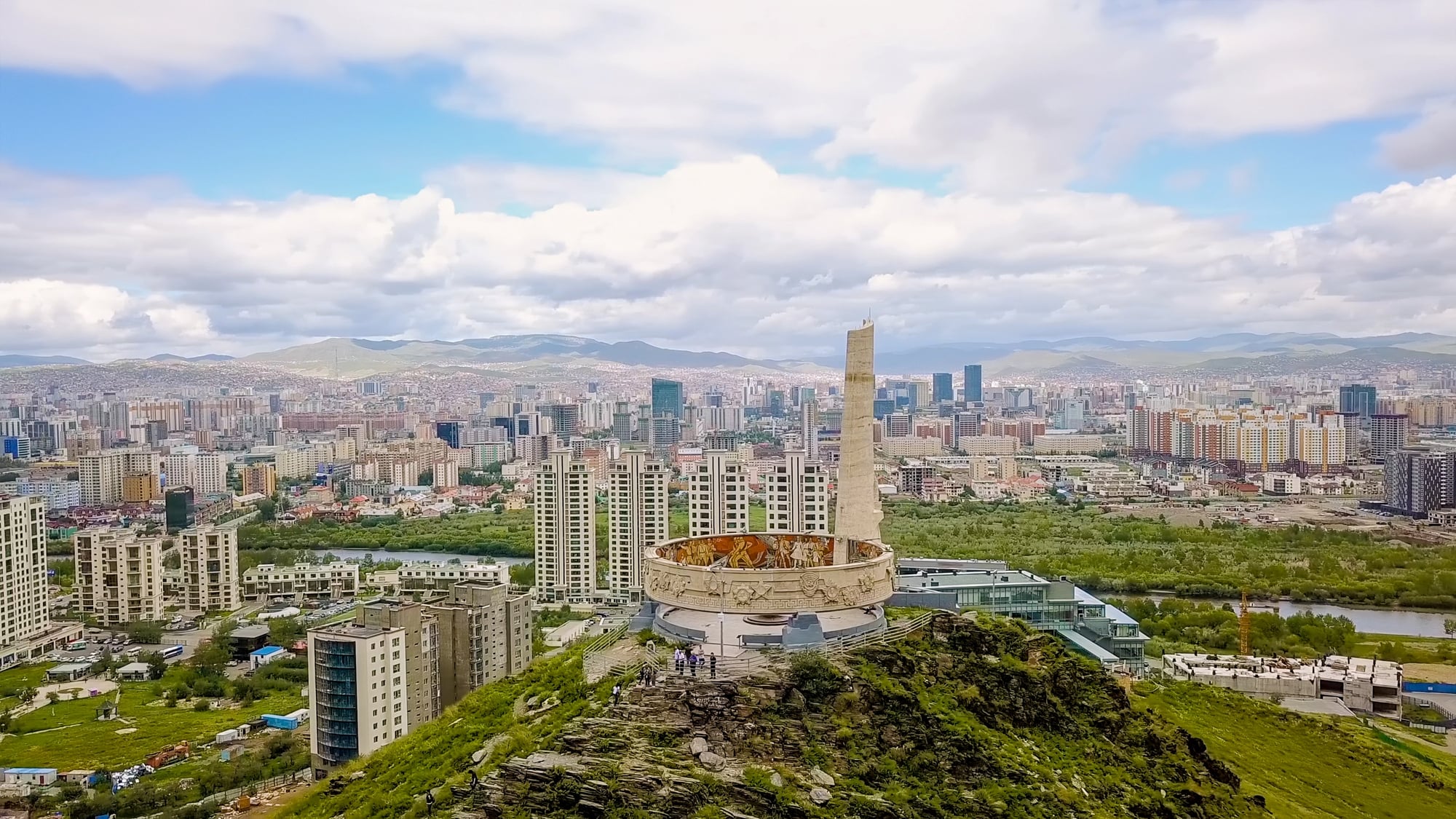
Mongolia’s capital and largest city holds the distinction of being Earth’s coldest national capital. Average January temperatures hover around -10°F, though extremes drop far lower.
What makes Ulaanbaatar unique is how traditional and modern housing solutions coexist – Soviet-era apartment blocks with centralized heating alongside traditional ger (yurt) districts where families burn coal for warmth. The city sits in a valley that traps cold air and pollution, creating some of the world’s worst winter air quality alongside the biting cold.
Despite these challenges, 1.5 million people – half of Mongolia’s entire population – call this frigid city home.
Dudinka, Russia

Located where the Yenisei River meets the Arctic Ocean, this port town of 22,000 provides vital shipping access for Siberian resources despite winter temperatures averaging -22°F. The city operates unique infrastructure to accommodate shipping in these extremes – the port must be artificially thawed each spring using steam and hot water to free ice-bound vessels.
Apartment buildings feature extremely thick walls and specialized central heating capable of warming rooms even when exterior temperatures drop below -40°F. The city’s electrical grid includes redundancies to prevent catastrophic failures during winter storms.
Yellowknife, Canada

The capital of Canada’s Northwest Territories experiences average January temperatures around -18°F, though extremes frequently drop below -40°F. Unlike some entries on this list, Yellowknife represents a fully modern city thriving despite extreme cold – home to 20,000 residents, government offices, and diamond mining operations.
The city has developed distinctive building techniques including spray-foam insulated walls, triple-glazed windows, and specialized cold-weather heat pumps. Winter transportation relies on ice roads crossing frozen lakes – temporary highways that support heavy trucks but literally melt away each spring.
Novy Urengoy, Russia

This Siberian gas production center houses 115,000 residents despite average January temperatures of -18°F and extremes far lower. The city exists solely to support Russia’s largest natural gas field, creating the strange paradox of extracting heating fuel in a place desperately needing it.
Buildings rise on stilts above permafrost, with enclosed walkways connecting many structures to minimize outdoor exposure. The city’s economy revolves entirely around natural gas extraction – providing heating fuel for millions while engineers develop specialized equipment functioning reliably at temperatures where standard machinery fails.
Life Beyond the Freeze
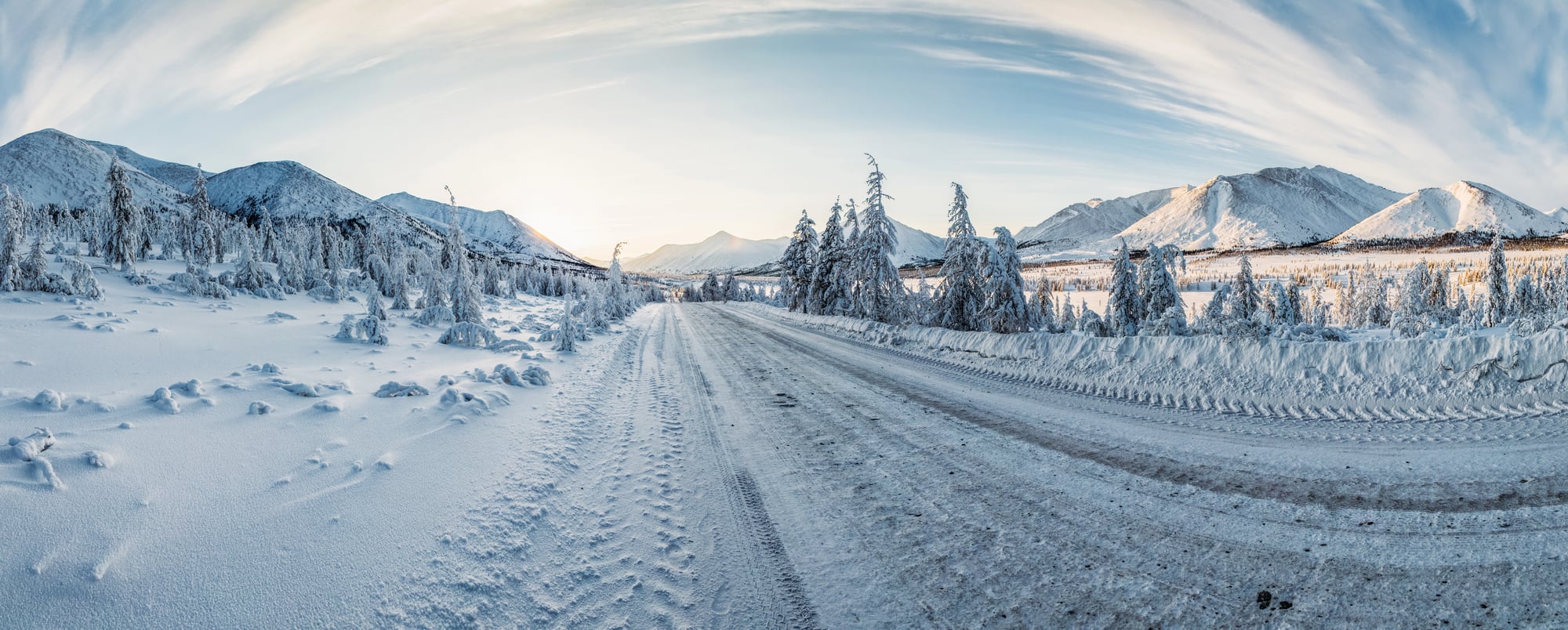
These remarkable communities demonstrate not just survival but adaptation at its finest. Where conventional wisdom might suggest uninhabitability, human ingenuity has created specialized technologies, architectural solutions, and cultural practices enabling life in the planet’s coldest corners.
The residents of these extreme locations don’t merely endure their environments – they’ve developed deep expertise about cold-weather living increasingly valuable in an era of climate unpredictability. Perhaps most significantly, these communities preserve distinctive cultural identities shaped by their unique relationship with cold, offering alternative perspectives on what “normal” human environments can be.
More from Go2Tutors!

- The Romanov Crown Jewels and Their Tragic Fate
- 13 Historical Mysteries That Science Still Can’t Solve
- Famous Hoaxes That Fooled the World for Years
- 15 Child Stars with Tragic Adult Lives
- 16 Famous Jewelry Pieces in History
Like Go2Tutors’s content? Follow us on MSN.



