15 Countries With a Population Of Under 1 Million
In a world where the biggest countries have populations measured in hundreds of millions, it’s easy to overlook the lesser-known countries. However, there are countries that operate on a completely different scale, where the entire population would fit comfortably in one of the larger cities.
These countries operate at a different pace, driven by their unique geography, history, and close sense of national identity.
Having a small population does not mean having a small story. In some cases, these countries have a huge cultural impact, unique politics, and landscapes that seem untouched by time.
The scale of these countries gives them a unique national experience, one that feels intimate and, in some cases, connected.
Here’s a closer look at 15 countries with a population under 1 million and what makes each of them unique.
Iceland

Iceland’s population sits at just under 400,000 people, spread across a land shaped by volcanoes, glaciers, and vast open spaces. Despite its size, the country has built a strong global reputation for innovation, renewable energy, and a high standard of living.
The small population contributes to a sense of familiarity, where communities are tightly connected and social trust runs high. Even so, Iceland maintains a modern, outward-looking identity, balancing isolation with global engagement.
Malta
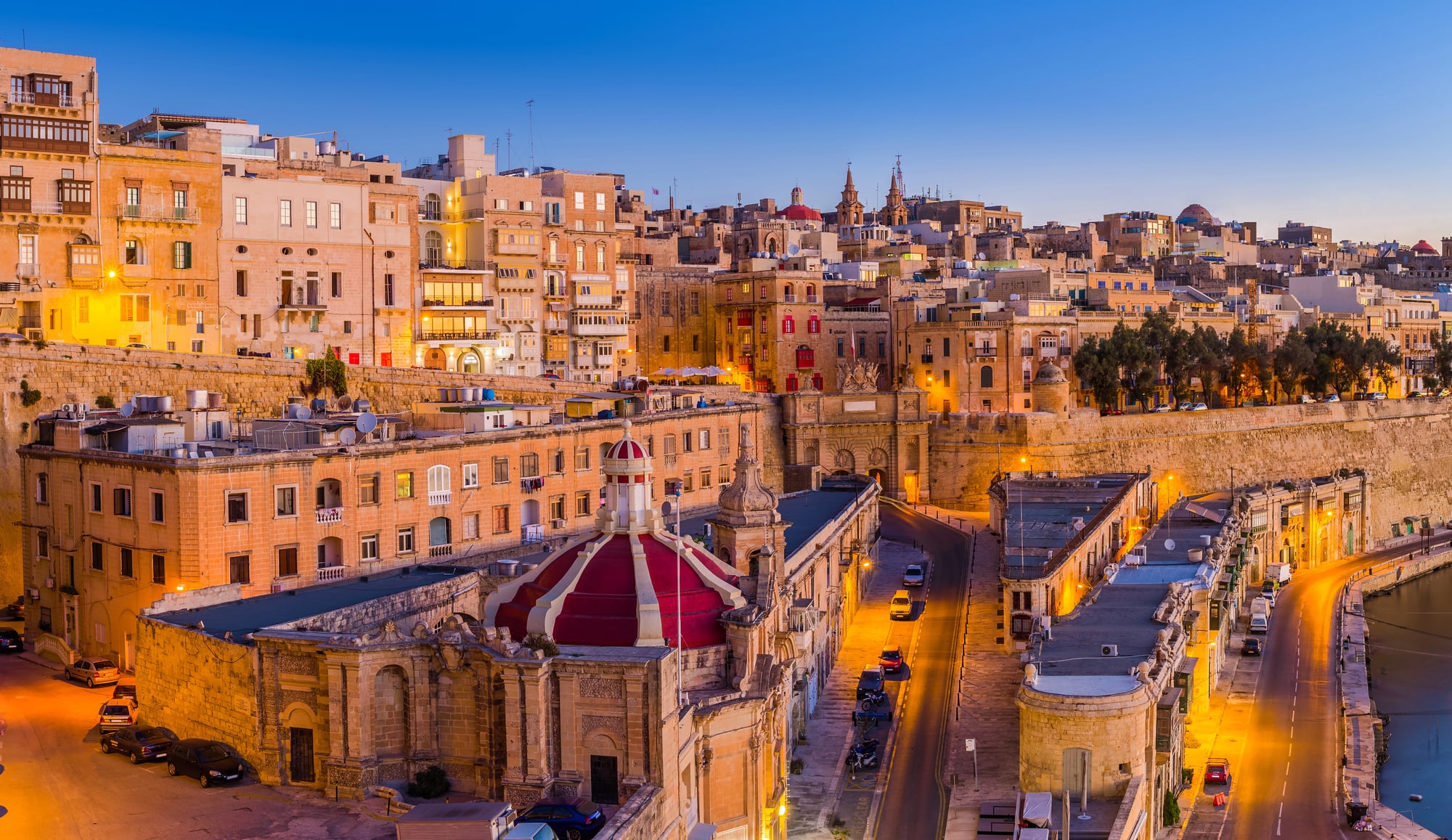
Malta, located in the Mediterranean Sea, has a population of around 500,000. Its history stretches back thousands of years, influenced by Phoenicians, Romans, and the British, among others.
That layered past shows up in everything from architecture to language. With limited land and a dense population, Malta feels lively and compact, where history and daily life blend seamlessly.
Brunei
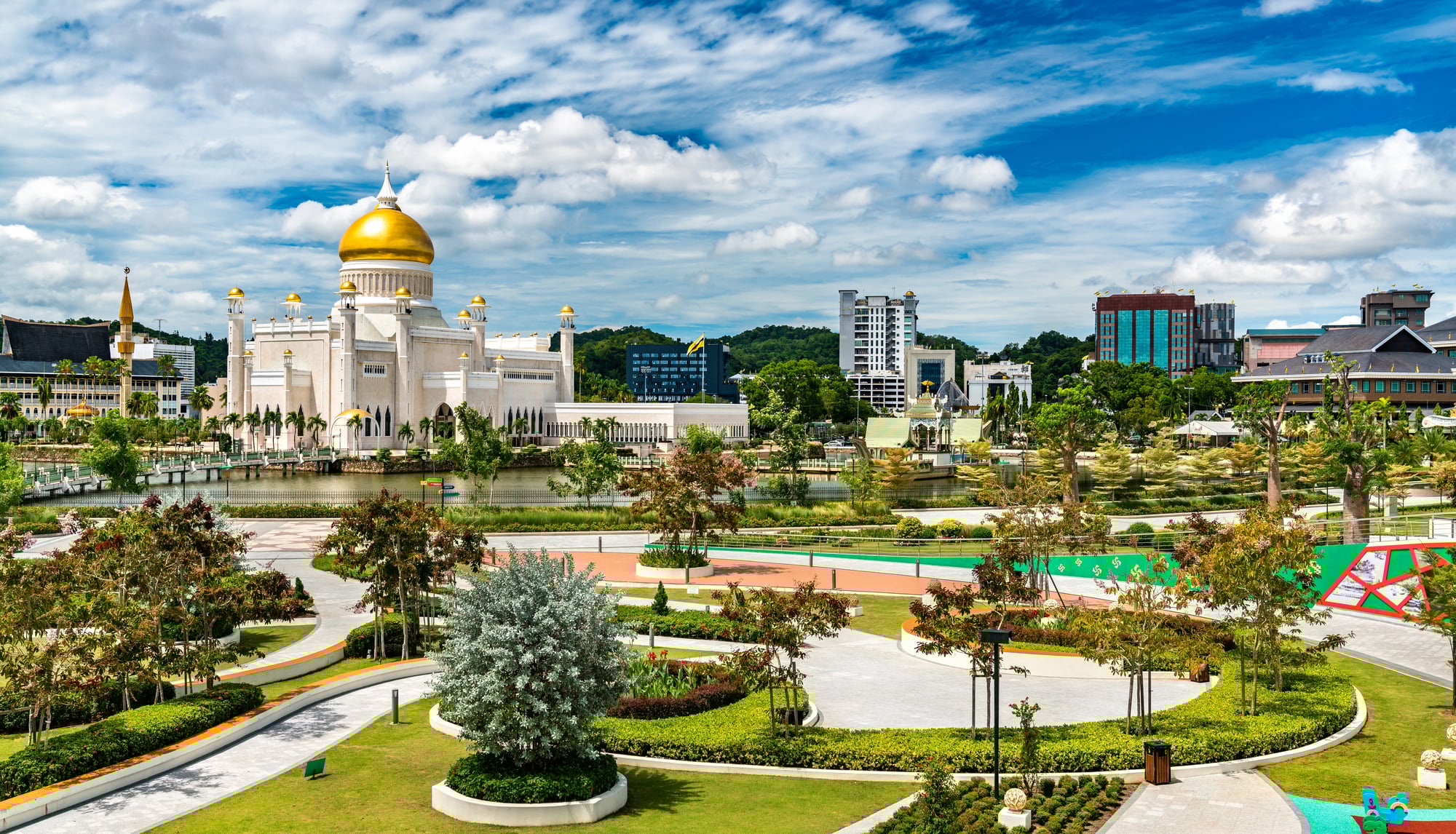
Brunei, on the island of Borneo, has a population of roughly 450,000. Known for its oil wealth, the country has one of the highest standards of living in Southeast Asia.
Its small population allows for generous public services, including healthcare and education. At the same time, Brunei maintains strong cultural traditions, creating a balance between prosperity and heritage.
Bahamas
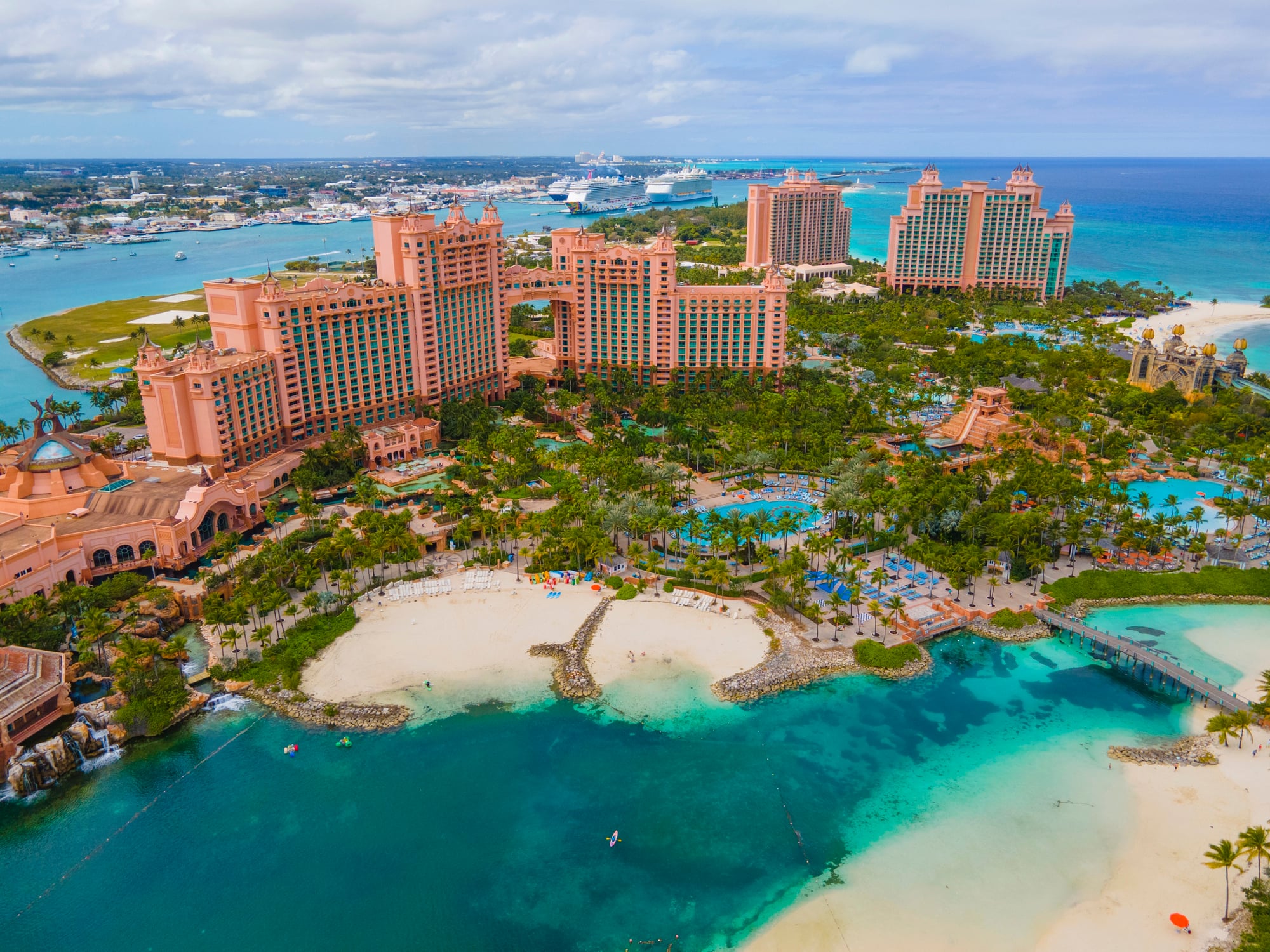
The Bahamas is home to just under 400,000 people, spread across hundreds of islands in the Atlantic Ocean. Tourism plays a central role in the economy, drawing visitors with clear waters and white-sand beaches.
Life in the Bahamas often revolves around the sea, shaping both culture and daily routines. While the population is relatively small, the country maintains a strong global presence as a travel destination.
Luxembourg
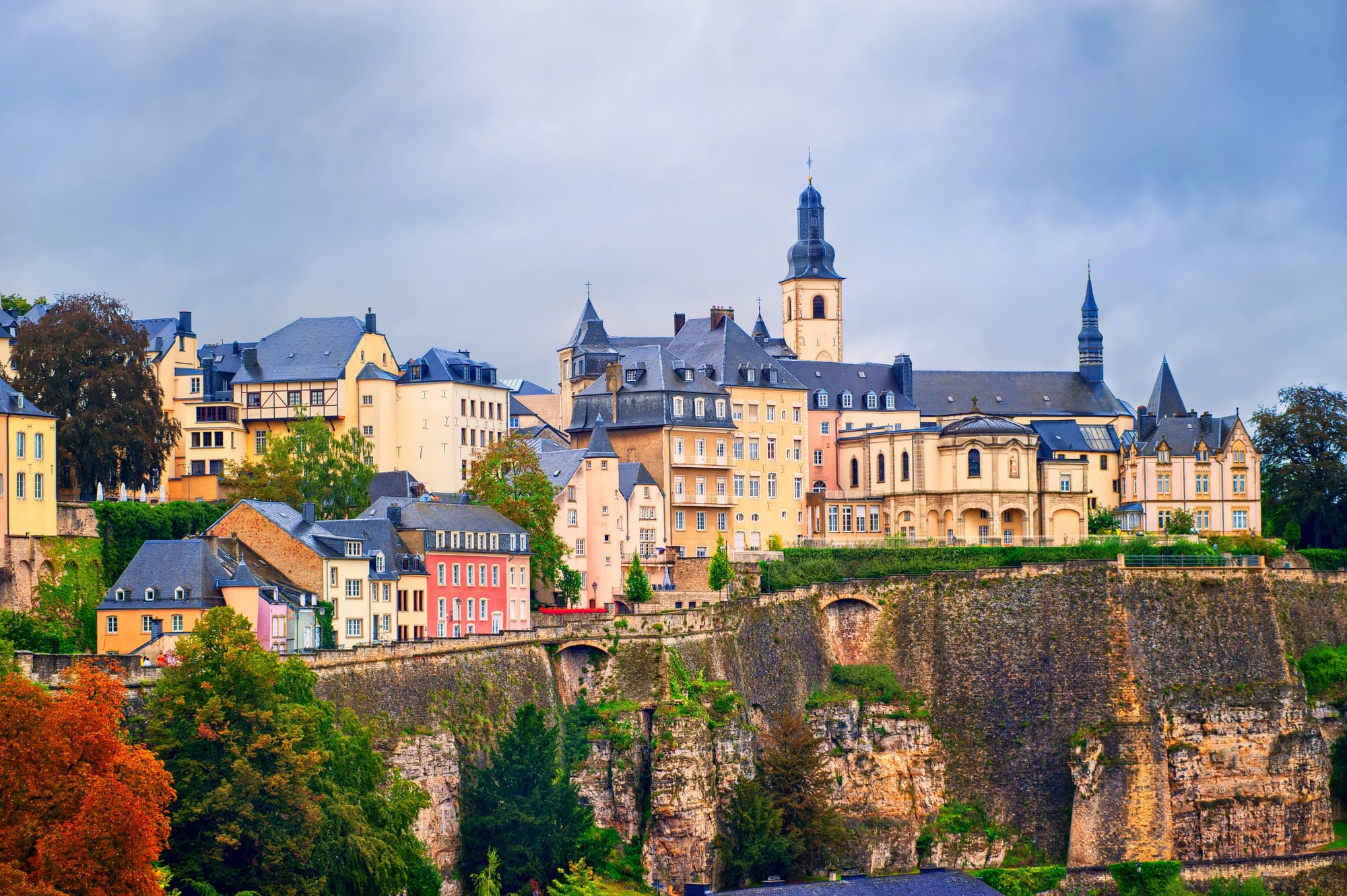
Luxembourg, with a population of about 650,000, is one of Europe’s smallest countries but one of its most influential financial centers. Its location between France, Germany, and Belgium has shaped its multilingual and multicultural identity.
Despite its size, Luxembourg plays a significant role in international finance and European politics. Its compact scale allows for efficient infrastructure and a high quality of life.
Montenegro

Montenegro has a population of just over 600,000 people and sits along the Adriatic coast in Southeast Europe. Its dramatic landscapes include mountains, medieval towns, and a striking coastline.
The country’s small size makes it easy to travel across, with diverse scenery packed into relatively short distances. Montenegro continues to grow as a tourist destination while maintaining a strong sense of local culture.
Suriname
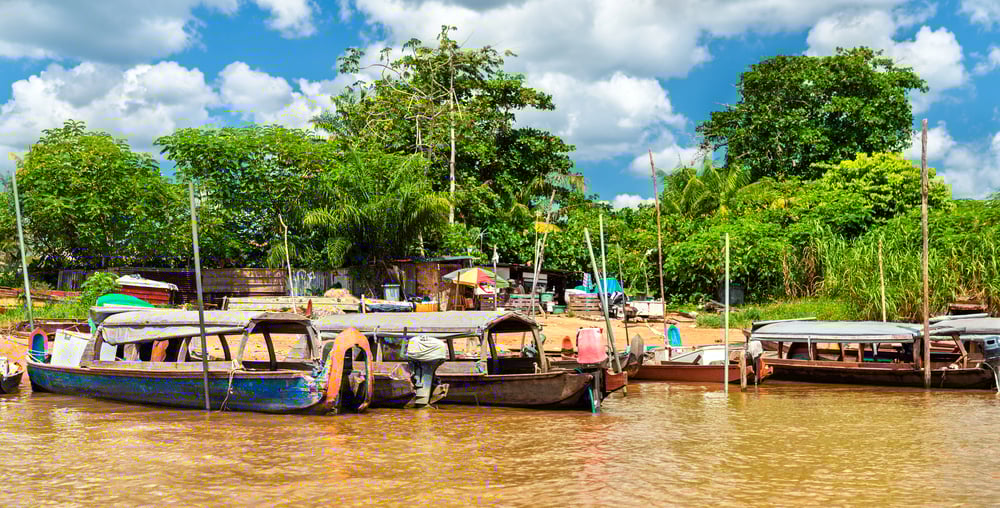
Suriname, located on the northeastern coast of South America, has a population of around 600,000. It stands out for its cultural diversity, shaped by Indigenous, African, Indian, Indonesian, and European influences.
This blend is reflected in its languages, cuisine, and traditions. Despite its small population, Suriname has a rich cultural fabric that feels far larger than its size suggests.
Cabo Verde
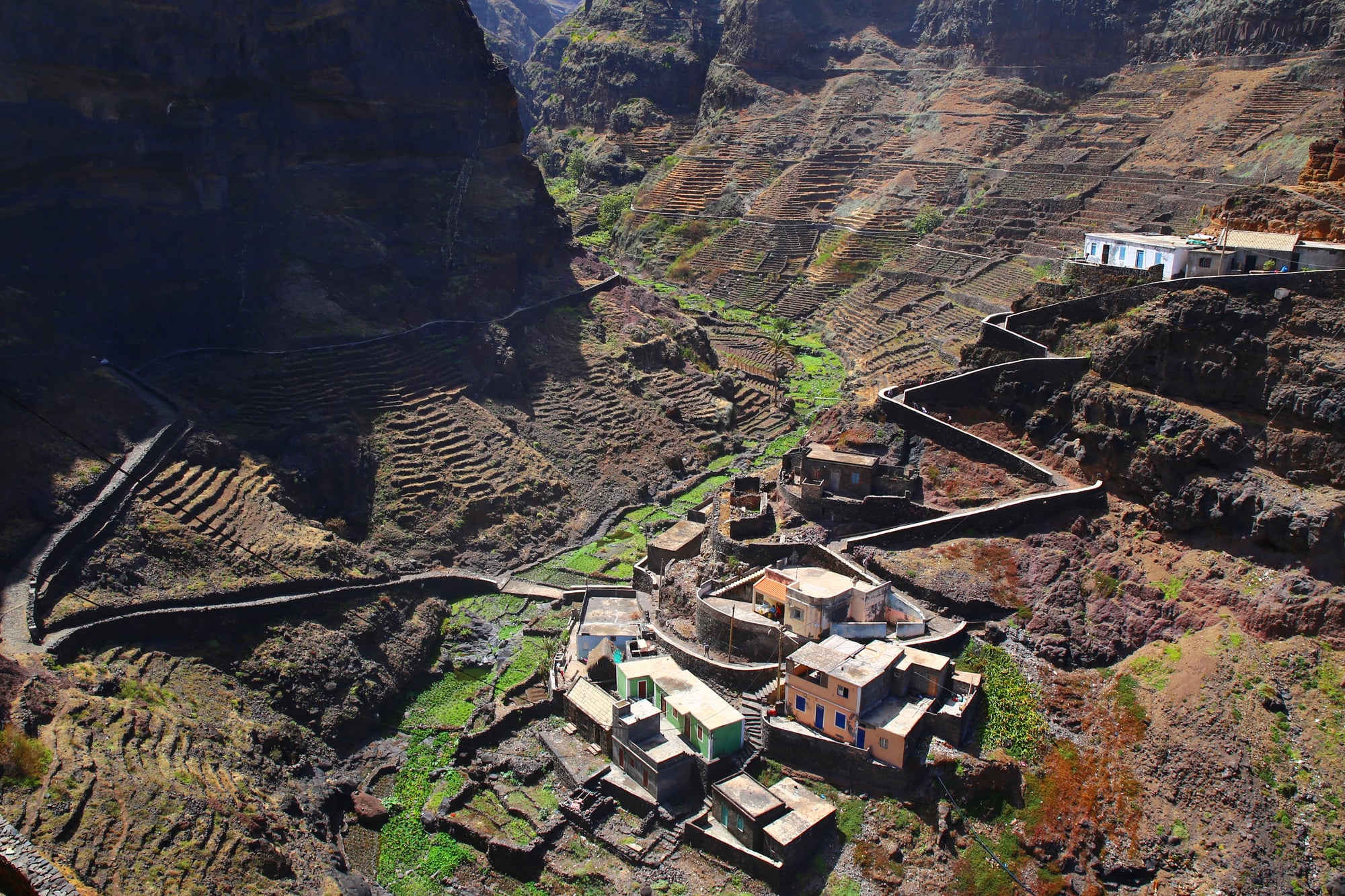
Cabo Verde, an island nation off the west coast of Africa, has a population of roughly 550,000. Its volcanic islands rise sharply from the Atlantic, creating dramatic landscapes.
The country’s culture is deeply tied to music and migration, with a large diaspora influencing life both at home and abroad. That connection gives Cabo Verde a global presence beyond its population size.
Guyana
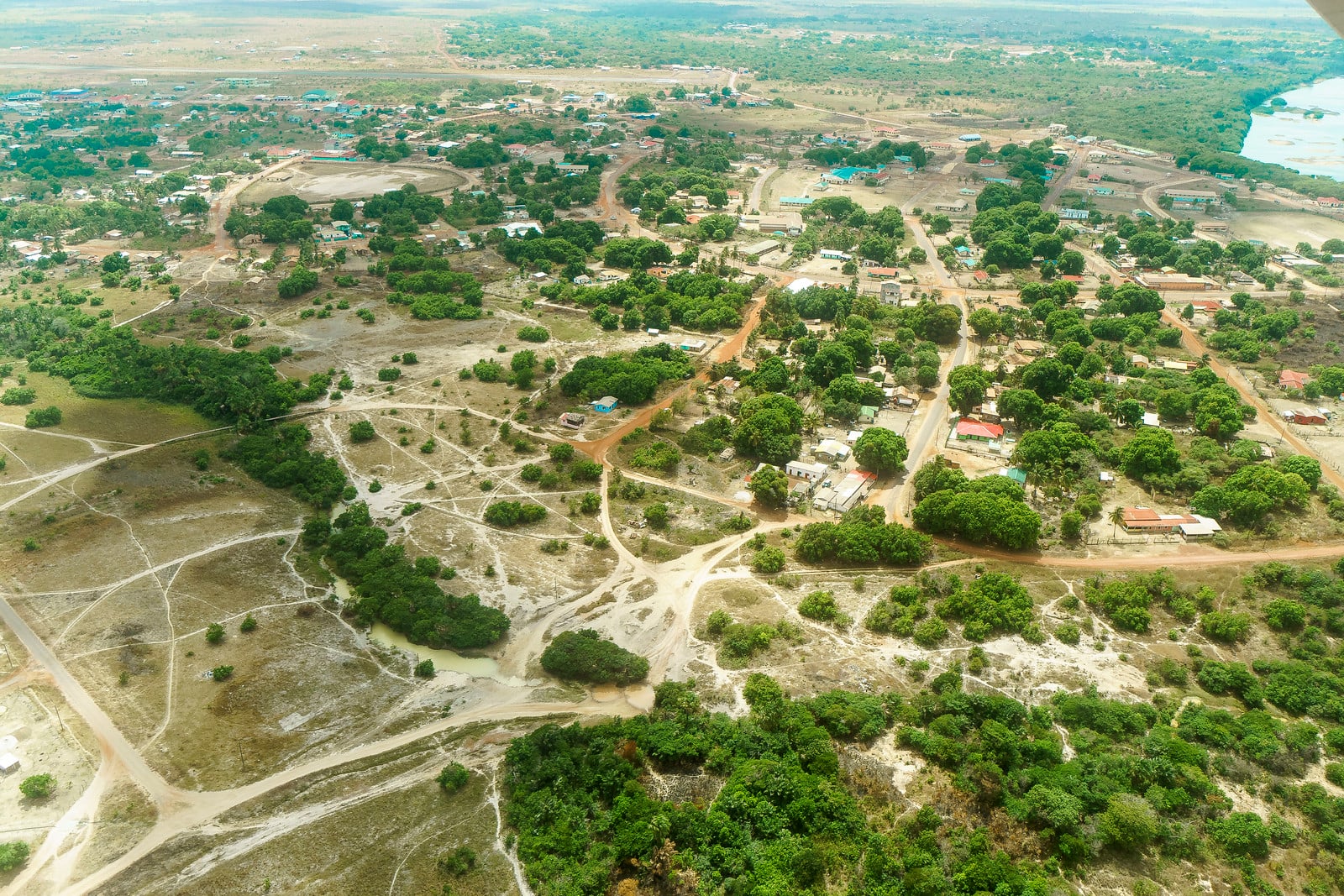
Guyana, with a population of just under 800,000, is located on the northern coast of South America. It is known for its dense rainforests and rich biodiversity.
The country’s cultural makeup reflects a mix of Indigenous heritage and influences from Africa, India, and Europe. Its relatively small population is spread across a large area, giving parts of the country a remote, untouched feel.
Bhutan
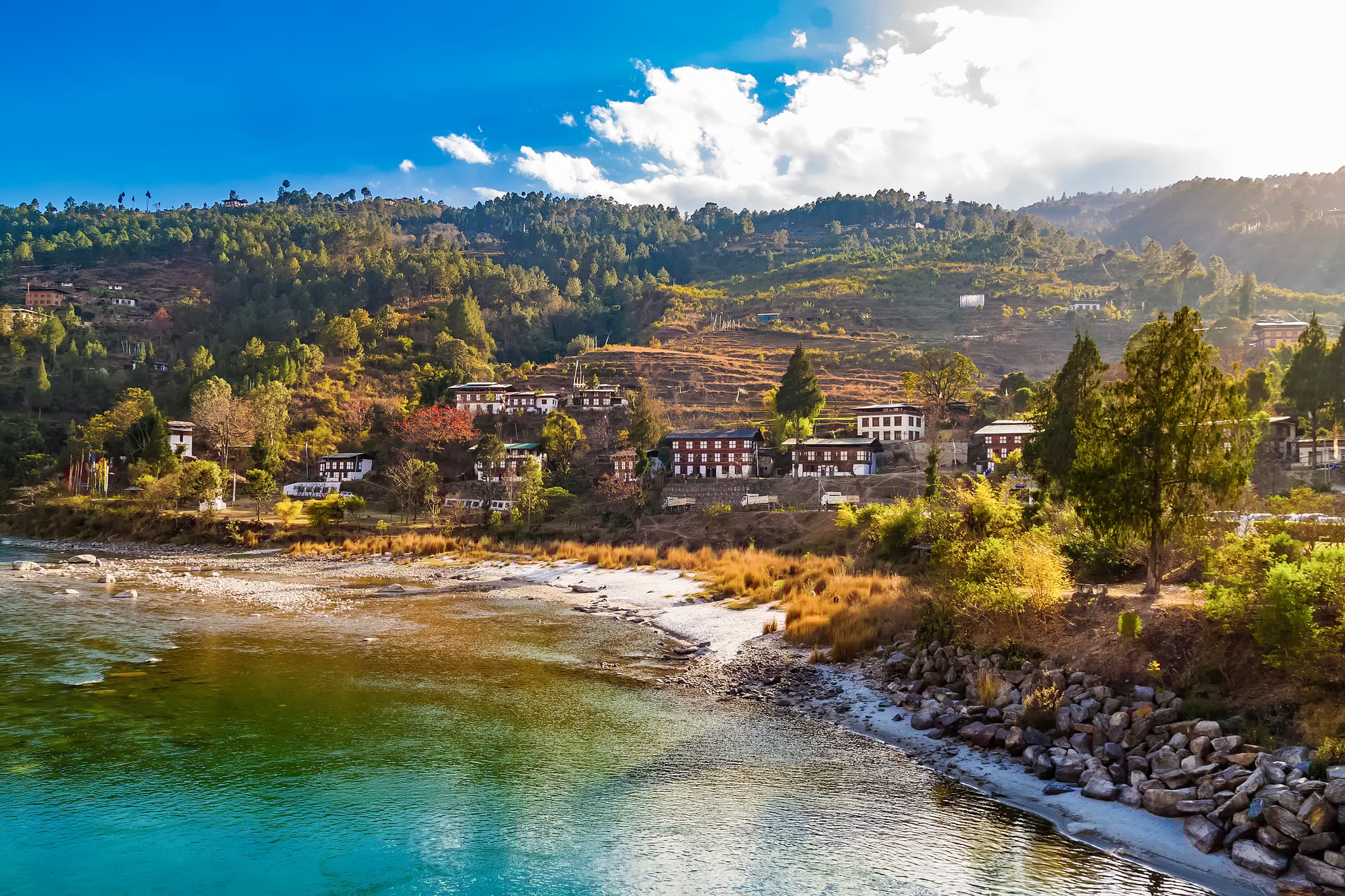
Bhutan has a population of around 800,000 and is nestled in the Himalayas. It is widely known for prioritizing Gross National Happiness over traditional economic measures.
The country’s approach to development emphasizes cultural preservation and environmental sustainability. Its small population supports a sense of shared values and national cohesion.
Fiji

Fiji’s population is just under 1 million, spread across more than 300 islands in the South Pacific. The country is known for its natural beauty and strong communal culture.
Life in Fiji often centers around family and village connections. Even as tourism plays a major role in the economy, traditional customs remain deeply rooted.
Cyprus
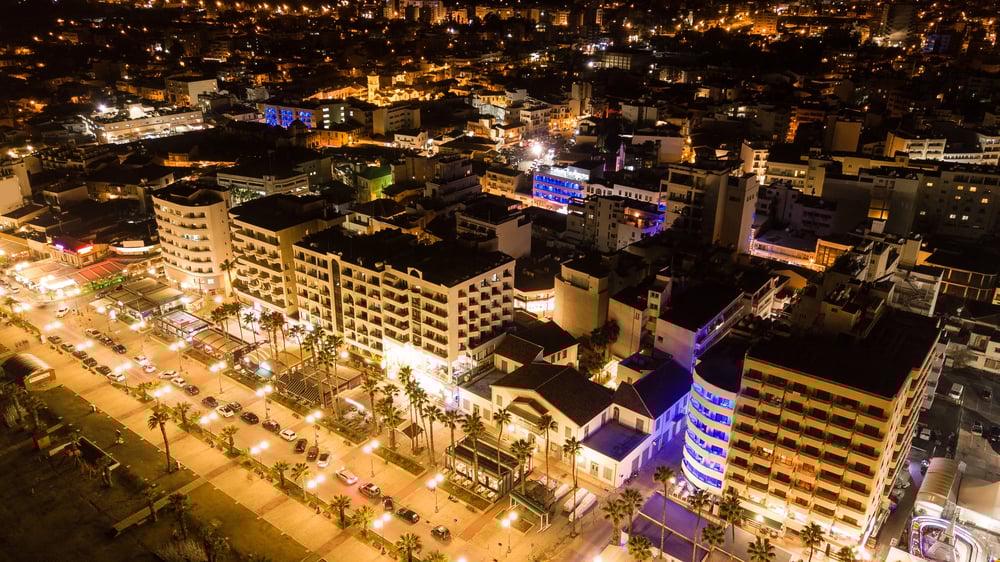
Cyprus has a population of about 900,000 and sits at the crossroads of Europe, Asia, and Africa. Its location has made it a point of cultural exchange for centuries.
The island carries a complex history, reflected in its divided political landscape. Still, Cyprus maintains a vibrant cultural identity shaped by its unique position in the Mediterranean.
Comoros
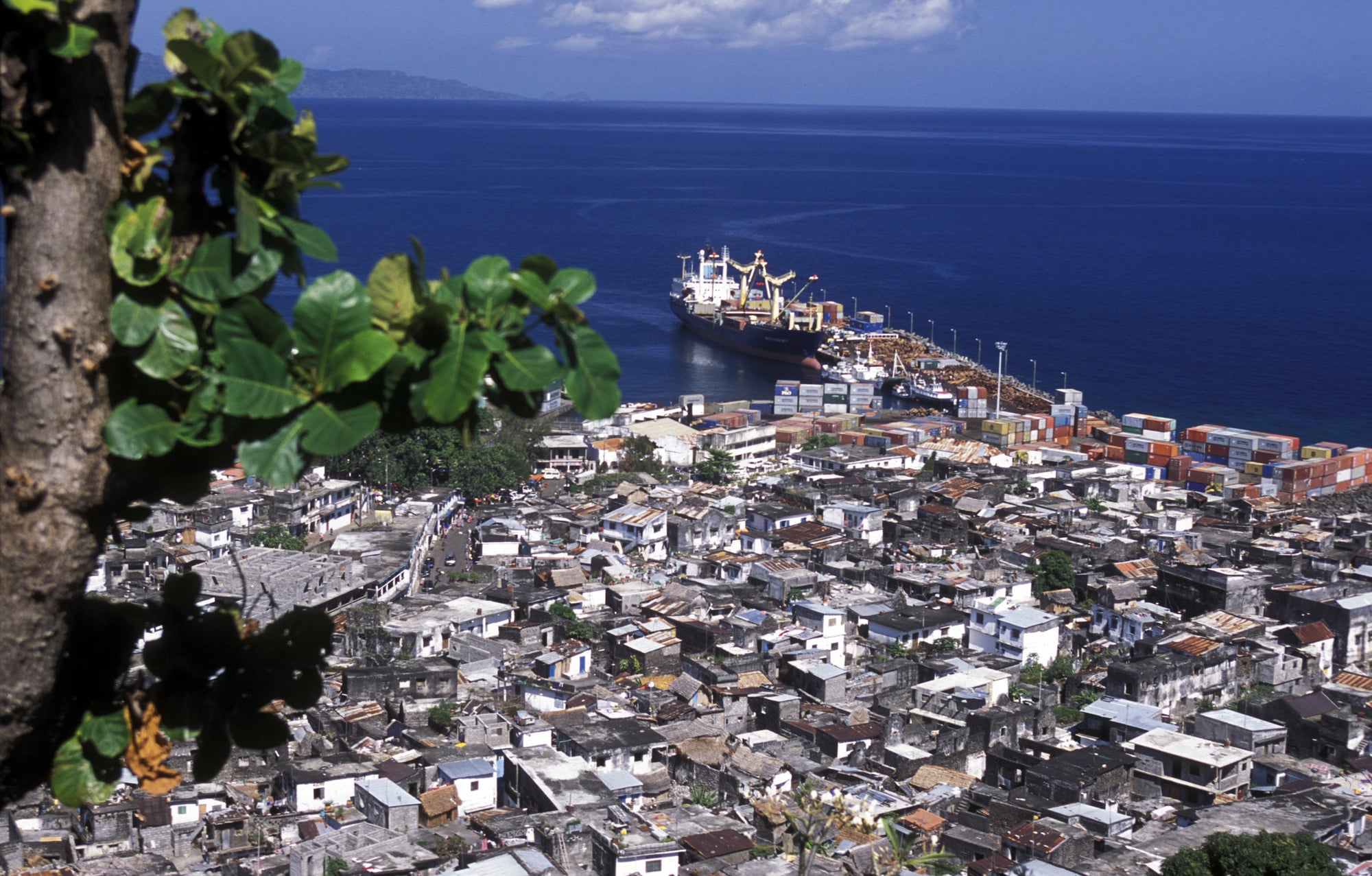
Comoros, located off the eastern coast of Africa, has a population of roughly 850,000. The islands are known for their volcanic terrain and rich marine life.
The country’s culture blends African, Arab, and French influences. Its small population contributes to a slower pace of life, shaped by both geography and tradition.
Equatorial Guinea
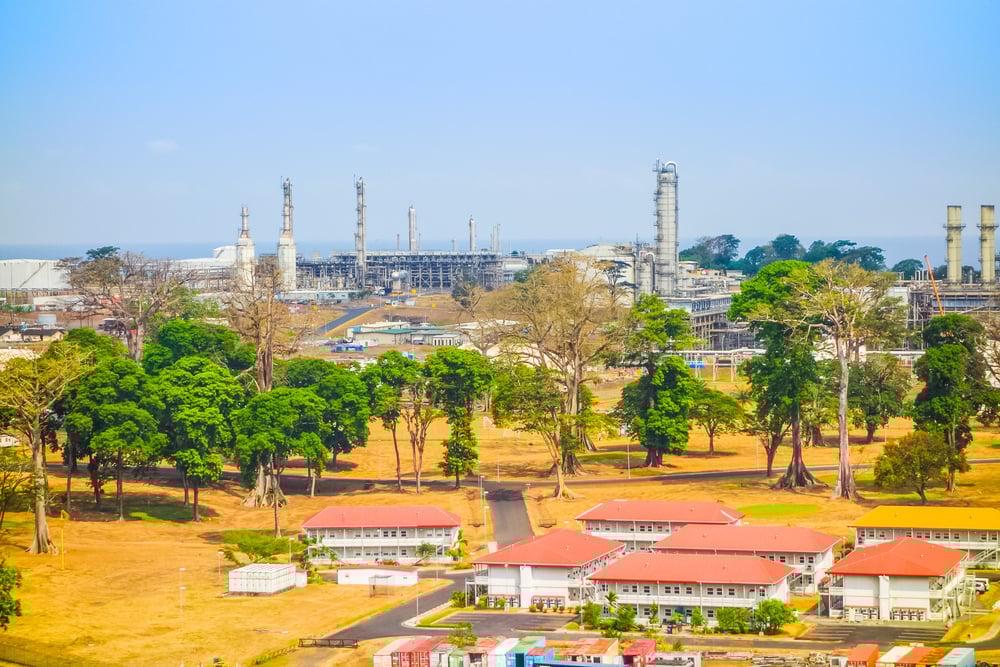
Equatorial Guinea has a population of around 1 million, placing it right at the edge of this list. It is one of the few African countries where Spanish is an official language.
The country’s economy has been shaped by oil production, which has influenced its development. Despite its small population, it holds a unique linguistic and cultural position in the region.
Estonia
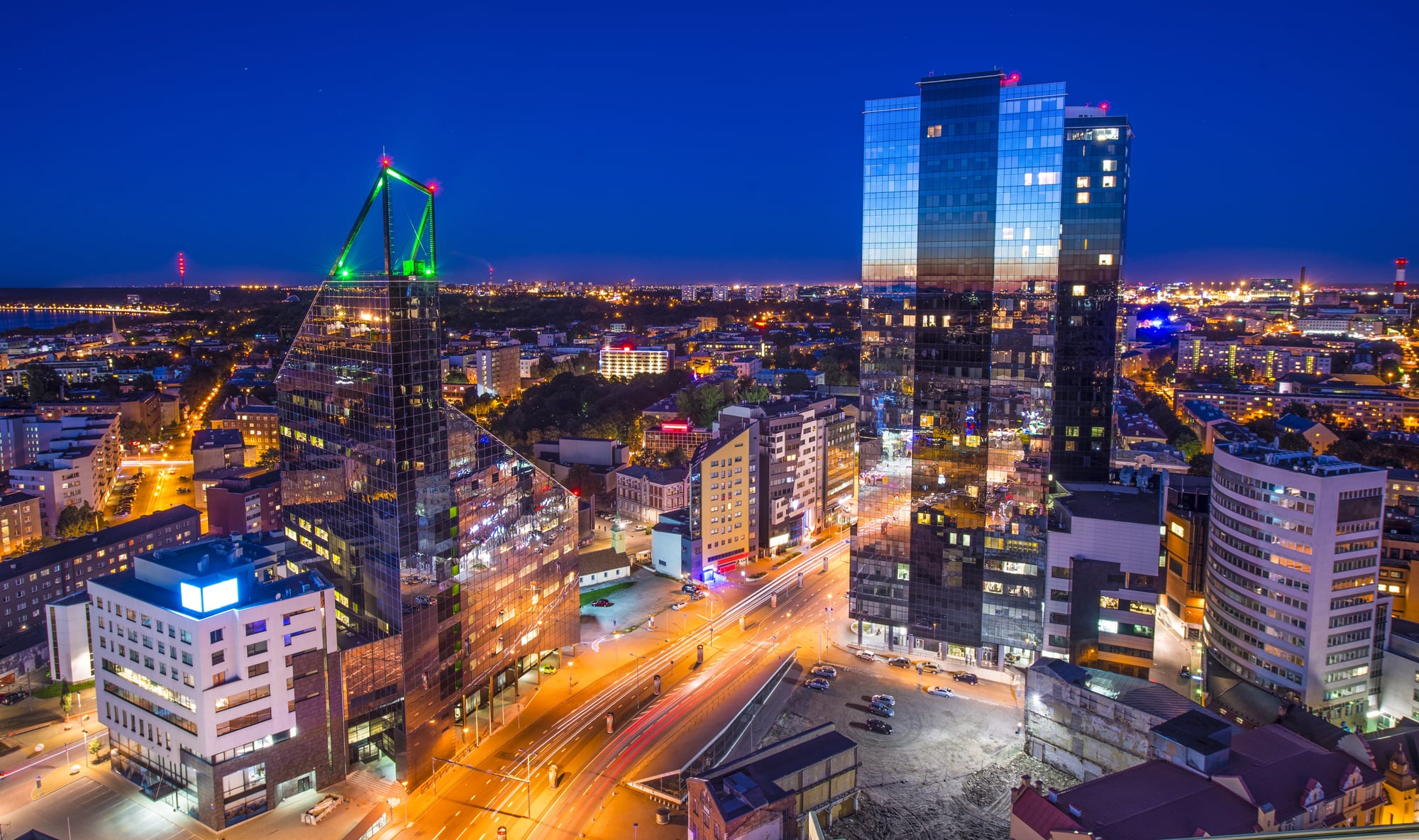
Estonia, with a population of about 1.3 million, is slightly above the threshold but often included in discussions of smaller nations due to its scale. It is known for its advanced digital infrastructure and e-government systems.
The country has embraced technology in a way that sets it apart globally. Its relatively small population has allowed for rapid innovation and adaptability.
Where Size Meets Identity

These countries prove that the population of a country does not determine its significance. In many ways, smaller countries have more cohesive internal connections and cultural understandings.
They have more flexible systems of governance. The population of these countries is such that it allows for a different type of national experience.
It is more immediate and personal.
These countries today continue to live in a world that is dominated by other powerful forces. They have their own unique identity.
The significance of these countries is not determined by their population. Even the smallest of populations can make its own impact on the world.
More from Go2Tutors!

- The Romanov Crown Jewels and Their Tragic Fate
- 13 Historical Mysteries That Science Still Can’t Solve
- Famous Hoaxes That Fooled the World for Years
- 15 Child Stars with Tragic Adult Lives
- 16 Famous Jewelry Pieces in History
Like Go2Tutors’s content? Follow us on MSN.



