14 Famous Landmarks That Weren’t Built for Tourists
Millions of tourists with cameras flock to some of the world’s most popular destinations each year, but many famous sites weren’t built with tourism in mind. Long before they were the subject of holiday pictures and social media posts, these engineering marvels, religious buildings, and architectural wonders had utilitarian, spiritual, or political functions.
Our perception of these locations has changed as a result of their conversion from utilitarian buildings to popular tourist destinations. Here is a list of 14 well-known sites that were constructed for reasons somewhat different from those of the modern tourism industry.
Eiffel Tower
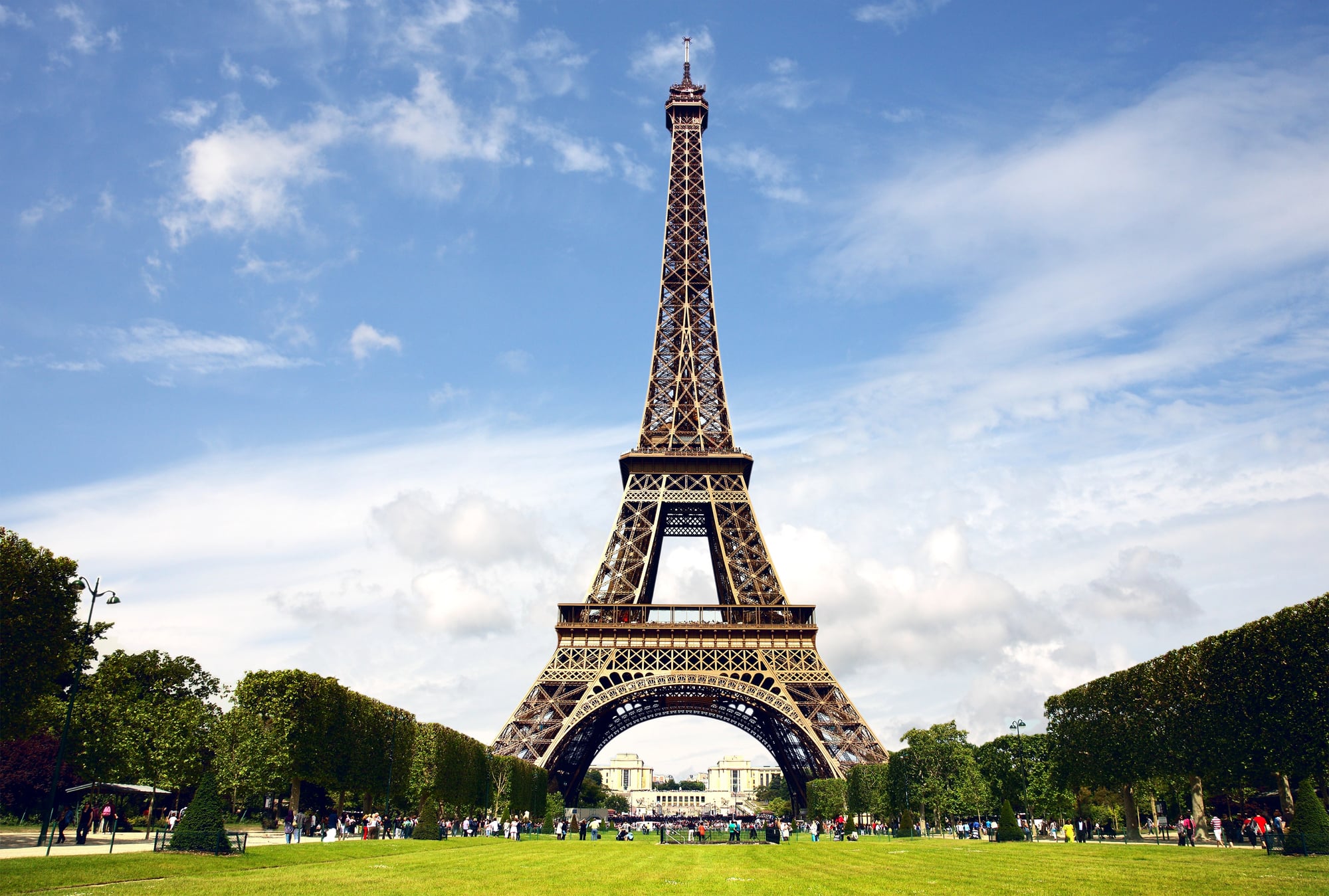
Originally built as a temporary monument for the World’s Fair meant to showcase France’s economic power, the Eiffel Tower was built by engineer Gustave Eiffel to last only twenty years before being taken down. Many Parisians once saw it as an eyesore; notable artists and academics fought against the “useless and terrible” building now representing Paris.
Alcatraz Island
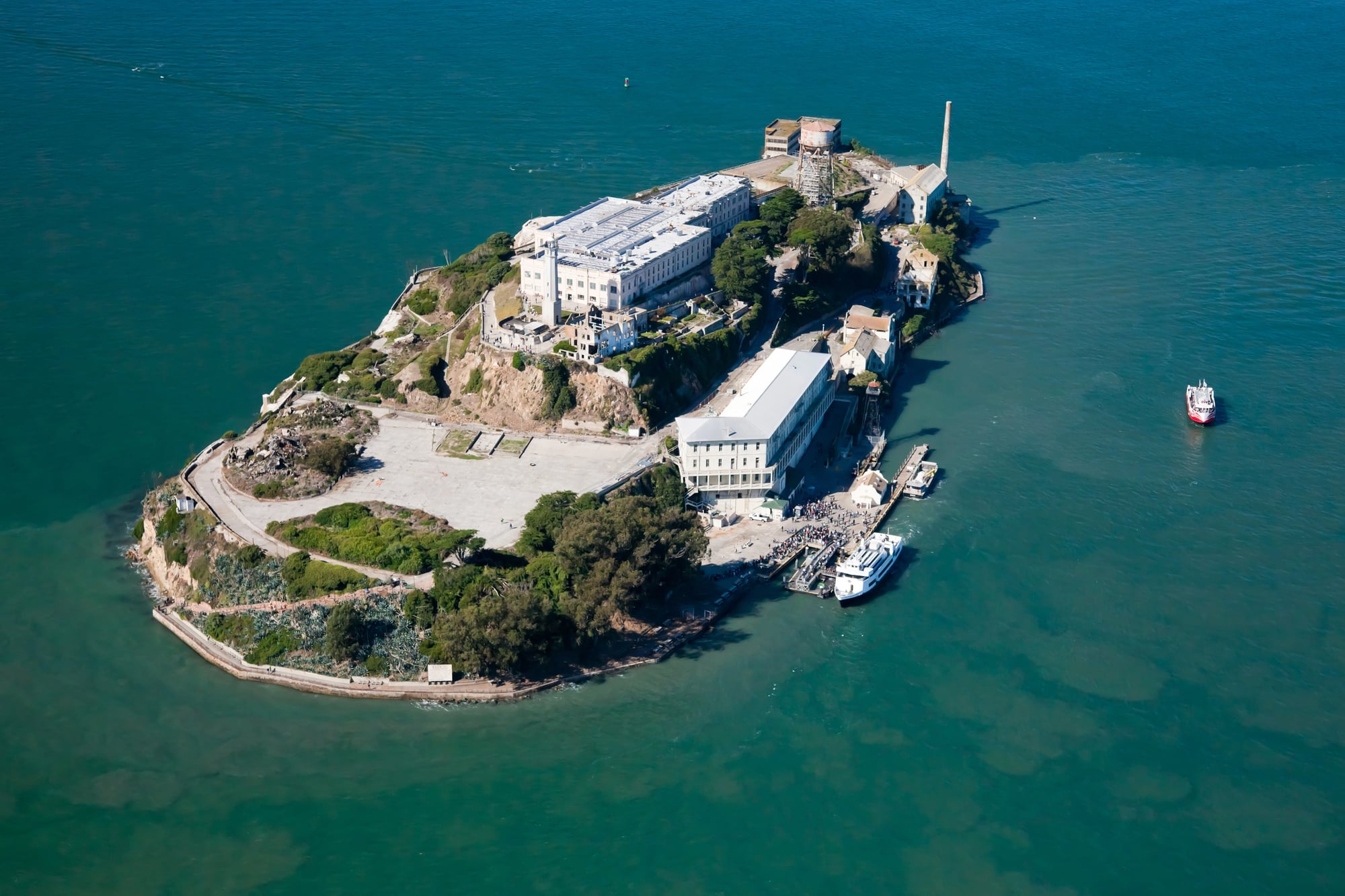
Alcatraz was a federal maximum-security jail for America’s most dangerous criminals from until it became one of San Francisco’s most visited attractions. The remote island, which housed notorious prisoners like Robert Stroud and Al Capone, made escape all but impossible.
Its isolated location and severe weather were deliberately designed to prevent escape, not to establish the tourist attraction it eventually became.
Like Go2Tutors’s content? Follow us on MSN.
Pyramids of Giza
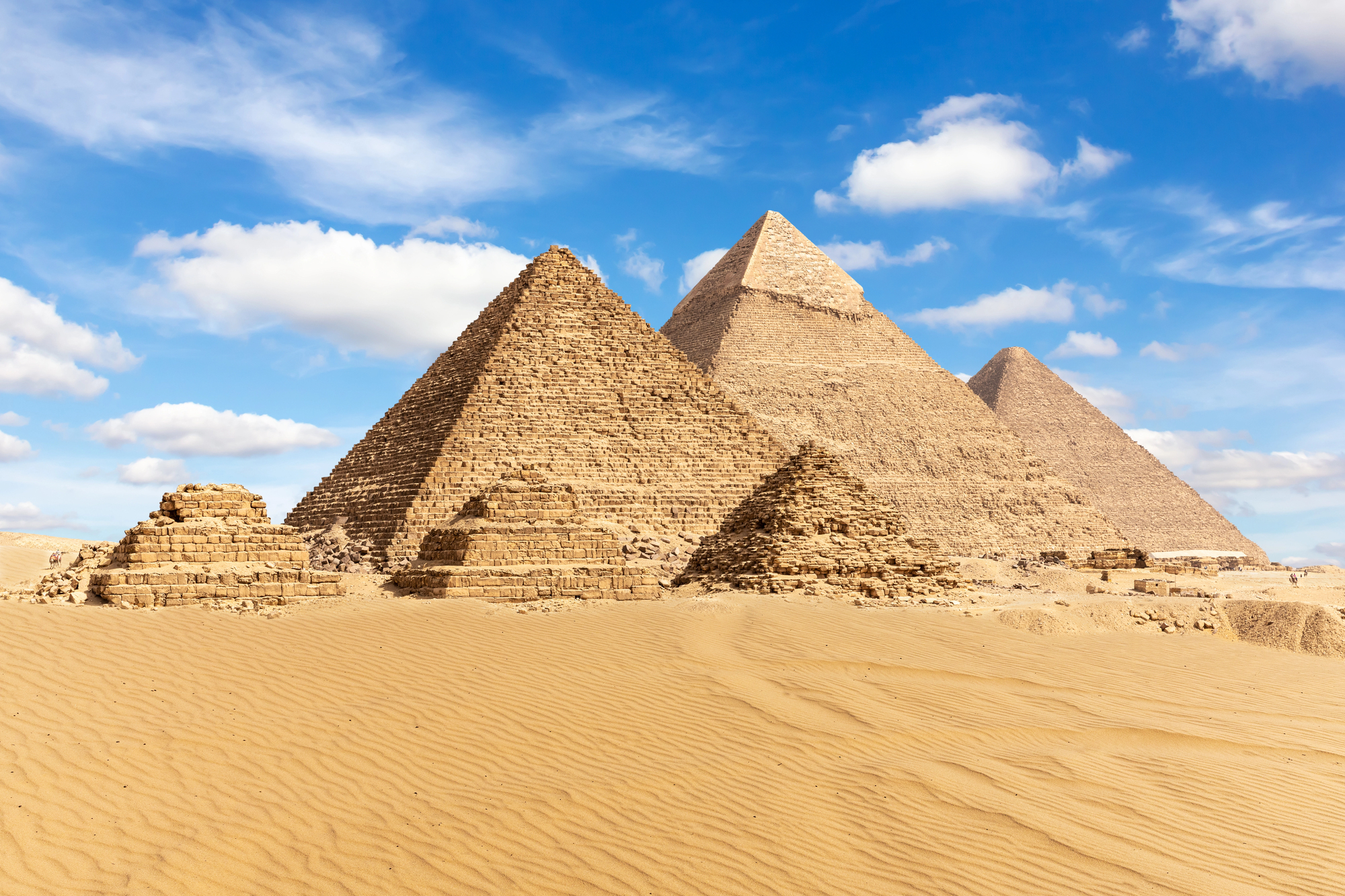
The iconic pyramids were built around years ago as elaborate royal tombs to house deceased pharaohs and their treasures for the afterlife. Ancient Egyptians believed these massive structures would help their leaders ascend to the realm of the gods.
The archaeological wonders required remarkable engineering skills and approximately workers to complete each pyramid, representing religious devotion rather than tourist appeal.
Statue of Liberty
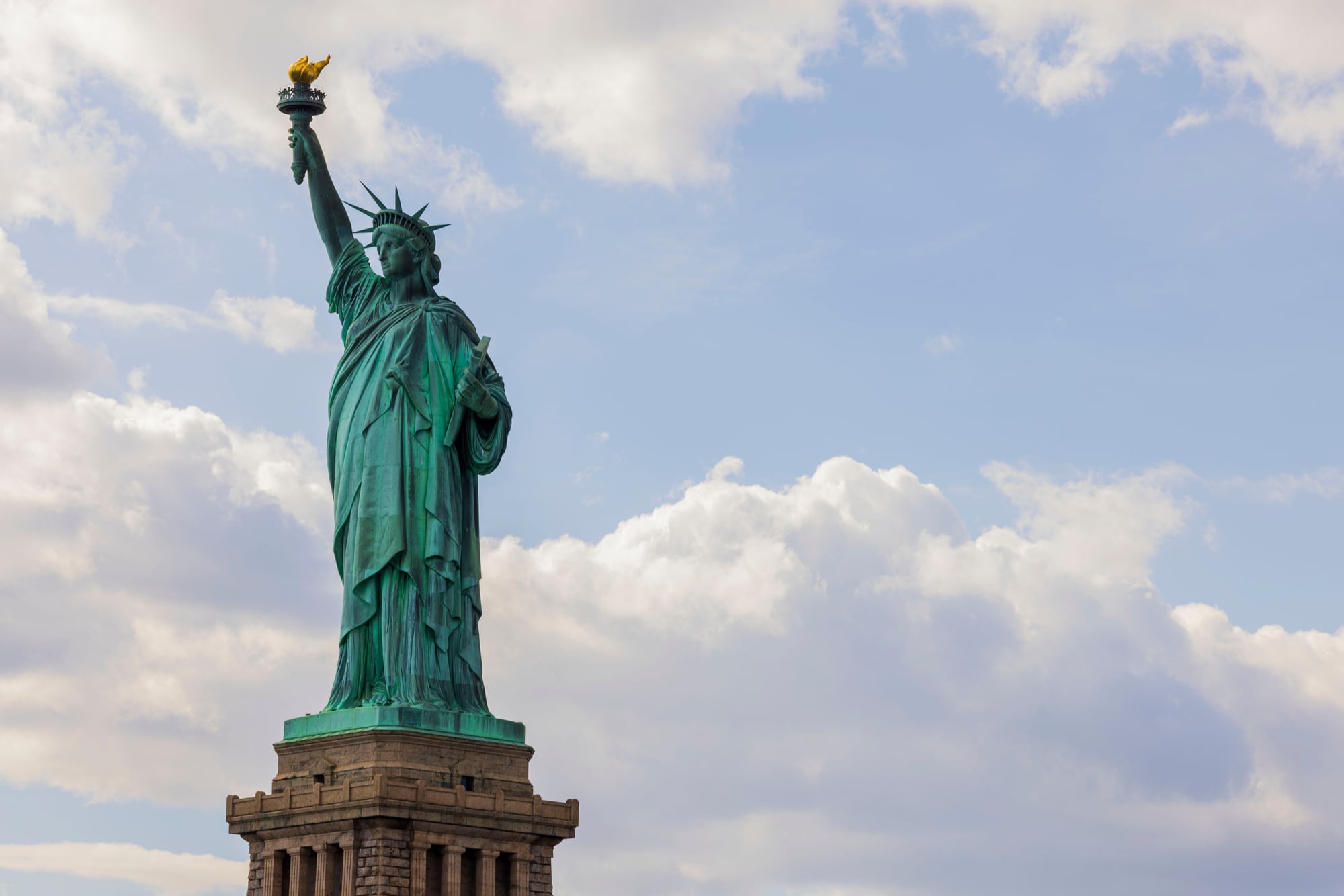
France gifted the Statue of Liberty to the United States as a symbol of friendship and shared democratic values, not as a tourist destination. Dedicated in , Lady Liberty welcomed millions of immigrants arriving at nearby Ellis Island.
The copper statue represented freedom and democracy to those seeking new lives in America, serving as a political monument long before becoming a must-see attraction for visitors to New York City.
Taj Mahal
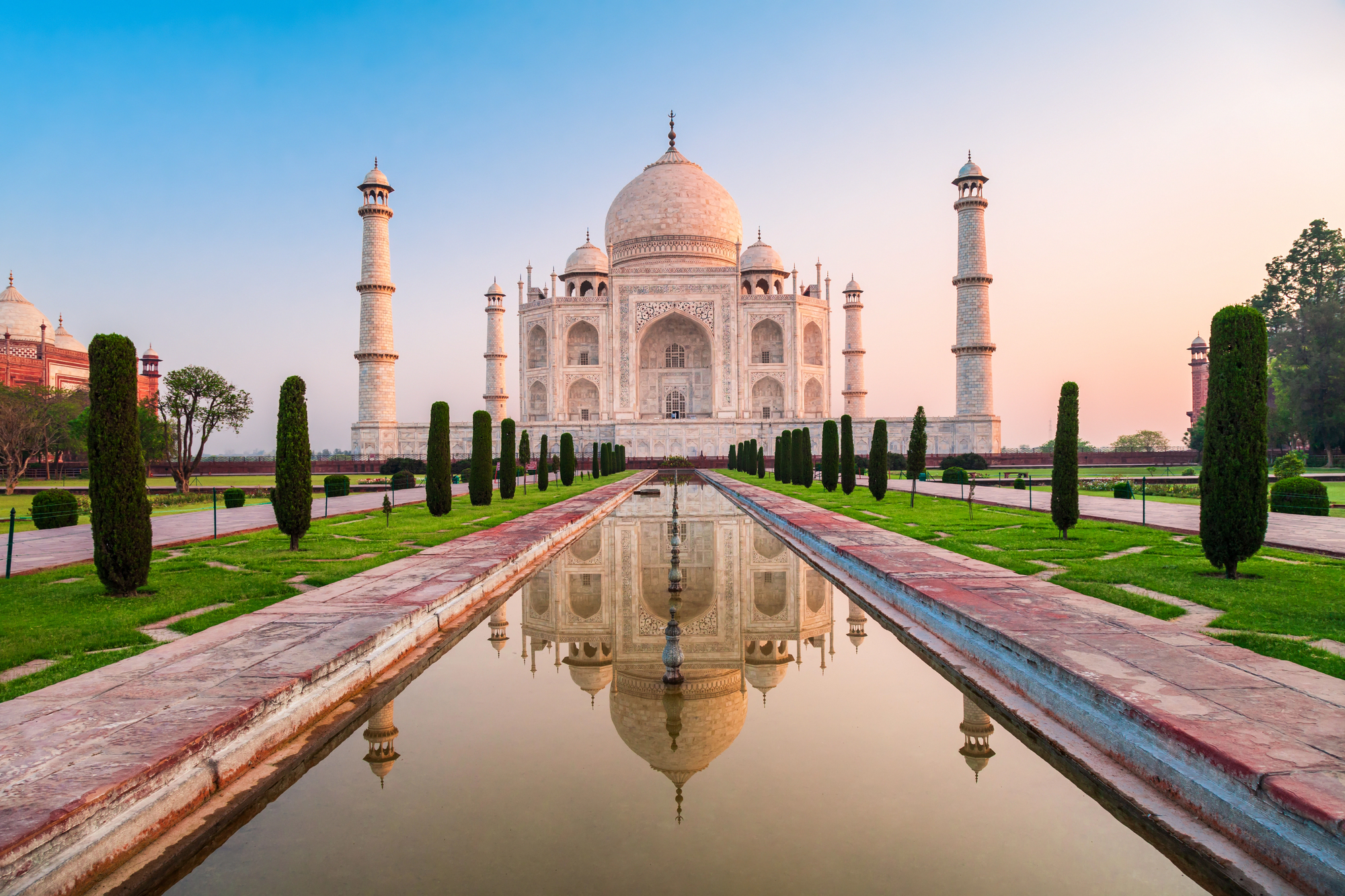
Emperor Shah Jahan commissioned this stunning marble mausoleum in as a tomb for his beloved wife, Mumtaz Mahal, who died during childbirth. The grief-stricken ruler did not spare any expense in creating this architectural masterpiece as a testament to his love.
The building and surrounding gardens were designed as a representation of paradise on earth—a deeply personal memorial rather than the tourist magnet it has become.
Like Go2Tutors’s content? Follow us on MSN.
Machu Picchu
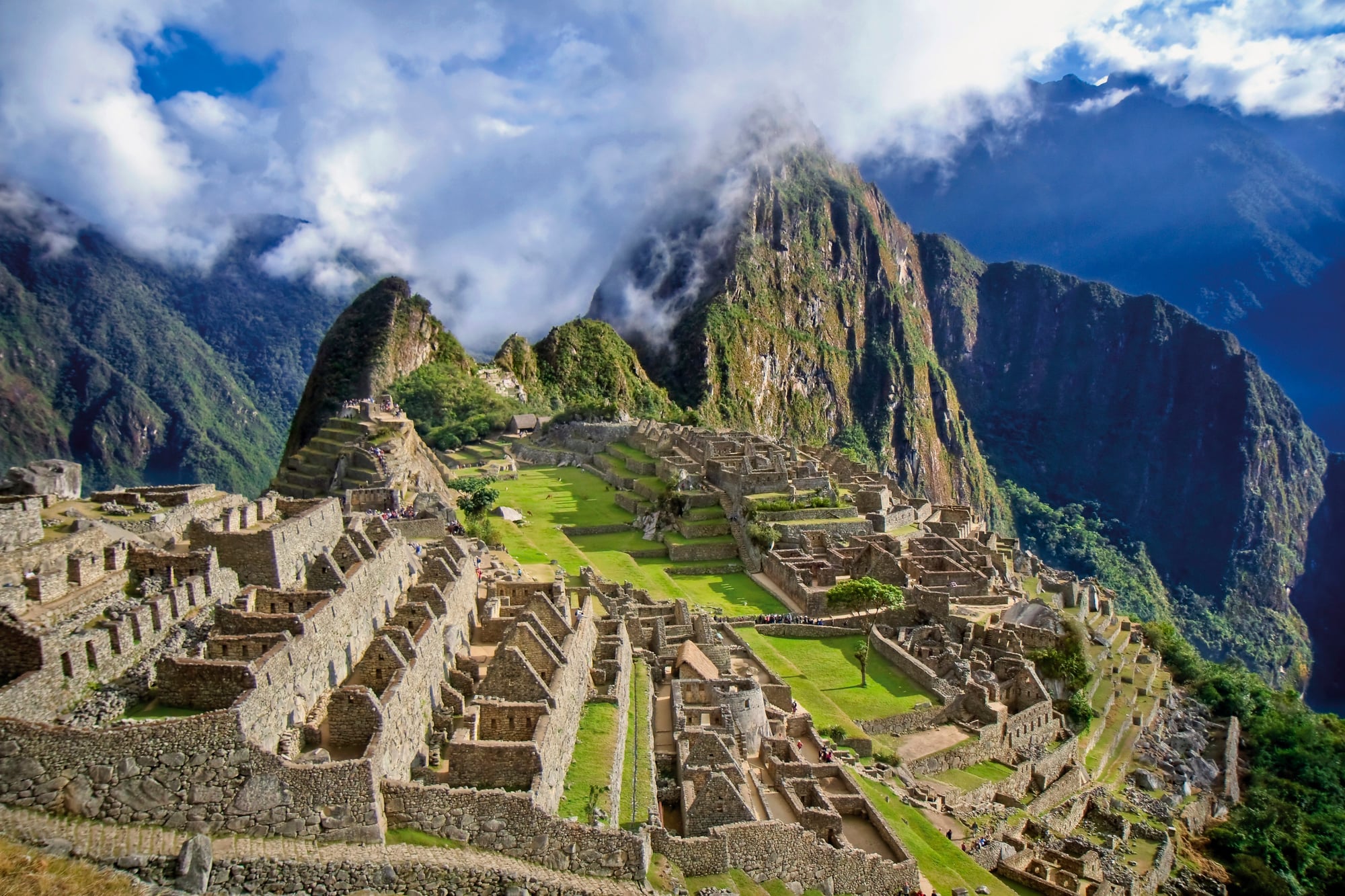
The mysterious Incan citadel perched high in the Peruvian Andes served as a royal estate for Emperor Pachacuti in the century. These elaborate stone structures functioned as a self-contained community for nobility, complete with agricultural terraces, residences, and ceremonial spaces.
The site remained hidden from Western knowledge until , when explorer Hiram Bingham brought it to global attention.
Westminster Abbey
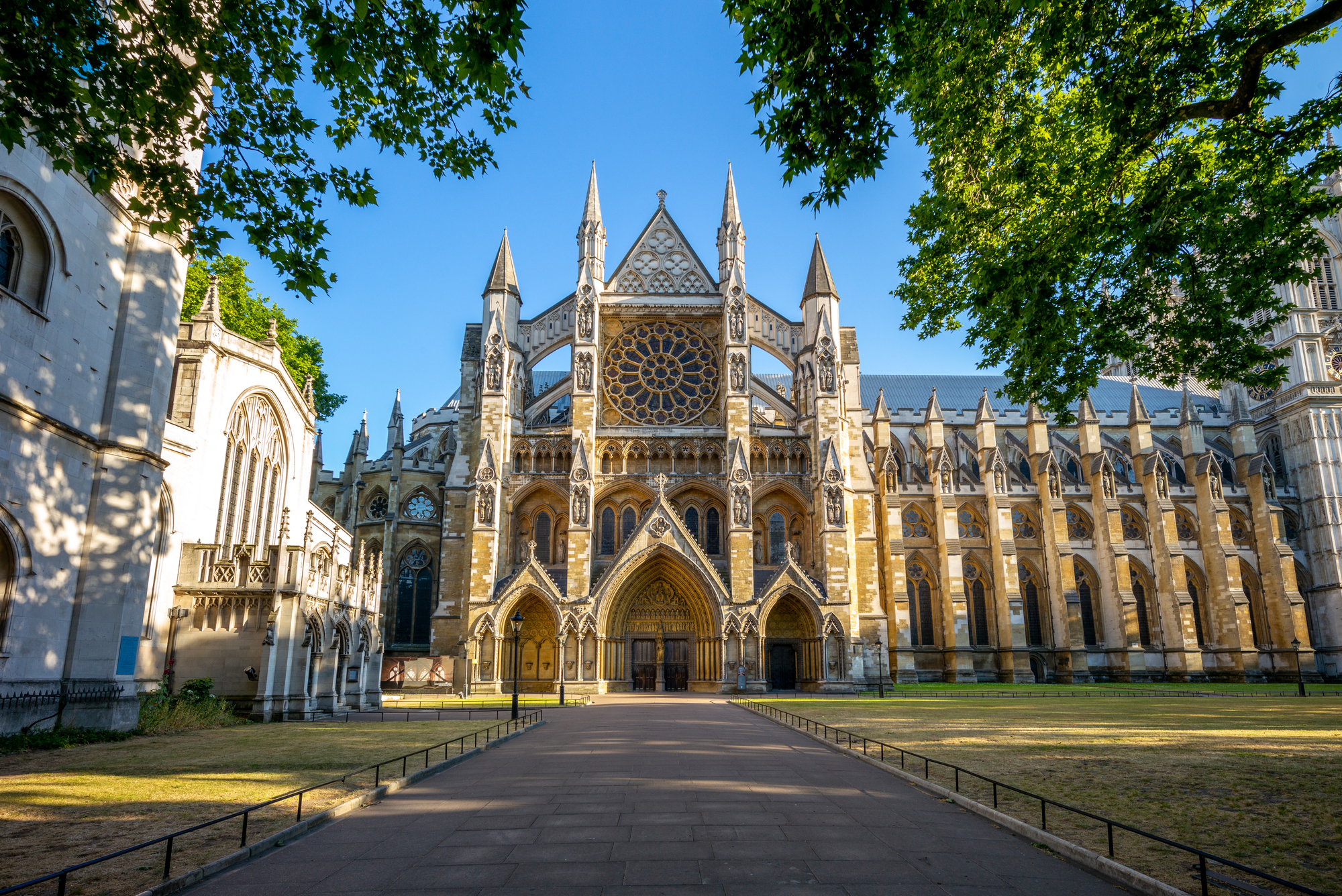
This Gothic church has served as the coronation site for English monarchs since and houses the remains of many royal figures and distinguished Britons. The abbey was established as a Benedictine monastery in the century before becoming central to English royal and religious life.
Its evolution into a major London attraction came centuries after its original purpose as a place of worship and royal ceremonies.
Angkor Wat
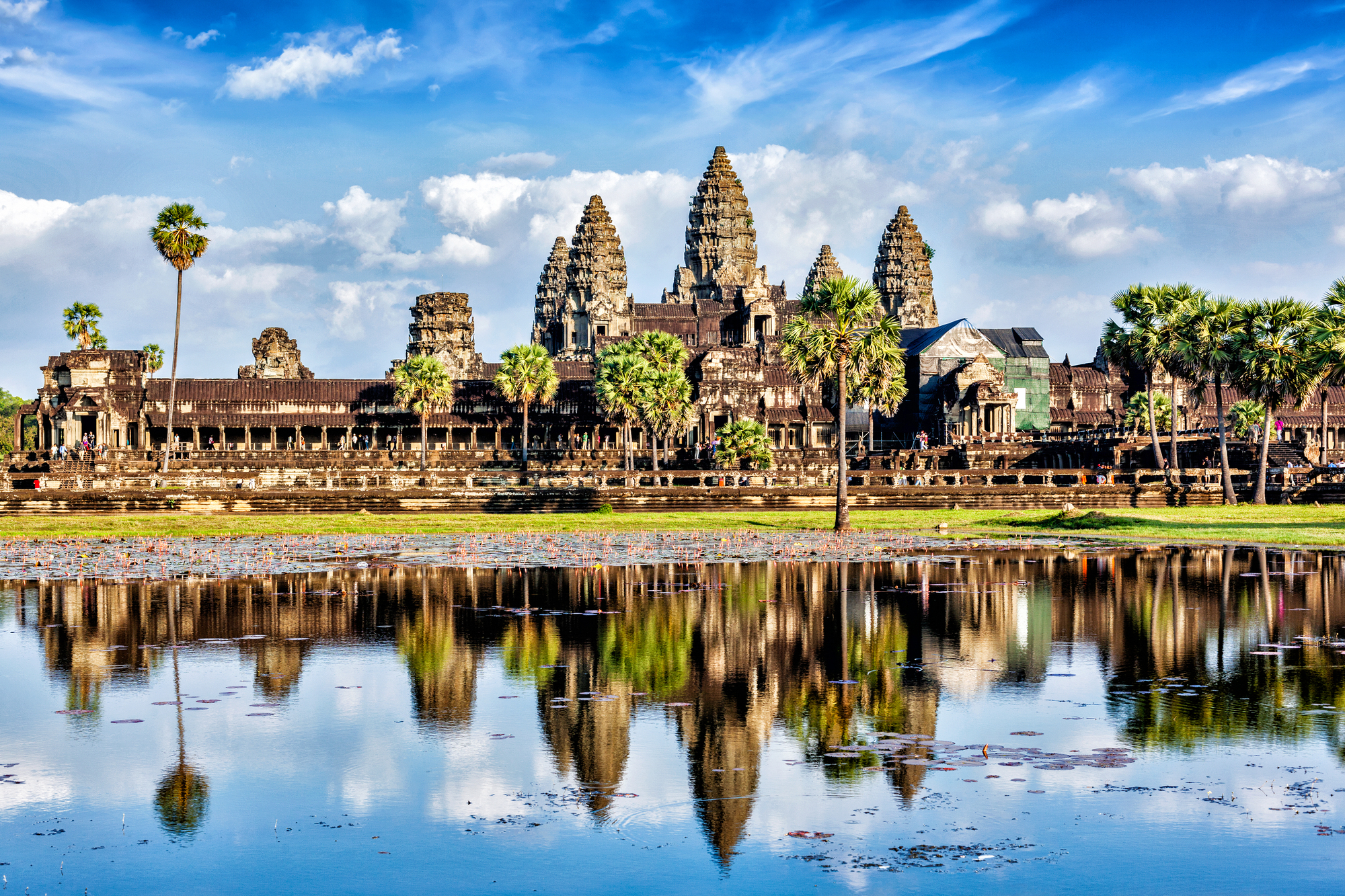
Cambodia’s magnificent temple complex was built in the early century as a Hindu temple dedicated to the god Vishnu, later transitioning to a Buddhist temple. The massive structure served as both a religious center and a representation of Mount Meru, the mythical home of Hindu gods.
The intricate carvings and impressive architecture were designed to honor deities and kings, not to attract the two million annual visitors it sees today.
Like Go2Tutors’s content? Follow us on MSN.
Forbidden City
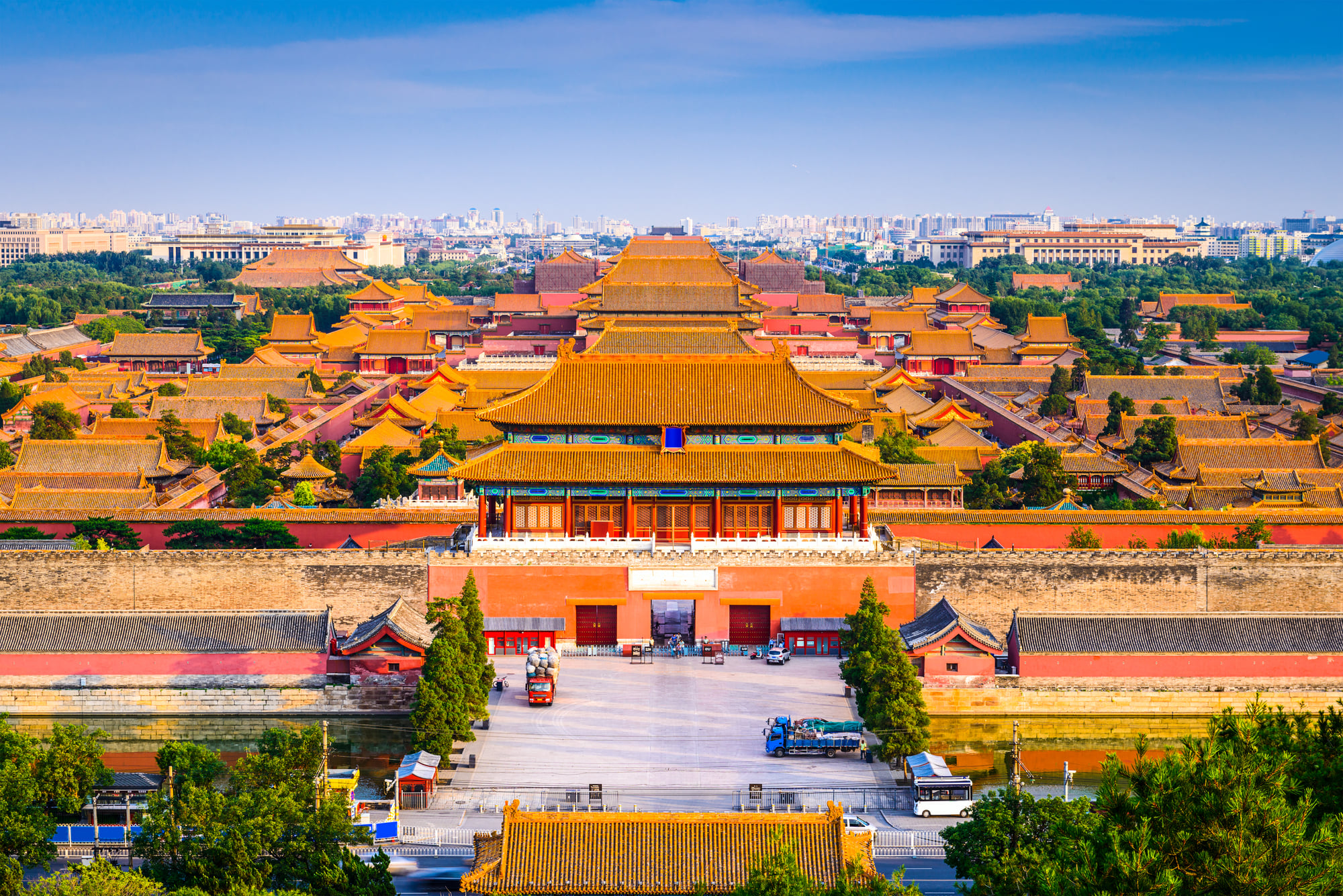
For nearly years, this vast complex in Beijing served as the Chinese imperial palace from the Ming Dynasty to the end of the Qing Dynasty. Ordinary citizens were strictly prohibited from entering the buildings surrounded by a -foot-high wall and moat.
The palace was designed to separate emperors—considered divine—from common people, making its current status as a public museum particularly ironic.
The Colosseum
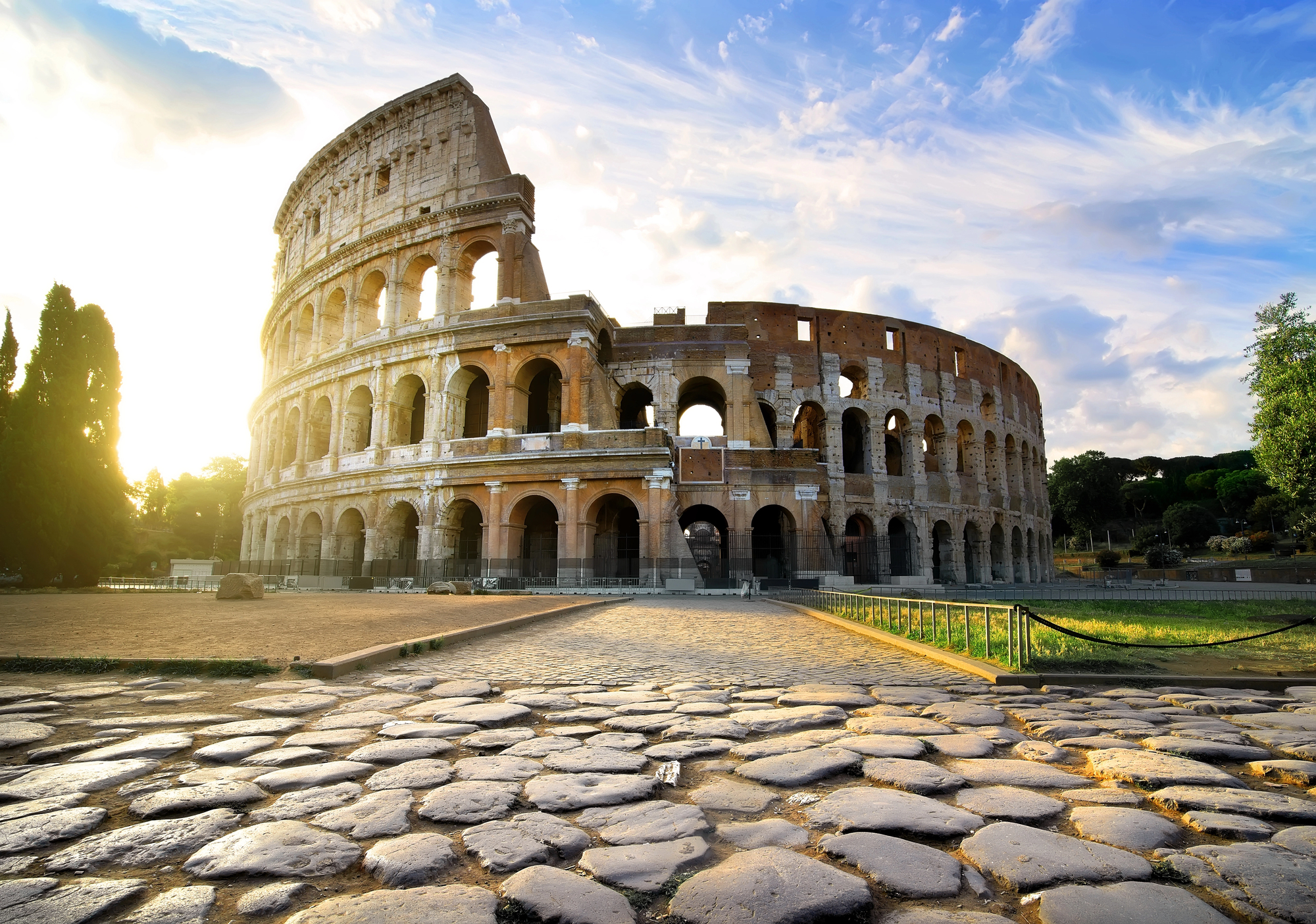
Ancient Rome’s massive amphitheater opened in CE as a venue for gladiatorial contests, animal hunts, executions, and battle reenactments. Emperor Vespasian commissioned the structure primarily as a political tool to boost public morale and demonstrate Rome’s engineering prowess.
The stadium could hold up to spectators who came for entertainment and social events, not to admire the architecture as modern tourists do.
Easter Island Moai
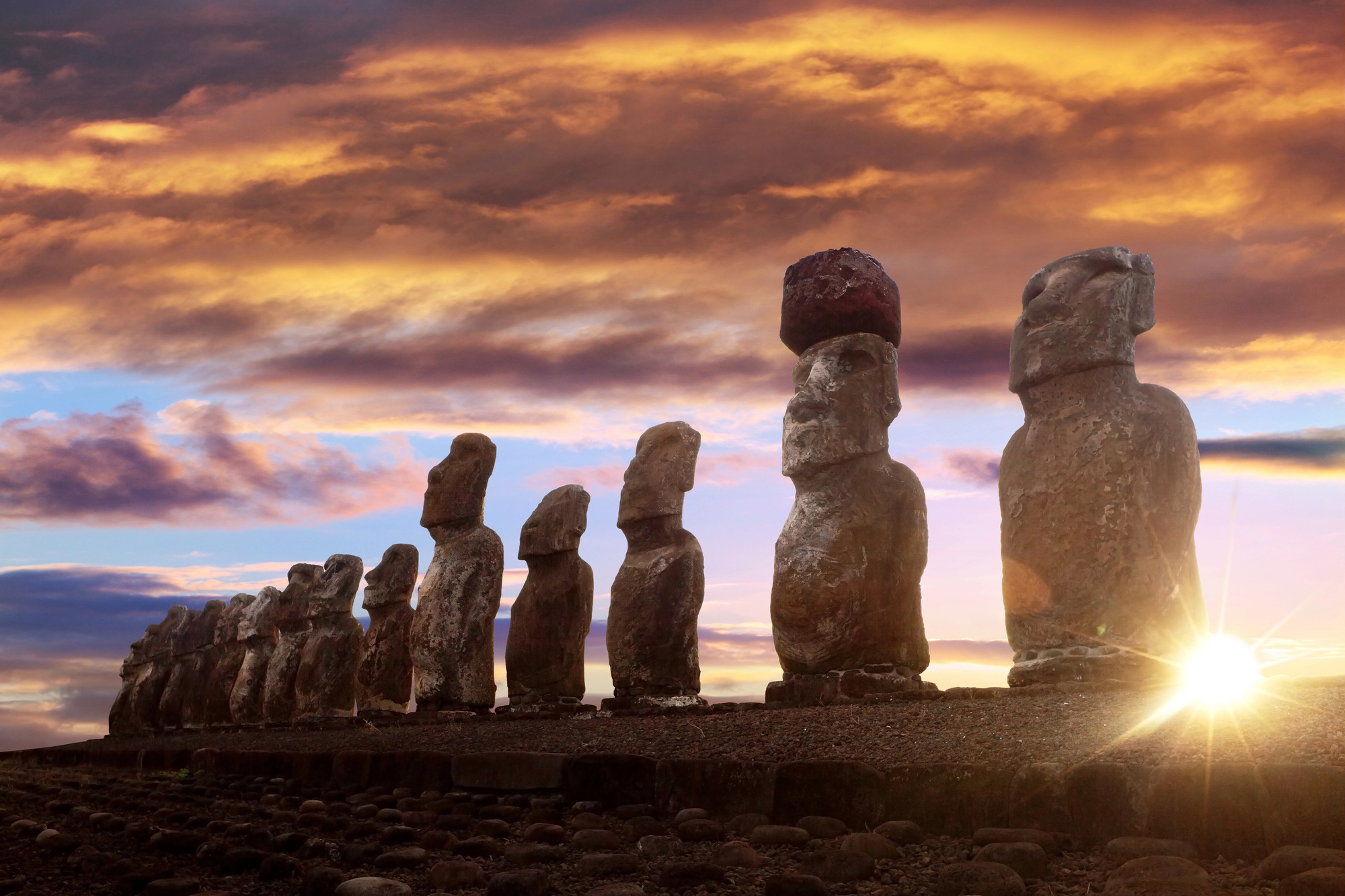
The famous stone statues of Easter Island were carved between and CE to honor ancestral leaders and chiefs. The Rapa Nui people believed these monolithic figures contained sacred spirits that protected their communities.
Each statue represented a specific ancestor, with the size reflecting their importance in the community. The religious and cultural significance of these figures far outweighed any decorative purpose.
Like Go2Tutors’s content? Follow us on MSN.
Mont Saint-Michel
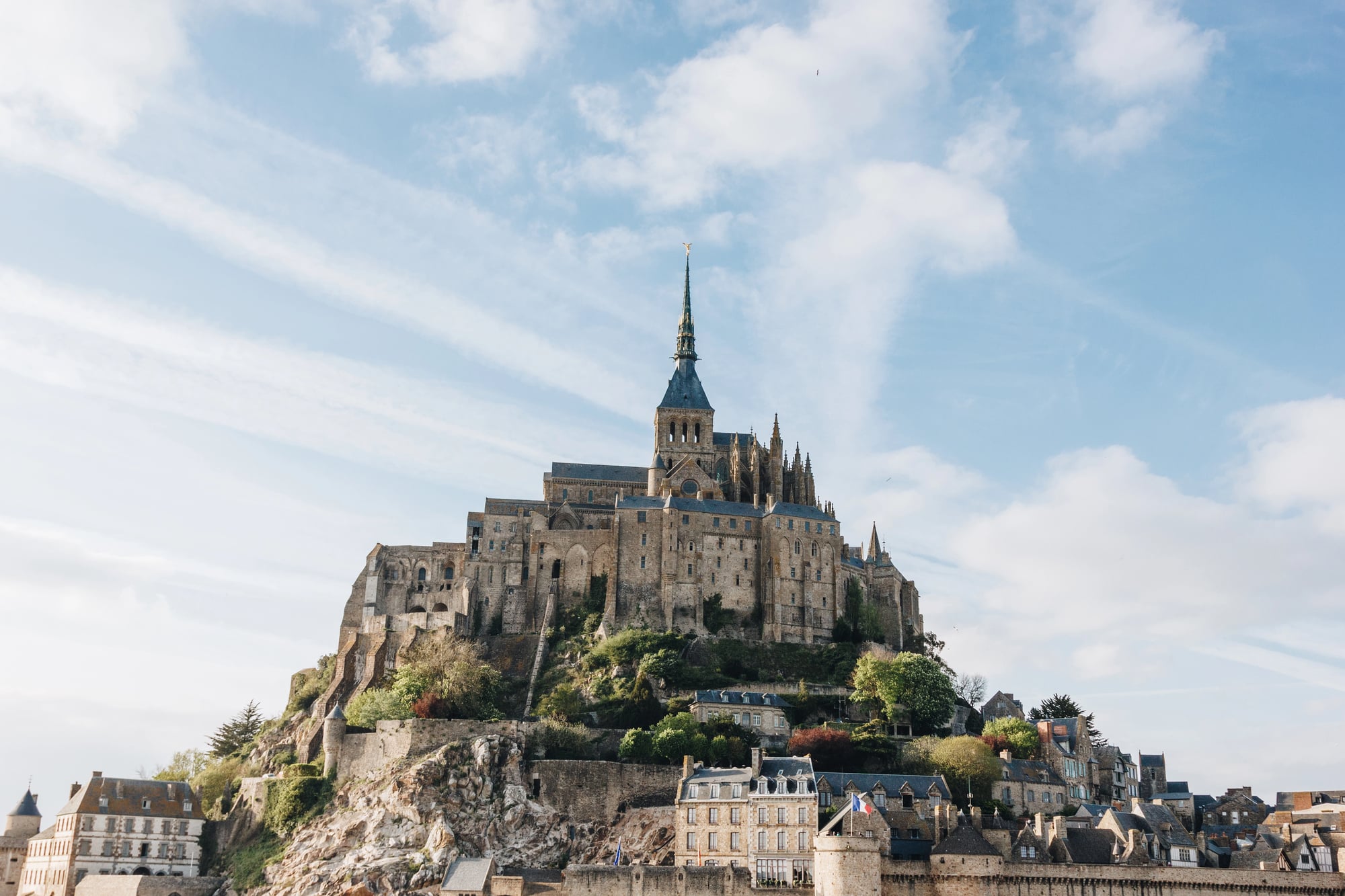
This medieval monastery, perched dramatically on a rocky island off France’s Normandy coast, was established as a center of learning and devotion. Benedictine monks occupied the abbey beginning in the century, deliberately choosing the isolated location to separate themselves from worldly concerns.
The difficult access—dependent on tides—was once a feature that emphasized the monks’ dedication, in contrast to today’s carefully managed tourist access.
Stonehenge
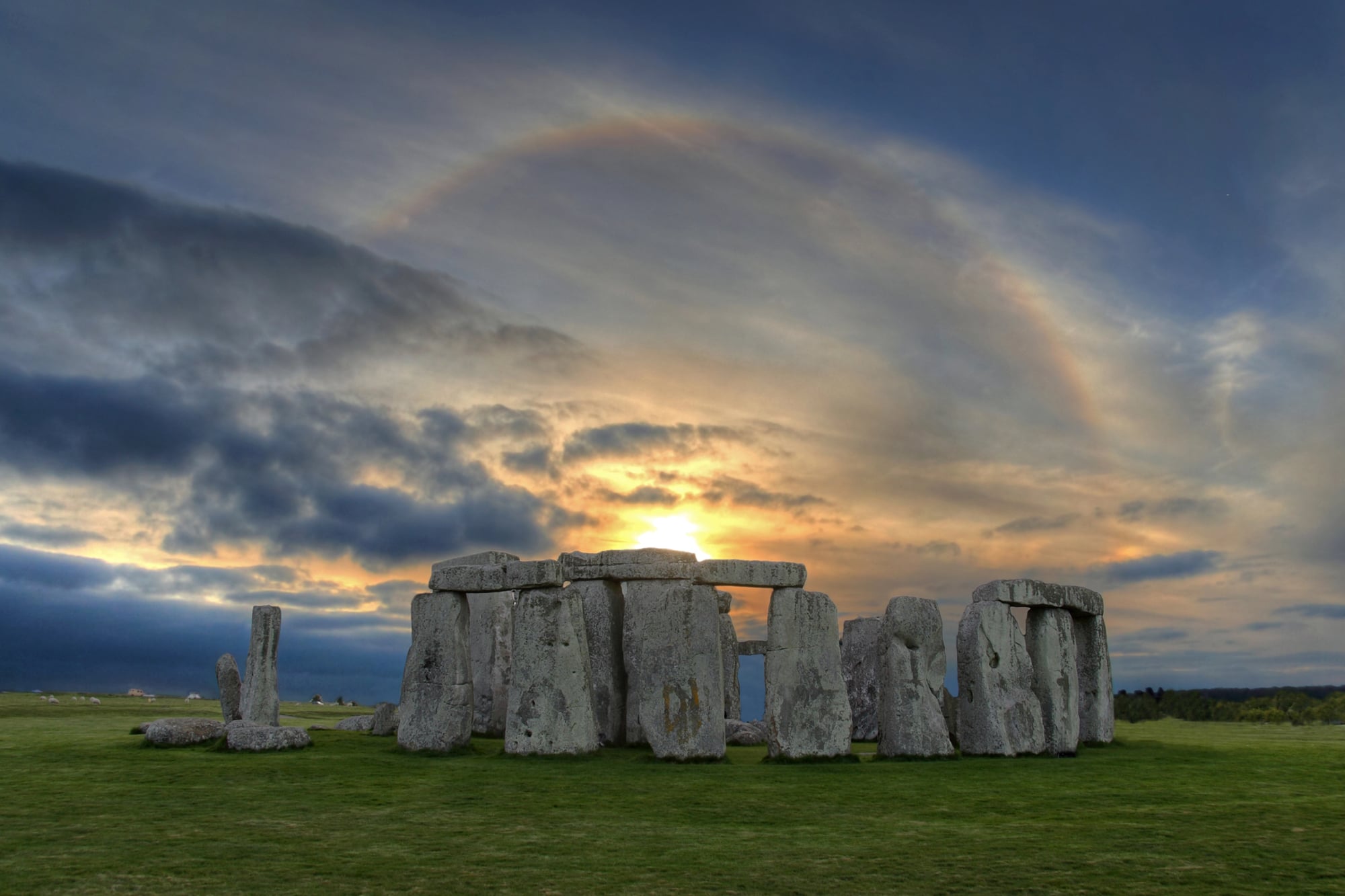
The prehistoric monument of massive standing stones arranged in circular patterns likely served ceremonial or astronomical purposes when constructed between BCE. Recent archaeological evidence suggests it may have functioned as a burial ground, solar calendar, or religious site for ancient Britons.
The mysterious stone circle has intrigued visitors for centuries, but its builders certainly weren’t thinking about future tourism revenue.
Great Wall of China
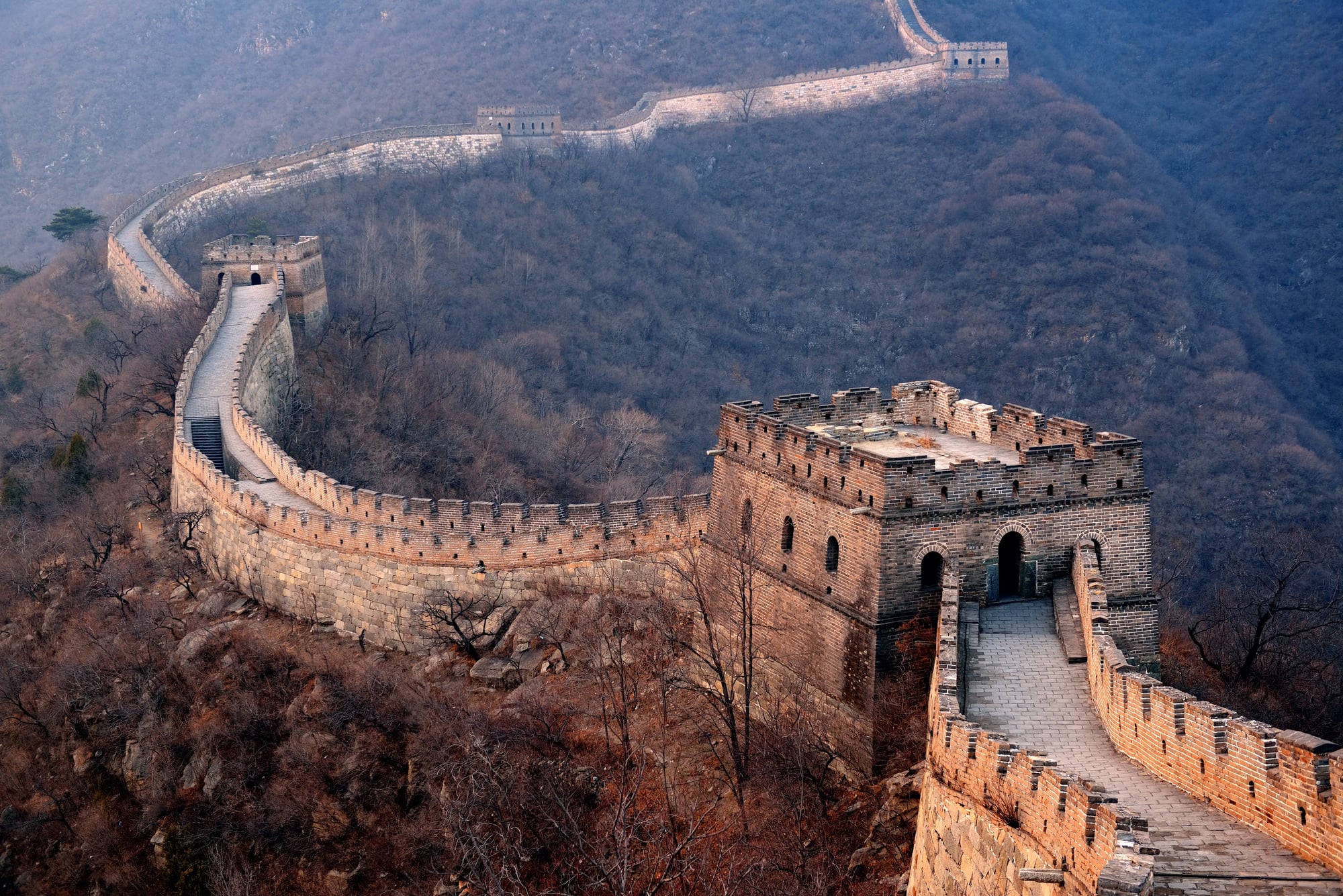
The world’s largest military structure was built over centuries to protect China’s northern borders from nomadic invasions. Construction began around the century BCE and continued through various dynasties, with the most famous sections built during the Ming Dynasty.
The wall served as both a physical defense and a psychological barrier between civilizations. Today’s restored sections bear little resemblance to the functional fortification that once marked the edge of an empire.
Like Go2Tutors’s content? Follow us on MSN.
Beyond the Guided Tour

These landmarks remind us that history often repurposes our greatest achievements in unexpected ways. Structures built for defense, devotion, or the dead now support entire tourism economies.
While we snap photos and buy souvenirs, it’s worth remembering the original intent behind these places—how practical needs, spiritual beliefs, and political ambitions created enduring monuments that continue to captivate us centuries after their intended purposes faded away.
More from Go2Tutors!

- 18 Unexpectedly Valuable Collectibles You Might Have Lying Around
- 20 Little-Known Historical Battles That Had Huge Consequences
- 20 Historical Artifacts That Scientists Can’t Explain
- 15 Inventions That Were Immediately Banned After Being Created
- 20 Actors Who Were Almost Cast in Iconic Roles
Like Go2Tutors’s content? Follow us on MSN.