Largest Comic Book Events of the 90s Era
The 1990s weren’t subtle years for comics. Publishers went big, often bigger than anyone expected, and readers found themselves swept into sprawling crossovers that dominated shelves for months at a time.
Sales boomed, storylines shocked, and the industry leaned into spectacle. Here’s a list of the largest comic book events of that decade, the ones that pushed characters, readers, and publishers to their limits.
The Death of Superman

In 1992, Superman fell to Doomsday. Page after page of brutal combat ended with both collapsing in the streets of Metropolis.
For a while, the impossible had happened—the world’s most famous hero was dead.But the funeral wasn’t the end.
The Reign of the Supermen arc followed, with four new figures stepping into his place. Steel, Superboy, Cyborg Superman, and the Eradicator. Some fans embraced them, others rolled their eyes.
Still, for months, the real Superman was gone, and readers wore black armbands with his emblem as if mourning a friend.
Knightfall
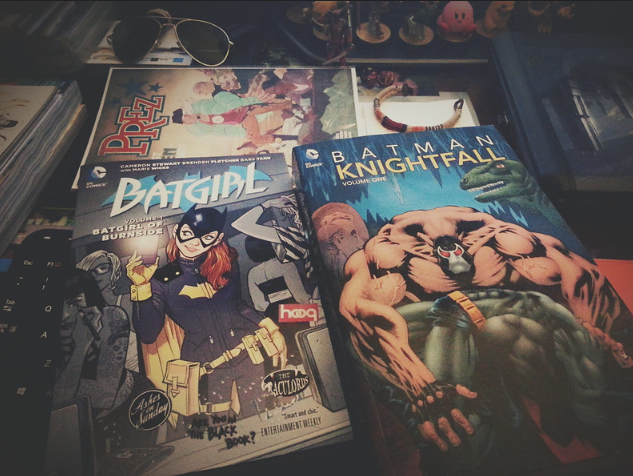
Batman, pushed beyond his limits, finally broke in 1993. Bane engineered chaos across Gotham, unleashing villains from Arkham before facing the Dark Knight himself.
And then came the unforgettable panel—Bruce Wayne’s back snapped.Jean-Paul Valley, the armored Azrael, became the new Batman.
He was harsher, less controlled, and his brutality left fans divided. Not everyone wanted a Batman with blades on his gloves.
Even so, Knightfall forced audiences to confront the idea that Bruce wasn’t unbreakable.
Like Go2Tutors’s content? Follow us on MSN
The Clone Saga

Between 1994 and 1996, Spider-Man’s Clone Saga took over nearly every title with a dizzying mix of impostors, revelations, and wild plot twists. The return of Ben Reilly, the Scarlet Spider, reignited questions from decades earlier about Peter Parker’s identity.
And the result? Confusion. Excitement. Frustration. Mini highlights included Peter temporarily hanging up the mask, endless debates about who the “real” Spider-Man was, and storylines that seemed to multiply like clones themselves.
Messy, yes. Unforgettable, also yes.
Age of Apocalypse
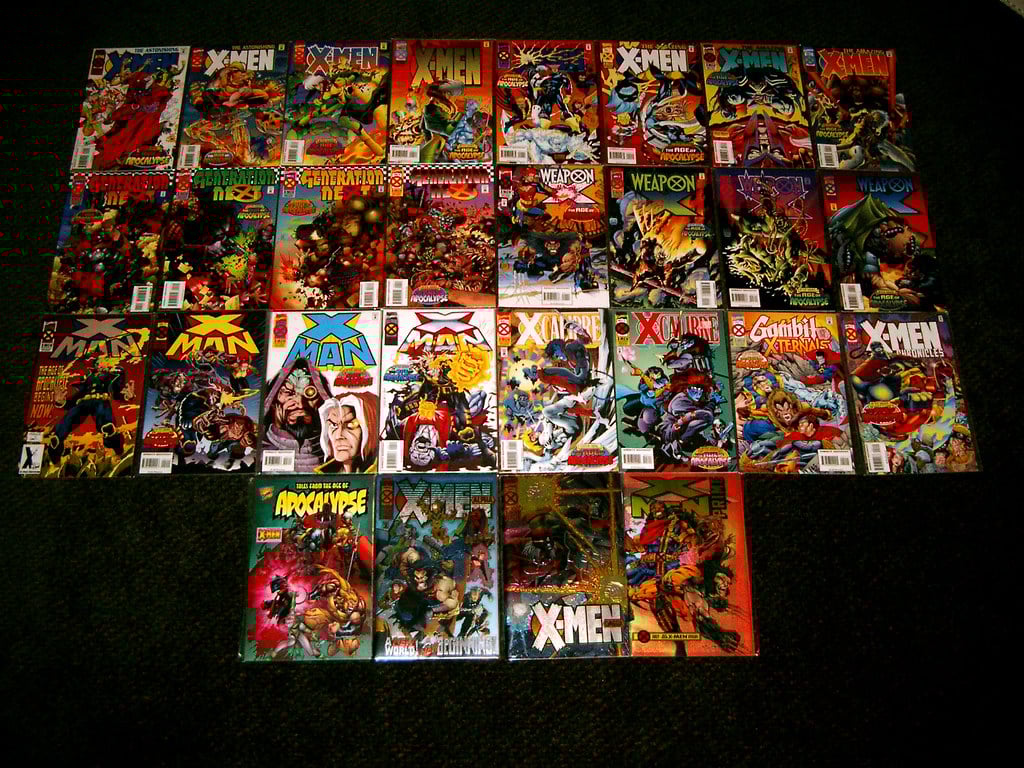
In 1995, Marvel’s X-Men line flipped completely upside down. Legion, the troubled son of Professor X, accidentally killed his father instead of Magneto during a time-travel attempt.
The ripple effect birthed a nightmare world ruled by Apocalypse.
Readers followed alternate versions of their favorite characters—Magneto leading the X-Men, Wolverine missing a hand, Cyclops wearing an eye patch. Entire titles were rebranded overnight. It felt risky, ambitious, and thrillingly disorienting.
Zero Hour: Crisis in Time
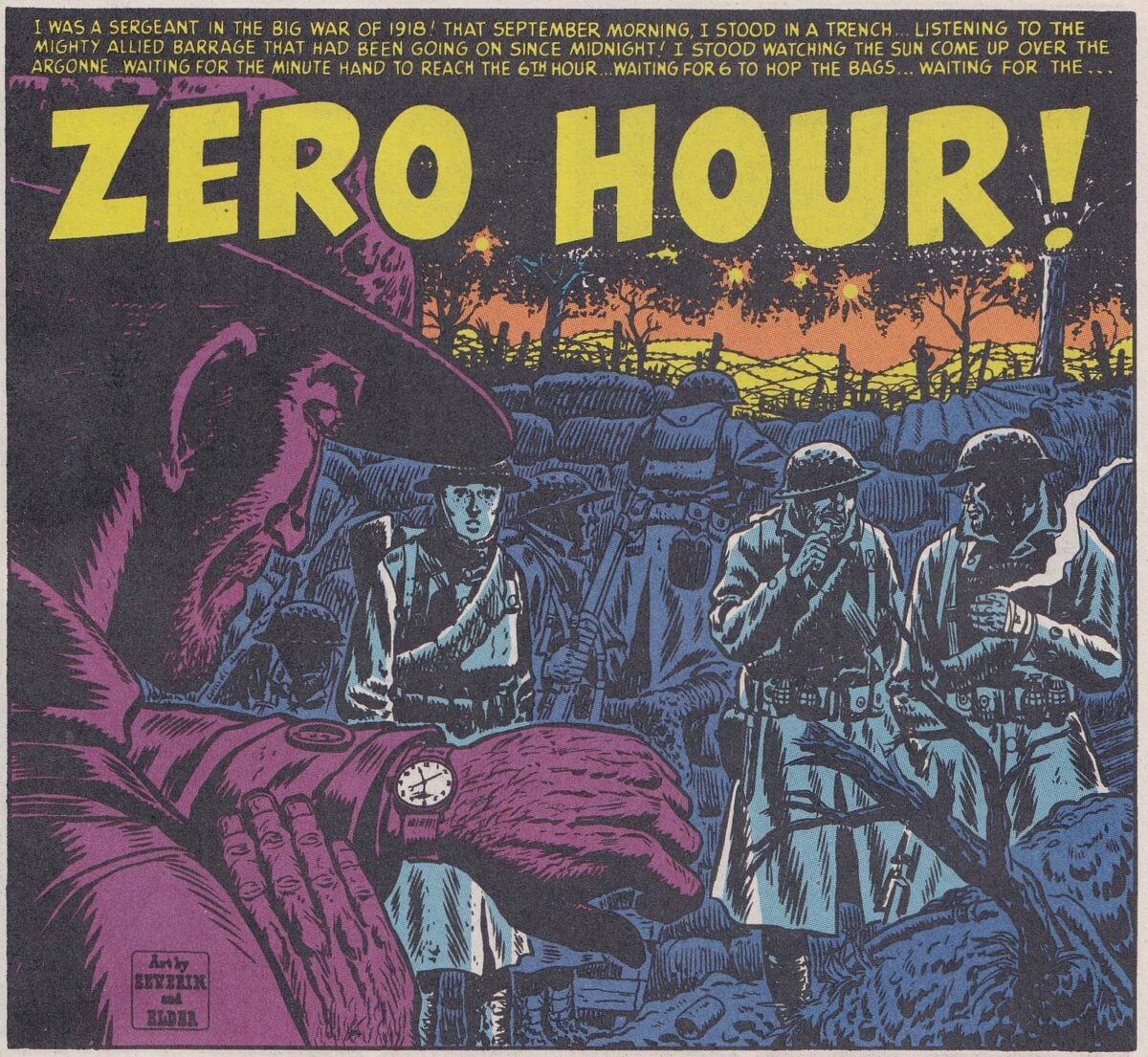
DC’s 1994 event aimed to repair continuity but ended up twisting time into knots. Zero Hour presented a collapsing multiverse, moments where characters met older or younger versions of themselves, and entire realities blinked away.
Hal Jordan, corrupted as Parallax, became the villain at its core. While the event’s logic sometimes wobbled, the ambition was undeniable. It was DC swinging for the fences—whether the orb cleared them or not.
Like Go2Tutors’s content? Follow us on MSN
Onslaught

Born from the dark parts of Magneto and Professor X, Onslaught was pure menace. In 1996, he took center stage in a crossover that pulled in nearly every Marvel hero.
The battle’s end saw Earth’s greatest champions—Captain America, Iron Man, the Fantastic Four—apparently die stopping him. Their sacrifice launched the Heroes Reborn line, sending classic heroes into reimagined universes.
Fans were split, still the sheer scale of the storyline was impossible to ignore.
Infinity Gauntlet
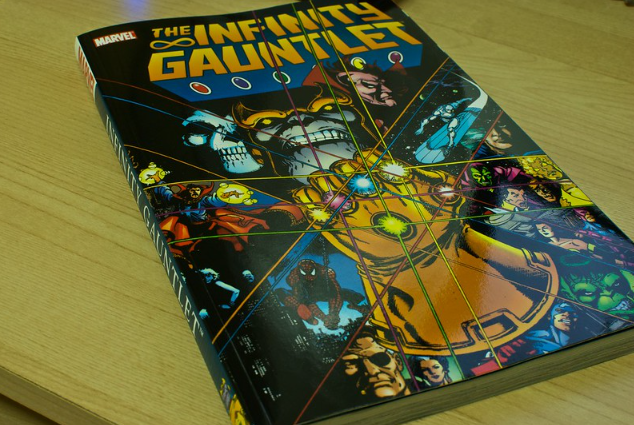
Though it began in 1991, the ripple effects carried across the decade. Thanos collected the Infinity Gems, snapped his fingers, and half the universe disappeared.
Cosmic entities, street-level heroes, and everything in between joined the desperate fight against him.It wasn’t just about Thanos’s power—it was about everyone else’s vulnerability.
Strange to see mortals and gods on the same battlefield, yet the tension made it unforgettable.
Maximum Carnage
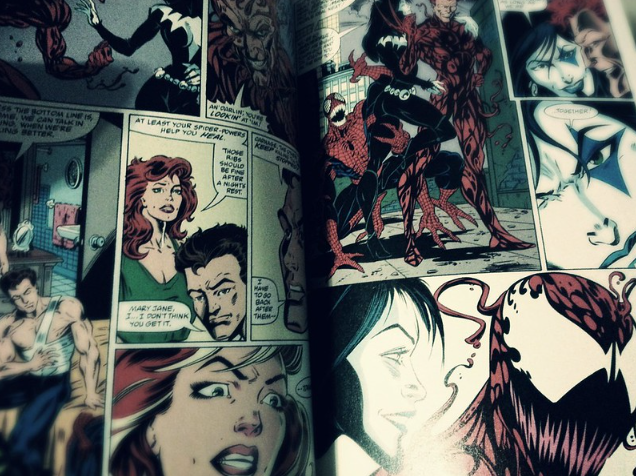
In 1993, Spider-Man faced one of his darkest sagas. Carnage, joined by a twisted “family” of killers, unleashed terror across New York.
The event sprawled over fourteen issues and pulled in allies from Venom to Cloak and Dagger.It was violent, chaotic, and drenched in red ink. Not subtle. But the grim energy captured the excess of the 90s perfectly.
Somewhere in between the screaming symbiotes and the city-wide battles, the story cemented Carnage as more than just a villain—he became a nightmare.
Like Go2Tutors’s content? Follow us on MSN
When Comics Turned Into Spectacle
The 1990s turned comic events into cultural moments, not just monthly issues. Stories sprawled, characters broke, and universes bent under the weight of ambition
. Some arcs were messy, some unforgettable, but all carried the feeling that comics were larger than life. The page wasn’t just telling stories anymore—it was staging blockbusters.
More from Go2Tutors!

- 16 Historical Figures Who Were Nothing Like You Think
- 12 Things Sold in the 80s That Are Now Illegal
- 15 VHS Tapes That Could Be Worth Thousands
- 17 Historical “What Ifs” That Would Have Changed Everything
- 18 TV Shows That Vanished Without a Finale
Like Go2Tutors’s content? Follow us on MSN.