15 Things That Glow Under Black Light
Black lights reveal a hidden world of fluorescent wonders that surround us every day. When ultraviolet radiation hits certain materials, they absorb the invisible light and emit it back as visible colors, creating an almost magical glow effect. From everyday household items to natural phenomena, these fluorescent displays happen because of special compounds called phosphors that act like tiny light converters.
The science behind this glow is surprisingly simple, yet the results never fail to amaze. Here is a list of 15 things that glow under black light, each one revealing surprising properties hiding in plain sight.
Tonic Water
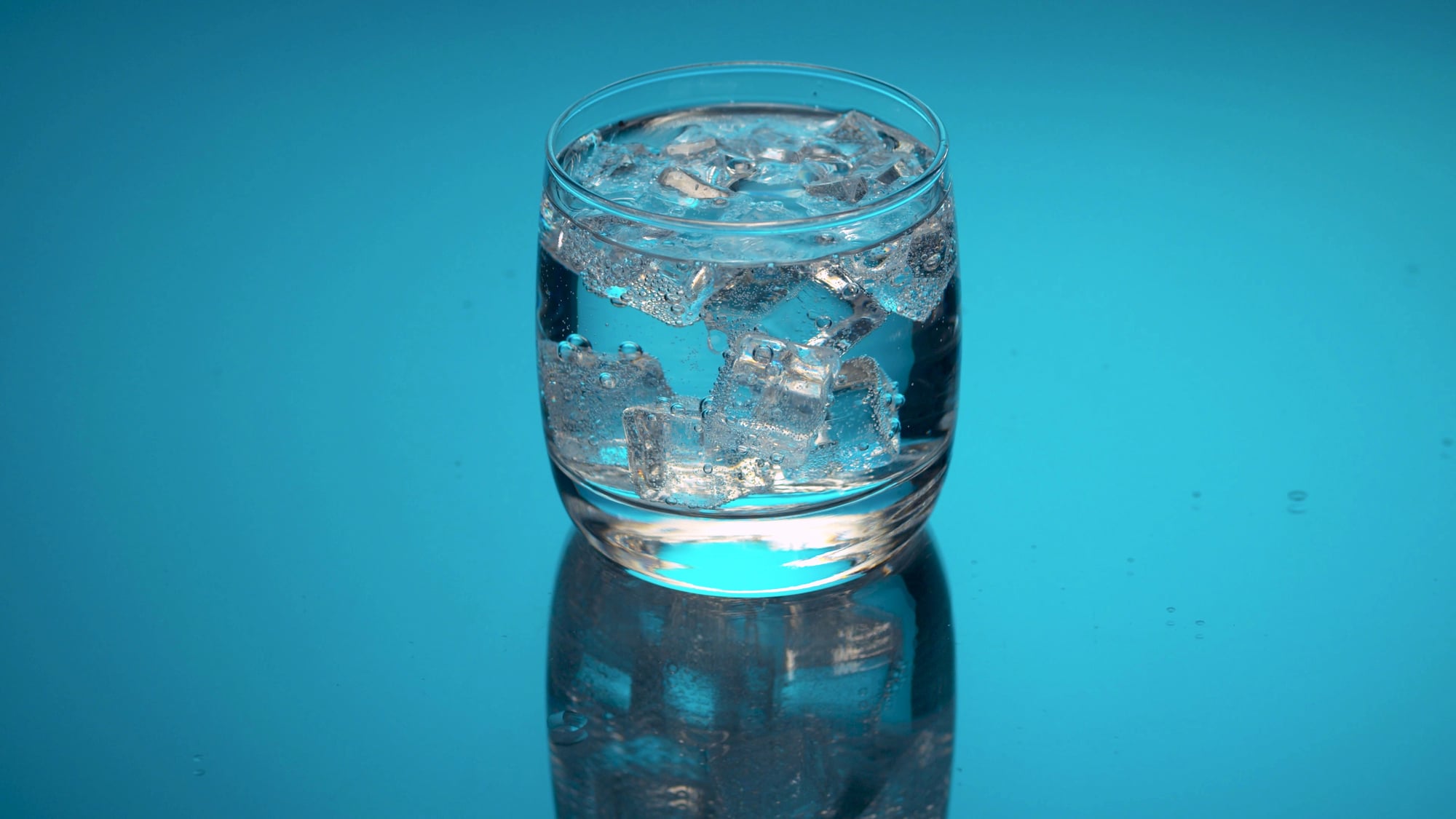
The glow comes from quinine, a bitter compound added to tonic water. Quinine absorbs UV light and emits it as a vibrant blue fluorescence.
This makes your gin and tonic literally light up at parties, creating an otherworldly blue glow that’s perfect for impressing guests.
White Clothing

White T-shirts and socks normally glow under a black light because modern detergents contain phosphors that convert UV light into white light. Your freshly washed white clothes will practically blind you under UV light, glowing with an intense blue-white radiance.
Older white clothes that haven’t been washed with modern detergents won’t glow nearly as brightly.
Like Go2Tutors’s content? Follow us on MSN.
Petroleum Jelly
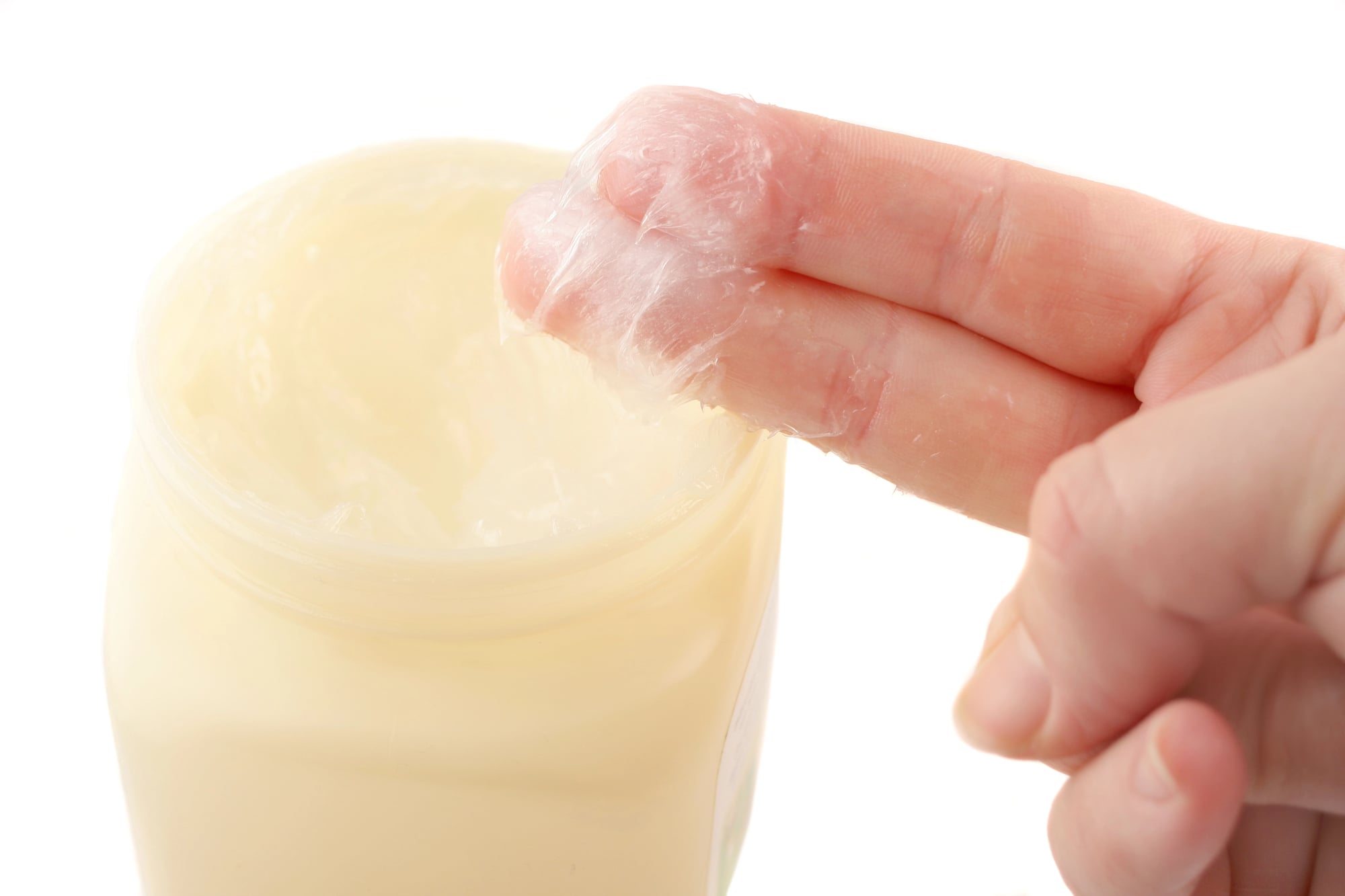
Petroleum jelly, such as Vaseline, has a strong bluish-white glow under black light. This effect occurs because the hydrocarbons in petroleum jelly fluoresce under UV exposure.
Petroleum jelly contains chemicals called phosphors that absorb UV light, later emitting it as a light that we can actually see as part of the visible spectrum.
Scorpions

The hyaline layer is really strong and truly stands up to the tests of time. In fact, scientists have found that even fossilized scorpions glow under UV light.
Living scorpions glow with an eerie blue-green light that makes them look like creatures from another planet. This natural fluorescence helps researchers track these arachnids in the wild.
Bananas

The dark spots on bananas glow slightly under UV. Many common items like ripe bananas and tonic water will glow under a black light.
The riper the banana, the more pronounced the glow becomes, creating fascinating patterns where the brown spots appear.
Like Go2Tutors’s content? Follow us on MSN.
Uranium Glass
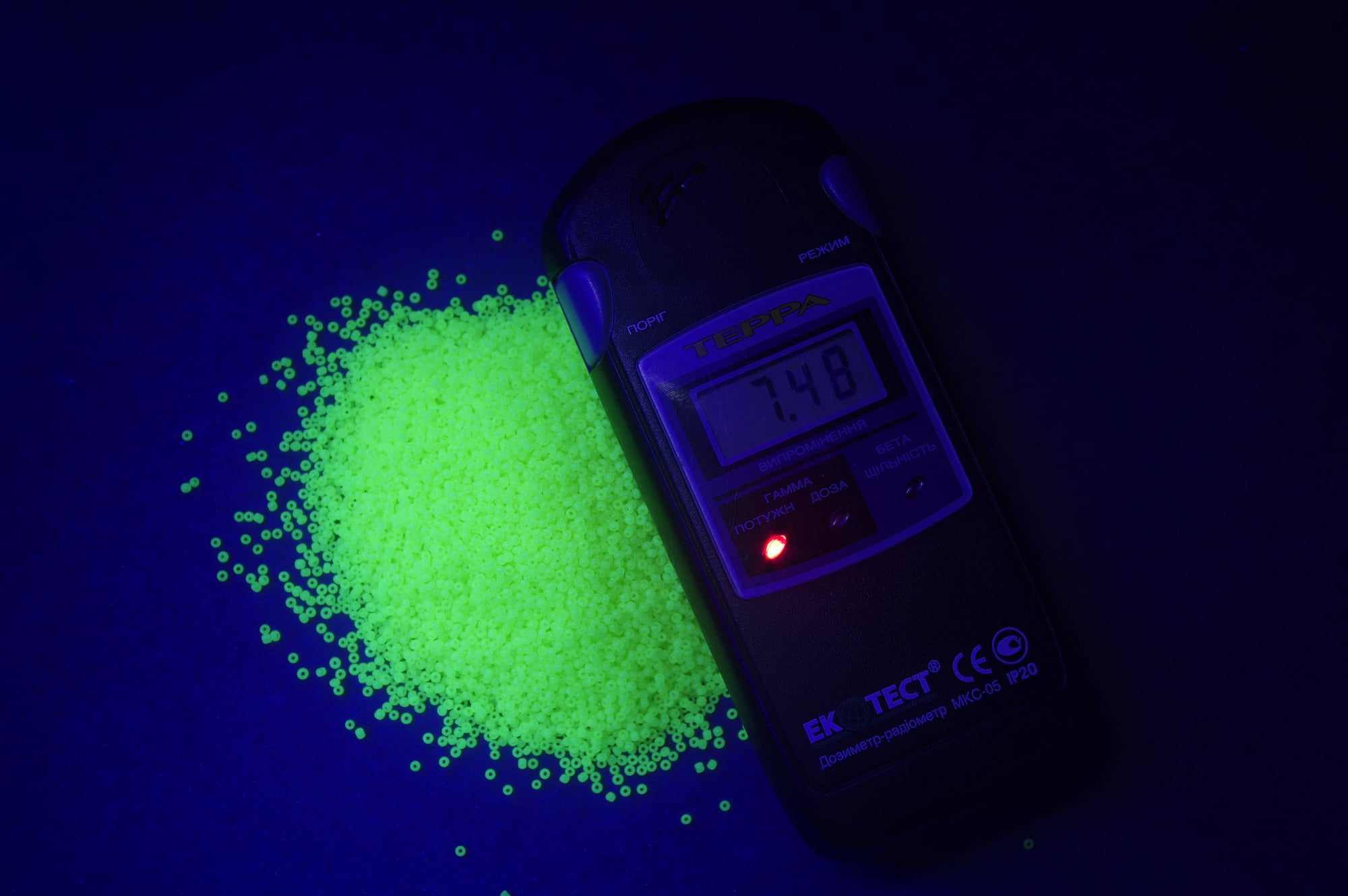
Uranium glass or vaseline glass – glow green, yellow, or blue. This vintage glassware contains small amounts of uranium oxide, which makes it fluoresce brilliantly under black light.
Despite containing uranium, these pieces are generally safe to handle and collect, though you probably shouldn’t eat off them regularly.
Highlighter Ink
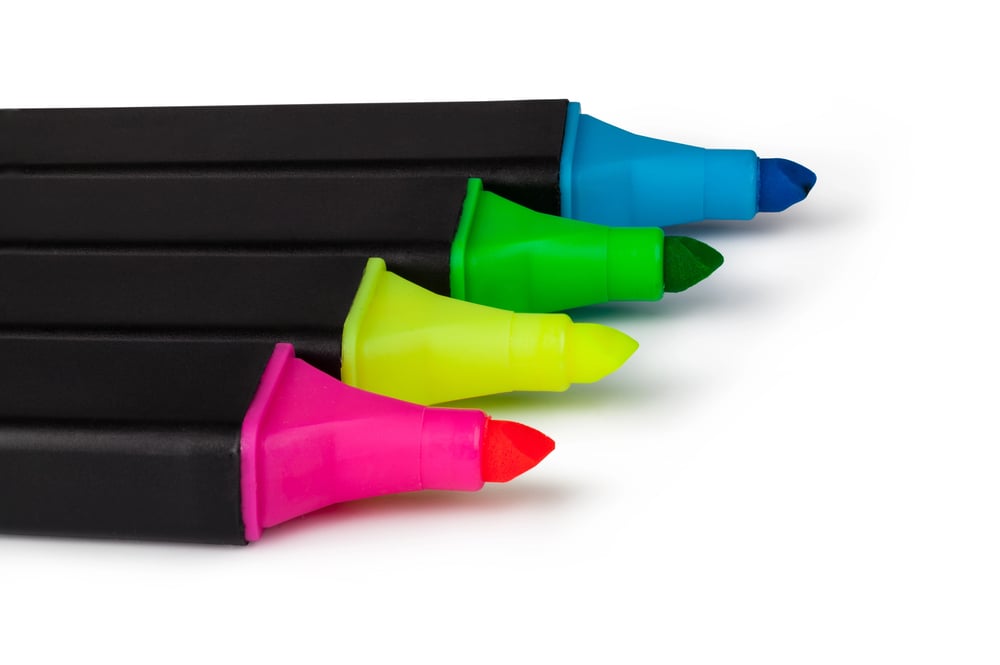
Highlighters and dyes have photoluminescent molecules added during manufacturing. Yellow highlighters glow bright green, while pink ones create vibrant orange displays.
Art students have been using this property for decades to create glowing artwork and posters.
Paper Money

Cash – banknotes have added photoluminescent details to prevent fraud. Modern currency includes fluorescent security features that glow under UV light.
These hidden elements help bank tellers and businesses verify authentic bills quickly and efficiently.
Like Go2Tutors’s content? Follow us on MSN.
Laundry Detergent

Cleaning materials – detergents often have photoluminescent molecules to make them easy to see. Liquid laundry detergent glows bright blue under black light due to optical brighteners added during manufacturing.
These same compounds are what make your white clothes glow after washing.
Fluorite

Rocks such as fluorite, calcite, gypsum, ruby, talc, opal, agate, quartz, and amber all glow to differing extents under UV blacklight. Fluorite is perhaps the most famous fluorescent mineral, often glowing deep purple or blue.
Mineral collectors prize specimens that show dramatic color changes under different lighting conditions.
Chlorophyll
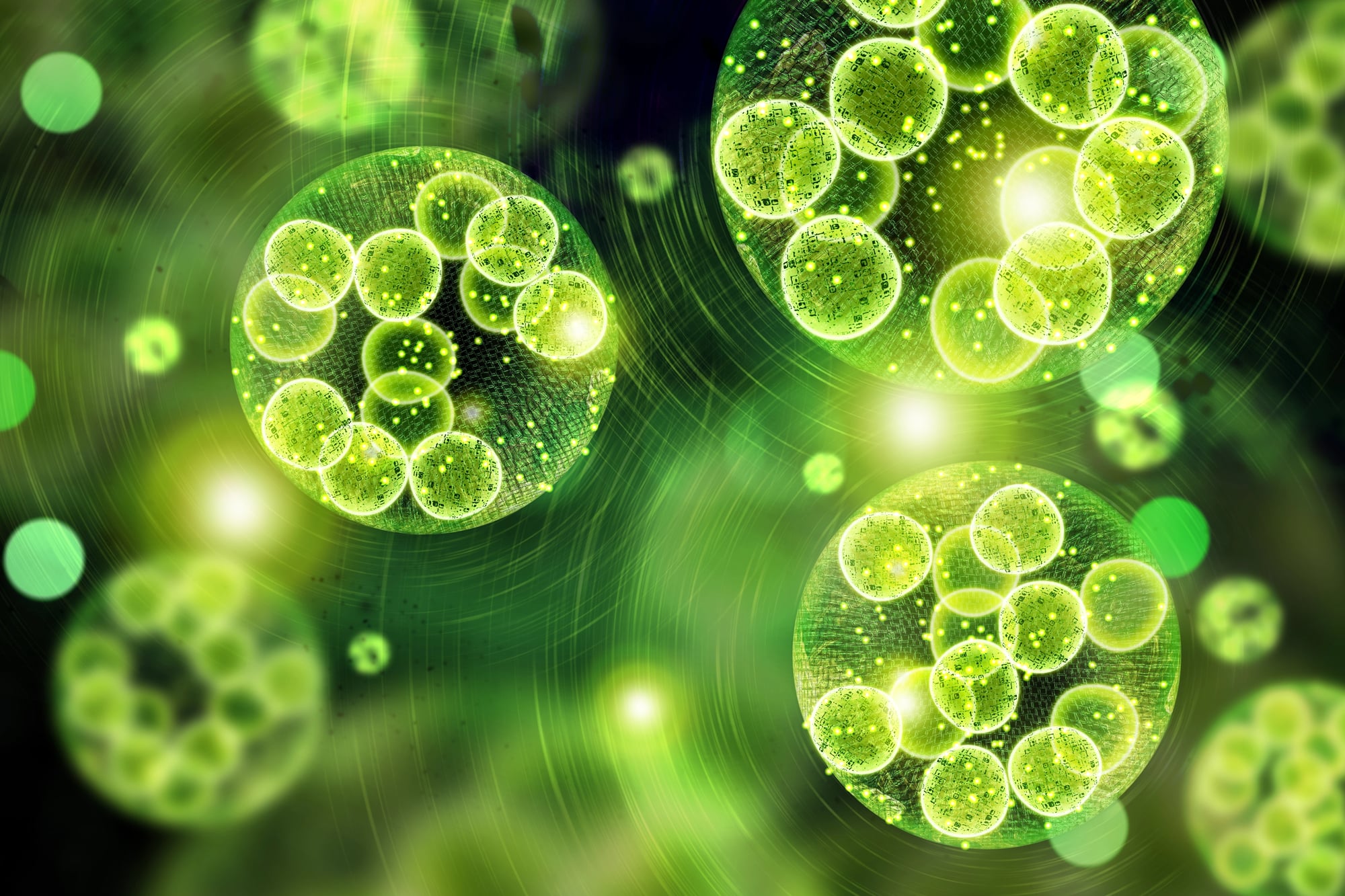
Some vitamins, chlorophyll, and even scorpions can glow under black light. Green plants and leaves emit a distinctive red glow when exposed to UV light.
This happens because chlorophyll molecules absorb the ultraviolet radiation and re-emit it as visible red light.
Like Go2Tutors’s content? Follow us on MSN.
Jellyfish
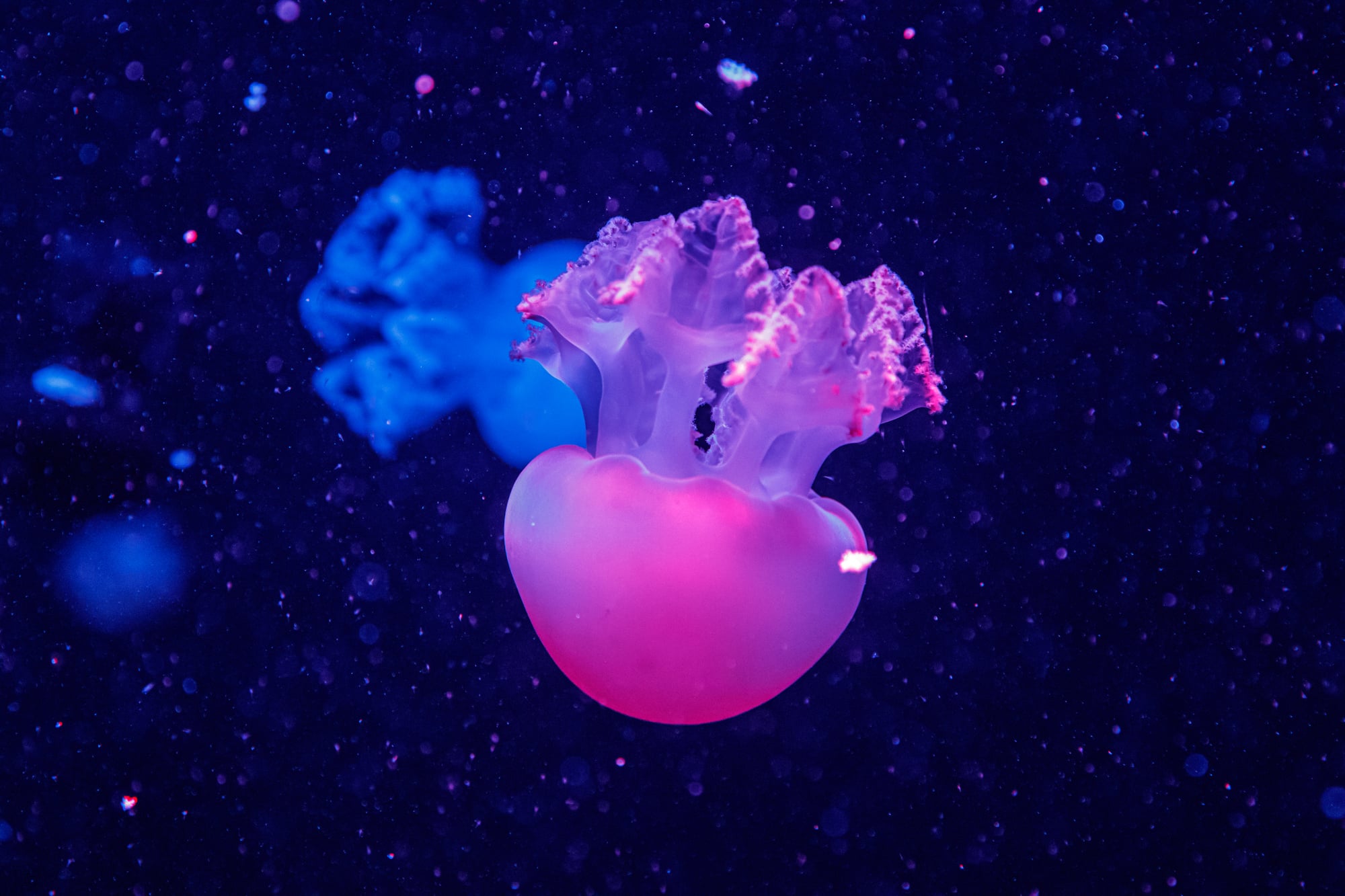
Plants, and fungi (especially marine life) – usually green or blue. Many jellyfish species contain fluorescent proteins that create stunning displays under black light.
These same proteins have revolutionized medical research and are used in laboratories worldwide to track cellular processes.
Certain Vitamins

Some vitamins, chlorophyll, and even scorpions can glow under black light. B vitamins, particularly riboflavin (B2), glow bright yellow-green under UV light.
Crushed vitamin tablets or energy drinks containing these vitamins will often fluoresce noticeably.
Calcite

Rocks such as fluorite, calcite, gypsum, ruby, talc, opal, agate, quartz, and amber all glow to differing extents under UV blacklight. This common mineral can glow in various colors depending on its impurities, ranging from red and orange to blue and green.
Calcite specimens often surprise collectors with their vibrant fluorescent displays.
Like Go2Tutors’s content? Follow us on MSN.
Teeth and Fingernails

Human teeth and fingernails contain compounds that fluoresce under black light, typically glowing white or blue. Dentists sometimes use UV lights to examine teeth for problems, as decay and plaque can show up differently under ultraviolet illumination.
Your smile literally lights up the room under the right conditions.
Hidden Patterns Everywhere

Fluorescent substances absorb ultraviolet light and re-emit it to make them appear to glow. The next time you encounter a black light, take a moment to examine the ordinary objects around you – you’ll be amazed at what starts glowing.
From the security strips in your driver’s license to the brightening agents in your favorite shampoo, our world is full of hidden fluorescent surprises waiting to be discovered. Additionally, when scientists preserve scorpion specimens in liquid-filled jars, the hyaline layer can make the liquid glow! Even the preservation fluids in science labs join this glowing party, proving that fluorescence truly is everywhere once you know where to look.
More from Go2Tutors!

- 16 Historical Figures Who Were Nothing Like You Think
- 12 Things Sold in the 80s That Are Now Illegal
- 15 VHS Tapes That Could Be Worth Thousands
- 17 Historical “What Ifs” That Would Have Changed Everything
- 18 TV Shows That Vanished Without a Finale
Like Go2Tutors’s content? Follow us on MSN.