14 Famous Schools & Universities That No Longer Exist
Throughout history, educational institutions have risen and fallen like civilizations themselves. Some succumbed to financial ruin, others to war or natural disaster.
Many simply couldn’t adapt to changing times. These forgotten halls of learning once shaped minds, launched careers, and held the promise of knowledge — before circumstances beyond their control wrote their final chapters.
Troy Female Seminary
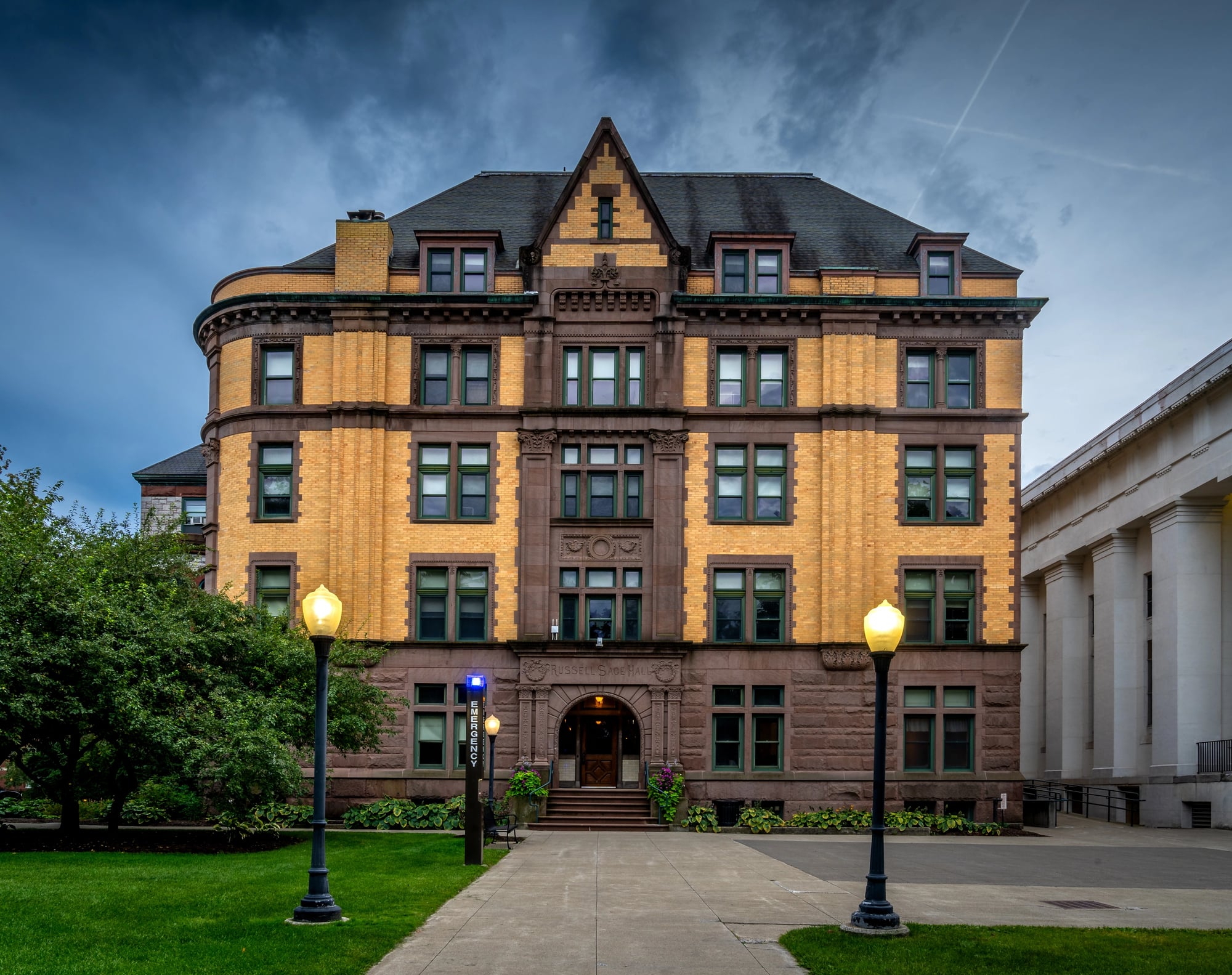
The Troy Female Seminary closed its doors in 1895 after revolutionizing women’s education for over seven decades. Emma Willard founded this institution in 1821 with a radical idea: women deserved the same rigorous academic training as men.
Students studied mathematics, science, and philosophy alongside traditional domestic arts. The seminary graduated teachers who spread across the country, establishing schools from coast to coast.
When economic pressures and changing educational landscapes finally forced its closure, the institution had already accomplished what it set out to do — proving women’s intellectual capabilities to a skeptical world.
Columbian College
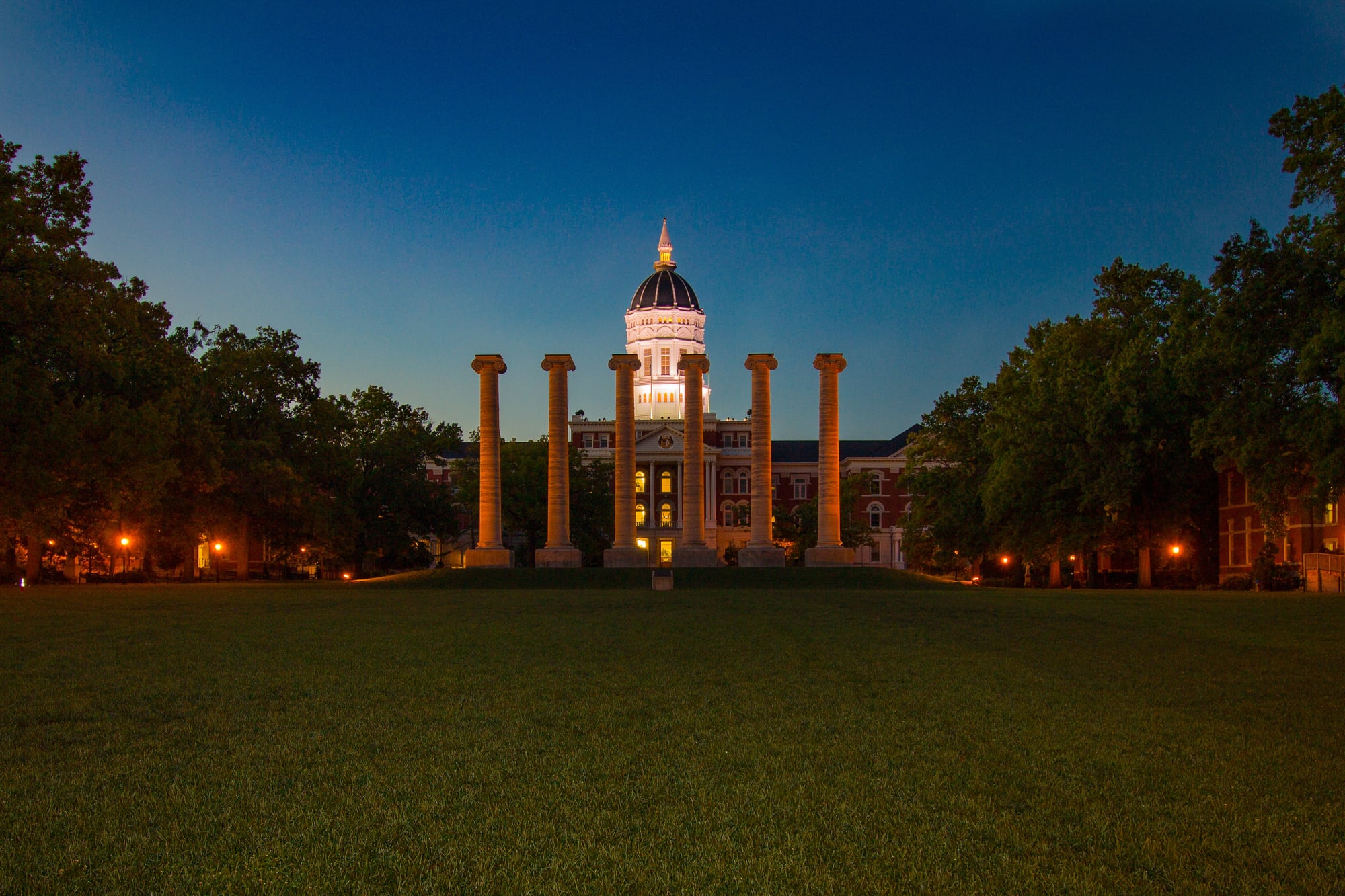
Before George Washington University claimed the title, Columbian College served Washington D.C. as its premier institution of higher learning — though the journey from ambitious beginning to quiet dissolution tells a different story entirely (one that involves more financial scandals and political meddling than most people realize). Founded in 1821 with grand aspirations to become the “Harvard of the South,” the college attracted students from prominent families who arrived expecting prestige but often found chaos instead.
The administration changed hands so frequently that students joked they needed a program just to keep track of who was in charge. And yet, somehow, real education happened between the drama.
So much education, in fact, that when the college finally restructured and emerged as George Washington University in 1904, it carried forward a solid academic reputation that the original founders would have recognized: hard-won, a little battered, but ultimately worthwhile.
Antioch College
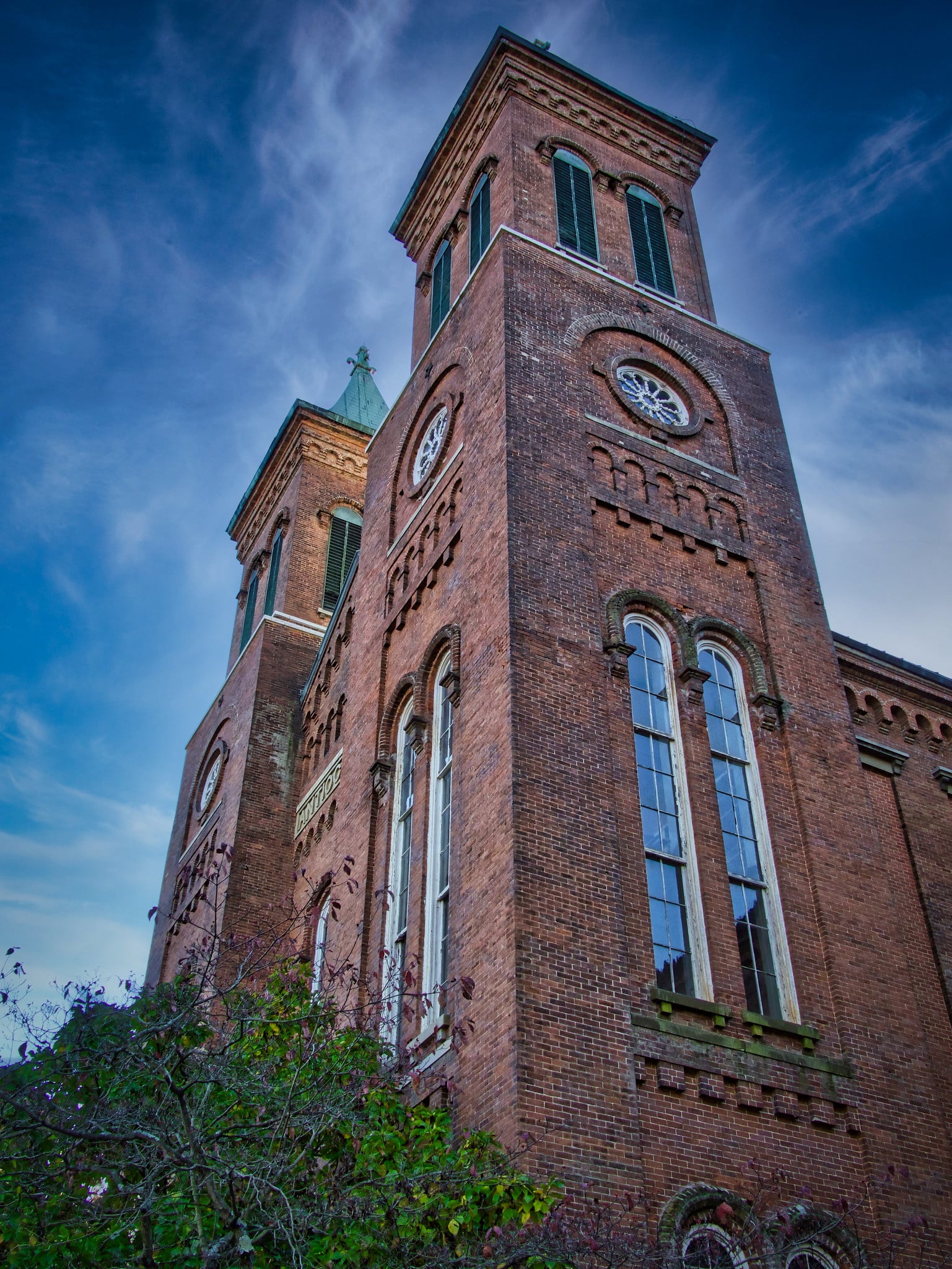
There’s something unsettling about walking through a campus where the silence isn’t peaceful — it’s absolute. Antioch College, which closed in 2008 after 155 years, still stands in Yellow Springs, Ohio, its brick buildings holding the echoes of conversations that will never resume.
The classrooms where students once debated social justice and academic freedom now collect dust with the patience of abandoned theaters. The college had always been a place for students who didn’t quite fit elsewhere, who needed space to think differently.
When financial troubles finally overwhelmed the institution, something more than a school disappeared. A particular kind of intellectual sanctuary vanished, the sort that doesn’t get rebuilt once it’s gone.
Franklin College of Indiana
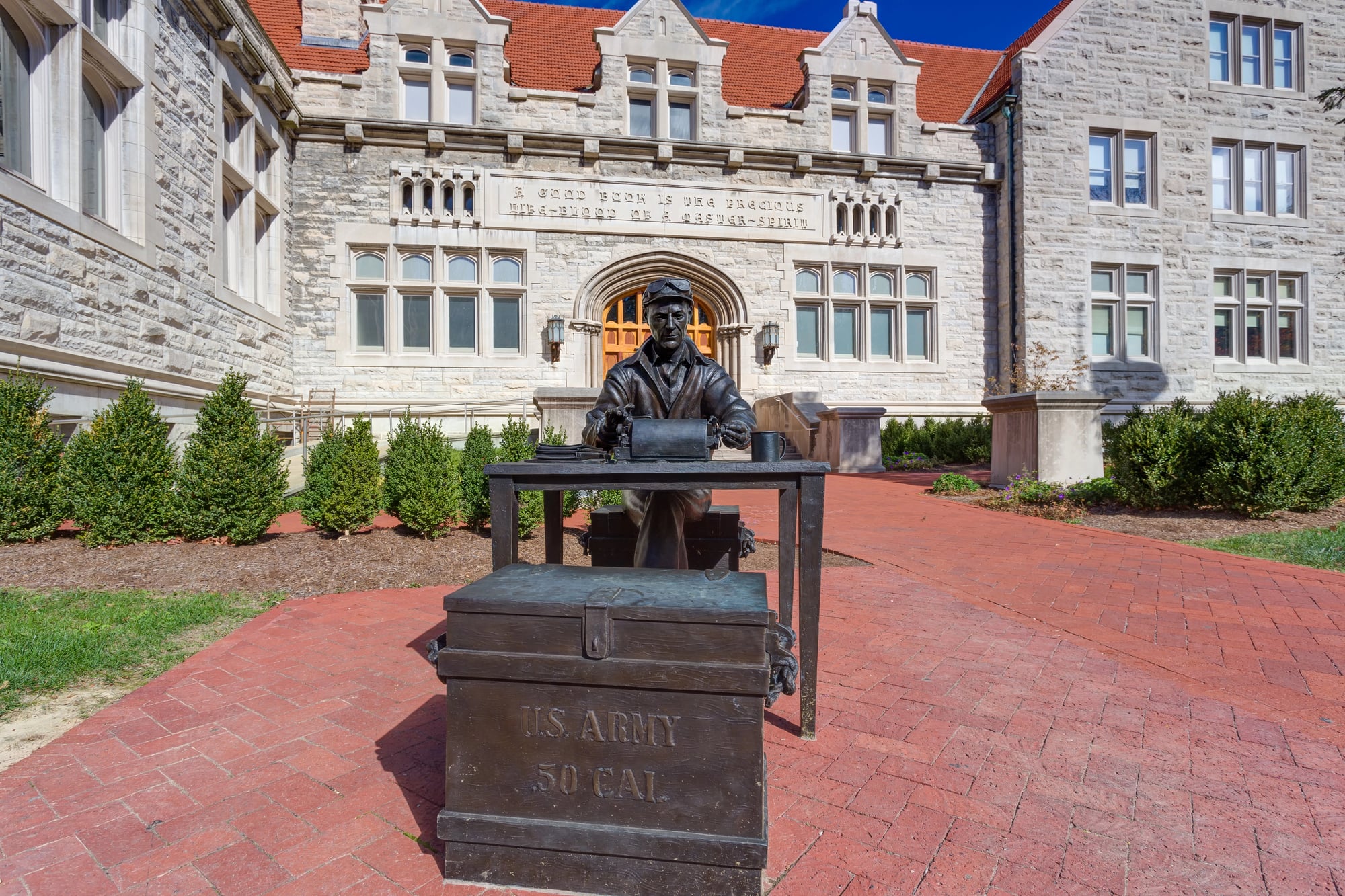
Franklin College should have succeeded. Small liberal arts colleges were supposed to thrive in tight-knit communities, and Franklin had everything going for it — dedicated faculty, engaged students, and a town that genuinely cared about its educational centerpiece.
The college operated from 1834 to 2023, which is saying something in an era where institutions fold after a few bad semesters. To be fair, lasting nearly two centuries suggests they were doing most things right.
What finally brought Franklin down wasn’t incompetence or scandal, but the grinding economics of higher education that spare no one.
Parsons College
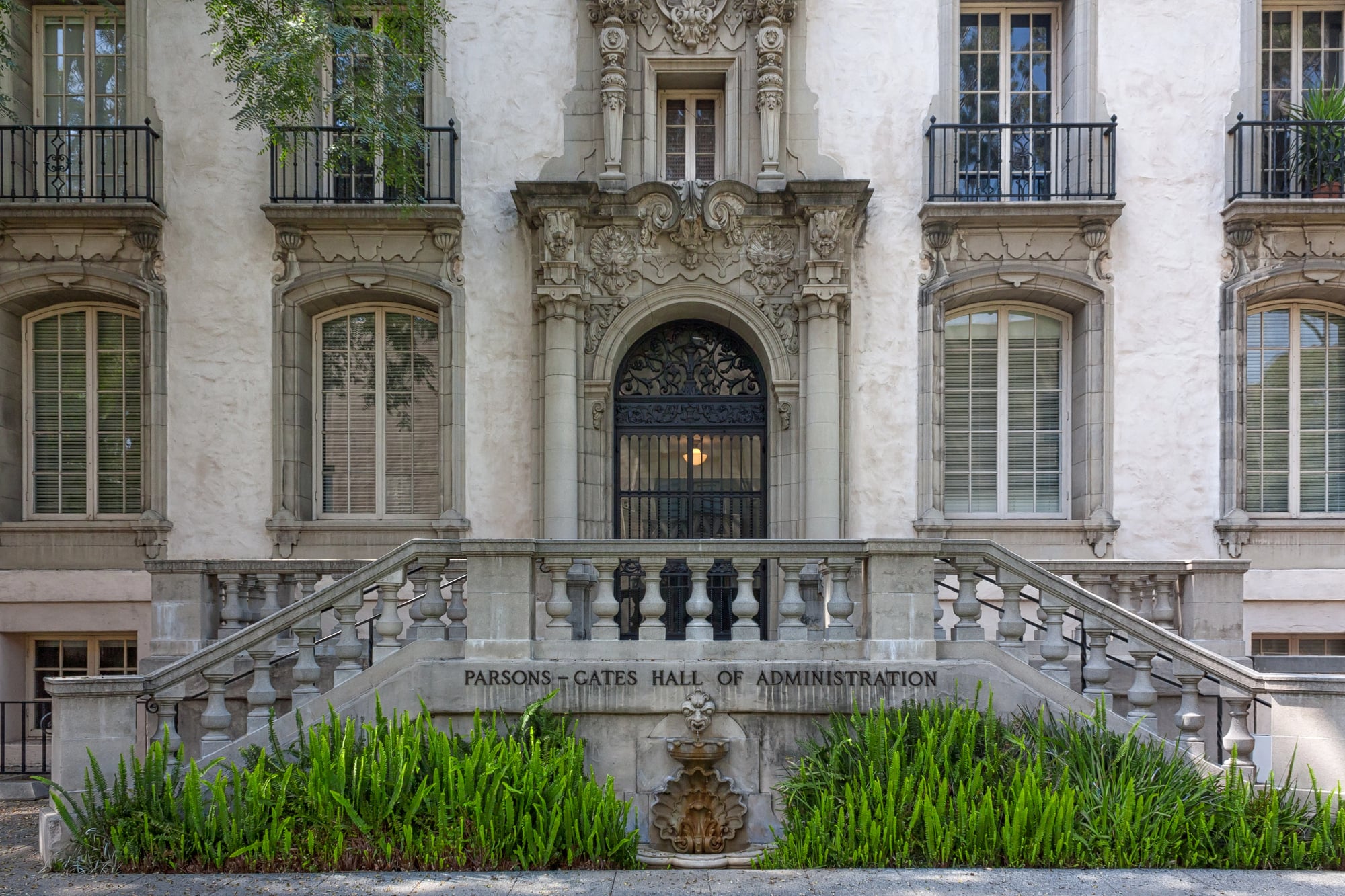
Parsons College collapsed in spectacular fashion in 1973, but not before becoming one of the most controversial educational experiments in American history. The Iowa institution embraced what critics called “educational McDonald’s” — mass-produced degrees with minimal academic rigor and maximum profit margins.
At its peak, Parsons enrolled over 5,000 students by accepting anyone willing to pay tuition (which was considerable for the time). The college operated year-round, promised degrees in three years, and marketed itself aggressively to students who couldn’t get into traditional universities.
Faculty salaries were high, enrollment was booming, and everything looked successful from the outside — until accreditation agencies took a closer look at what was actually happening in those classrooms. The collapse, when it came, was swift and total.
Students scattered to other institutions, faculty found new positions, and the campus eventually became a state prison.
Mount Ida College
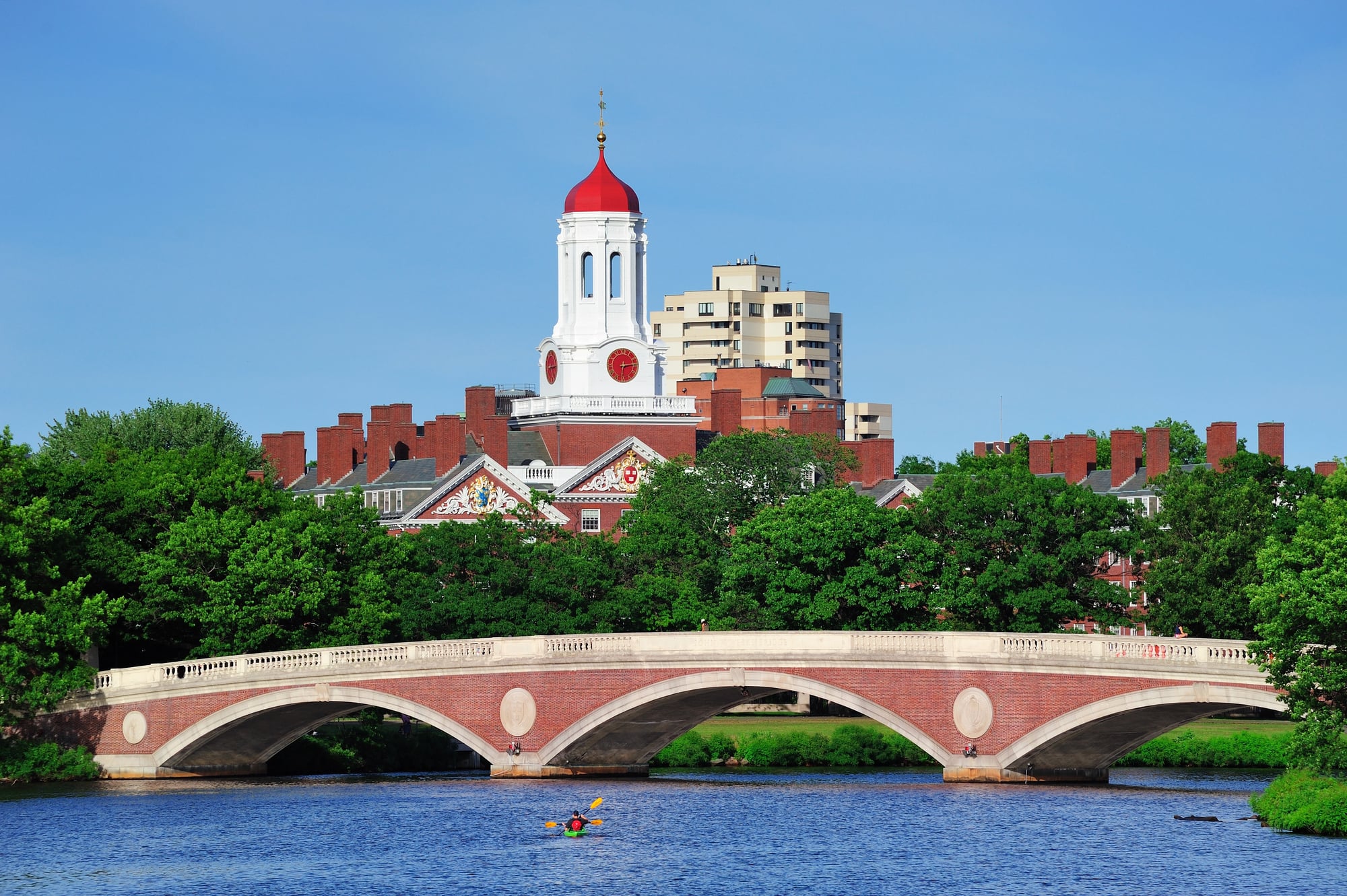
Mount Ida College in Massachusetts represents the kind of institutional death that happens quietly, without drama or final speeches. The college simply ran out of money in 2018 after 119 years of operation.
Students learned about the closure through news reports rather than official announcements. Faculty found out their positions were eliminated when they arrived for what they thought was a routine semester.
The campus, with its mix of historic and modern buildings, was sold to the University of Massachusetts Amherst, which had no interest in preserving Mount Ida’s identity or legacy.
Burlington College
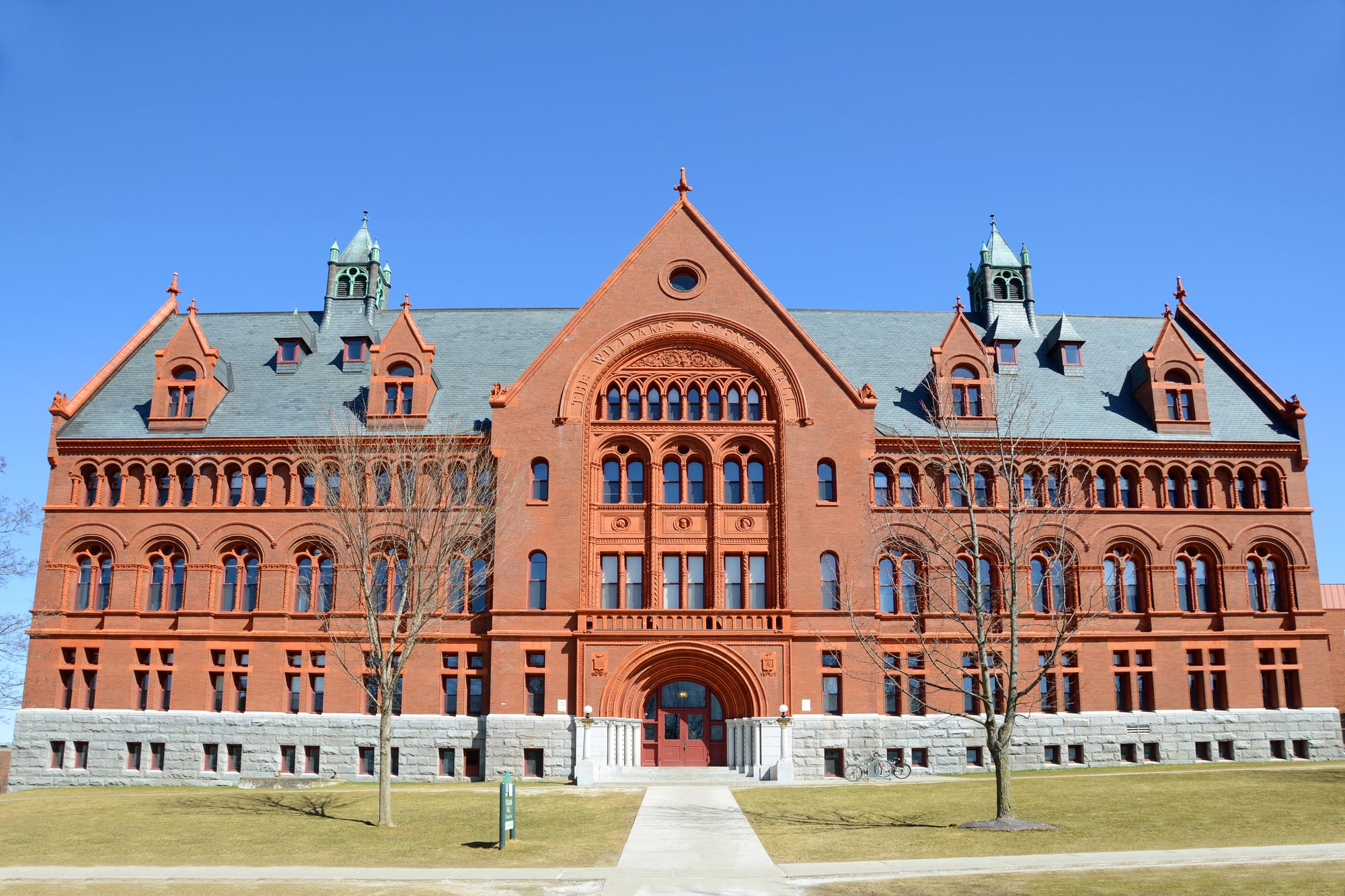
Burlington College lasted from 1972 to 2016, though its final years were overshadowed by a land deal gone wrong and the political ambitions of its former president’s husband. Jane Sanders led the Vermont college through an expansion that required borrowing $10 million to purchase a lakefront campus from the Catholic Church.
The college never recovered from the debt load. Enrollment declined, donations dried up, and accreditation became precarious.
When Bernie Sanders launched his presidential campaign, scrutiny of his wife’s role in Burlington College’s financial troubles became a national story. The college closed quietly, its students transferred elsewhere, and its beautiful campus was sold to a developer.
Dowling College
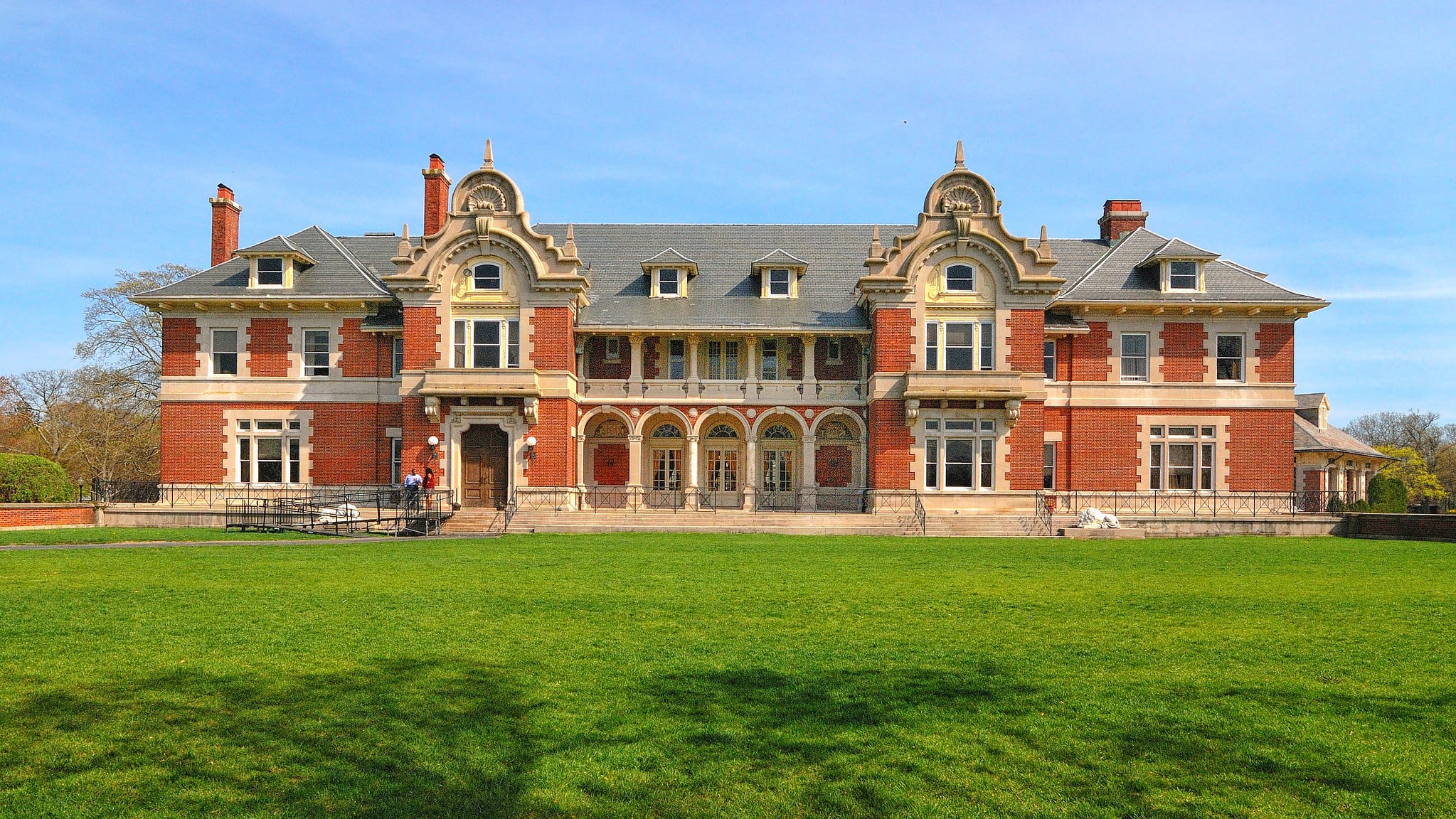
Dowling College’s demise in 2016 reads like a case study in institutional mismanagement — the kind of slow-motion catastrophe that unfolds over years while everyone involved hopes someone else will fix the fundamental problems. Located on Long Island, the college accumulated debt through ambitious expansion projects and enrollment strategies that never quite delivered the promised results.
The administration kept borrowing against future growth that never materialized. What makes Dowling’s closure particularly bitter is how predictable it became.
Faculty and staff watched their institution crumble through a series of increasingly desperate measures: program cuts, hiring freezes, deferred maintenance, and eventually the kind of financial gymnastics that only delay the inevitable. Students transferred out in waves as word spread that degrees from a failing institution might not carry much weight in the job market.
Saint Paul’s College
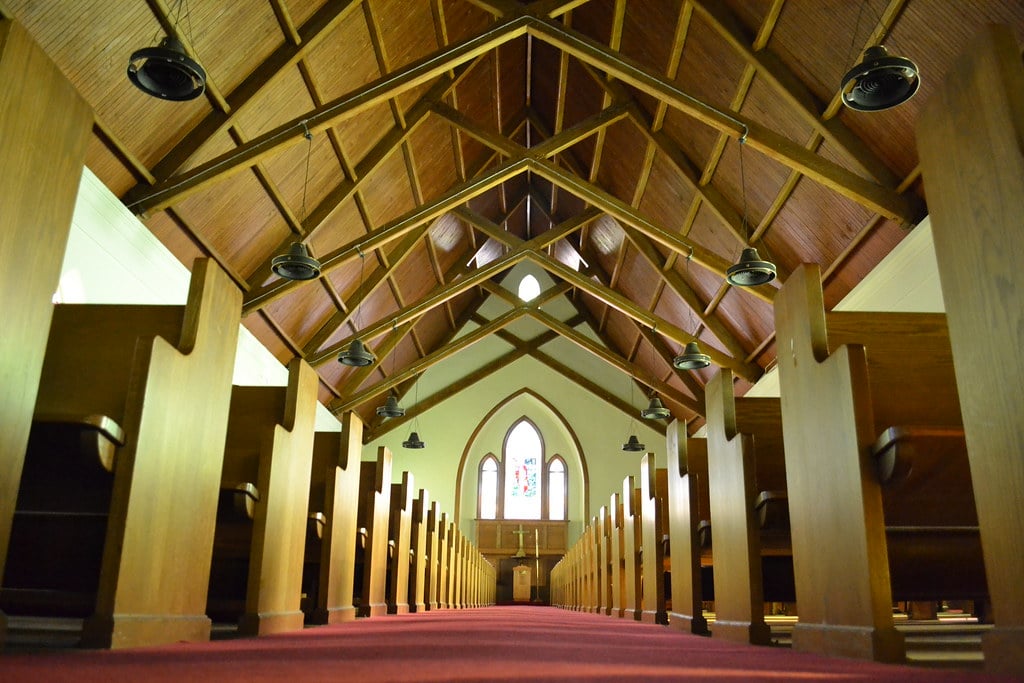
Saint Paul’s College in Virginia represented something irreplaceable in American higher education — a historically black institution that had been educating students since 1888. When it closed in 2013, the loss went beyond mere statistics about enrollment and endowments.
The college had weathered Jim Crow, the Great Depression, and decades of financial uncertainty before finally succumbing to debt and declining enrollment. Alumni who had found opportunity and advancement through Saint Paul’s watched their alma mater disappear with a particular kind of grief.
These institutions weren’t just schools; they were symbols of progress and possibility in communities that had been denied both for generations.
Dana College
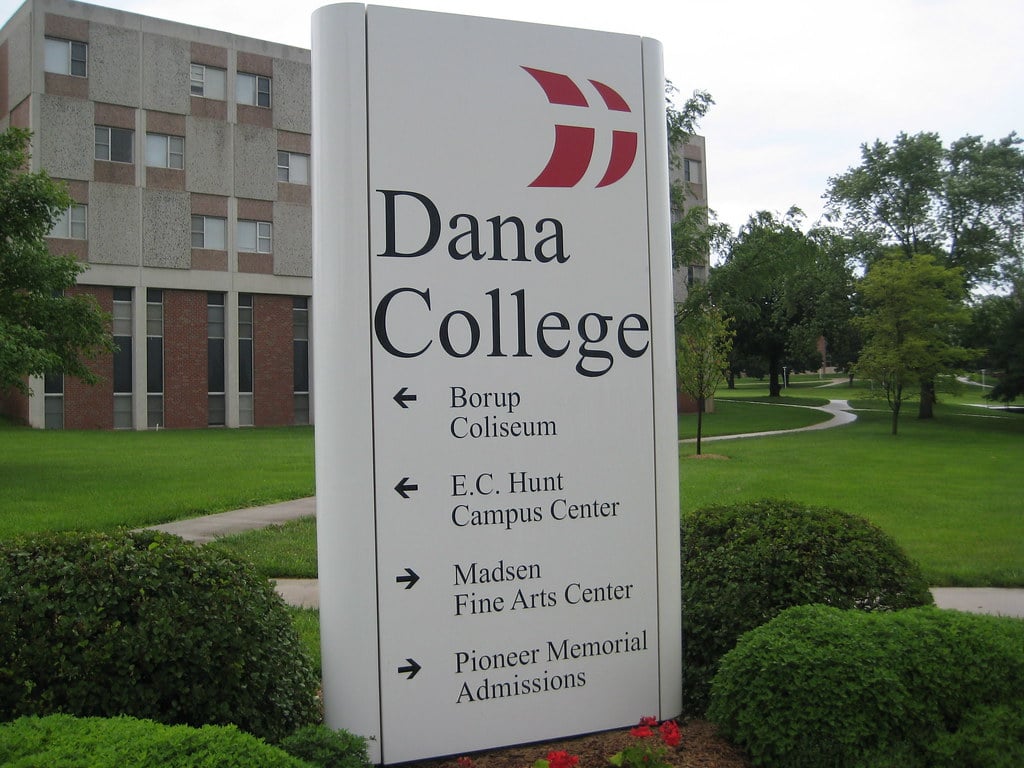
Dana College in Nebraska closed in 2010 after 123 years, but the end came suddenly enough that students were still registering for classes when the announcement was made. The small Lutheran college had been struggling financially for years, operating with a skeleton staff and deferred maintenance that left campus buildings in visible decline.
What made Dana’s closure especially difficult was how integral the college had become to Blair, Nebraska — a small town where the institution was one of the largest employers and cultural centers. Faculty members had taught there for decades, raising families in a community that revolved around the academic calendar.
When Dana closed, it didn’t just eliminate jobs; it fundamentally altered the character of the town itself.
Concordia College
Concordia College in New York announced its closure in 2023 after nearly 150 years of operation — though by that point, the writing had been visible on crumbling dormitory walls and half-empty classrooms for anyone willing to read it carefully enough (which, to be fair, most people weren’t until the end became unavoidable). The Lutheran college had been hemorrhaging money for years while administrators publicly maintained that financial challenges were temporary and manageable.
Students kept enrolling because small colleges are supposed to provide personal attention and close faculty relationships that larger universities can’t match. The reality was messier.
So professors found themselves teaching multiple disciplines outside their expertise because the college couldn’t afford specialized faculty, and students discovered that “small class sizes” sometimes meant they were the only person registered for a required course: an intimacy that crosses the line from cozy into economically unsustainable.
Atlantic Union College
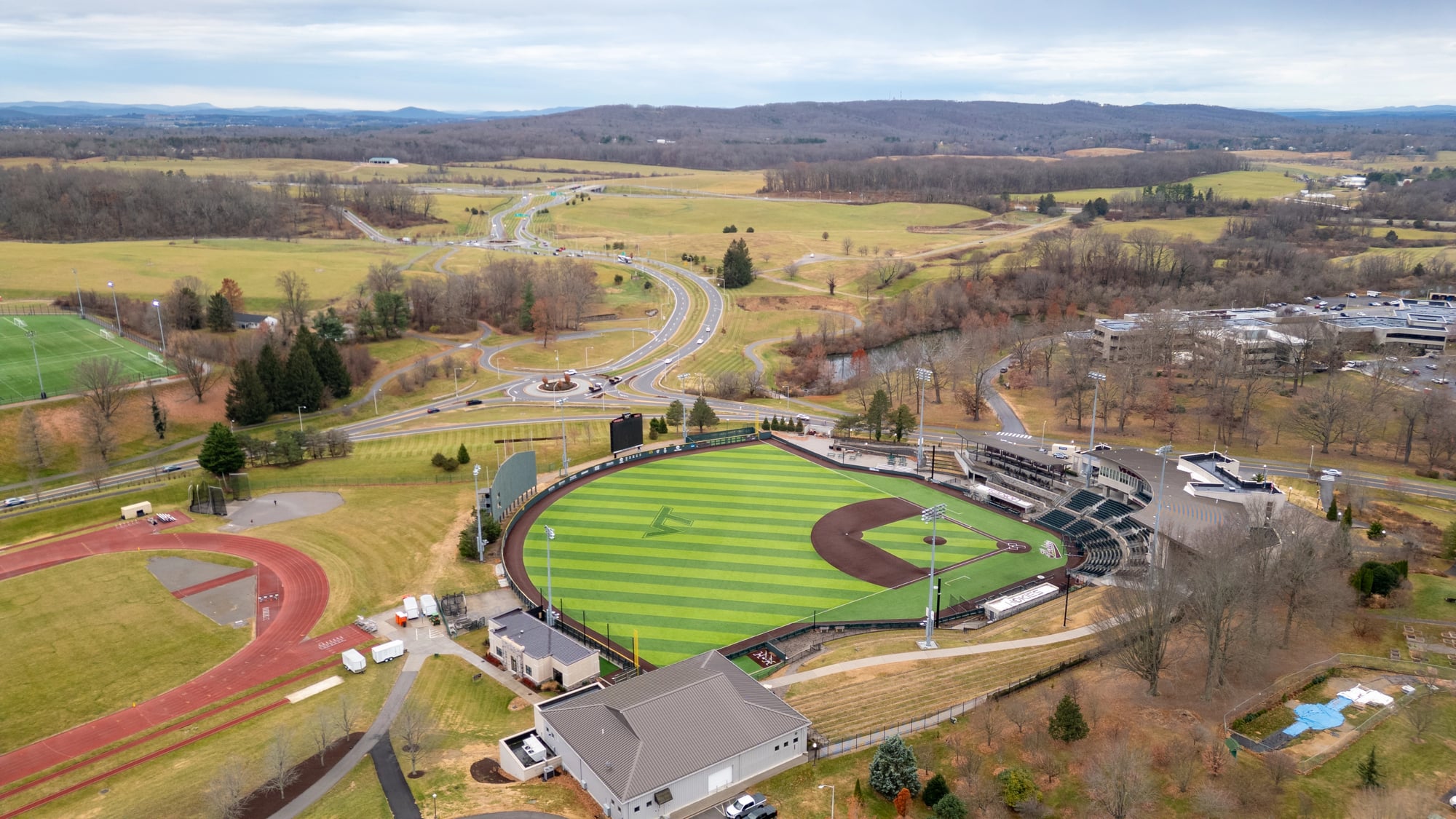
Atlantic Union College in Massachusetts closed in 2018 after financial troubles and accreditation issues finally overwhelmed the Seventh-day Adventist institution. The college had been operating on borrowed time for years, losing students to larger universities and struggling to maintain the specialized religious education that had once set it apart.
The campus, with its mix of collegiate Gothic and mid-century buildings, sits largely empty now. Local residents drive past the abandoned dormitories and wonder what happens to all the institutional memory when a college simply disappears — the decades of graduation ceremonies, late-night study sessions, and the particular kind of community that forms around shared academic purpose.
Wheelock College

Wheelock College dedicated itself to education and social work for 139 years before merging out of existence in 2018. The Boston institution didn’t technically close — it was absorbed by Boston University — but the result was the same for anyone who cared about its distinct mission and identity.
Wheelock had specialized in training teachers and social workers since 1888, developing a reputation for hands-on learning and community engagement. When financial pressures made independence impossible, the college chose merger over closure.
Students kept their degrees and faculty kept their jobs, but Wheelock College itself ceased to exist as anything more than a name on certain BU programs.
Marylhurst University
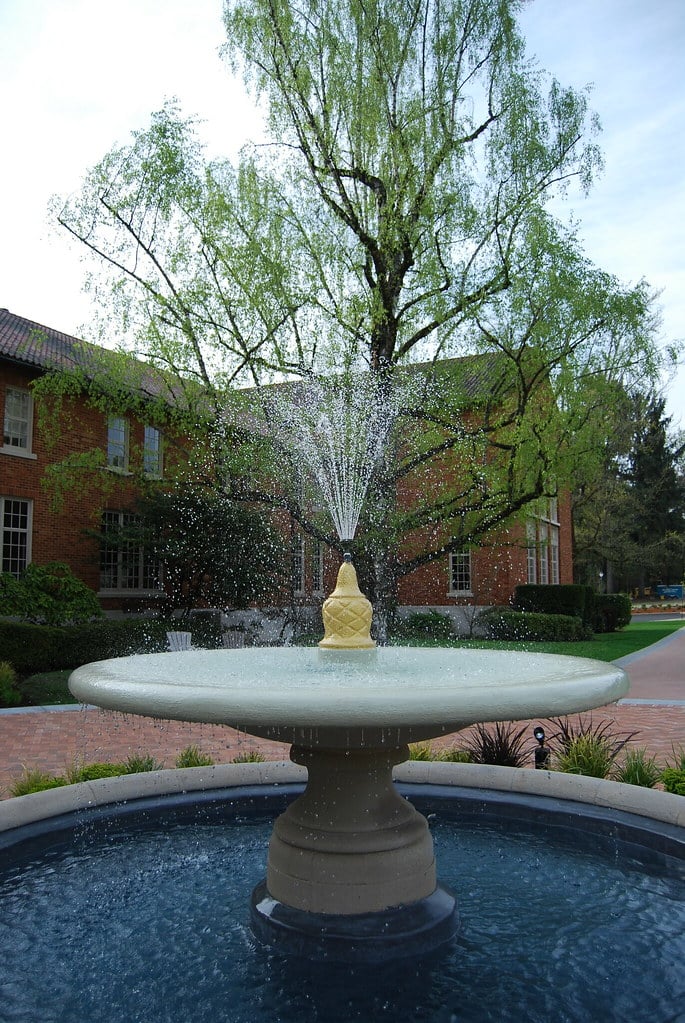
Marylhurst University in Oregon closed in 2018 after 125 years, though it had reinvented itself so many times that longtime observers weren’t sure what, exactly, was disappearing. Founded as a Catholic women’s college, Marylhurst had transformed into a progressive university serving adult learners and non-traditional students.
The campus, set on 130 acres of Oregon countryside, became known for innovative programs and flexible scheduling designed for working adults. But innovation couldn’t solve the fundamental economics of running a small private university in an increasingly competitive market.
When Marylhurst finally closed, it took with it a particular approach to higher education — one that prioritized accessibility and adaptation over prestige and tradition.
Echoes in Empty Hallways

These fourteen institutions represent more than failed business ventures or administrative miscalculations. Each college and university was a community unto itself, complete with traditions, rivalries, and the kind of shared experiences that bind alumni together decades after graduation.
Their closures remind us that permanence in education — like permanence anywhere else — is largely an illusion we maintain until circumstances prove otherwise. The buildings remain, mostly, repurposed or abandoned according to local real estate markets.
But the less tangible elements — the intellectual cultures, the faculty mentorships, the student traditions — disappear completely when an institution dies. That loss reverberates through communities in ways that spreadsheets and closure announcements never quite capture.
More from Go2Tutors!

- The Romanov Crown Jewels and Their Tragic Fate
- 13 Historical Mysteries That Science Still Can’t Solve
- Famous Hoaxes That Fooled the World for Years
- 15 Child Stars with Tragic Adult Lives
- 16 Famous Jewelry Pieces in History
Like Go2Tutors’s content? Follow us on MSN.