14 Famous Speeches Recorded Before Television Dominated
Before television, a speech lived in the ears of whoever was in the room or near a radio. Recordings from that period are rare, and the ones that survive often carry a story about how they came to exist at all.
The fourteen below include live broadcasts, studio recordings, and a few famous speeches that were never captured on the day they were given.
William Jennings Bryan’s Cross of Gold
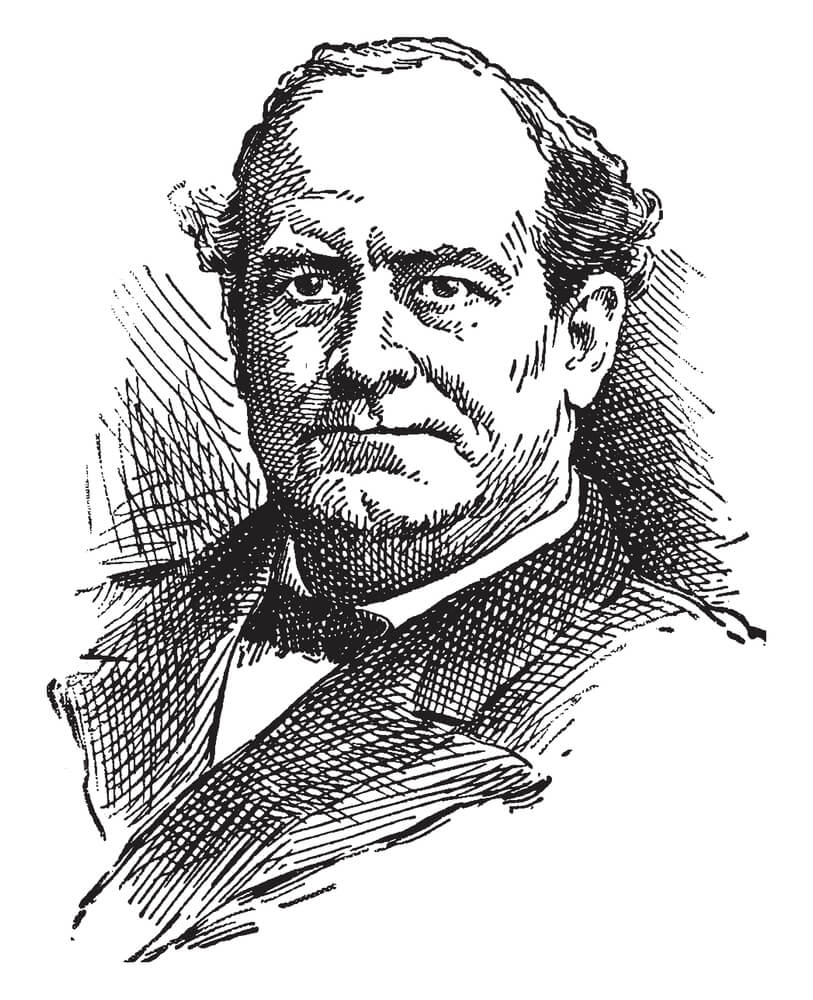
Bryan delivered the speech at the 1896 Democratic convention, long before recording was practical. In 1921 he re-recorded it for Gennett Records in Richmond, Indiana.
The recording preserves his voice, though it comes from a performance twenty-five years after the original.
Calvin Coolidge’s 1925 Inauguration
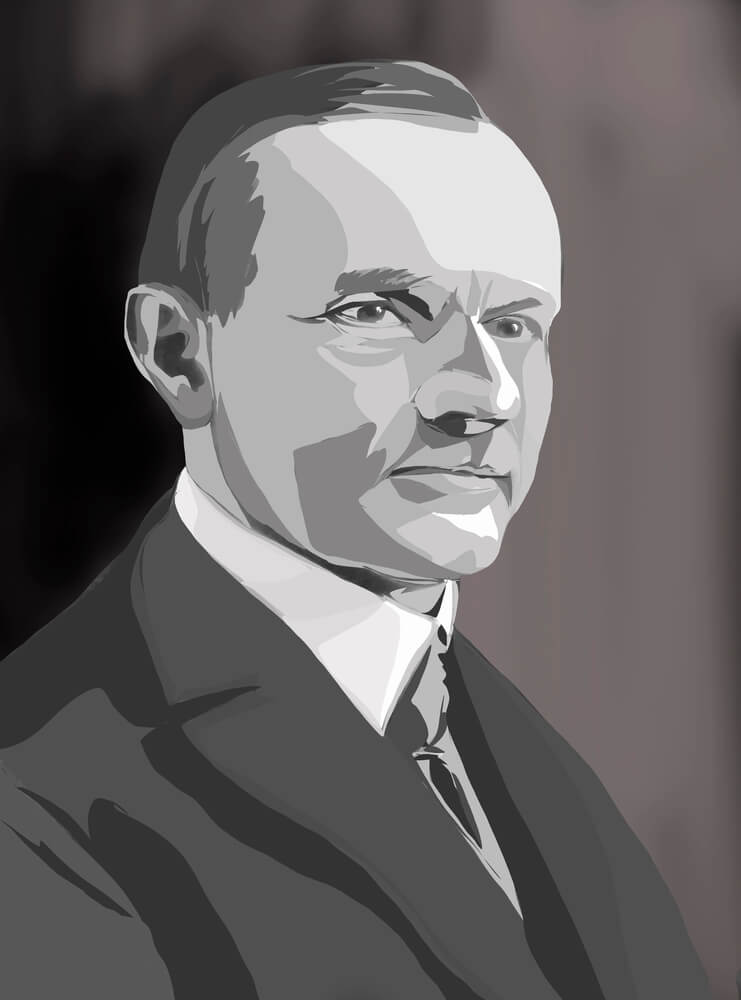
Coolidge’s inauguration on 4 March 1925 was the first to be broadcast nationwide on radio. Millions heard the ceremony from their living rooms.
The dry New England delivery sounds oddly modest for such a milestone.
Albert Einstein’s 1930 Radio Address

Einstein opened the Berlin radio exhibition on 22 August 1930 with a short address. He spoke about the role of technology and urged listeners to think about its human consequences.
The recording captures a scientist speaking to the public in plain terms.
Pius XI and Vatican Radio
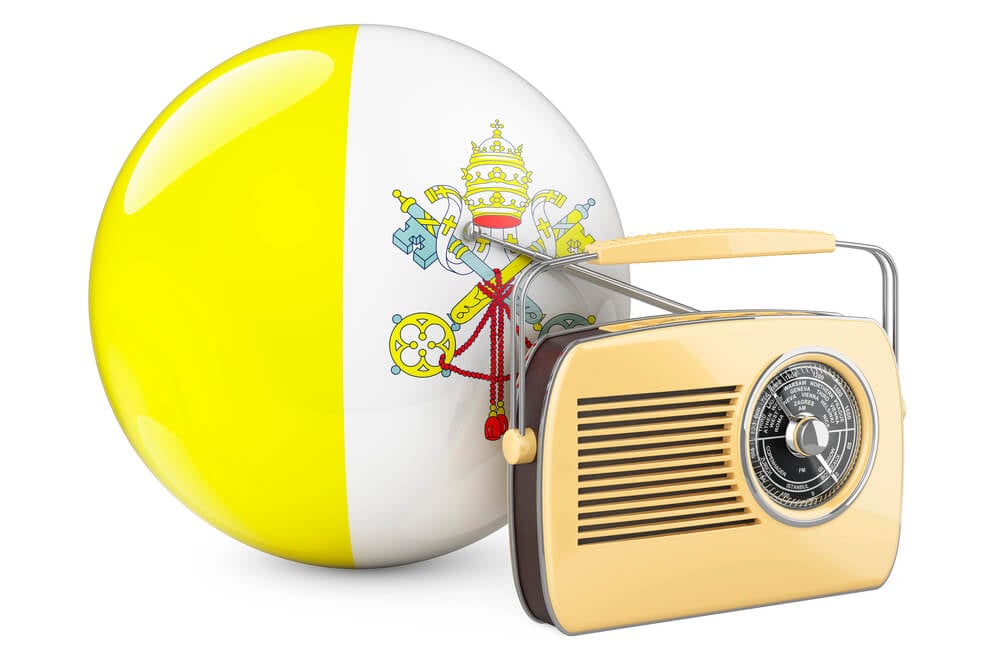
Vatican Radio was inaugurated on 12 February 1931 with a broadcast by Pope Pius XI, built with help from Guglielmo Marconi. The pope spoke in Latin to a worldwide audience.
It was the first time a pontiff addressed the faithful directly over the air.
George V’s Christmas Broadcast
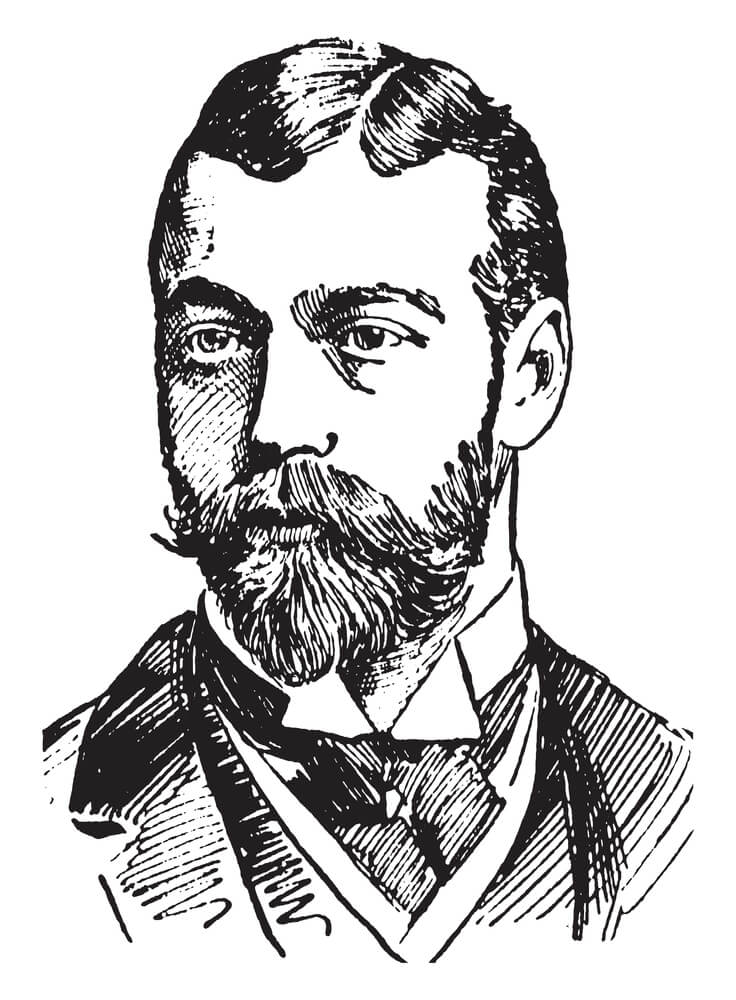
King George V delivered the first royal Christmas broadcast in 1932, from Sandringham, with a script written by Rudyard Kipling. The message reached subjects across the empire at once.
The tradition continues in the monarchy to this day.
Franklin Roosevelt’s First Fireside Chat
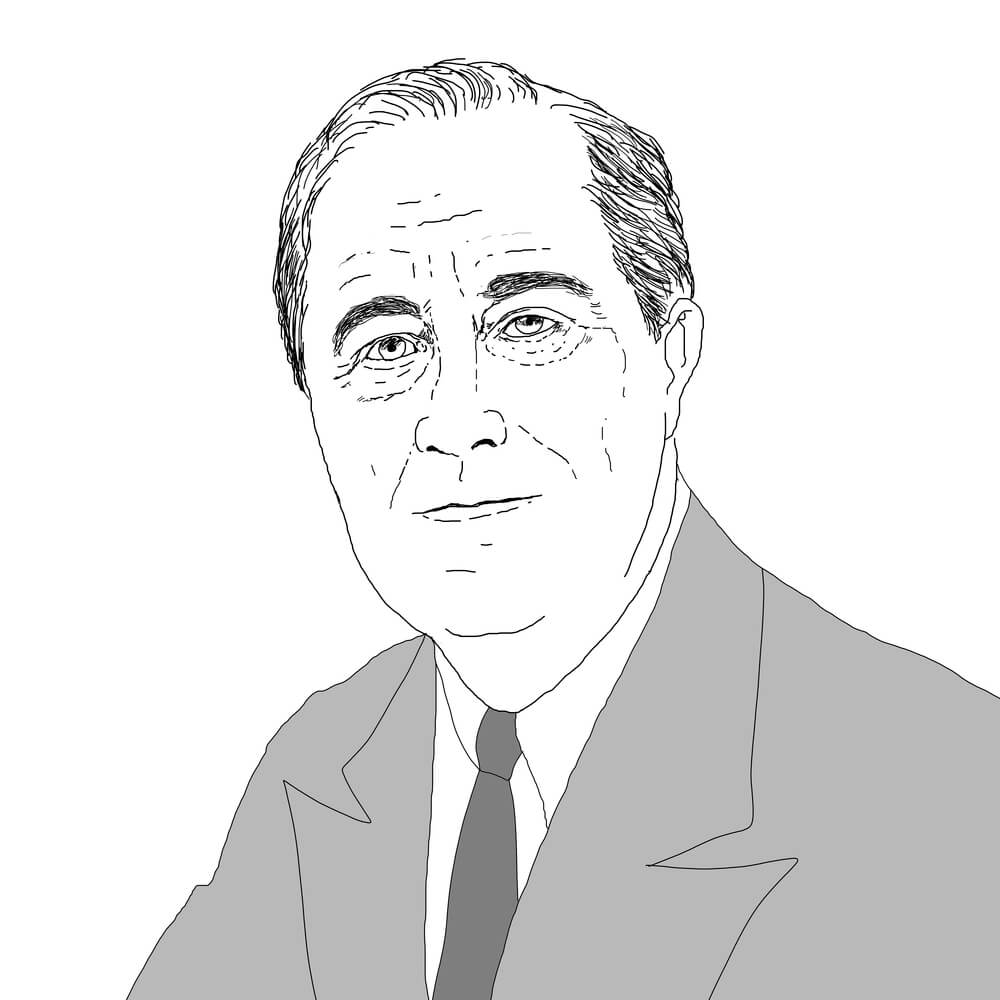
On 12 March 1933, Roosevelt used a radio address to explain the banking crisis in simple language. He urged Americans to return deposits to banks that had reopened.
The calm tone is credited with helping restore confidence.
Huey Long’s Share Our Wealth Address
Senator Huey Long broadcast his Share Our Wealth plan on 23 February 1934, proposing to redistribute large fortunes. The broadcast made him a national figure.
The recording shows a populist voice at its most theatrical.
Edward VIII’s Abdication Broadcast
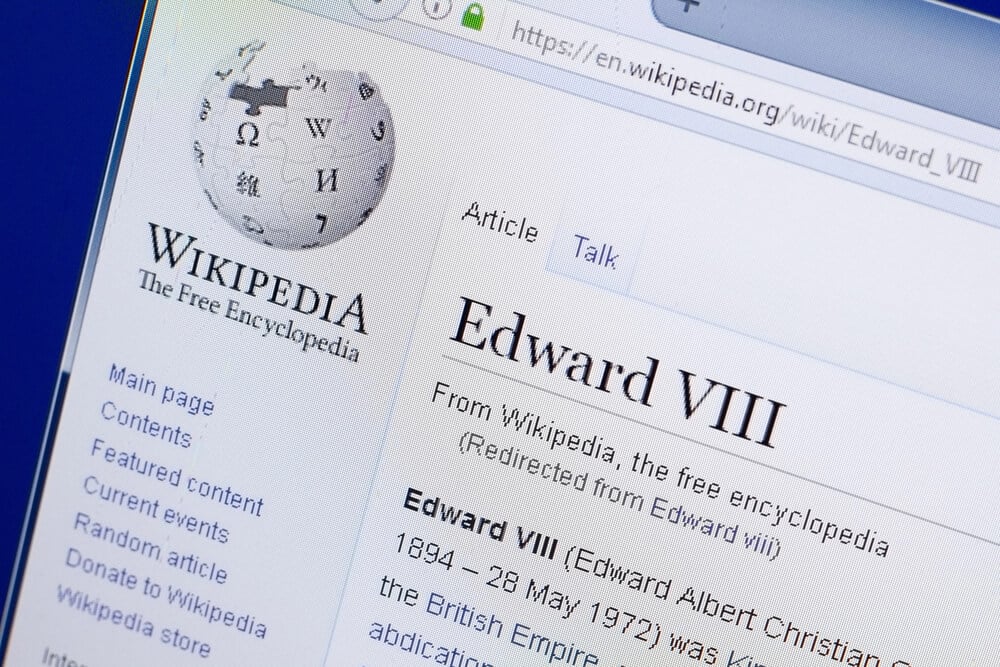
On 11 December 1936, Edward VIII explained to the nation why he was giving up the throne. He spoke of being unable to carry the burden without the help of the woman he loved.
It remains one of the most listened-to royal broadcasts.
Neville Chamberlain’s Declaration of War
— Photo by RomanNerud
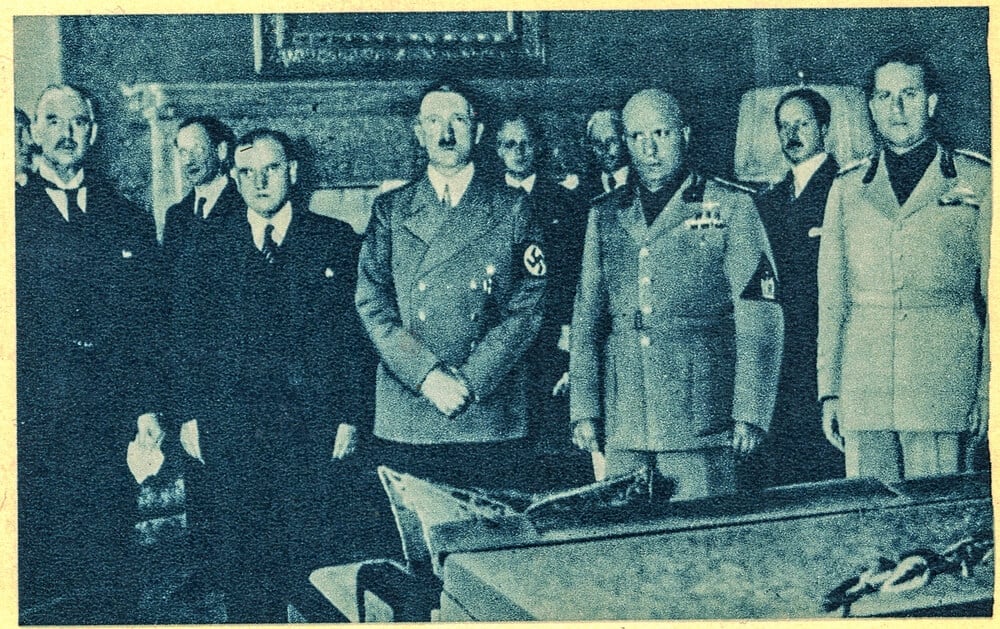
At 11:15 a.m. on 3 September 1939, Chamberlain told the British public that the country was at war with Germany. The message was brief and heavy with regret.
The recording is a sobering example of a government leader delivering news over the air.
Churchill’s Beaches Speech
— Photo by johan10
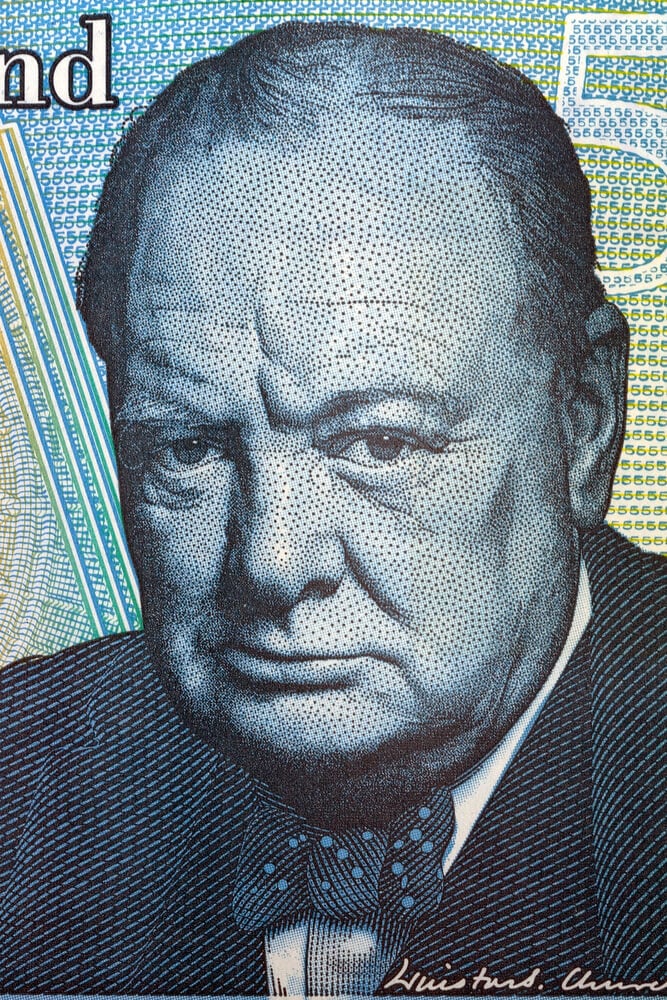
Winston Churchill delivered “We shall fight on the beaches” in the House of Commons on 4 June 1940, and the speech was not broadcast live. He recorded it in 1949 for a record release.
The voice most people associate with the speech is therefore nearly a decade older than the moment.
De Gaulle’s Appeal
Charles de Gaulle’s famous appeal to the French people was broadcast by the BBC on 18 June 1940 but was not recorded. A recording of his message of 22 June survives instead.
The BBC did not keep the original, which makes the lost broadcast more mythic.
Roosevelt’s Day of Infamy
On 8 December 1941, Roosevelt addressed Congress after the attack on Pearl Harbor. The speech was broadcast to the nation and lasted less than ten minutes.
It is among the most replayed recordings of the century.
Hirohito’s Surrender Broadcast
Emperor Hirohito recorded his surrender message on 14 August 1945, and it was played on 15 August. Most Japanese listeners had never heard the emperor’s voice.
His formal language was hard for many to follow.
Elizabeth’s Twenty-First Birthday Speech
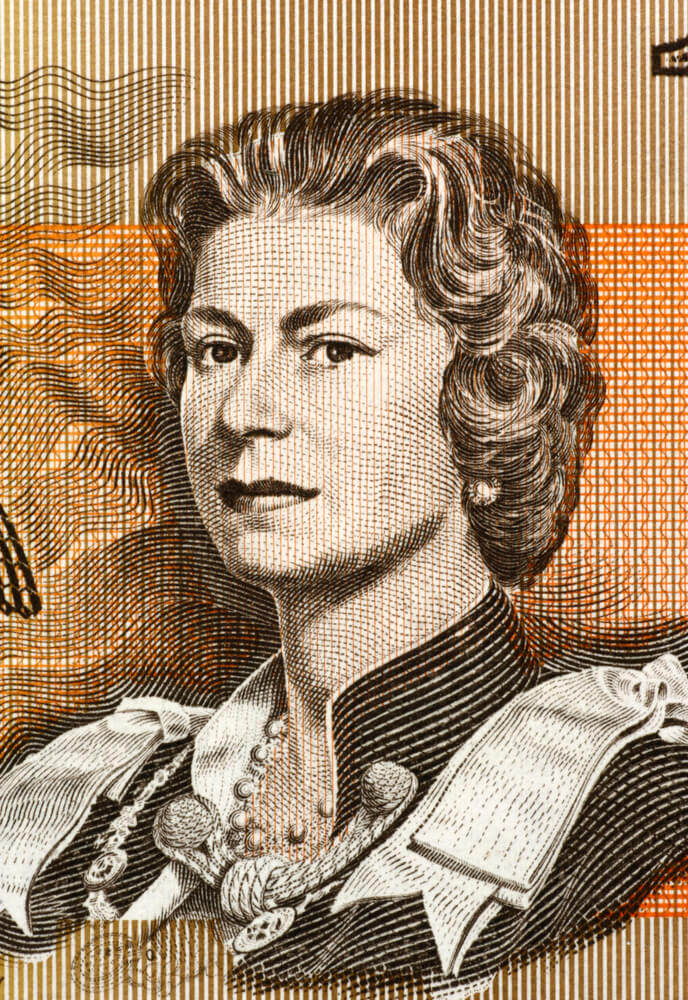
Princess Elizabeth broadcast from Cape Town on 21 April 1947 on her twenty-first birthday. She pledged that her entire life would be devoted to service.
The recording gives a rare early view of the future queen’s voice.
The Voices Before the Screen

Each recording here tells a story about technology as much as politics. Radio gave leaders a way to enter private homes, and a single voice could shape the mood of a country.
The gaps matter as well. Speeches that were never recorded, or were recorded years later, remind listeners that the sound of history is partly a matter of luck.
More from Go2Tutors!

- 27 Silver Dollars and Half Dollars Worth Keeping
- 28 Restaurant Menu Items Nobody Orders Anymore
- 17 Places Built in Seemingly Impossible Spots
- 27 Vintage Rings Worth More Than They Look
- 25 Restricted Sites Tourists Can’t Enter
Like Go2Tutors’s content? Follow us on MSN.