12 Dead Languages People Still Study
Some languages fade into history when their last native speakers pass away, yet a select few refuse to stay buried. These ancient tongues continue to captivate scholars, students, and curious minds centuries or even millennia after they stopped being spoken in daily life. From university halls to online forums, people dedicate years to mastering scripts and grammar systems that once ruled empires.
The appeal extends far beyond academic curiosity. Here is a list of 12 dead languages that maintain devoted followings today.
Latin

Latin remains the most studied dead language worldwide — taught in schools across multiple continents. The language of ancient Rome never truly died; instead, it evolved into modern Romance languages like Spanish, French, and Italian.
Students wrestle with Caesar’s military campaigns and Cicero’s speeches, while medical professionals and lawyers still rely on Latin terminology in their daily work. The Catholic Church continues conducting certain ceremonies in Latin, which keeps the language alive in religious contexts.
Ancient Greek
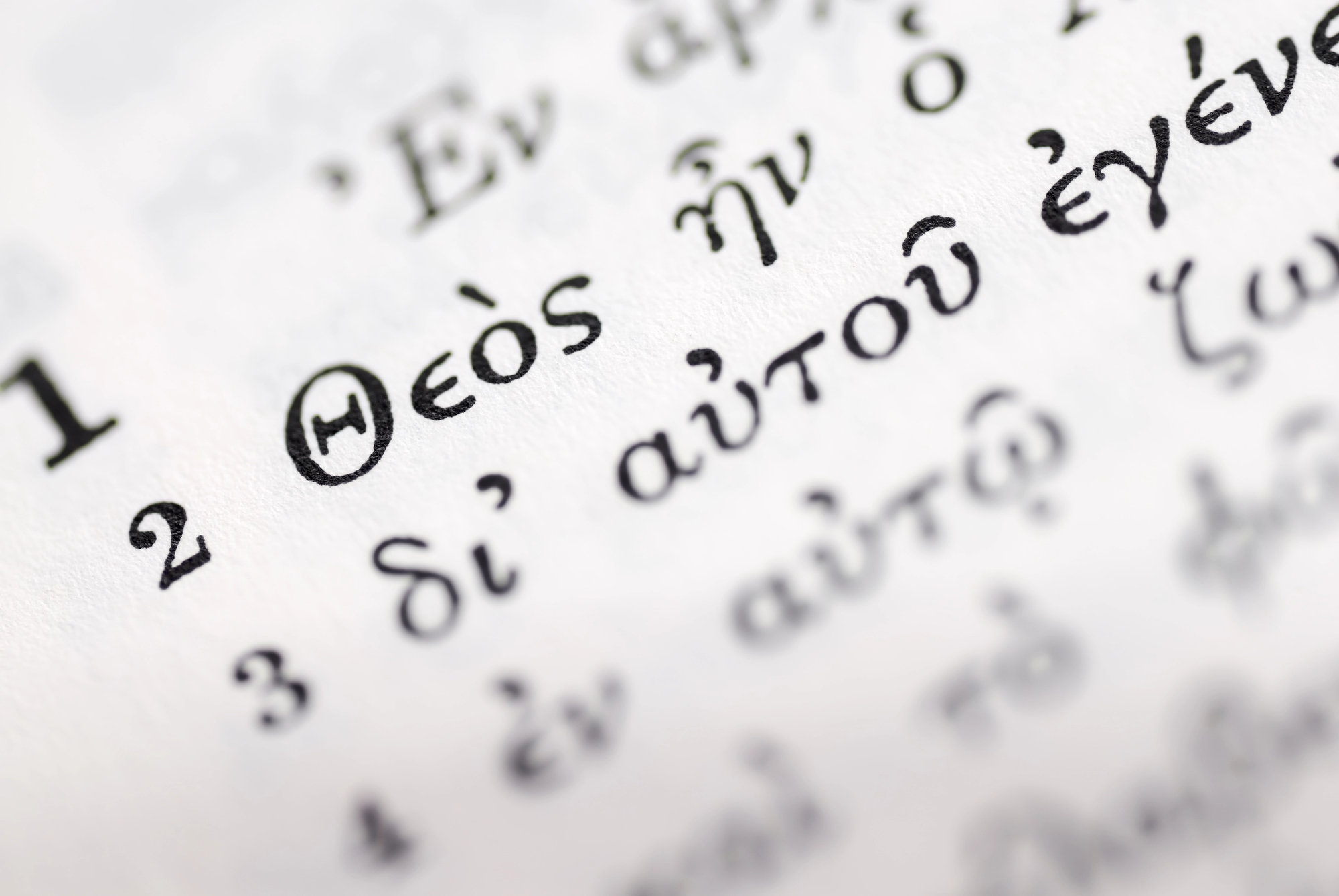
Ancient Greek opens doors to philosophy, mathematics, and literature that shaped Western civilization. Students dive into Homer’s epic poems, explore Plato’s dialogues, and read the New Testament in its original form.
Though the language uses a different alphabet system that initially intimidates newcomers, it becomes second nature with practice. Modern Greek evolved from this ancient version, yet they’re quite different beasts entirely.
Like Go2Tutors’s content? Follow us on MSN.
Sanskrit

Sanskrit holds the key to understanding Hindu texts and Buddhist scriptures that span thousands of years. The language features an incredibly complex grammar system — one that makes Latin look simple by comparison.
Scholars study Sanskrit to access original religious scriptures, ancient medical texts, and mathematical treatises. Many yoga practitioners learn Sanskrit terms and chants, though they’re barely scratching the surface of this rich linguistic tradition.
Ancient Egyptian
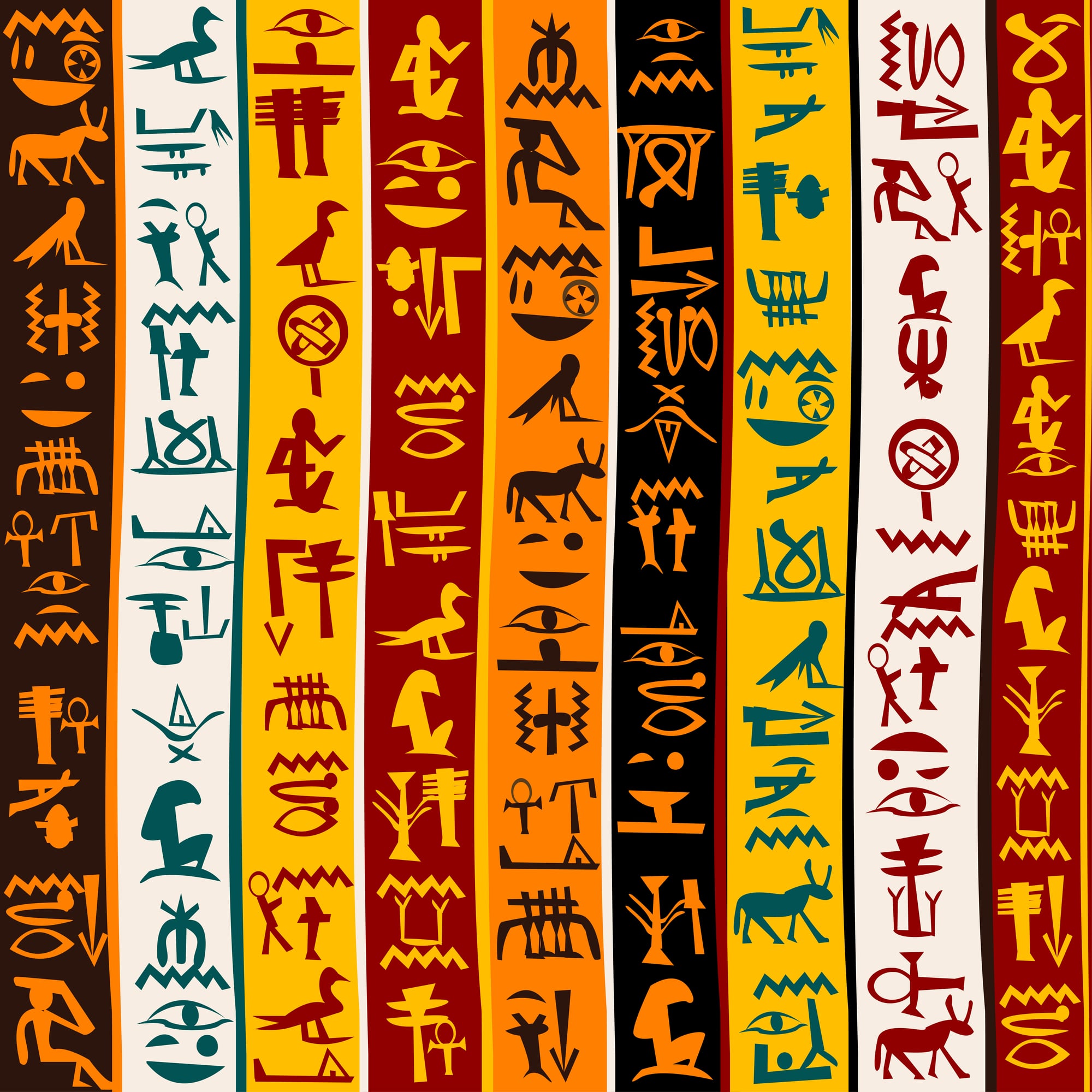
Ancient Egyptian captivates people through hieroglyphics, those picture-symbols that decorated tomb walls and monuments. The language actually employed three writing systems: hieroglyphic, hieratic, and demotic scripts.
Deciphering the Rosetta Stone in the 1800s cracked the code — allowing modern scholars to read everything from royal decrees to grocery lists. Egyptologists spend years mastering these scripts to unlock secrets buried in pyramids and preserved on papyrus scrolls.
Akkadian
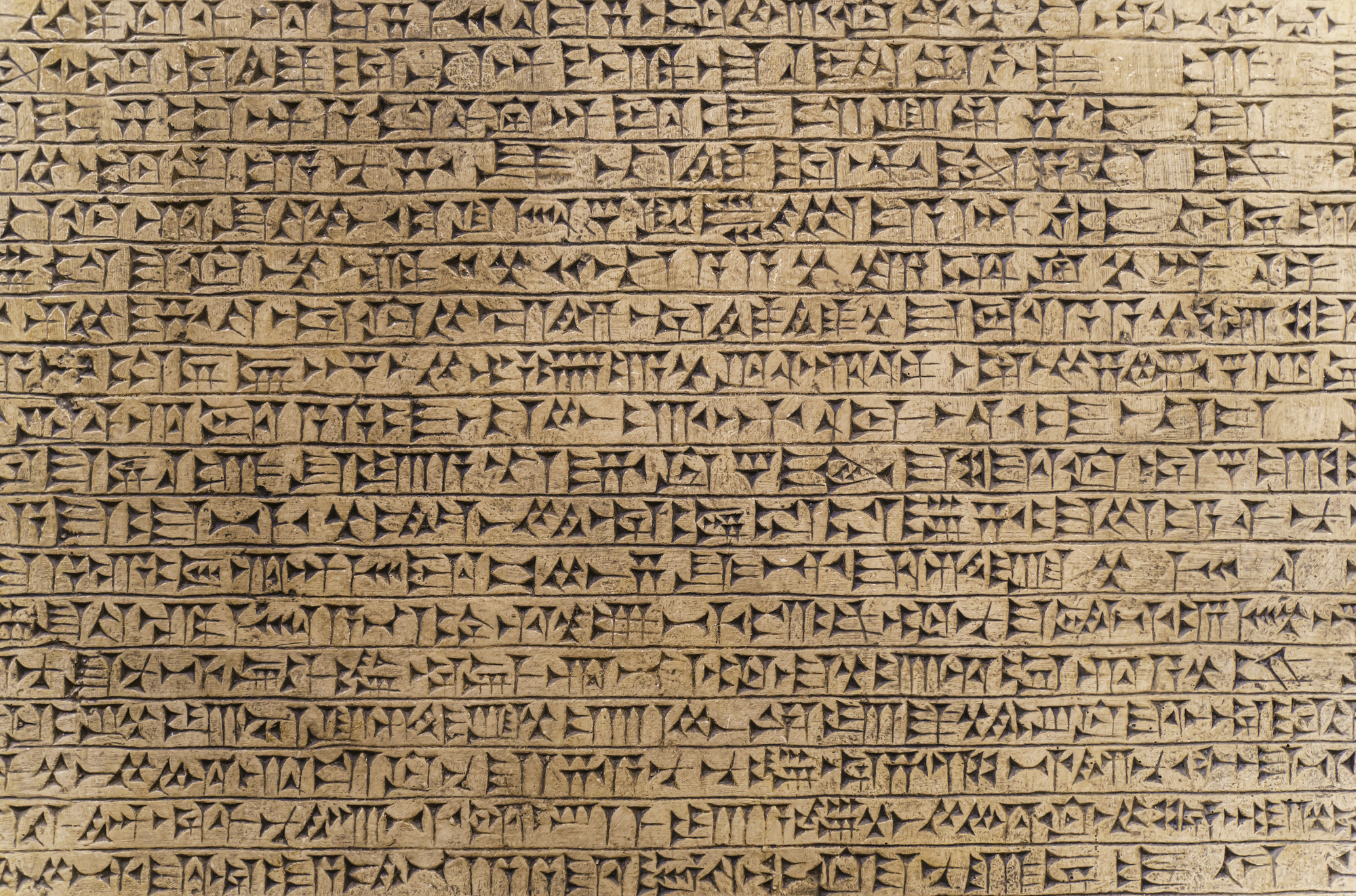
Akkadian served as the diplomatic language of the ancient Middle East, used for international correspondence between kingdoms. Written in cuneiform script on clay tablets, it’s one of the earliest known Semitic languages.
Scholars study Akkadian to read the Epic of Gilgamesh in its original form while piecing together Babylonian law codes. The language helps reconstruct three thousand years of Mesopotamian history — from business contracts to royal chronicles.
Like Go2Tutors’s content? Follow us on MSN.
Old Norse

Old Norse attracts enthusiasts fascinated by Viking culture and Norse mythology. The language appears in sagas that tell of epic adventures, family feuds, and journeys to distant lands.
Modern Scandinavian languages descended from Old Norse, so Norwegian speakers and Icelanders can sometimes puzzle out the meaning. Popular culture’s renewed interest in Vikings has sparked a revival — with online communities sharing translations and language lessons.
Gothic
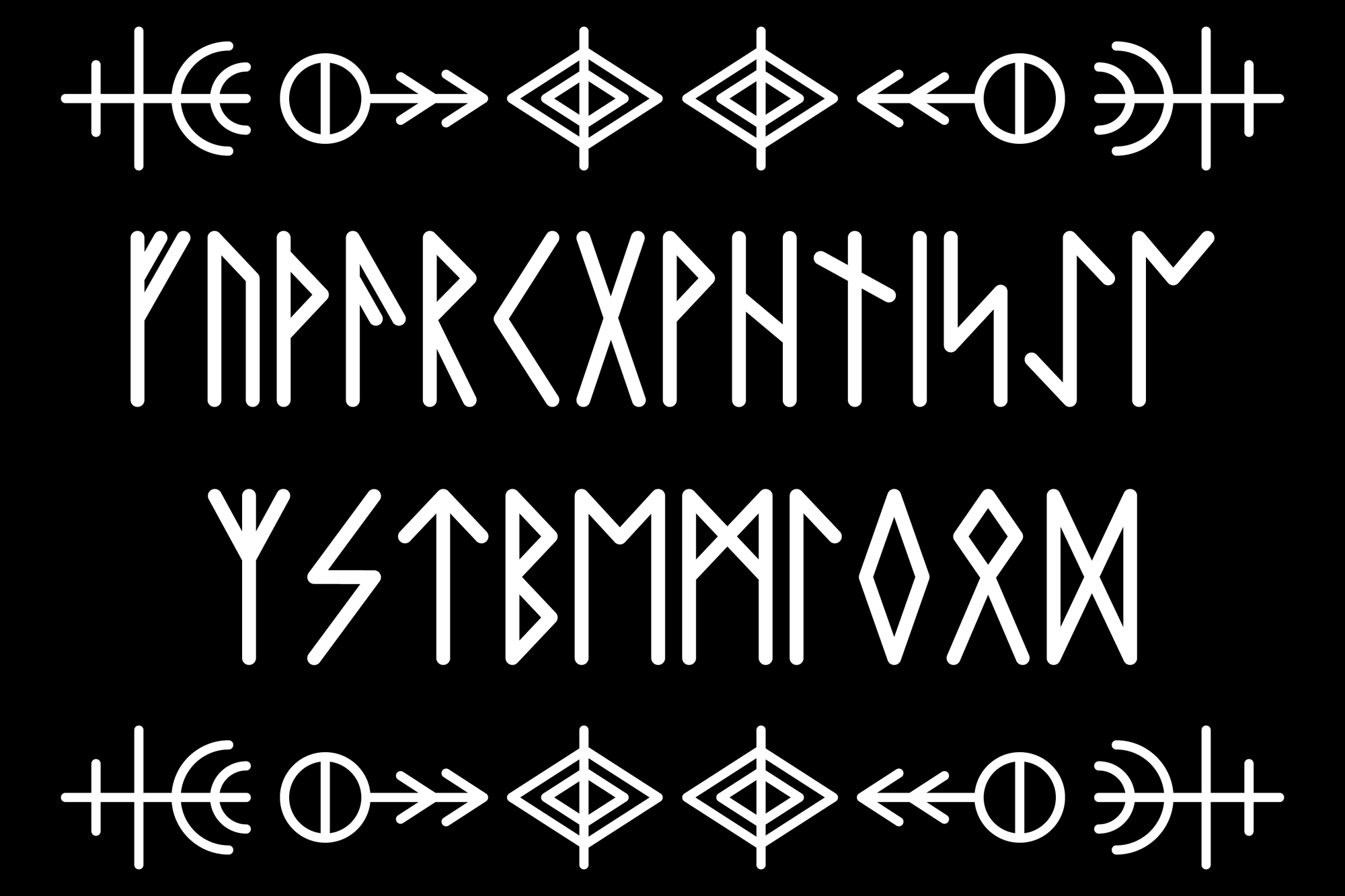
Gothic represents the earliest substantial record of any Germanic language, making it crucial for understanding how English developed alongside German. The language survives mainly through a fourth-century Bible translation by Bishop Wulfila.
Linguists study Gothic to trace the development of Germanic languages while reconstructing their common ancestor. The Gothic alphabet looks exotic — mixing Greek letters with Latin ones plus unique symbols that Wulfila created specifically for his translation work.
Sumerian
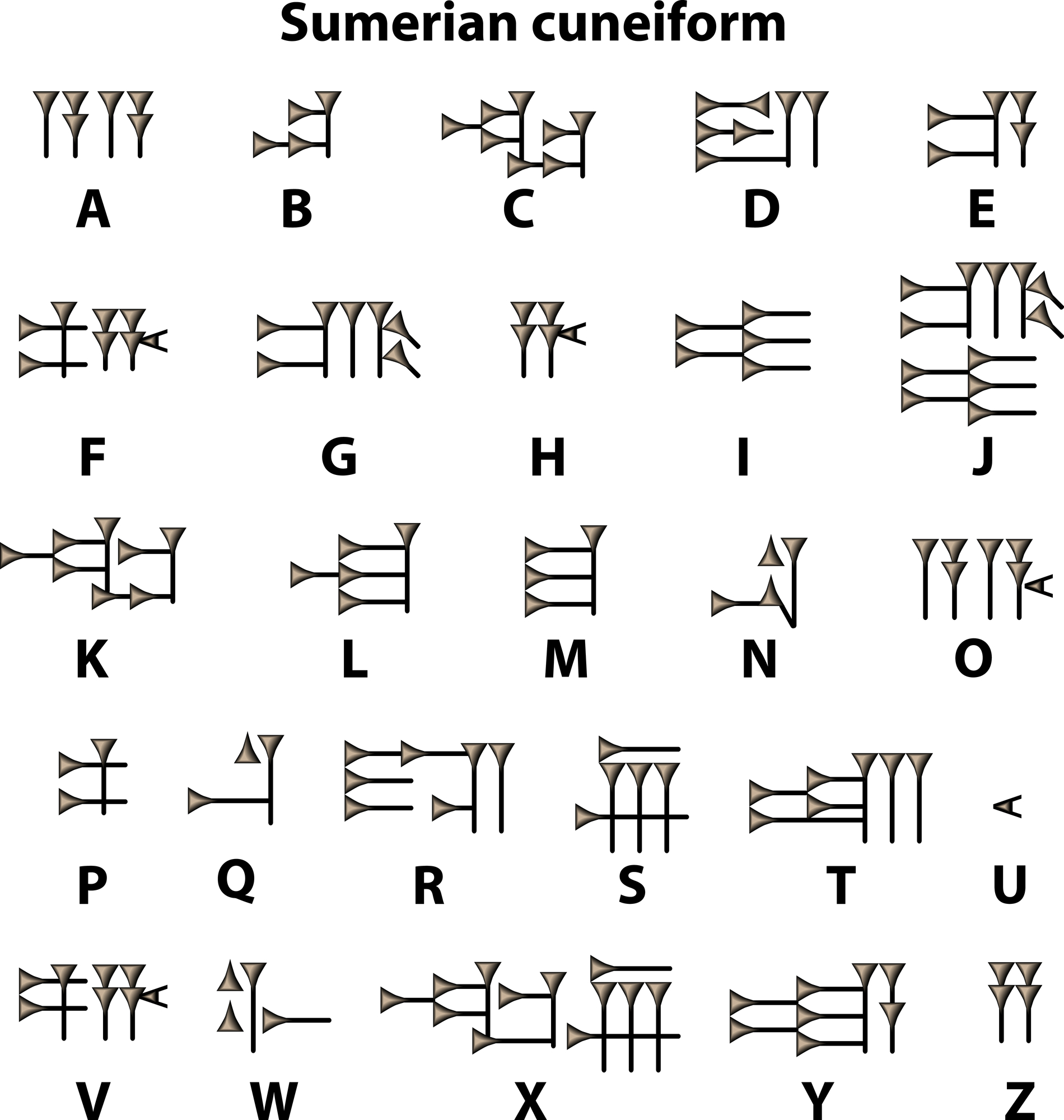
Sumerian holds the distinction of being humanity’s first written language, appearing around 3200 BCE in ancient Mesopotamia. The language isn’t related to any modern tongue — making it particularly challenging to master.
Sumerian tablets contain the world’s earliest literature, including flood myths that predate the Biblical account. Scholars decode these cuneiform inscriptions to understand how civilization began, from the first cities to the earliest legal systems.
Like Go2Tutors’s content? Follow us on MSN.
Classical Chinese

Classical Chinese served as the written standard across East Asia for over two millennia — functioning like Latin did in medieval Europe. The language appears in philosophical texts by Confucius, works by Laozi, historical chronicles, and poetry that’s considered among the world’s finest.
Modern Chinese readers can often understand classical texts, though the grammar differs significantly from contemporary usage. Students of martial arts, traditional medicine, and Eastern philosophy frequently encounter classical Chinese in source materials.
Coptic
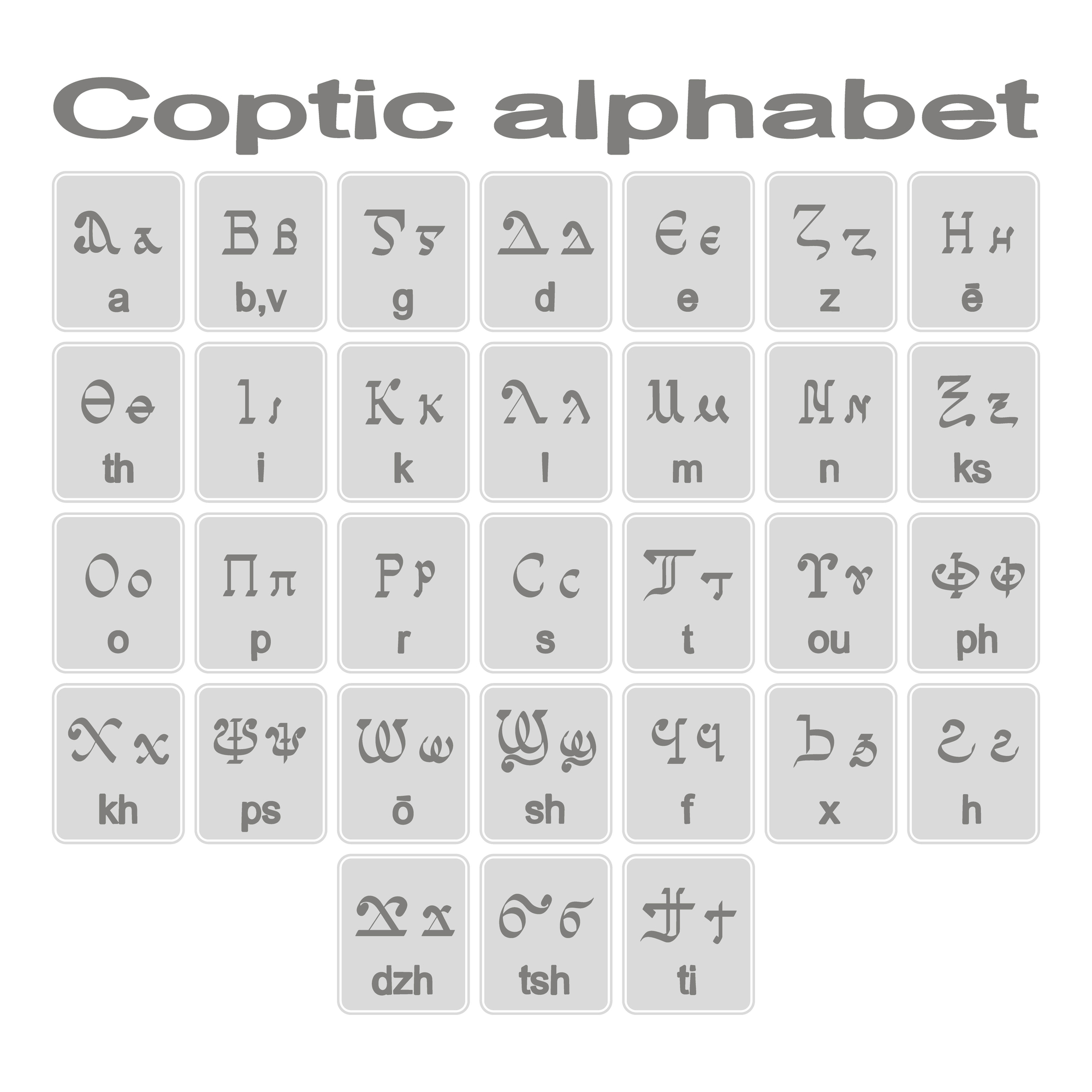
Coptic represents the final stage of the ancient Egyptian language — written using a modified Greek alphabet instead of hieroglyphs. The language survived as the liturgical tongue of Egyptian Christians long after Arabic became the spoken language.
Coptic helps scholars understand how ancient Egyptian evolved while providing crucial links for translating hieroglyphic texts. Small communities in Egypt still use Coptic in religious services, though it’s essentially extinct as a living language.
Phoenician
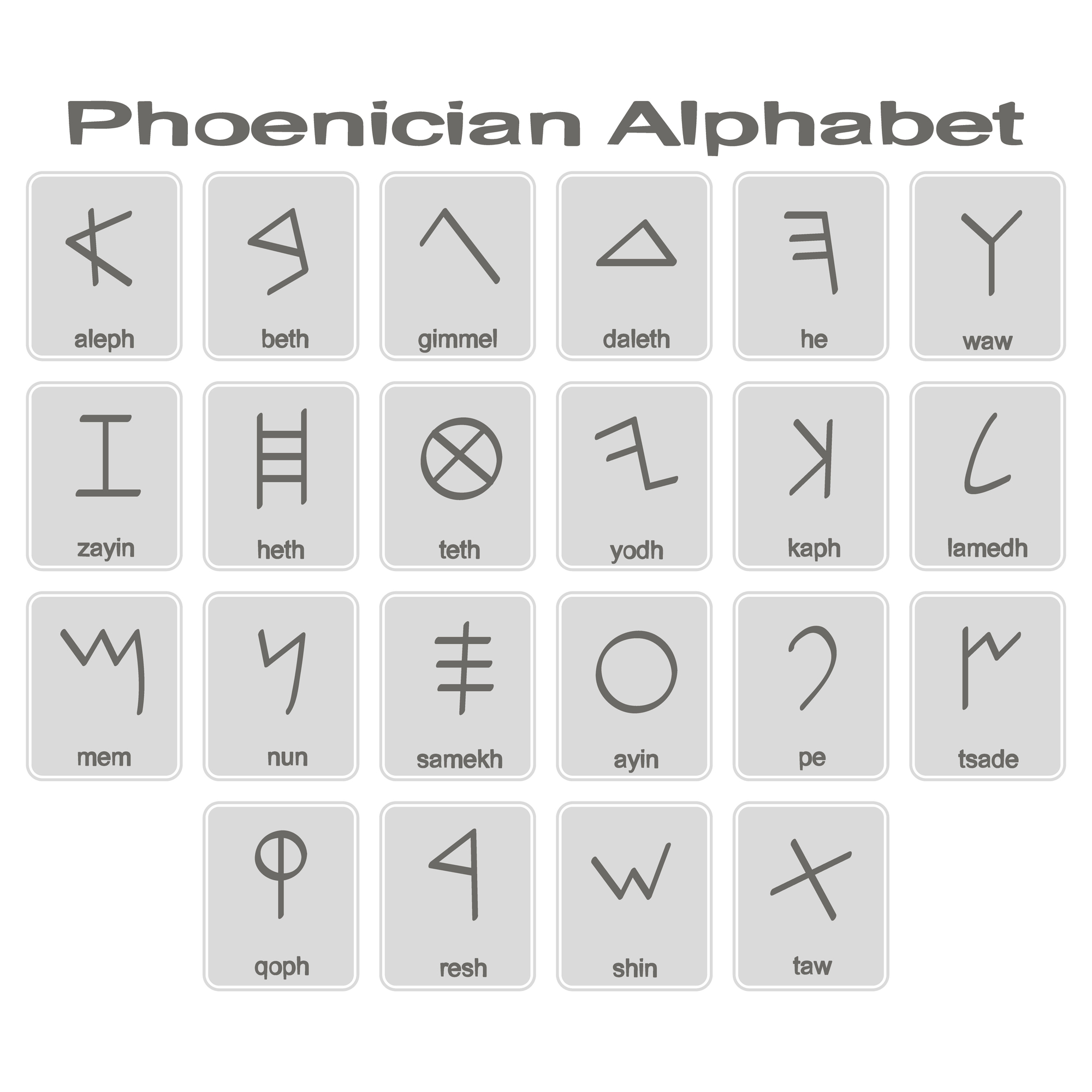
Phoenician was the language of ancient maritime traders who spread their alphabet system throughout the Mediterranean world. Their script became the ancestor of Hebrew, Arabic, Greek, and ultimately our own Latin alphabet.
Phoenician inscriptions appear on tombstones, coins, and trade goods scattered across the ancient world. Scholars study these texts to understand how commerce and culture spread in the ancient Mediterranean, piecing together the networks that connected distant civilizations.
Like Go2Tutors’s content? Follow us on MSN.
Hittite
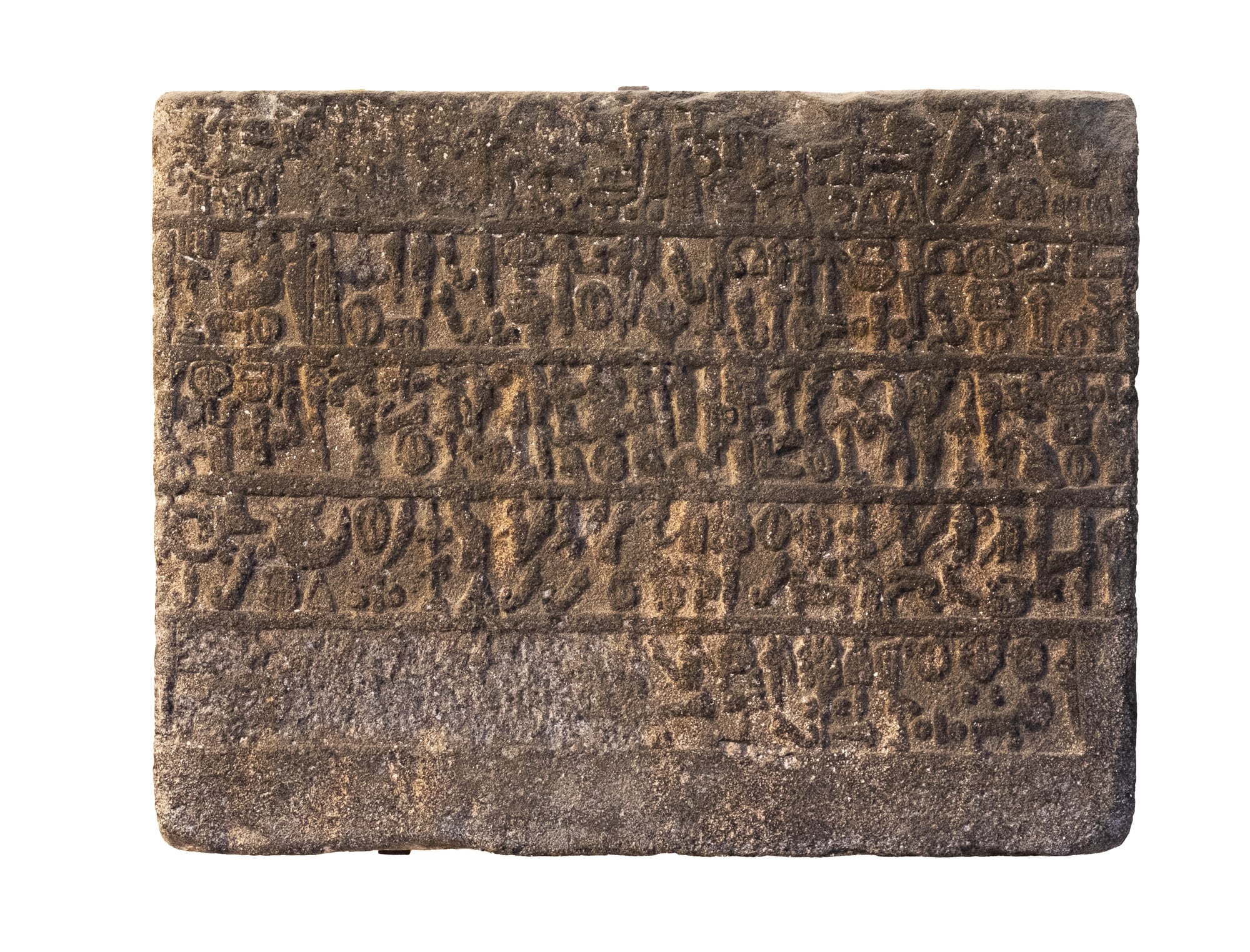
Hittite was the language of a powerful empire that rivaled ancient Egypt and challenged the pharaohs for control of the ancient Near East. Written in cuneiform script on clay tablets, it’s the earliest known Indo-European language.
The discovery of Hittite archives revolutionized understanding of how the Indo-European language family developed. Scholars decode royal correspondence, treaties, and legal documents to reconstruct this forgotten empire that once dominated modern-day Turkey.
Why These Languages Endure
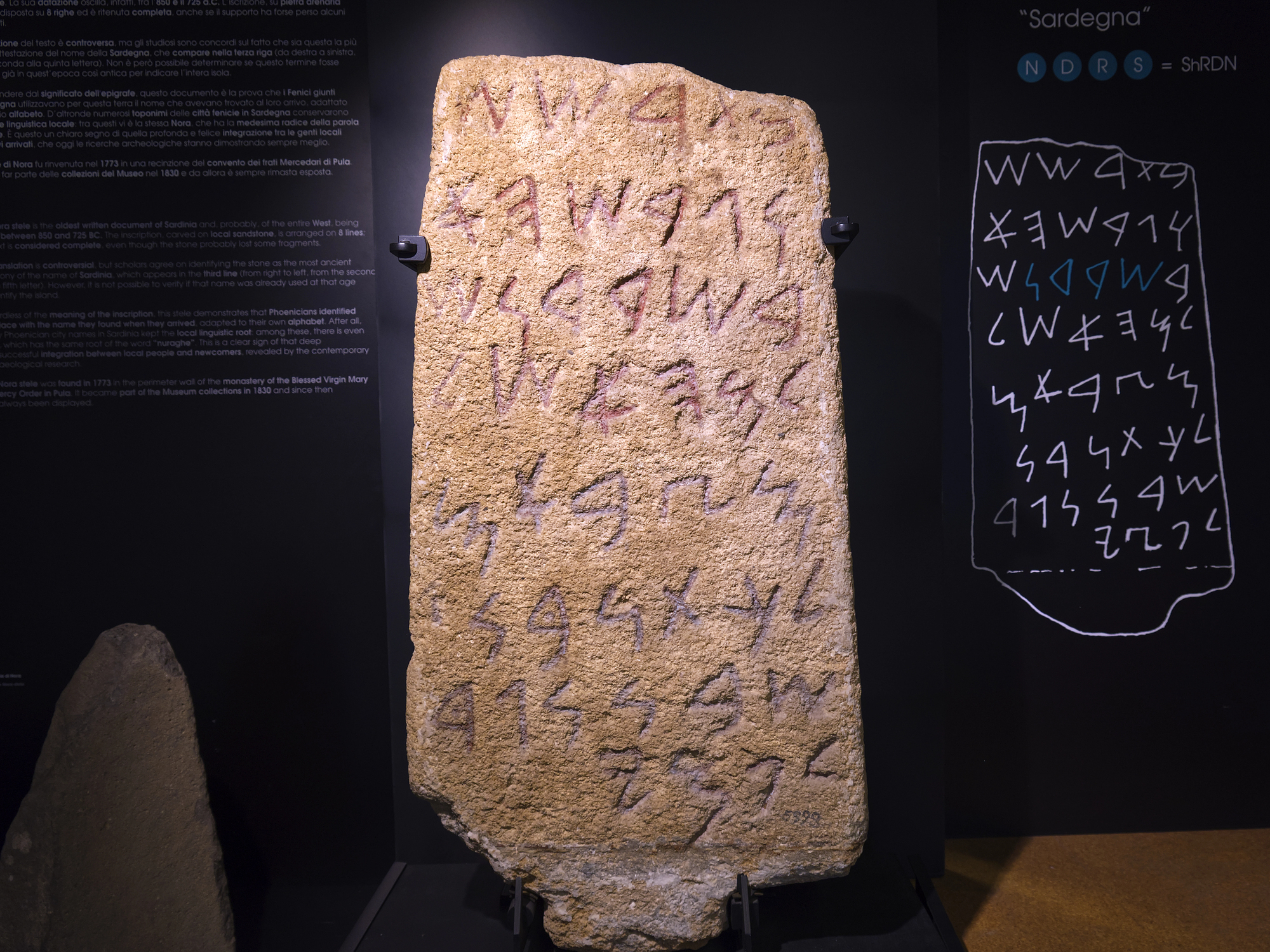
These ancient tongues survive because they offer irreplaceable windows into human history and thought. Each language preserved unique ways of seeing the world, from Sumerian creation myths to Norse concepts of honor and fate.
Modern technology has made studying dead languages more accessible than ever, with digital libraries, online courses, and translation software helping newcomers tackle intimidating scripts and complex grammar systems. The dedication of scholars and enthusiasts ensures these linguistic treasures won’t truly disappear, continuing to teach us about our shared human heritage.
More from Go2Tutors!

- 16 Historical Figures Who Were Nothing Like You Think
- 12 Things Sold in the 80s That Are Now Illegal
- 15 VHS Tapes That Could Be Worth Thousands
- 17 Historical “What Ifs” That Would Have Changed Everything
- 18 TV Shows That Vanished Without a Finale
Like Go2Tutors’s content? Follow us on MSN.



