14 Fashion Trends That Started in Prisons
The fashion world draws inspiration from unexpected places, but few sources are as surprising as correctional facilities. What starts as a necessity or adaptation behind bars often finds its way onto runways and into mainstream wardrobes, transforming functional prison wear into cultural statements.
Prison fashion has shaped street style more than most people realize. Here’s a list of 14 fashion trends that originated behind bars and eventually made their way into everyday closets.
Orange Jumpsuits

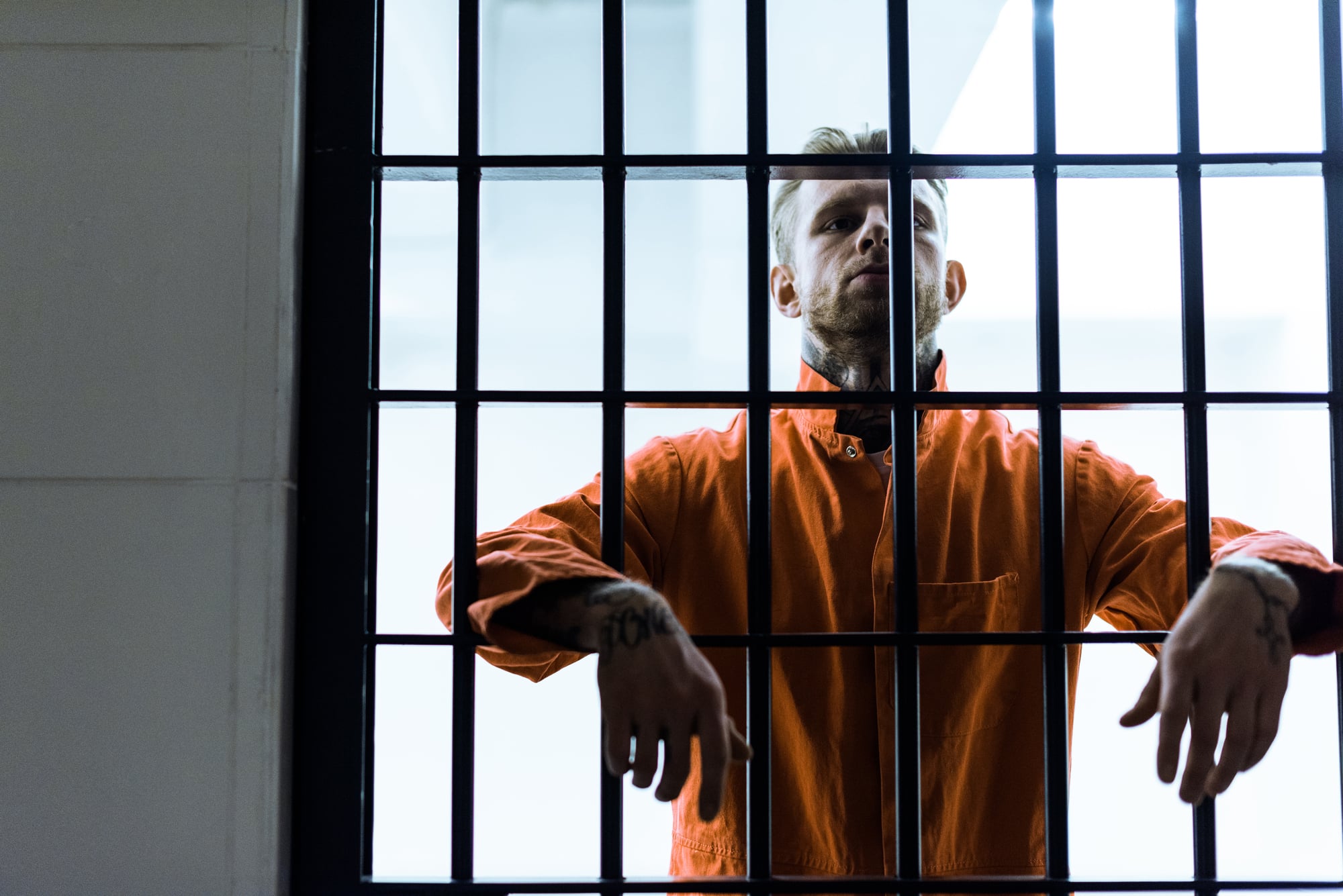
The bright orange jumpsuit became a fashion statement long after its prison origins. Designers started incorporating the bold color and utilitarian design into high-fashion collections, turning what was once purely functional prison wear into runway pieces.
The trend proved that even the most institutional clothing could be reimagined as a style choice.
White Tank Tops

The classic white undershirt, now a staple in everyone’s wardrobe, gained prominence through prison uniforms. These simple tanks were standard issue because they were cheap, easy to clean, and practical for layering.
The clean, minimalist look eventually caught on in mainstream fashion, becoming a symbol of understated style rather than institutional clothing.
Slip-On Canvas Shoes

Canvas slip-on shoes became popular partly due to their widespread use in correctional facilities. Prisons favored these shoes because they had no laces that could be used as weapons or for self-harm, making them the safest footwear option.
The simple, comfortable design eventually appealed to people outside prison walls, leading to brands like Vans building entire lines around the concept.
Bandanas as Headwear

While bandanas existed long before prisons, their use as everyday headwear gained momentum through incarcerated individuals. Limited grooming supplies meant inmates used bandanas to keep their hair neat and manageable.
This practical application helped popularize bandanas as a regular fashion accessory rather than just work gear.
Denim-on-Denim Looks

The ‘Canadian tuxedo’ or denim-on-denim trend has roots in prison uniforms, where inmates wore matching denim shirts and pants. What started as standard-issue institutional wear became a bold fashion statement when people began deliberately pairing denim pieces together.
The look went from being a sign of incarceration to a deliberate style choice embraced by celebrities and fashion enthusiasts.
Shaved Heads

The completely shaved head look gained mainstream acceptance partly through its association with prison culture. While practical for hygiene and uniformity in correctional facilities, the clean-shaven aesthetic eventually became a fashion choice that projected strength and minimalism.
The style transcended its institutional origins to become a powerful personal statement.
Tattoo Culture Integration

Prison tattoo culture significantly influenced mainstream tattoo fashion and acceptance. The bold, symbolic designs that developed behind bars eventually shaped tattoo artistry in the outside world.
What was once hidden or stigmatized became celebrated art, with prison-inspired designs influencing tattoo parlors everywhere.
Oversized Clothing
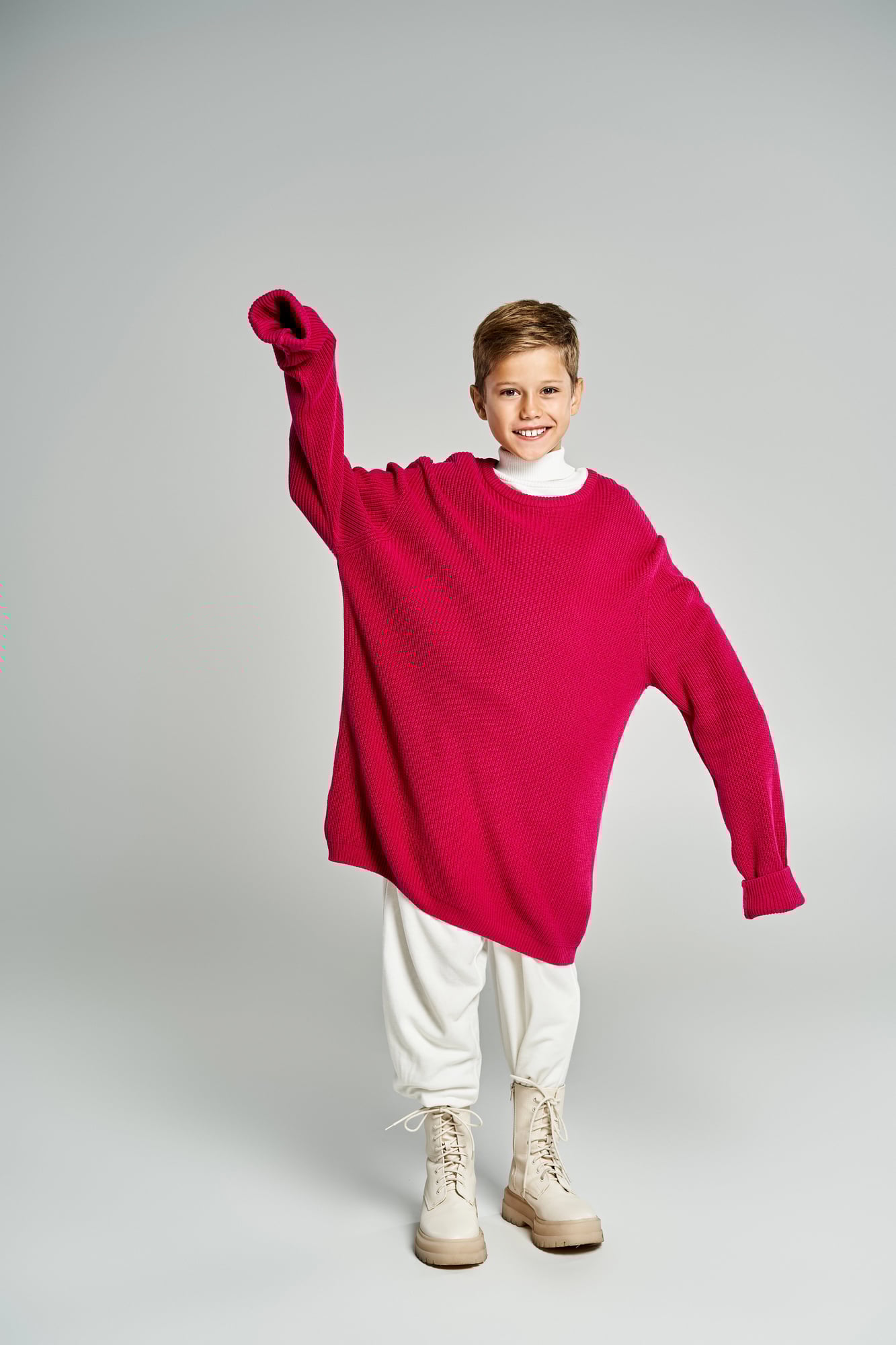
The trend toward baggy, oversized clothing stems partly from prison uniforms that prioritized function over fit. Standard-issue clothing came in limited sizes, often resulting in loose, comfortable fits that inmates adapted to their advantage.
This relaxed approach to sizing eventually influenced streetwear and casual fashion, making oversized clothing a deliberate style choice.
Plain White Sneakers
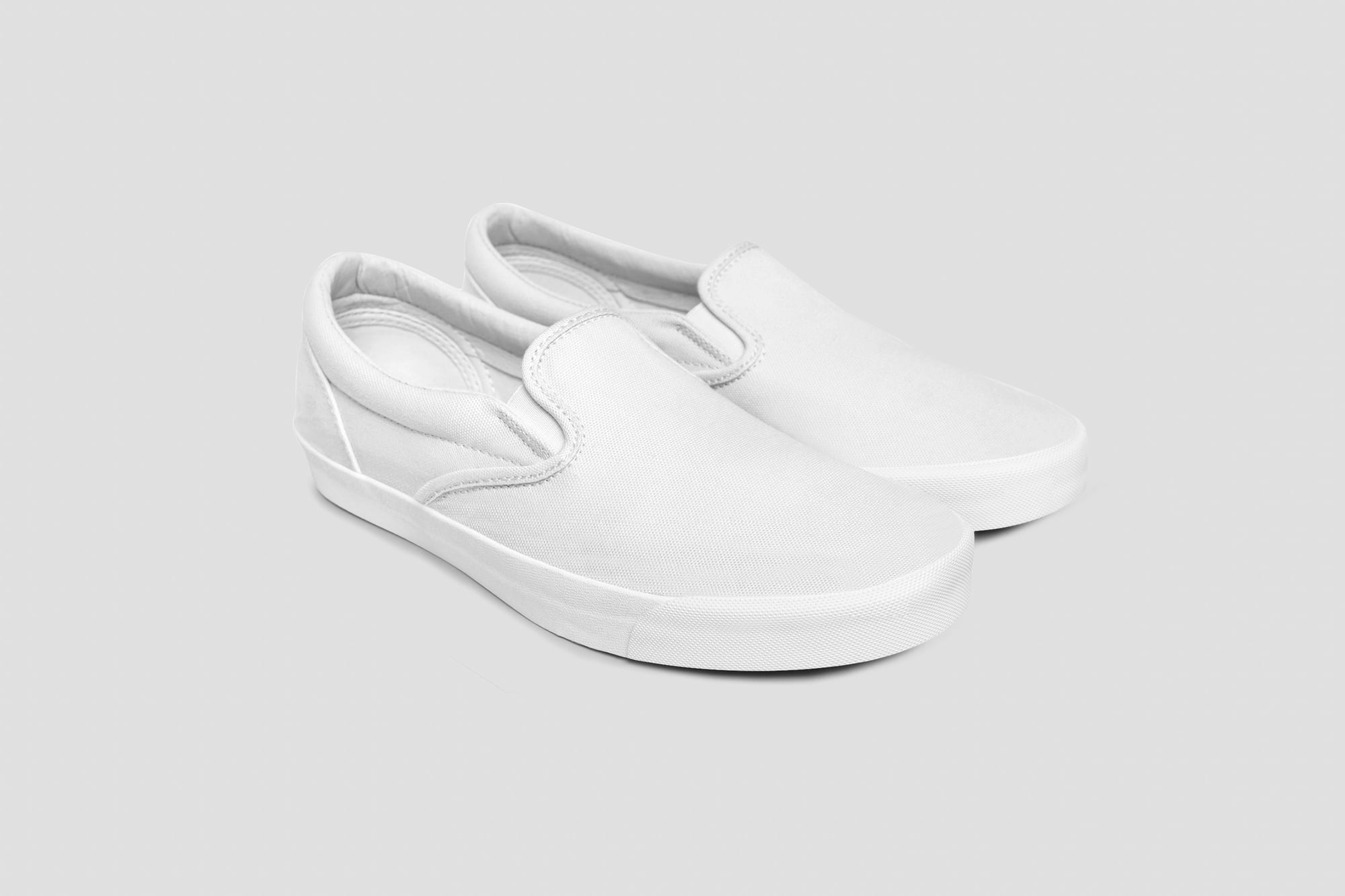
Simple white athletic shoes became a fashion staple partly due to their prevalence in correctional facilities. These shoes were chosen for their affordability, durability, and neutral appearance that worked with any uniform.
The clean, minimalist aesthetic eventually caught on in mainstream fashion, with plain white sneakers becoming a versatile wardrobe essential.
Khaki and Tan Colors

The popularity of khaki and tan in casual wear owes something to their use in prison uniforms. These neutral colors were practical for institutions because they hid dirt and were cost-effective to maintain.
The earthy, understated palette eventually found its way into civilian wardrobes as people appreciated the versatility and subtle style of these colors.
Layered Clothing

The art of layering clothing for both warmth and style has connections to prison fashion. Inmates learned to layer their limited clothing options to stay comfortable in facilities with poor climate control.
This practical approach to dressing eventually influenced fashion designers who saw the aesthetic and functional benefits of thoughtful layering.
Minimalist Jewelry

The trend toward simple, understated jewelry partly stems from prison restrictions on accessories. Inmates could only wear basic items like wedding rings or religious symbols, leading to an appreciation for meaningful, minimal pieces.
This stripped-down approach to jewelry eventually influenced mainstream fashion toward more purposeful, less flashy accessories.
Work Boot Fashion

Heavy-duty work boots became fashionable partly through their association with prison work programs and institutional wear. These sturdy, practical boots were chosen for their durability and safety features in correctional facilities.
The rugged aesthetic eventually appealed to people seeking authentic, functional footwear, making work boots a fashion statement beyond their practical origins.
Uniform-Inspired Streetwear
The entire concept of uniform-inspired fashion owes a debt to prison clothing design. The idea that matching, institutional-style clothing could be fashionable emerged partly from seeing how inmates made the best of their limited wardrobe options.
This influenced designers to create collections based on workwear and institutional clothing, turning utility into high fashion.
From Necessity to Runway
These trends prove that fashion innovation can emerge from the most unlikely circumstances. What began as practical solutions to institutional restrictions evolved into cultural movements that shaped how millions of people dress today.
The influence of prison fashion on mainstream style demonstrates how necessity, creativity, and cultural exchange can transform even the most basic clothing into powerful expressions of identity and belonging.
More from Go2Tutors!

- The Romanov Crown Jewels and Their Tragic Fate
- 13 Historical Mysteries That Science Still Can’t Solve
- Famous Hoaxes That Fooled the World for Years
- 15 Child Stars with Tragic Adult Lives
- 16 Famous Jewelry Pieces in History
Like Go2Tutors’s content? Follow us on MSN.



