16 Top Car Chases in Film History
Car chases represent pure cinematic adrenaline at its finest. They’re the moments when audiences grip their seats, lean forward, and forget to breathe as vehicles hurtle through streets, highways, and impossible terrain. From the gritty realism of 1970s thrillers to the spectacular digital wizardry of modern blockbusters, these sequences have evolved into an art form that combines skilled stunt work, creative direction, and automotive poetry in motion.
The best car chases do more than showcase fast cars and spectacular crashes—they reveal character, advance plot, and create unforgettable cinematic moments that stay with viewers long after the credits roll. Here is a list of 16 car chases that have defined and redefined what’s possible when rubber meets road on the silver screen.
Bullitt
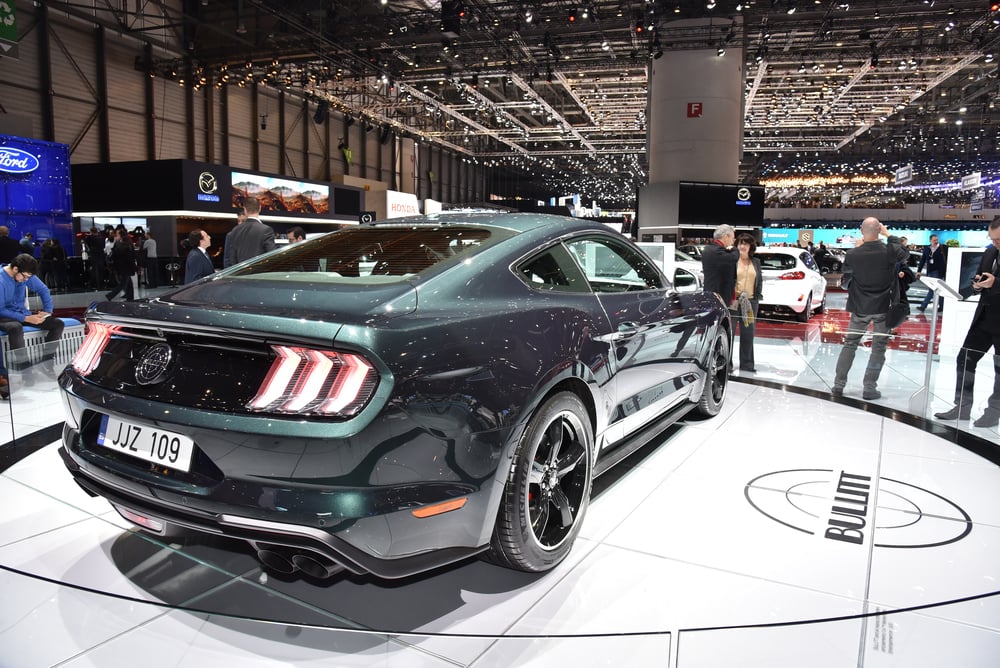
Steve McQueen’s 1968 thriller established the gold standard for automotive cinema with its legendary San Francisco chase sequence. McQueen himself handled much of the driving in his Highland Green Ford Mustang GT 390 Fastback as he pursued villains in a black Dodge Charger R/T through the city’s impossibly steep streets.
The ten-minute sequence became instantly iconic for its raw, unfiltered approach—no music, just the roar of engines and screech of tires as both cars flew over San Francisco’s hills, often becoming airborne in the process.
The French Connection

Gene Hackman’s Detective Jimmy ‘Popeye’ Doyle chasing an elevated train through Brooklyn in his 1971 Pontiac LeMans created one of cinema’s most unique pursuits. What makes this sequence extraordinary isn’t just the car-versus-train concept, but the gritty realism of Hackman weaving through actual New York traffic while the assassin rides above on the subway.
Director William Friedkin achieved this raw authenticity by filming without permits, creating genuine danger and spontaneous reactions from real pedestrians and drivers.
Like Go2Tutors’s content? Follow us on MSN.
Gone in 60 Seconds
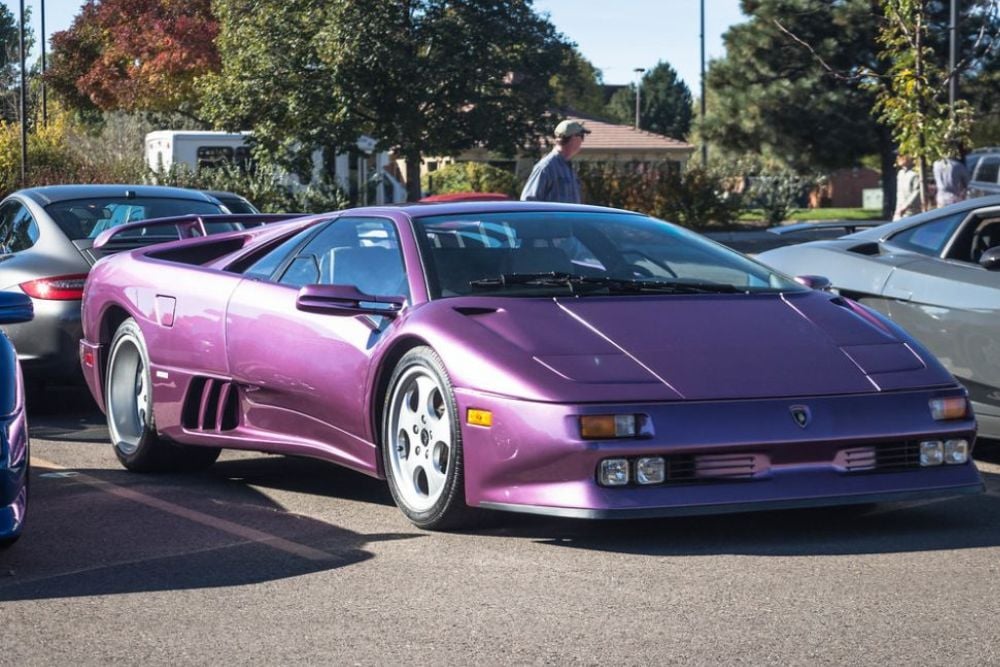
H.B. Halicki’s 1974 independent film features the longest car chase in movie history—a staggering 40 minutes of Eleanor, a yellow 1973 Ford Mustang Mach 1, being pursued by what seems like every police car in Los Angeles. Halicki wrote, directed, produced, and starred in the film while doing all his own stunt driving, including a spectacular jump over crashed police cars.
The production destroyed 93 vehicles in the process, and Halicki was knocked unconscious during one high-speed collision, yet continued filming after regaining consciousness.
Ronin

John Frankenheimer’s 1998 thriller delivered two masterpiece chase sequences through the streets of Paris using everyday European sedans like a Peugeot 406 and BMW 5-Series. What sets Ronin apart is its commitment to practical effects and realistic physics—cars struggle for grip, drivers fight to maintain control, and every impact feels genuinely dangerous.
Frankenheimer employed over 300 stunt drivers and actually closed down major Parisian thoroughfares to achieve the sequence’s documentary-like authenticity.
Mad Max: Fury Road

George Miller’s 2015 return to the wasteland created what amounts to a two-hour car chase featuring heavily modified vehicles in a post-apocalyptic desert. The film’s practical effects and real stunt work, combined with Miller’s kinetic editing, produced action sequences that feel both fantastical and viscerally real.
From the opening Buzzard attack to the final War Rig battle, every chase sequence pushes the boundaries of what’s physically possible while maintaining narrative coherence.
Like Go2Tutors’s content? Follow us on MSN.
The Blues Brothers

Jake and Elwood’s 1980 rampage through a Chicago shopping mall remains one of cinema’s most joyfully destructive sequences. John Belushi and Dan Aykroyd casually discuss the stores they’re destroying while their modified 1974 Dodge Monaco Bluesmobile plows through Dixie Square Mall.
The film’s climactic chase through downtown Chicago involved over 60 police cars and created some of the most elaborate vehicular carnage ever captured on film.
Baby Driver

Edgar Wright’s 2017 musical action film opens with a six-minute masterpiece of choreographed chaos as Ansel Elgort’s Baby navigates a red Subaru WRX through downtown Atlanta. The entire sequence is synchronized to Jon Spencer Blues Explosion’s ‘Bellbottoms,’ creating a ballet of precise turns, near-misses, and perfectly timed escapes.
Wright’s meticulous attention to musical rhythm transformed a traditional getaway scene into something approaching pure art.
The Italian Job

Peter Collinson’s 1969 caper film turned three red, white, and blue Mini Coopers into unlikely action heroes during their escape through Turin’s narrow streets and sewer systems. The Minis’ small size allowed for creative chase geography impossible with larger vehicles, including driving through buildings, down staircases, and across rooftops.
Michael Caine’s Charlie Croker and his crew proved that clever driving could trump raw horsepower in the right circumstances.
Like Go2Tutors’s content? Follow us on MSN.
Terminator 2: Judgment Day
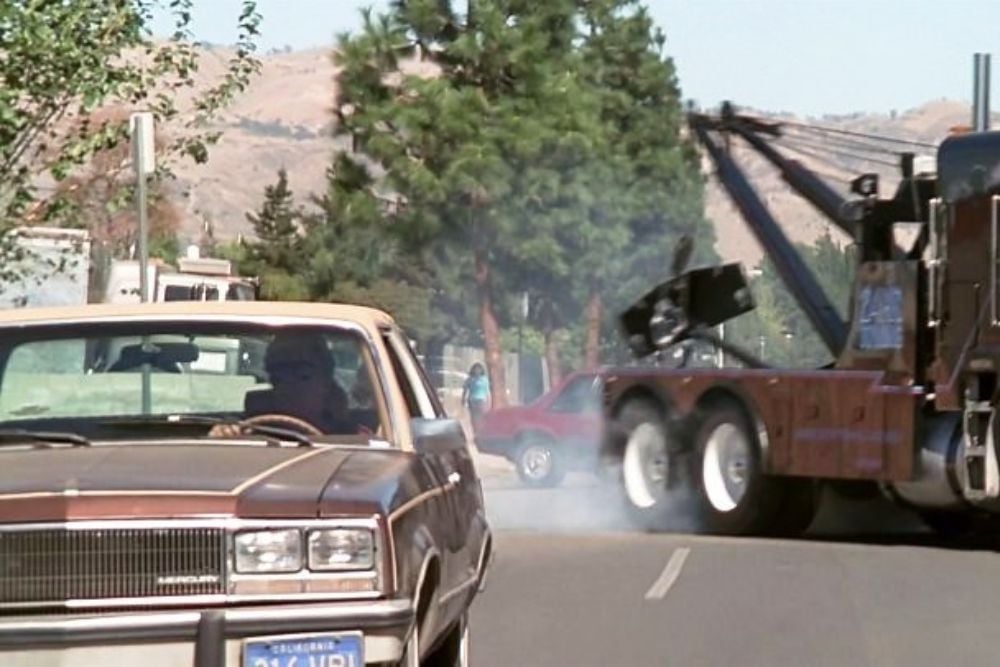
James Cameron’s 1991 sequel features young John Connor escaping the T-1000 on a dirt bike while the Terminator pursues on a Harley-Davidson, culminating in a semi-truck chase through Los Angeles storm drains.
The sequence’s practical effects, including the truck’s spectacular crash off an overpass, were achieved without digital enhancement. Cameron’s relentless pacing and innovative camera work created a chase that feels both futuristic and grounded in mechanical reality.
Drive

Nicolas Winding Refn’s 2011 neo-noir opens with Ryan Gosling’s unnamed Driver executing a perfectly planned getaway through Los Angeles in a Chevrolet Impala. The sequence emphasizes intelligence over speed, showing how timing, route knowledge, and crowd psychology can be more effective than raw acceleration.
Gosling’s Driver uses a Clippers basketball game and police helicopter patterns to disappear into the urban landscape like a ghost.
The Matrix Reloaded
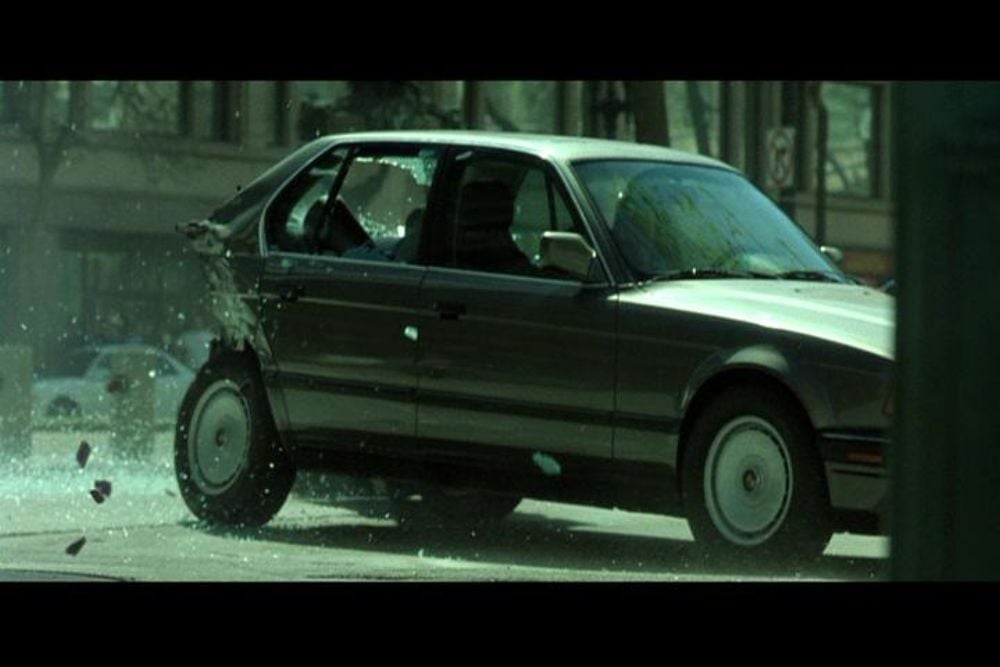
The Wachowskis constructed their own 1.5-mile freeway on a former naval air station to create the 2003 sequel’s 14-minute highway chase. The sequence features Morpheus and Trinity fleeing Agents while the Keymaker rides a Ducati motorcycle through impossible traffic scenarios.
Despite heavy use of digital effects, the film’s commitment to practical stunt work—including real motorcycle crashes and car flips—gives the sequence genuine physical weight.
Like Go2Tutors’s content? Follow us on MSN.
Mad Max: The Road Warrior

George Miller’s 1981 sequel concludes with a 20-minute chase across the Australian wasteland as Max defends a fuel tanker from murderous raiders. The sequence features dozens of customized vehicles, explosive practical effects, and death-defying stunts performed by real drivers.
Miller’s kinetic editing and practical approach to vehicular combat created a template that action films still follow today.
The Bourne Ultimatum

Paul Greengrass’s 2007 thriller features Jason Bourne commandeering a taxi for a high-speed pursuit through Moscow’s crowded streets. The sequence’s handheld camera work and rapid editing create an almost documentary-style intensity as Bourne performs emergency first aid on himself while driving.
Matt Damon’s committed performance, combined with the film’s practical stunt work, makes every collision feel genuinely painful.
Vanishing Point

Richard Sarafian’s 1971 existential chase film follows Kowalski’s cross-country run in a white 1970 Dodge Challenger R/T as he’s pursued by seemingly every law enforcement agency in the American West. The film’s long stretches of desert highway driving, punctuated by encounters with eccentric characters, created a uniquely American meditation on freedom and rebellion.
Barry Newman’s Kowalski became an icon of 1970s counterculture cinema.
Like Go2Tutors’s content? Follow us on MSN.
Smokey and the Bandit

Hal Needham’s 1977 action-comedy turned Burt Reynolds’s Pontiac Trans Am into one of cinema’s most beloved vehicles during his beer-running adventure across the American South. The film’s numerous chase sequences through Georgia highways, featuring Jackie Gleason’s Sheriff Buford T. Justice in relentless pursuit, combined spectacular stunt work with genuine comedy.
Reynolds performed many of his own driving sequences, adding authenticity to the film’s Southern-fried charm.
The Seven-Ups

Philip D’Antoni’s 1973 directorial effort features Roy Scheider leading a 10-minute chase through New York City in a 1973 Pontiac Ventura. The sequence begins in Manhattan’s Upper West Side before moving into the Bronx, showcasing D’Antoni’s talent for practical location shooting.
As producer of both Bullitt and The French Connection, D’Antoni understood how to create automotive tension without relying on excessive speed or impossible stunts.
When Rubber Met Cinema
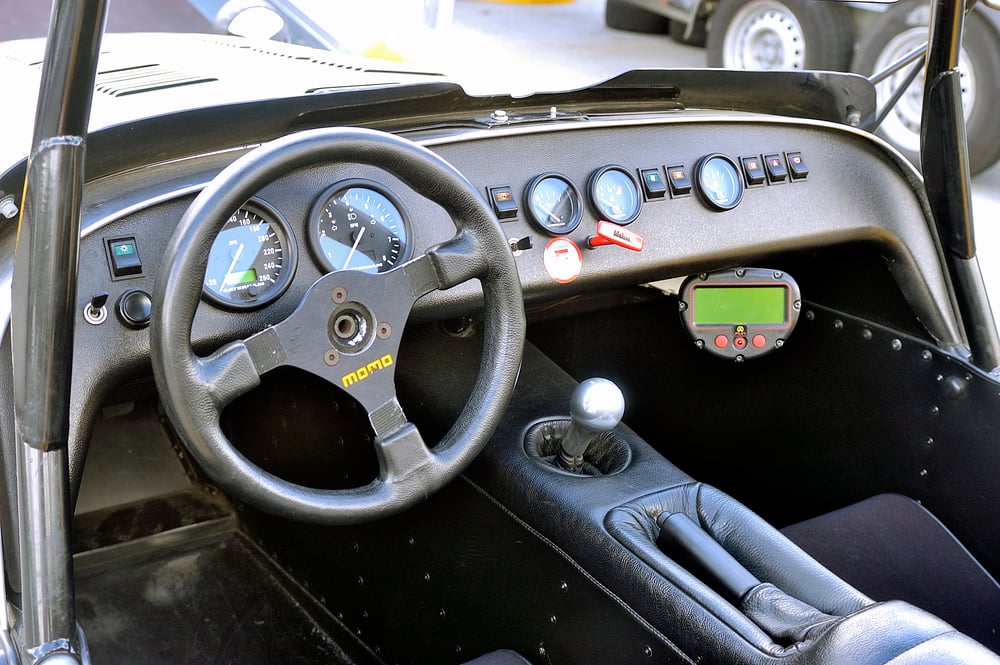
These 16 sequences represent more than just spectacular stunt work—they’re cultural artifacts that capture the evolution of filmmaking technology, automotive design, and our collective fascination with speed and danger. From the raw authenticity of 1970s chase films to the choreographed precision of modern action cinema, each sequence reflects its era’s approach to risk, spectacle, and storytelling.
They remind us that sometimes the most compelling character in a film has four wheels and an engine, and the most honest emotions come from the simple human thrill of motion, speed, and the possibility of escape.
Like Go2Tutors’s content? Follow us on MSN.
More from Go2Tutors!

- 16 Historical Figures Who Were Nothing Like You Think
- 12 Things Sold in the 80s That Are Now Illegal
- 15 VHS Tapes That Could Be Worth Thousands
- 17 Historical “What Ifs” That Would Have Changed Everything
- 18 TV Shows That Vanished Without a Finale
Like Go2Tutors’s content? Follow us on MSN.



