15 Personality Tests Used by Major Companies
Modern employers invest substantial resources in attempting to decode potential hires before extending job offers. The era when a confident handshake paired with solid credentials guaranteed employment has largely disappeared. Today’s hiring landscape demands deeper psychological insights—companies want to peek beneath the surface, understand how candidates think, operate under pressure, and integrate into existing team structures.
Corporate personality testing isn’t merely a trendy HR theatrical trend. These assessments help organizations minimize turnover costs, enhance team cohesion, and sidestep expensive recruitment mistakes. Here is a list of 15 personality tests that major corporations routinely deploy for evaluating both prospective employees and current workforce members.
Myers-Briggs Type Indicator (MBTI)

This assessment remains the grandfather of workplace personality evaluation, categorizing individuals into 16 distinct types through four core dimensions. Fortune 500 companies such as General Electric and Apple rely on MBTI to decode how employees process information and reach decisions.
Think of it as psychological navigation—helping managers chart a course through diverse landscapes of personalities within their teams.
DISC Assessment

DISC simplifies personality analysis into four straightforward categories: Dominance, Influence, Steadiness, and Conscientiousness. Companies including IBM, Cisco, and Southwest Airlines appreciate this direct approach since it cuts through complex psychological terminology.
The framework’s elegance lies in its practical application—managers can quickly grasp whether someone thrives leading initiatives or prefers supporting roles behind the scenes.
Like Go2Tutors’s content? Follow us on MSN.
Enneagram

Originally developed for spiritual development, the Enneagram has migrated into corporate boardrooms at Sony, Motorola, and Toyota. This system identifies nine personality archetypes, each driven by distinct core motivations and underlying fears.
It’s essentially a roadmap that reveals what truly drives colleagues beyond their professional personas—invaluable insight for team dynamics.
StrengthsFinder (CliftonStrengths)

Gallup’s StrengthsFinder prioritizes natural talents over weakness remediation, identifying what individuals do exceptionally well. Organizations such as Facebook and Stryker use this assessment to position employees where they’ll naturally excel.
The underlying philosophy suggests you’ll achieve superior results by developing innate strengths rather than attempting to transform weaknesses into competencies.
Hogan Personality Inventory

Hogan assessments probe workplace behavior deeply, measuring leadership potential alongside career derailment risks. Major corporations, including Shell, Microsoft, and Goldman Sachs depend on Hogan evaluations for executive selection and development programs.
These tests excel at predicting who might struggle under intense pressure or pose challenges in leadership positions.
Like Go2Tutors’s content? Follow us on MSN.
Big Five Personality Test
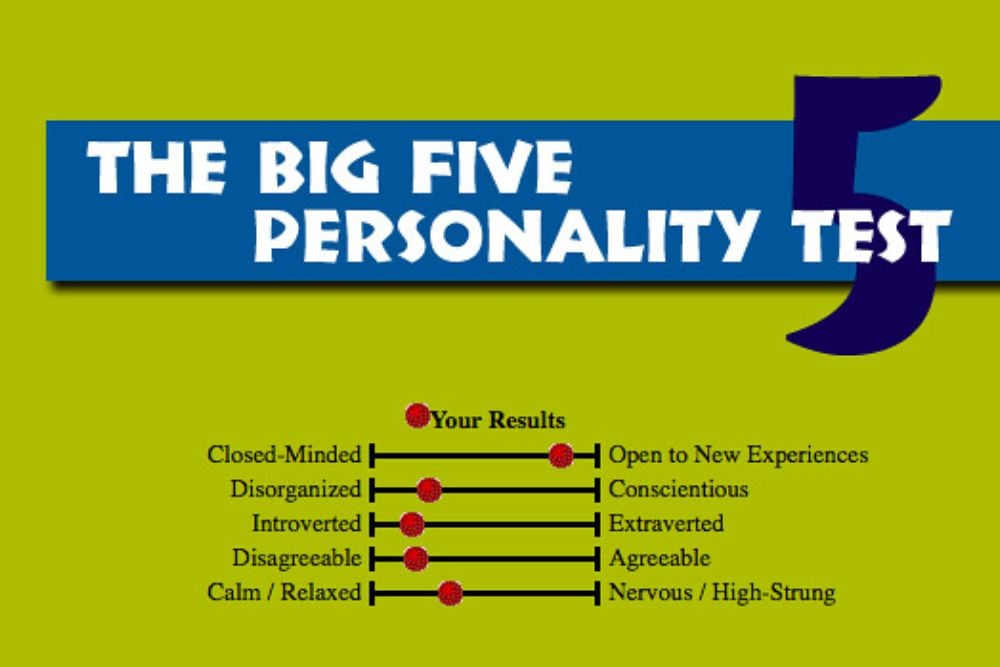
Rooted in decades of psychological research, the Big Five measures openness, conscientiousness, extraversion, agreeableness, and neuroticism. Tech giants such as Google and Amazon frequently employ variations since the framework boasts solid scientific credibility.
Unlike assessments that feel akin to horoscopes, the Big Five maintains rigorous academic backing.
Caliper Profile

The Caliper assessment evaluates 22 personality traits while creating detailed profiles for specific job roles. Companies such as FedEx and Honeywell use Caliper to match individuals with positions where they’re likely to flourish.
It’s particularly effective for roles requiring specific personality characteristics, such as sales positions demanding high resilience coupled with persuasion skills.
16PF Questionnaire

The 16PF, which was created by psychologist Raymond Cattell, assesses five global dimensions in addition to 16 major personality variables. This thorough evaluation is frequently used for safety-critical roles by airlines, governmental entities, and healthcare institutions.
The test is particularly helpful when it comes to figuring out how someone would respond to intense stress.
Like Go2Tutors’s content? Follow us on MSN.
EQi 2.0 (Emotional Intelligence)
As workplaces become increasingly collaborative, emotional intelligence testing has gained serious momentum. Companies such as L’Oreal, American Express, and Johnson & Johnson use EQi 2.0 to assess candidates’ ability to read social situations and manage relationships effectively.
In many contemporary roles, navigating office politics matters as much as technical competence.
Predictive Index (PI)

The Predictive Index creates simple visual patterns representing workplace behaviors and motivations. Companies, including Subway and IKEA, appreciate PI’s straightforward approach to understanding team dynamics.
Results appear as colorful graphs rather than lengthy reports, making them accessible for managers to interpret and act upon quickly.
SHL Occupational Personality Questionnaire

SHL’s OPQ sees widespread use among multinational corporations for leadership development and succession planning. Companies such as Unilever and HSBC rely on SHL assessments throughout their hiring processes.
The test measures 32 personality characteristics while providing detailed insights into workplace behavior patterns.
Like Go2Tutors’s content? Follow us on MSN.
Wonderlic Personnel Test

Though primarily measuring cognitive ability, Wonderlic includes personality components that many companies find valuable. The NFL famously uses the Wonderlic for draft evaluations, while companies such as Subway and various retail chains deploy it for management positions.
The test combines quick thinking with personality insights, making it efficient for high-volume hiring scenarios.
Harrison Assessments

Harrison’s unique methodology measures both preferences and abilities, creating comprehensive job fit pictures. Companies including Coca-Cola, Oracle, and various government agencies use Harrison assessments for hiring and employee development.
The system excels at predicting job satisfaction by matching personal preferences with role requirements.
Saville Assessment Wave
The Wave assessment measures personality, motivation, and talents within one comprehensive evaluation. Companies such as Vodafone and Rolls-Royce use Saville assessments for graduate recruitment and leadership development programs.
The test adapts questions based on previous responses, creating more personalized assessment experiences.
Like Go2Tutors’s content? Follow us on MSN.
Korn Ferry Four Dimensions of Leadership
Specifically designed for leadership roles, this assessment evaluates competencies, experiences, traits, and drivers simultaneously. Major corporations, including General Mills and PepsiCo use Korn Ferry assessments for executive hiring and development.
The test proves particularly valuable for succession planning while identifying high-potential employees.
The Human Touch in Digital Hiring

Despite these sophisticated testing methodologies, the most successful companies remember that personality assessments serve as tools rather than foolproof predictors. The best organizations use test results as conversation starters instead of final verdicts—combining assessment data with interviews, references, and real-world observations.
Smart employers recognize that while tests can reveal important workplace behavior insights, they can’t capture everything that makes someone successful in a role. Future hiring will likely involve even more sophisticated assessments, yet the human element will always remain essential in creating the right match between person and position.
More from Go2Tutors!

- 16 Restaurant Chains That Went Too Fast
- 12 Things Sold in the 80s That Are Now Illegal
- 15 VHS Tapes That Could Be Worth Thousands
- 17 Historical “What Ifs” That Would Have Changed Everything
- 18 TV Shows That Vanished Without a Finale
Like Go2Tutors’s content? Follow us on MSN.



