14 Flip Phone Tricks Only Early 2000s Teens Knew
Before smartphones took over the world, flip phones ruled the teenage landscape with their satisfying snap and surprisingly clever features. These compact devices weren’t just about making calls—they were canvases for creativity, rebellion, and social connection in ways that seem almost quaint now. From secret messaging techniques to customization hacks that would make your friends jealous, flip phone culture had its own set of unwritten rules and hidden tricks.
The mastery of these devices separated the tech-savvy teens from the casual users. Here is a list of 14 flip phone tricks that defined a generation of mobile phone users.
T9 Speed Texting
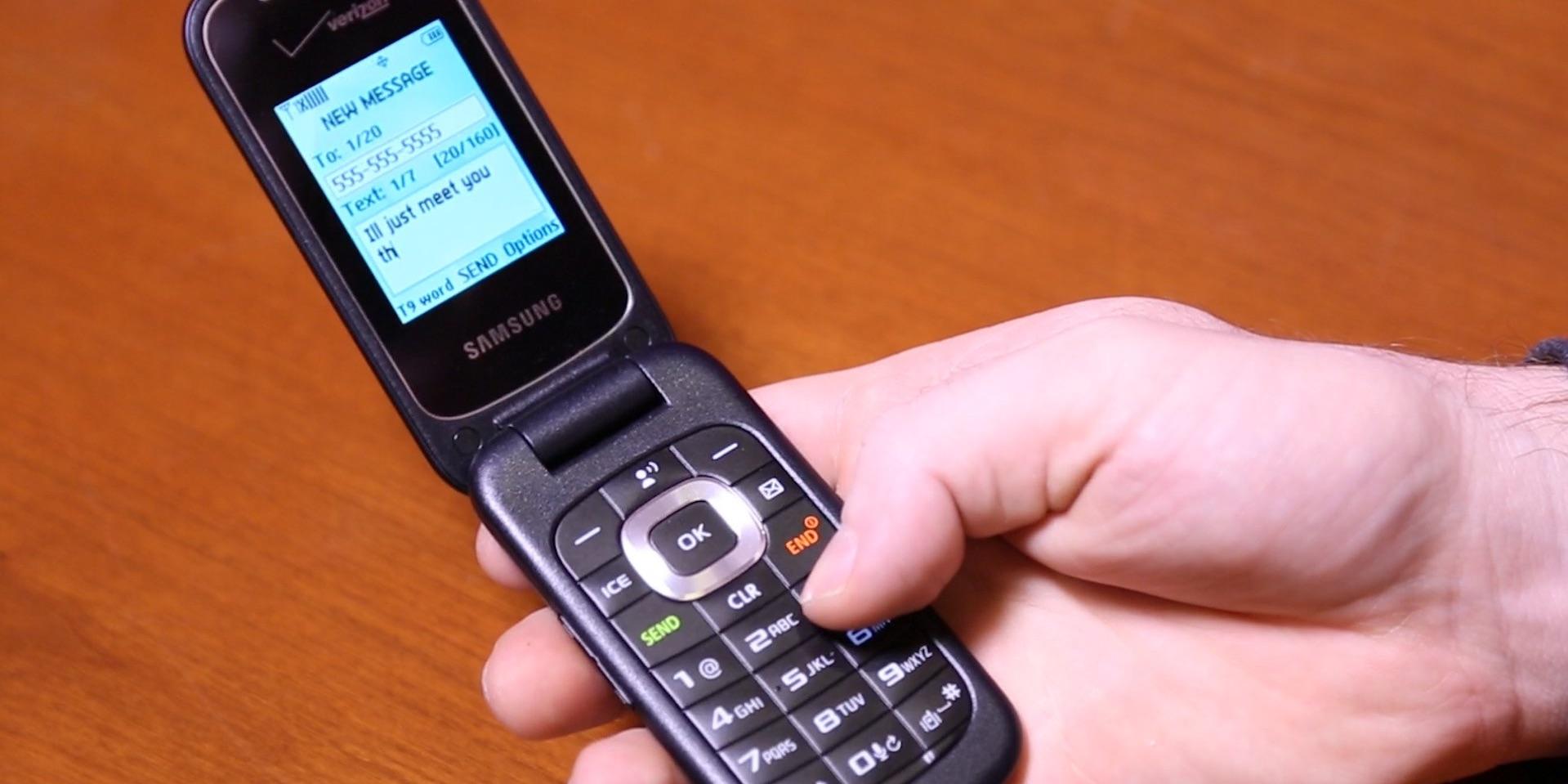
Mastering T9 predictive text was like learning a secret language that only the dedicated could speak fluently. The best practitioners could type entire sentences without looking at their phone, fingers dancing across the number pad with muscle memory precision.
Advanced users learned to exploit T9’s word prediction by deliberately misspelling common words to create shortcuts—typing ‘4663’ for ‘home’ became second nature, and you could switch between multiple word options by hitting the same number sequence repeatedly until you found what you wanted.
Secret Vibration Patterns

Different vibration patterns became a covert communication system between friends and romantic interests. You’d program specific ringtones and vibration sequences for different contacts, creating a personal Morse code that let you know who was calling without even looking at the screen.
The really crafty ones would set up different patterns for different types of messages—two short buzzes for parents, one long vibration for crushes, and a specific rhythm that meant ‘call me back immediately.’
Like Go2Tutors’s content? Follow us on MSN.
Menu Navigation Shortcuts
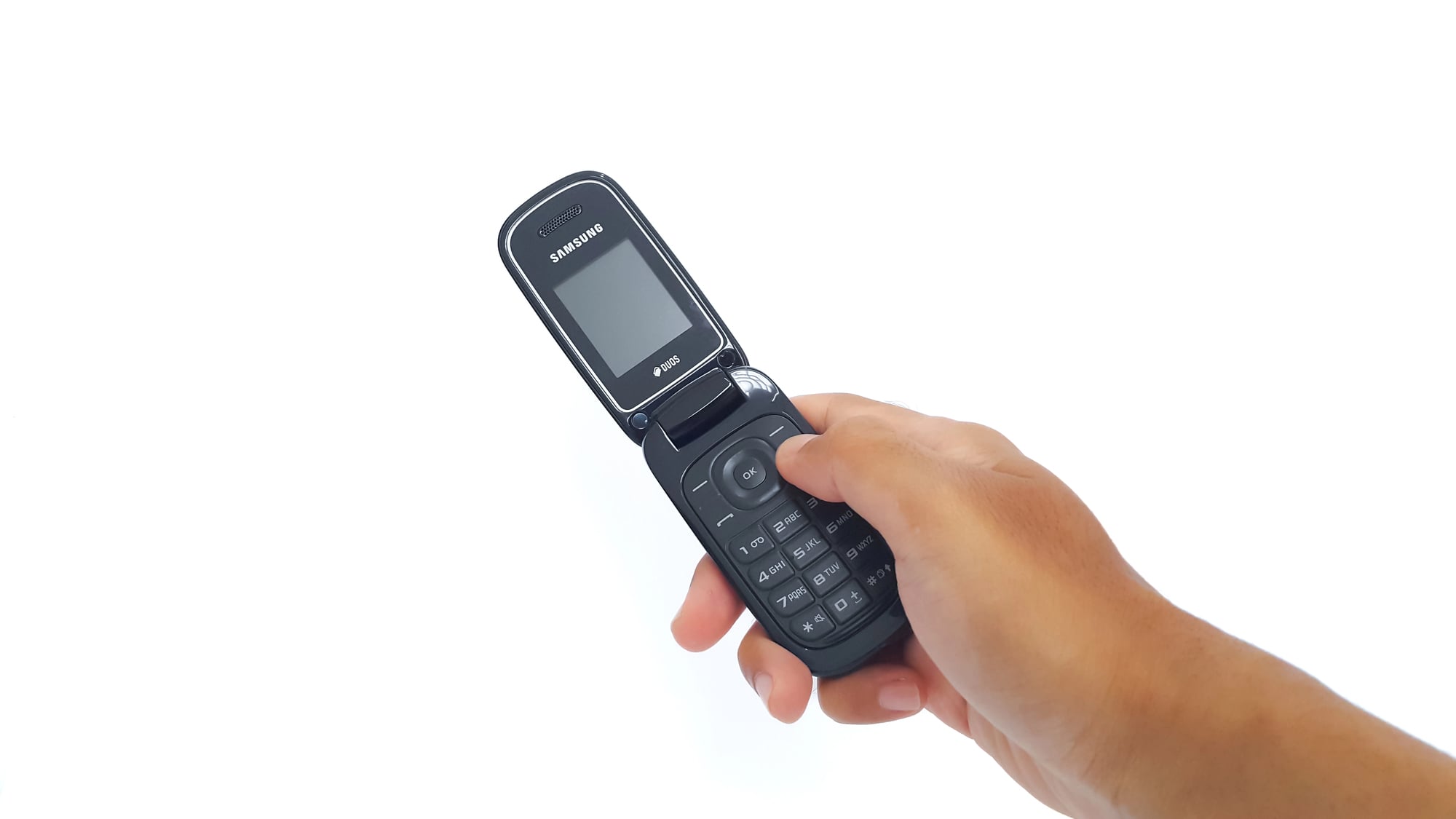
Every flip phone had hidden menu shortcuts that could bypass the tedious scrolling through options, but only power users bothered to memorize them. Pressing specific number combinations could jump you directly to your contacts, messages, or games without navigating through multiple menu screens.
The Nokia flip phones were particularly notorious for having secret codes that could access hidden features, diagnostic menus, and even change the phone’s behavior in subtle ways that impressed anyone watching.
Battery Conservation Tricks

Extending battery life became an art form when chargers weren’t constantly available and power banks didn’t exist. Smart users learned to turn off unnecessary features like backlighting, reduce screen timeout to the minimum, and strategically use airplane mode to preserve power during long school days.
The most dedicated would even learn the exact timing of when to plug in their phone to maximize battery lifespan—never letting it die completely but also not keeping it plugged in all the time.
Custom Ringtone Creation

Before app stores and easy downloads, creating custom ringtones required genuine technical skill and patience. Teens would painstakingly input musical notes using the phone’s composer feature, spending hours recreating their favorite songs one beep at a time.
The really ambitious ones figured out how to record audio through the phone’s microphone and convert it into ringtones, or discovered websites where you could text a code and receive a snippet of a popular song.
Like Go2Tutors’s content? Follow us on MSN.
Silent Communication Methods
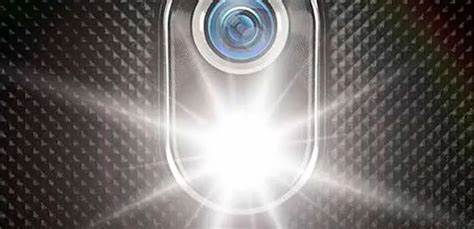
Flip phones became tools for stealth communication in classrooms and other forbidden zones through various creative methods. The camera flash could be used for morse code signals across rooms, and some phones allowed you to set custom LED notification patterns that could convey simple messages.
Savvy users also discovered that certain phones would display incoming text messages on the small external screen, allowing them to read messages without opening the phone and drawing attention.
Contact List Organization

Managing contacts without modern smartphone conveniences required strategic thinking and creative naming conventions. Users developed systems like adding numbers or symbols before names to control alphabetical sorting, creating groups through careful naming patterns, and using abbreviations that only they understood.
The limited character space for contact names led to creative solutions—’Mom Cell’ became ‘MC,’ and friends were often saved under inside jokes or code names that made the contact list look like a secret agent’s directory.
Photo and Video Tricks
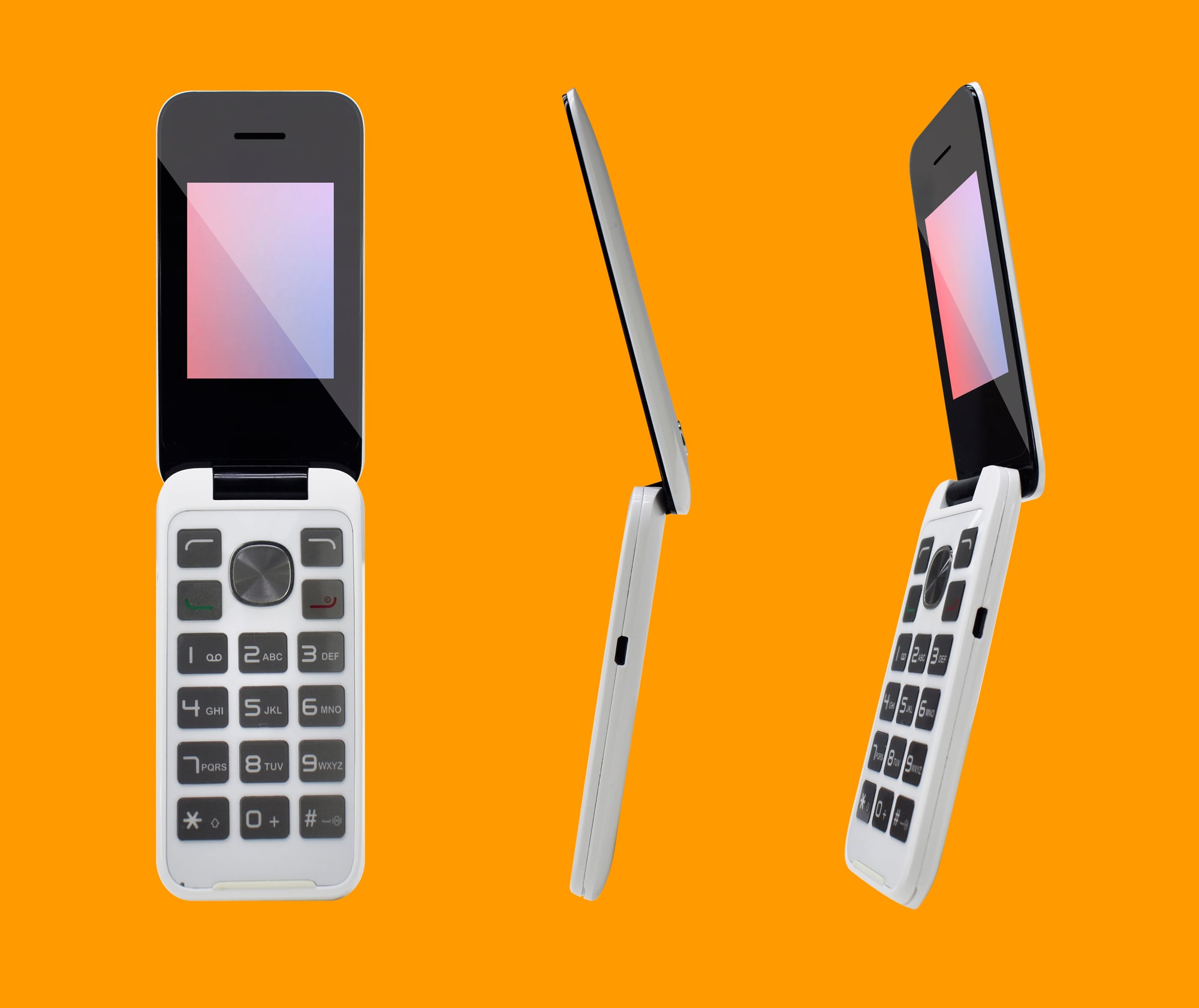
Despite terrible image quality by today’s standards, flip phone cameras had hidden capabilities that creative users learned to exploit. Some phones allowed you to take photos in rapid succession by holding down the camera button, creating primitive stop-motion sequences.
Others had hidden filters or effects buried deep in the camera settings, and the most tech-savvy teens figured out how to maximize the limited memory by adjusting resolution settings and compression options.
Like Go2Tutors’s content? Follow us on MSN.
Game Exploits and Cheats

The built-in games on flip phones often had cheat codes, hidden levels, or exploitable glitches that dedicated players discovered through hours of experimentation. Snake had score multipliers if you knew the right button combinations, and puzzle games sometimes had level skip codes that weren’t documented anywhere.
Trading these secrets felt like sharing forbidden knowledge, and discovering a new exploit made you temporarily famous among your friend group.
Stealth Texting Techniques

Texting without looking became a survival skill for teens who needed to communicate during class or family dinners. The tactile feedback of physical buttons made it possible to compose entire messages by touch alone, and experienced users could text with their phone hidden in a pocket or under a desk.
Some even developed techniques for one-handed texting while holding the phone in specific positions that concealed their activity from authority figures.
Customization and Personalization

Making your flip phone unique required resourcefulness since customization options were limited compared to modern devices. Users learned to create custom wallpapers by taking photos of images on computer screens, figured out how to change system sounds by recording their own audio snippets, and discovered hidden themes or display options buried in the settings menus.
The external displays on some phones could be customized with different animations or text that would scroll across the screen.
Like Go2Tutors’s content? Follow us on MSN.
Multi-tasking Workarounds

Before true multitasking existed on mobile devices, clever users found ways to simulate it through the strategic use of their phone’s limited capabilities. They’d start composing a text message, then switch to another function while keeping the message draft active, or use the phone’s basic scheduling features to set reminders and alarms that created a primitive task management system.
Some phones allowed you to pause games and switch to other functions, then return exactly where you left off.
Emergency and Safety Features

Flip phones had built-in emergency capabilities that many users never discovered, but smart teens learned to leverage them for both safety and convenience. Most phones had a way to program ICE (In Case of Emergency) contacts that could be accessed even when the phone was locked, and some had panic features that could send location information or automated messages.
These same features could be creatively repurposed for non-emergency situations, like automatically texting parents when you arrive somewhere safely.
Network and Signal Optimization

Understanding how to get the best signal and network performance from a flip phone required knowledge that went beyond basic usage. Users learned which physical positions and locations gave them the strongest signal, how to manually select network towers in areas with poor coverage, and tricks for improving call quality through specific phone orientations.
Some even figured out how to access diagnostic screens that showed signal strength numerically rather than through the basic bar display.
Like Go2Tutors’s content? Follow us on MSN.
The Legacy Lives On

These flip phone tricks represented more than just technical know-how—they were badges of honor in a pre-smartphone world where mobile technology required genuine skill to master. The creativity and problem-solving that went into maximizing these simple devices laid the groundwork for how an entire generation would approach technology.
While today’s smartphones offer infinitely more capabilities with far less effort, there was something satisfying about earning your mobile phone expertise through experimentation and dedication. The flip phone era taught us that limitations often spark the most creative solutions, a lesson that remains relevant even as our devices become increasingly powerful and intuitive.
More from Go2Tutors!

- 18 Unexpectedly Valuable Collectibles You Might Have Lying Around
- 20 Little-Known Historical Battles That Had Huge Consequences
- 20 Historical Artifacts That Scientists Can’t Explain
- 15 Inventions That Were Immediately Banned After Being Created
- 20 Actors Who Were Almost Cast in Iconic Roles
Like Go2Tutors’s content? Follow us on MSN.