14 Forgotten Explorers Who Overcame Challenges
History books often celebrate the same handful of famous explorers while countless others who achieved remarkable feats fade into obscurity. Many of these forgotten pioneers overcame extraordinary obstacles—physical disabilities, racial discrimination, financial limitations, and treacherous conditions—to explore uncharted territories and contribute valuable knowledge to science and geography.
Their perseverance in the face of seemingly insurmountable challenges deserves recognition and reveals the true breadth of human determination. Here is a list of 14 forgotten explorers who overcame significant challenges to achieve remarkable feats of discovery that history has largely overlooked.
Matthew Henson
An African American explorer who reached the North Pole alongside Robert Peary in 1909, Henson’s crucial contributions were overlooked for decades due to racial prejudice. He mastered the Inuit language and survival techniques that proved essential to the expedition’s success, often going ahead to break trail through the most dangerous ice conditions.
Recognition finally came late in his life, but history books still frequently minimize his role despite evidence suggesting he may have been the first person to actually reach the geographic North Pole.
Isabelle Eberhardt
This Swiss explorer defied strict gender norms of the late 19th century by dressing as a man, converting to Islam, and immersing herself in North African culture. She traveled extensively throughout Algeria and Tunisia on horseback, often alone and in male disguise, documenting her observations in journals that provided unique insights into local cultures.
Her life was tragically cut short at age 27 when she drowned in a desert flash flood, leaving behind writings that continue to challenge colonial perspectives on Arab societies.
Like Go2Tutors’s content? Follow us on MSN.
Ibn Battuta
Though well-known in the Islamic world, this 14th-century Moroccan traveler remains overshadowed in Western history books despite journeying approximately 75,000 miles—far exceeding Marco Polo’s travels. He faced countless hardships including shipwrecks, bandit attacks, and severe illness while visiting territories spanning from West Africa to China over nearly 30 years.
His detailed accounts provide invaluable insights into medieval cultures across Africa, the Middle East, and Asia, all compiled from memory after losing his notes during his journeys.
Barbara Hillary
Becoming the first African American woman to reach both the North and South Poles in her 70s, Hillary defied age stereotypes and overcame significant health challenges. She achieved these feats after surviving lung cancer and undergoing surgery that removed 25% of her breathing capacity, funding her expeditions through speaking engagements when sponsors initially showed little interest.
Her accomplishments came decades after retirement from nursing, proving exploration requires determination more than youth or institutional backing.
Alexandrine Tinné
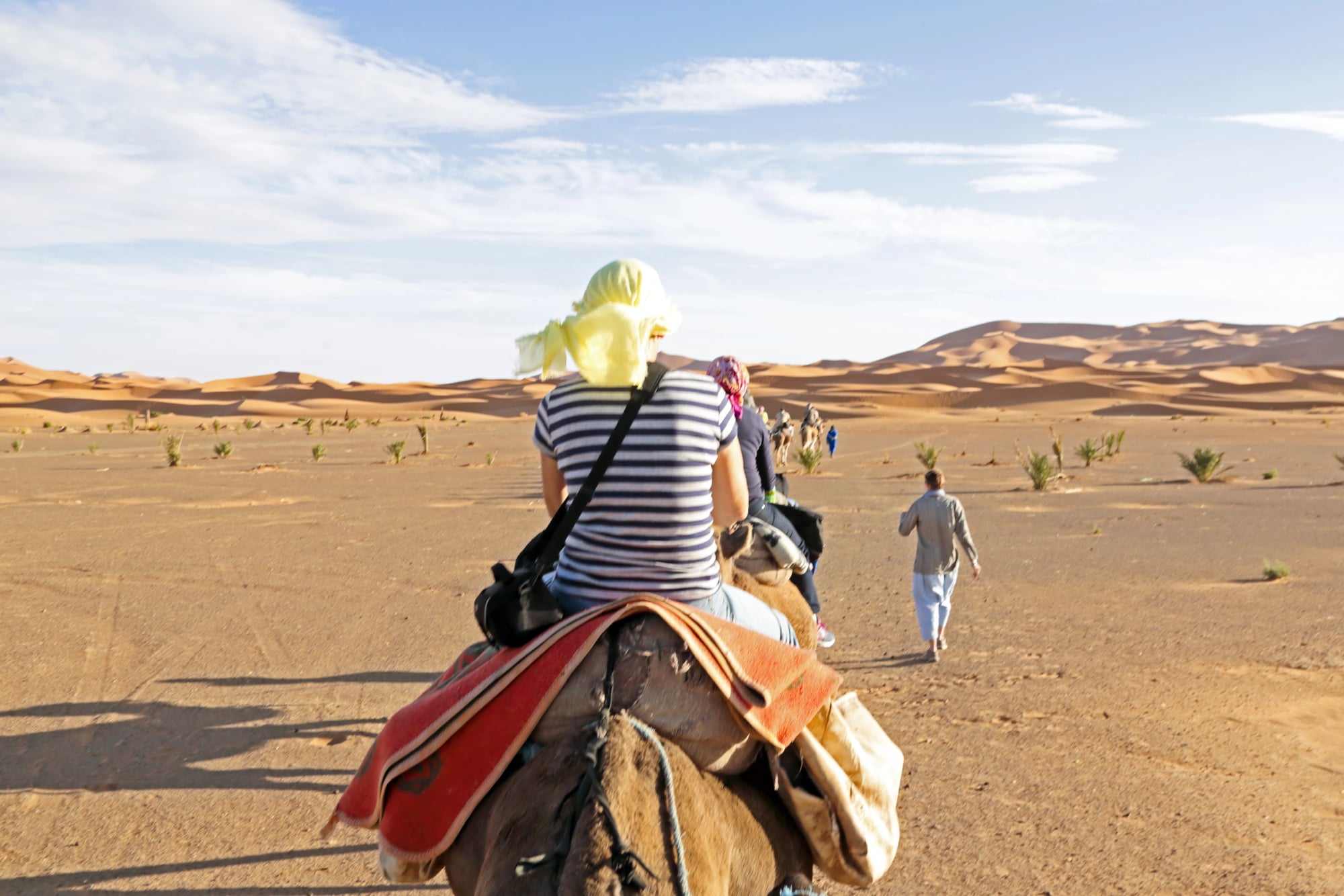
A wealthy Dutch explorer who used her inheritance to finance ambitious expeditions into central Africa during the 1860s, breaking Victorian conventions about women’s capabilities. She led several major expeditions along the Nile and into the Sahara, documenting previously unmapped regions and collecting botanical specimens despite losing multiple family members to tropical diseases.
Her life ended tragically when she was murdered in the Libyan desert, cutting short a remarkable career that challenged both geographical and gender boundaries.
Like Go2Tutors’s content? Follow us on MSN.
Yi Ho-Chung

This 15th-century Korean explorer mapped large portions of Southeast Asia and the Indian Ocean nearly a century before Europeans, overcoming language barriers and dangerous sea conditions. He carefully documented the cultures, geography, and politics of numerous regions across 32 countries, creating maps of unprecedented accuracy for the time.
His extensive journals influenced Korean foreign policy and maritime activity for generations, though his achievements remain virtually unknown outside of East Asia.
Bessie Coleman
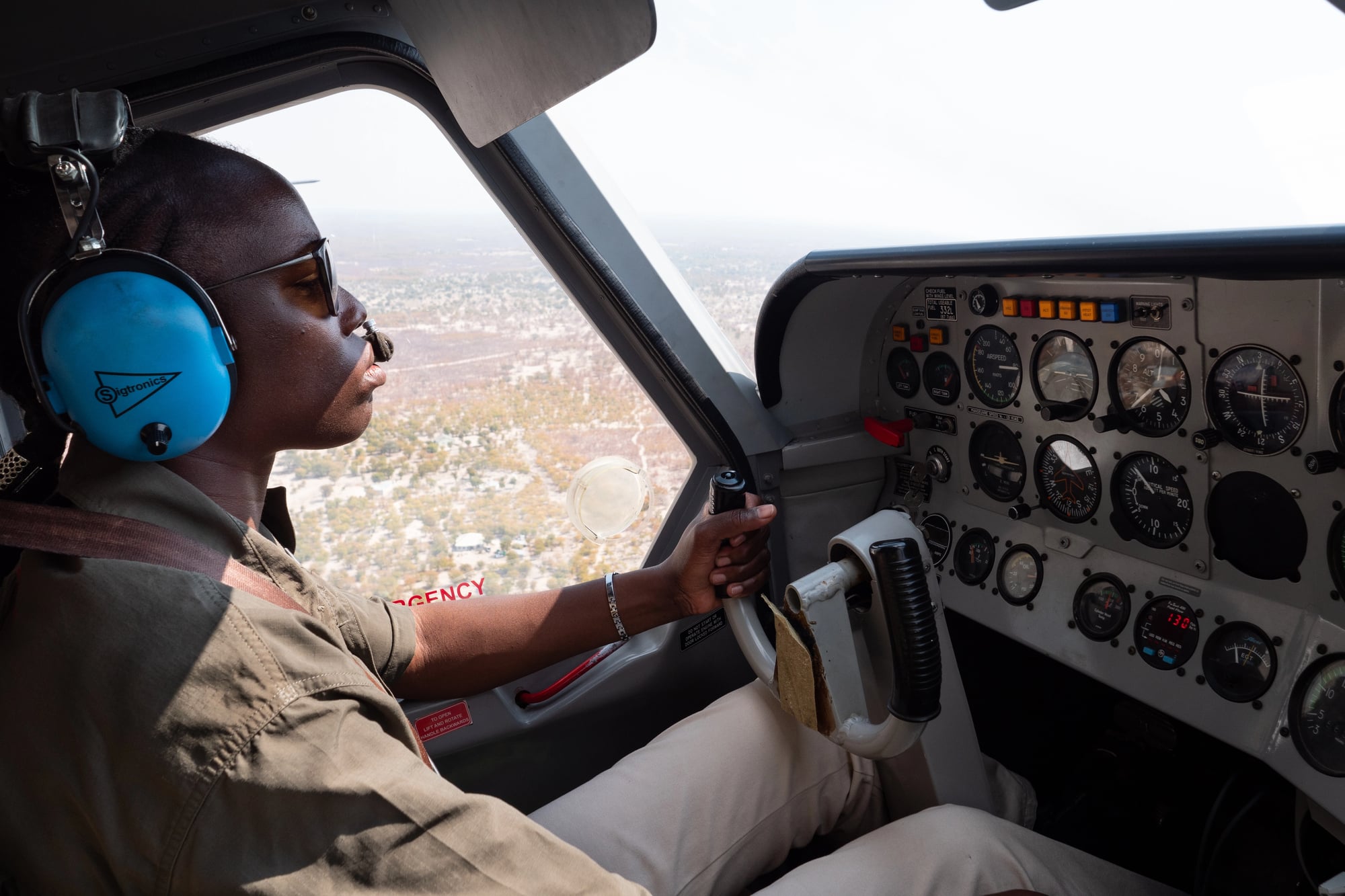
Unable to find anyone in America willing to teach an African American woman to fly, Coleman worked multiple jobs and learned French to attend flight school in Europe. She became the first African American and first Native American woman to earn a pilot’s license, overcoming both racial and gender discrimination to achieve her dreams of flight.
Coleman specialized in dangerous stunt flying to earn a living and planned to open a flight school for African Americans before her tragic death in a plane accident at age 34.
Pedro Páez

This Spanish Jesuit discovered the source of the Blue Nile in Ethiopia in 1618, nearly two centuries before the famous expeditions of Europeans like James Bruce. He overcame imprisonment, torture, and a grueling journey across the Ethiopian highlands while suffering from malaria to reach Lake Tana at the river’s source.
Páez also became fluent in Amharic and Ge’ez, producing detailed accounts of Ethiopian history, culture and geography that remain valuable historical documents today.
Like Go2Tutors’s content? Follow us on MSN.
Mary Kingsley
Defying Victorian expectations for genteel women, Kingsley explored uncharted regions of West Africa in the 1890s after spending much of her life caring for ailing parents. She traveled alone through dangerous terrain, collecting scientific specimens and documenting cultures while wearing full Victorian dress including a long black skirt that once saved her life when she fell into a spike pit.
Her scholarly works challenged prevailing racist views about African cultures, though her contributions to anthropology were largely dismissed by the male scientific establishment of her time.
Fridtjof Nansen
Though respected in his native Norway, this explorer’s groundbreaking polar techniques remain underappreciated globally despite enabling countless future expeditions. He intentionally froze his ship into Arctic ice to study drift patterns, then set out with a single companion in an attempt to reach the North Pole using innovative lightweight sleds and kayaks.
Nansen later leveraged his fame to perform humanitarian work, winning the Nobel Peace Prize for helping refugees after World War I—making him both an explorer of physical geography and human compassion.
Annie Smith Peck
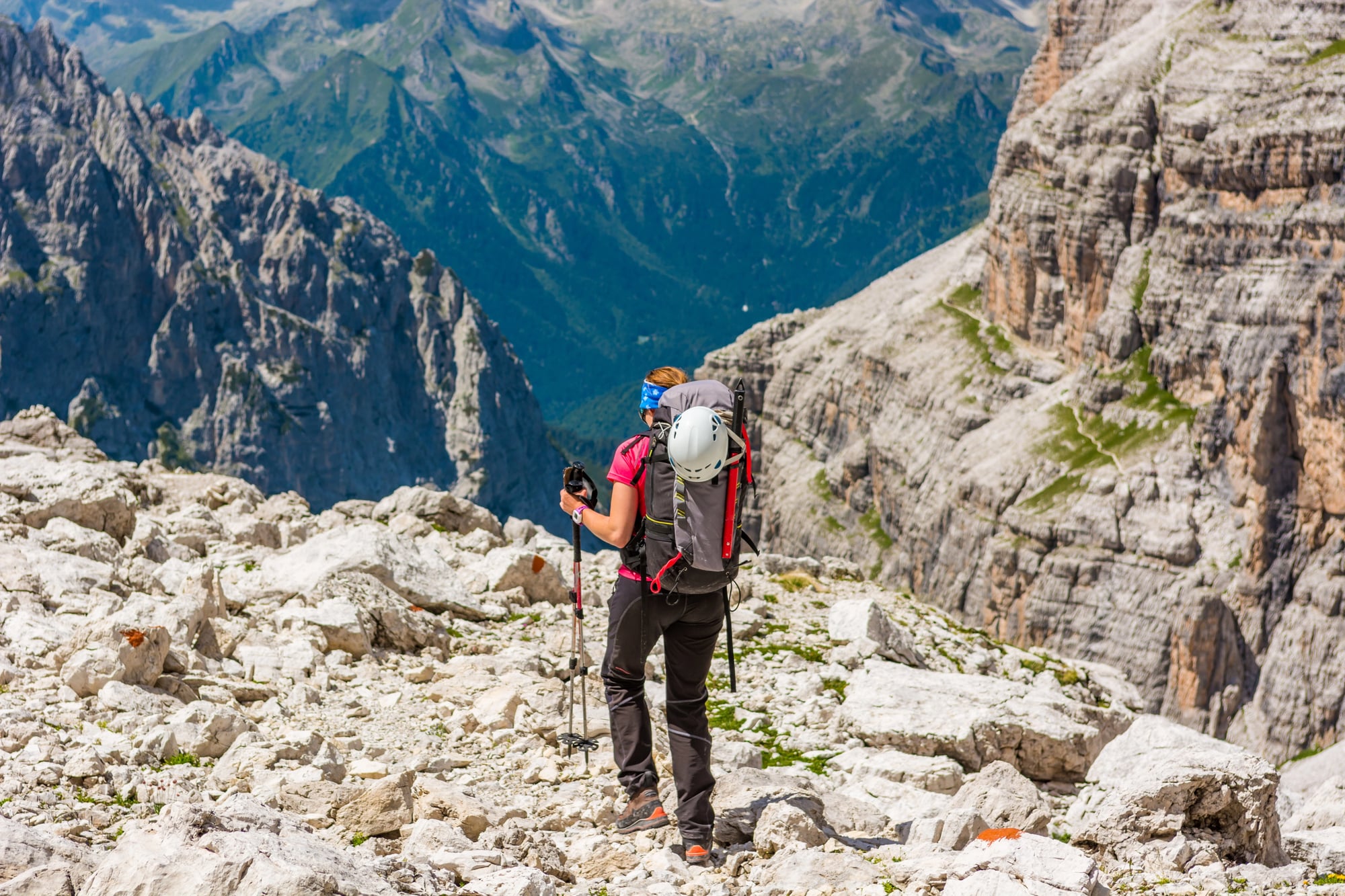
Scaling major mountains well into her 60s when women were expected to remain homebound, Peck set climbing records that defied both gender restrictions and age limitations. She conquered Peru’s Mount Huascarán at age 58 after multiple failed attempts, planting a ‘Votes for Women’ banner at the summit to make both geographical and political statements.
Peck funded her expeditions through writing and lectures when traditional sponsors rejected her, ultimately climbing mountains on six continents despite beginning her mountaineering career at the then-advanced age of 45.
Like Go2Tutors’s content? Follow us on MSN.
Bill Tilman
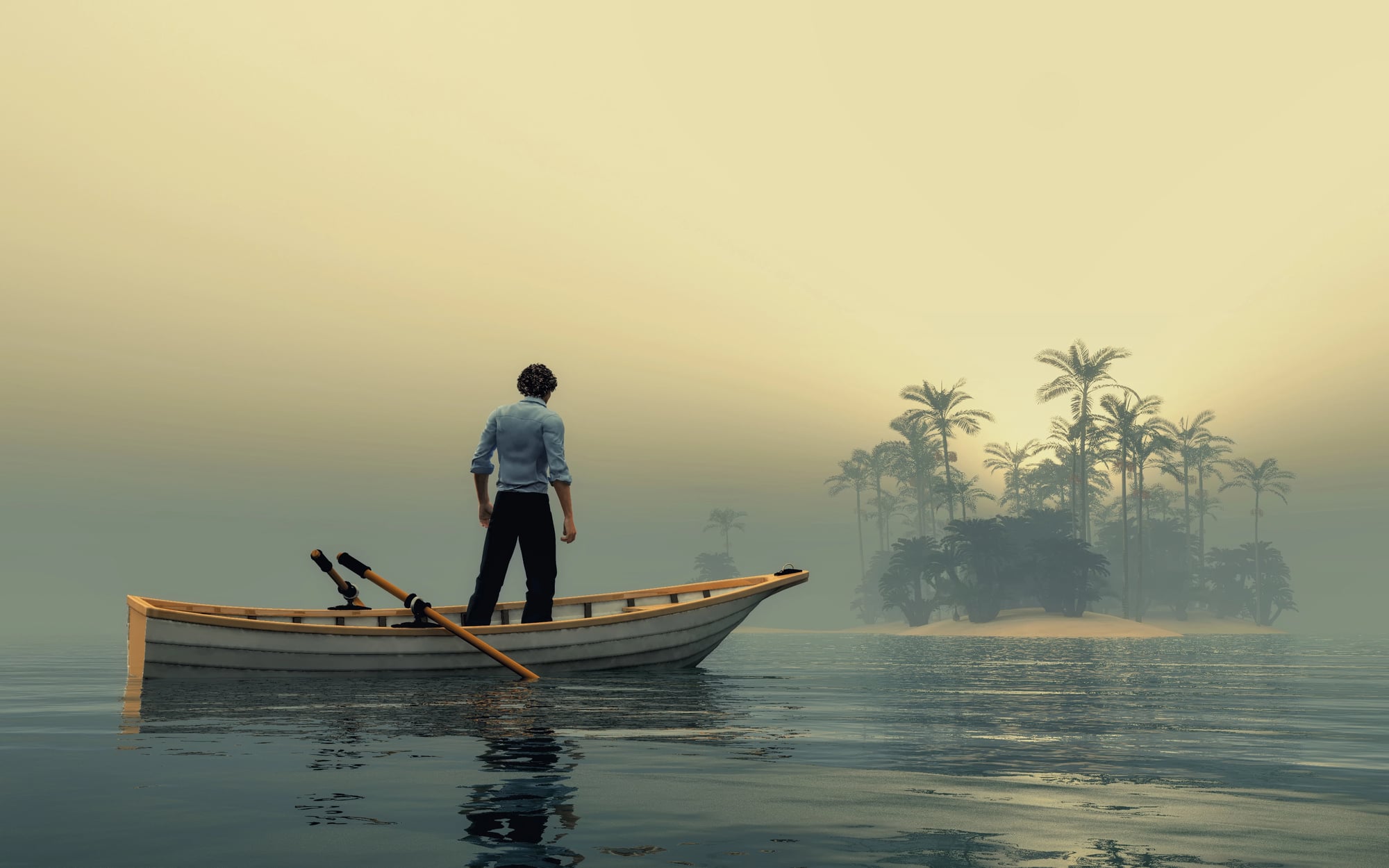
Abandoning mechanized transport and modern conveniences, this British explorer sailed to remote mountains in a small wooden boat well into his 80s. He pioneered a minimalist approach to expedition climbing, often reaching previously unclimbed peaks with minimal equipment and small teams rather than the large military-style expeditions common in his era.
Tilman disappeared at sea at age 80 while attempting to reach Smith Island in the Southern Ocean—his body never found but his approach to exploration continuing to influence modern adventurers seeking meaningful connection with wilderness.
Junko Tabei
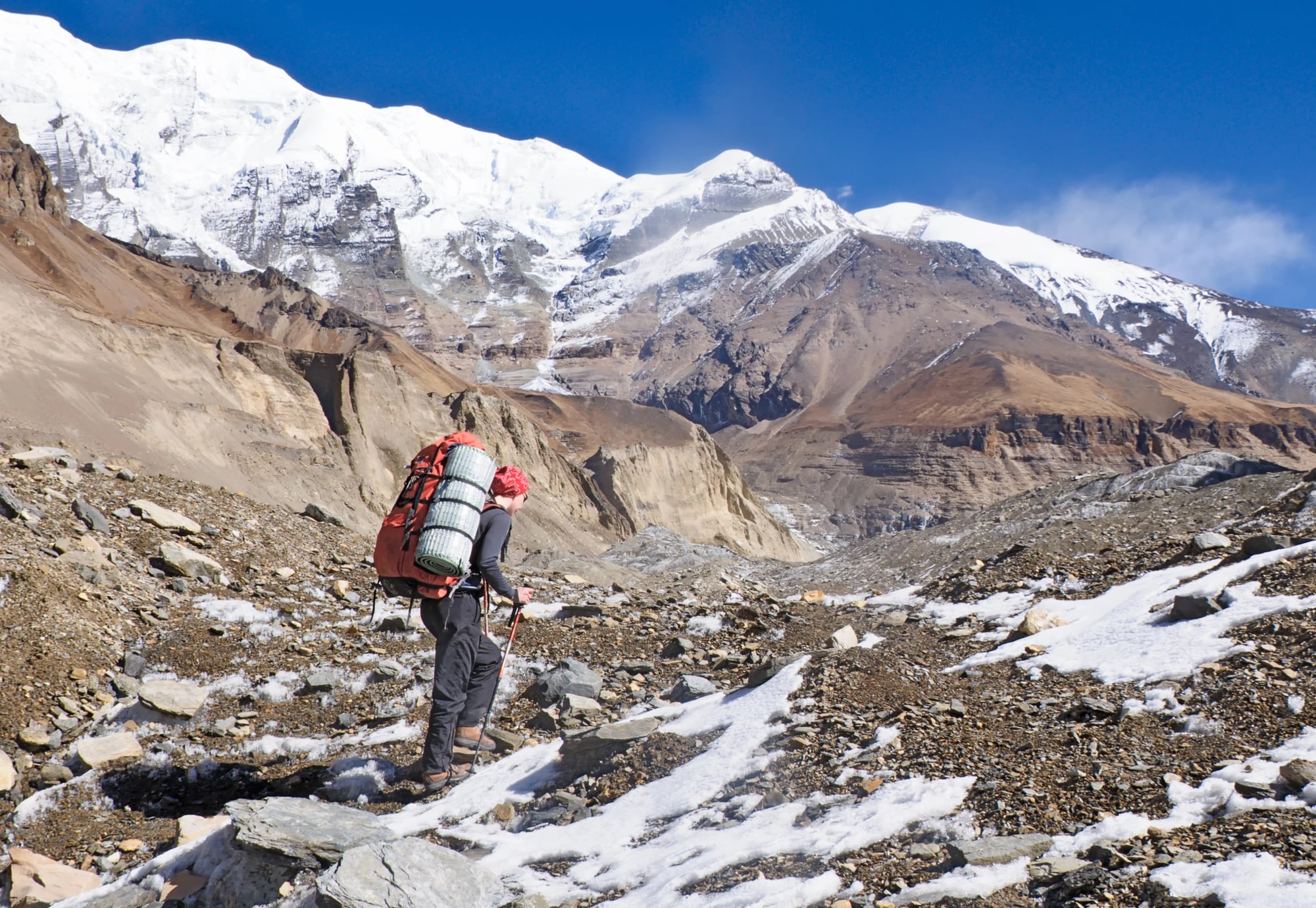
Standing just 4 feet 9 inches tall and initially dismissed by male climbers as too frail, this Japanese mountaineer became the first woman to summit Mount Everest in 1975. She survived an avalanche during her ascent that buried her team’s camp and left her temporarily unconscious, yet she continued to the summit despite injuries.
Tabei went on to become the first woman to complete the Seven Summits challenge, climbing the highest peak on each continent while juggling family responsibilities and overcoming breast cancer later in life.
Heinrich Barth
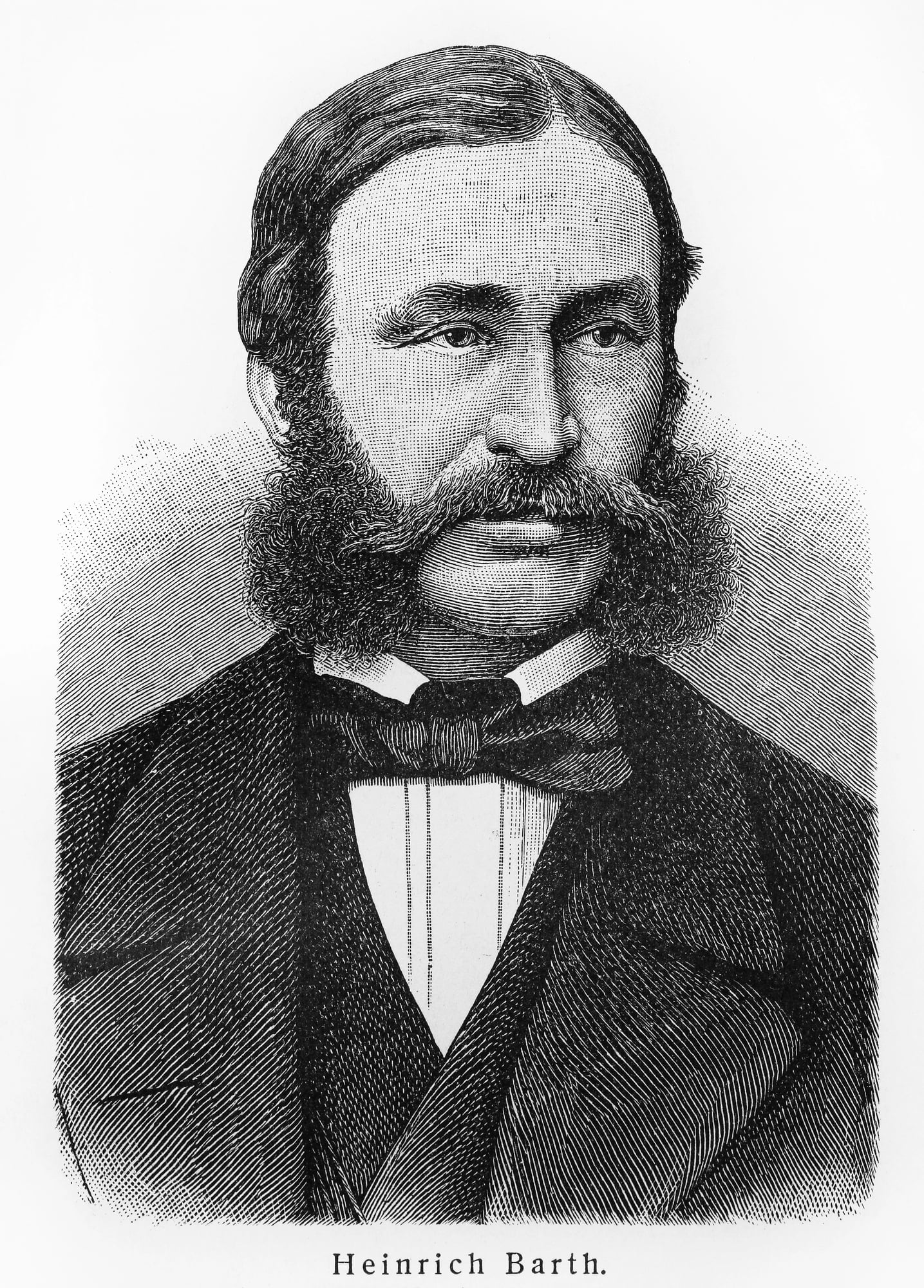
This German explorer spent five years traversing North and Central Africa in the 1850s, covering approximately 10,000 miles while documenting regions Europeans had never accurately mapped. He survived desert crossings, tropical diseases, and political unrest while learning multiple African languages to record cultural practices with unusual accuracy and respect for his time.
Barth’s meticulous five-volume account of his travels provided unprecedented insights into African history and culture, yet it remains overshadowed by more self-promoting explorers who perpetuated colonial stereotypes.
Like Go2Tutors’s content? Follow us on MSN.
Legacies of Determination
These forgotten explorers remind us that history’s most impressive feats often belong to those who persevered despite institutional barriers and personal challenges rather than the most famous names. Their stories demonstrate how exploration transcends physical discovery to include cultural understanding, scientific advancement, and personal transformation.
By remembering these overlooked pioneers, we gain a more complete picture of human courage and the diverse paths through which knowledge expands beyond comfortable boundaries.
More from Go2Tutors!

- 18 Unexpectedly Valuable Collectibles You Might Have Lying Around
- 20 Little-Known Historical Battles That Had Huge Consequences
- 20 Historical Artifacts That Scientists Can’t Explain
- 15 Inventions That Were Immediately Banned After Being Created
- 20 Actors Who Were Almost Cast in Iconic Roles
Like Go2Tutors’s content? Follow us on MSN.



