Most Powerful Dynasties You Rarely Read About
History classes love to talk about the Romans, the British Empire, and maybe toss in some Mongols for good measure. But the world’s timeline is packed with dynasties that wielded massive power, controlled vast territories, and shaped entire civilizations—yet somehow never made it into your textbook.
These weren’t small-time rulers or minor regional players. They commanded armies, built empires, and left legacies that still echo today.
Here is a list of 15 powerful dynasties that deserve way more attention than they get.
Kanem-Bornu Empire
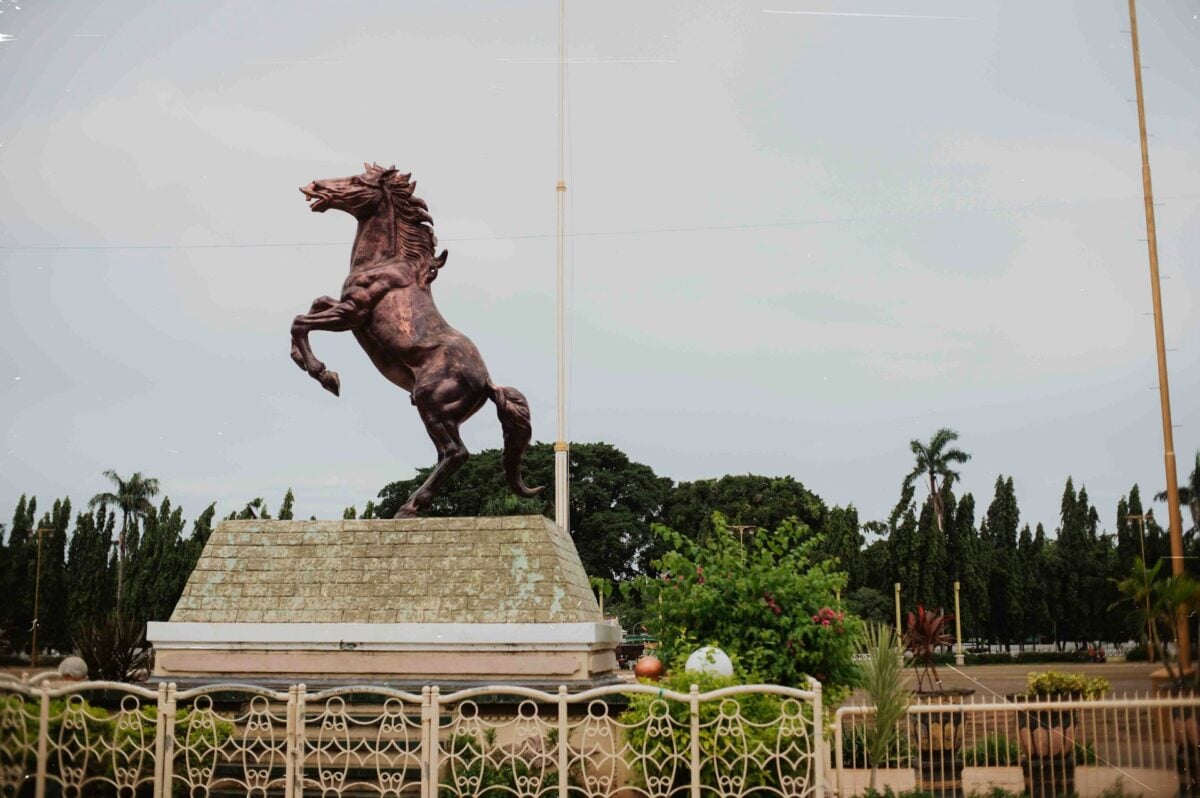
The Kanem-Bornu Empire lasted over 1,200 years, from around 700 CE to 1893 CE, making it one of the longest-lived empires in history. Centered around Lake Chad, the empire controlled areas that now span Nigeria, Niger, Cameroon, Chad, Libya, Algeria, and Sudan.
The empire thrived on the prosperous trans-Saharan trade, exporting salt, ivory, and animal products. Under Mai Idris Alooma, the empire fought 349 wars and won 1,000 battles, with security so tight that it was said a lone woman wearing gold could travel safely.
Zagwe Dynasty
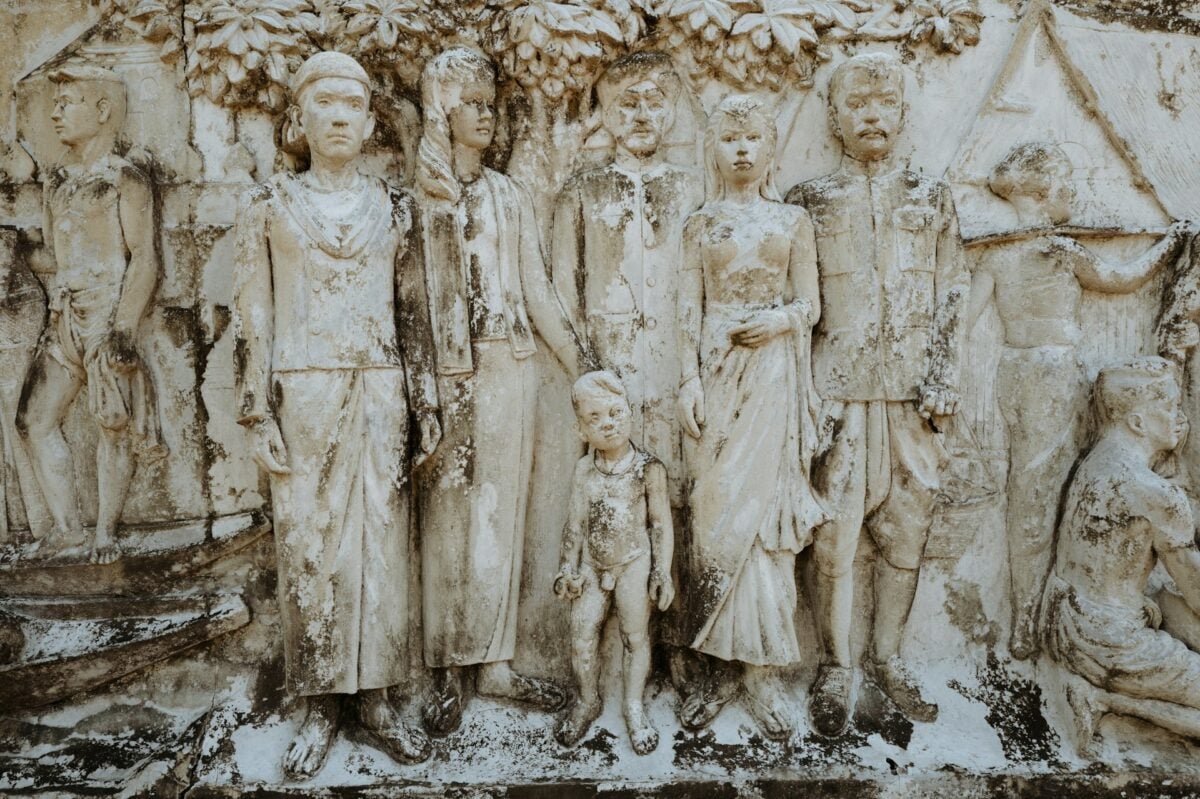
The Zagwe dynasty ruled northern Ethiopia and Eritrea from approximately 1137 to 1270 CE. King Lalibela, one of the dynasty’s most celebrated rulers, created a network of 11 monolithic churches carved directly into rock, including the iconic Church of Saint George. Unlike later Ethiopian rulers, the Zagwe kings didn’t claim descent from King Solomon and the Queen of Sheba, instead legitimizing their rule through strong Christian faith.
The dynasty fell when rival nobles claiming Solomonic lineage overthrew them, but their architectural achievements remain UNESCO World Heritage Sites.
Like Go2Tutors’s content? Follow us on MSN.
Silla Dynasty
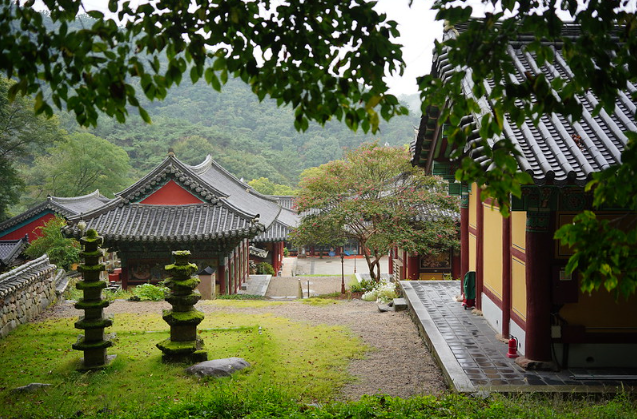
The Silla Empire began in 57 BCE and eventually covered what is now South-Eastern Korea. By the sixth century, it had developed into a highly complex, lineage-based society where pedigree determined everything from clothing types to house sizes.
The empire continually expanded by conquering numerous kingdoms on the Korean Peninsula. The rigid social system that initially helped the empire gain land eventually contributed to its downfall.
The dynasty lasted until 935 CE, leaving behind a sophisticated cultural legacy.
Vijayanagara Empire

The Vijayanagara Empire was established in 1336 by brothers Harihara I and Bukka Raya I and ruled much of southern India. At its peak in the early 16th century under Krishnadevaraya, it subjugated almost all of Southern India’s ruling dynasties and extended across modern-day Karnataka, Andhra Pradesh, Tamil Nadu, Goa, and parts of Maharashtra and Kerala.
The empire was ruled by sixteen rulers from four dynasties: Sangama, Saluva, Tuluva, and Aravidu. The empire’s architecture combined Chalukya, Hoysala, Pandya and Chola styles, and its capital at Vijayanagara is now a UNESCO World Heritage Site.
Chola Dynasty
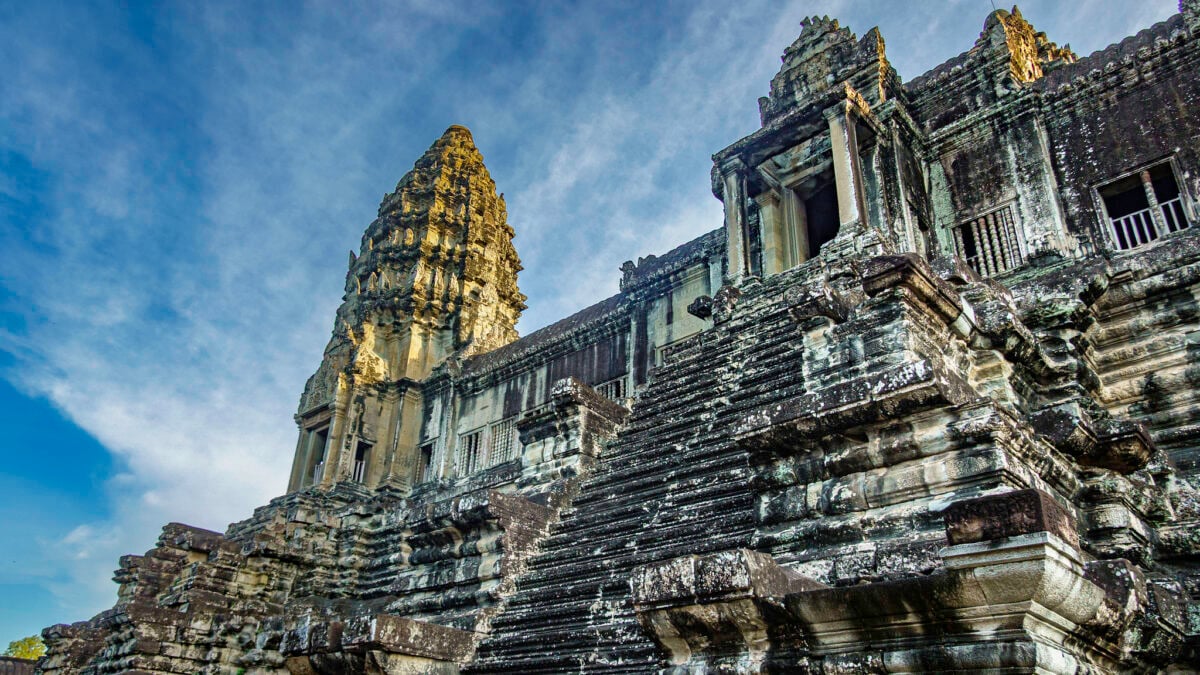
The Chola Empire was a medieval thalassocratic empire that comprised overseas dominions and spheres of influence in Southeast Asia. They unified peninsular India south of the Tungabhadra River and held the territory as one state for three centuries between 907 and 1215 CE.
The Chola fleet represented the peak of ancient Indian maritime capacity, conducting naval raids on cities of the Srivijaya Empire on Sumatra and maintaining repeated embassies to China. Under Rajaraja I and Rajendra I, the empire stretched from northern Sri Lanka to the Godavari-Krishna river basin.
Like Go2Tutors’s content? Follow us on MSN.
Sayfawa Dynasty
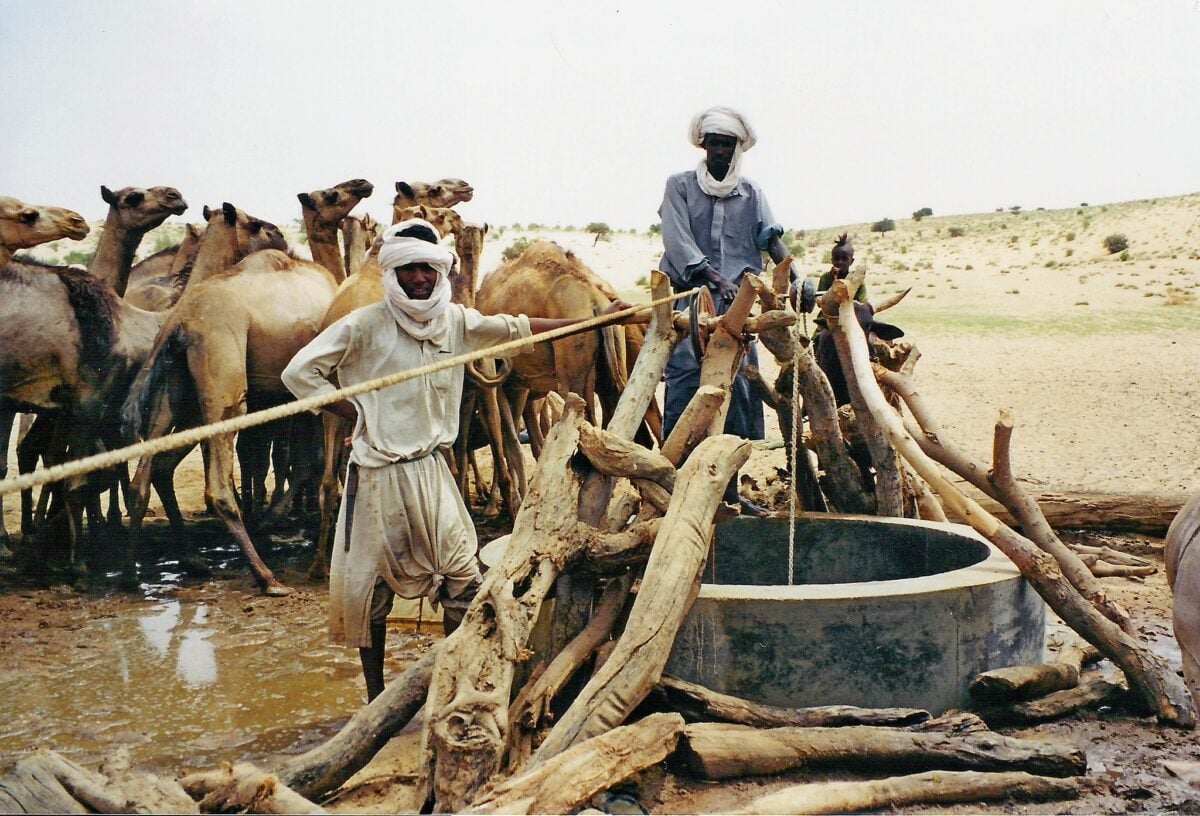
The Sayfawa dynasty ruled for 771 years, making it the longest known reign in history. This dynasty replaced the earlier Duguwa dynasty in the 11th century when the Kanem Empire converted to Islam.
During the reign of Mai Dunama Dabbalemi around 1221-1259, the dynasty initiated diplomatic exchanges with sultans in North Africa and arranged for the establishment of a special hostel in Cairo to facilitate pilgrimages to Mecca. The dynasty maintained control through a sophisticated system of military governance and trade monopolies.
Indo-Scythian Dynasties
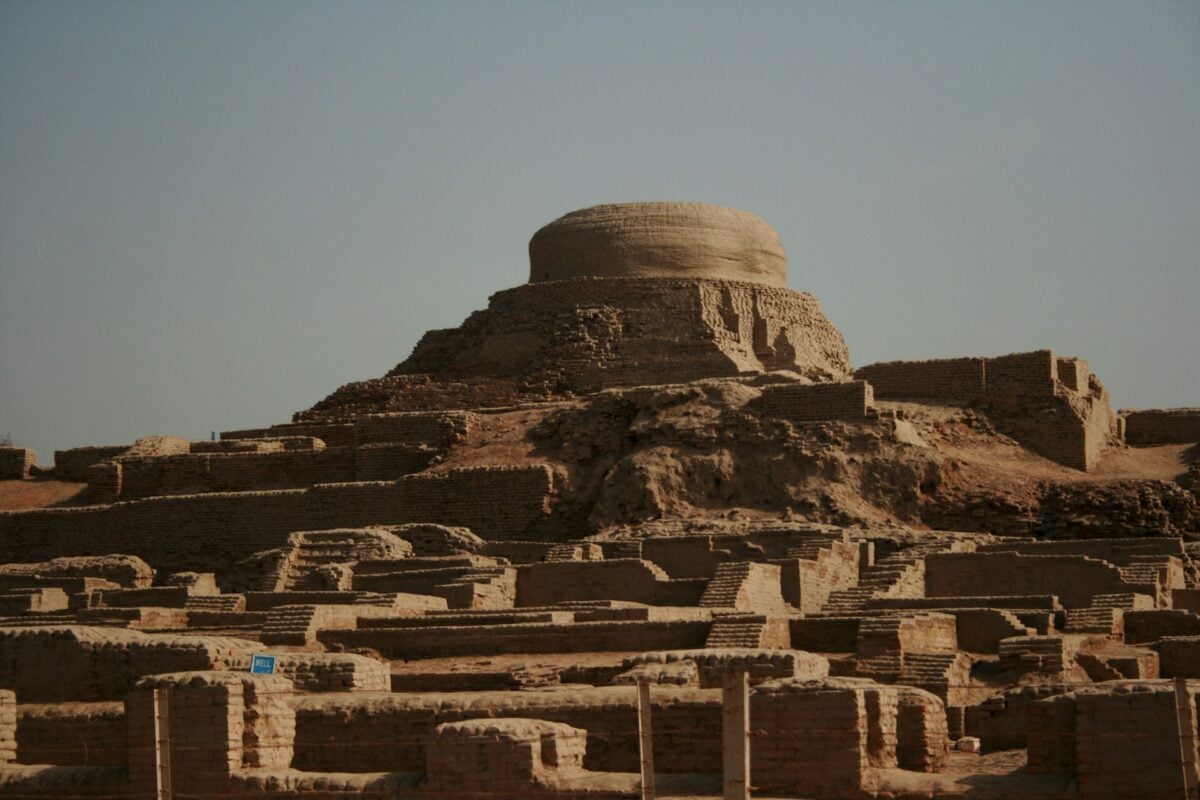
The Indo-Scythians extended their supremacy over the northwestern subcontinent from around 200 BCE, conquering the Indo-Greeks and other local peoples. The first Saka king in India was Maues, who established power in Gandhara, the Indus Valley, and other regions during the first century BCE.
Between 40-80 CE, Saka dominance grew significantly, with Nahapana serving as their greatest conqueror. Indo-Scythian rule in the northwestern subcontinent ended when the last Western Satrap was defeated by the Gupta emperor Chandragupta II in 395 CE.
Western Satraps

The Western Kshatrapas ruled in western India, including present-day Gujarat, Maharashtra, and parts of Rajasthan, beginning around the 1st century CE and continuing for several centuries. Rudradaman I, one of their most famous rulers, is known for his extensive inscriptions, particularly the Junagadh rock inscription.
Some Western Kshatrapa rulers were known for their patronage of Buddhism and Jainism, sponsoring the construction of Buddhist stupas and carving of Jain cave temples. The dynasty maintained sophisticated administrative systems and issued high-quality coinage featuring ruler likenesses.
Like Go2Tutors’s content? Follow us on MSN.
Ethiopian Empire
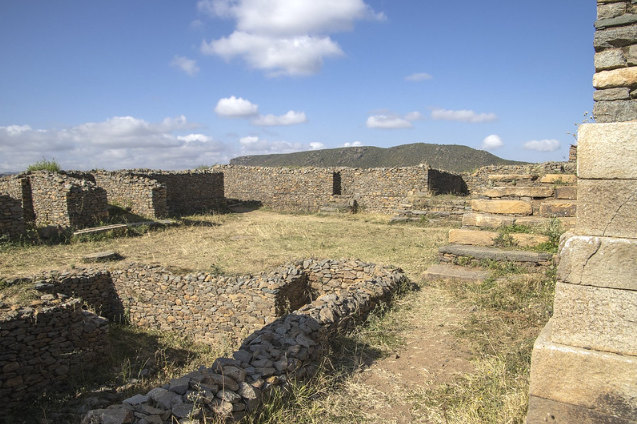
The Ethiopian Empire’s long reign began around 1270 CE when the Solomonic Dynasty overthrew the Zagwe Dynasty, declaring ownership rights based on a supposed lineage to King Solomon. The dynasty incorporated new civilizations within Ethiopia under its rule, transforming from a kingdom into an empire.
Ethiopia successfully held off Italian invaders in 1896, though Italy later ruled the country from 1936 to 1941. Unlike many African territories, Ethiopia maintained its sovereignty for centuries, avoiding the colonial conquests that swept the continent.
Kush Empire
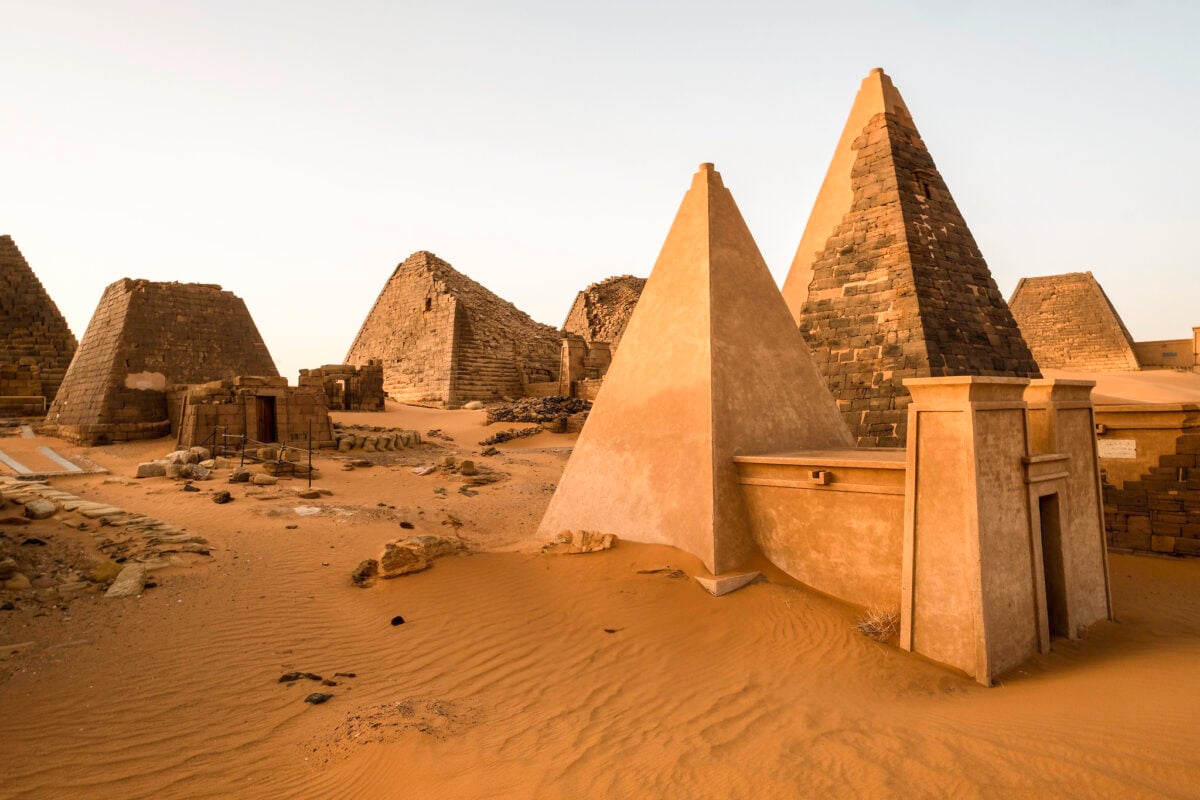
The Kush Empire flourished from 1069 BCE to around 350 CE in what is now the Republic of Sudan. The Kush exerted power over several smaller nations and managed to maintain power while expanding south to conquer lands with timber resources they relied on.
Its economy was heavily dependent on trading iron and gold. Some evidence suggests the empire came under attack from desert tribes, while other scholars speculate that overdependence on the iron economy led to deforestation, forcing people to disperse when timber supplies ran out.
Sangama Dynasty
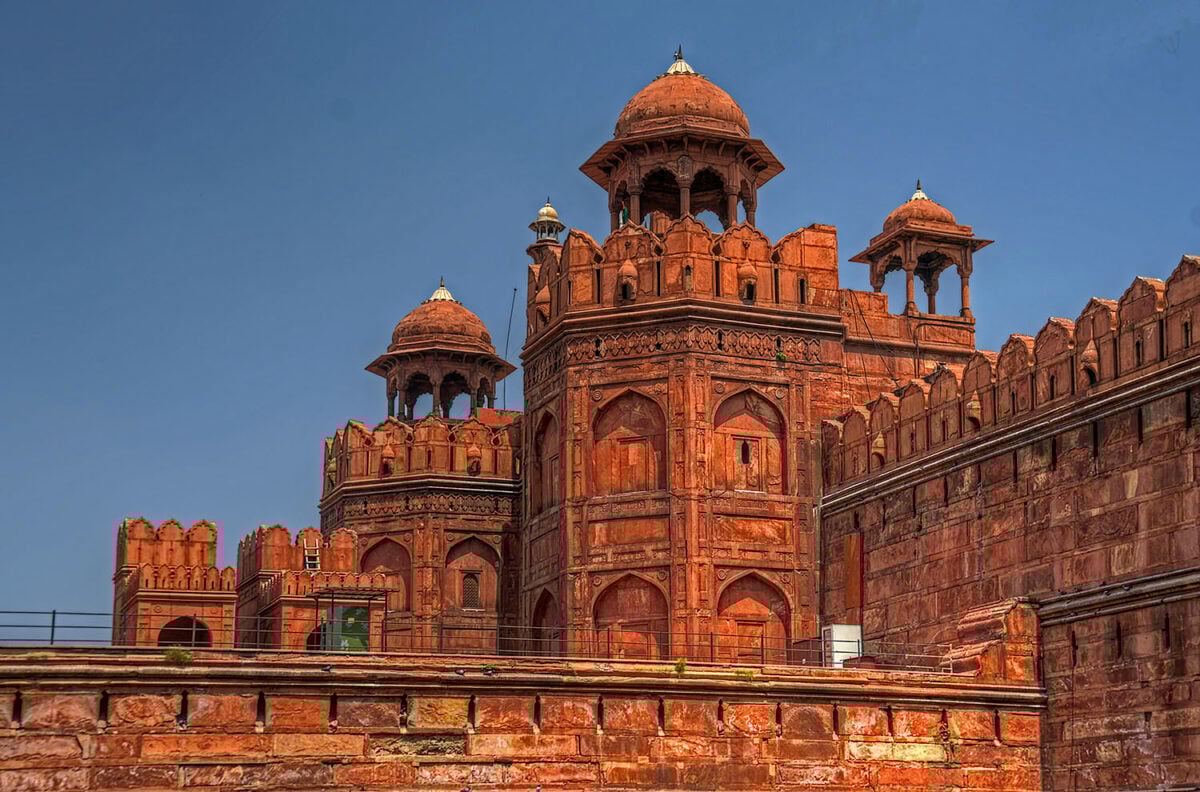
The Sangama Dynasty ruled the Vijayanagara Empire from 1336 to 1485 CE and was the first of four dynasties to control this powerful southern Indian empire. Harihara I established the Nayankara system, designating military officers as local governors to supervise estate management and troop mobilization.
Deva Raya II was the greatest ruler of the Sangama dynasty, modernizing the army by improving cavalry, employing Turkic archers, and procuring horses from Arabia and Persia. The dynasty expanded the empire to cover much of southern India before internal succession disputes weakened their grip.
Like Go2Tutors’s content? Follow us on MSN.
Tuluva Dynasty
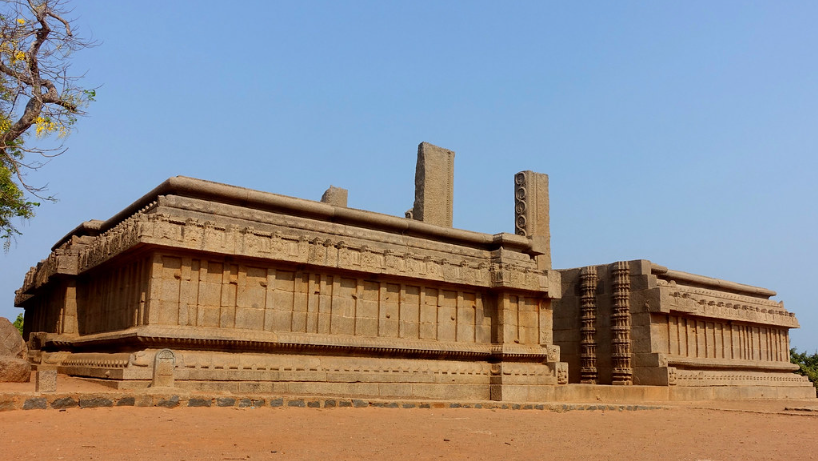
The Tuluva Dynasty ruled the Vijayanagara Empire from 1505 to 1570, and the most famous king of Vijayanagara, Krishna Deva Raya, belonged to this dynasty. Krishna Deva Raya was a brave general and good administrator who attacked the fragmented Bahmani Kingdom, suppressed feudatory chiefs, and conquered Raichur Doab.
He established friendly relations with the Portuguese, allowing them to settle at Bhatkal and build a fortress. Krishna Deva was also a gifted scholar in Telugu and Sanskrit, and his court was adorned by the Ashtadiggajas, eight celebrated Telugu poets.
Duguwa Dynasty
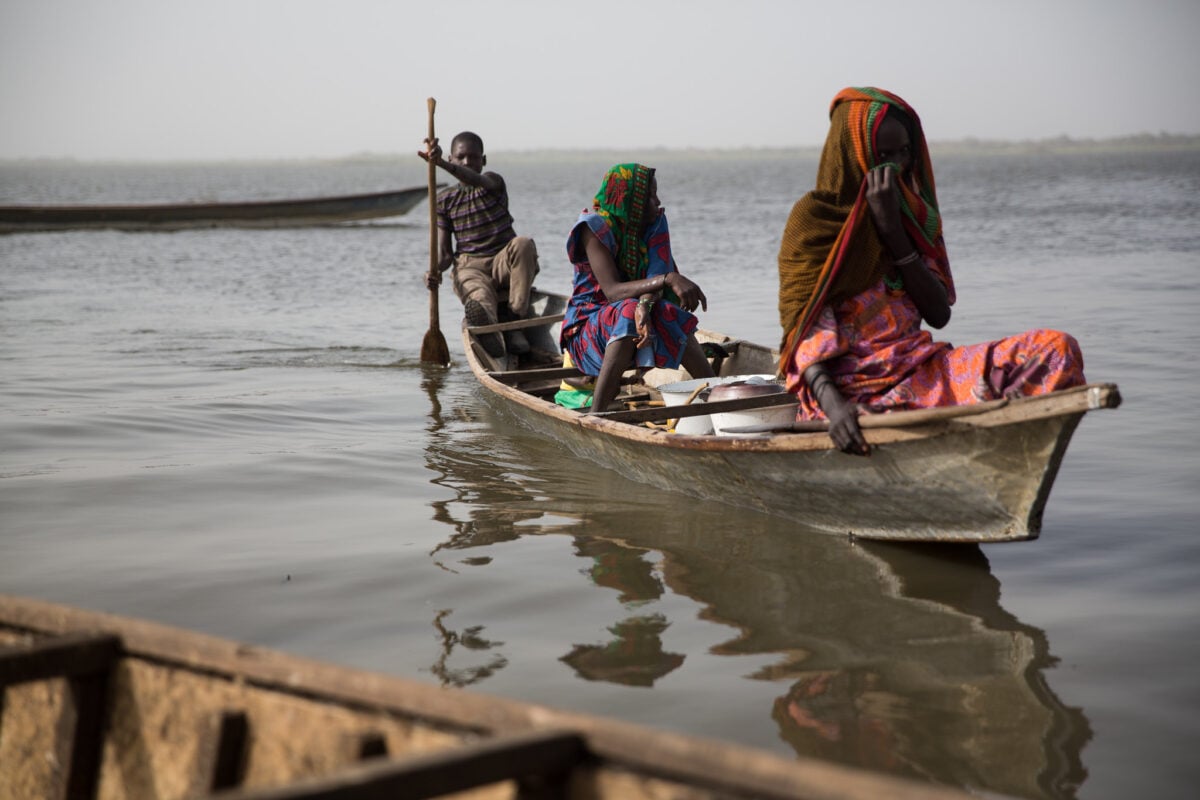
The early Kanem Empire was ruled by the Duguwa dynasty, an aristocratic group who may have chosen rulers among themselves. The Duguwa dynasty gets its name from the empire’s third ruler, Dugu. Later legend claimed that the Duguwa were descendants of migrants from the Arabian peninsula who intermarried with indigenous people around Lake Chad.
The dynasty controlled key trade routes positioned ideally between Egypt, Sudan, West African states, and the Sahara Desert before being replaced by the Islamic Sayfawa dynasty in the 11th century.
Reddy Dynasty
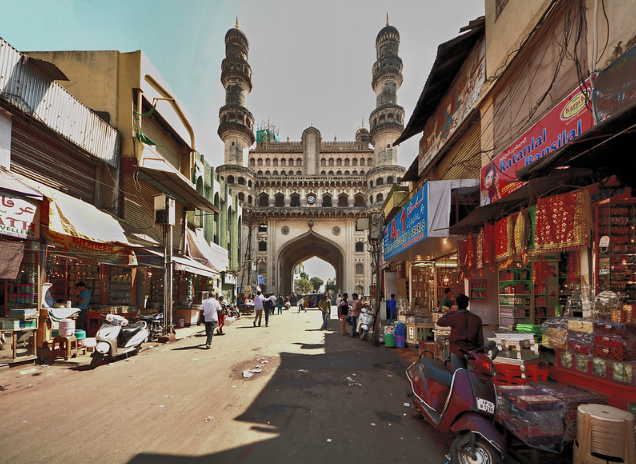
The Reddy Dynasty ruled between 1325 and 1448, founded by Prolaya Vema Reddy at Addanki. They ruled primarily over Coastal Andhra and parts of Rayalaseema, and at their zenith stretched from Cuttack in the north to Kanchi in the south and up to Srisailam.
They built two impregnable forts at Kondavidu and Kondapalli. The dynasty was known for generous grants to Brahmins and Vedic scholars, with Prolaya Vema Reddy building numerous Agraharas for Brahmins across Coastal Andhra.
It was considered one of the best periods for Telugu and Sanskrit literature.
Like Go2Tutors’s content? Follow us on MSN.
Aravidu Dynasty
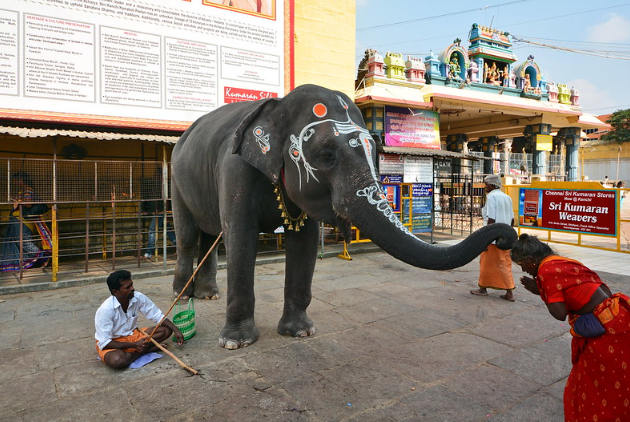
The Aravidu Dynasty, founded by Tirumala, was the fourth and last dynasty to rule the Vijayanagar kingdom in South India from 1570 to 1650. The dynasty took power during a tumultuous period following the devastating Battle of Talikota in 1565, which had severely weakened the empire.
Although the empire continued to exist until 1646, it had lost much of its influence and territory. Despite ruling during the empire’s decline, the Aravidu rulers managed to maintain some level of authority in southern India for eight decades, demonstrating remarkable resilience in the face of constant external pressures.
Empires That Shaped Continents
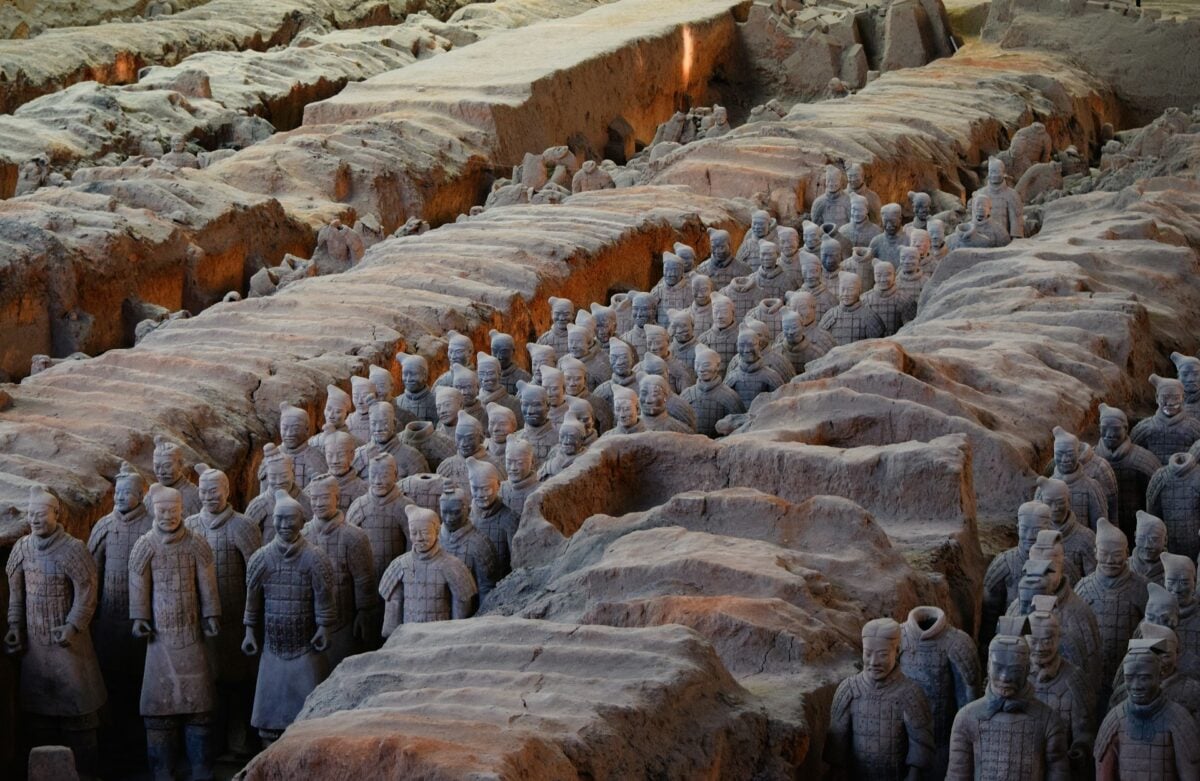
These dynasties didn’t just rule—they transformed trade routes, architectural traditions, religious practices, and political systems across Africa, Asia, and beyond. Some lasted longer than the Roman Empire.
Others controlled more territory than many European colonial powers. The Kanem-Bornu Empire governed for over a millennium while European kingdoms rose and fell. The Cholas dominated maritime trade when most of Europe barely ventured beyond coastal waters.
These weren’t footnotes in history—they were the main text that somehow got skipped in translation.
More from Go2Tutors!

- 16 Historical Figures Who Were Nothing Like You Think
- 12 Things Sold in the 80s That Are Now Illegal
- 15 VHS Tapes That Could Be Worth Thousands
- 17 Historical “What Ifs” That Would Have Changed Everything
- 18 TV Shows That Vanished Without a Finale
Like Go2Tutors’s content? Follow us on MSN.



