14 Interesting Facts About Rainforest Ecosystems
Rainforests represent nature’s most impressive display of biodiversity, housing an astonishing array of plant and animal species that have evolved over millions of years. These lush environments function as Earth’s lungs, weather regulators, and medicine cabinets all while creating some of the most visually stunning landscapes on our planet.
Despite covering less than 6 percent of Earth’s land surface, these magnificent ecosystems contain secrets and surprises that continue to amaze scientists and nature enthusiasts alike. Here is a list of 14 fascinating facts about rainforest ecosystems that showcase just how remarkable these environments truly are.
Canopy Layers

Rainforests operate as multi-story apartment buildings, with distinct layers that create various microhabitats. The main levels include the forest floor, understory, canopy, and emergent layer, each hosting unique communities of plants and animals adapted specifically to the conditions at their particular height.
Sunlight diminishes dramatically as you move downward, with less than 2 percent of light reaching the forest floor in many areas.
Species Abundance

A single hectare (about 2.5 acres) of rainforest may contain over 750 tree species and thousands of insect species. To put this into perspective, the entire United States and Canada combined have fewer tree species than can be found in a small patch of the Amazon rainforest.
Scientists estimate they’ve only identified about 30 percent of all species living in these environments.
Like Go2Tutors’s content? Follow us on MSN.
Medicinal Treasures

Approximately 25 percent of Western pharmaceuticals originated from rainforest ingredients, yet scientists have tested less than 1 percent of tropical plants for medicinal properties. The rosy periwinkle from Madagascar alone has provided treatments that have dramatically increased survival rates for certain types of leukemia.
Many potentially life-saving medicines likely remain undiscovered in these botanical storehouses.
Rainfall Creation

Rainforests generate about 50-80 percent of their own rainfall through transpiration, essentially functioning as self-watering systems. The massive amounts of moisture released by billions of leaves create clouds and precipitation that sustain the ecosystem and affect weather patterns thousands of miles away.
One large rainforest tree can release up to 200 gallons of water into the atmosphere each year.
Indigenous Knowledge
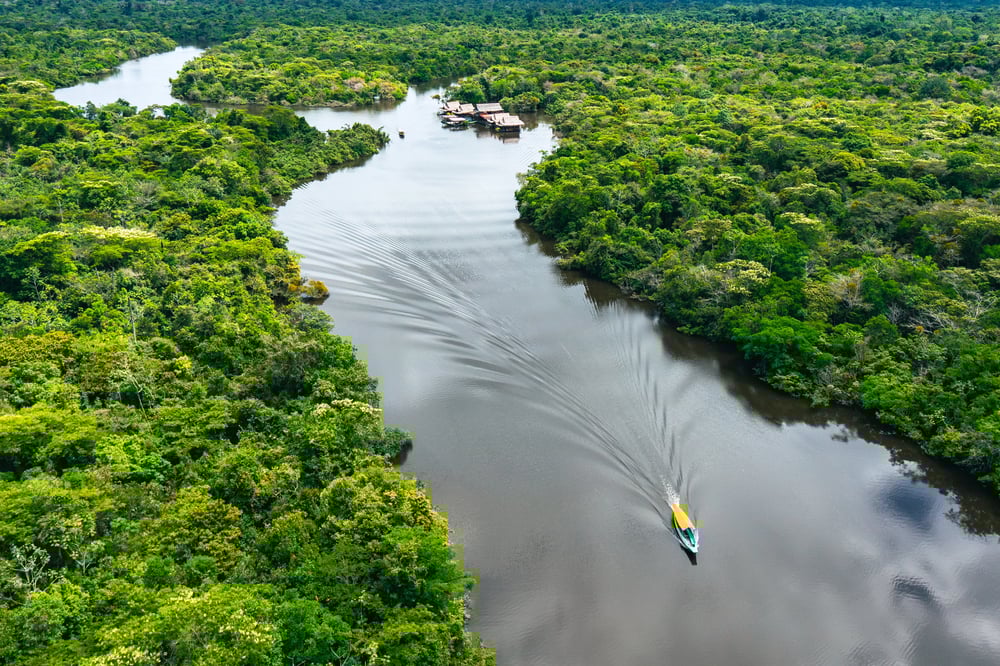
The Amazon rainforest is home to more than 350 indigenous groups, all of whom have extensive knowledge of how to manage ecosystems and use plants. Through centuries of study and experience, these civilizations have discovered various plant-based foods, materials, and medicines.
Their traditional ecological knowledge is a priceless resource for learning how to live sustainably in these intricate surroundings.
Like Go2Tutors’s content? Follow us on MSN.
Rapid Decomposition

Because of the warm, humid climate and hordes of decomposer organisms, dead organic matter in rainforests breaks down around 10 times faster than in temperate woods. On a rainforest floor, a fallen tree that may take 50 years to disintegrate in North America could vanish entirely in 4–6 years.
Under their lush flora, rainforest soils are frequently shockingly shallow and nutrient-poor, which can be explained by this rapid recycling.
Ant Partnerships

Certain rainforest tree species have evolved remarkable relationships with ants, providing specialized hollow structures called domatia as housing in exchange for protection. The acacia tree, for instance, harbors colonies of stinging ants that aggressively defend their host against herbivores and even trim competing vegetation around the tree’s base.
These tiny guardians receive not just shelter but also specialized nectar produced specifically for their consumption.
Constant Communication

Rainforest plants engage in sophisticated chemical communication networks, warning neighboring plants about threats. When certain trees suffer insect attacks, they release volatile compounds that signal nearby plants to ramp up their chemical defenses before being attacked themselves.
This botanical early warning system demonstrates that forests function more like interconnected communities than collections of individual plants.
Like Go2Tutors’s content? Follow us on MSN.
Nighttime Symphony
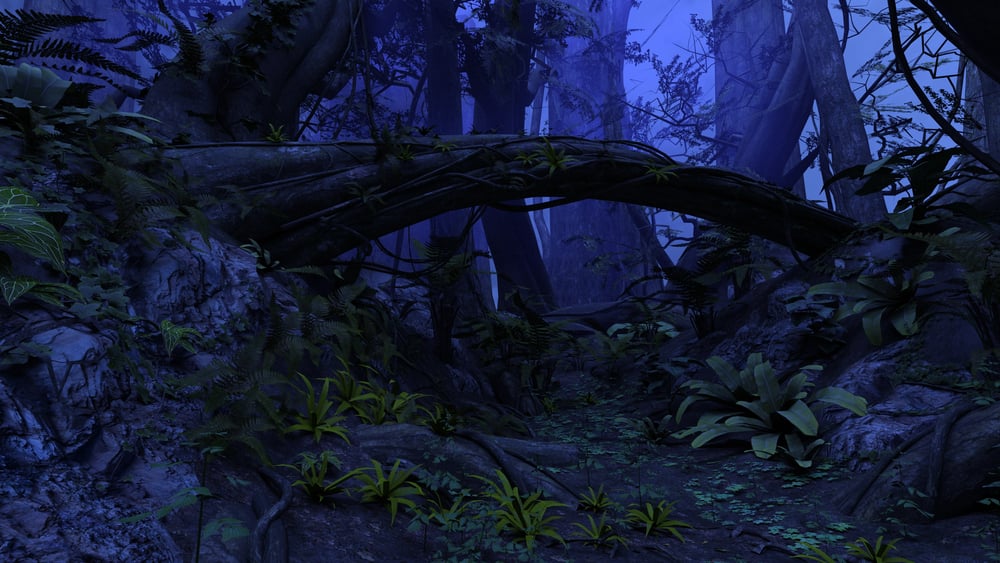
Rainforests are actually louder at night than during the day, with a carefully orchestrated succession of animal vocalizations filling specific acoustic niches. Different species have evolved to communicate in distinct frequency ranges to avoid overlap, creating a complex layered soundscape that researchers call an ‘acoustic arena.’
A trained ear can identify hundreds of species simply by listening to this nightly performance.
Deceptive Mimicry

Hundreds of rainforest species have evolved to mimic other organisms as a survival strategy. Beyond the familiar examples of stick insects and leaf-mimicking butterflies, there are orchids that look and smell exactly like female wasps to attract male pollinators and harmless snakes that have evolved nearly perfect replicas of venomous species’ patterns.
Even some birds mimic the appearance of toxic caterpillars to discourage predators.
Flying Trees
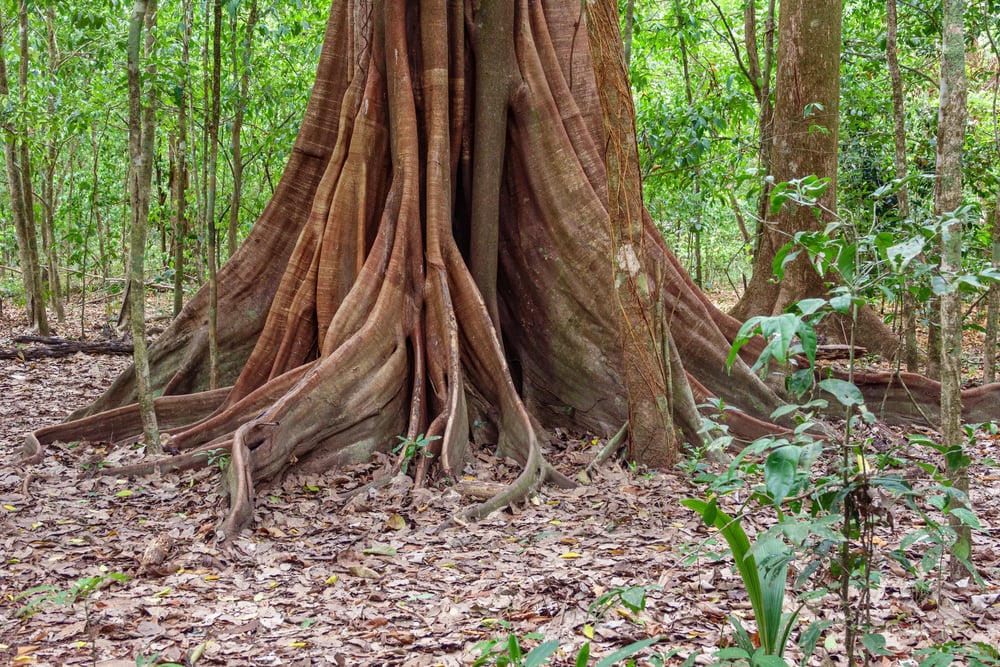
Rainforest giants have developed a unique adaptation called buttress roots—massive fin-like structures that extend from their trunks like flying buttresses on medieval cathedrals. These extraordinary supports can reach heights of 30 feet and spread 30 feet from the trunk, providing stability in shallow soils and helping capture nutrients from the forest floor.
Without these adaptations, many iconic rainforest trees would topple under their own weight.
Like Go2Tutors’s content? Follow us on MSN.
Soil Challenges

Despite their lush appearance, most rainforests grow on surprisingly poor soils that would be considered unsuitable for conventional agriculture. The majority of nutrients exist in the living vegetation rather than the soil, with specialized fungi called mycorrhizae helping plants access what few minerals are available.
When rainforests are cleared, the thin soils typically support commercial crops for only 2-3 years before becoming essentially barren.
Bioluminescent Displays
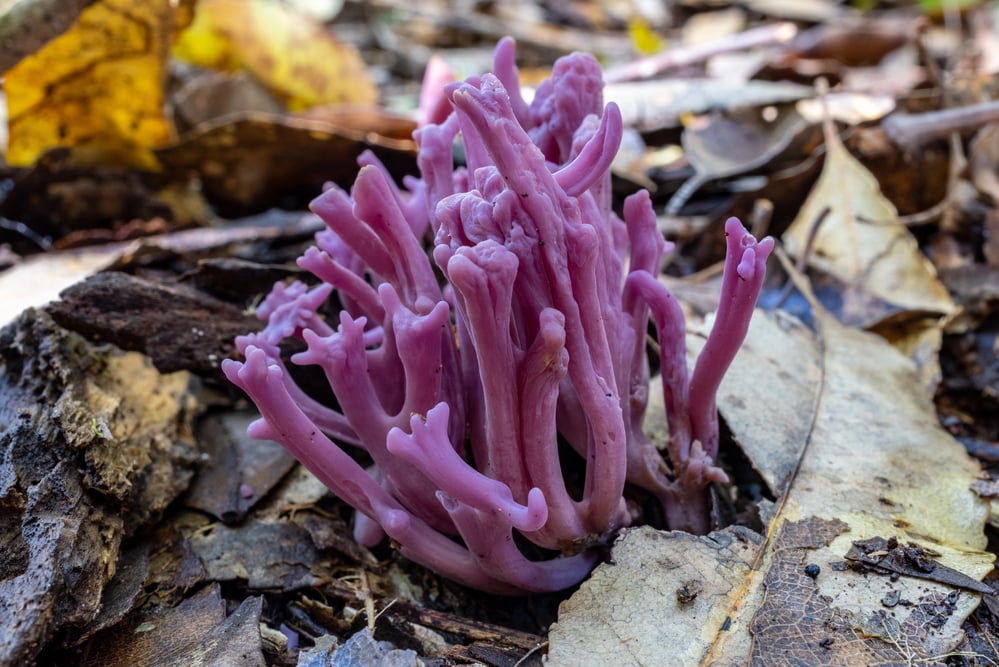
Numerous rainforest fungi, insects, and even some plants possess the remarkable ability to produce their own light through bioluminescence. Certain mushroom species glow continuously at night, while fireflies and click beetles create synchronized light displays to attract mates.
When conditions are right, the rainforest floor can resemble a starry night sky, with glowing organisms creating an ethereal landscape after dark.
Extreme Adaptations

Rainforest plants have evolved specialized structures to cope with excessive rainfall, including leaves with elongated tips called ‘drip tips’ that channel water away quickly. These pointed leaf ends prevent water from accumulating on leaf surfaces where fungi and algae could grow and block sunlight.
A walk through the rainforest during rainfall reveals thousands of tiny natural waterfalls cascading from leaf to leaf in a remarkably efficient drainage system.
Like Go2Tutors’s content? Follow us on MSN.
Living Laboratories
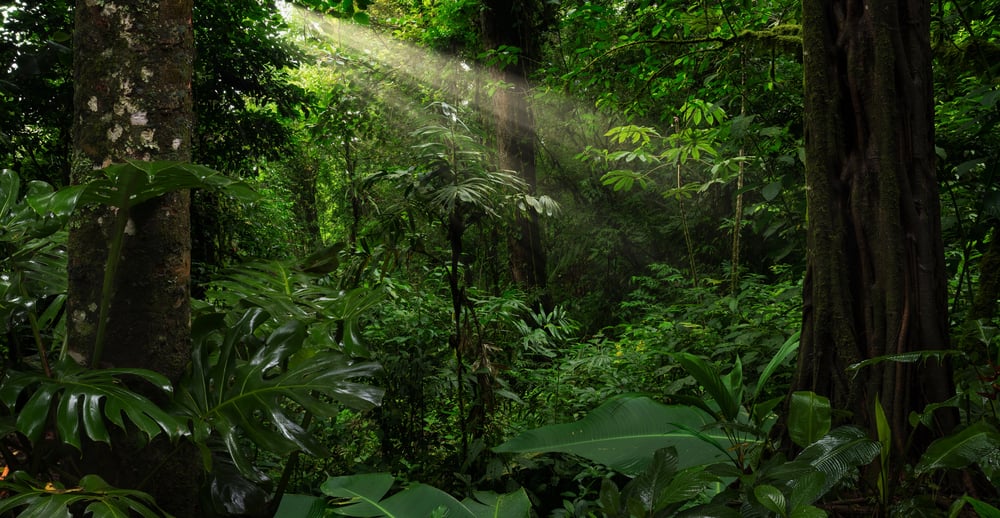
Rainforests represent our planet’s greatest evolutionary experiments, showcasing nature’s ingenuity through millions of years of adaptation and specialization. These ecosystems have given us products ranging from chocolate, vanilla, and coffee to rubber, bamboo, and countless medicines while inspiring technologies from Velcro to advanced water filtration systems.
As we better understand these complex environments, they continue teaching us lessons about resilience, efficiency, and sustainable design that may help address our most pressing environmental challenges.
More from Go2Tutors!

- 18 Unexpectedly Valuable Collectibles You Might Have Lying Around
- 15 Things Every Teenager in the ’70s Did That Teens Today Wouldn’t Understand
- 15 Strange Things People Have Tried to Ban (And Failed)
- 15 Inventions That Were Immediately Banned After Being Created
- 20 Actors Who Were Almost Cast in Iconic Roles
Like Go2Tutors’s content? Follow us on MSN.