14 Magazine Covers That Crossed a Line
Magazine covers have always pushed boundaries to grab attention on crowded newsstands. Publishers knew that shocking imagery and provocative headlines sold issues faster than safe, boring content. What seemed edgy or acceptable in previous decades often looks completely inappropriate through today’s lens of social awareness and cultural sensitivity.
Some covers went so far beyond acceptable standards that they sparked nationwide boycotts, advertiser pullouts, and permanent damage to publication reputations. Here’s a list of 14 magazine covers that crossed lines so dramatically they’d be impossible to publish today.
Rolling Stone’s Boston Marathon Coverage

The accused perpetrator was featured on Rolling Stone’s cover with a glamorous, almost celebrity-style photograph that many felt glorified violence. Readers cancelled subscriptions en masse while retailers refused to stock the issue — the cover treatment made a criminal look like a rock star rather than addressing victims’ suffering.
Public outcry forced the magazine to defend their editorial choices for months afterward. The line between journalism and sensationalism was deeply blurred in this moment of media controversy.
Time’s ‘Is God Dead?’ Cover

Religious communities were outraged by Time magazine’s bold theological questioning during the 1960s when faith discussions were considered far more sacred. The stark black cover with red text challenged fundamental beliefs that many readers held dear — subscription cancellations poured in from offended Christians nationwide.
Modern pluralistic society might handle such questioning better, though the direct approach would still generate significant controversy. Provocative questioning continues to push the boundaries of public tolerance.
Newsweek’s ‘Muslim Rage’ Cover

Inflammatory imagery accompanied a headline that stereotyped an entire religious community following international tensions. The cover reinforced dangerous prejudices while oversimplifying complex geopolitical situations — diversity advocates and Muslim organizations condemned the publication immediately.
Editorial standards around religious representation have evolved significantly since this controversy. What once passed as sensational journalism now risks deep reputational harm.
National Geographic’s Afghan Girl Follow-up

The famous green-eyed subject was photographed again decades later without fully considering the cultural implications of her exposure. Privacy concerns and consent issues were raised by advocacy groups who questioned whether proper permissions had been obtained — the original image’s iconic status didn’t justify potential exploitation.
Modern documentary ethics require much more careful consideration of subject welfare. Visual storytelling now comes with moral obligations.
Esquire’s Electronic Cover Experiment

Technical innovation was prioritized over content quality when Esquire published their first electronic magazine cover featuring flashing lights. The gimmicky approach distracted from serious journalism while creating accessibility issues for readers with certain medical conditions — the technology felt forced rather than meaningful.
Publishing industry focus has shifted toward substance over flashy presentation techniques. Engagement requires more than novelty.
Vanity Fair’s Controversial Celebrity Portraits

Multiple celebrity covers featured provocative poses and minimal clothing that pushed boundaries of taste and appropriateness for mainstream publications. The artistic photography often objectified subjects while claiming to celebrate their achievements — feminist critics argued these covers reduced accomplished individuals to their physical appearance.
Editorial standards around celebrity representation have become much more thoughtful. Achievement is now expected to lead the narrative, not the aesthetic.
Harper’s Bazaar’s Cultural Appropriation Issue

Traditional clothing and sacred symbols from various cultures were used as fashion accessories without acknowledging their cultural significance or obtaining community permission. The styling treated meaningful cultural elements as trendy costume pieces — indigenous rights groups and cultural preservation organizations demanded immediate apologies.
Fashion industry awareness of cultural sensitivity has improved dramatically since then. Borrowing without understanding has become a reputational liability.
Cosmopolitan’s Unrealistic Body Standards

Heavily edited photographs promoted impossible beauty standards while claiming to empower women through fashion and lifestyle advice. The digital manipulation was so extensive that featured models became unrecognizable — body positivity advocates highlighted the psychological damage these images caused to readers.
Publishing ethics now require more transparency about photo editing processes. Authenticity has become a critical part of visual credibility.
Sports Illustrated’s Swimsuit Controversies

Objectification concerns were raised repeatedly about annual swimsuit issues that reduced athletic publications to purely aesthetic content. The covers often featured models in poses that emphasized appearance over athletic achievement — women’s sports advocates argued this coverage diverted attention from legitimate athletic accomplishments.
Sports journalism has evolved toward more balanced representation approaches. Athleticism and beauty no longer need to compete for attention.
Fortune’s Tone-Deaf Economic Coverage
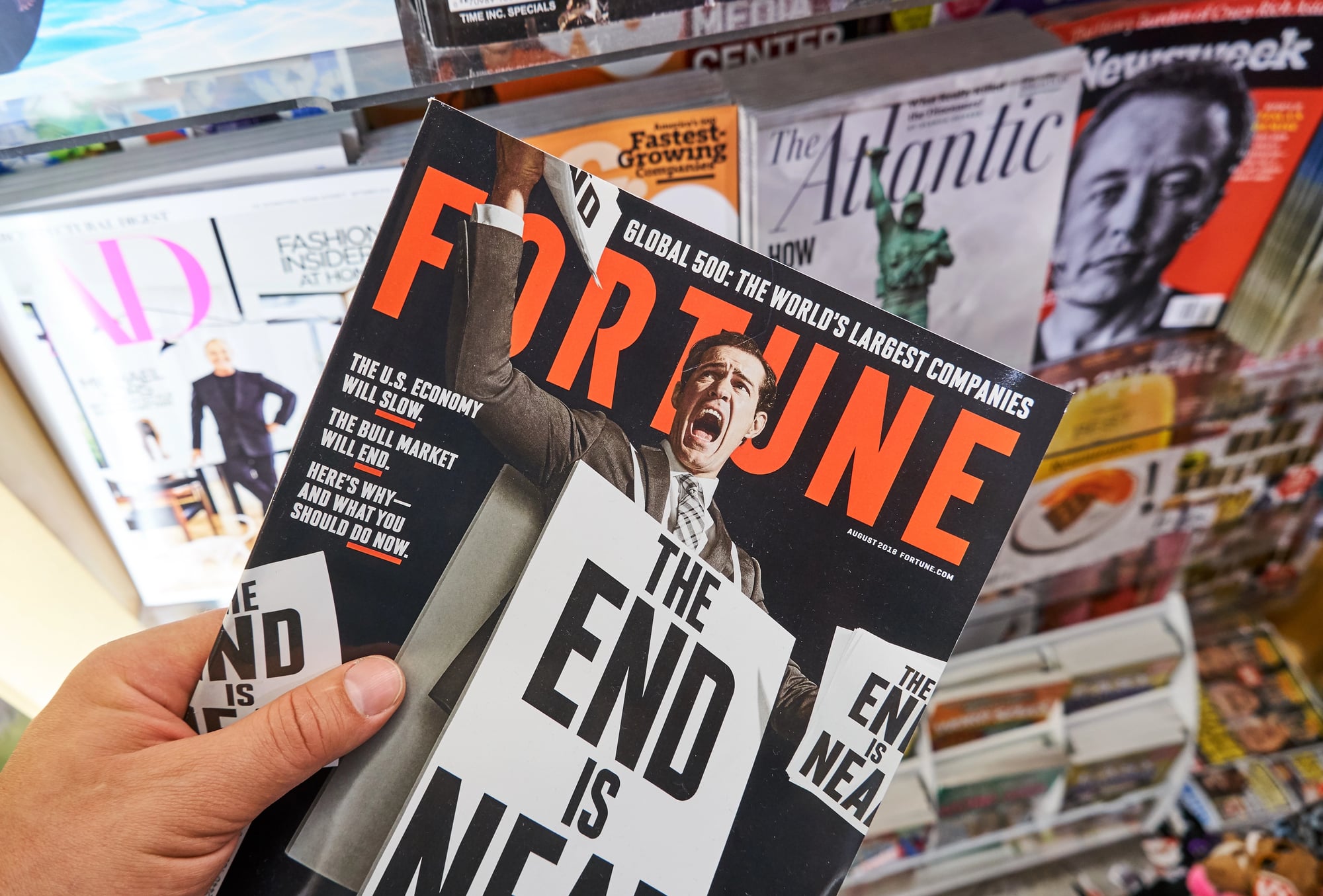
Wealth celebration occurred during economic downturns when millions of people were struggling with unemployment and financial hardship. The covers featured luxury items and wealthy individuals while ignoring widespread economic suffering — readers felt the publication was completely disconnected from reality.
Economic journalism now requires more sensitivity to broader social conditions. Celebration without context is now a risky proposition.
GQ’s Questionable Fashion Choices

Controversial styling decisions included appropriating work uniforms and cultural dress as high fashion statements without considering the implications for working communities. The covers trivialized blue-collar professions while making expensive fashion from practical clothing — labor organizations criticized the publication for mocking working-class aesthetics.
Fashion coverage has become more conscious of class sensitivity issues. Working identities deserve respect, not parody.
Elle’s Environmental Contradictions

Sustainability messaging appeared alongside promotion of fast fashion and environmentally destructive lifestyle choices throughout the same issues. The covers preached environmental consciousness while encouraging consumption patterns that directly contradicted those values — environmental groups highlighted the hypocrisy immediately.
The publishing industry has developed stronger editorial consistency standards since then. Messaging and content are expected to align more honestly.
Vogue’s Accessibility Oversights

Fashion photography consistently excluded people with disabilities, different body types, and various ethnic backgrounds from cover representation. The narrow beauty standards reinforced exclusionary practices while claiming to represent universal style — disability rights advocates demanded better representation consistently.
Fashion publications now actively seek diverse representation across all demographics. Inclusion has become a benchmark of relevance.
Men’s Health’s Impossible Fitness Standards
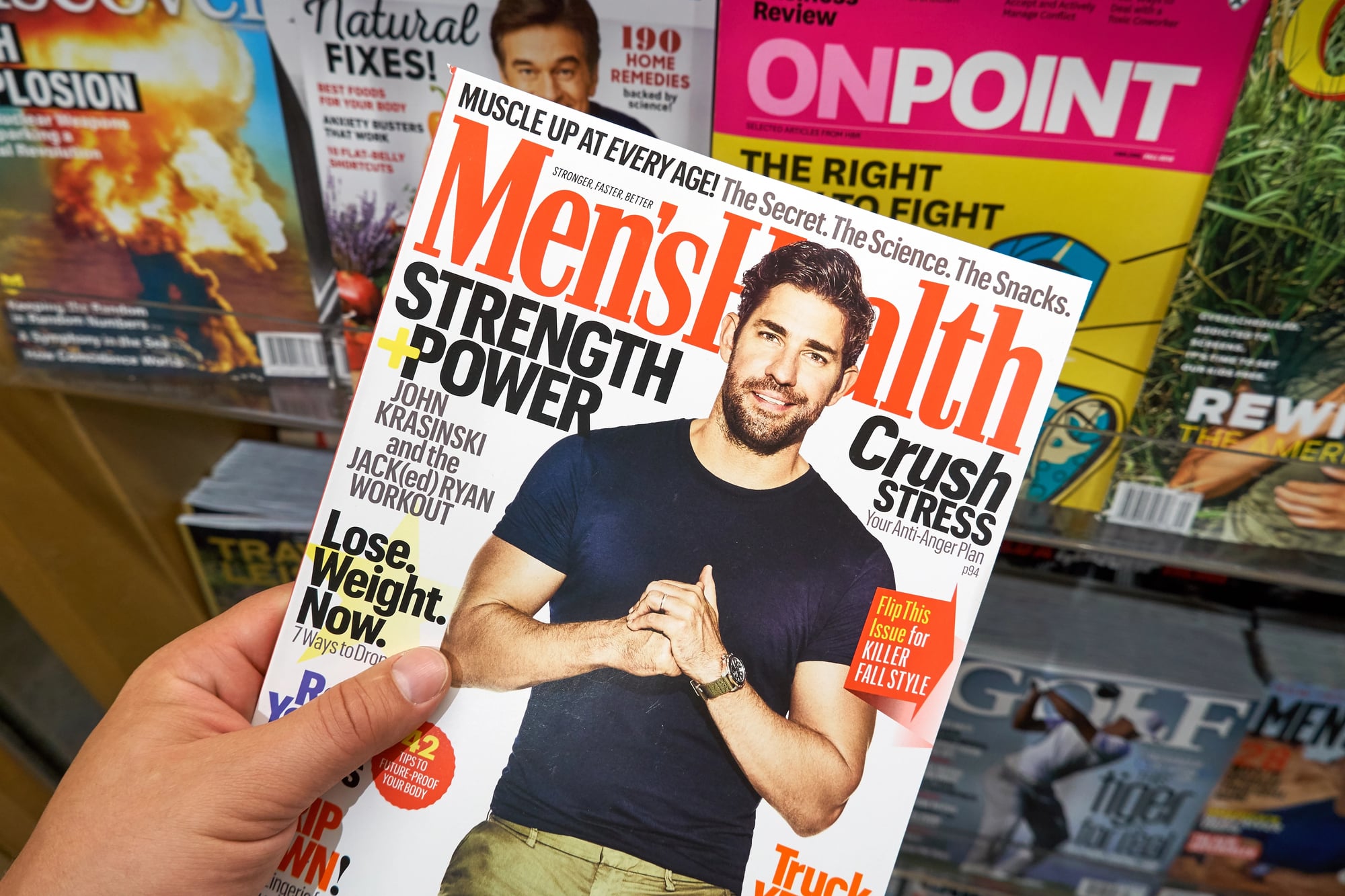
Extreme body transformations were promoted through covers featuring digitally enhanced physiques that required dangerous practices to achieve. The publications encouraged unhealthy relationships with exercise and nutrition while claiming to promote wellness — medical professionals warned about the psychological and physical dangers.
Health journalism now emphasizes sustainable practices over extreme transformations. Wellness has evolved into a more holistic goal.
Publishing Standards Reflect Cultural Evolution

These controversial covers demonstrate how dramatically publishing ethics and social awareness have progressed over recent decades. Editorial decisions that once seemed acceptable now appear tone-deaf or actively harmful through modern understanding of representation and responsibility.
Magazine publishers today navigate much more complex considerations around cultural sensitivity, body image, environmental impact, and social justice than their predecessors ever imagined. The evolution toward more thoughtful, inclusive editorial practices reflects broader societal progress toward treating all communities with dignity and respect.
More from Go2Tutors!

- The Romanov Crown Jewels and Their Tragic Fate
- 13 Historical Mysteries That Science Still Can’t Solve
- Famous Hoaxes That Fooled the World for Years
- 15 Child Stars with Tragic Adult Lives
- 16 Famous Jewelry Pieces in History
Like Go2Tutors’s content? Follow us on MSN.