15 Famous People Who Went To Law School
The path from law school to fame rarely follows a straight line. While some graduates spend decades climbing the judicial ladder, others discover their true calling lies somewhere completely different.
The legal training that shapes future attorneys also happens to produce presidents, talk show hosts, novelists, and rock stars. There’s something about learning to think analytically, argue persuasively, and navigate complex systems that translates surprisingly well to almost any field where influence matters.
Geraldo Rivera
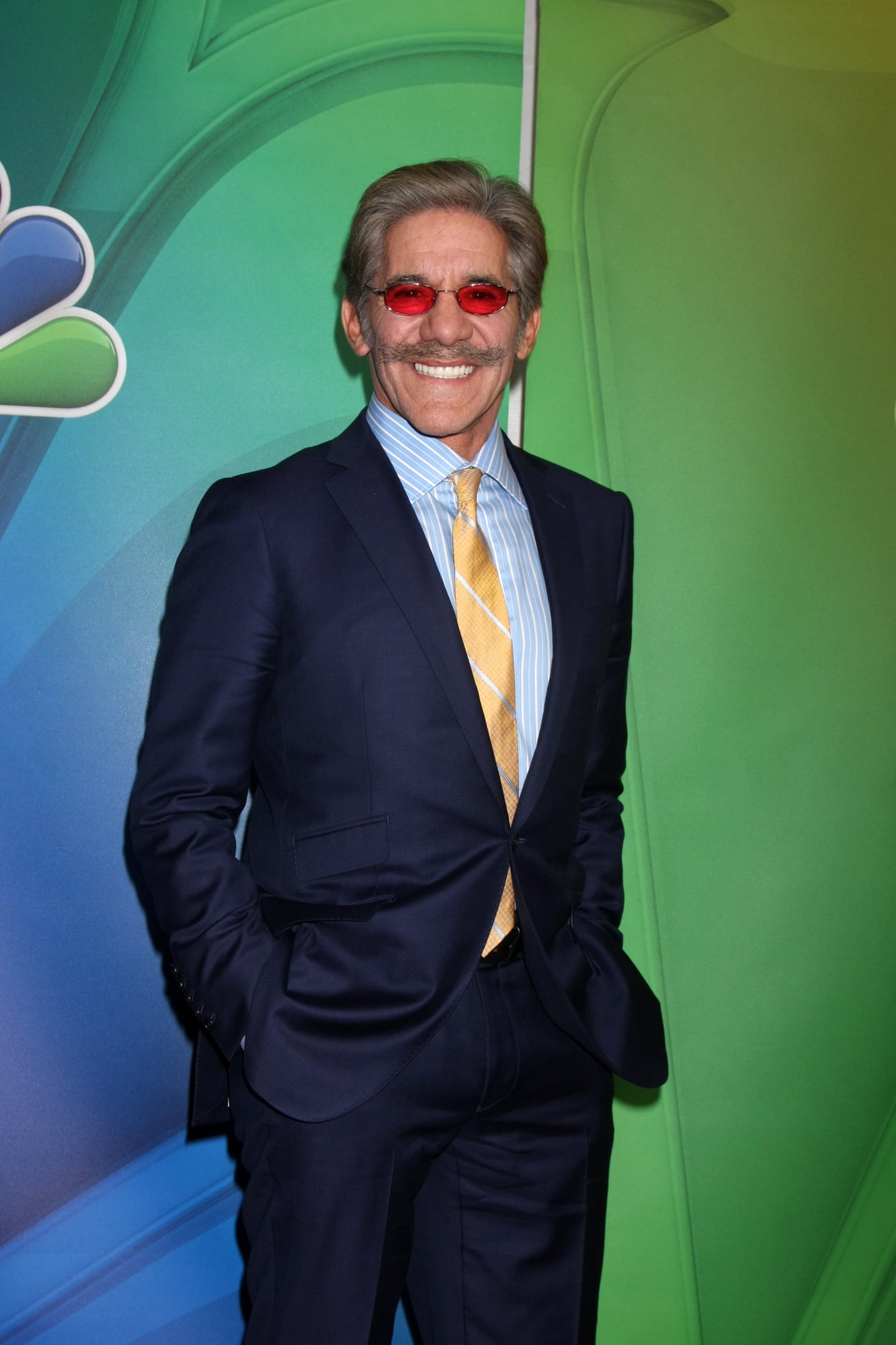
Rivera earned his law degree from Brooklyn Law School in 1969, but courtrooms couldn’t contain his appetite for storytelling. He practiced briefly before television pulled him away permanently.
The investigative instincts he developed as a lawyer became the foundation for decades of journalism, even when that journalism involved opening Al Capone’s vault on live television to find absolutely nothing inside.
John Grisham
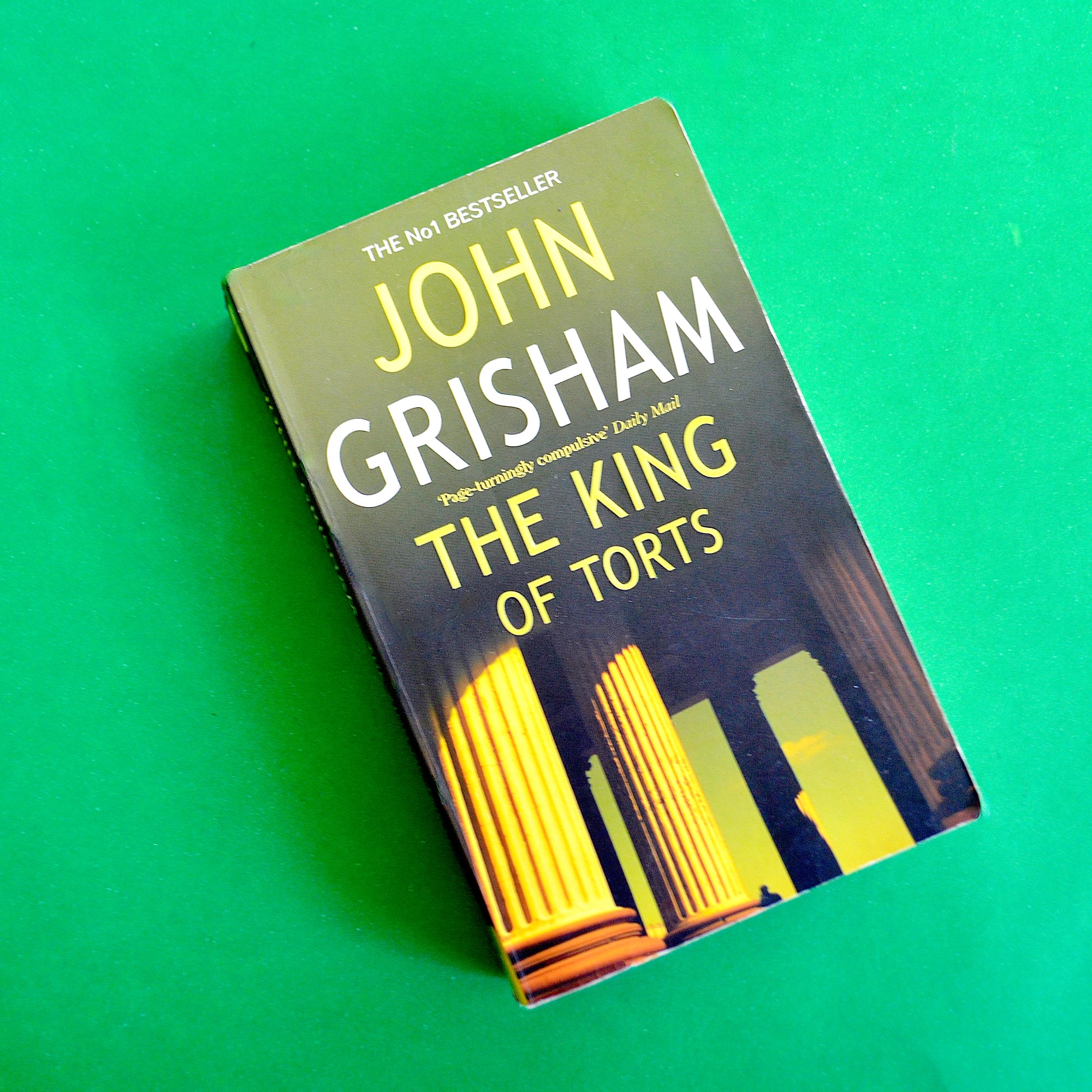
Before Grisham wrote legal thrillers that sold millions of copies, he lived the reality those books would later dramatize (though with considerably less drama and far more paperwork). He graduated from the University of Mississippi School of Law in 1981 and practiced for nearly a decade, specializing in personal injury and criminal defense.
But here’s the thing about being a small-town lawyer in Mississippi: you spend a lot of time waiting around courthouses, and Grisham used that time to write his first novel, “A Time to Kill,” which initially sold only 5,000 copies — though it would eventually become the foundation of his literary empire, which is saying something about the patience required in both law and publishing.
Gandhi
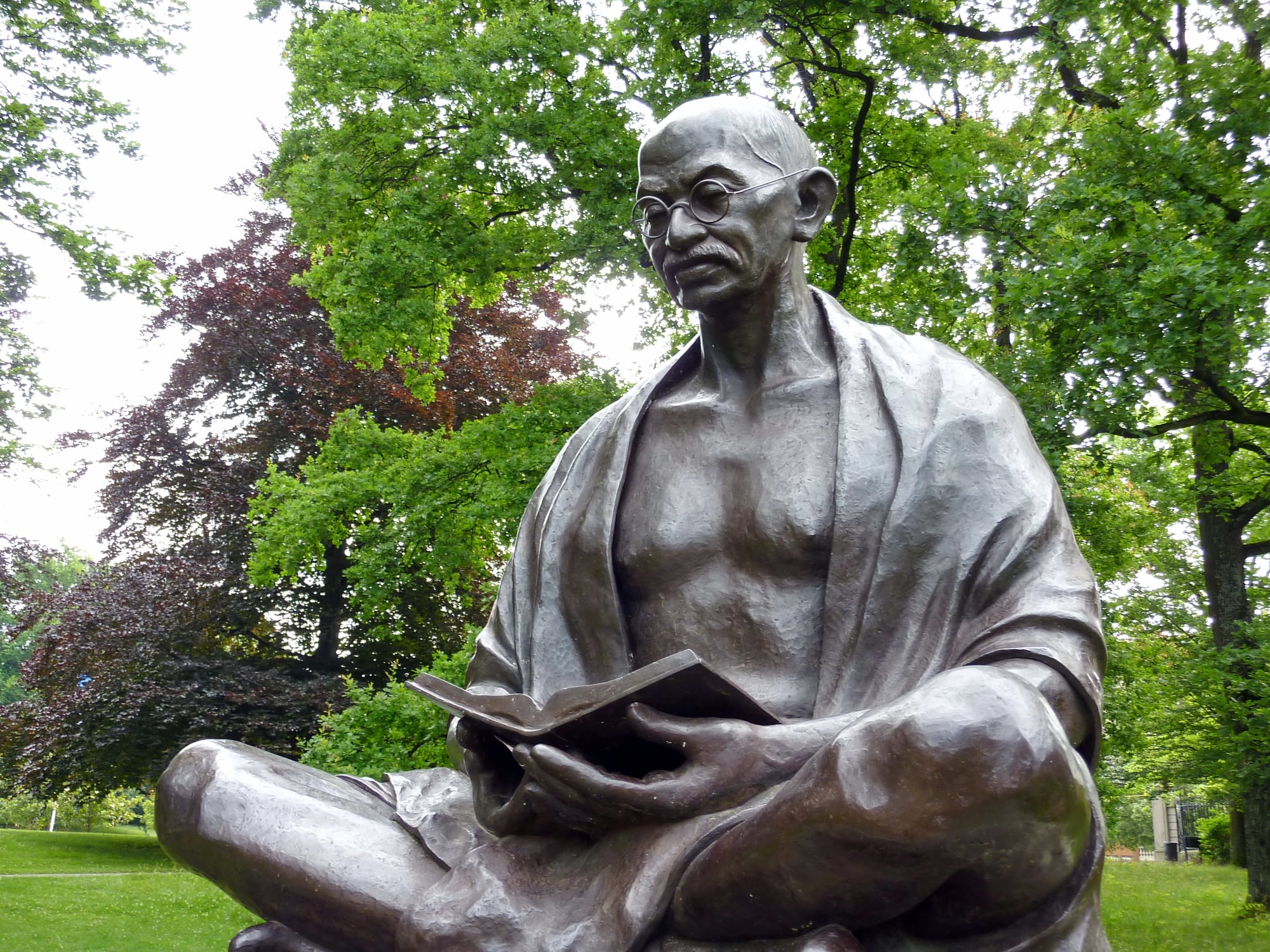
Law school shapes the mind in peculiar ways. It teaches you to see systems not as immutable forces but as constructions that can be challenged, dismantled, rebuilt.
Gandhi understood this instinctively when he studied law in London, though he probably didn’t expect his legal education to become the scaffolding for dismantling an empire.
The precision he learned in legal argument became the precision of organized resistance. Every protest was a brief filed against injustice.
Theodore Roosevelt

Roosevelt graduated from Columbia Law School but never bothered taking the bar exam. Politics grabbed him before he could settle into a legal career, which turned out to be excellent timing for American history.
His legal training taught him how laws actually worked, knowledge that proved invaluable when he started trust-busting as president.
Barack Obama
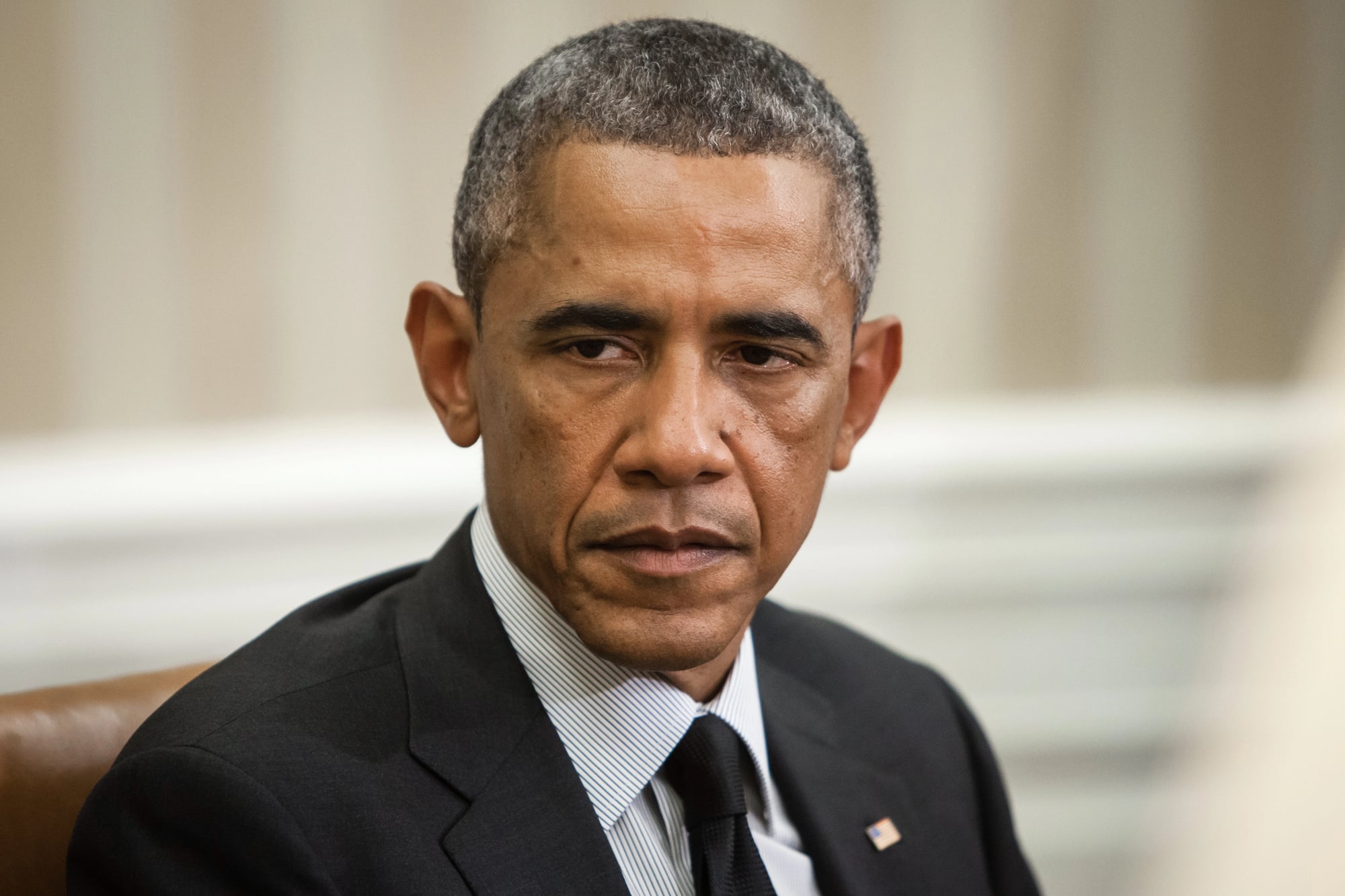
So Obama went to Harvard Law School and became the first African American president of the Harvard Law Review. Then he taught constitutional law at the University of Chicago for twelve years.
And then — because apparently understanding the Constitution wasn’t challenging enough — he decided to become the person responsible for upholding it as President of the United States.
The progression makes perfect sense in hindsight, even if it seemed unlikely at the time.
J. Springer

The path from law school to daytime television chaos isn’t one most career counselors would recommend, but Springer somehow made it work (Northwestern University Law School, class of 1968). He practiced law briefly, served as mayor of Cincinnati, then discovered his true calling involved mediating disputes between people who definitely should not be on television together, which requires a completely different set of legal skills but skills nonetheless.
His show ran for 27 years, suggesting he found the right courtroom after all — one with cameras, audience participation, and significantly more shouting than most judges would tolerate.
Mitt Romney

Romney earned both a JD and MBA from Harvard simultaneously, because apparently regular overachievement wasn’t sufficient. The legal training provided structure for his later business career, though the real test came during his political runs when he had to explain complex policy positions to voters who mostly just wanted to know if he understood their daily struggles.
Hillary Clinton

Clinton graduated from Yale Law School in 1973, where she met Bill Clinton, proving that law school networking events can have consequences nobody anticipates. Her legal career included work on the House Judiciary Committee during Watergate and later as Arkansas’s first lady, though her most intense legal examination probably came decades later during various congressional hearings as Secretary of State.
Bill Clinton
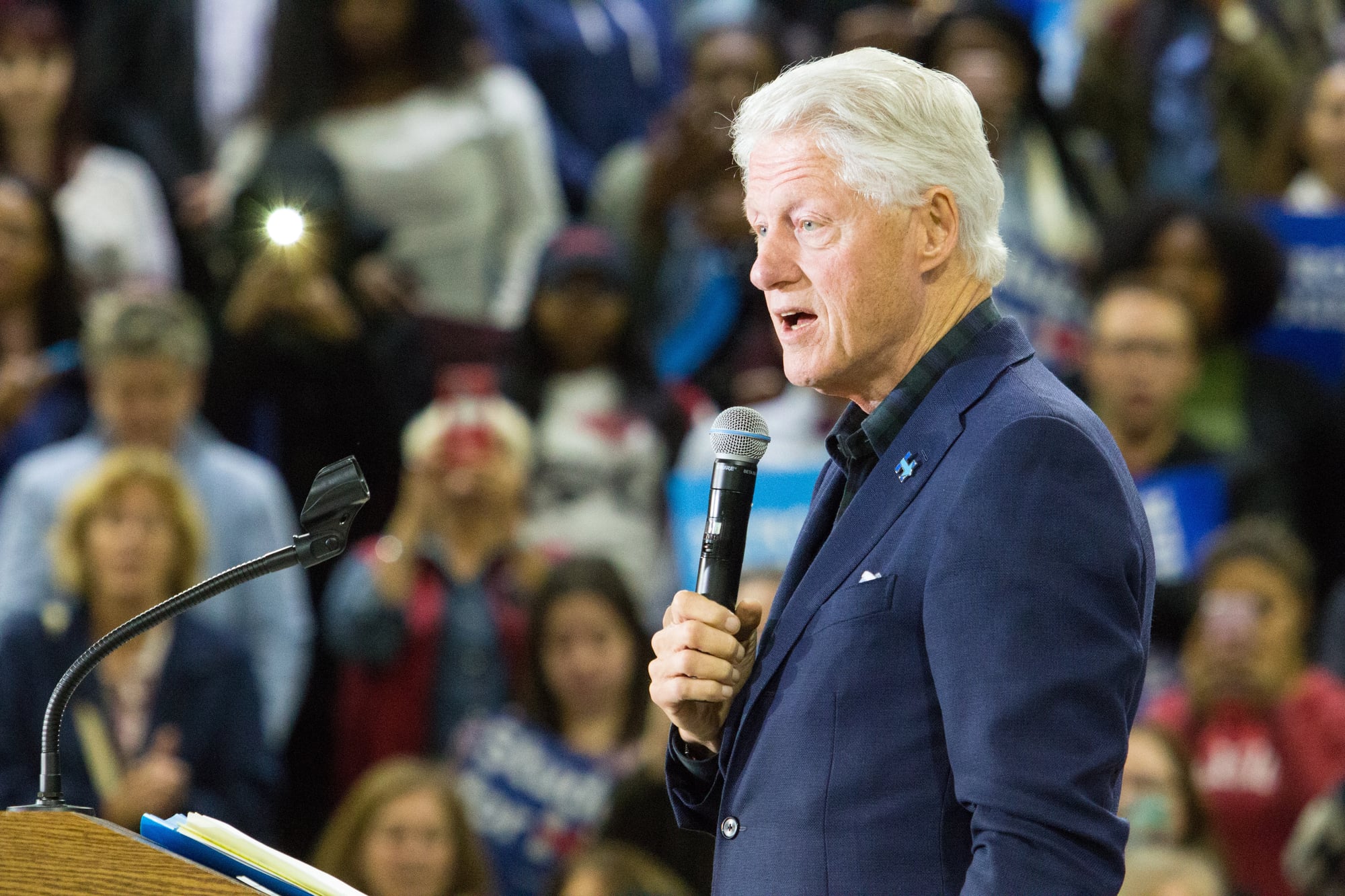
Yale Law School produced a future president, though Clinton’s path there involved Vietnam War draft considerations and a Rhodes Scholarship that made his academic trajectory more complex than most. The persuasive skills he learned in law school translated directly to politics, where the ability to argue multiple sides of an issue becomes either a valuable asset or a character flaw, depending on your perspective and party affiliation.
Rebel Wilson

Wilson studied law at the University of New South Wales, which explains absolutely nothing about how she became one of Australia’s most successful comedy exports. Legal training teaches precision with language, though Wilson uses that precision to land punchlines rather than legal arguments.
She’s mentioned that law school taught her to think analytically, skills that proved surprisingly useful when breaking down comedy timing and audience psychology.
John Cleese
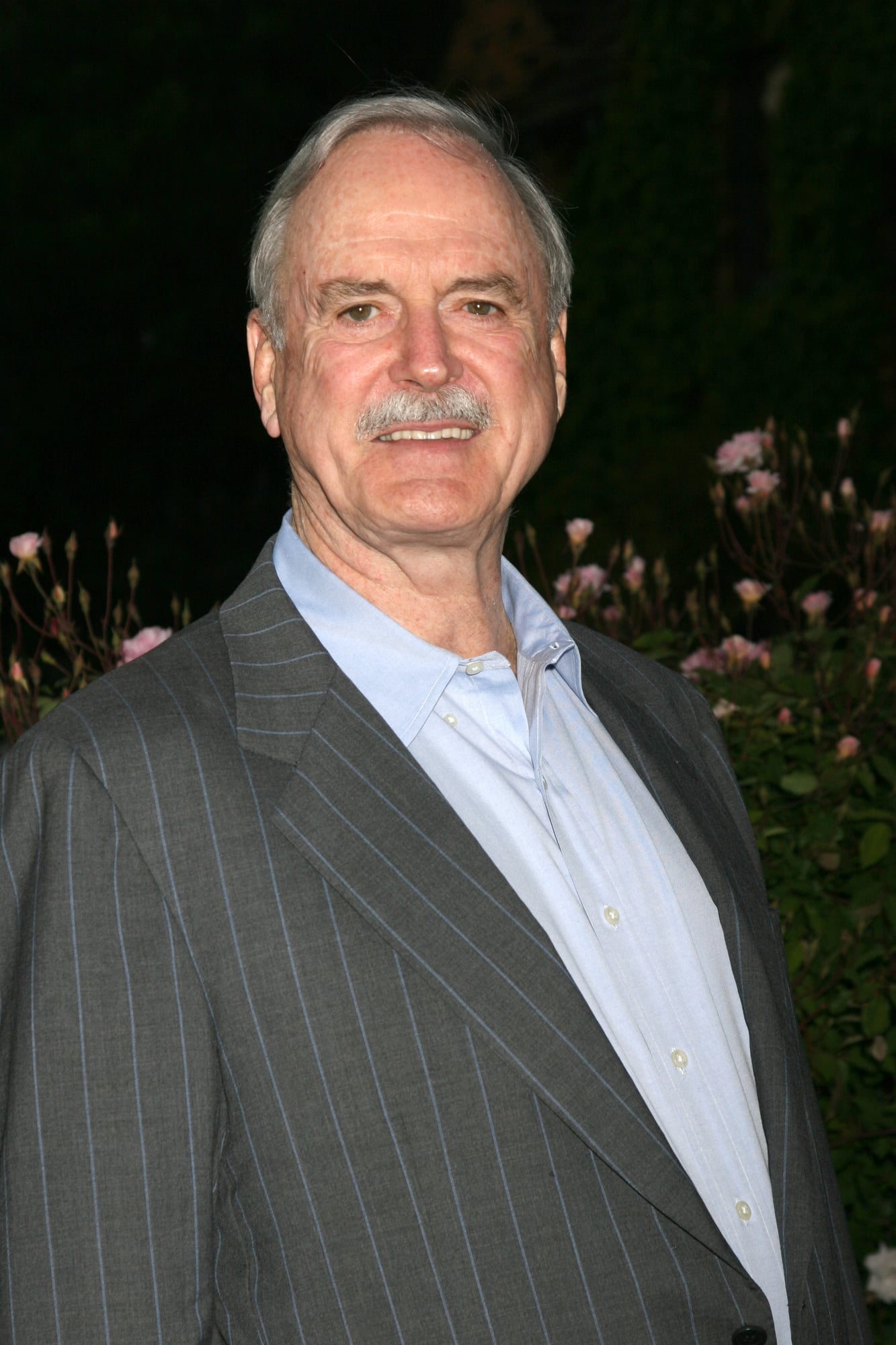
Cleese studied law at Cambridge, though he discovered his talent for comedy while performing in student revues. The analytical thinking required for legal study apparently transfers well to comedy writing, where timing and logic matter as much as humor.
Monty Python sketches often follow a kind of absurd legal reasoning that makes perfect sense within their own twisted parameters.
Tony La Russa
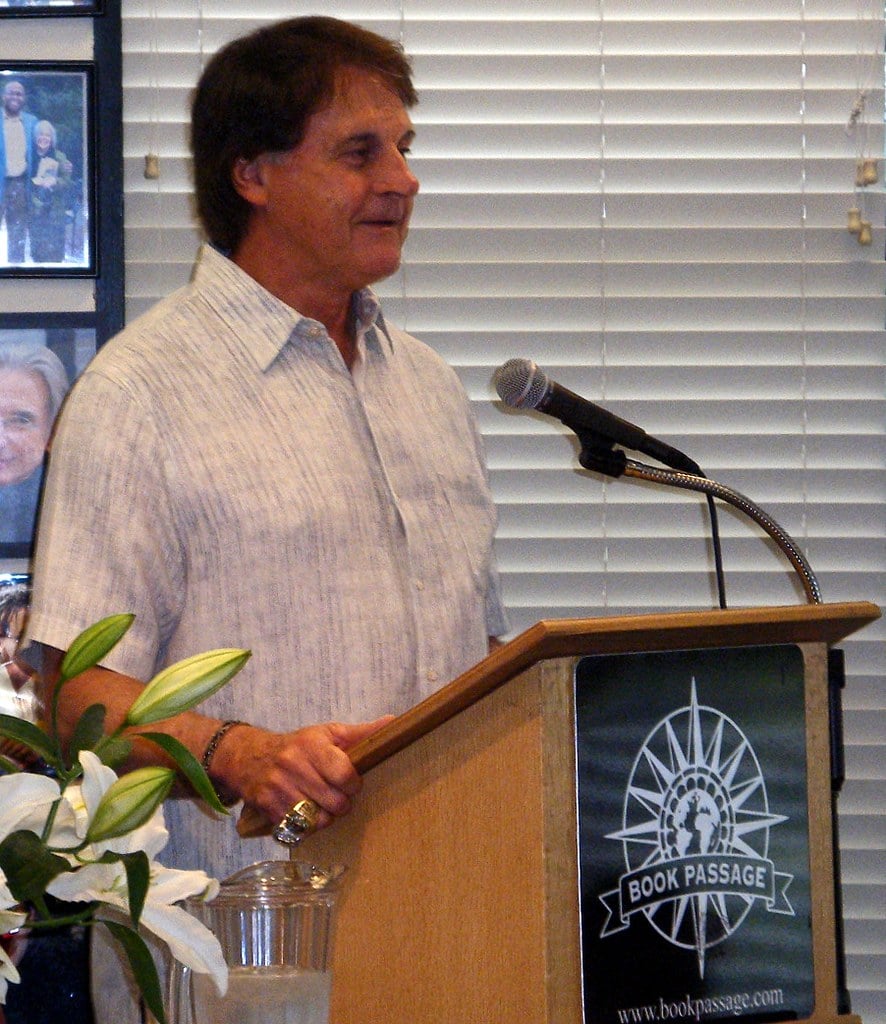
La Russa earned his law degree from Florida State University in 1978, making him possibly the only person to manage both legal briefs and baseball lineups professionally. He passed the bar exam and practiced briefly during baseball’s off-seasons, though managing major league players probably required more conflict resolution skills than most legal cases.
Andrea Bocelli
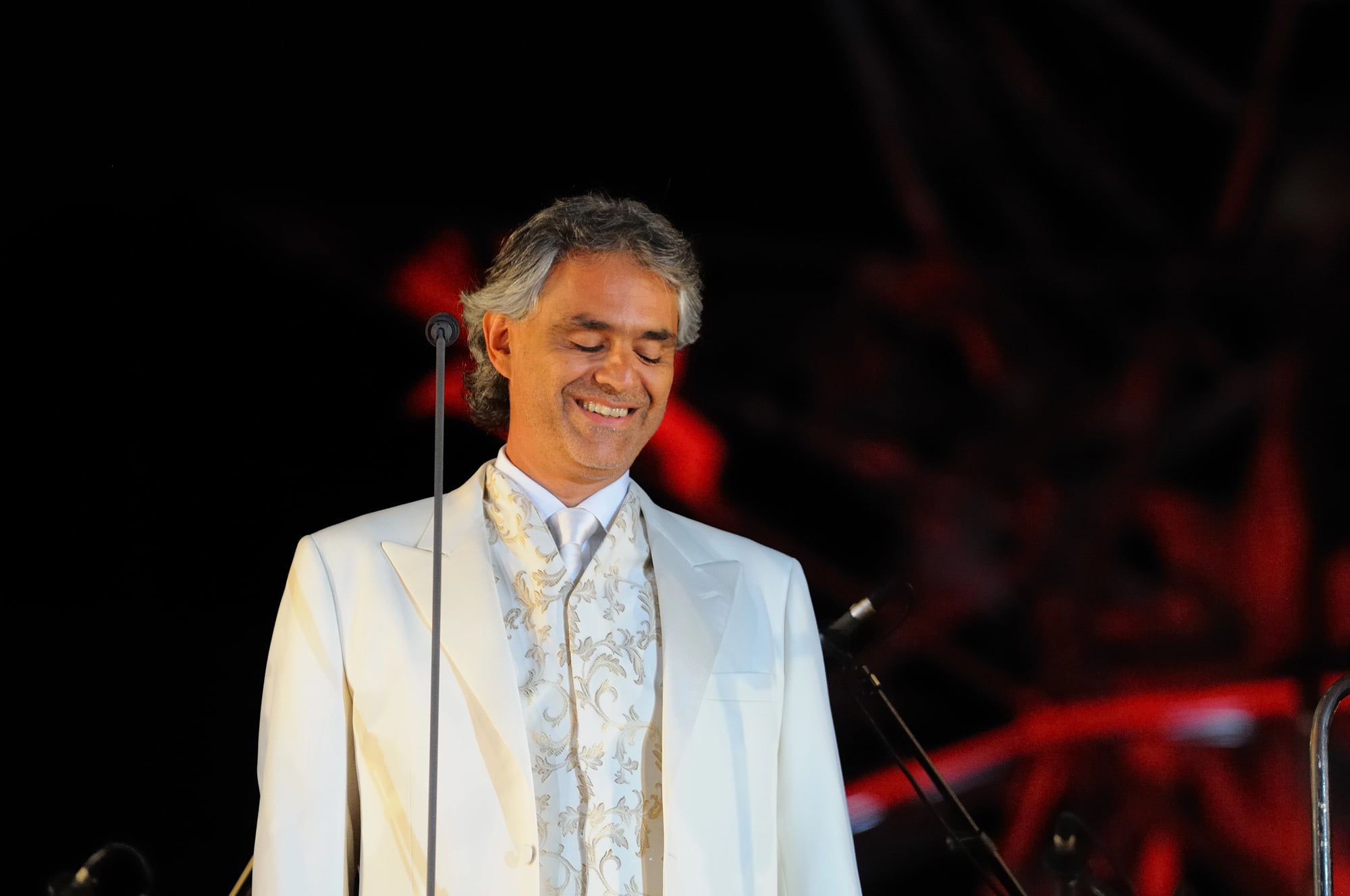
Bocelli completed his law degree at the University of Pisa and worked as a court-appointed lawyer for a year before music took over completely. The discipline required for legal studies apparently translates well to operatic training, though the audiences are considerably more forgiving when lawyers make mistakes than when tenors hit wrong notes.
Megyn Kelly
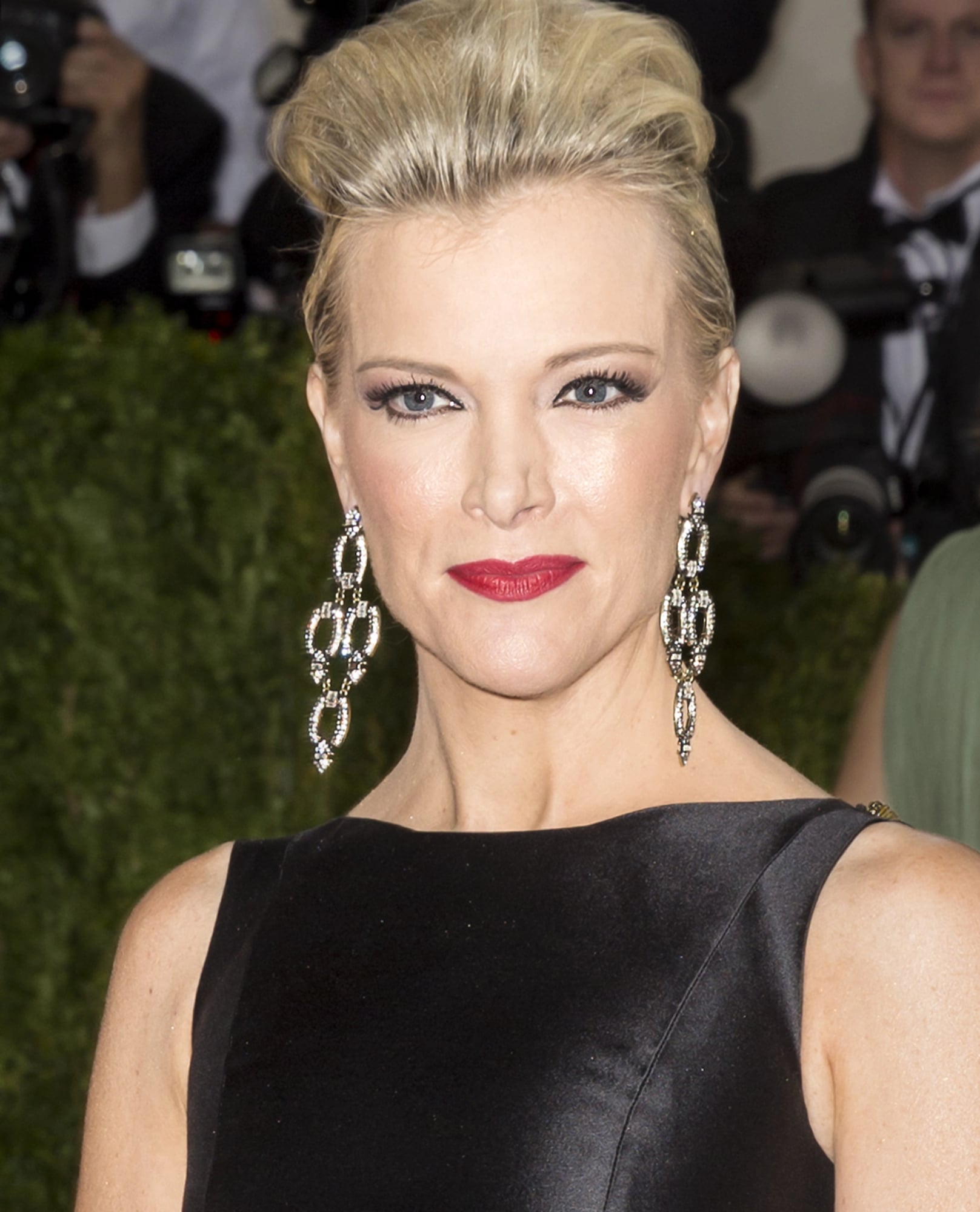
Kelly graduated from Albany Law School in 1995 and worked as a corporate attorney for nine years before transitioning to journalism. Her legal background proved invaluable during her years covering political campaigns and conducting interviews with politicians who often tried to dodge difficult questions.
The cross-examination skills she learned in law school translated directly to television journalism, where getting straight answers from public figures requires similar persistence.
Howard Cosell
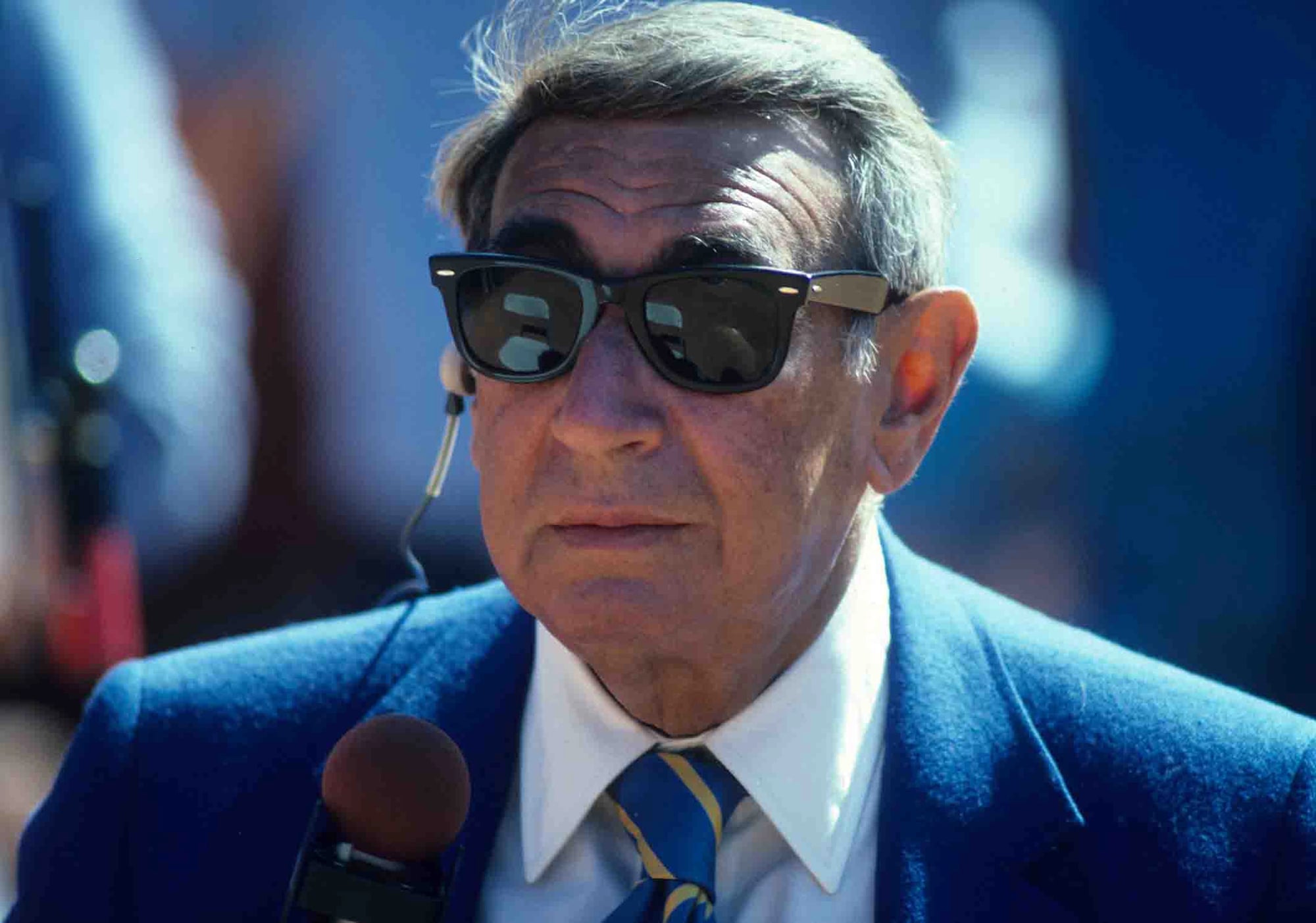
Cosell graduated from New York University School of Law in 1940 and practiced for years while working part-time in radio. His legal training taught him to prepare meticulously for cases, a habit that made him one of sports broadcasting’s most informed commentators.
The argumentative skills that served him in courtrooms made him equally effective at sparring with athletes and fellow broadcasters, though his legal precision sometimes made him sound more like a prosecutor than a play-by-play announcer.
Proving Ground For Influence
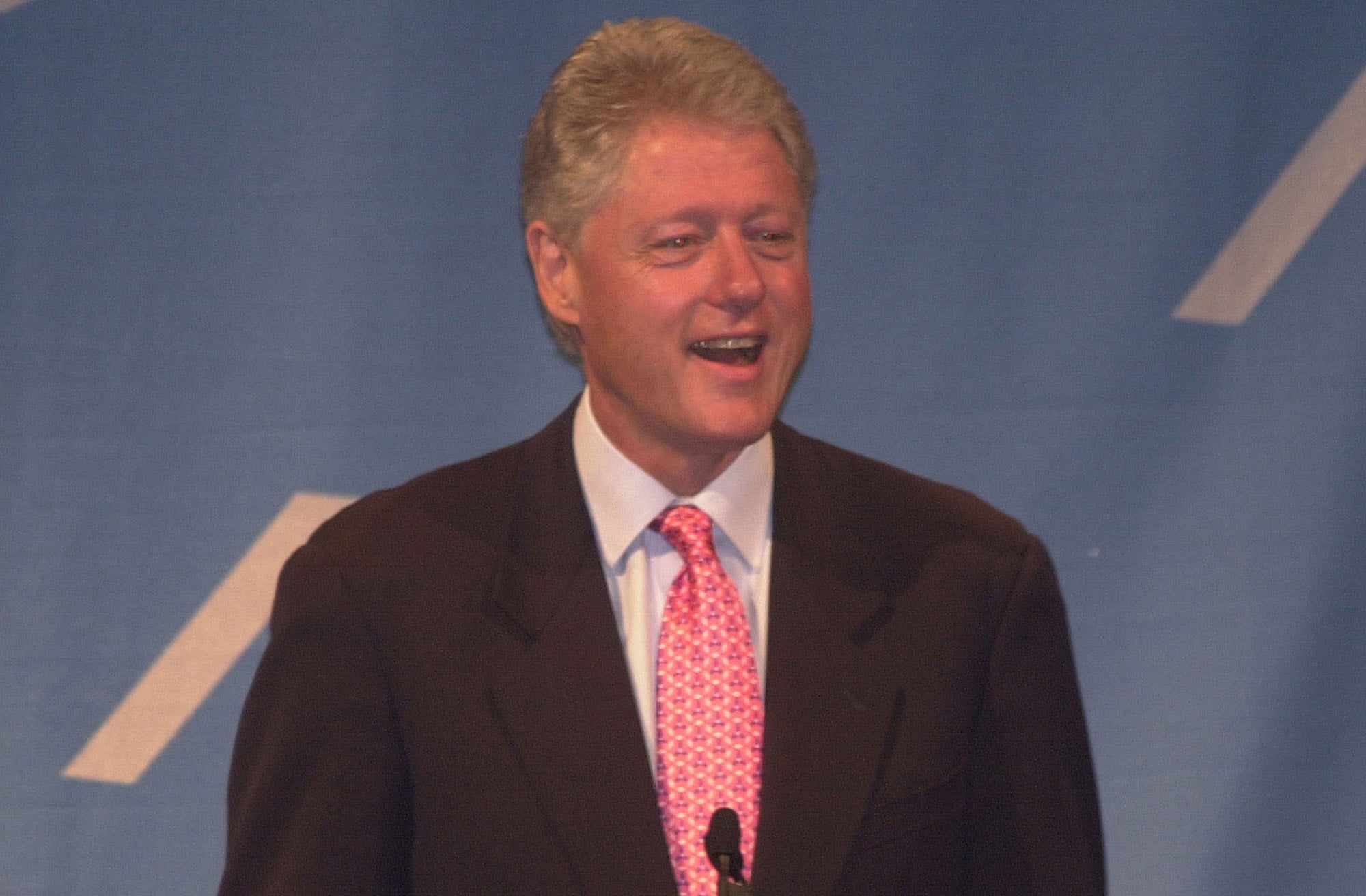
Law school functions as an unexpected incubator for public figures, though few students arrive planning to become presidents or talk show hosts. The skills prove transferable in ways nobody anticipates: the analytical thinking, the comfort with conflict, the ability to synthesize complex information quickly.
These capabilities matter whether someone ends up arguing cases, writing novels, or trying to convince voters to support their vision for the country. The legal education provides a foundation, but the real education happens afterward when these graduates discover what they actually want to do with those skills.
More from Go2Tutors!

- The Romanov Crown Jewels and Their Tragic Fate
- 13 Historical Mysteries That Science Still Can’t Solve
- Famous Hoaxes That Fooled the World for Years
- 15 Child Stars with Tragic Adult Lives
- 16 Famous Jewelry Pieces in History
Like Go2Tutors’s content? Follow us on MSN.