Photos Of The World’s Most Popular Sandwiches
There’s something deeply satisfying about a perfect sandwich. Maybe it’s the way all the ingredients hold together in one neat package, or how a great sandwich can turn simple ingredients into something that feels like a small miracle.
Whatever the reason, sandwiches have become one of humanity’s most beloved culinary inventions, transcending cultures and borders to create a universal language of deliciousness.
From the bustling delis of New York to the quiet cafés of Paris, every corner of the world has contributed its own interpretation of what makes the perfect sandwich. Some rely on tradition passed down through generations, while others push boundaries with unexpected combinations that somehow just work.
The beauty lies not just in their diversity, but in how each one tells a story about the place and people who created it.
Club Sandwich
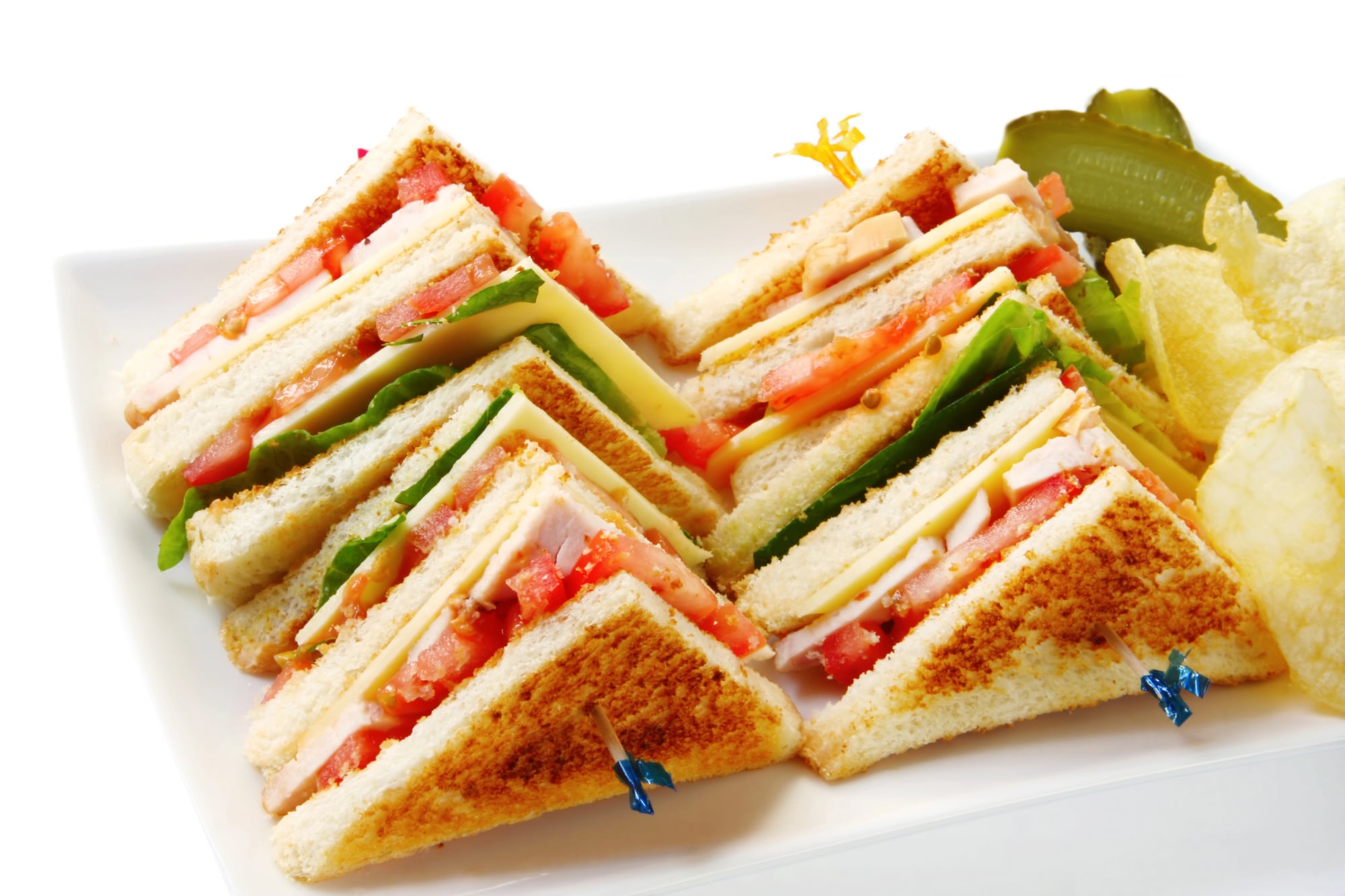
The club sandwich doesn’t mess around. Three layers of toasted bread, turkey, bacon, lettuce, tomato, and mayo.
It’s engineered for maximum impact and delivers exactly what it promises. You can spot a proper club from across a crowded restaurant by those four toothpicks holding the whole architectural marvel together.
Most people can’t finish one, but they keep ordering them anyway.
BLT
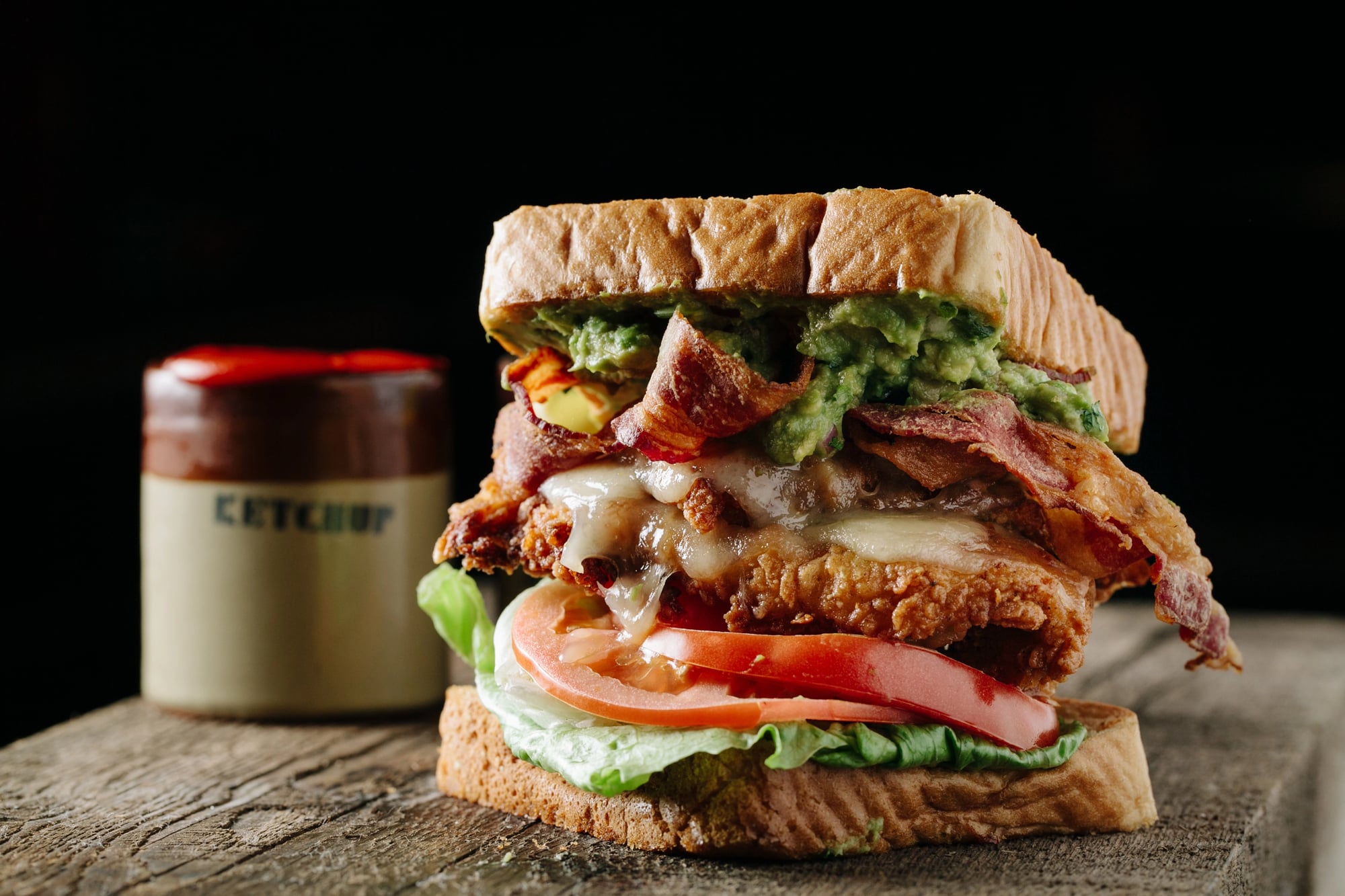
There’s a particular alchemy that happens when bacon meets fresh tomato and crisp lettuce (and the tomato has to be fresh — this isn’t negotiable, though most places serve it anyway with those pale, flavorless slices that taste like disappointment). The bacon provides the smoky foundation, but it’s really about the contrast: the cool crunch of lettuce against warm, rendered fat, the acidity of a good tomato cutting through all that richness.
And the bread — which people often overlook — needs to be sturdy enough to handle the juice but not so thick that it overwhelms everything else, because when you get the ratios right (and most people don’t, if we’re being honest), each bite delivers this perfect balance of textures and temperatures that explains why something so simple has endured for over a century. So you end up with this sandwich that’s simultaneously rustic and refined, familiar yet somehow never quite the same twice.
The secret lives in the timing, though most restaurants get this wrong: the toast needs to be warm when the tomato hits it, but not so hot that the lettuce wilts on contact.
Grilled Cheese
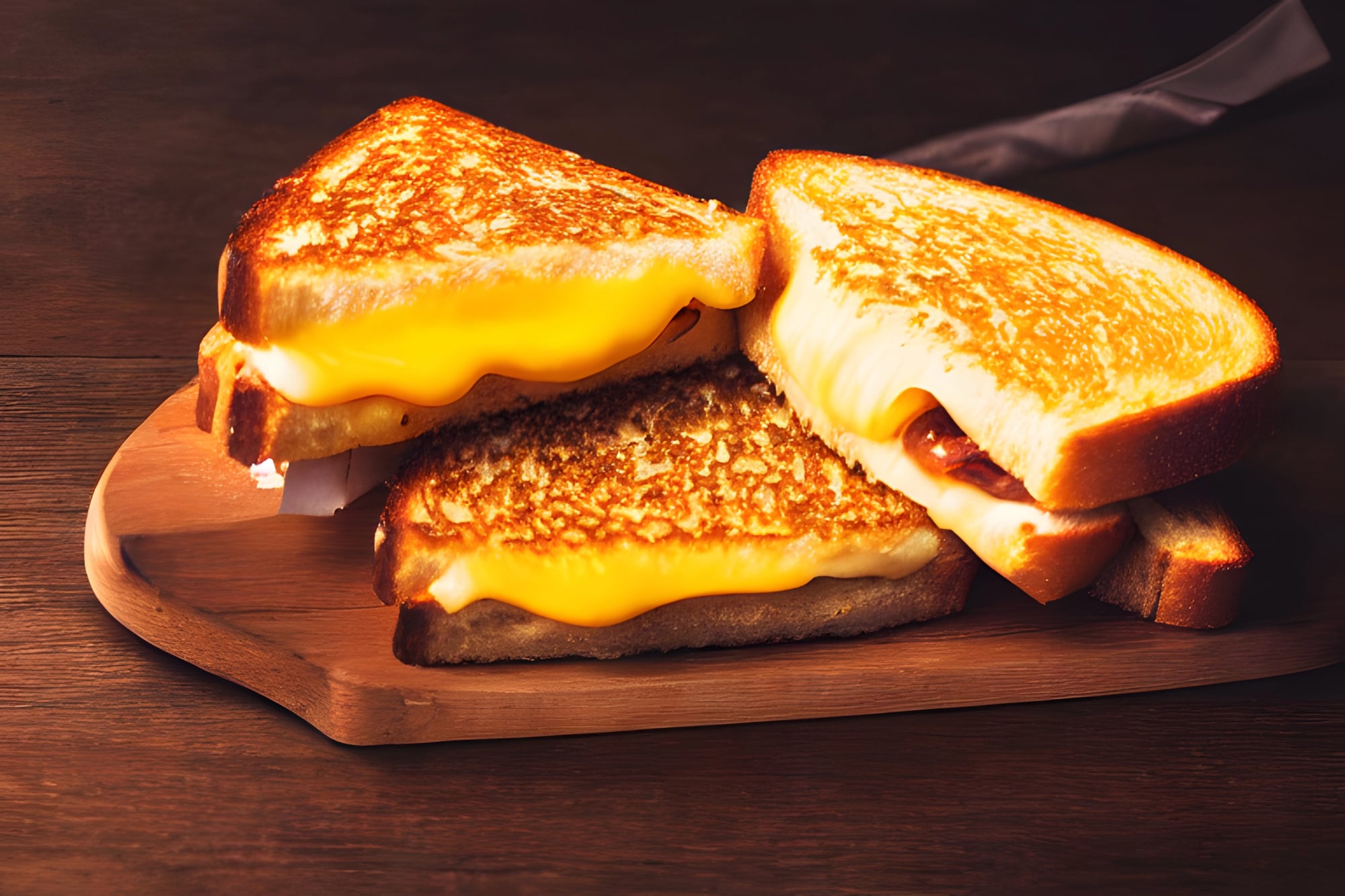
A grilled cheese sandwich is like watching someone tend a small fire. The patience required, the careful attention to heat, the way the butter slowly transforms bread into something golden and impossible to resist.
You can’t rush it without consequences, and you can’t ignore it without regret. The cheese melts at its own pace, creating those long, satisfying pulls when you finally take a bite.
There’s something almost meditative about the process — the gentle sizzle in the pan, the gradual color change, the moment when you know it’s ready without having to look. The best ones leave a slight crunch on your fingers and require a napkin you didn’t think you’d need.
Philly Cheesesteak
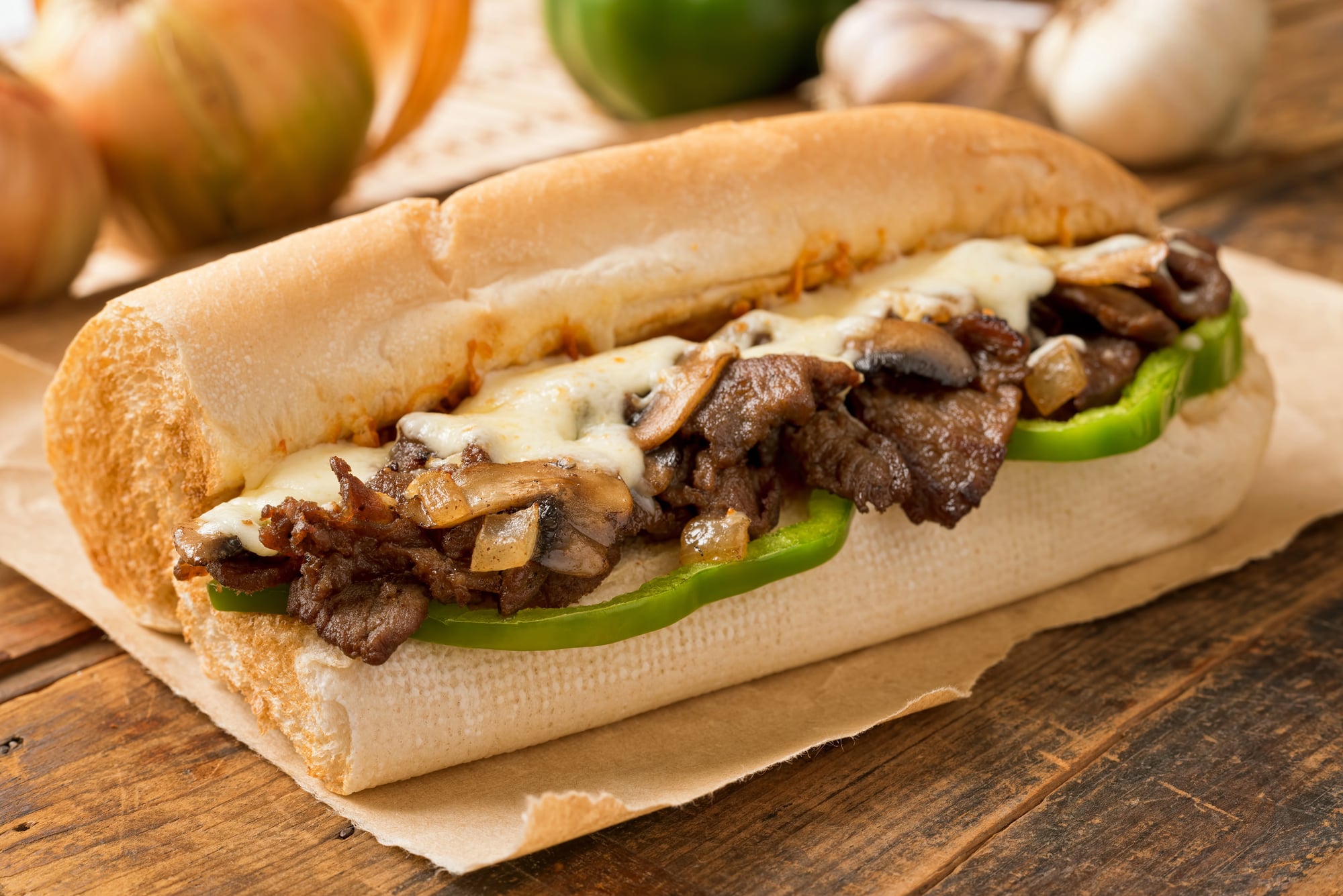
Philadelphia owns this sandwich completely, and they’re not particularly interested in your variations. Thinly sliced ribeye, melted cheese, grilled onions, served on a proper hoagie roll.
That’s it. The ongoing debate over whether to use Cheez Whiz, provolone, or American cheese has divided families and ended friendships.
Tourists order them with peppers and mushrooms, which is fine, but locals know better. The beauty lies in the simplicity, and the fact that it’s nearly impossible to replicate outside of Philly — something about the rolls, they say, though that might just be pride talking.
Reuben
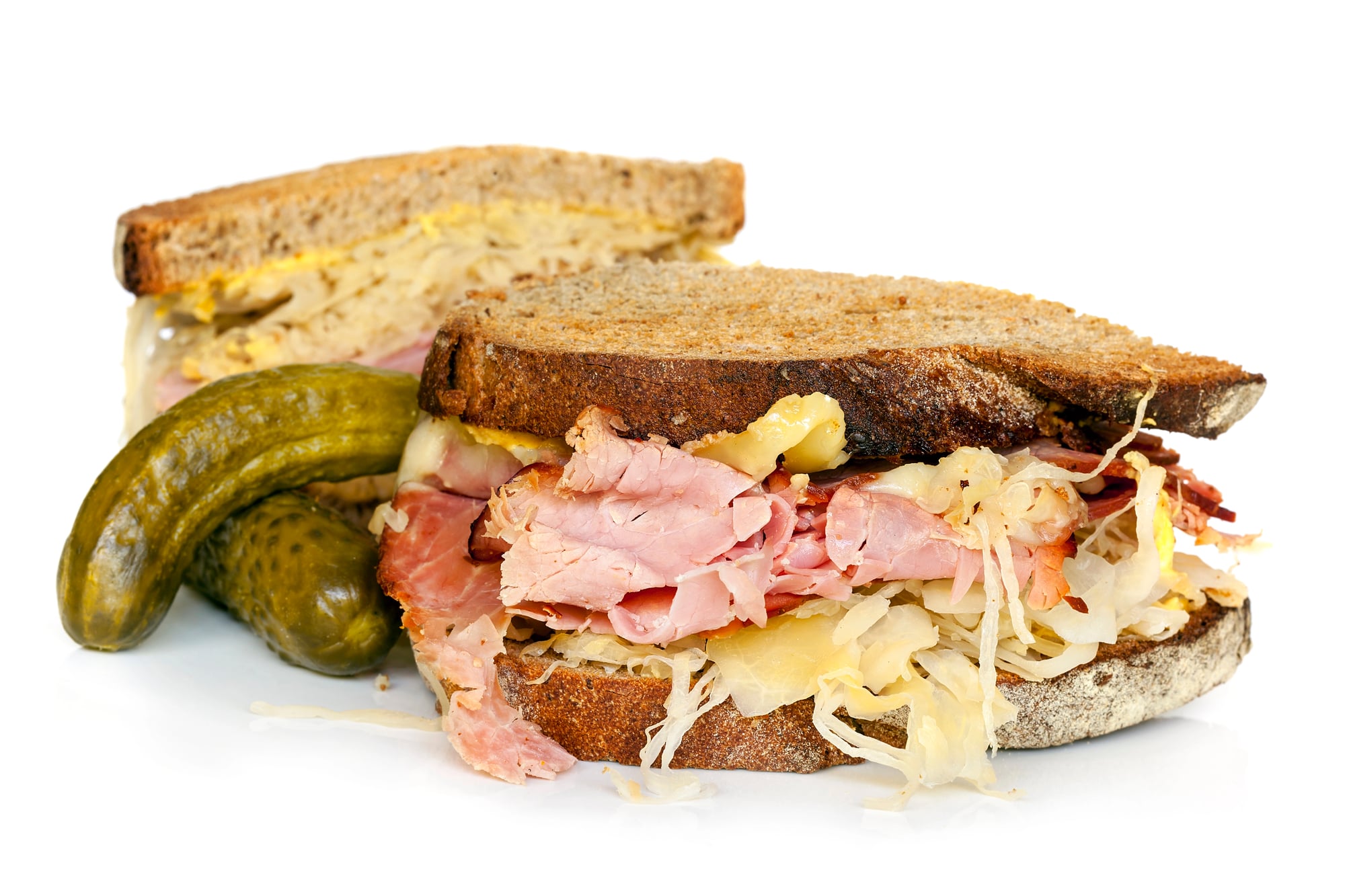
The Reuben reads like someone’s fever dream of a sandwich: corned beef, Swiss cheese, sauerkraut, and Russian dressing between slices of rye bread, then grilled until the outside turns golden and the inside becomes this molten, tangy mess that shouldn’t work but absolutely does. It’s the kind of combination that sounds like a mistake until you taste it, and then you realize that whoever first put these ingredients together (and the origin story changes depending on who’s telling it, because of course it does) understood something fundamental about how flavors can clash and complement at the same time.
The sauerkraut provides this sharp, fermented bite that cuts through the richness of the meat and cheese, while the Russian dressing — which is really just thousand island by another name, though don’t say that too loudly — ties everything together with its sweet-tangy complexity. And the rye bread, with its dense texture and caraway seeds, creates this earthy foundation that can actually handle all these competing flavors without falling apart, which is more than you can say for most breads when faced with this kind of culinary chaos.
But here’s the thing: a bad Reuben is truly terrible, while a good one borders on transcendent. The difference usually comes down to the quality of the corned beef and whether someone bothered to drain the sauerkraut properly.
Italian Sub
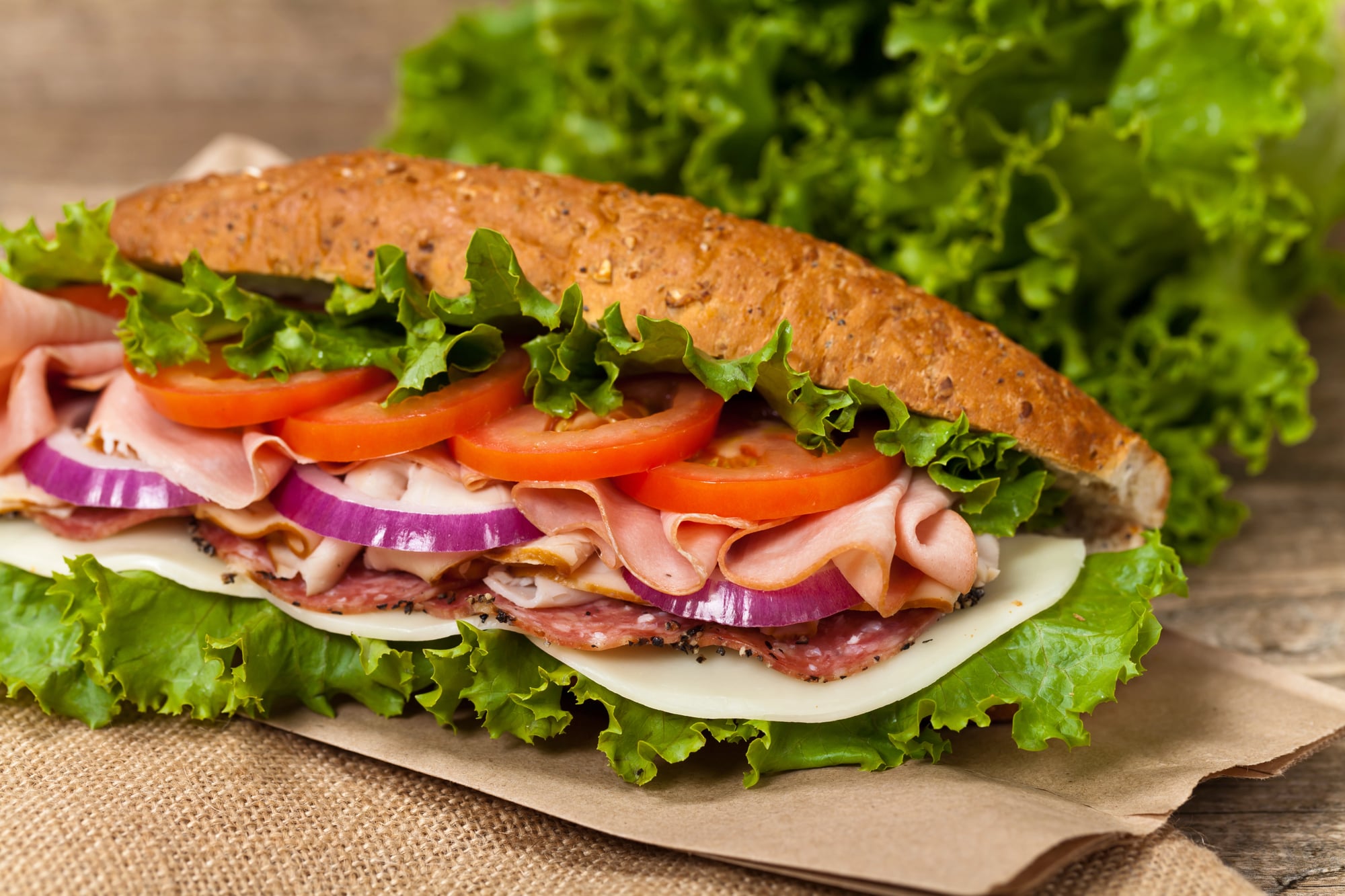
The Italian sub operates on a principle of abundance that feels almost defiant. Layer upon layer of cured meats — salami, pepperoni, capicola, mortadella — piled high with provolone, lettuce, tomatoes, onions, and a generous drizzle of oil and vinegar.
It’s a sandwich that refuses to apologize for taking up space. Every bite delivers a different combination of flavors as the ingredients shift and settle.
The oil and vinegar soak into the bread just enough to soften it without making it soggy, creating this perfect vehicle for all that Italian goodness. The best ones come from places where they slice the meat to order and aren’t shy about the portions.
Po’ Boy
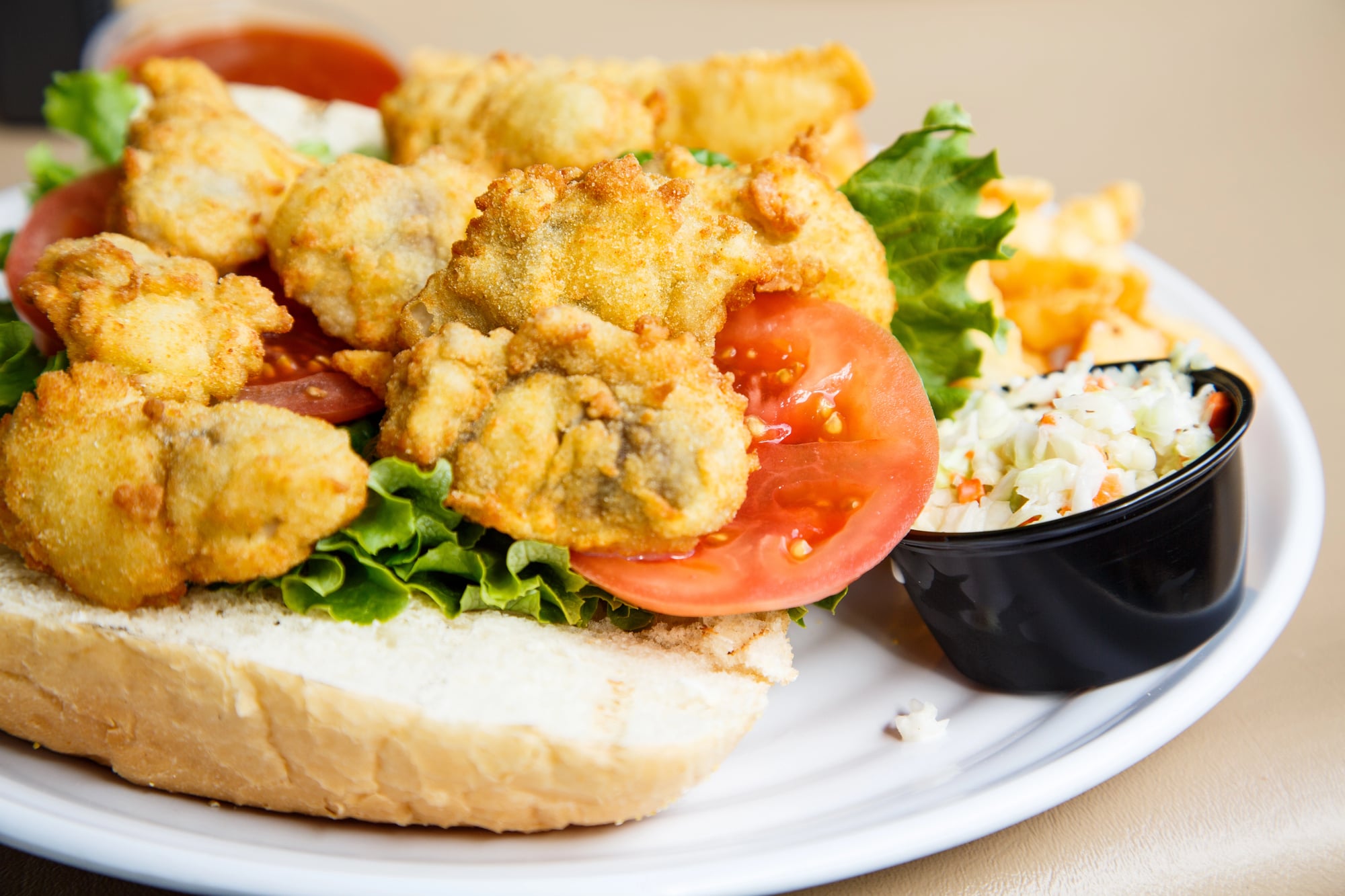
New Orleans created the po’ boy during the Great Depression (and yes, that’s where the name comes from — “poor boy” compressed into something that rolls off the tongue easier), and it remains one of the most generous gestures in American sandwich-making. The bread — which has to be New Orleans French bread, with its crispy crust and pillowy interior — gets dressed with lettuce, tomatoes, pickles, and mayo, then loaded with whatever protein you’re in the mood for: fried shrimp, oysters, catfish, even roast beef debris (which is exactly what it sounds like and exactly as good as it doesn’t sound).
But it’s not just the filling that makes a po’ boy; it’s the way the bread soaks up all the flavors while somehow maintaining its structural integrity, and the way each bite delivers this perfect balance of textures from crispy to creamy to whatever the main ingredient brings to the party. And the “debris” version — made with the scraps and drippings from roast beef — might actually be the best one, though tourists rarely order it because the name doesn’t exactly scream “delicious.”
The whole thing gets messy fast, which is part of the point. You can’t eat a proper po’ boy without getting a little oil on your hands and some lettuce on your shirt.
Cubano
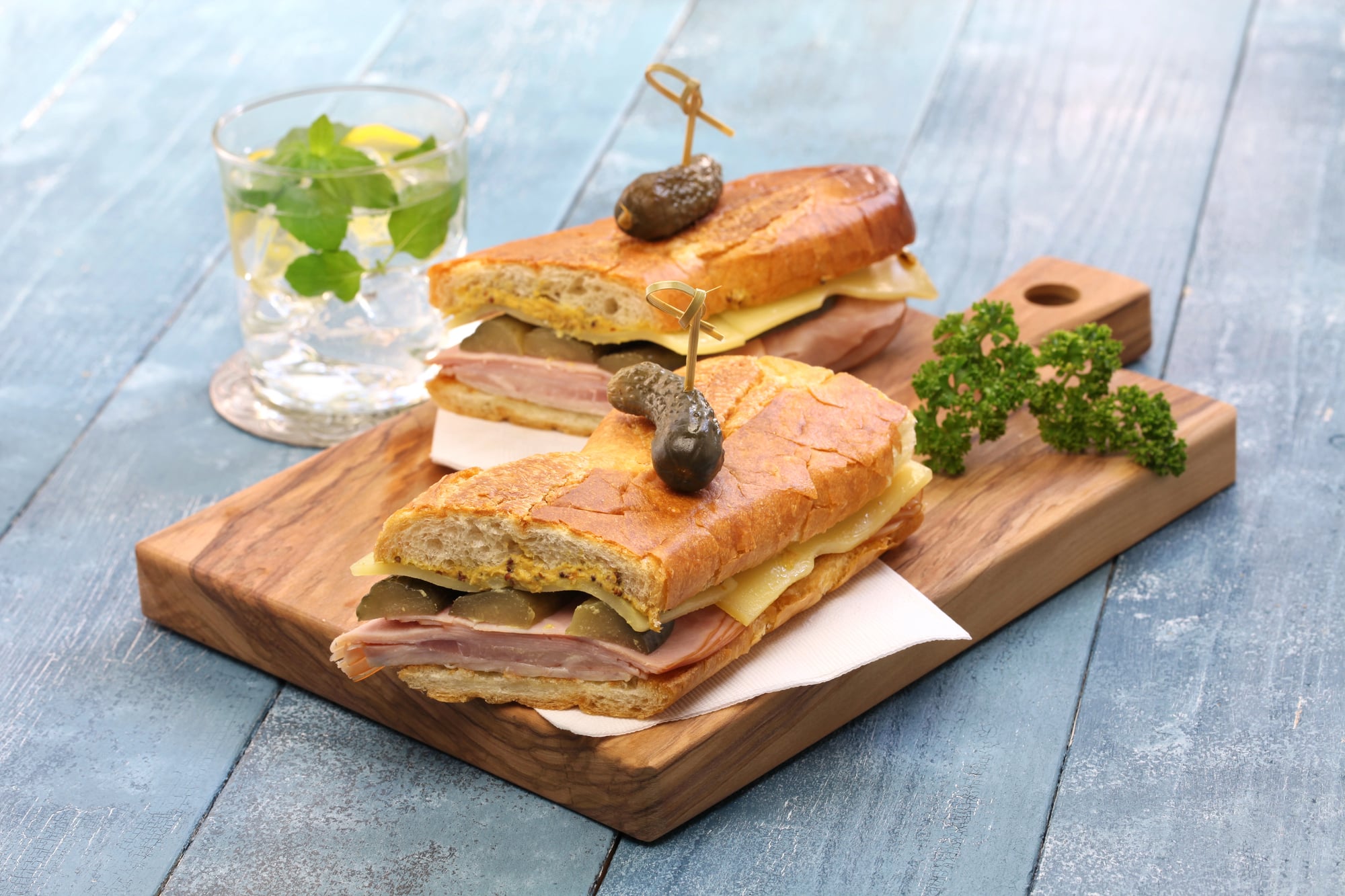
The Cubano tells the story of a community through its ingredients — roast pork, ham, Swiss cheese, pickles, and mustard pressed between slices of Cuban bread until everything melds into something greater than its parts. It’s a sandwich born from necessity and perfected through repetition, each element serving a specific purpose in the overall composition.
The pressing is crucial. It’s not just about warming the sandwich; it’s about creating those crispy edges and that satisfying crunch when you bite through the crust to reach the warm, melted interior.
The pickles provide the acid that cuts through all that pork fat, while the mustard adds just enough sharpness to keep things interesting. Tampa and Miami both claim to have perfected it, and they’re both probably right.
Monte Cristo
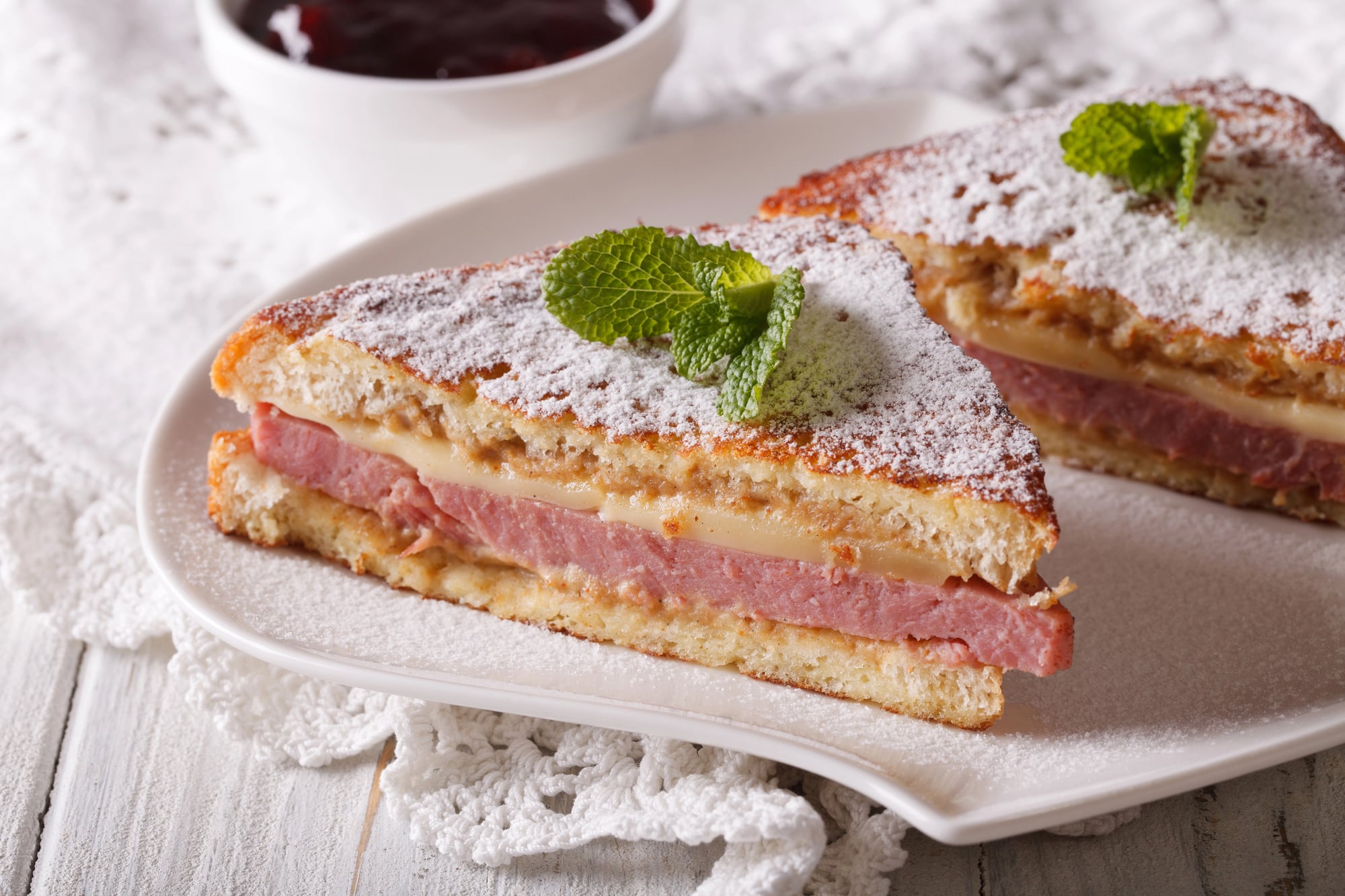
The Monte Cristo exists in that strange territory between sandwich and dessert, where ham and turkey meet French toast and somehow create something that makes perfect sense at brunch but confuses everyone at any other time of day (though diners serve it around the clock because diners understand that time is a construct when you’re dealing with comfort food). It’s essentially a grilled ham and cheese that someone decided to dip in egg batter and cook like French toast, then dust with powdered sugar and serve with jam — which sounds like the kind of thing that happens when a chef runs out of regular ideas and starts improvising, but actually represents this beautiful marriage of sweet and savory that French cuisine has been perfecting for centuries.
And it works, against all logic and dietary common sense, because the saltiness of the ham plays against the sweetness of the batter and jam in this way that satisfies multiple cravings simultaneously. The key lies in not overthinking it.
Yes, it’s weird. Yes, it’s probably too rich.
No, that doesn’t matter when it’s done right.
Banh Mi
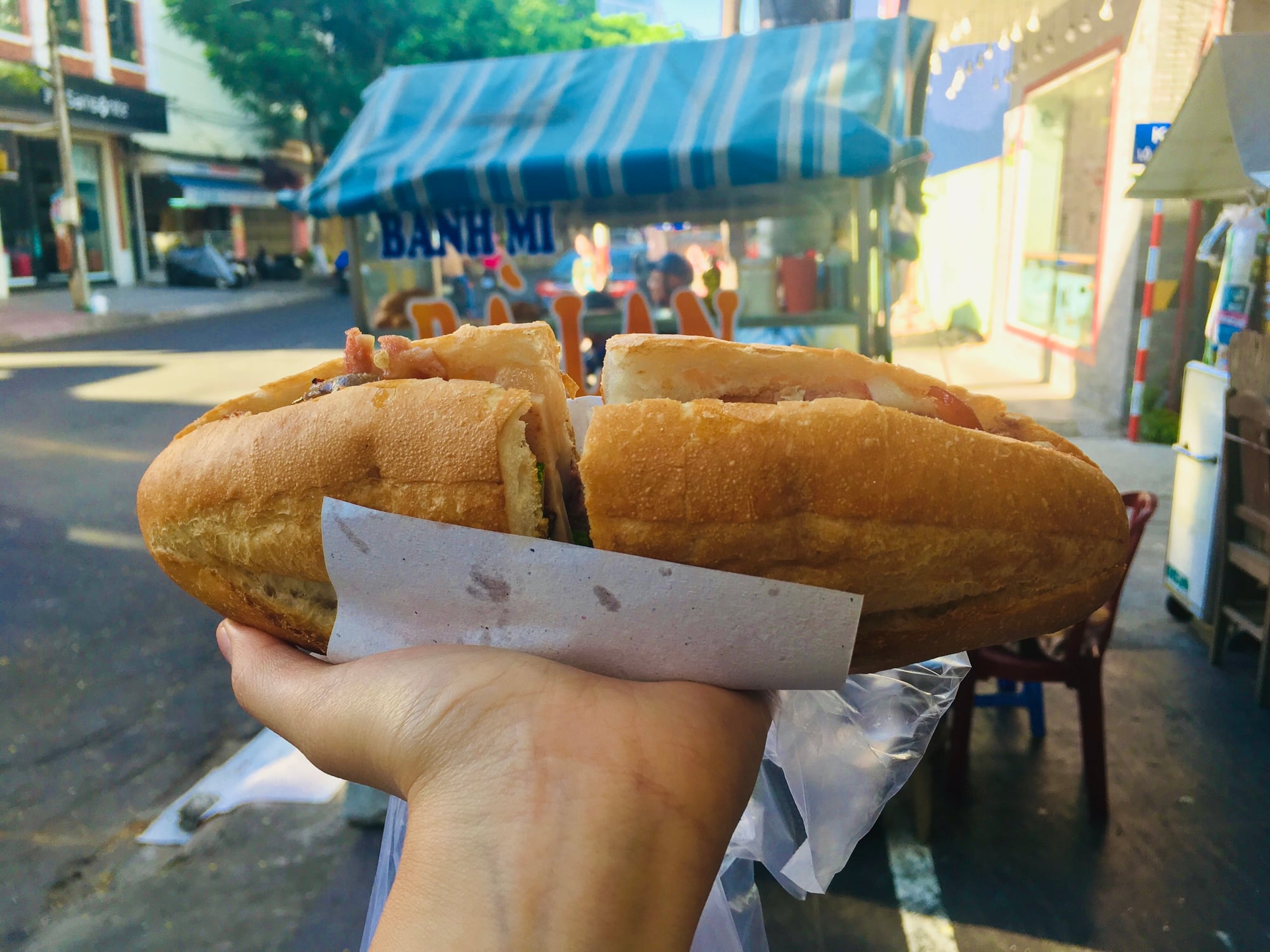
Vietnam took the French baguette and made it better. The bánh mì sandwich layers pickled vegetables, cilantro, jalapeños, and various proteins — pork, chicken, tofu — inside a crusty Vietnamese baguette that’s somehow lighter and airier than its French predecessor.
The pickled daikon and carrots provide this bright, acidic crunch that wakes up your entire mouth, while the jalapeños add just enough heat to keep things interesting. The cilantro isn’t just a garnish; it’s an essential component that ties all the flavors together with its fresh, herbal brightness.
You can get them for three dollars at gas stations in certain neighborhoods, and they’re often better than what fancy restaurants charge fifteen dollars for. That’s the beauty of street food done right.
Croque Monsieur
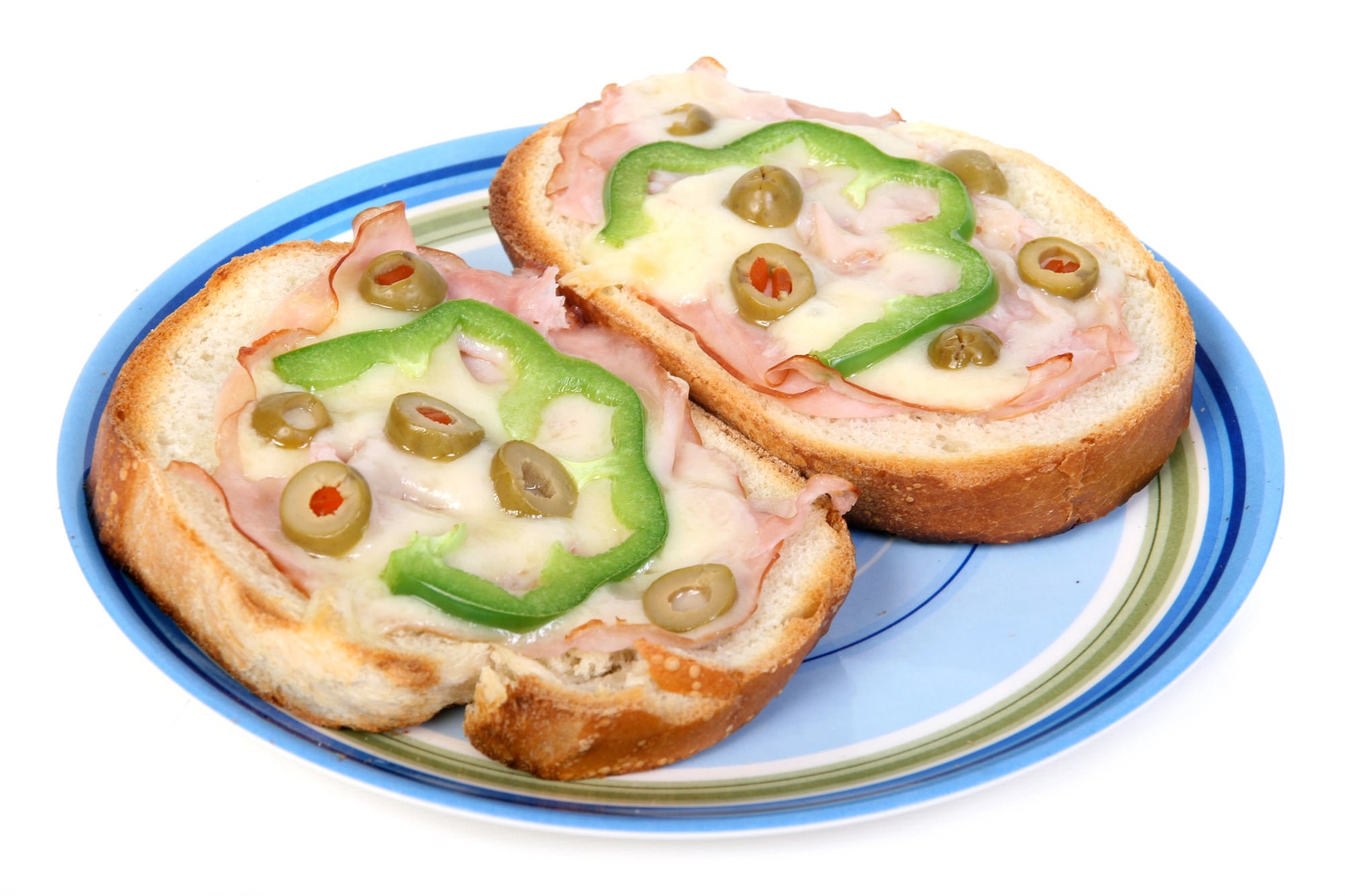
The French took ham and cheese and turned it into an event. The croque monsieur begins with good bread — usually pain de mie — layered with ham and Gruyère, then topped with béchamel sauce and more cheese before being broiled until golden.
It’s a sandwich that requires a fork and knife, which seems to defeat the point until you taste it. The béchamel sauce is what elevates this from a simple grilled sandwich to something approaching elegance.
It creates this creamy, rich coating that binds everything together while adding a luxurious texture that makes you understand why the French have such strong opinions about food. Add a fried egg on top and it becomes a croque madame, which is even better but requires committing to the full experience.
Meatball Sub
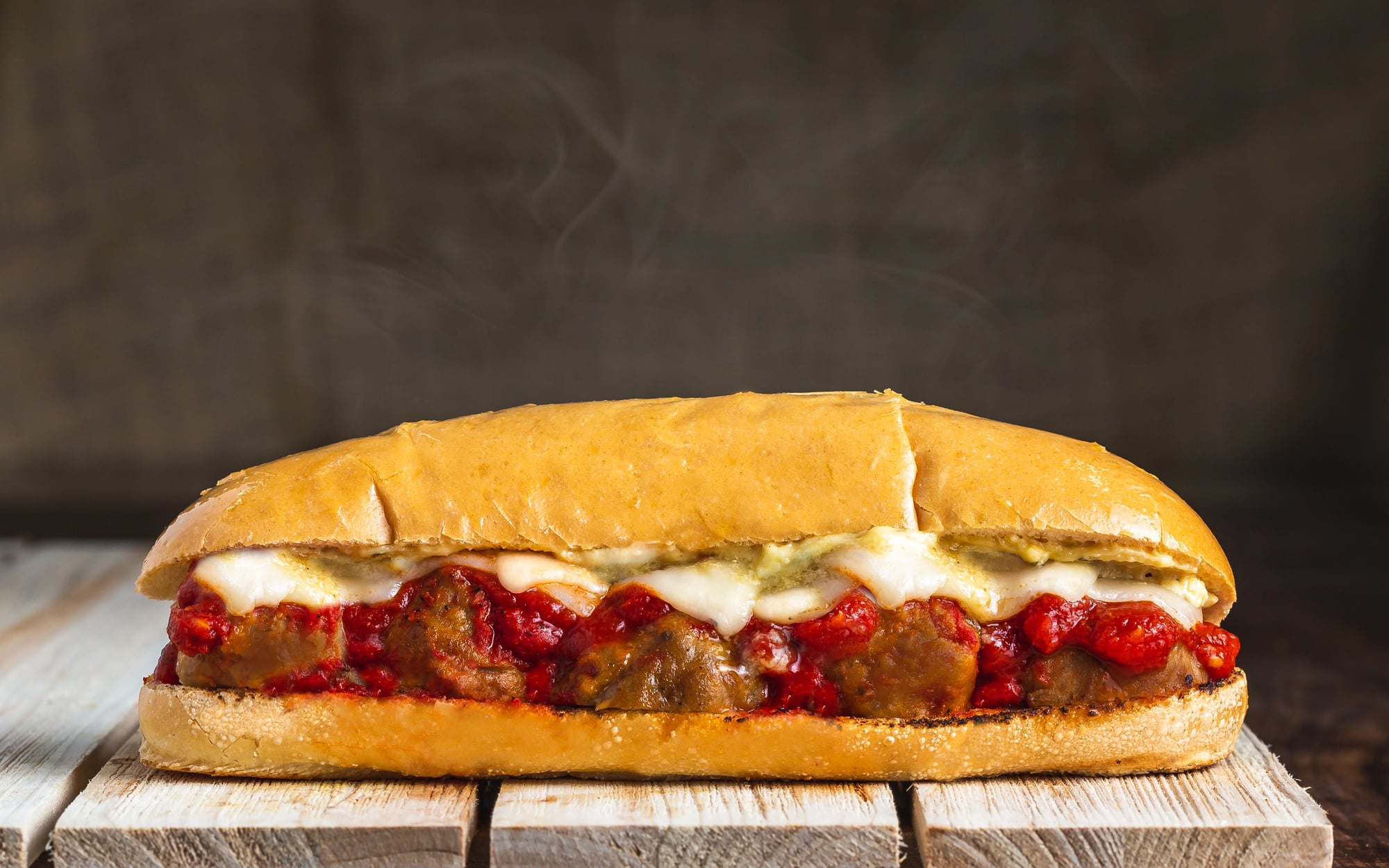
The meatball sub is comfort food that doesn’t pretend to be anything else. Homemade meatballs (or at least good ones from someone else’s kitchen) nestled in marinara sauce and melted mozzarella, all served on a sub roll that’s been toasted just enough to provide some structure without getting too crispy.
The sauce-to-meatball ratio is critical. Too much sauce and the bread dissolves into a soggy mess.
Too little and you’re just eating dry meatballs with cheese, which misses the point entirely. The best ones achieve this perfect balance where every bite delivers meatball, sauce, and cheese in proper proportion.
It’s the kind of sandwich that requires multiple napkins and zero shame about getting messy.
Pastrami On Rye
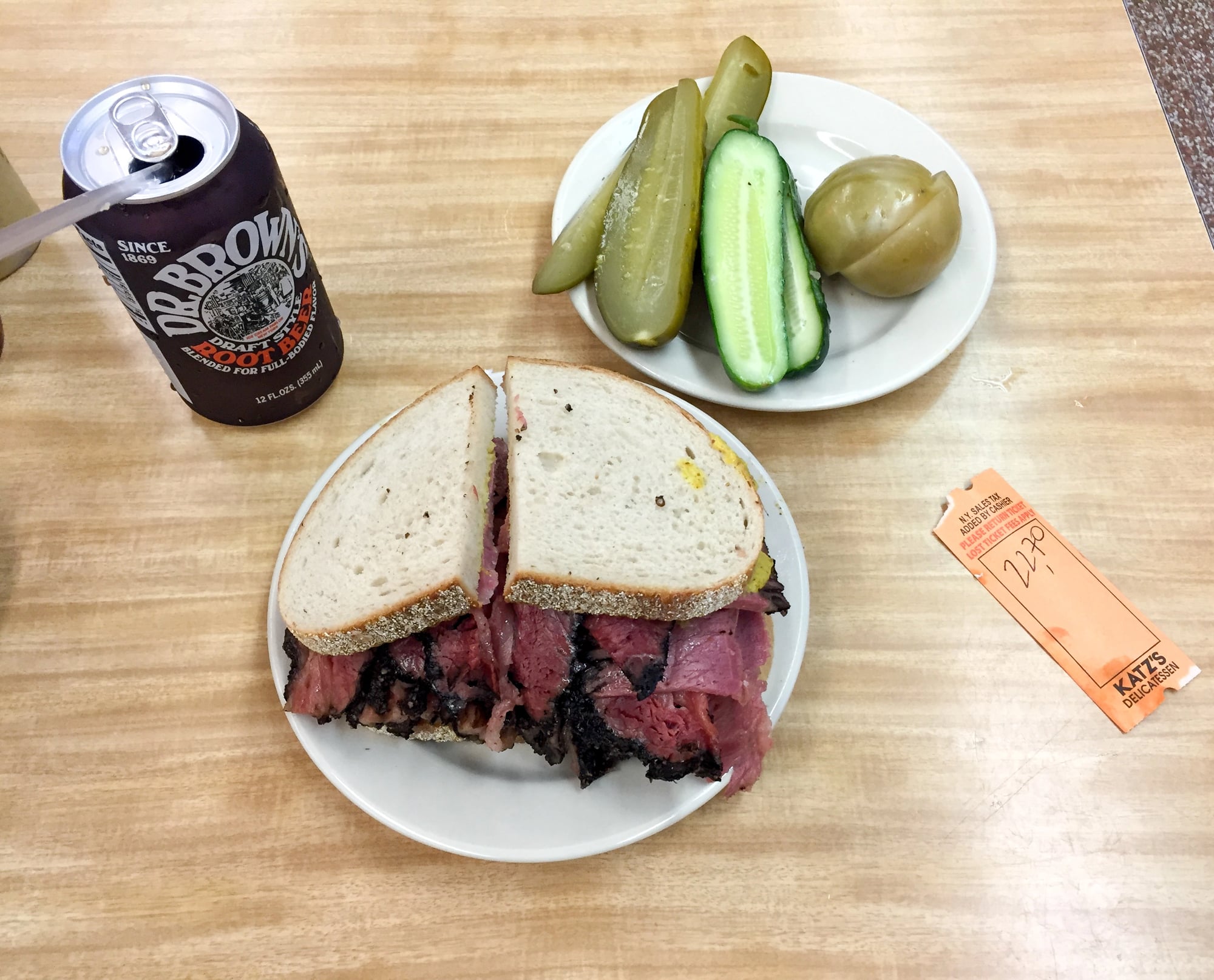
New York’s delis perfected pastrami on rye through decades of obsessive attention to detail, and the result is something that borders on religious experience for anyone who appreciates properly cured meat (though the portions have gotten so large that finishing one has become more of an endurance test than a meal, which says something about American excess but doesn’t make them any less delicious). The pastrami — which starts as beef brisket, gets brined, coated in spices, smoked, and then steamed until it reaches this perfect balance of tender and flavorful — gets piled high on rye bread with mustard and maybe some pickles if you’re feeling fancy, though purists argue that anything beyond meat, bread, and mustard is gilding the lily.
And they might be right, because when the pastrami is done properly, it doesn’t need much help: the spice crust provides texture, the meat itself delivers this deep, smoky flavor that comes from the curing process, and the rye bread — dense and slightly sour — can actually support all that weight without falling apart in your hands. The mustard isn’t optional, though.
It cuts through the richness and adds the acid that makes everything else taste more like itself. But here’s the thing about pastrami: when it’s bad, it’s really bad — tough, overly salty, or dried out from sitting too long.
When it’s good, it reminds you why people have been willing to wait in line for it for over a century.
Gyro
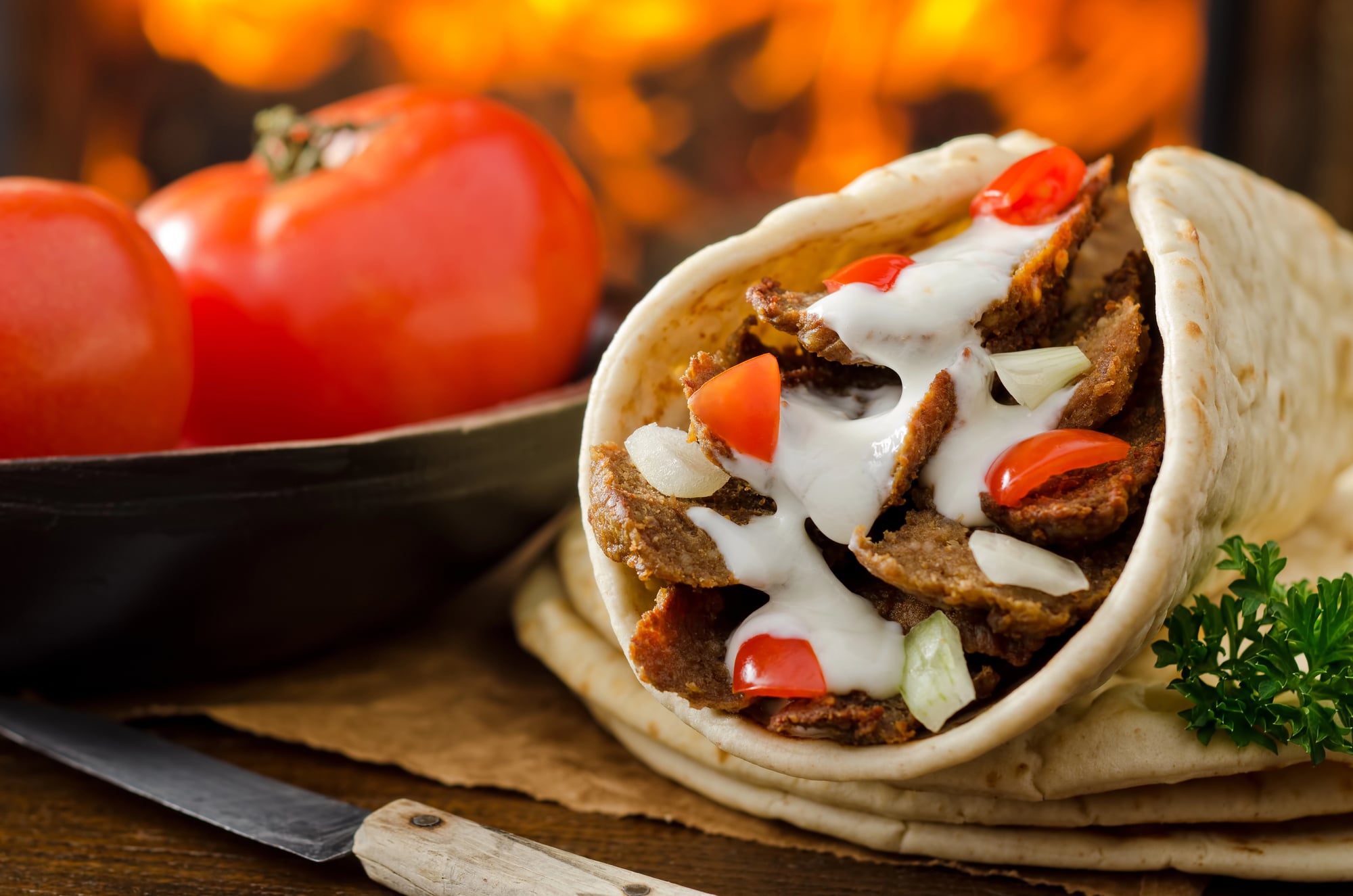
Greece gave the world the gyro, and every late-night decision has been better for it. Lamb and beef cooked on a vertical rotisserie, sliced thin, and served in warm pita with tzatziki, tomatoes, and onions.
It’s simple in concept but complex in execution. The meat develops these crispy edges while staying tender inside, creating textural contrast in every bite.
The tzatziki — cucumber, yogurt, garlic, and herbs — provides cooling relief and tangy complexity that balances the richness of the meat. The pita bread serves as both plate and utensil, somehow managing to contain everything without falling apart.
The best ones come from places where the meat has been turning on that spit for hours, developing layers of flavor and texture that can’t be rushed.
Fish And Chips Sandwich
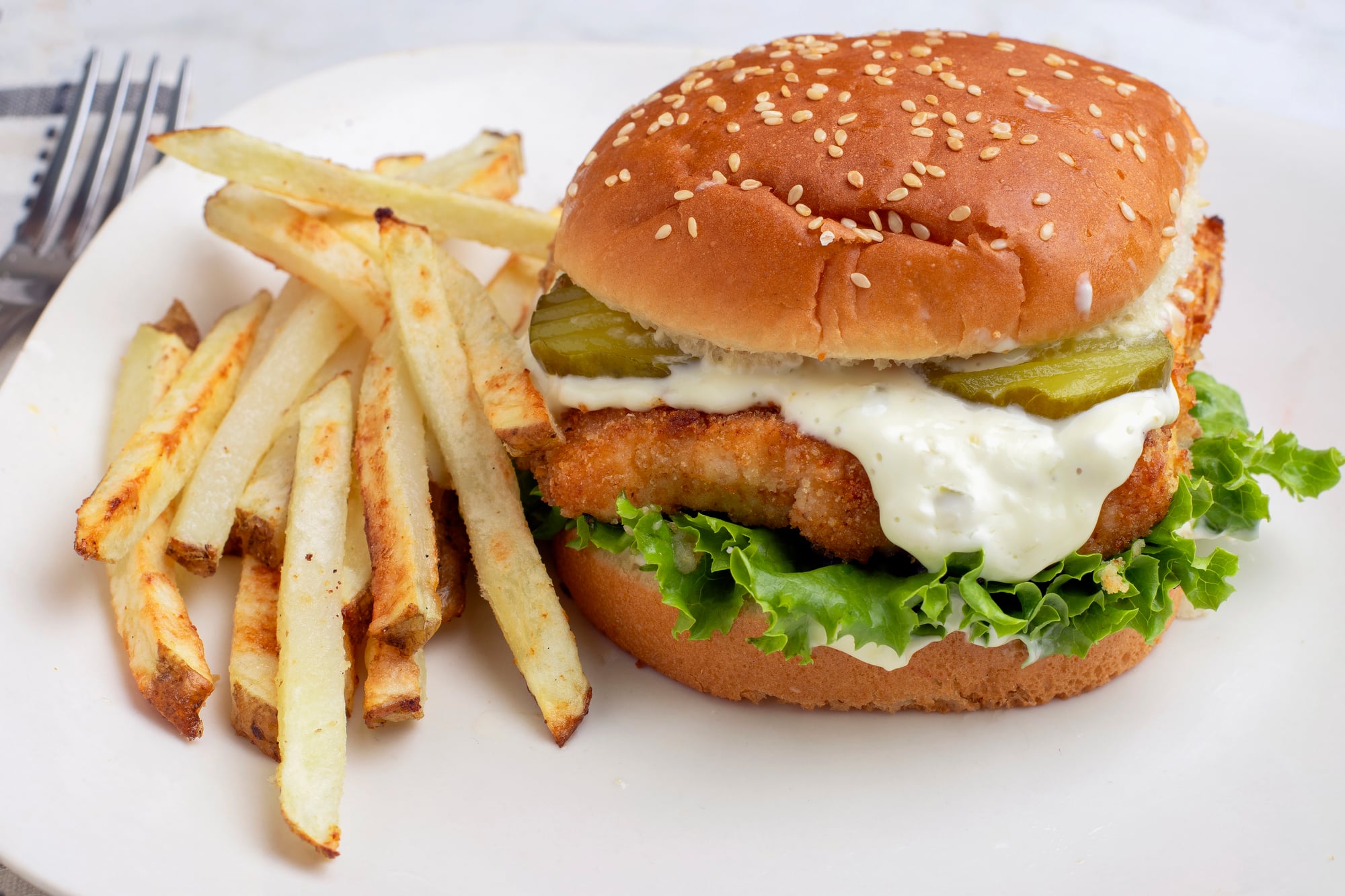
Britain’s contribution to sandwich culture might seem straightforward — battered fish, chips, and mushy peas between two slices of white bread — but it represents something deeper about comfort food and making do with what you have. The combination of crispy batter, flaky fish, and soft bread creates this satisfying contrast of textures that feels both humble and indulgent.
The chips add substance and a different kind of crispiness, while the mushy peas provide color and a slight sweetness that complements the fish. It’s the kind of sandwich that makes perfect sense after a few pints and questionable sense at any other time.
Yet somehow, it works. There’s something deeply satisfying about the combination that transcends its working-class origins.
Pulled Pork
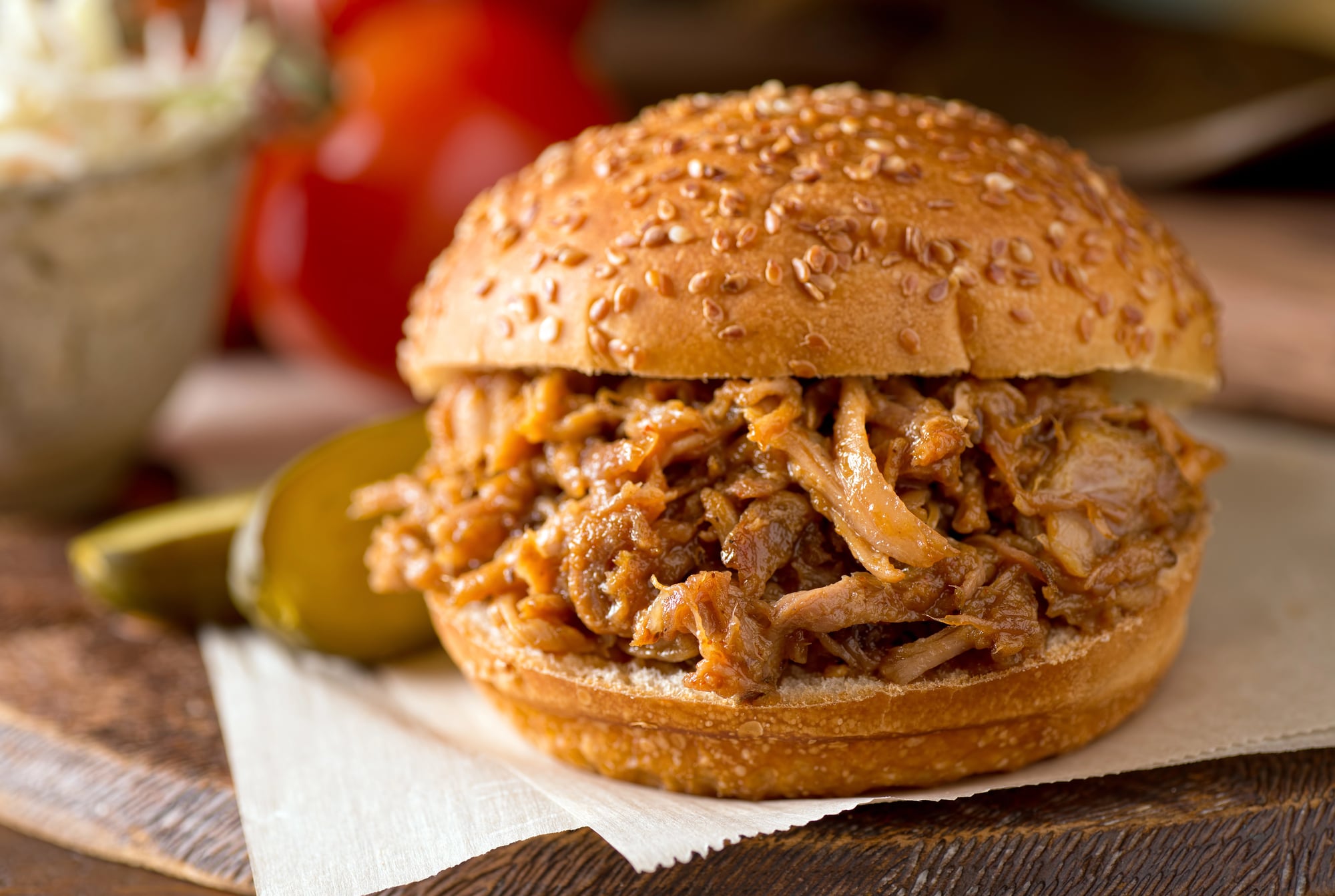
The American South perfected pulled pork through generations of slow cooking and regional sauce variations, creating a sandwich that’s as much about patience as it is about flavor. Pork shoulder cooked low and slow until it falls apart, then piled high on a soft bun with coleslaw and whatever sauce the pitmaster prefers.
The coleslaw isn’t just a garnish; it provides crunch and acidity that cuts through the richness of the pork while adding textural contrast. The sauce — whether it’s vinegar-based from North Carolina, tomato-based from Kansas City, or mustard-based from South Carolina — ties everything together while reflecting regional pride and family traditions.
Each bite delivers smoke, spice, and satisfaction in proportions that seem almost engineered for maximum comfort.
Egg Salad
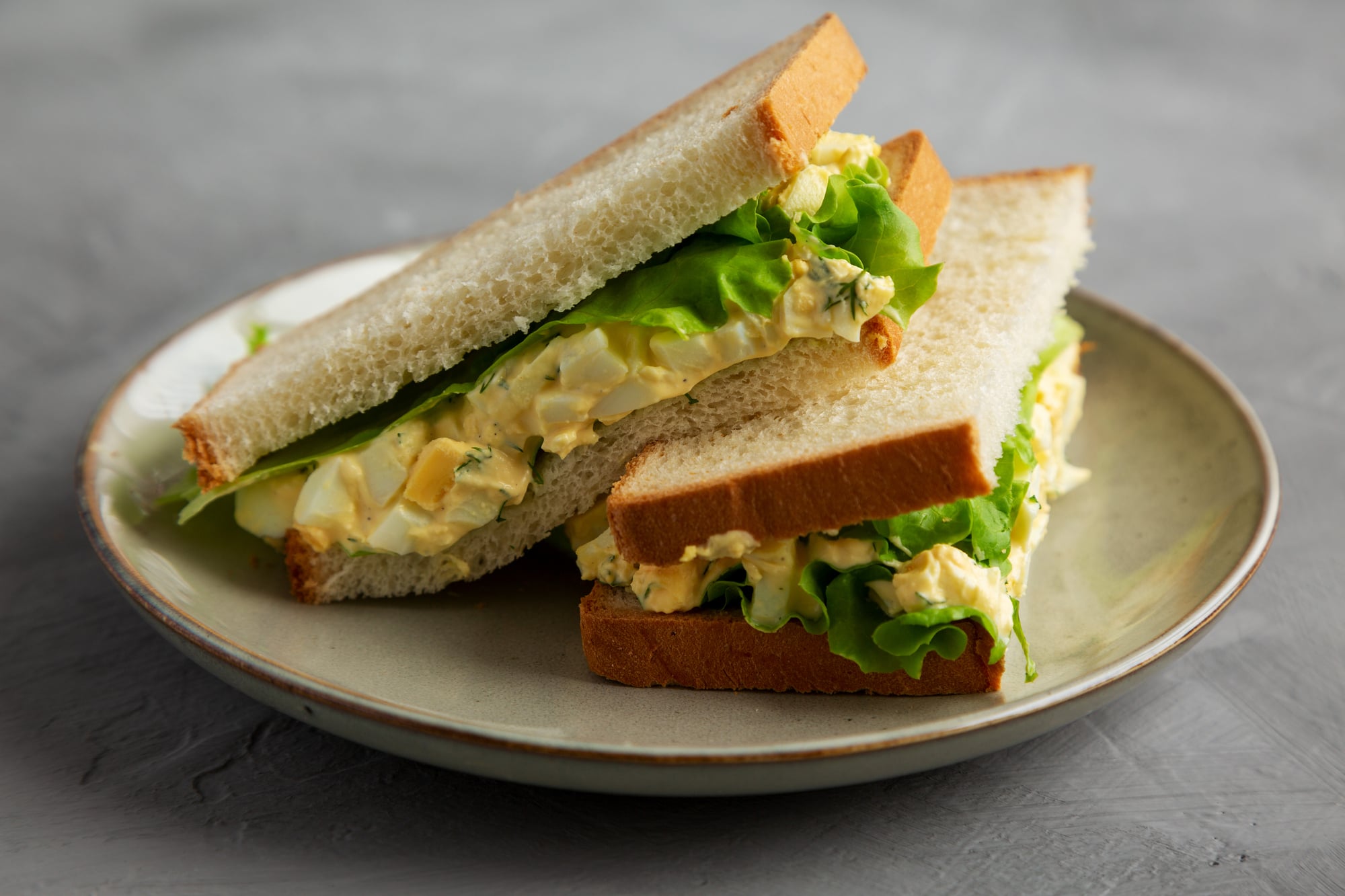
The egg salad sandwich occupies a unique position in the sandwich hierarchy — simultaneously beloved and maligned, often by the same people depending on their mood and the quality of the mayonnaise. When done right (and this requires fresher eggs than most places use, plus the restraint to not over-mix everything into baby food consistency), it delivers this creamy, protein-rich satisfaction that feels both nostalgic and nourishing, like something a grandmother would pack for a picnic in 1962.
But when done wrong — and it’s wrong more often than it should be, usually due to old eggs, too much mayo, or that inexplicable decision some places make to add celery, which turns the whole thing into a textural nightmare — it becomes this sulfurous, mushy disappointment that gives the entire category a bad reputation it doesn’t deserve. And the bread matters more than people realize; it needs to be substantial enough to handle the moisture without dissolving, but not so thick that it overwhelms the delicate egg flavor, which is trickier to achieve than it sounds.
The best ones taste like childhood summers and feel like a hug from someone who actually cares about your lunch. The worst ones explain why some people claim to hate egg salad, though they probably just haven’t had a good one yet.
Grinder
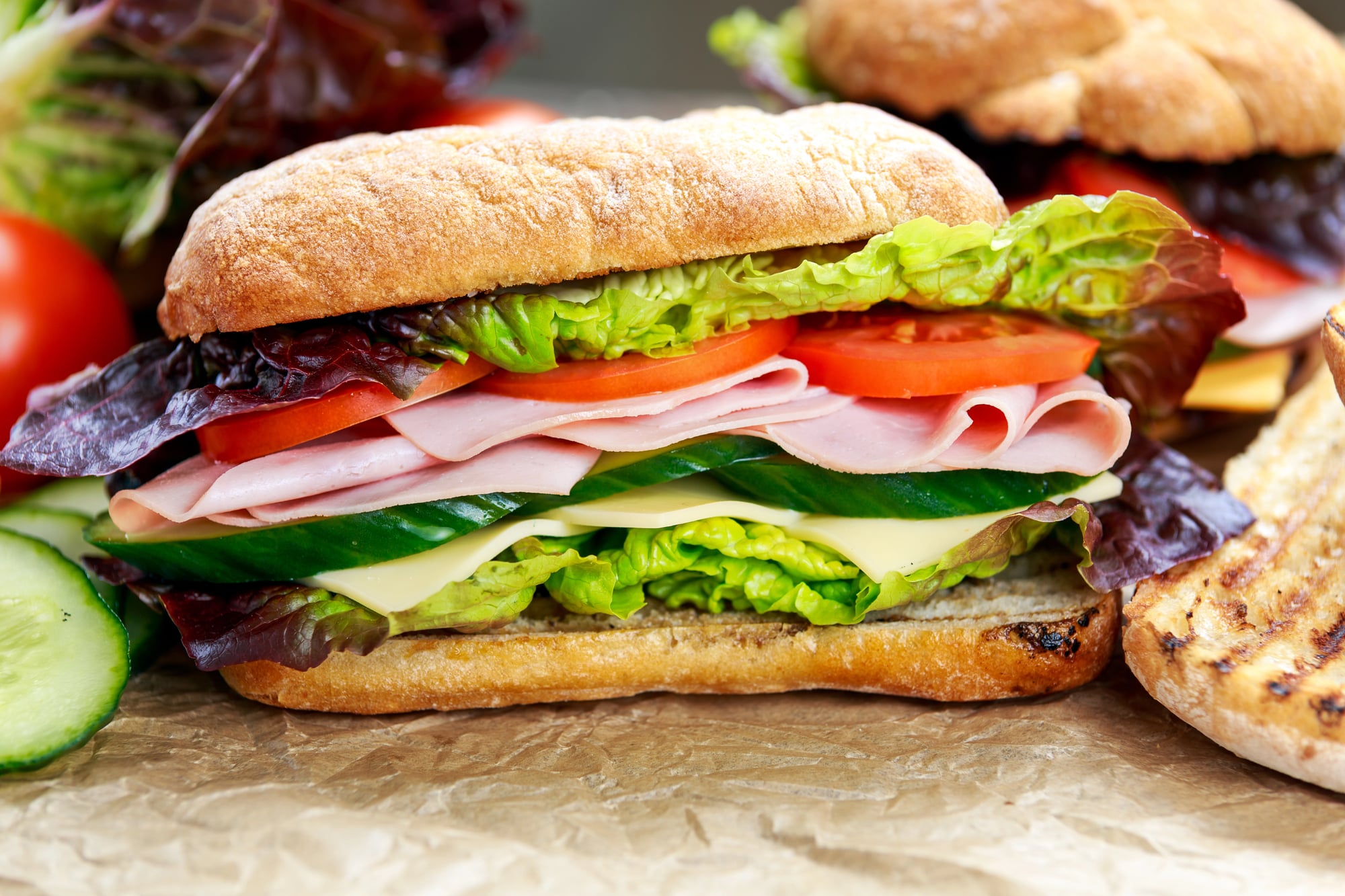
New England’s grinder takes the Italian sub concept and makes it entirely its own through the simple addition of heat and a more generous hand with the oil and vinegar. The same cured meats — salami, pepperoni, capicola — get layered with cheese, lettuce, tomatoes, onions, and hot peppers, but then the whole thing gets toasted until the cheese melts and the bread develops a slight crispiness that changes the entire eating experience.
The heating process transforms the sandwich from a cold assembly of ingredients into something more cohesive, where the flavors meld together and the warm cheese binds everything into a more unified whole. The hot peppers — usually cherry peppers or hot pepper relish — provide a vinegary heat that brightens all the rich, cured meat flavors.
The name supposedly comes from the hard, crusty Italian bread that required real effort to chew — tough as old shoe leather, requiring a good grind of the teeth.
Tuna Melt
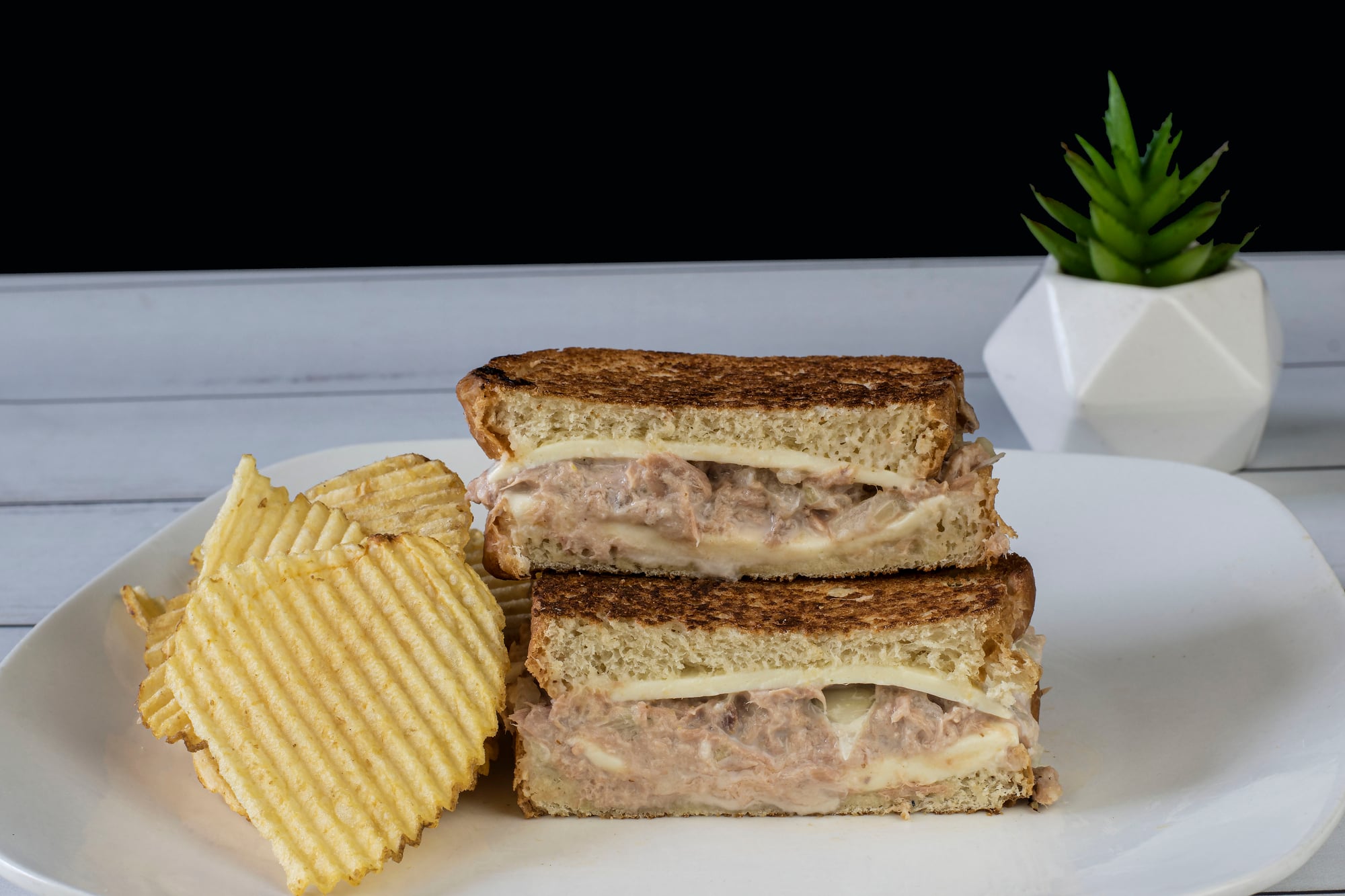
Tuna salad gets the grilled cheese treatment, and the result is something that’s greater than the sum of its parts. The tuna mixture — usually dressed with mayo and maybe some celery or onion — gets topped with cheese and grilled until everything reaches that perfect state of melted, golden satisfaction.
The key is not overthinking the tuna salad. Good canned tuna, enough mayo to bind it without drowning it, and maybe a squeeze of lemon to brighten everything up.
The cheese — usually cheddar or Swiss — adds richness and helps create that satisfying stretch when you pull the sandwich apart. It’s diner food at its finest, the kind of thing that tastes better at 2 AM than it has any right to, served with a side of fries and zero judgment about your life choices.
Muffuletta
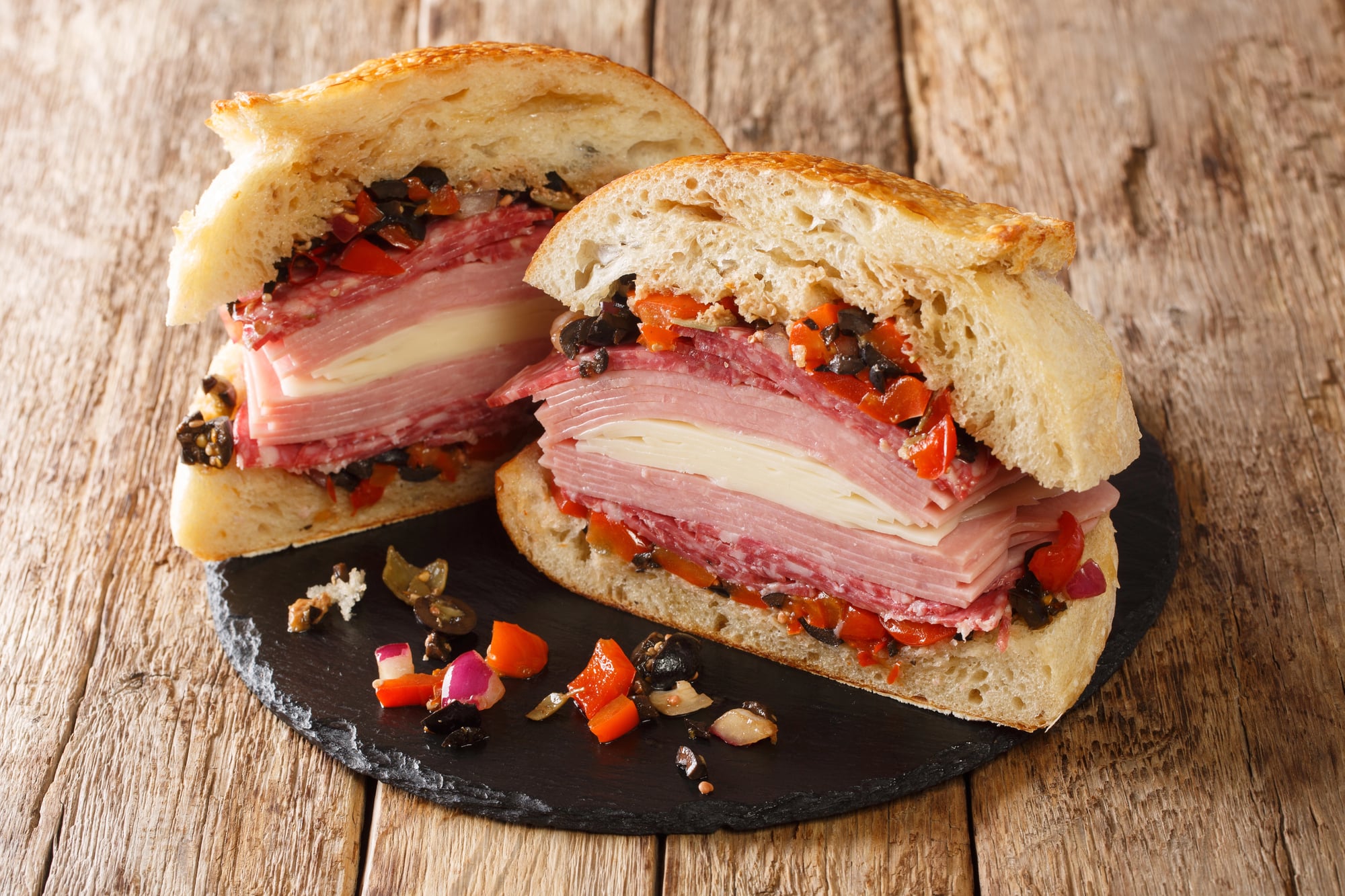
New Orleans created the muffuletta for Sicilian immigrants who needed something substantial to fuel their workdays, and the result is a sandwich
More from Go2Tutors!

- The Romanov Crown Jewels and Their Tragic Fate
- 13 Historical Mysteries That Science Still Can’t Solve
- Famous Hoaxes That Fooled the World for Years
- 15 Child Stars with Tragic Adult Lives
- 16 Famous Jewelry Pieces in History
Like Go2Tutors’s content? Follow us on MSN.