Photos Of Retro Beach Gear Everyone Owned In The 90s
Remember when going to the beach meant packing half your closet into an oversized tote bag? The 90s beach scene was a whole different animal—one where fashion met function in the most wonderfully chaotic ways.
Those summers felt endless, and the gear that got everyone through them became as iconic as the decade itself.
Beach culture in the 90s wasn’t just about looking good by the water. It was about belonging to something bigger, whether that meant sporting the right brand of sunglasses or carrying the coolest inflatable.
Every piece of gear told a story about who someone wanted to be when the school year ended and real life began.
Neon Windbreakers
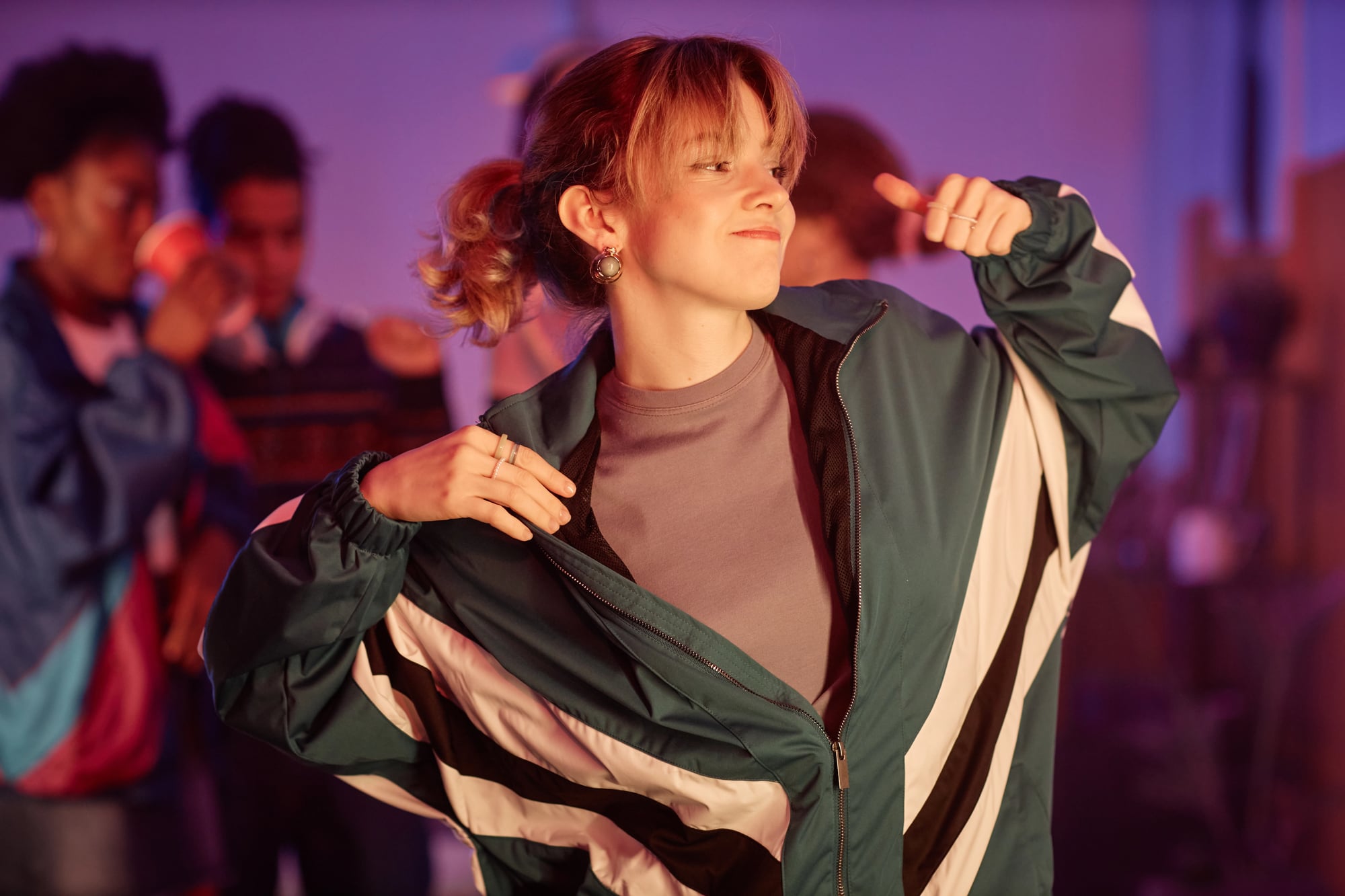
Windbreakers in electric pink, lime green, and sunset orange dominated every beach bag. The louder, the better.
These weren’t meant for actual wind protection—they were portable shade and style statements rolled into one crinkly package.
Oversized Beach Towels With Cartoon Characters
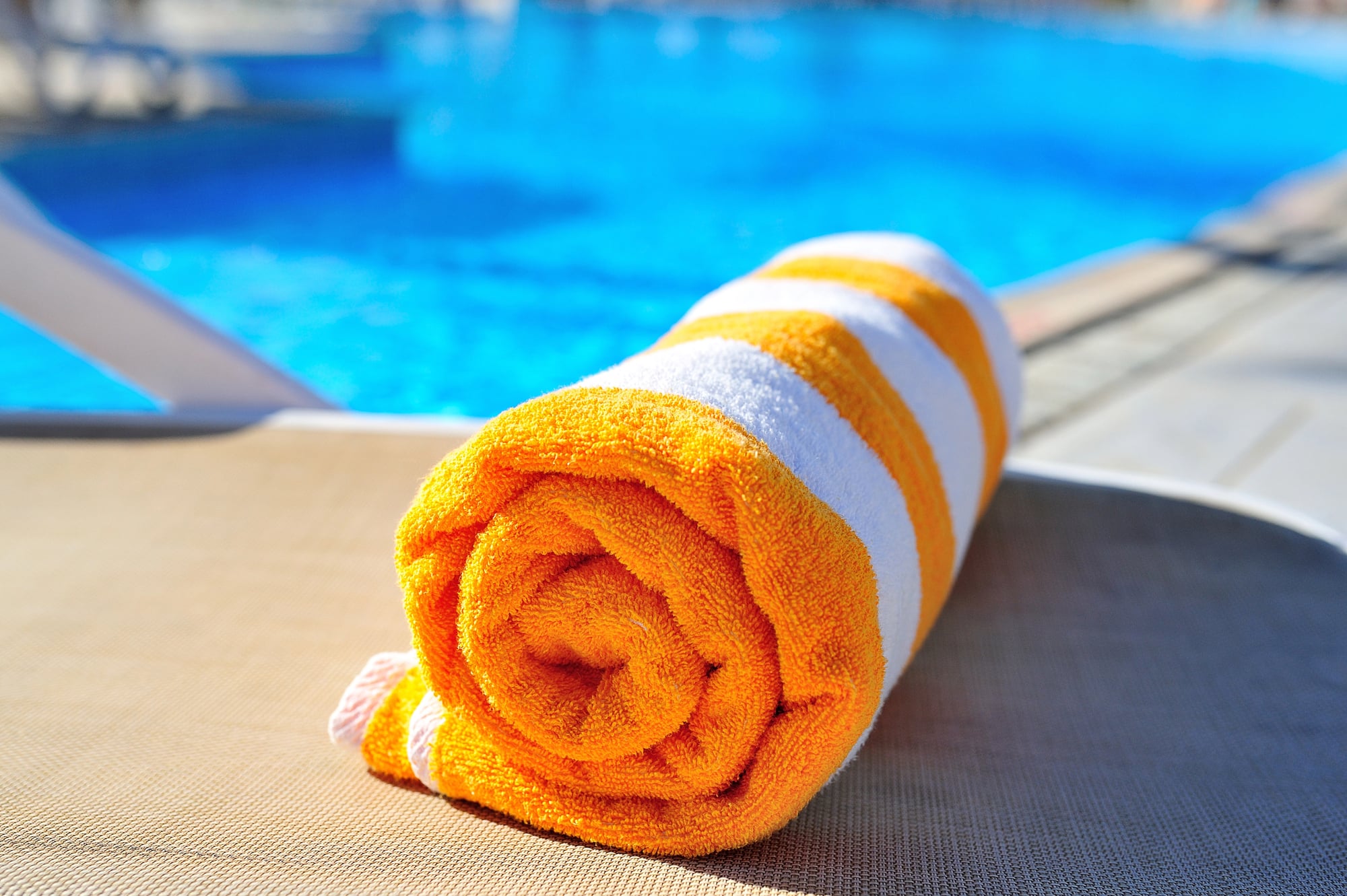
Disney, Looney Tunes, and random cartoon mascots sprawled across towels the size of small blankets. Parents bought them thinking they’d last forever.
Kids claimed them as personal territory markers in the sand. Both were right.
Inflatable Pool Floats Shaped Like Animals

Before Instagram-worthy unicorns and swans, there were basic but beloved dolphins, whales, and the occasional flamingo (which was actually ahead of its time, considering how flamingos would eventually take over everything).
These required serious lung power to inflate, and the person who volunteered to blow them up usually regretted it halfway through.
But once they hit the water, magic happened—suddenly everyone had their own floating kingdom, complete with cup holders that never quite worked the way the package promised.
And yet people kept buying them, kept inflating them, kept pretending this time the cup holder would actually hold a cup without dumping it into the ocean.
The texture of those floats—that slightly sticky, always-warm-from-the-sun plastic—became as familiar as sunscreen.
So did the sound they made when someone inevitably punctured one with their toenails.
Bucket Hats

Bucket hats weren’t a fashion choice back then. They were parental enforcement disguised as headwear.
Every kid owned at least one, usually in a color that matched nothing else in their beach outfit.
The beauty of bucket hats lay in their complete indifference to style trends—they existed purely to keep the sun off small faces, and they did it with the stubborn efficiency of a piece of gear designed by someone who clearly prioritized function over form.
They sat on heads like tiny umbrellas, casting shadows that made every beach photo look like it was taken during a partial eclipse.
Kids wore them grudgingly, parents insisted on them religiously, and somehow they worked their way into the visual DNA of every 90s beach memory.
But there was something quietly endearing about their complete lack of pretension.
While other accessories tried to be cool, bucket hats just tried to do their job.
Jelly Sandals
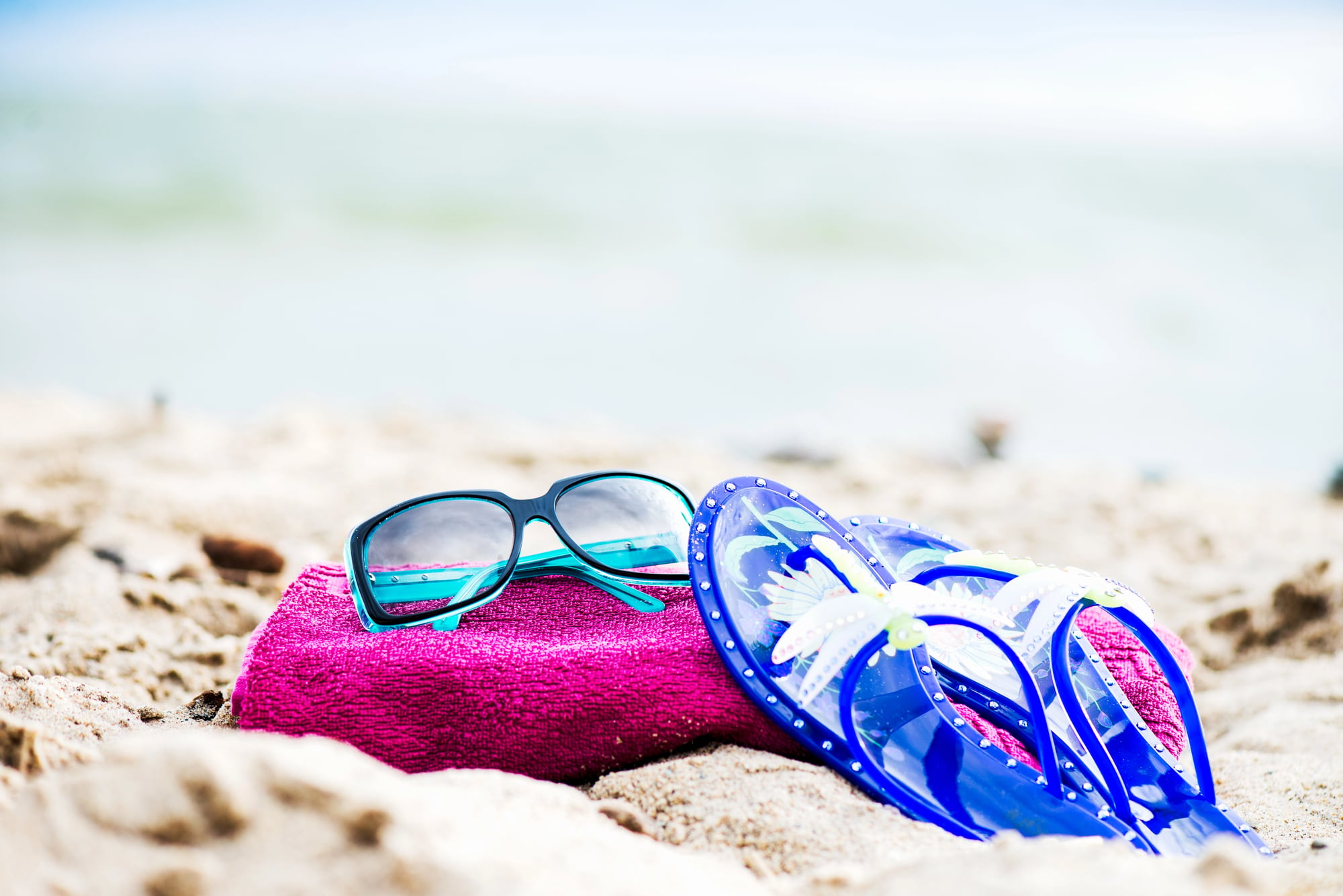
Jelly sandals were the footwear equivalent of a bad decision that somehow worked out. Made from clear or translucent plastic, they looked like something a doll might wear.
They caused blisters. They made feet sweat.
They were impossible to run in without slipping.
Everyone wore them anyway.
The clear ones showed off pedicures—or at least whatever nail polish had survived the week.
The colored versions came in shades that matched nothing in nature but somehow worked with every beach outfit.
Fannypack Coolers
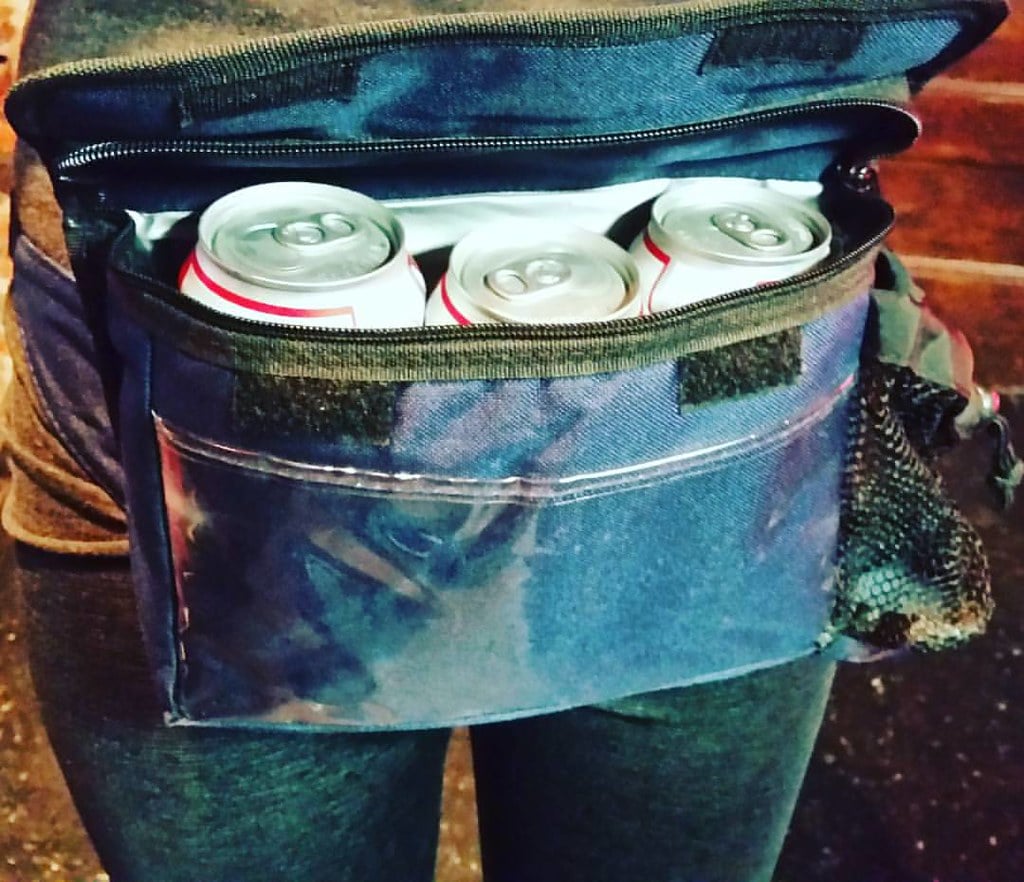
The fanny pack that doubled as a mini cooler was peak 90s innovation. Strap it around the waist, fill it with juice boxes, and suddenly become the most popular person on the beach.
These contraptions looked ridiculous and worked perfectly.
They kept drinks cold for exactly as long as needed and freed up hands for more important activities like building sandcastles or playing volleyball.
Disposable Waterproof Cameras
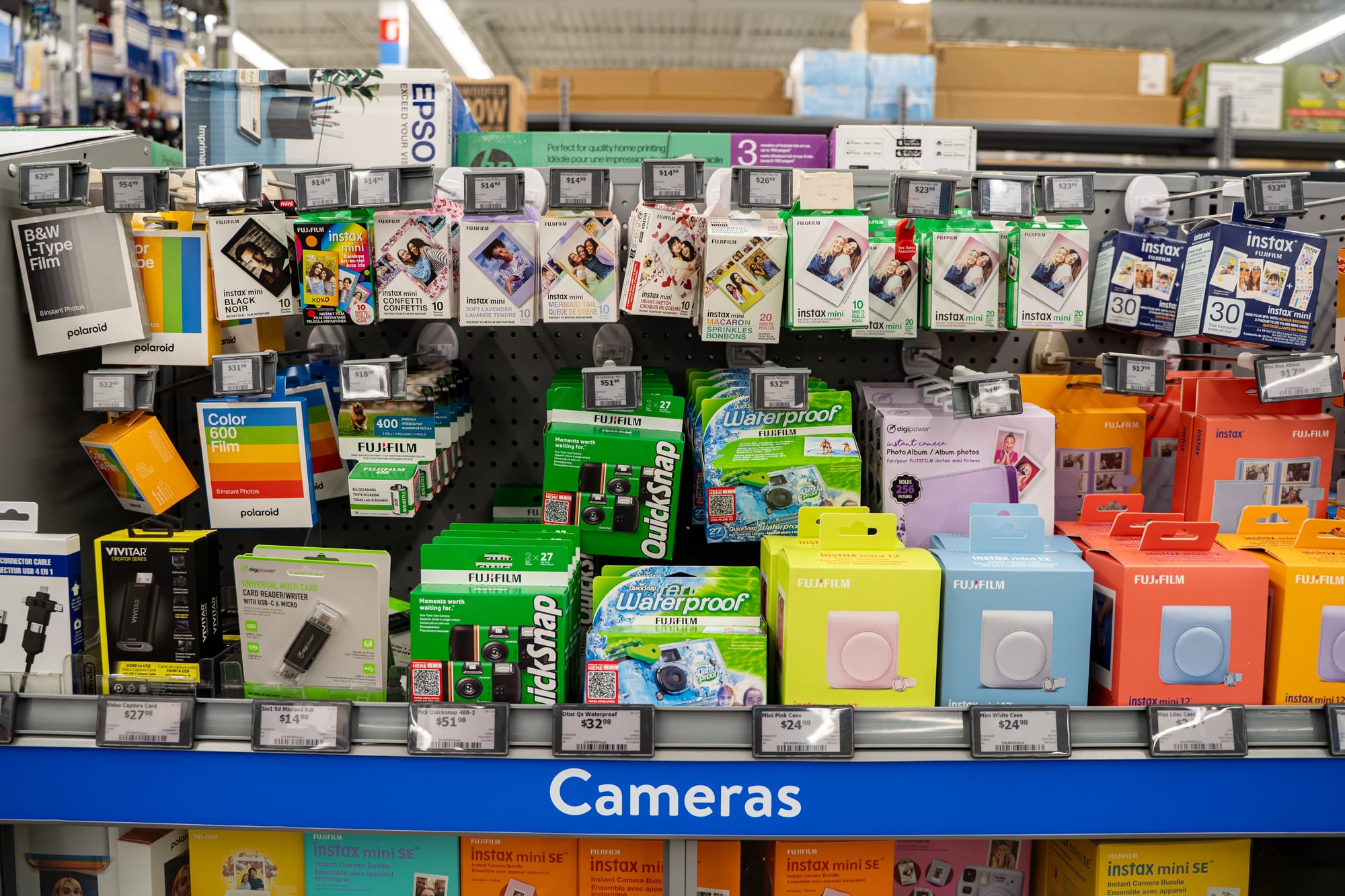
Before smartphones, capturing beach memories meant buying a disposable camera wrapped in plastic and hoping for the best.
The photos always came out slightly blurry, overexposed, or featuring someone’s thumb in the corner—and somehow that made them better, not worse.
There was genuine suspense in dropping off the film and waiting to see which shots actually worked.
Most didn’t, but the ones that did captured something no digital camera ever quite managed to replicate: the feeling that the moment mattered precisely because it was so hard to preserve.
The cameras themselves felt substantial in a way that seemed to contradict their disposable nature.
They had weight, texture, the satisfying click of a manual advance wheel.
Using one required actual thought—you had exactly 27 shots, so each one counted.
No deleting, no do-overs, no endless scrolling through variations of the same sunset.
So people actually looked at what they were photographing before pressing the button.
Tie-Dye Everything
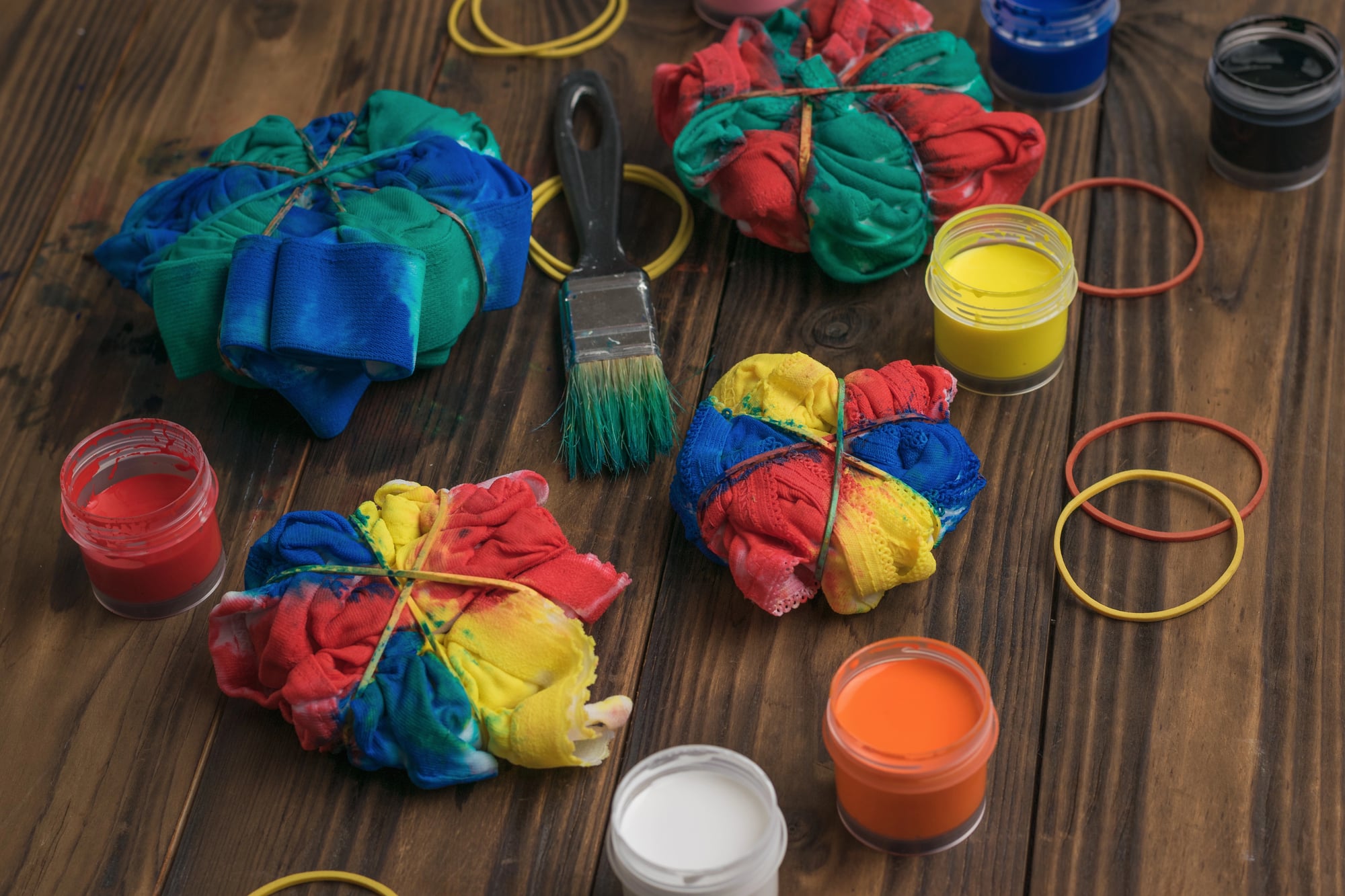
Tie-dye wasn’t just a pattern in the 90s—it was a lifestyle choice. Beach coverups, bandanas, even some swimsuits featured the swirled rainbow aesthetic that screamed summer freedom.
The appeal was obvious.
Tie-dye represented everything the beach was supposed to be: relaxed, colorful, and completely unconcerned with matching anything else.
It was hippie culture filtered through mall fashion, which sounds like it should have been terrible but somehow worked perfectly.
Slap Bracelets
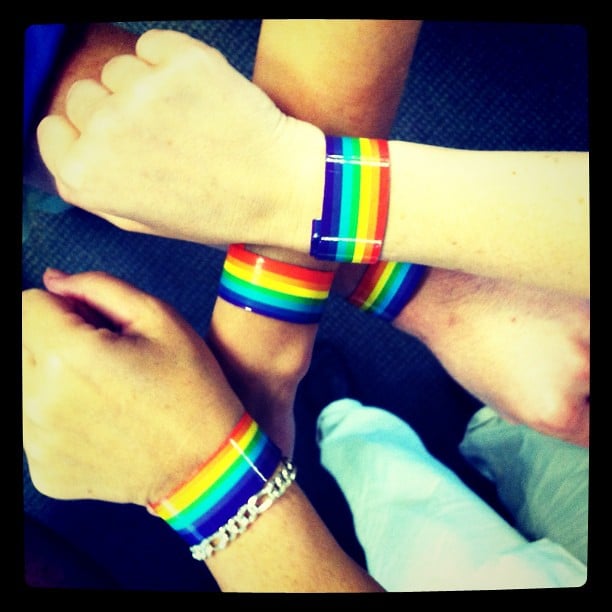
Slap bracelets served no practical beach purpose, but they showed up anyway. Kids wore multiple ones up each arm, creating a rainbow of metallic strips that caught the sun and made satisfying slapping sounds.
They were fidget toys before fidget toys existed.
Perfectly designed for nervous energy and showing off.
The fact that they occasionally broke and revealed sharp metal edges just added to their rebellious appeal.
Boom Boxes
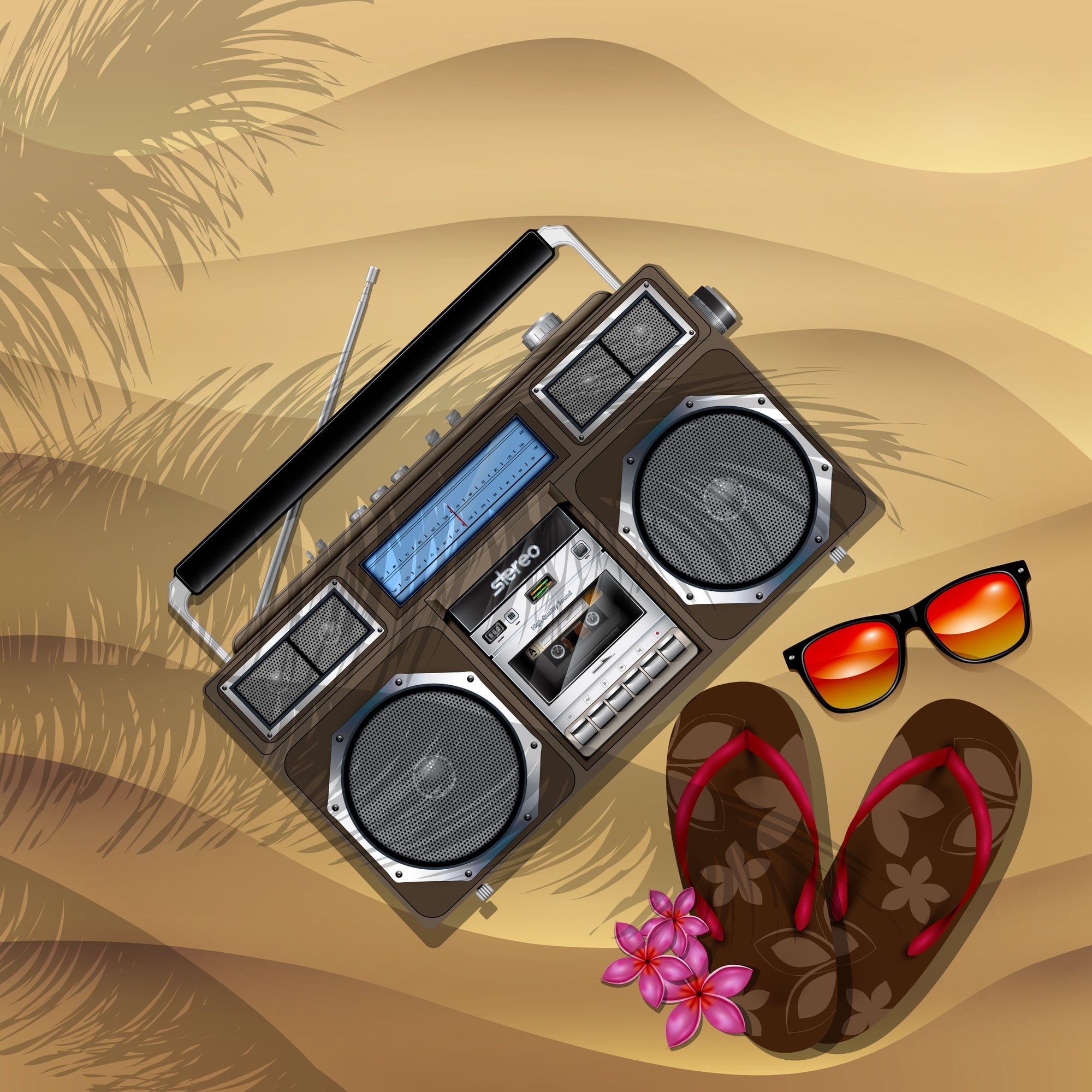
Every beach group had someone who lugged a boom box through the sand. These things weighed as much as a small appliance and ate batteries like a starving animal, but they were the only way to bring music to the party.
The boom box carrier automatically became the DJ, which came with both power and responsibility.
Choose the wrong station, and the whole group suffered.
Forget to bring backup batteries, and become a social pariah.
Get it right, though, and become the hero of the entire beach day.
Neon Zinc Sunscreen
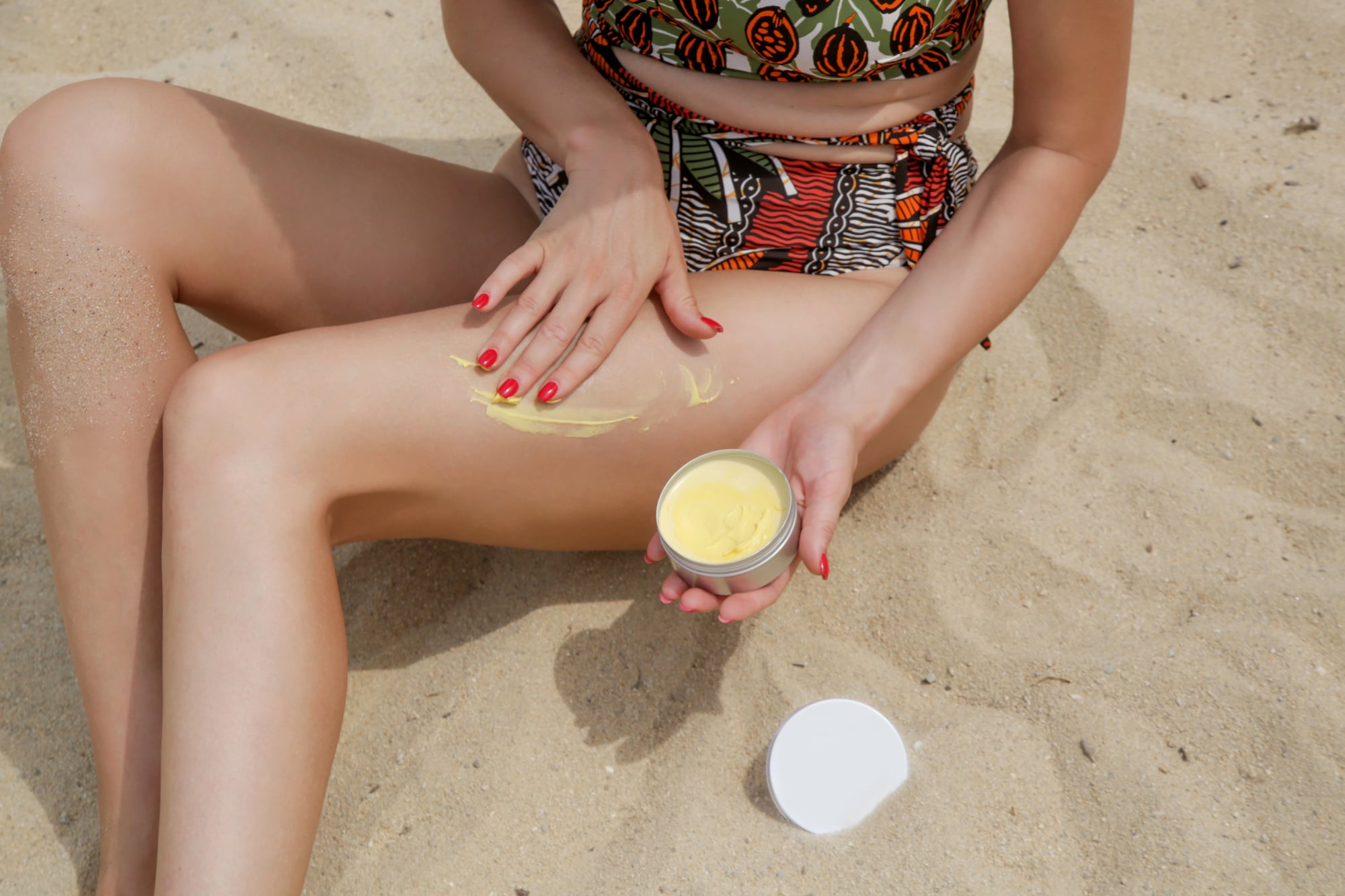
Zinc oxide in electric colors turned sun protection into war paint. Neon pink noses, bright green cheeks, and rainbow stripes across foreheads became the uniform of serious beach athletes and anyone who wanted to look like one.
The thick, chalky texture felt like applying cake frosting to the face, but it worked better than anything else available.
Plus, it doubled as a way to identify your crew from a distance—just look for the group of kids who looked like they’d been tagged by a highlighter.
Snap-On Sunglasses Attachments

For people who already wore glasses, snap-on sunglasses were the only option that didn’t involve buying prescription sunglasses or squinting through an entire beach day.
They attached to regular frames with tiny clips and flipped up when shade wasn’t needed.
They looked exactly like what they were—a practical solution to a specific problem—but they worked.
Function over form became the theme, and somehow that made them endearing rather than embarrassing.
Clear Beach Totes

Transparent beach bags weren’t a security requirement back then—they were a style choice. Everything inside became part of the aesthetic: colorful towels, matching water bottles, coordinated accessories arranged just so.
These bags turned packing into performance art.
Every item had to look good enough to be on display, because it literally was.
The result was beach bags that looked like carefully curated gift baskets, even when they were stuffed with sandy flip-flops and half-empty snack containers.
Water Guns Shaped Like Sea Creatures

Super Soakers dominated the serious water warfare market, but novelty water guns shaped like dolphins, sharks, and seahorses ruled the casual splash scene.
They held less water and shot with less pressure, but they looked infinitely more charming while doing it.
These creatures turned every beach into a battlefield where the weapons were almost too cute to use effectively.
Almost.
Once the water fights started, cuteness took a back seat to soaking the competition.
Mesh Beach Bags

Mesh bags solved the eternal problem of sand-covered everything. Toys, shells, and wet gear could dry while still contained, and a quick shake emptied out most of the accumulated beach debris.
The downside was that everything inside was visible to everyone nearby, which meant no hiding the good snacks or pretending you hadn’t brought enough water toys to share.
But the convenience outweighed the loss of privacy.
Velcro Catch Sets
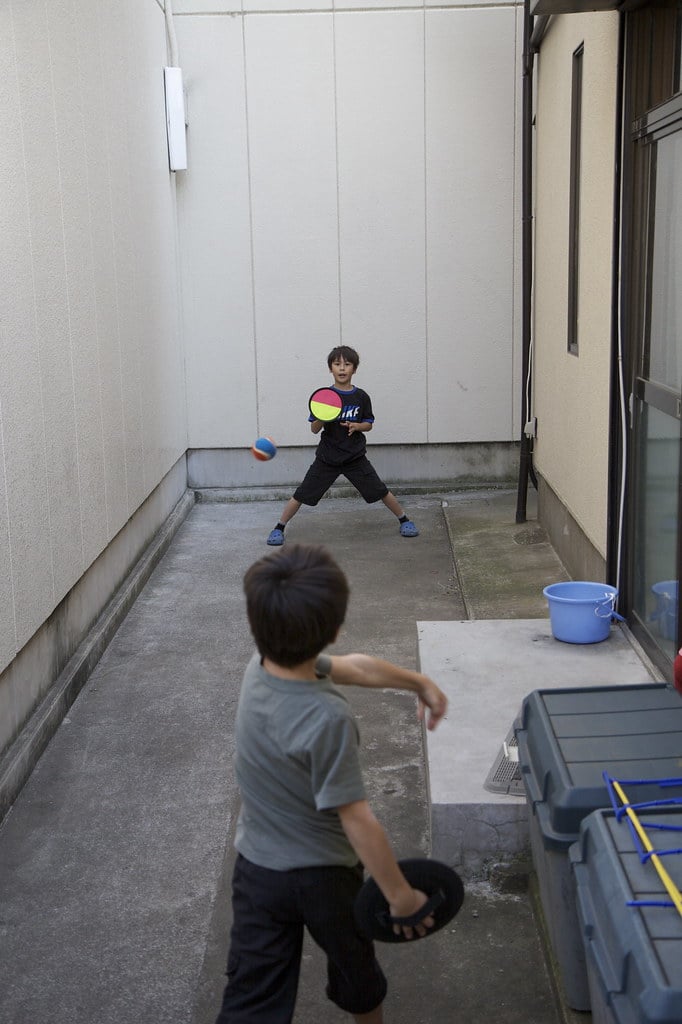
Before cornhole and spikeball, Velcro catch was the beach game of choice. Two paddle-shaped mitts covered in fuzzy Velcro paired with a tennis orb that stuck on contact.
Simple, portable, and surprisingly addictive.
The satisfaction of a perfect catch—that soft thunk of orb meeting Velcro—never got old.
Neither did the frustration of an orb that bounced off instead of sticking, which happened more often than anyone wanted to admit.
Seashell Collection Containers

Every 90s beach kid collected shells, and every collection needed its own special container.
Plastic buckets with tight-fitting lids, small mesh bags, or repurposed food containers all served the same purpose: bringing the beach home.
The shells rarely looked as magical once they dried out and lost their ocean shine, but that didn’t stop anyone from carefully curating their finds and planning elaborate displays that never quite materialized.
Beach Umbrellas With Built-In Sand Anchors

The beach umbrella that actually stayed put was the holy grail of seaside equipment.
Models with screw-in bases or weighted anchors promised to end the eternal chase scene of runaway umbrellas tumbling down the beach.
When they worked, they were game-changers.
When they didn’t, they became expensive projectiles that required constant vigilance and frequent repositioning.
But the dream of effortless shade kept people buying them anyway.
Reflecting The Endless Summer
Looking back at these photos, what strikes the hardest isn’t the gear itself—it’s the certainty radiating from every sun-faded image.
The absolute confidence that summer would last forever, that this particular combination of plastic accessories and neon colors represented the pinnacle of beach sophistication.
Everyone looks so sure of themselves, so committed to their choices, so beautifully unaware that they’re participating in a moment that will become someone else’s nostalgia.
More from Go2Tutors!

- The Romanov Crown Jewels and Their Tragic Fate
- 13 Historical Mysteries That Science Still Can’t Solve
- Famous Hoaxes That Fooled the World for Years
- 15 Child Stars with Tragic Adult Lives
- 16 Famous Jewelry Pieces in History
Like Go2Tutors’s content? Follow us on MSN.



