14 Misconceptions Most People Believe Because “Everyone Says So”
Everybody has heard those “facts” that are circulated at dinner parties, posted on social media, and repeated so frequently that they are taken for granted. Because they seem believable and have been repeated so often that most people never examine them, these widely held misunderstandings proliferate.
The following is a list of 14 persistent beliefs that are still widely held even though they are clearly untrue. You may be shocked to learn how many of these you have taken for granted!
The Great Wall of China Is Visible from Space

This architectural marvel spans thousands of miles, but contrary to popular belief, it isn’t visible to the naked eye from space. Astronauts have confirmed that the Great Wall blends into the surrounding landscape without magnification when viewed from orbit.
Roads, cities, and even large ships on the ocean are often more visible than this ancient structure.
We Only Use 10% of Our Brains
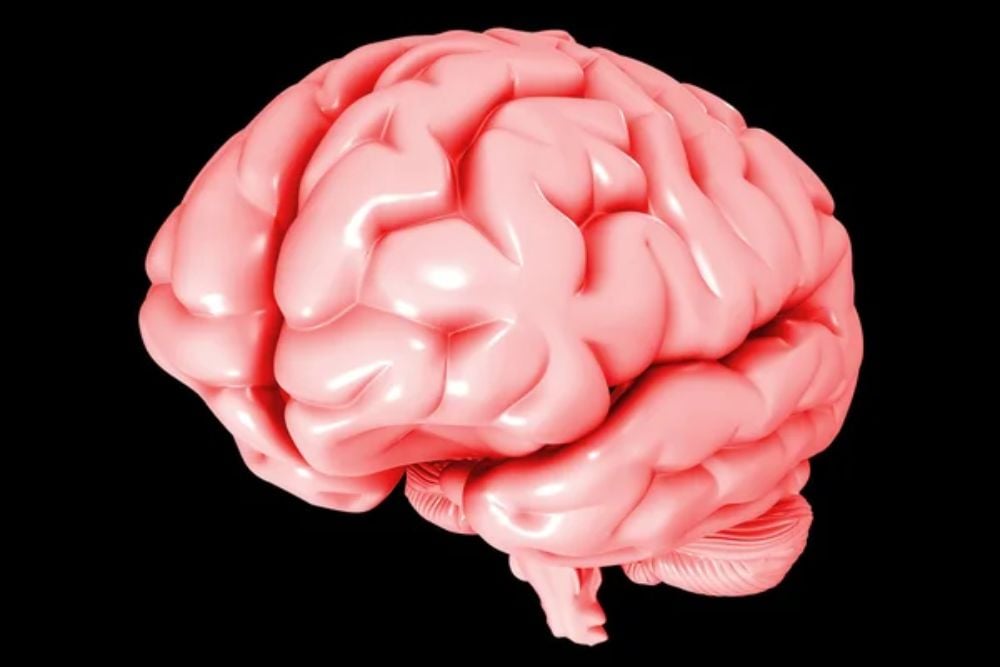
This persistent myth suggests we have vast untapped mental potential just waiting to be accessed. Neuroscience has thoroughly debunked this claim, showing that virtually all parts of the brain are active during normal daily activities.
Different tasks activate different regions, but no healthy part of the brain sits completely idle or unused.
Bats Are Blind
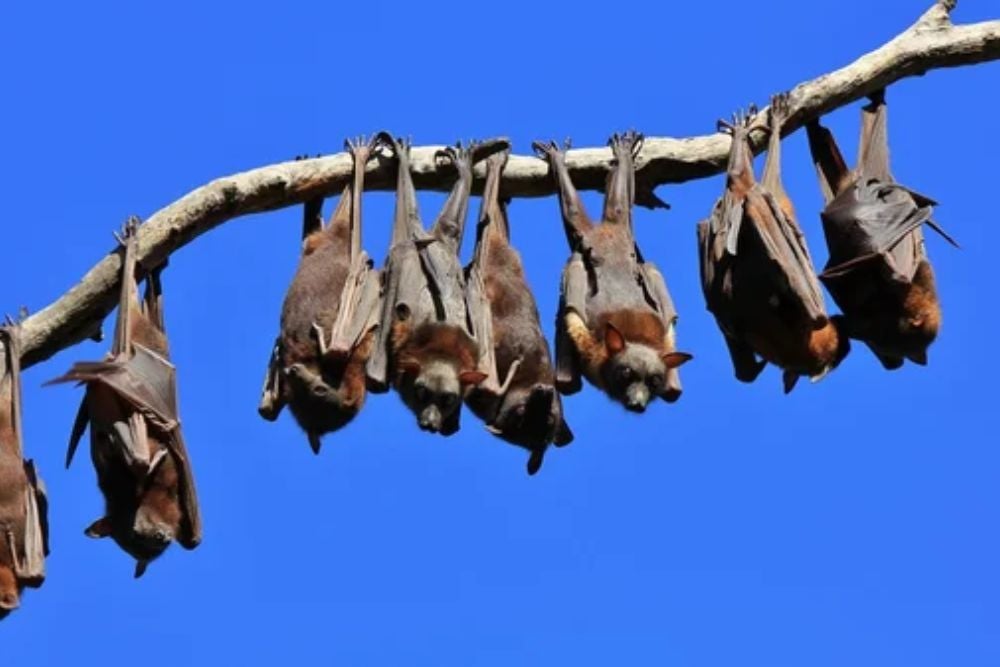
‘Blind as a bat’ has caused generations to believe that these flying mammals are blind. In actuality, every species of bat has eyes that work and can see fairly well, especially in low light.
For hunting and navigation, many bats rely mostly on echolocation, but their vision enhances rather than replaces this skill.
Bulls Are Angered by the Color Red

Bullfighters traditionally use red capes, leading to the widespread belief that bulls charge because they’re enraged by this color. The truth is that bulls are color-blind to red and green; they react to the movement of the cape, not its color.
Matadors could use blue, green, or purple capes and get the same aggressive response.
Napoleon Bonaparte Was Very Short

Famously, the French monarch is depicted as a short man who needs to conquer in order to make up for his lack of height. According to historical accounts, Napoleon was approximately 5’7″ (170 cm), which was marginally taller than the typical man of his time.
This misunderstanding is partially caused by British propaganda that attempted to devalue his status both literally and figuratively, as well as confusion between French and English inches.
Goldfish Have Three-Second Memories

It is utterly untrue to say that goldfish forget everything after swimming around their dish once. Goldfish may be trained to react to specific noises or visual cues for feeding time, and studies have shown that they can retain information for months.
This misperception belies their significantly more amazing cognitive ability.
Lightning Never Strikes the Same Place Twice

This dangerous misconception could lead people to false assumptions about safety. Tall structures like the Empire State Building are struck by lightning dozens of times each year.
Lightning follows the path of least resistance to the ground, so prominent objects or locations that provided that path once will likely do so again during future storms.
Your Tongue Has Specific Taste Zones

Many of us learned in school that the tongue has distinct regions for tasting sweet, sour, salty, and bitter flavors. Modern research has shown this mapped division is incorrect.
Taste receptors for all flavors are distributed throughout the tongue, though with slight variations in sensitivity across its surface.
Humans Evolved From Monkeys
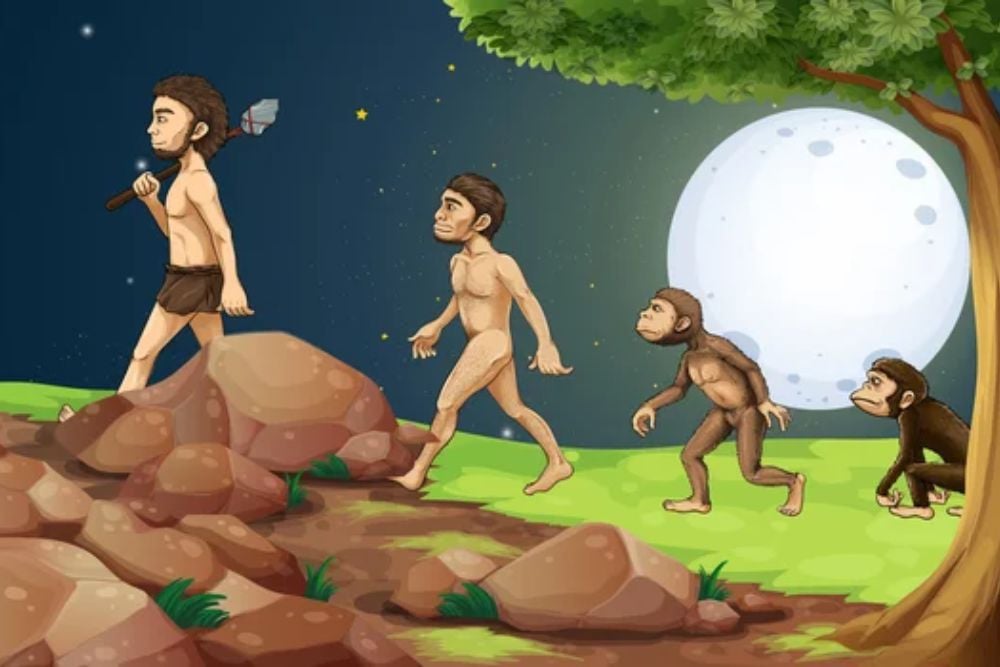
This common misunderstanding of evolution suggests a direct lineage from modern monkeys to humans. What’s actually true is that humans and modern primates share common ancestors, we’re more like evolutionary cousins than descendants.
The human lineage branched off from other primates millions of years ago, with both groups continuing to evolve separately.
Chameleons Change Color to Match Their Surroundings
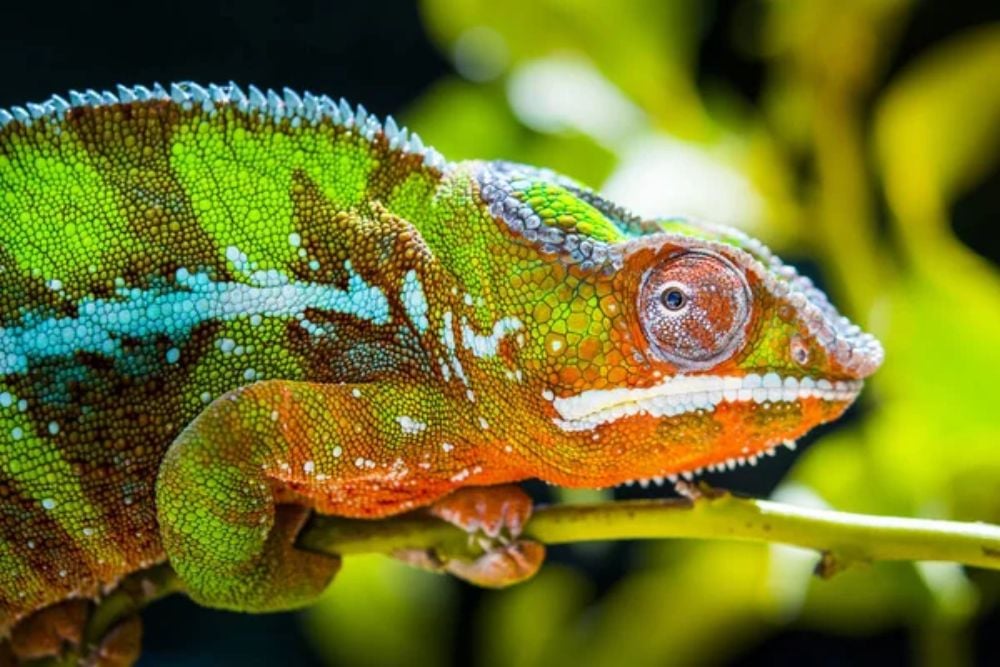
Contrary to popular belief, chameleons do not typically change color for camouflage. Their emotional condition, ability to regulate their body temperature, and interactions with other chameleons all have a significant impact on their color shifts.
Regardless of its surroundings, a chameleon under stress may darken, yet one attempting to attract a partner may exhibit vivid colors.
Sugar Makes Children Hyperactive

Many parents swear that sugar sends their kids into overdrive, but multiple scientific studies have failed to find a connection between sugar consumption and hyperactive behavior in children. The perception likely comes from the contexts where kids often consume sugar, such as parties and celebrations, where excitement is high regardless of what they eat or drink.
You Need to Drink Eight Glasses of Water Daily

The 8×8 rule (eight 8-ounce glasses daily) has been repeated so often that it’s taken as a health gospel. However, hydration needs vary widely based on activity level, climate, and individual physiology.
Many foods contain substantial water, and your body signals thirst when you need to drink. For most people, drinking when thirsty provides adequate hydration.
Hair and Fingernails Continue Growing After Death

This particularly persistent misconception appears in literature, films, and casual conversation. In reality, hair and nails don’t grow posthumously.
What happens is that the skin retracts as it dehydrates, creating the illusion of growth. The visible parts of hair and nails simply appear longer as the skin pulls back.
The Seasons Are Caused by Earth’s Distance from the Sun

Many people believe summer occurs when the Earth is closest to the sun. The actual cause of seasons is Earth’s axial tilt relative to its orbital plane. When the Northern Hemisphere tilts toward the sun, it experiences summer (and the Southern Hemisphere experiences winter), regardless of the planet’s distance from the sun.
In fact, Earth is actually farthest from the sun during the Northern Hemisphere summer.
Shifting Perspectives

These misconceptions demonstrate how easily misinformation can become accepted as fact through repetition and casual sharing. In our information-rich world, approaching widely repeated “facts” with healthy skepticism and a willingness to verify before believing is more important than ever.
The next time someone confidently states something “everyone knows,” it might be worth a quick fact-check; you might just find yourself correcting a misconception that’s been circulating in conversations for generations.
More from Go2Tutors!

- The Romanov Crown Jewels and Their Tragic Fate
- 13 Historical Mysteries That Science Still Can’t Solve
- Famous Hoaxes That Fooled the World for Years
- 15 Child Stars with Tragic Adult Lives
- 16 Famous Jewelry Pieces in History
Like Go2Tutors’s content? Follow us on