20 Over-Engineered Projects That Failed for That Reason
When brilliant minds get carried away with innovation, the results can be spectacular failures. Engineering marvels often fall victim to their own complexity, becoming too sophisticated for practical use or financial sustainability.
These ambitious projects demonstrate how sometimes the simplest solution is the most effective. The world has seen countless examples of projects where designers and engineers kept adding features and complexity until the original purpose was buried under layers of unnecessary sophistication.
Here is a list of 20 over-engineered projects that collapsed under their own weight.
The Concorde
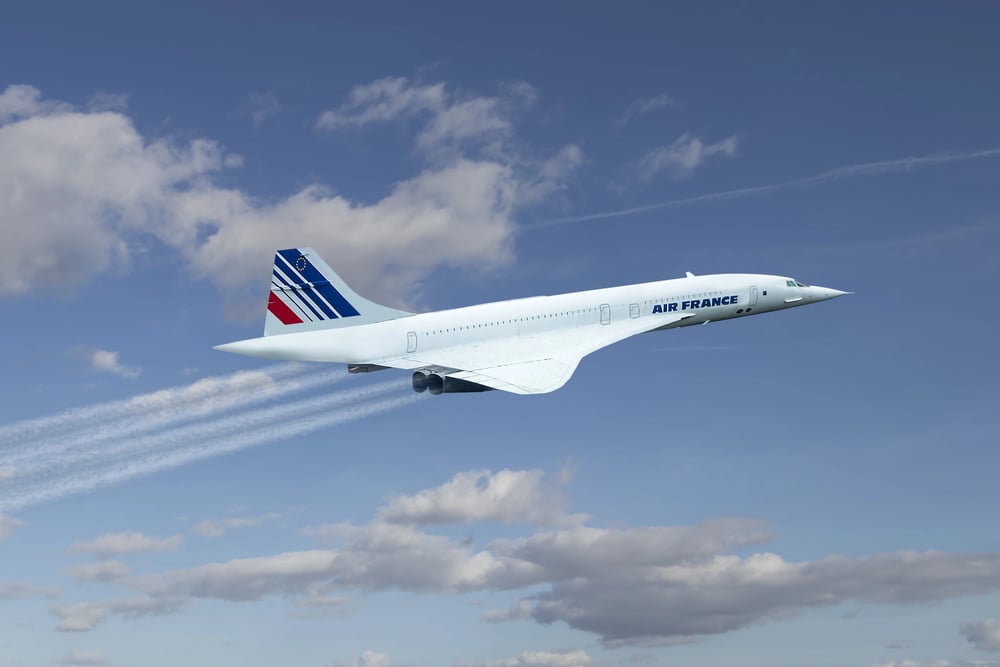
The supersonic passenger jet represented the pinnacle of aviation technology in its era. It could cross the Atlantic in just three hours but consumed enormous amounts of fuel and created sonic booms that limited its flight paths.
Maintenance costs grew astronomically while ticket prices soared beyond what most travelers could afford. The Concorde’s technological sophistication ultimately made it economically unsustainable.
Google Glass
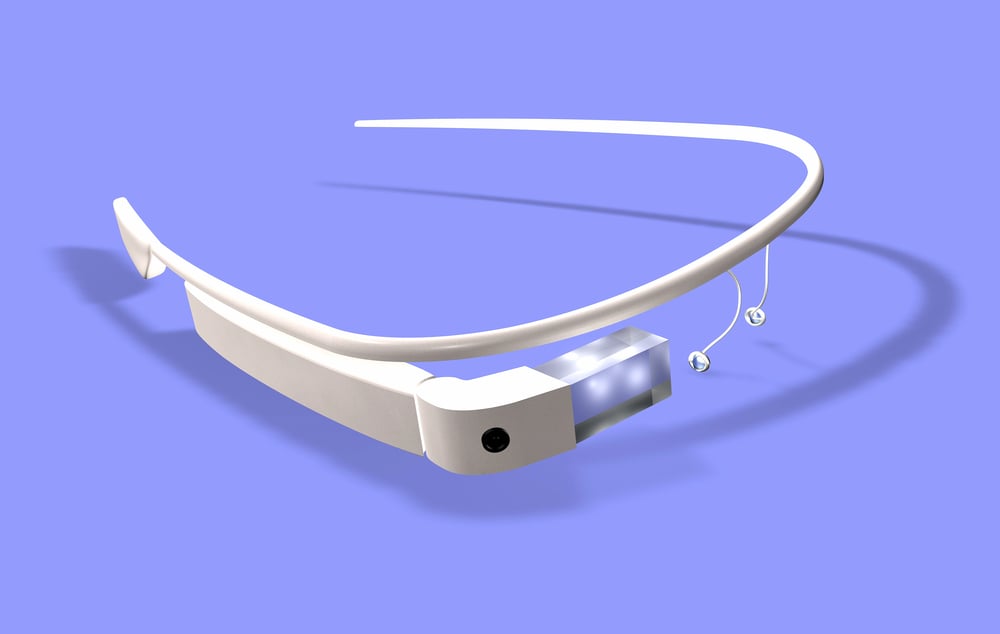
This wearable computer promised to revolutionize how we interact with information by projecting data directly into the user’s field of vision. The glasses packed complex computing systems, cameras, and display technology into a small frame.
Users found the interface confusing, battery life disappointing, and the public raised serious privacy concerns about its recording capabilities. Google eventually pulled the product after realizing it had created a solution looking for a problem.
Juicero

The $400 juice machine became a symbol of Silicon Valley excess. This WiFi-connected juicer applied four tons of force to squeeze proprietary juice packets that consumers had to purchase by subscription.
Investors poured in $120 million before journalists discovered the packets could be squeezed by hand just as effectively. The company folded when consumers rejected its needlessly complex approach to making juice.
The Segway

Hyped as a transportation revolution that would change city planning forever, the Segway was an engineering marvel with sophisticated gyroscopic sensors and intuitive controls. Despite its technical brilliance, the two-wheeled personal transporter proved too expensive, too heavy, and solved a problem most people didn’t have.
Cities didn’t redesign themselves around it, and the Segway became little more than a tourist attraction.
Robertson Ventilator

During the polio epidemic of the 1950s, John Haven Robertson designed an iron lung alternative with 37 controls, multiple backup systems, and a complex interface requiring specialized training. Medical staff found it nearly impossible to operate in emergency situations.
Meanwhile, the simpler E-Both ventilator, with just a few controls, became the standard because healthcare workers could use it immediately without extensive training.
Ford Edsel

Ford spent unprecedented amounts on market research and engineering for this luxury car launched in 1957. The vehicle included numerous innovative features like push-button transmission controls in the steering wheel hub and electronic controls when mechanical systems were still standard.
Production complications, reliability issues, and a confusing array of options doomed the over-designed vehicle, making it one of the most expensive failures in automotive history.
Iridium Satellite Phone System

Motorola launched 66 satellites to create a worldwide communication network in the 1990s. The phones required line-of-sight to the sky, making them useless indoors or in urban areas with tall buildings.
The handsets were bulky, expensive, and offered features most users didn’t need. The $5 billion system filed for bankruptcy just nine months after launch as cellular networks expanded faster and more affordably.
Nintendo Virtual Boy

This early attempt at virtual reality gaming in 1995 featured a complex display system using oscillating mirrors and LED technology to create a 3D effect. The cumbersome headset caused neck strain and headaches, while the monochromatic red display limited game design.
Nintendo discontinued the platform within a year as consumers rejected its uncomfortable over-engineering in favor of simpler gaming experiences.
Theranos Blood Testing System

Elizabeth Holmes claimed her miniaturized blood testing equipment could run hundreds of tests from a single drop of blood. The company reached a $9 billion valuation before investigators discovered the technology didn’t work as advertised.
Engineers had created an impossibly complex system trying to miniaturize laboratory processes that fundamentally required more blood and space to function accurately.
The Dvorak Keyboard

This alternative keyboard layout promised faster typing by placing the most commonly used letters on the home row. Studies showed modest speed improvements after users invested significant time relearning how to type.
The additional engineering benefits couldn’t overcome the massive installed base of QWERTY keyboards and the social cost of retraining millions of typists, making it a technically superior solution that failed in practical application.
Zune

Microsoft’s answer to the iPod packed in numerous features like WiFi sharing, a radio tuner, and a larger screen. These additions made the device more complex without addressing what consumers really wanted – simplicity and a robust music ecosystem.
Microsoft engineers focused on technical specifications rather than user experience, creating a product that couldn’t compete with Apple’s more streamlined approach.
Olestra

This fat substitute required complex molecular engineering to create a compound that provided the taste and texture of fat while passing through the digestive system unabsorbed. Procter & Gamble spent 25 years and hundreds of millions developing the additive, only to find consumers rejected it due to unpleasant digestive side effects that the company euphemistically labeled “may cause abdominal cramping and loose stools.”
Amazon Fire Phone

Amazon loaded its smartphone with multiple front-facing cameras to create a “Dynamic Perspective” 3D effect that tracked the user’s face. The phone also included a feature called Firefly that could identify products for immediate purchase.
These complex systems drained battery life and raised costs while failing to address basic smartphone needs. Amazon took a $170 million writedown after the over-engineered device flopped spectacularly.
HD DVD

Toshiba developed this high-definition disc format with sophisticated copy protection and interactive features. The engineering was impressive, but the format war with Blu-ray confused consumers who delayed purchasing either system.
The complexity and cost of supporting dual formats led movie studios to eventually back a single standard, leaving HD DVD as a technically accomplished but commercially unviable product.
Boston’s Big Dig
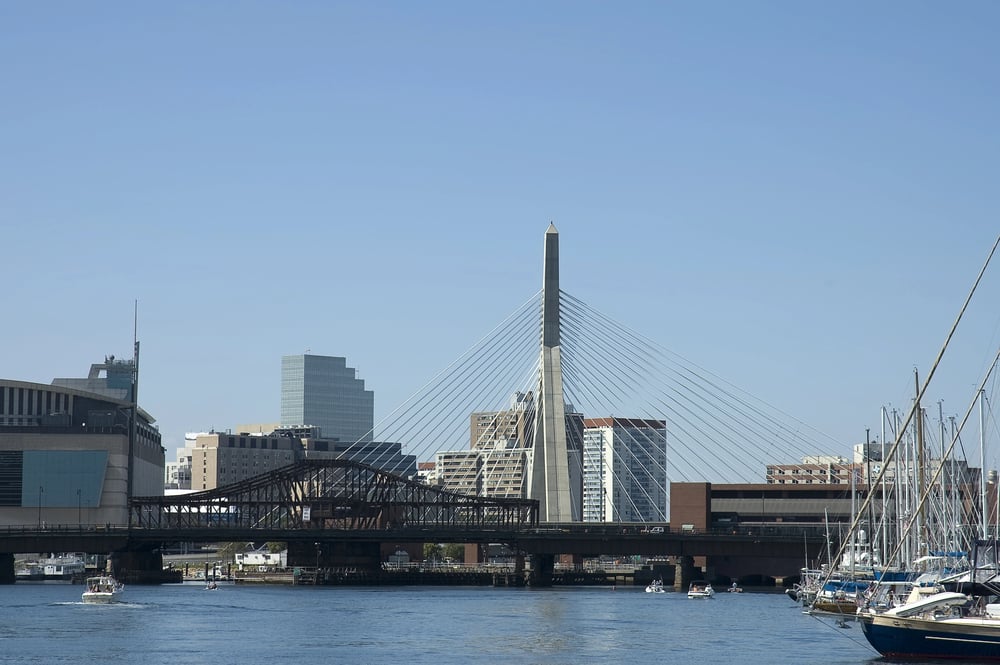
This massive infrastructure project replaced an elevated highway with underground tunnels through downtown Boston. Engineers created floating highways, underwater connections, and innovative ventilation systems. The project’s complexity led to a cascade of problems including leaks, ceiling collapses, and extraordinary cost overruns. The final price tag reached $24 billion, making it the most expensive highway project in US history.
WebTV

This 1990s device attempted to bring internet access to television sets before broadband was widely available. The system required complex translation of web content to display properly on standard definition TVs.
Engineers created sophisticated workarounds for keyboard input and navigation that proved frustrating for users. The technology was ahead of its time but too complicated for mainstream adoption, eventually being absorbed by Microsoft and fading into obscurity.
Babbage’s Analytical Engine
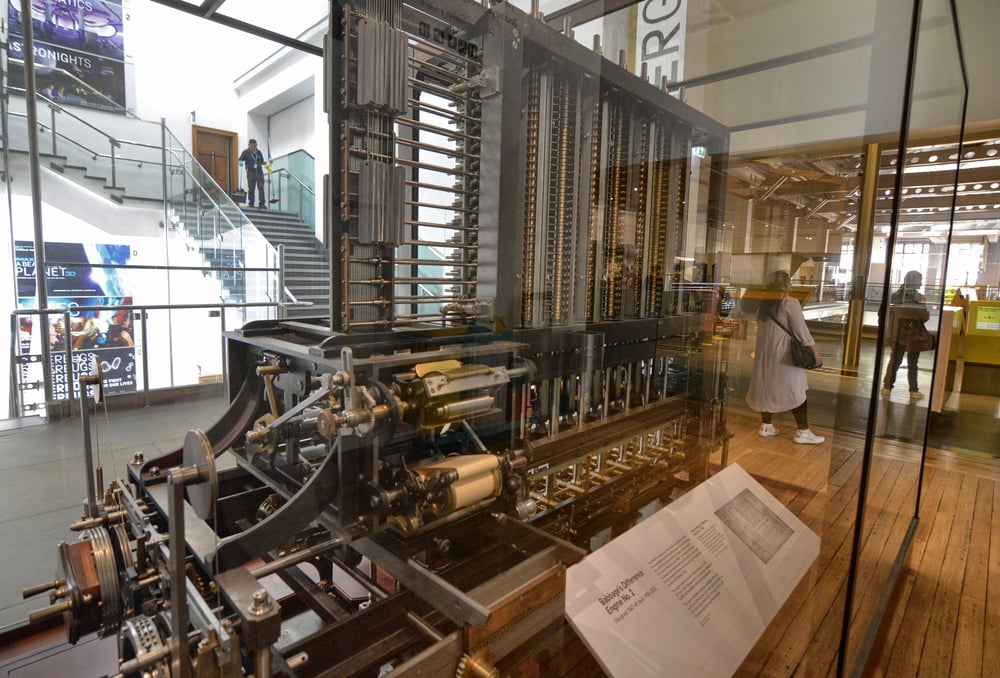
In the 1830s, Charles Babbage designed a mechanical computer with thousands of precision gears and components. His plans called for a steam-powered calculating machine with memory, programmable input, and printed output.
The Victorian-era manufacturing capabilities couldn’t produce the precisely engineered parts required, and funding dried up as the project grew increasingly complex. Babbage’s brilliant design wouldn’t be proven workable until modern engineers built functioning models nearly 200 years later.
LaserDisc
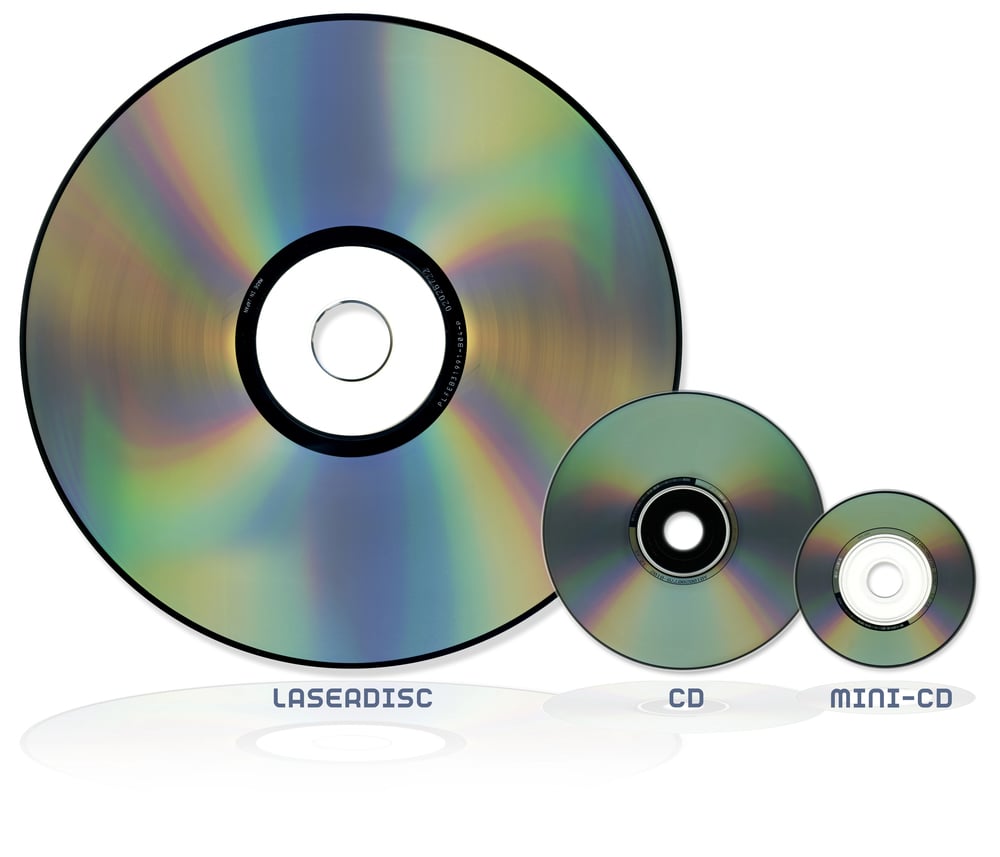
This video format offered superior picture quality through a complex system of analog video encoded on reflective discs read by lasers. The 12-inch discs required precise manufacturing and couldn’t be recorded on by consumers.
The players featured sophisticated optical systems that increased costs and repair frequency. Despite technical superiority over VHS tapes, the format’s complexity and expense limited its appeal to videophiles and educational institutions.
Freedomship
Proposed as a floating city for 50,000 residents, this massive vessel design included airports, schools, hospitals, and businesses within a mile-long hull. Engineers created plans for waste treatment, power generation, and food production systems to make the ship self-sufficient.
The engineering challenges proved insurmountable, with stability concerns, maintenance requirements, and construction costs eventually sinking the project before construction could begin.
The Spruce Goose

Howard Hughes’ massive wooden aircraft featured eight engines and the largest wingspan of any aircraft ever flown. The engineering required to make a wooden structure of this size airworthy was unprecedented.
Despite millions in development costs and innovative solutions to structural problems, the aircraft flew only once for less than a minute. The project demonstrated how over-engineering could create impressive technical achievements that fail to serve practical purposes.
When Complexity Becomes Failure

These cautionary tales remind us that innovation requires balance between sophistication and simplicity. The most successful technologies often hide their complexity beneath intuitive interfaces and reliable performance.
When engineers focus too much on what could be built rather than what should be built, the results frequently become expensive museum pieces rather than world-changing products.
More from Go2Tutors!

- The Romanov Crown Jewels and Their Tragic Fate
- 13 Historical Mysteries That Science Still Can’t Solve
- Famous Hoaxes That Fooled the World for Years
- 15 Child Stars with Tragic Adult Lives
- 16 Famous Jewelry Pieces in History
Like Go2Tutors’s content? Follow us on MSN.