Commonly Mispronounced Food Names
Walking into a fancy restaurant or cooking a new recipe at home can be exciting.
It can also turn awkward fast when you’re not sure how to say the name of what you’re ordering or making.
Food names from around the world often trip people up.
Even the most confident eaters find themselves stumbling over certain words.
Getting these pronunciations wrong won’t ruin your meal.
Knowing the right way to say them can save you from a few raised eyebrows or confused looks from waiters and dinner guests.
Let’s dig into some of the most commonly butchered food names and figure out how to say them properly.
Bruschetta
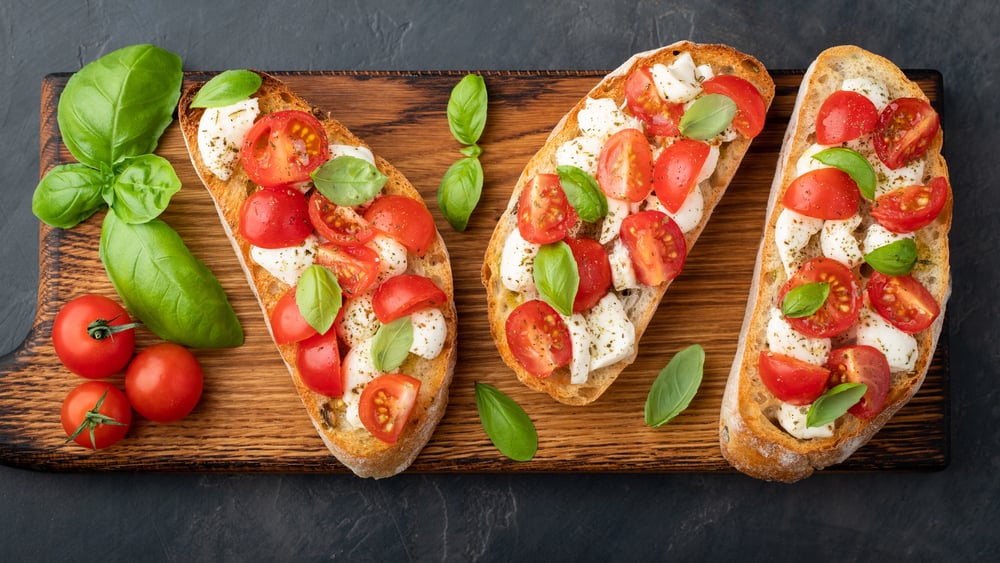
Most people say “broo-SHET-uh.”
That hard “sh” sound is completely wrong.
The correct Italian pronunciation is “broo-SKET-uh” with a hard “k” sound instead.
This appetizer of grilled bread rubbed with garlic and topped with tomatoes deserves to be pronounced with respect.
The mistake happens because English speakers see “sch” and automatically think it should sound like “sh.”
Italian pronunciation rules work differently.
Gyro
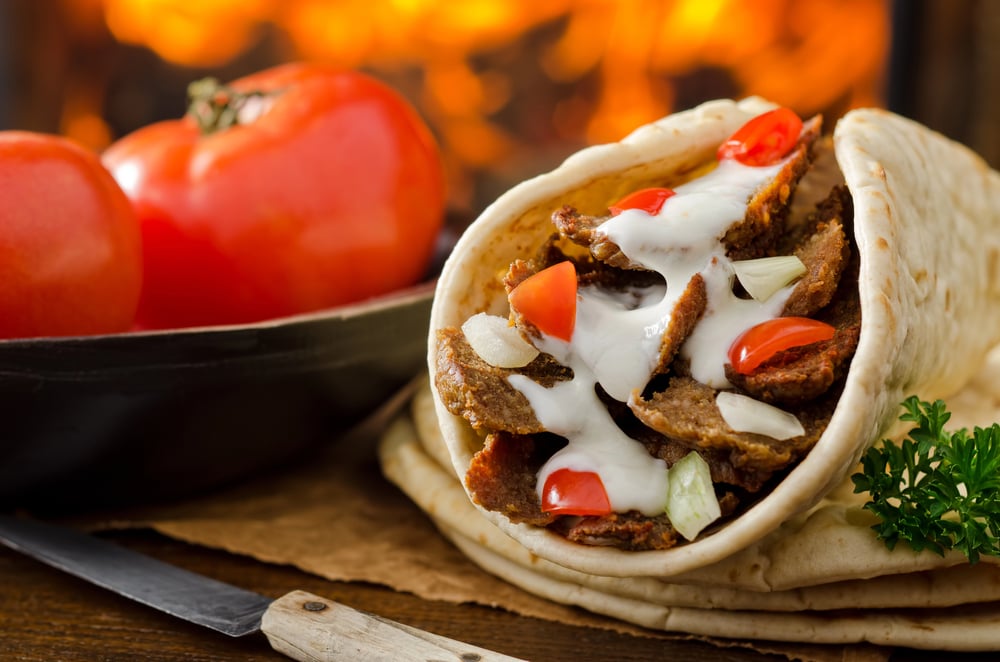
The Greek sandwich gets massacred regularly.
People call it “JY-roh” like they’re talking about a spinning top.
The authentic pronunciation is “YEE-roh.”
“ZHEER-oh” is also acceptable and closer to how Greeks say it.
This pita-wrapped meat dish has become a street food favorite across America.
The name still confuses most people who haven’t heard a Greek person order one.
The meat itself is usually lamb, beef, or chicken cooked on a vertical rotisserie.
Quinoa
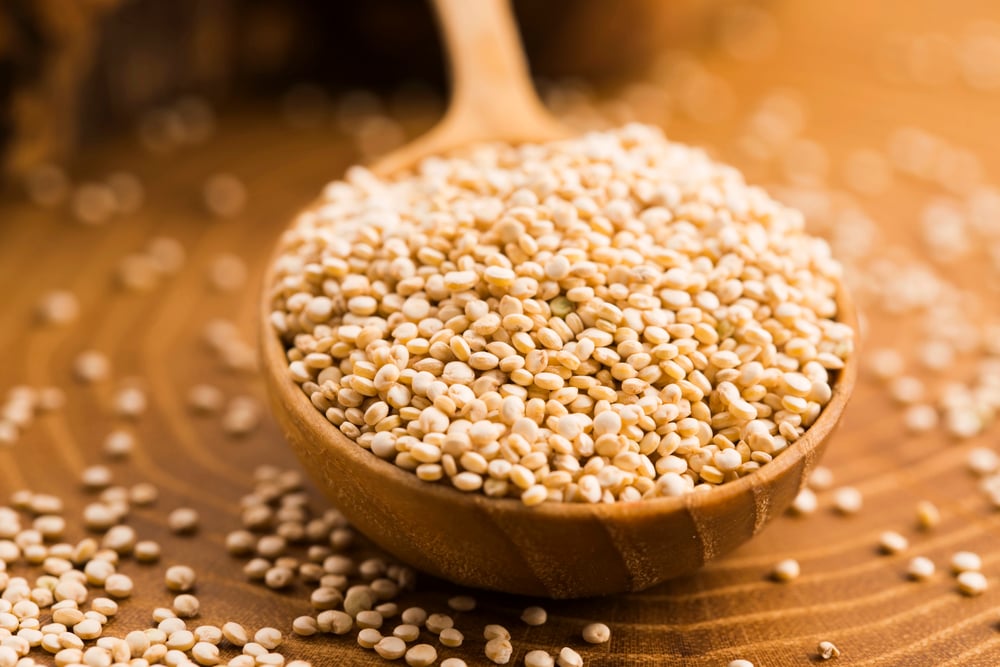
This grain had a moment of fame when health food trends exploded.
People still can’t agree on how to say it.
The correct pronunciation is “KEEN-wah.”
Not “kwin-OH-uh” or “kwih-NO-uh.”
The confusion makes sense since the spelling doesn’t match how English words typically sound.
Quinoa originally comes from the Andean region of South America.
Indigenous peoples have been growing it for thousands of years.
Pho
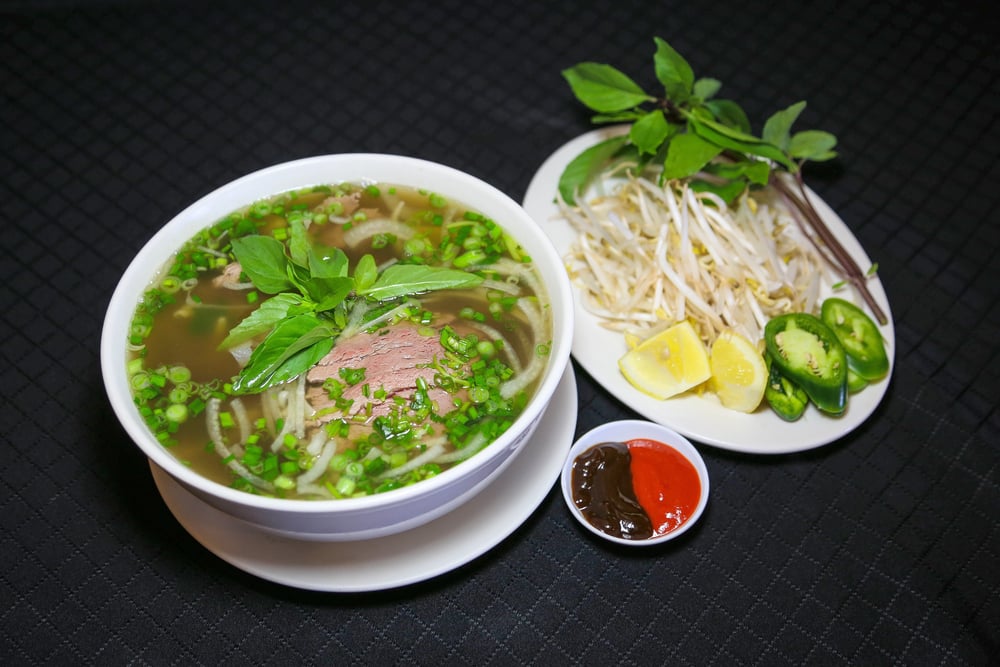
Vietnamese pho is a comforting noodle soup that’s taken over cities everywhere.
Ordering it can be intimidating.
The right way to say it is “fuh,” rhyming with “duh.”
Not “foh” like the first two letters of “phone.”
The tone matters in Vietnamese, so technically there’s a slight rising inflection.
Most English speakers can get away with a simple “fuh.”
This soup typically simmers for hours to develop its rich, aromatic broth.
Açaí
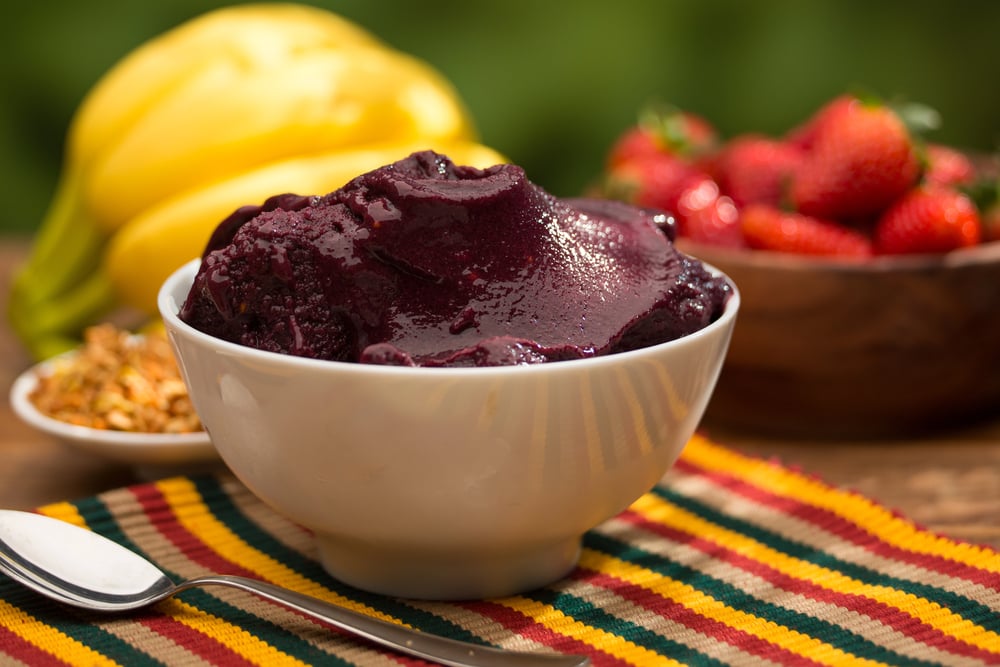
The trendy açaí bowl has become a breakfast staple.
The berry’s name still gets mangled constantly.
It’s pronounced “ah-sigh-EE,” with the emphasis on the last syllable.
Not “ah-KAI” or “uh-SAY-ee.”
The accent mark over the “a” should be a clue that something unusual is happening with the pronunciation.
These dark purple berries come from açaí palms in the Amazon rainforest.
They pack serious antioxidant power.
Espresso
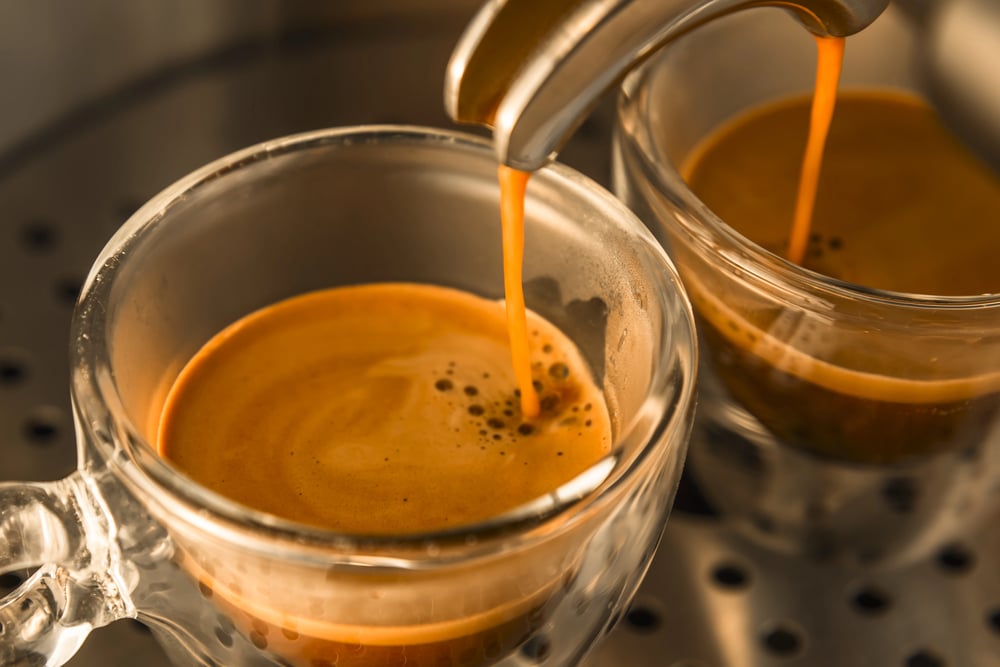
Coffee lovers should know this one.
“Ex-PRESS-oh” is wrong despite how common it is.
The correct pronunciation is “es-PRESS-oh,” with no “x” sound anywhere.
There’s no letter “x” in the word, so that sound shouldn’t appear when you say it.
This concentrated coffee shot forms the base of lattes, cappuccinos, and many other café drinks.
Gnocchi
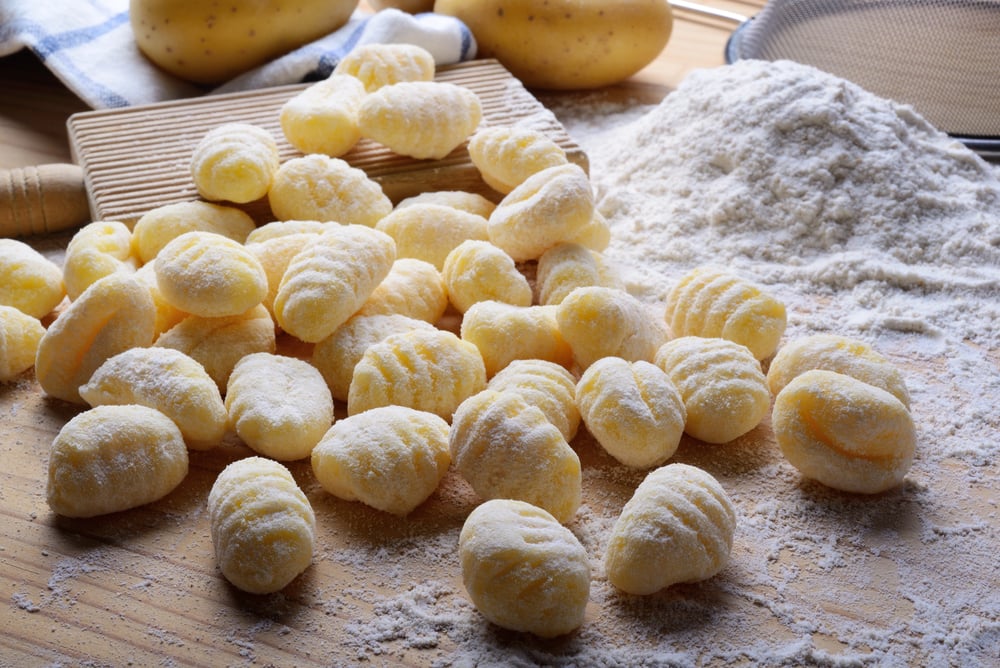
These little Italian potato dumplings look innocent enough.
Their name trips up even experienced home cooks.
Say “NYOH-kee.”
Not “noh-chee” or “guh-NOH-kee.”
The “gn” combination in Italian makes a sound similar to the “ny” in “canyon.”
When cooked right, gnocchi should be pillowy and soft.
Not dense or gummy.
Worcestershire sauce
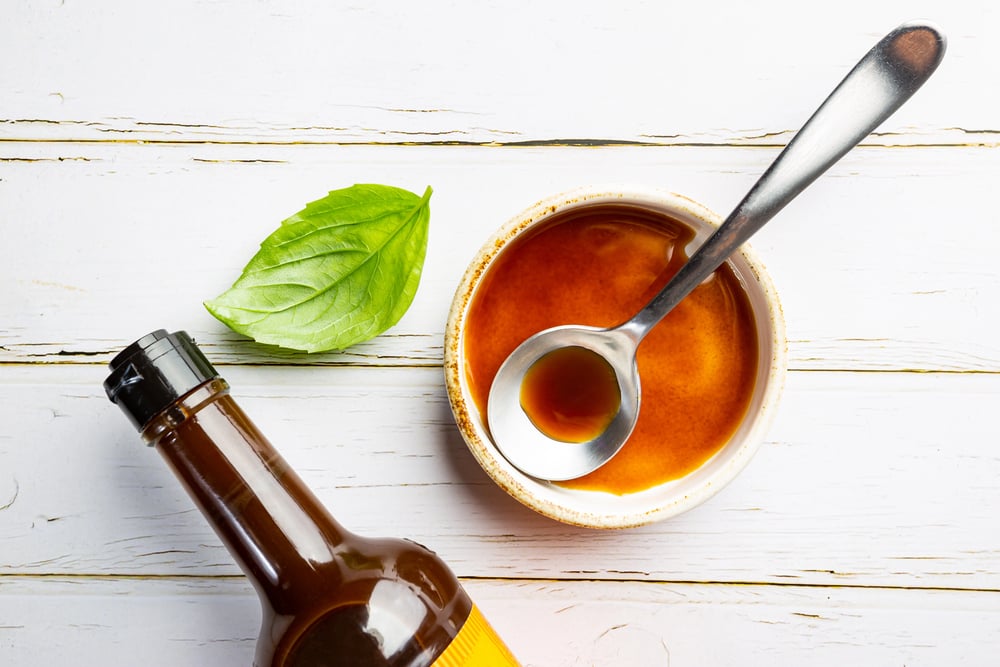
This British condiment has a name that looks like a jumble of random letters.
The pronunciation is “WUU-stuh-shur” or “WUU-stuh-sher.”
Definitely not “wor-SESS-ter-shy-er” or any other multi-syllable nightmare.
Most of the letters in the middle basically disappear when you say it out loud.
The sauce itself is a fermented liquid condiment that adds a savory depth to marinades and meat dishes.
Chipotle
The restaurant chain made this word more familiar.
People still mess it up.
It’s “chi-POHT-lay.”
Not “chi-POT-uhl” or “chi-POL-tay.”
The “tle” ending in Nahuatl-derived Spanish words sounds like “lay.”
A chipotle is actually just a smoked and dried jalapeño pepper.
It gives a deeper flavor than fresh jalapeños.
Prosciutto
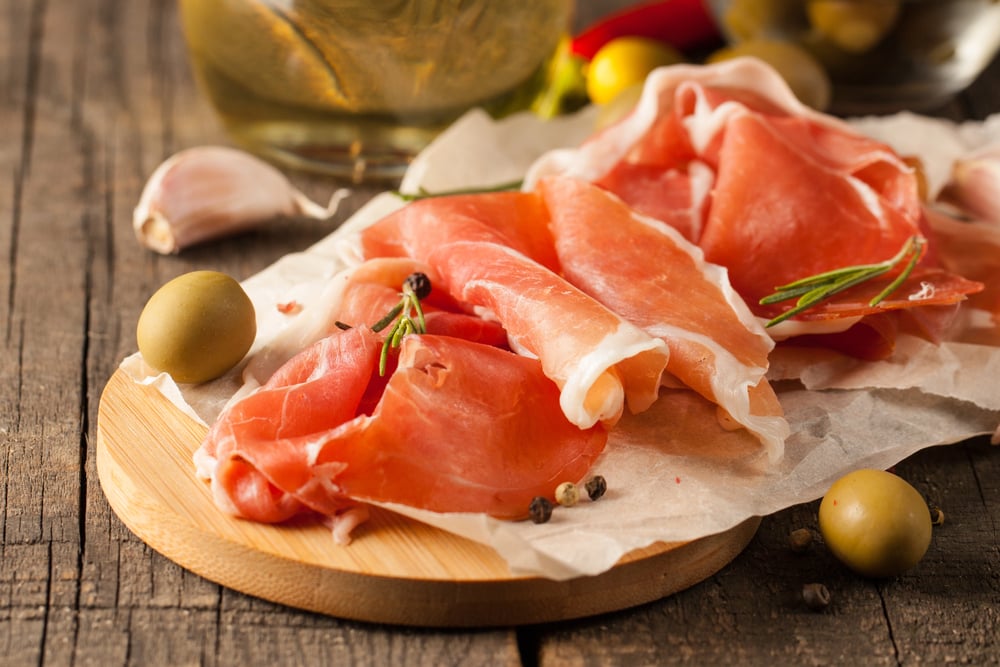
Italian cured ham gets its name butchered almost as often as it gets sliced.
The correct way is “proh-SHOO-toh.”
Not “proh-SKEW-toh” or “proh-SHOOT.”
The “sci” combination in Italian makes a “sh” sound.
The opposite of the bruschetta situation.
This delicate meat is sliced paper-thin.
It is often draped over melon or wrapped around breadsticks.
Caramel
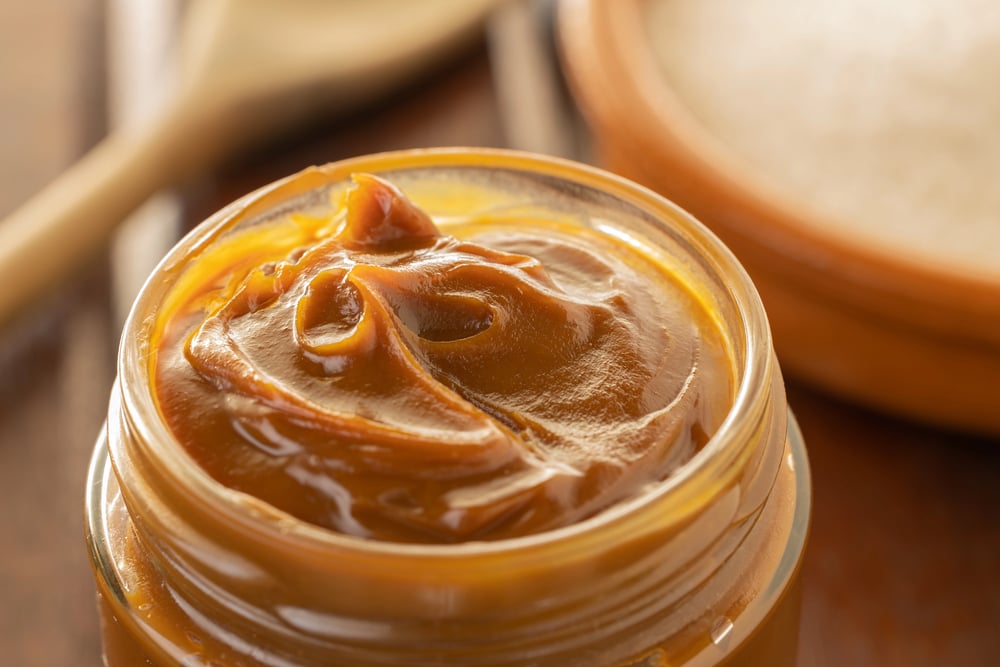
This one starts arguments because regional differences make both pronunciations somewhat acceptable.
Most dictionaries list “KAIR-uh-mel” as the primary pronunciation.
“KAR-muhl” is also recognized.
The two-syllable version drops the middle vowel entirely.
The three-syllable version pronounces each part.
Whether it’s sauce, candy, or flavor, caramel remains delicious regardless of how you say it.
Croissant

The French pastry’s name often gets Americanized into “cruh-SONT” or “KWAH-sont.”
The proper French pronunciation is “kwah-SOHN.”
The ending should be nasal, not a hard “t” sound.
Americans tend to pronounce every letter they see.
French pronunciation leaves certain letters silent.
A proper croissant should be flaky, buttery, and full of thin, crispy layers.
Sherbet

People add an extra “r” that doesn’t exist.
They say “SHER-bert” instead of “SHER-bit.”
There are only two syllables.
No “r” in the second one.
This frozen dessert is lighter than ice cream because it contains less milk fat.
The confusion probably comes from people blending “sherbet” with “sorbet” in their minds.
Creating a hybrid word that doesn’t actually exist.
Mascarpone
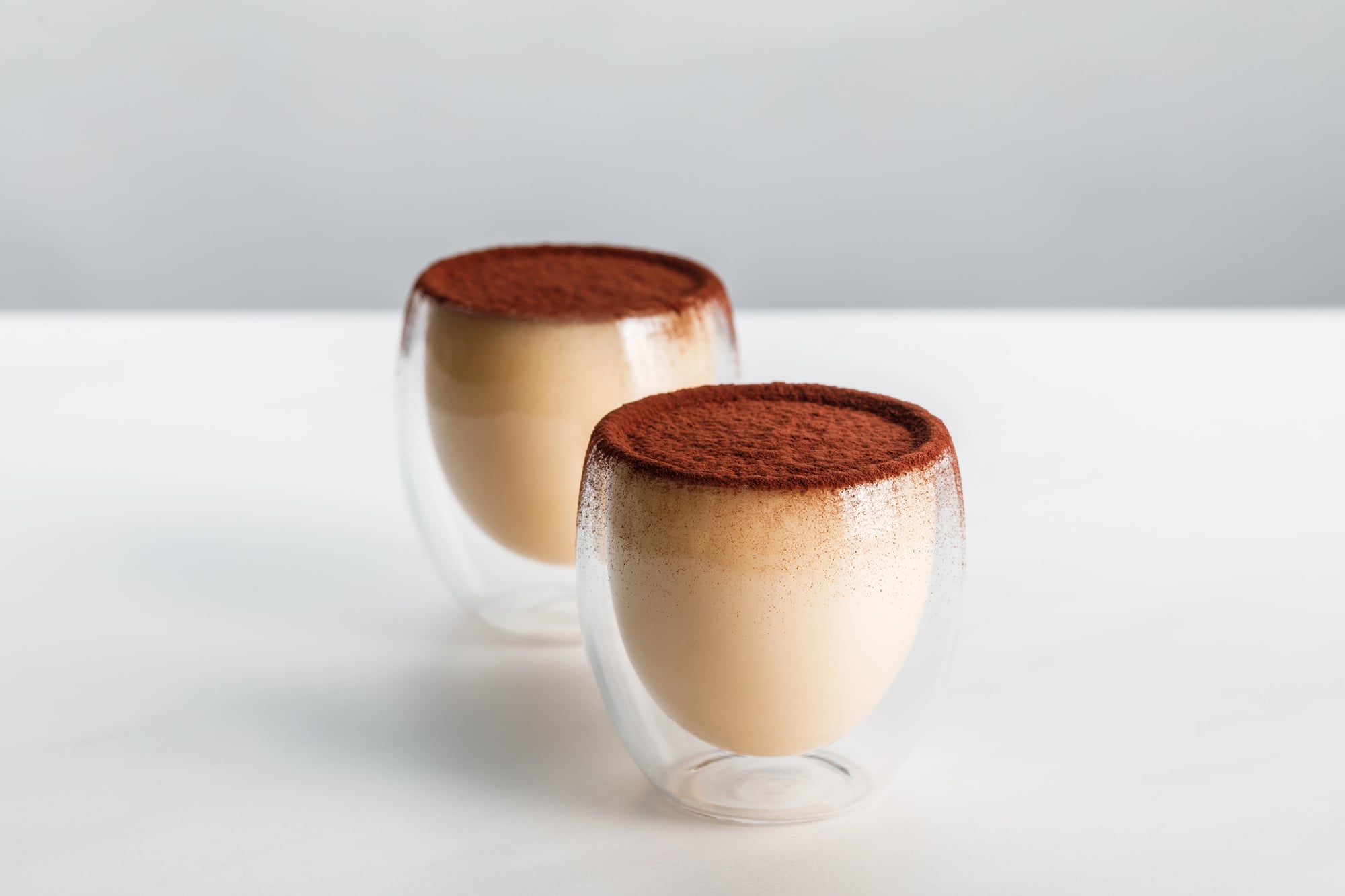
This creamy Italian cheese shows up in tiramisu and many desserts.
Its name gets twisted around.
The correct pronunciation is “mas-car-POH-nay.”
Not “mar-sca-PONE” or “mas-car-POHN.”
The emphasis falls on the third syllable.
That final “e” sounds like “ay.”
Mascarpone has a texture similar to cream cheese but with a sweeter, more delicate flavor.
Fajita
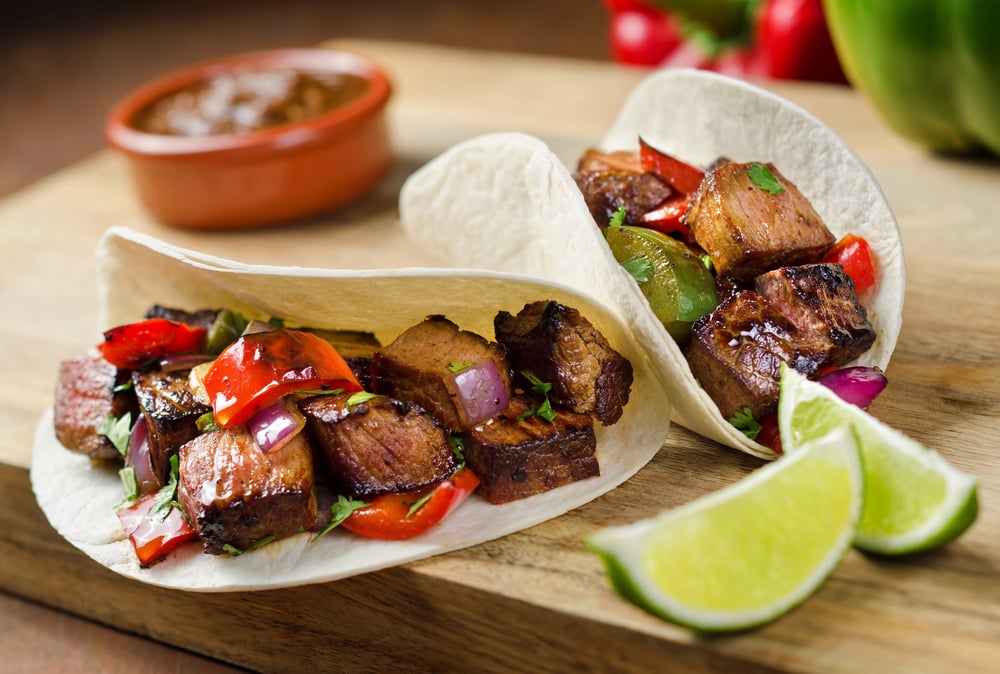
The Tex-Mex favorite gets mispronounced as “fuh-JEE-tuh.”
It should be “fuh-HEE-tuh.”
The “j” in Spanish makes an “h” sound.
Softer than the English “j.”
Americans have turned fajitas into a sizzling skillet sensation at chain restaurants.
Complete with dramatic table-side presentation.
Originally, fajitas referred specifically to grilled skirt steak served on tortillas.
Hors d’oeuvres
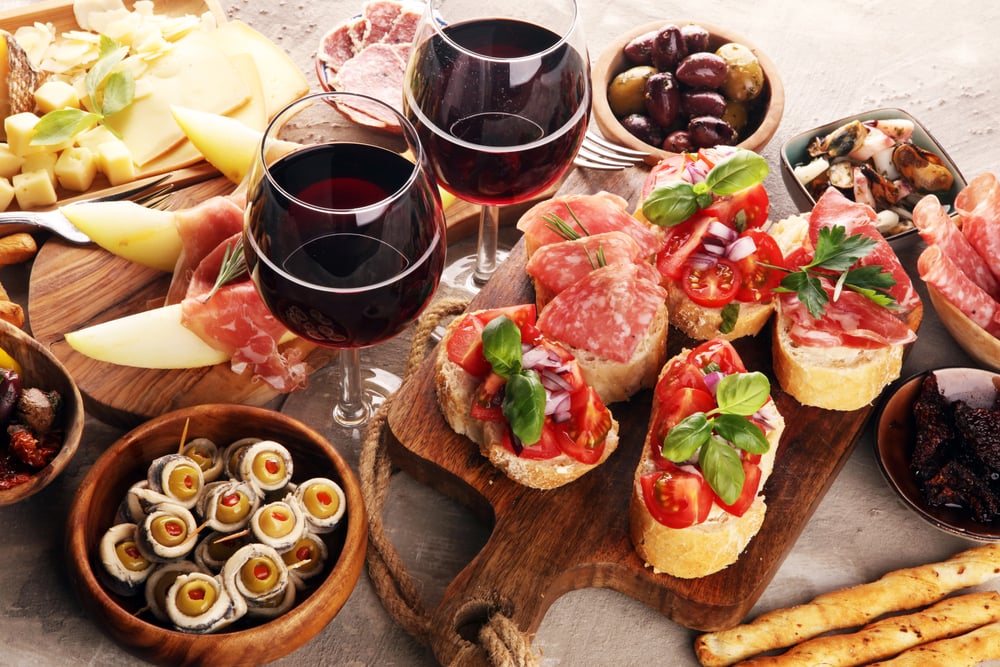
French appetizers come with a name that looks absolutely terrifying on paper.
Say “or-DERV.”
Not “whores doovers” or any other attempt to sound out each letter.
Most of the letters are silent.
Following French pronunciation rules that confuse English speakers.
These bite-sized snacks get passed around at fancy parties.
They usually disappear within minutes.
Salmon
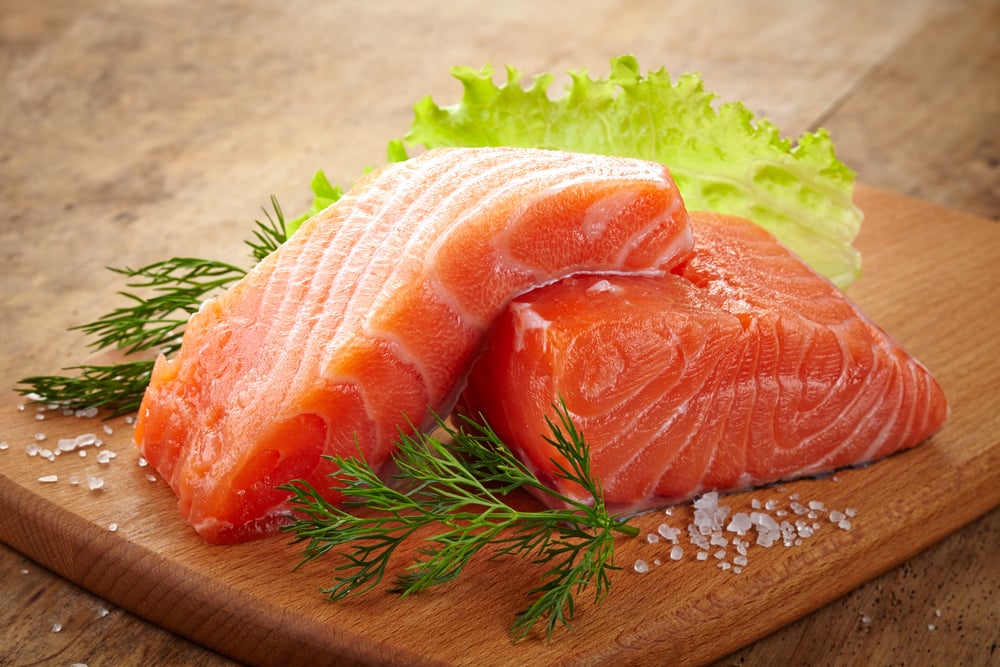
The silent “l” in salmon catches many people off guard.
Most Americans know to say “SAM-un” by now.
Some people insist on pronouncing the “l.”
“SAL-mon” sounds old-fashioned or overly formal.
The silent “l” comes from French influence on English spelling.
Whether you’re eating Atlantic, Pacific, or farm-raised salmon, the fish remains a popular protein choice worldwide.
Reese’s
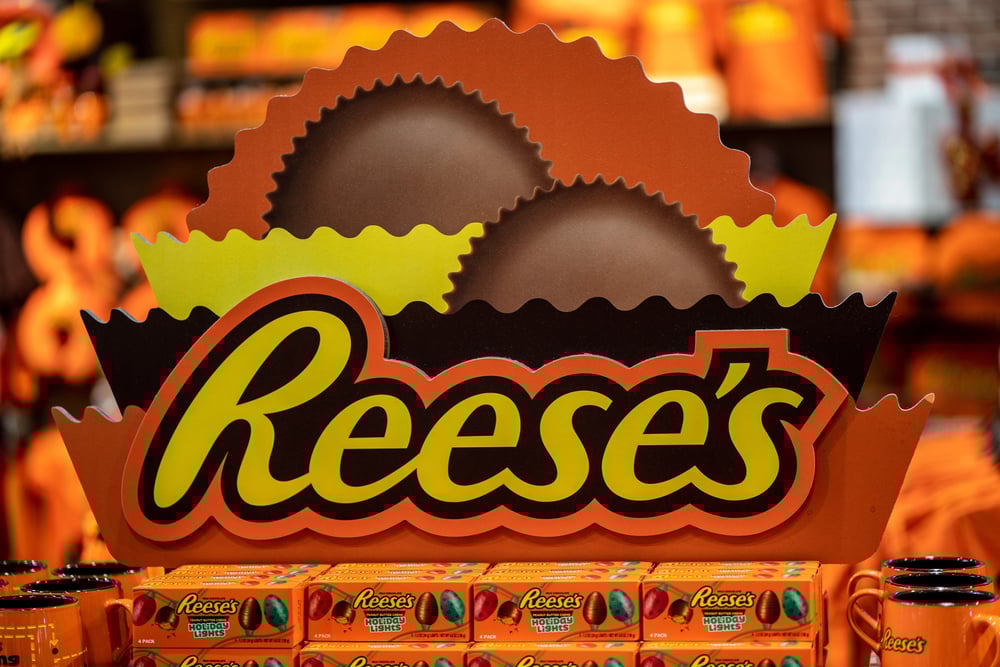
The candy brand causes endless debates.
“REE-siz” and “REE-seez” both make the rounds.
The company itself has said “REE-siz” is correct.
Treating it like a possessive form of the name Reese.
Regional dialects and personal habits make “REE-seez” extremely common.
The peanut butter cups remain addictive regardless of which pronunciation you use.
How we say it now
Food names will always cause confusion because languages evolve and blend together in unexpected ways.
Restaurants and home cooks have adapted to regional pronunciations.
Most people understand what you mean even when the pronunciation isn’t perfect.
The important thing is enjoying the food itself.
Whether you’re eating bruschetta at an Italian restaurant or grabbing a gyro from a food truck.
Learning the proper pronunciations shows respect for different cultures and their culinary traditions.
It won’t make the food taste any better or worse.
More from Go2Tutors!

- The Romanov Crown Jewels and Their Tragic Fate
- 13 Historical Mysteries That Science Still Can’t Solve
- Famous Hoaxes That Fooled the World for Years
- 15 Child Stars with Tragic Adult Lives
- 16 Famous Jewelry Pieces in History
Like Go2Tutors’s content? Follow us on MSN.