14 Most Isolated Tribes Living Today
In our hyper-connected world where social media and instant communication reign supreme, it’s remarkable that some communities remain almost entirely detached from modern civilization. These isolated tribes continue ancient ways of life, maintaining cultural practices that have remained largely unchanged for thousands of years.
Their isolation stems from geographic barriers, deliberate avoidance of outsiders, or protective government policies designed to shield vulnerable communities from potentially devastating outside contact. Here is a list of 14 of the most isolated tribes still living today, offering a glimpse into these rare communities that exist largely beyond the reach of the modern world.
Sentinelese
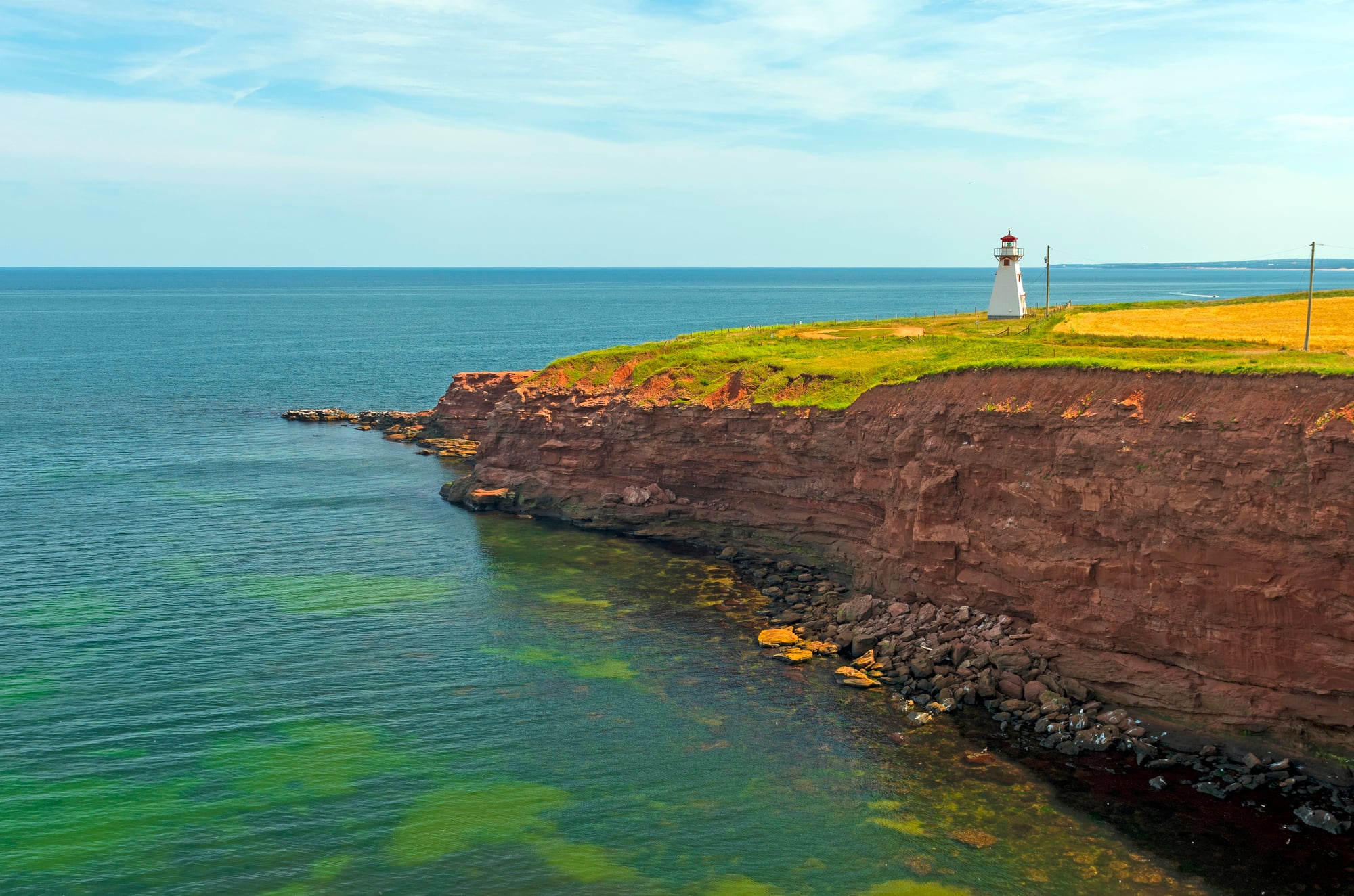
The people of North Sentinel Island in the Bay of Bengal may be the most isolated humans on Earth, aggressively rejecting any outside contact for thousands of years. Living on a small forested island protected by coral reefs and their own fierce determination, they survive as hunter-gatherers using techniques unchanged since the Stone Age.
Indian authorities enforce a strict no-contact policy following deadly confrontations, including a 2018 incident when an American missionary illegally approached the island and was killed.
Kawahiva
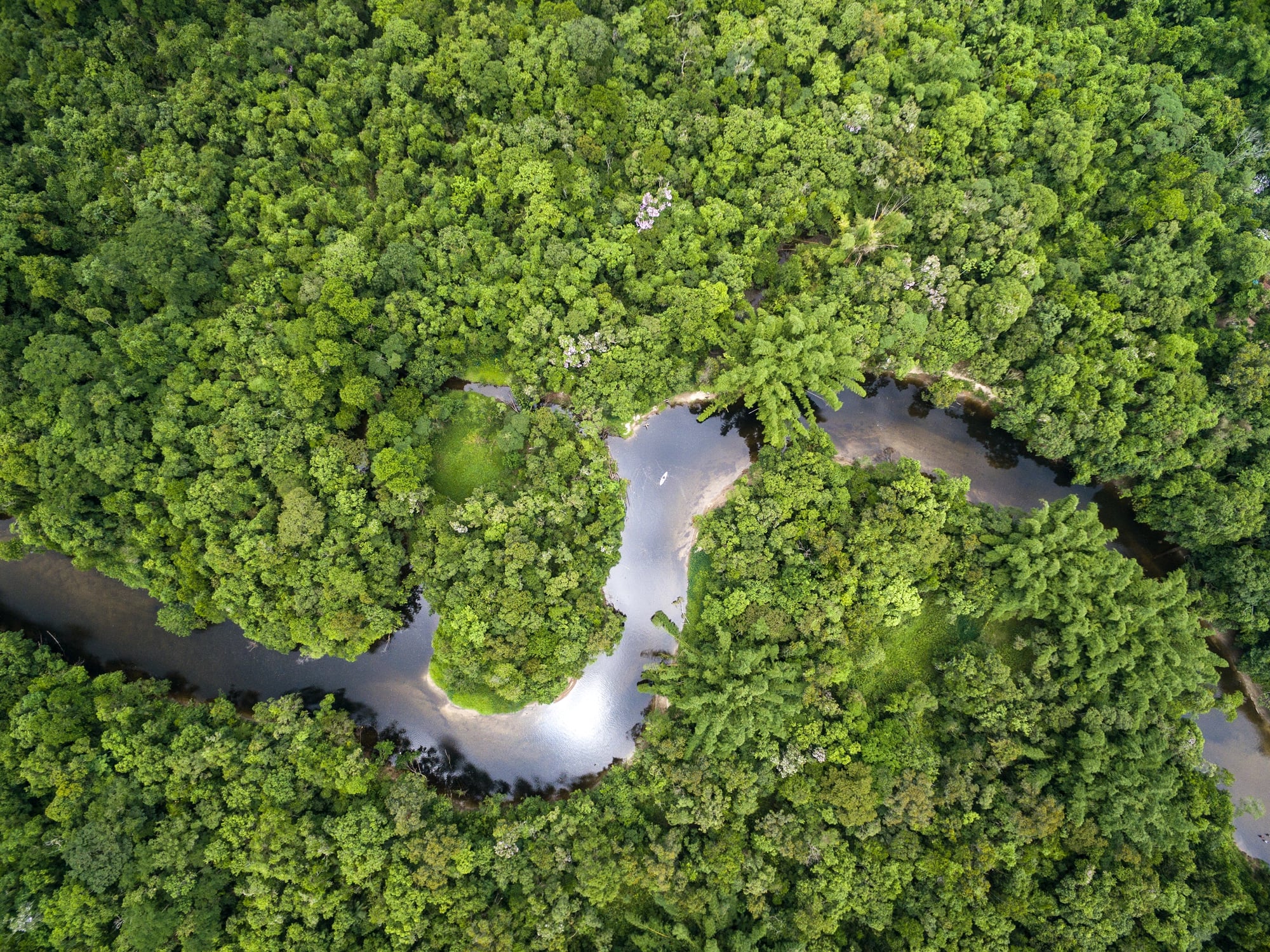
Deep in Brazil’s Amazon rainforest, the nomadic Kawahiva move continuously through the dense jungle, leaving minimal traces of their existence. They build temporary shelters and frequently relocate, a strategy that helped them avoid capture during the rubber boom and subsequent development threats.
Satellite images and rare footage from chance encounters reveal their continued presence, though their numbers are believed to be dwindling as illegal logging encroaches on their territory.
Like Go2Tutors’s content? Follow us on MSN.
Ayoreo
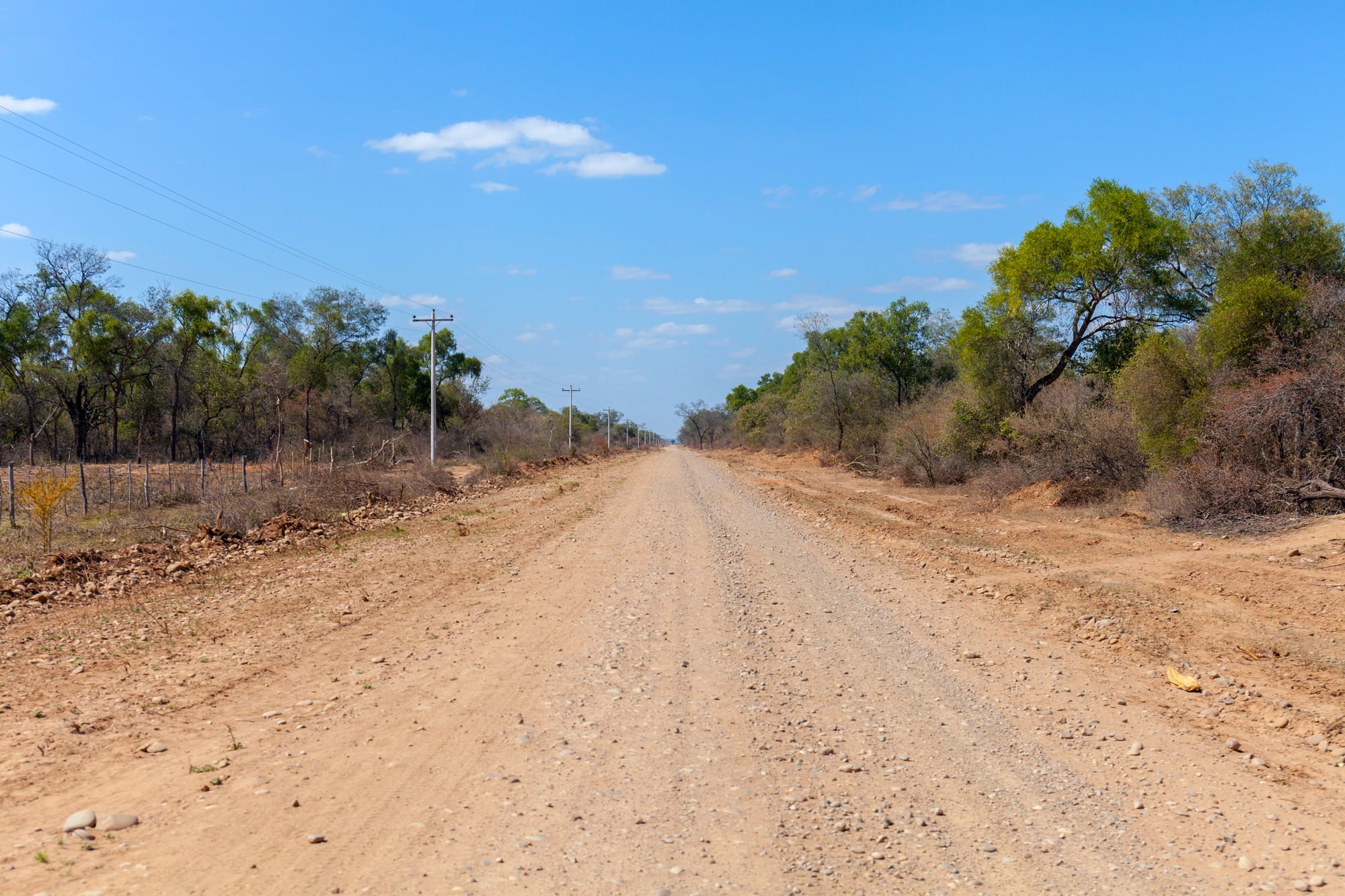
Split between Paraguay and Bolivia, uncontacted bands of Ayoreo continue to avoid civilization while their contacted relatives advocate for their protection. These nomadic people navigate the harsh Gran Chaco region, a homeland rapidly disappearing due to having one of the highest deforestation rates in the world.
Their isolation became international news when bulldozers clearing forest for cattle ranching uncovered evidence of their camps, highlighting the ongoing conflict between development and indigenous rights.
Mashco Piro
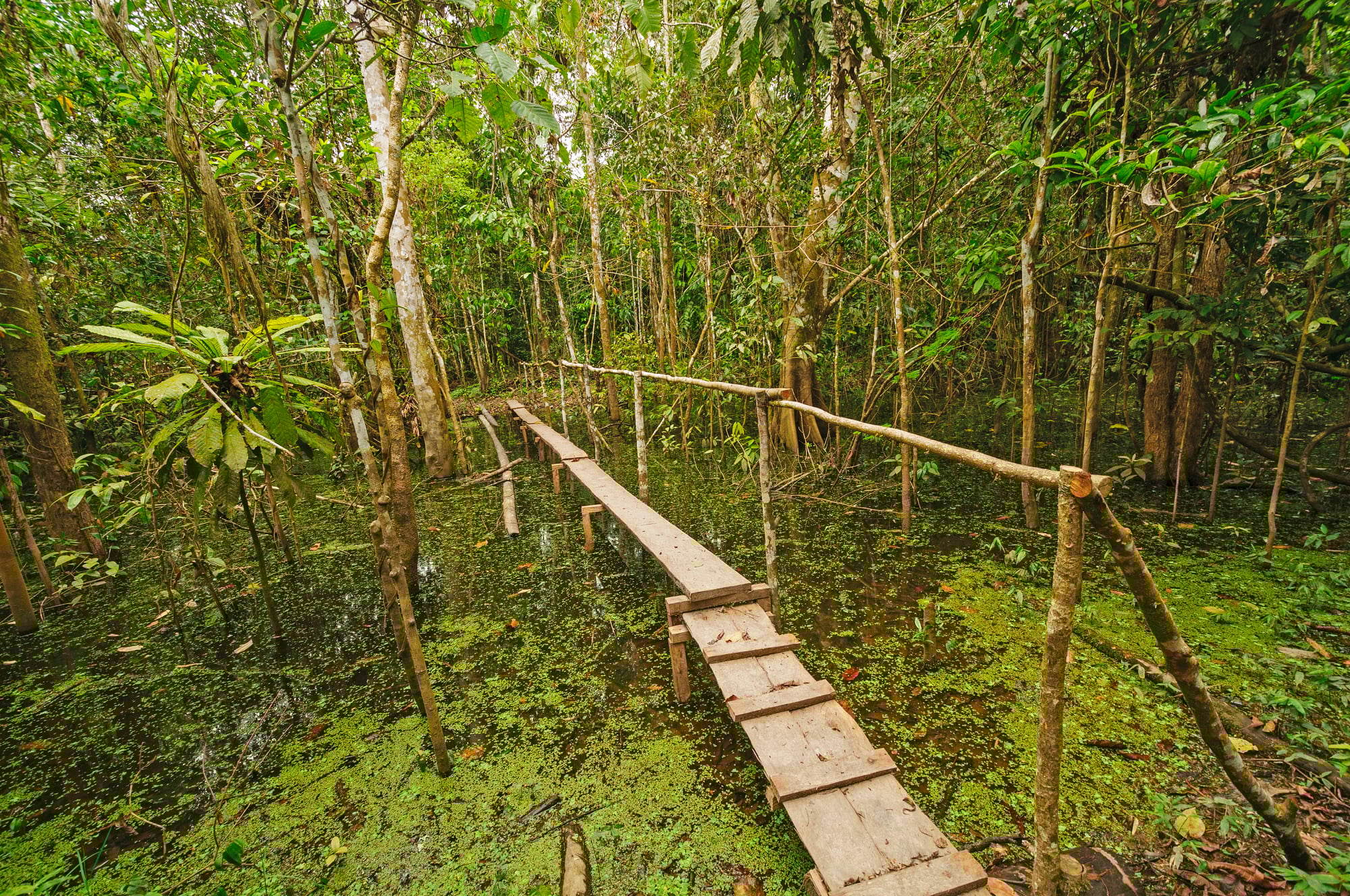
Long isolated in the Peruvian Amazon, members of the Mashco Piro have increasingly been spotted near riverbanks in recent years. These sightings suggest their traditional territories have become so compromised by illegal logging and drug trafficking that they’ve been forced into previously avoided areas.
Authorities maintain designated no-contact zones while grappling with the complicated reality that some tribe members appear to be initiating limited interaction with the outside world.
Yanomami
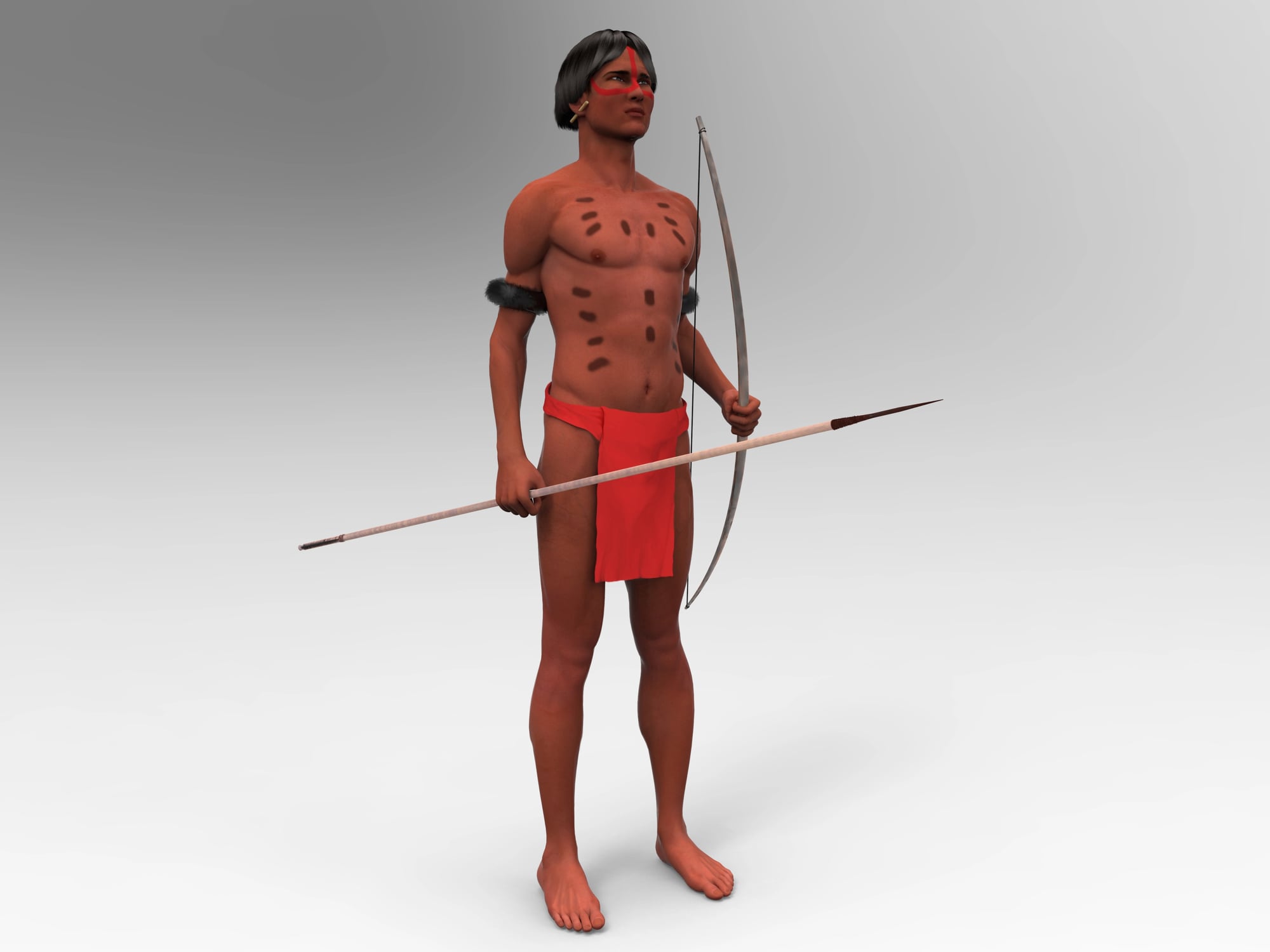
Though not entirely uncontacted, some remote bands of the widespread Yanomami people maintain significant isolation in the Venezuela-Brazil borderlands. Their semi-nomadic lifestyle incorporates hunting, gathering, and small-scale agriculture in communities often consisting of just 40-50 people living in traditional roundhouses.
Despite gaining legal protection for much of their territory, these most isolated groups face existential threats from thousands of illegal gold miners who bring violence and disease into their homeland.
Like Go2Tutors’s content? Follow us on MSN.
Javari Valley Tribes
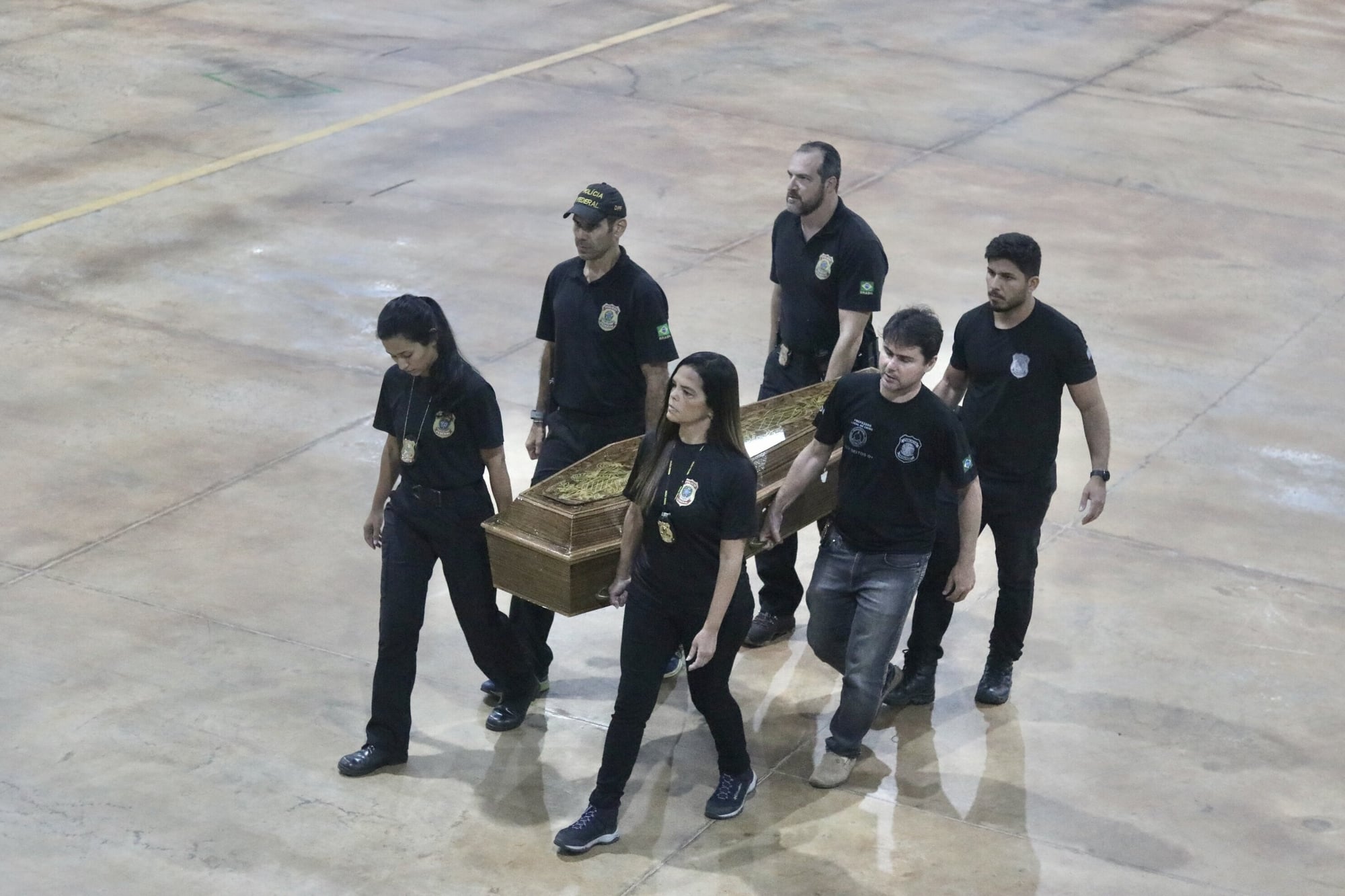
Brazil’s Javari Valley indigenous territory houses the highest concentration of isolated peoples in the world, with at least 16 uncontacted groups confirmed. These diverse tribes maintain isolation in one of the Amazon’s largest protected indigenous areas, roughly the size of Austria.
Their continued existence became global news in 2022 when indigenous expert Bruno Pereira and journalist Dom Phillips were murdered while documenting threats to these communities, highlighting the dangerous reality of protecting isolated tribes.
Toromona
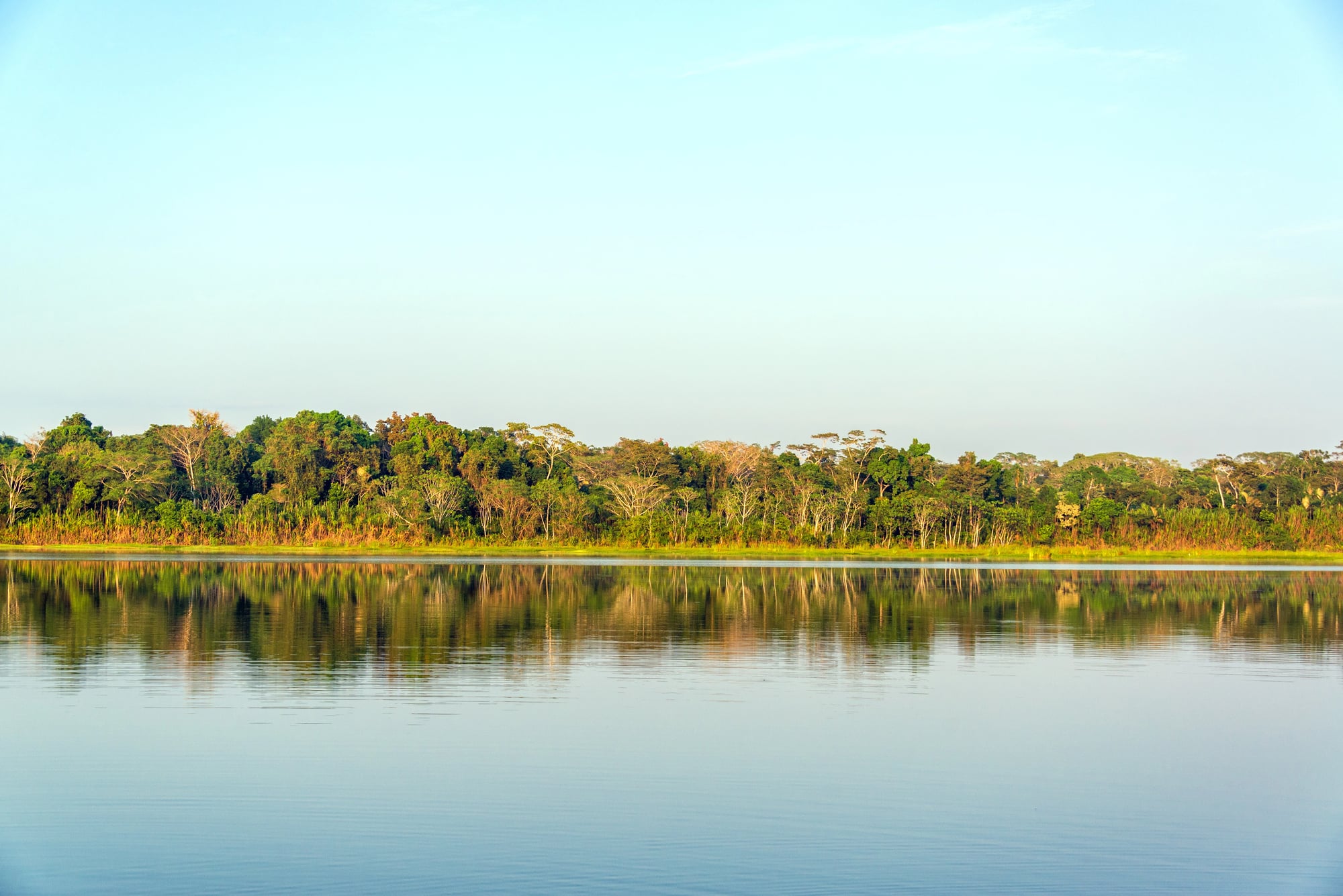
Possibly the most mysterious of Bolivia’s isolated peoples, the Toromona live in the remote Madidi National Park near the Peruvian border. Their territory encompasses some of the most biodiverse forests on the planet, with terrain so rugged it naturally limits outside access.
Bolivian officials established an ‘intangible zone’ within the park specifically designed to protect this little-known tribe from contact with eco-tourists and researchers working elsewhere in this vast protected area.
Korubo

Known as the ‘clubbed Indians’ for their distinctive wooden weapons, most Korubo remain isolated in Brazil’s Javari Valley despite limited contact with a small splinter group. They live in large communal houses and maintain gardens while hunting with poisoned blowgun darts in their densely forested territory.
Their reputation for fiercely defending their lands has historically kept outsiders at bay, though the Brazilian government now maintains surveillance posts to prevent illegal entry into their territory.
Like Go2Tutors’s content? Follow us on MSN.
Awá
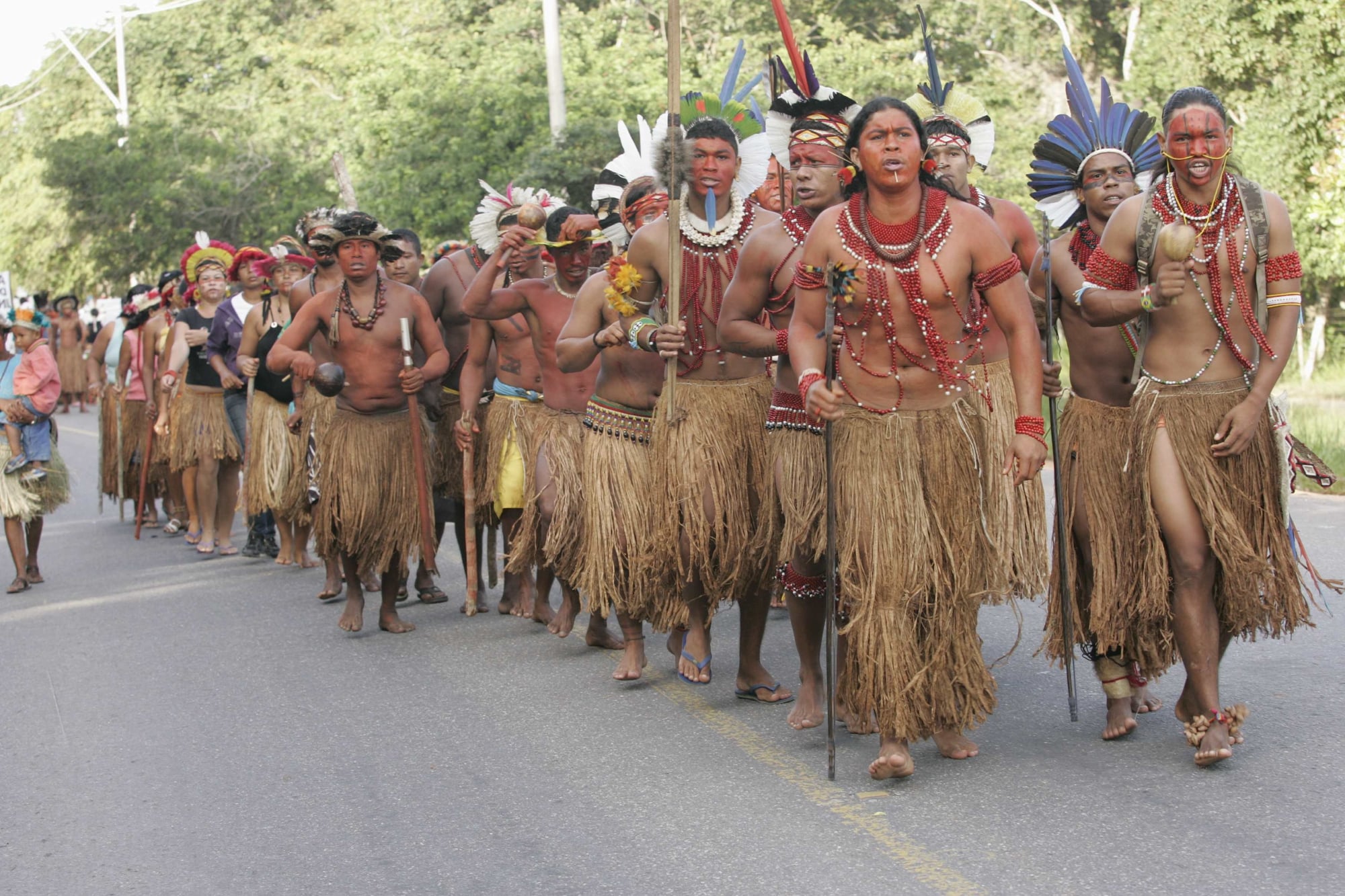
Some bands of the Awá continue to live as isolated nomads in the eastern Amazon of Brazil, while others have been contacted in recent decades. These forest nomads traditionally built no permanent homes, constructing temporary shelters as they moved through the forest harvesting wild fruits and hunting monkeys with bows and arrows.
Conservation efforts to protect both the isolated and recently contacted groups have generated international attention, with Survival International calling them ‘Earth’s most threatened tribe’ due to rampant illegal logging.
Lacandon Maya
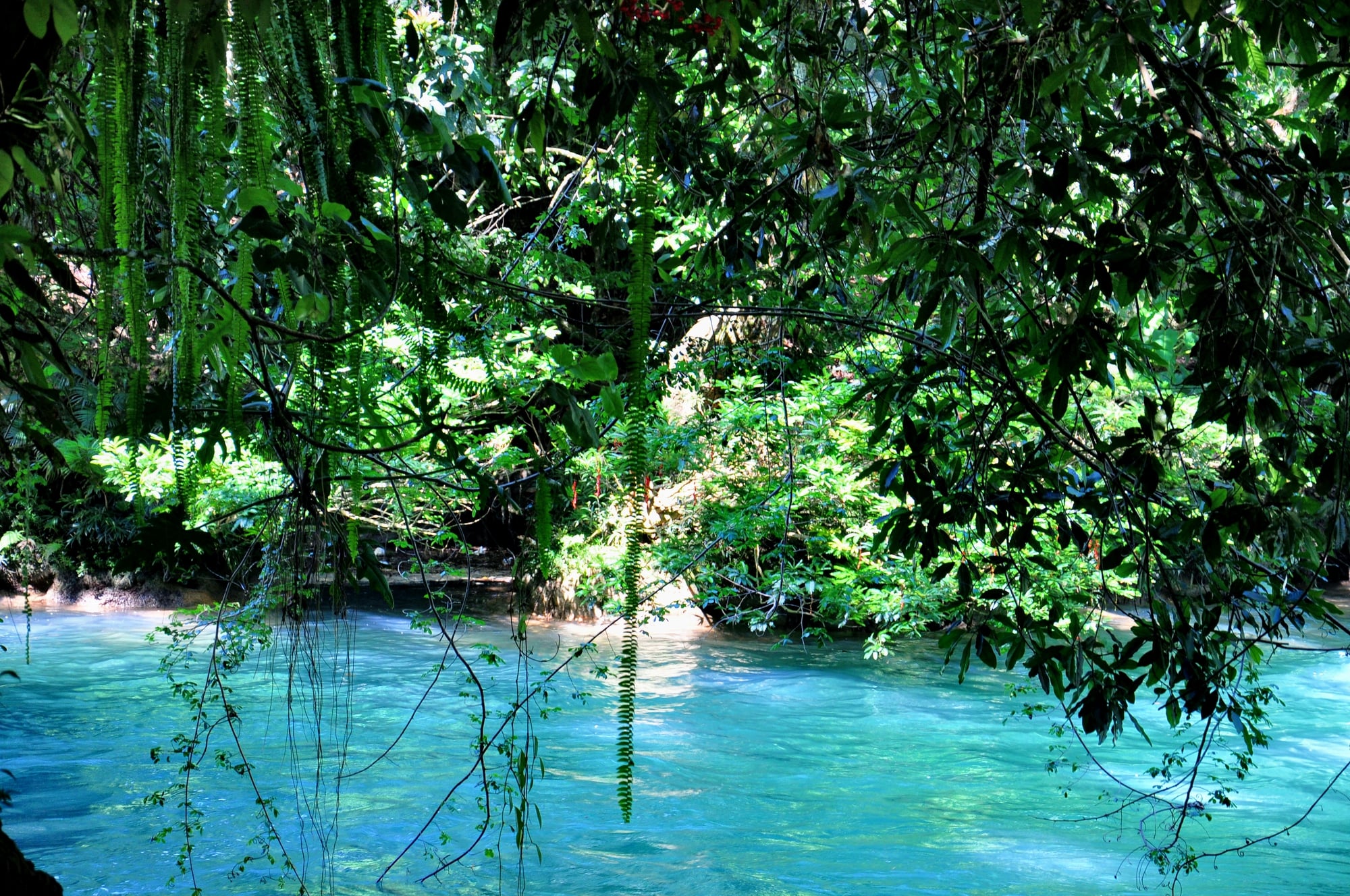
Hidden within Mexico’s Lacandon Jungle, small numbers of traditional Lacandon Maya maintained significant isolation until relatively recently. Their communities preserved ancient Maya religious practices and agricultural techniques long after most Maya groups had adopted Christianity and modern farming methods.
The last truly isolated members now maintain a delicate balance, selectively engaging with the outside world while working to preserve their language, which contains unique knowledge about the rainforest’s medicinal plants and ecology.
Pintupi Nine
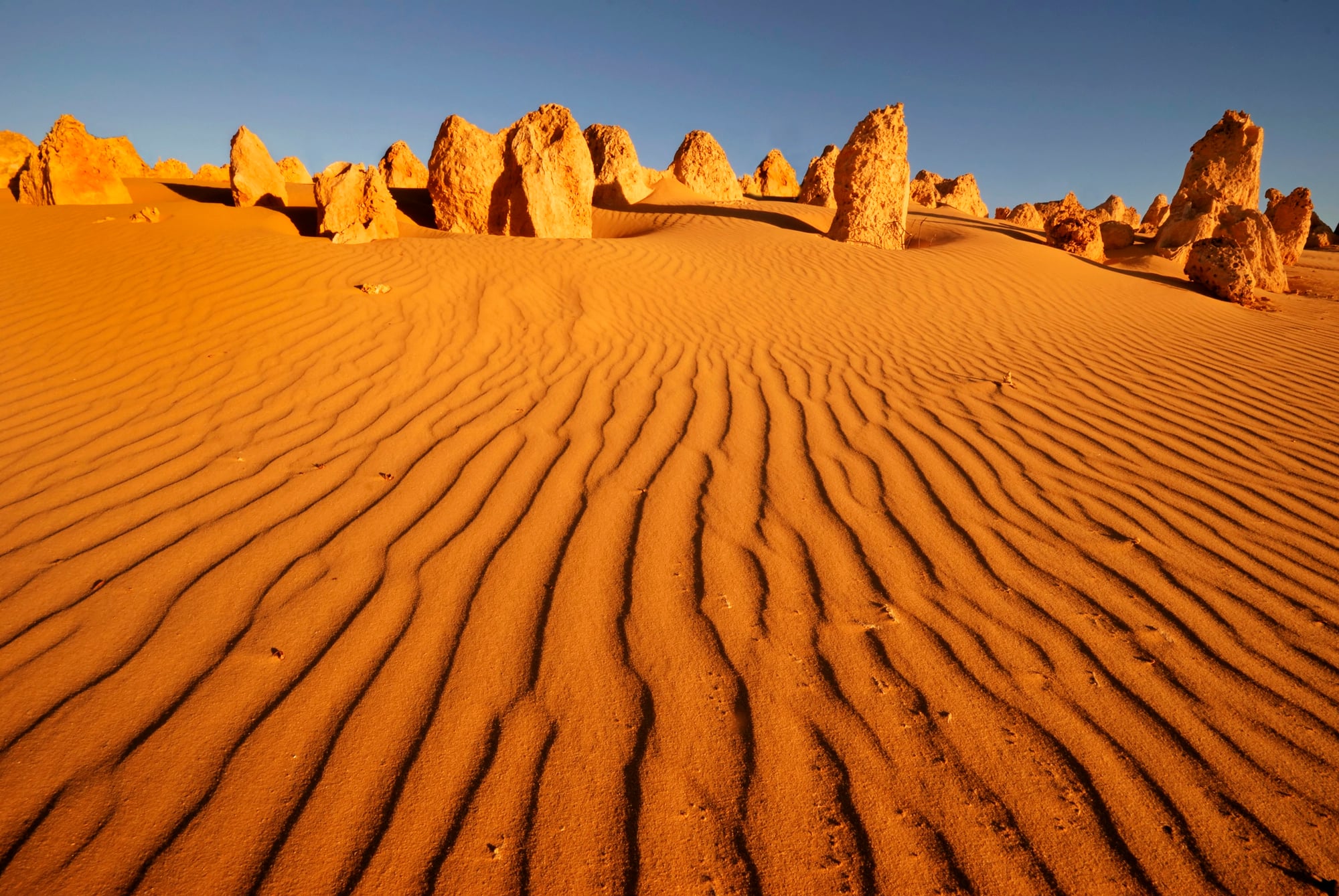
Australia’s last known uncontacted Aboriginal group walked out of the Western Desert into a settled community in 1984, marking the end of traditional isolation on the continent. This family group had maintained a hunter-gatherer lifestyle in the harsh desert landscape, entirely unaware that their country had been colonized or that other Aboriginal people had adopted modern ways.
Their story represents how recently some isolated peoples have experienced first contact, with several members of this group still living today and straddling two dramatically different worlds.
Like Go2Tutors’s content? Follow us on MSN.
Tsimane
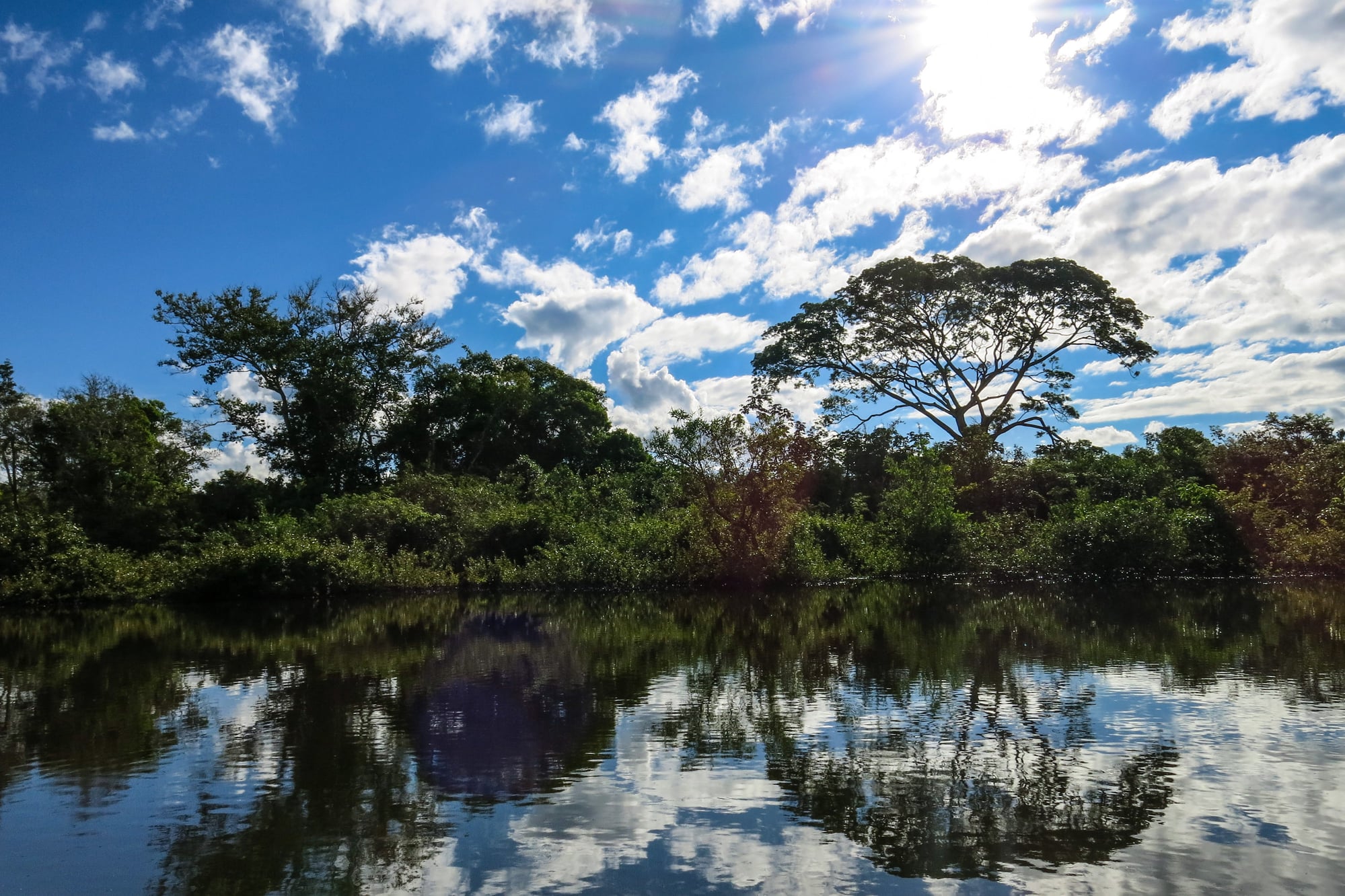
Living in Bolivia’s Amazon lowlands, the Tsimane maintain significant isolation though they have occasional contact with outsiders. Their diet consists almost entirely of food they hunt, gather, grow, and fish themselves, with minimal processed foods or market goods entering their communities.
Medical researchers have studied their remarkable cardiovascular health, finding they have the cleanest arteries of any population documented in medical literature, likely due to their high-activity lifestyle and traditional diet.
Surma
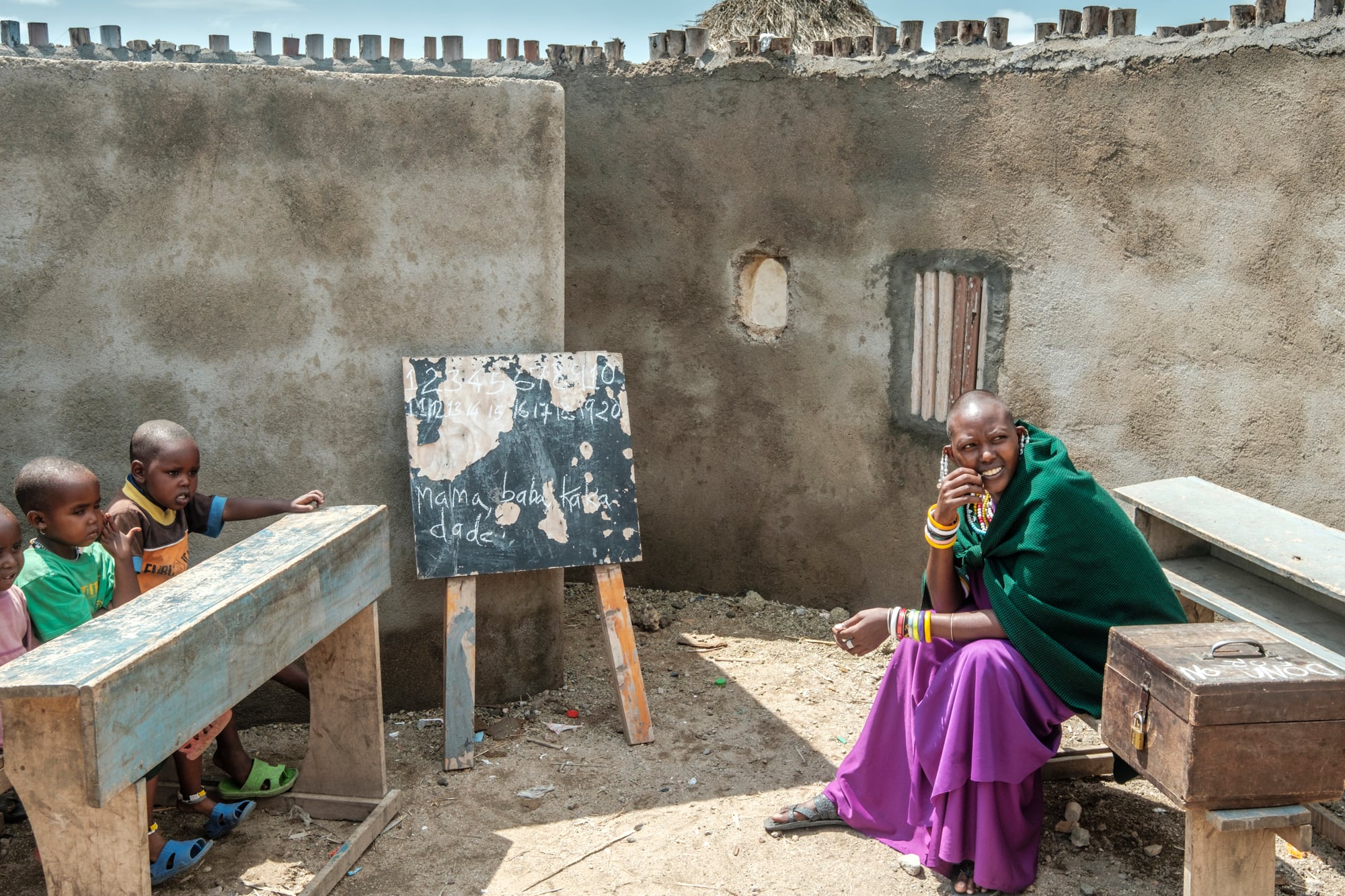
Though not entirely uncontacted, the Surma of Ethiopia’s remote Omo Valley maintain significant cultural isolation in increasingly challenging circumstances. Their semi-nomadic pastoralist lifestyle revolves around cattle herding, with wealth and social status measured by livestock holdings rather than modern concepts of money.
Their traditional territories face pressure from commercial agriculture projects and a major dam that has altered the river patterns their lifestyle depends.
Nukak
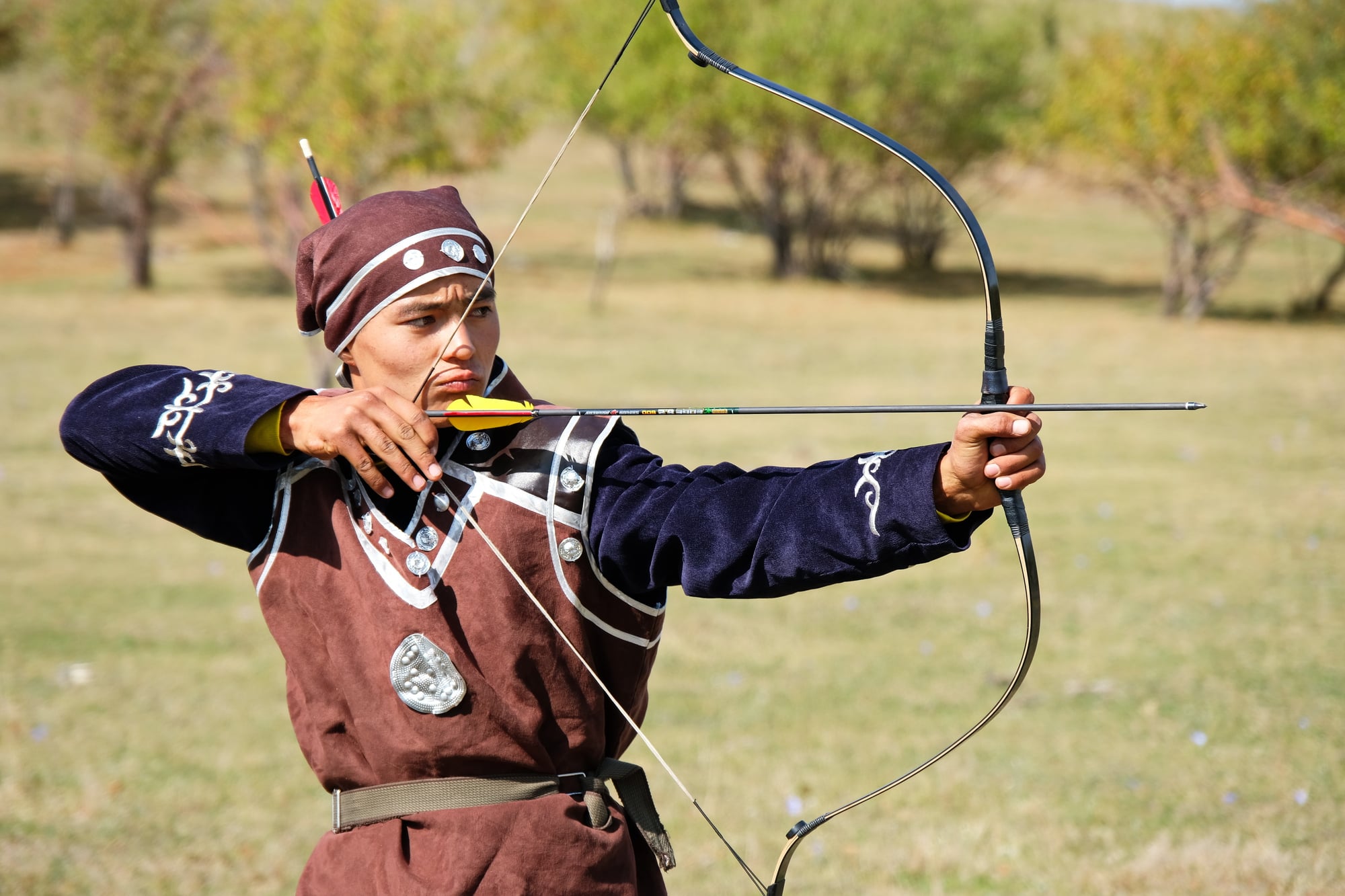
Forced from isolation in Colombia’s Amazon rainforest in the 1980s, the Nukak experience demonstrates the devastating consequences that can follow contact. These nomadic hunter-gatherers traveled continuously through the forest in small family groups, using blowguns for hunting and maintaining minimal material possessions.
After contact, diseases killed approximately half their population, and many survivors now live as displaced persons in settlements, struggling with the abrupt transition while the Colombian conflict prevented return to their traditional territories.
Like Go2Tutors’s content? Follow us on MSN.
Guardians of Ancient Knowledge
These isolated tribes represent living connections to human history and alternative ways of understanding our relationship with the natural world. Their continued existence challenges our assumptions about what constitutes progress and development in human societies.
As these communities face mounting pressures, their remarkable resilience reminds us that human diversity extends far beyond the technological society that dominates global culture today.
More from Go2Tutors!

- 16 Restaurant Chains That Went Too Fast
- 12 Things Sold in the 80s That Are Now Illegal
- 15 Strange Things People Have Tried to Ban (And Failed)
- 16 Collectibles People Tossed Out Too Soon
- 17 Myths from Your Childhood That Were Actually Based on Real Things
Like Go2Tutors’s content? Follow us on MSN.