Words That Changed Meaning Over Time
Language is alive. Like a river, it shifts direction, widens, and narrows as centuries pass. A word you use casually today may have carried a completely different weight for your ancestors. Some terms have twisted so unexpectedly that their original sense would stun modern ears.
English, in particular, has taken quite the journey—absorbing words from other tongues, bending with cultural shifts, and sometimes flipping meanings on their heads. Below are some words that show just how far language can travel.
Awful
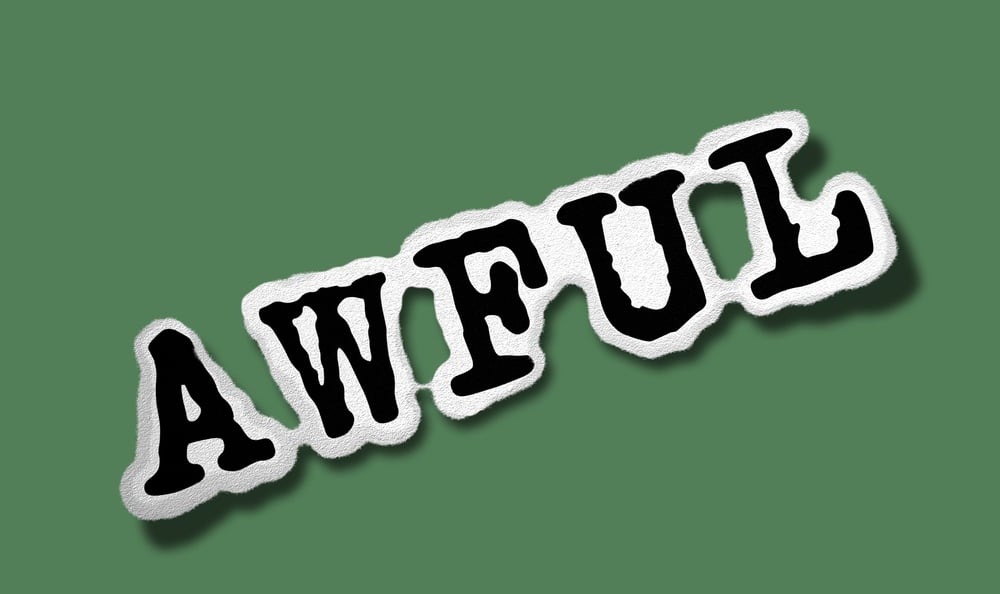
Believe it or not, calling something “awful” used to be high praise. The word once meant “full of awe” or “worthy of reverence.” Think towering cathedrals or a sky ablaze with color at sunset—both would have been “awful” in the best sense. Over time, however, awe turned into dread, and what once conveyed majesty is now shorthand for something unpleasant.
Nice
In the Middle Ages, being labeled “nice” was no compliment. The term stems from the Latin nescius, meaning ignorant or foolish. For centuries, to be “nice” was to be silly, simple, or even clueless. Later, the word wandered through phases of meaning “precise” or “particular,” before, by the 18th century, finally settling into its current role as a polite way to call someone pleasant.
Silly
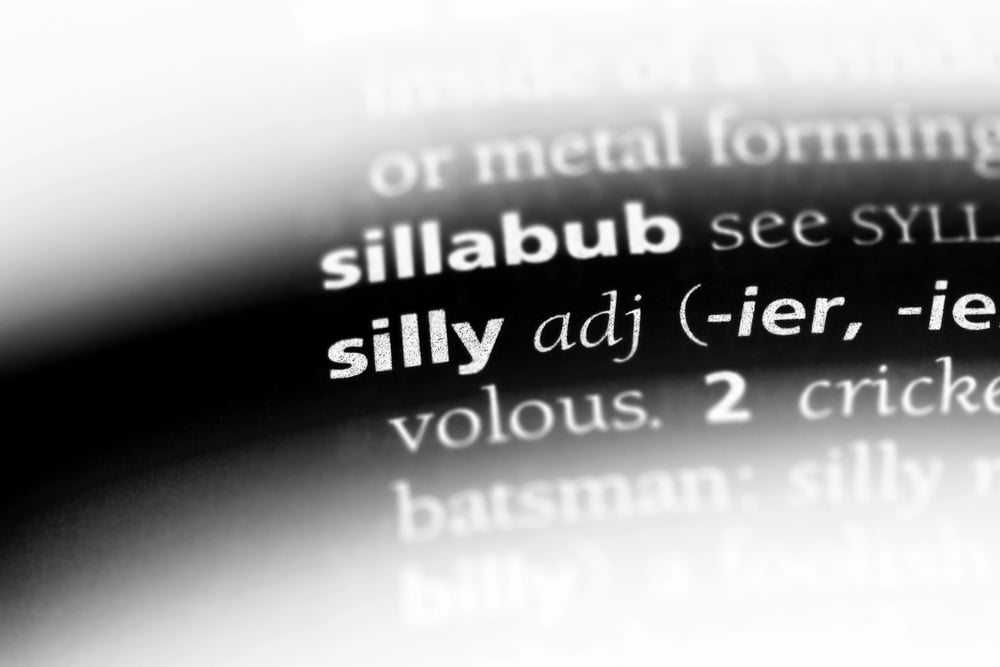
Originally, “silly” wasn’t an insult at all—it was holy. Coming from the Old English sǣlig, the word meant blessed, happy, or fortunate. Medieval speakers used it to describe innocence and purity, almost saint-like qualities. Slowly, that purity took on shades of naivety, then foolishness, and eventually the word slid into today’s meaning: lacking seriousness or sound judgment.
Meat
Once upon a time, meat wasn’t just meat. In Old English, mete meant food in general—bread, vegetables, fruit, and animal flesh all counted. At a grand feast, everything edible on the table was “meat.” Over centuries, though, the meaning shrank until it referred only to animal flesh, the way we understand it now.
Girl

This one often surprises people. In Middle English, “girl” didn’t point only to young females. Instead, it described any child or youth, regardless of gender. It wasn’t until later that the word narrowed to mean female children specifically, while “boy” stepped in for males.
Naughty
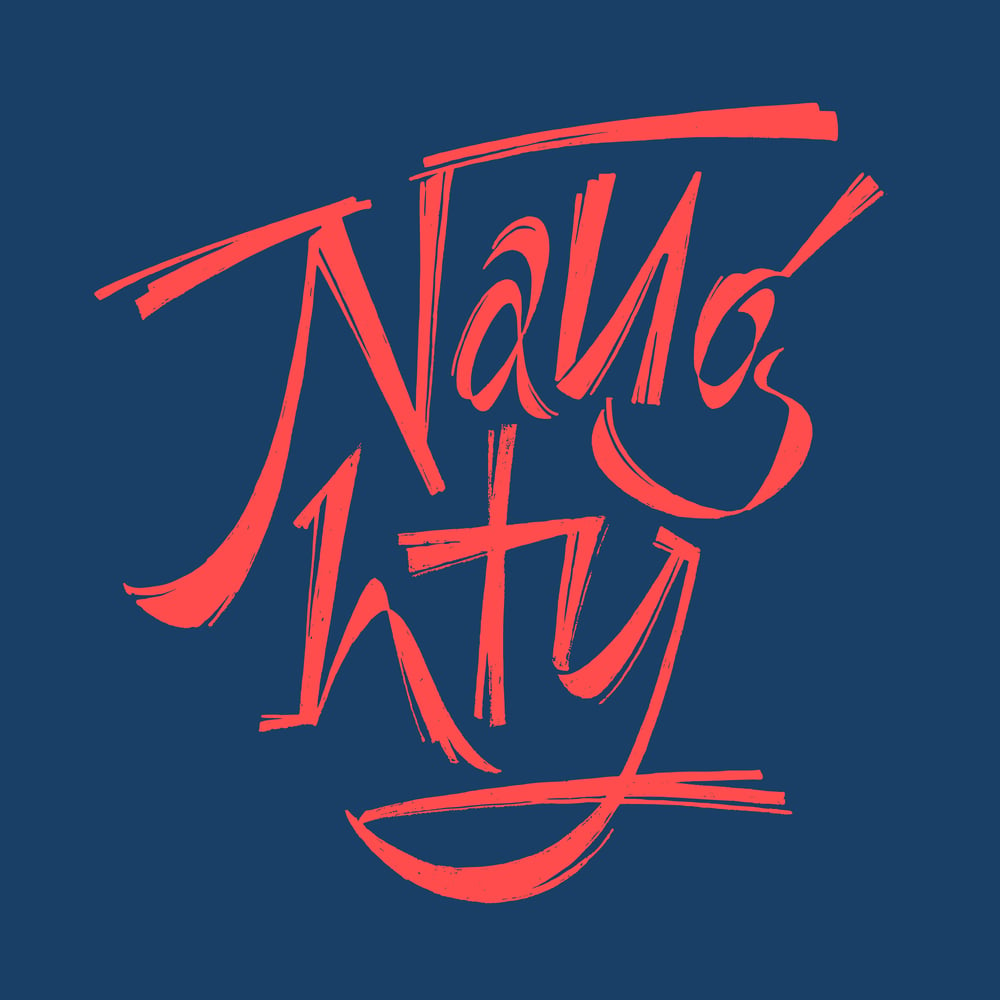
Being “naughty” once had nothing to do with cheeky behavior. Derived from “naught” (nothing), it originally described someone who owned nothing—essentially the poor or destitute. To be “naughty” meant you were worth nothing. Only in the late 1500s did the word shift toward describing bad conduct, softening it into the playful sense we know today.
Terrible
In earlier centuries, rulers were sometimes proud to be called “terrible.” The word meant they inspired awe and fear, commanding deep respect. Ivan the Terrible’s title, for instance, wasn’t strictly negative—it reflected his intimidating presence. As time passed, the positive edge faded, leaving behind the modern definition of “very bad” or “horrible.”
Gay
Few words have changed so dramatically. For centuries, “gay” meant cheerful, lively, or carefree—hence references like the “Gay Nineties.” But in the early 20th century, communities began using it as a word for homosexuality. By the mid-20th century, that meaning had become mainstream, pushing aside its older sense of lightheartedness.
Villain
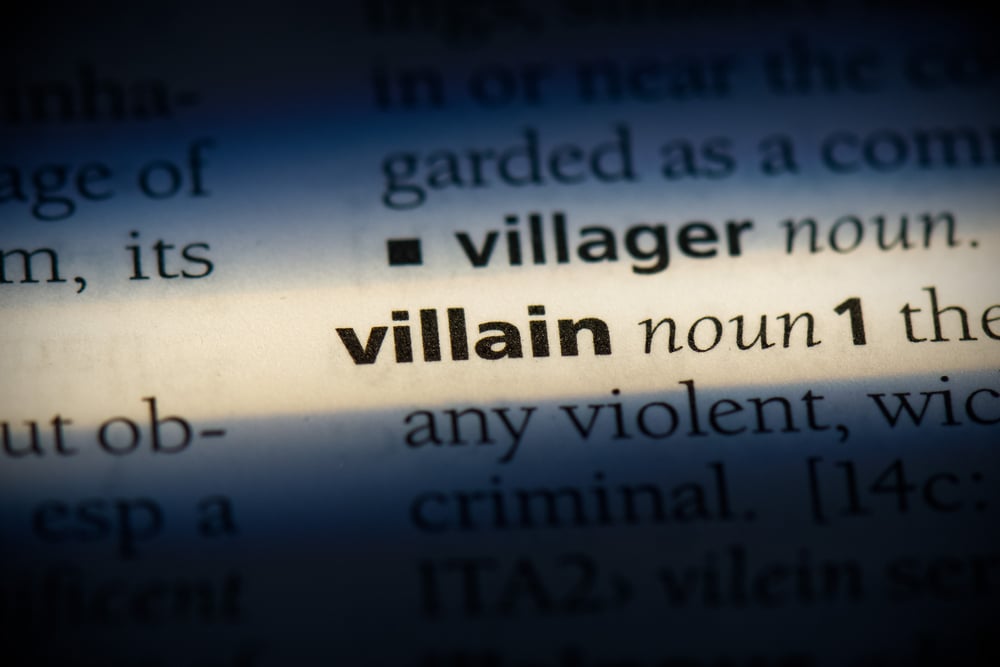
A medieval “villain” wasn’t a comic-book baddie but a farmhand. The term comes from the Latin villanus, someone tied to a villa or farm. Over time, class prejudice painted these rural workers as rough or lowly, and the insult stuck. Eventually, “villain” came to mean someone wicked or evil.
Pretty
At first, “pretty” meant clever or cunning, not attractive. Old English speakers used it to describe someone crafty or shrewd. Later, it was applied to things that were well-made or skillfully crafted. Only by the 15th century did the word settle into describing physical beauty, especially delicate or charming looks.
Artificial

Medieval artisans would have smiled at being told their work was “artificial.” From the Latin artificialis, the word once meant something skillfully created by human hands, often admired for its ingenuity. Only in recent centuries has it gained the negative sense of “fake” or “unnatural.”
Disease

Back in Old French, desaise meant simply “discomfort” or “hardship.” A person could have a “disease” because of famine, stress, or family struggles, not just illness. Gradually, as medical knowledge advanced, the term narrowed to mean physical or mental sickness specifically.
Furniture

Centuries ago, “furniture” wasn’t just tables and chairs. It meant supplies, provisions, or equipment of any kind. A text might mention “furniture of knowledge” or “furniture of war.” Over time, the scope narrowed until it applied only to movable household items.
Doom
To early English speakers, “doom” was about judgment, not disaster. From Old English dōm, it meant law, decree, or ruling—often divine judgment. It wasn’t inherently negative. Over time, though, the word picked up the sense of unavoidable catastrophe, though traces of its older meaning still linger in words like “doomsday.”
Cheater
The original “cheaters” weren’t tricksters—they were royal officials. Known as “escheators,” they managed estates and collected revenues for the crown. Unfortunately, their role was often abused, and the association with dishonesty stuck. By the 1600s, “cheater” no longer referred to a tax officer but to anyone who played unfairly.
The Living History of Language
Each of these words carries a hidden story, shaped by centuries of human culture, shifting values, and evolving perspectives. They remind us that the words we speak today are temporary, just snapshots in an ongoing transformation. Language never sits still—it adapts, redefines, and reinvents itself, just like the people who use it.
More from Go2Tutors!

- 16 Historical Figures Who Were Nothing Like You Think
- 12 Things Sold in the 80s That Are Now Illegal
- 15 VHS Tapes That Could Be Worth Thousands
- 17 Historical “What Ifs” That Would Have Changed Everything
- 18 TV Shows That Vanished Without a Finale
Like Go2Tutors’s content? Follow us on MSN.