15 Surprising Things Hidden Inside The Terms Of Service You Always Skip
Every app download ends the same way. You stare at that endless wall of legal text, scroll to the bottom without reading a word, and tap “I Agree.”
It feels harmless enough—what company would actually put something shocking in there, knowing most people won’t read it anyway?
Turns out, they would. And they do. The terms of service you’re blindly accepting contain clauses that would make you pause if you actually knew what was in there.
Some are merely strange, others genuinely concerning, and a few are so brazen they’re almost impressive in their audacity.
They Can Change The Rules Anytime Without Telling You

Companies reserve the right to modify their terms whenever they want. No warning required.
The agreement you signed last year could be completely different today, and legally, that’s your problem to figure out.
Most platforms will post updates somewhere on their site or send a notification buried in your spam folder. But reading those updates? That’s on you.
Miss the memo about a major policy change, and you’re still bound by whatever new rules they’ve decided to implement.
Your Data Becomes Their Property To Sell

When you upload photos, videos, or even just write posts, you’re often granting the platform a license to use that content however they want. This isn’t just about displaying your content back to you—they can sell it, modify it, or use it in advertising without asking permission or paying you a dime.
That vacation photo you posted? It could end up in a tourism ad. That witty comment you wrote? It might become part of a dataset sold to other companies.
The platforms frame this as necessary for their service to function, but the language usually goes far beyond basic operational needs.
You Agree To Binding Arbitration Instead Of Lawsuits

Most terms of service include arbitration clauses that strip away your right to sue the company in court. Instead, disputes get handled by private arbitrators—often ones with financial ties to the companies they’re supposedly judging impartially.
This matters more than it sounds. Class action lawsuits become impossible.
That data breach that affected millions of users? Each person has to fight the company individually, in private, with arbitrators who work regularly with corporate defendants. The scales aren’t just tipped—they’re practically sideways.
Location Tracking Never Really Stops

The GPS permission you granted for maps or weather doesn’t just work when the app is open (and most people already know this, though they pretend otherwise—which is a different kind of strange). But what’s buried deeper in the terms is how that location data gets shared, stored, and cross-referenced with other information about your daily patterns.
Your morning coffee shop, your gym visits, how long you stay at work, which friends’ houses you visit and when—all of this becomes part of a profile that’s worth real money to data brokers. And because you agreed to it somewhere in paragraph 47 of subsection C, it’s all perfectly legal.
So they track your route to the grocery store on Tuesday afternoon, note how long you spent in the pharmacy section, and file that away next to everything else they know about your habits and routines. Which starts to feel less like convenience and more like surveillance once you realize how comprehensive the picture becomes.
They Monitor Your Conversations For Keywords

Voice assistants and messaging apps often scan your conversations for specific words and phrases. The stated purpose is usually safety—flagging potential harm or illegal activity.
But the actual scope goes much wider than that.
Mention a product, a vacation destination, or even a health concern, and that information can trigger targeted advertising or get added to your consumer profile. The monitoring isn’t limited to obvious keywords either.
Advanced algorithms can infer meaning from context, picking up on subtleties that even human listeners might miss.
Your Account Can Be Deleted Without Explanation
Terms of service typically give companies broad authority to suspend or terminate accounts at their sole discretion. No due process, no appeal, no detailed explanation required.
Years of photos, messages, contacts, and digital memories can vanish overnight because an algorithm flagged something suspicious or a human moderator made a judgment call.
The most troubling part isn’t just losing access—it’s that getting an actual human to review the decision often proves nearly impossible. Automated systems make the call, and automated systems handle the appeals.
Your digital life gets reduced to a support ticket that bounces between chatbots until you give up.
You Pay For Premium Features That Can Disappear

Subscription services love to advertise their premium features, but the fine print usually includes language about discontinuing services without refunds. That cloud storage you’re paying extra for? That advanced editing tool that convinced you to upgrade?
They can remove these features at any time and keep your money.
The justification is always “evolving user needs” or “platform optimization.” What they mean is the feature wasn’t profitable enough to maintain, or they want to push users toward an even more expensive tier.
Either way, you’re left paying the same amount for less service.
They Claim Ownership Of Your Creative Work Forever
When artists, writers, or creators upload their work to platforms, they often unknowingly grant perpetual, irrevocable licenses. This means even if you delete your account and leave the platform entirely, they retain rights to use your creative work indefinitely.
Musicians have found their songs used in advertisements years after removing them from streaming platforms. Photographers have discovered their images licensing to stock photo sites without their knowledge.
The original creator gets nothing while the platform profits from work they no longer host but still legally control.
Background App Activity Includes Data Collection

Apps continue collecting information even when you’re not actively using them. This goes beyond location tracking to include sensor data, network information, and usage patterns from other apps on your device.
The accelerometer data that shows when you’re walking, driving, or sitting still. The WiFi networks your phone detects, creating a map of everywhere you go.
How long you spend in other apps, building a comprehensive picture of your digital habits. All of this happens silently, logged and analyzed to build profiles that are surprisingly intimate and detailed.
Customer Service Responses Become Their Property

Every email, chat message, or support ticket you send becomes content the company can use however they want. Customer complaints get analyzed for sentiment and product feedback.
Personal information shared during support interactions can be added to your profile or used for research purposes.
Even your tone and word choice in customer service interactions gets catalogued. Companies use this data to train AI systems, improve their products, or simply better understand their customer base.
That frustrated email you sent about a billing error? It’s now part of a dataset somewhere.
Free Trials Auto-Renew With Penalty Fees
The free trial that seemed risk-free often comes with automatic renewal clauses that are deliberately difficult to cancel. But beyond the subscription fee, many services add penalty charges for canceling during certain periods or failing to meet specific cancellation requirements.
Some companies require cancellation requests to be submitted days or weeks before the trial ends. Others demand phone calls during specific business hours or written requests sent to physical addresses.
Miss these requirements, and you’re not just charged for one month—you might face early termination fees or be locked into longer subscription periods.
They Can Access Your Device’s Full Storage

Apps often request permission to access your photos for profile pictures or document uploads. But the technical permission they receive usually extends to everything stored on your device—every photo, document, download, and file you’ve ever saved.
This broad access means apps can theoretically scan through your entire digital life. While most legitimate companies claim they only access what’s necessary for their service, the permission structure makes it technically possible for them to read, copy, or analyze everything on your device.
Your Biometric Data Gets Stored Permanently

Face recognition, fingerprint scanning, and voice recognition create biometric profiles that never get deleted. Unlike passwords or security questions, you can’t change your biological markers if they’re compromised.
These biometric profiles often get shared across different services owned by the same parent company. Your face scan for photo tagging might be used for payment verification.
Your voice pattern from calling customer service could be matched against recordings from other interactions. Once your biological markers are in their system, they become a permanent identifier linked to everything you do across their platforms.
Third-Party Partners Get Access To Your Information

Companies routinely share user data with “trusted partners,” but the definition of partners can be surprisingly broad. Marketing firms, data brokers, research companies, and other businesses you’ve never heard of can receive detailed information about your habits, preferences, and behavior.
This partnership data sharing often happens without explicit notification. The terms mention it vaguely, but users rarely understand that their information is being passed around to dozens of other companies for various purposes.
Account Deletion Doesn’t Delete Your Data
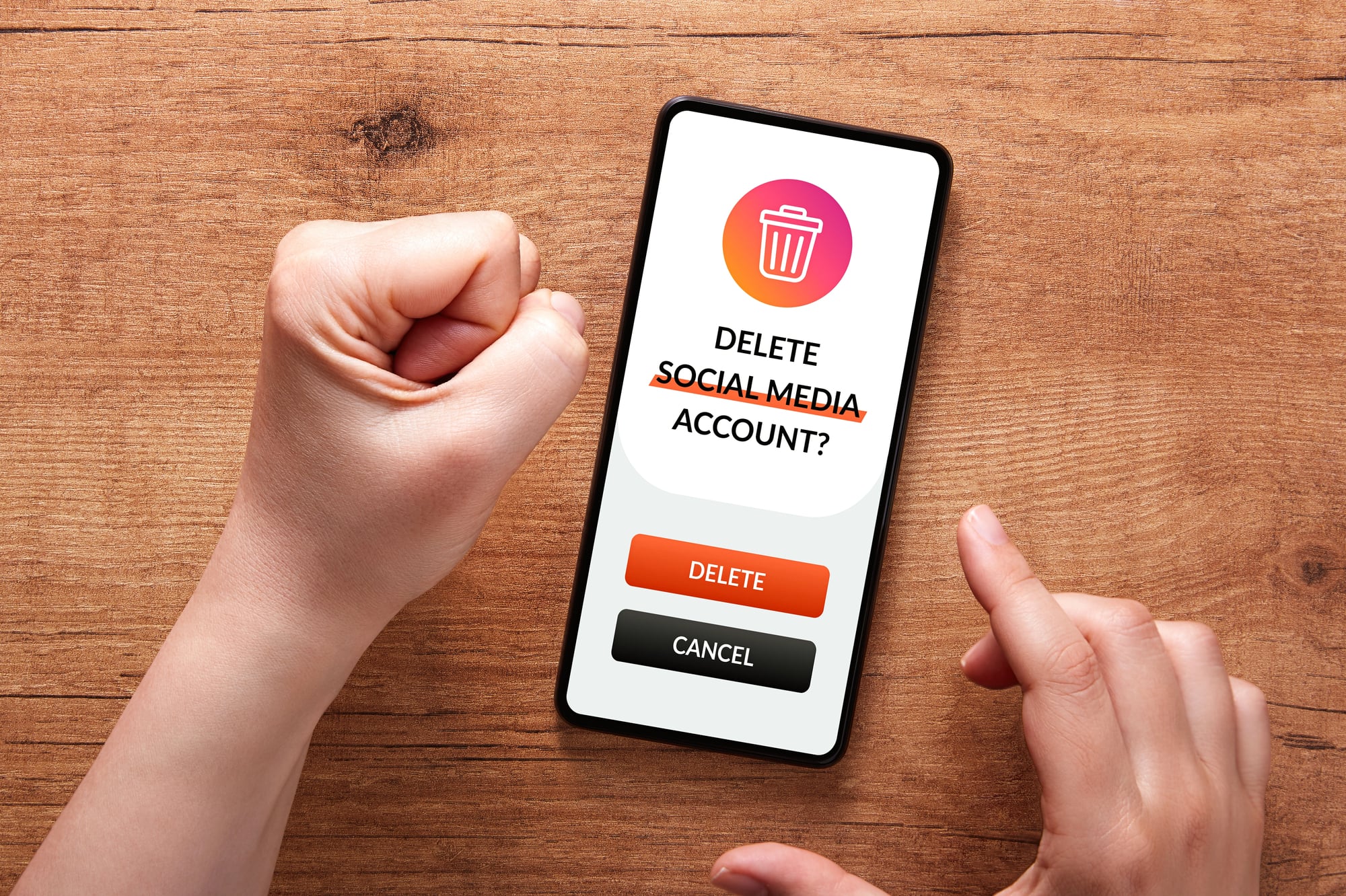
Deactivating or deleting your account removes your access to the service, but your data often remains in their systems indefinitely. The company retains everything you ever uploaded, shared, or created, along with all the behavioral data they collected while you were active.
The stated reasons are usually technical—backup systems, legal compliance, or fraud prevention. But the practical effect is that leaving a platform doesn’t actually mean leaving.
Your digital footprint remains in their databases, continuing to be analyzed and potentially shared with partners long after you’ve moved on.
The Fine Print That Changes Everything

These terms of service clauses exist in a strange space between legal necessity and corporate overreach. Companies argue they need broad permissions to provide modern services, and there’s some truth to that.
But the scope of what users are agreeing to has grown far beyond what most people would knowingly accept.
The real problem isn’t that these clauses exist—it’s that the current system makes informed consent practically impossible. Documents written by legal teams for legal teams, covering services that didn’t exist when most consumer protection laws were written.
Until that changes, the most radical act might be the simplest one: actually reading what you’re agreeing to before you tap that button.
More from Go2Tutors!

- The Romanov Crown Jewels and Their Tragic Fate
- 13 Historical Mysteries That Science Still Can’t Solve
- Famous Hoaxes That Fooled the World for Years
- 15 Child Stars with Tragic Adult Lives
- 16 Famous Jewelry Pieces in History
Like Go2Tutors’s content? Follow us on MSN.