14 Myths About the Arctic That Science Has Debunked
For centuries, the Arctic has sparked human imagination with tales of frozen wastelands, mysterious creatures, and impossible survival stories. Popular culture plus outdated information have unfortunately woven together a collection of misconceptions about this remarkable region that stick around even now.
Scientific research keeps shattering long-held beliefs about the Arctic, though, revealing something far more complex and fascinating than we imagined. Here is a list of 14 myths about the Arctic that science has thoroughly debunked.
The Arctic is a Lifeless Wasteland
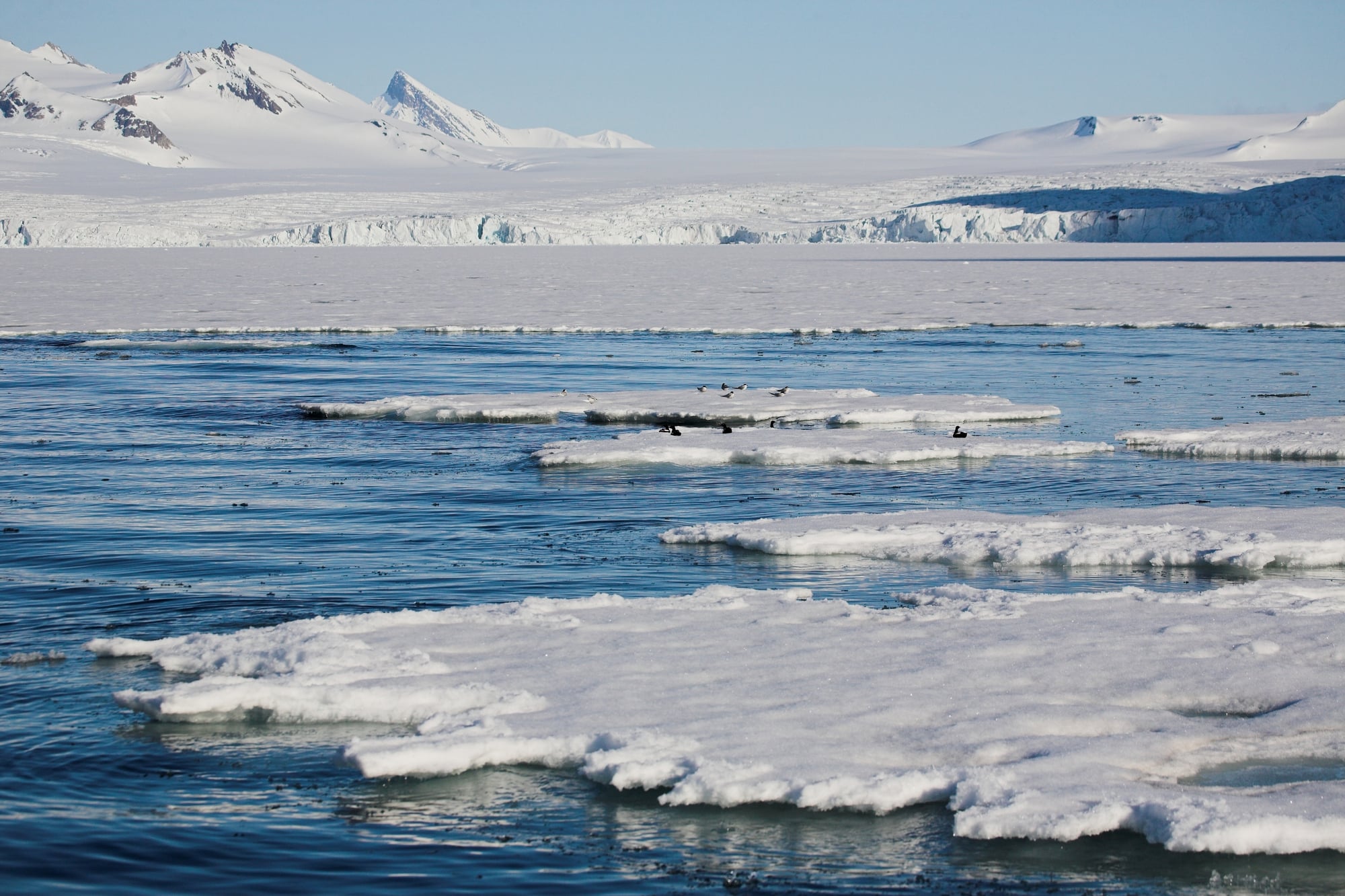
The Arctic actually teems with life that’s perfectly adapted to extreme conditions. Over 21,000 known species call this region home—including polar bears, Arctic foxes, caribou, and countless marine organisms.
Even what looks like barren tundra bursts into colorful wildflower displays during those brief summer months.
Eskimos Have Hundreds of Words for Snow
Linguists have completely torn apart this stubborn myth. The confusion comes from how Inuit languages build words by sticking smaller parts together—kind of like German does with compound words.
Reality check: Inuit languages have about the same number of basic snow terms as English has.
Like Go2Tutors’s content? Follow us on MSN.
The Arctic Ocean is Completely Frozen
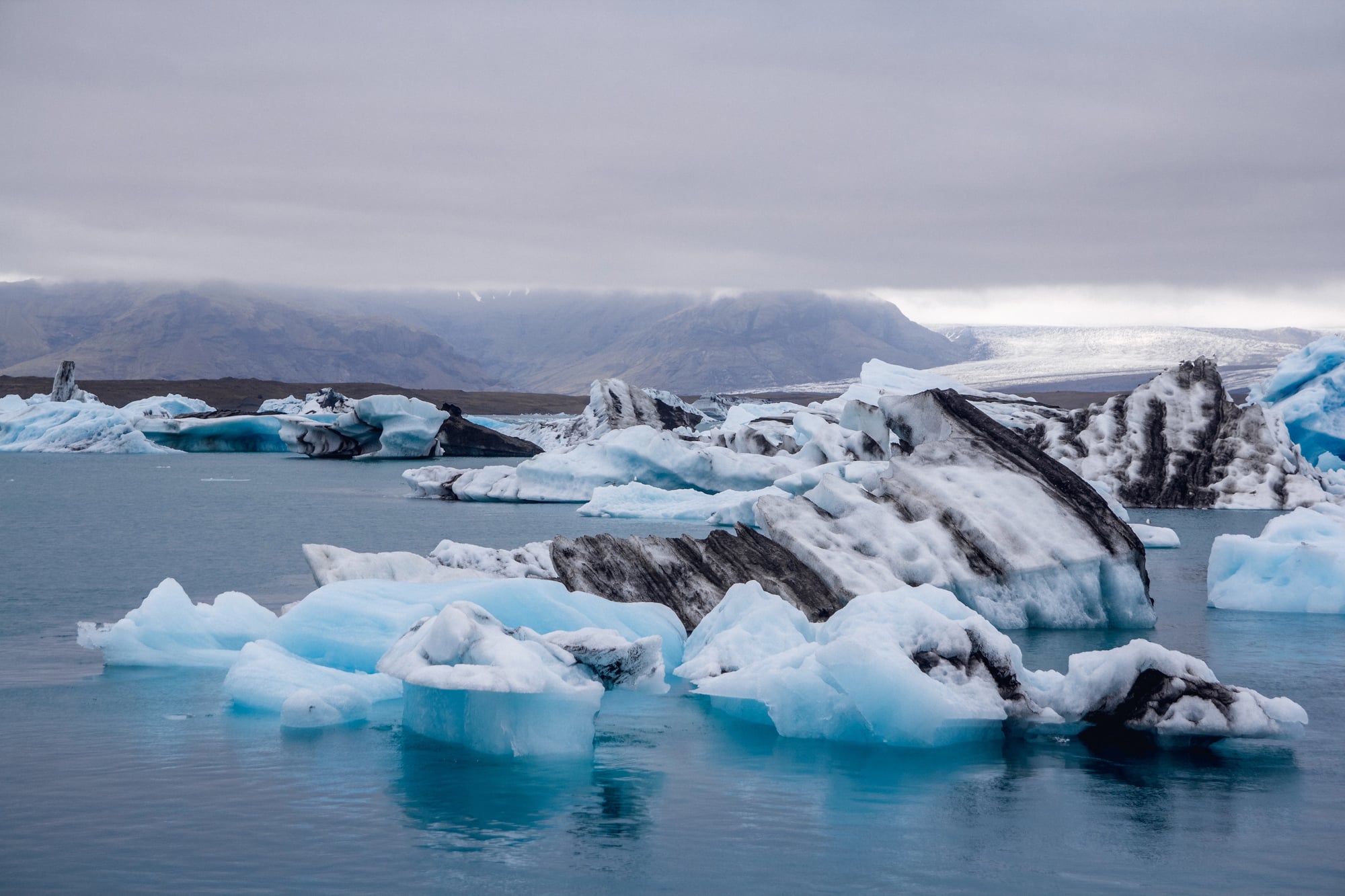
Huge areas of the Arctic Ocean stay open year-round—even when it’s brutally cold. Sea ice coverage changes dramatically with the seasons, yet when ice does form, it’s constantly shifting and moving around.
This creates leads and polynyas that remain ice-free all winter long.
Polar Bears are Dying Out Rapidly
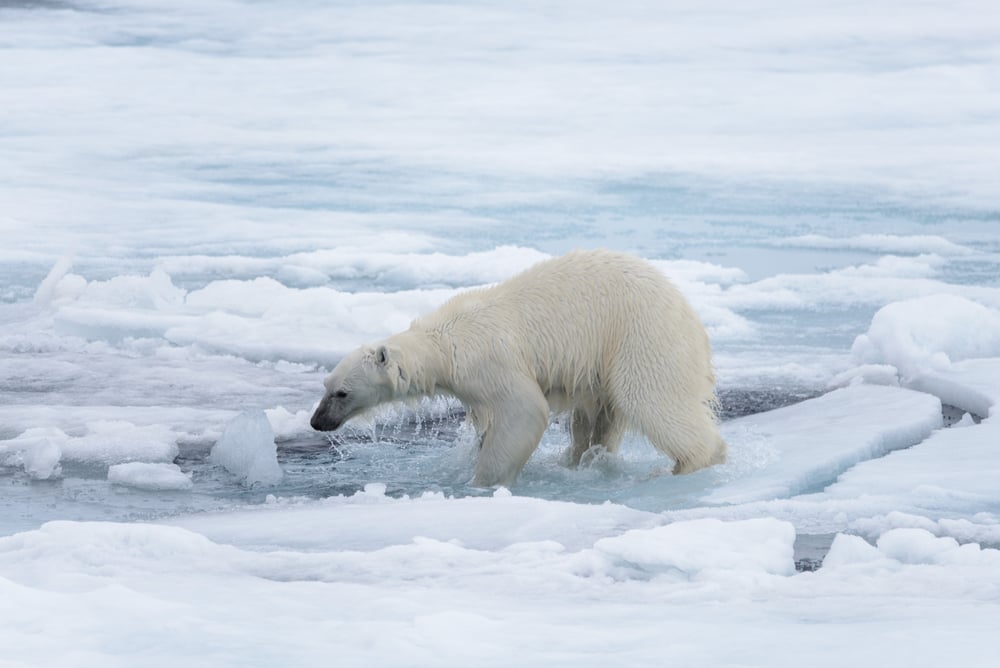
Climate change definitely creates challenges for polar bears, though their populations are way more stable than most people think. Current estimates put around 26,000 polar bears in the wild—with some populations actually growing.
These bears have adapted remarkably well, switching up their hunting strategies and diet as things change.
The Arctic Never Gets Warm
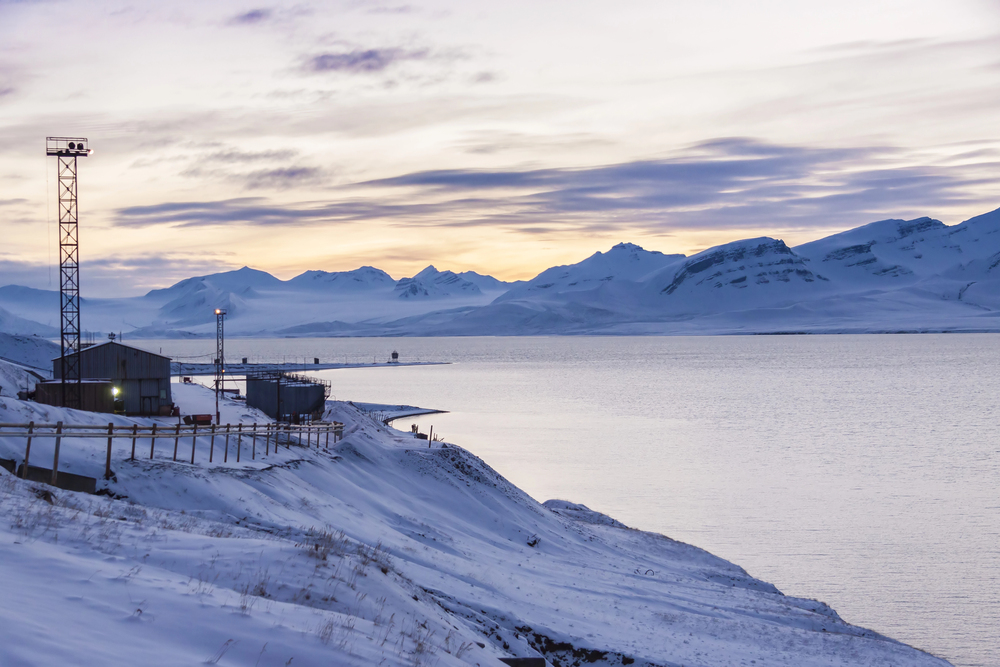
Arctic summers regularly climb well above freezing—sometimes hitting the 70s and 80s Fahrenheit in certain spots. Fairbanks, Alaska, has recorded temperatures over 90 degrees, whereas Arctic communities in Canada and Greenland get genuinely pleasant summer weather.
All that continuous daylight makes it feel even warmer.
Like Go2Tutors’s content? Follow us on MSN.
Greenland is Mostly Green
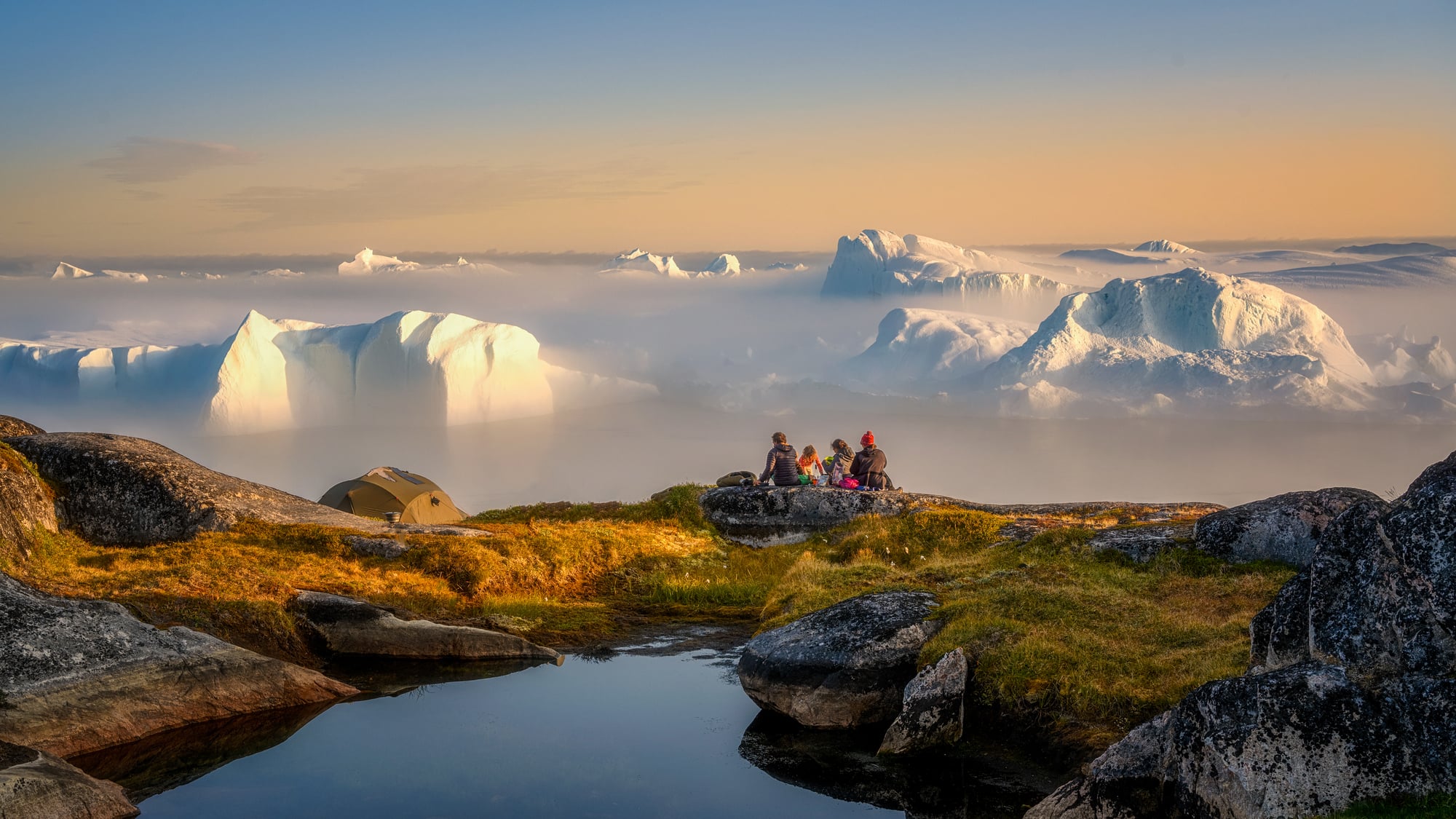
Despite that misleading name, about 80% of Greenland stays buried under ice sheets—some reaching two miles thick. Erik the Red came up with this name around 985 AD as a marketing trick to lure settlers to his new colony.
Sure, coastal areas turn green during summer, but most of this massive island remains locked under ancient ice.
Arctic Animals are All White

Arctic wildlife shows off an incredible range of colors beyond that stereotypical white camouflage. Arctic foxes go brown in summer, caribou sport rich chocolate coats, and many Arctic birds flash brilliant blues, reds, and yellows.
Polar bears aren’t even truly white—their fur just looks that way because of how light bounces off it.
The Midnight Sun Lasts All Year
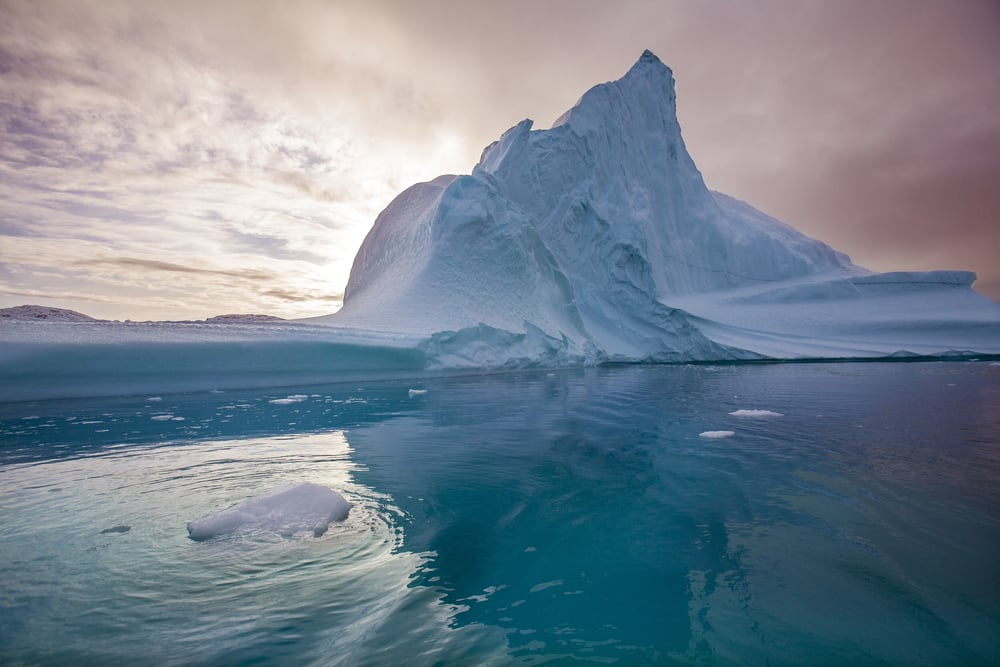
This 24-hour daylight thing only happens during summer months—and how long it lasts depends on your latitude. At the Arctic Circle, midnight sun lasts exactly one day, whereas the North Pole gets about six months of continuous daylight.
Winter brings the opposite: corresponding periods of total darkness.
Like Go2Tutors’s content? Follow us on MSN.
Arctic Ice Never Melts

Arctic ice goes through constant cycles of melting and refreezing—big chunks disappear every summer before forming again in winter. Sea ice hits its lowest point in September and peaks in March, creating an annual rhythm that’s been going on for thousands of years.
Even Greenland’s massive ice sheet melts on the surface during warm summers.
Indigenous Arctic Peoples Live in Igloos
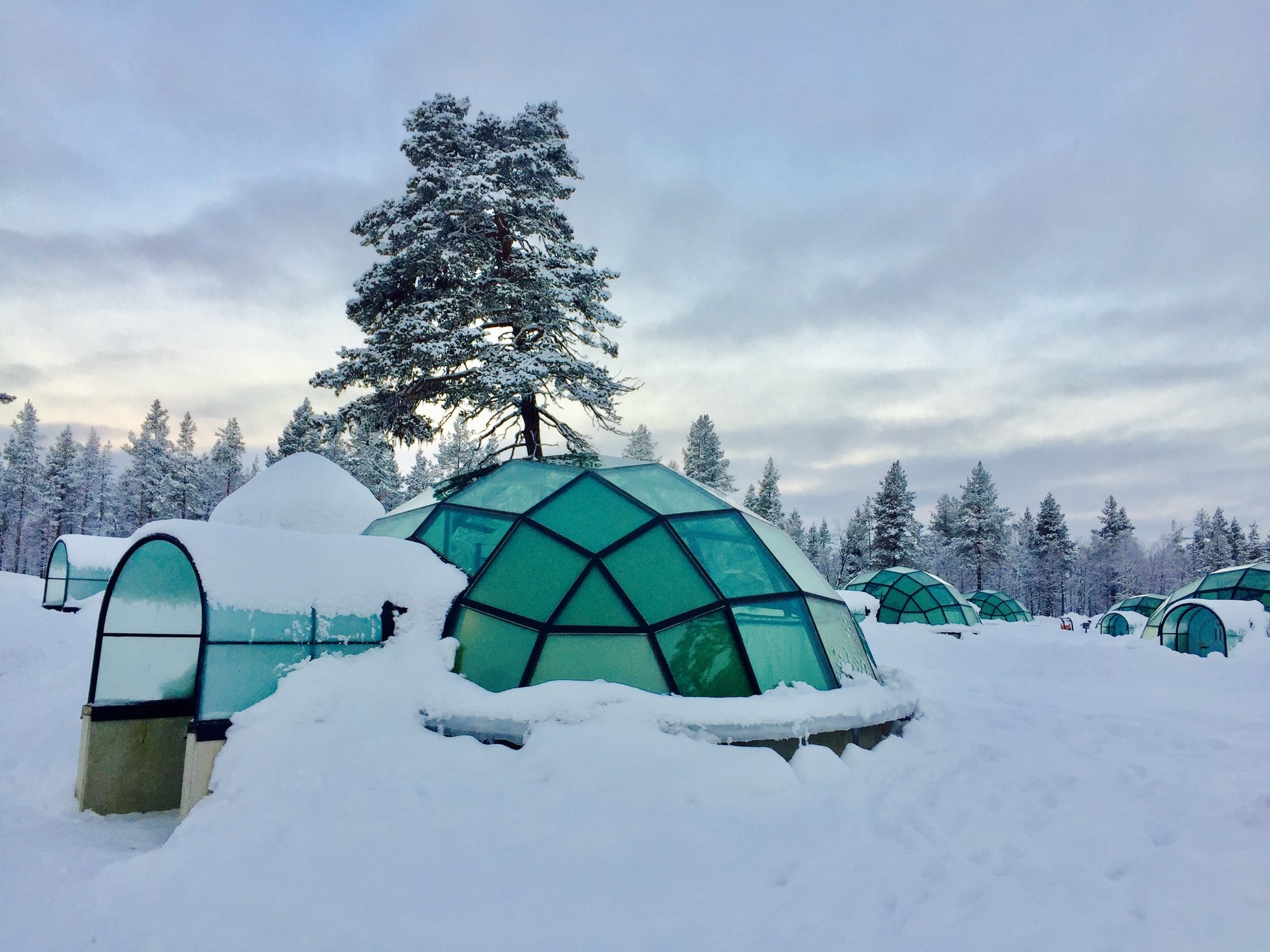
Most Arctic indigenous communities live in regular modern houses—complete with heating, electricity, and internet access. Igloos worked as temporary hunting shelters, but they weren’t permanent homes for most Arctic peoples.
Traditional winter dwellings varied hugely among different cultures, including earth lodges, skin tents, and semi-underground houses.
The Arctic Has No Trees
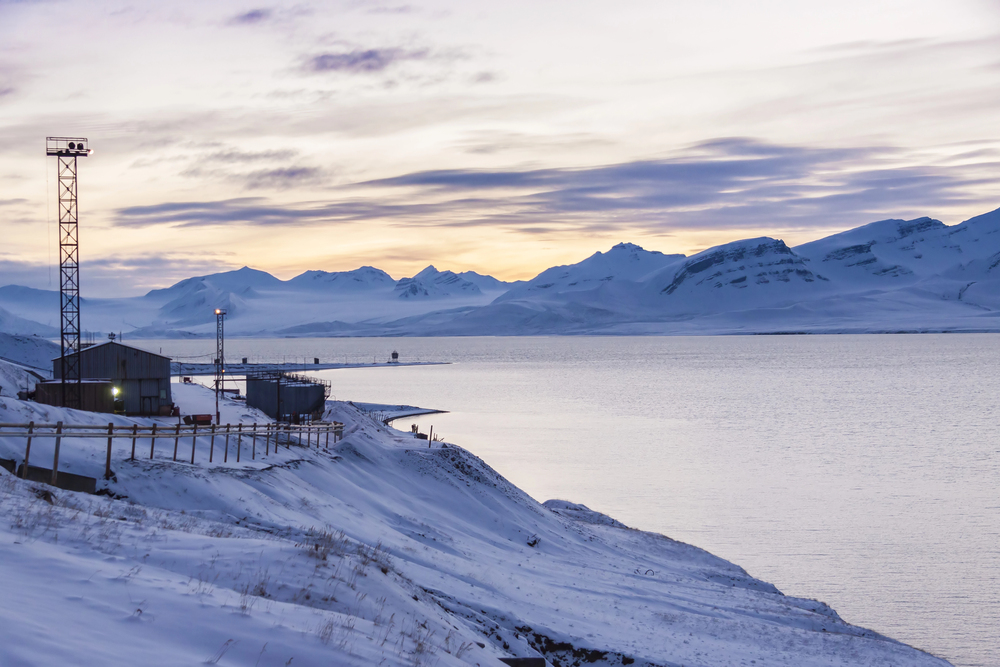
The Arctic actually includes vast forests stretching across Alaska, northern Canada, Scandinavia, and Russia. The boreal forest represents the world’s largest terrestrial biome and forms the Arctic region’s southern boundary.
Even in tundra zones, willows and other woody plants thrive in sheltered spots while dwarf birches create miniature forests.
Like Go2Tutors’s content? Follow us on MSN.
Arctic Weather is Always Stormy
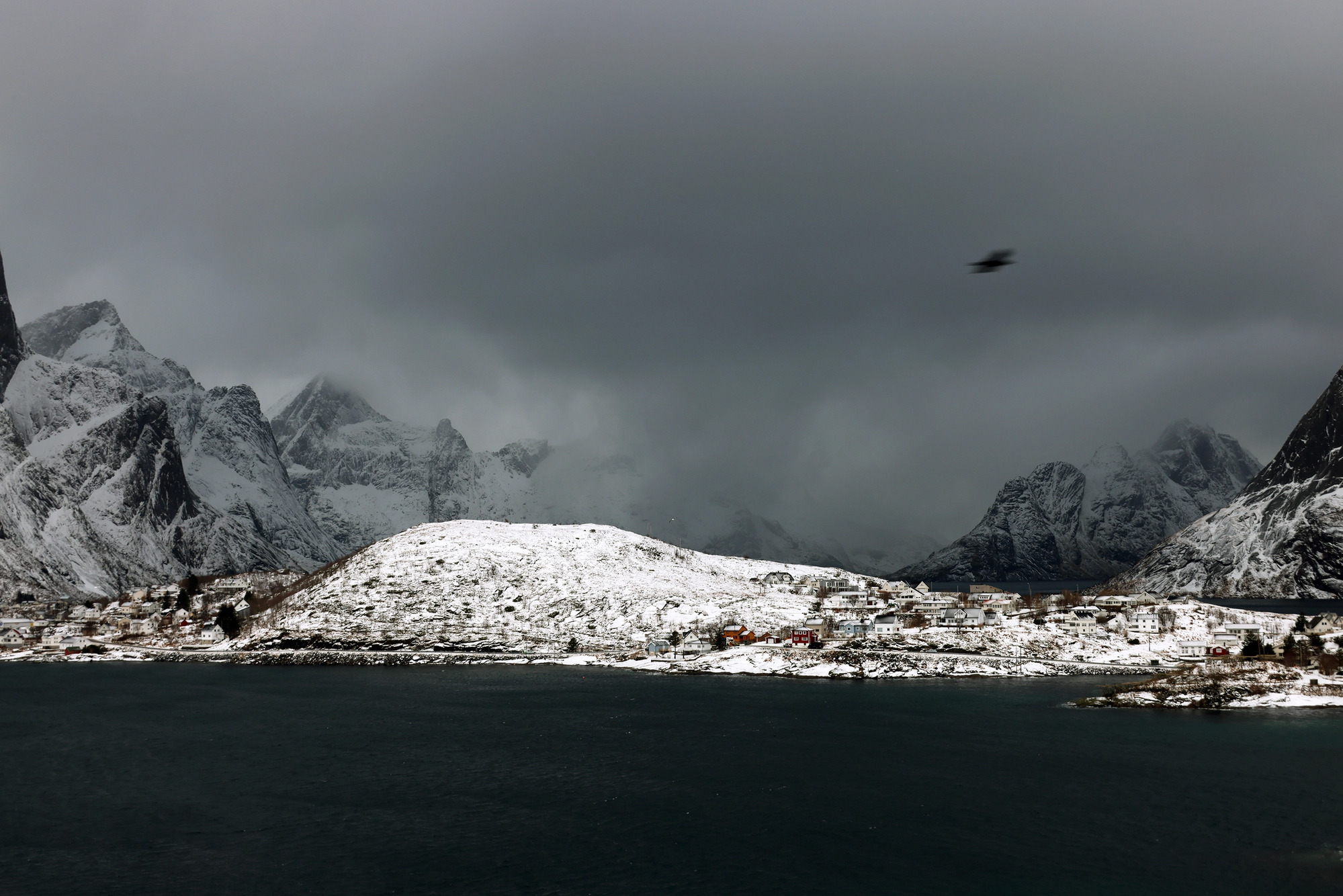
Much of the Arctic experiences surprisingly calm conditions, especially during winter when high-pressure systems take over. That constant blizzard stereotype comes from coastal and mountain areas where storms actually do happen frequently.
Interior regions often get clear skies and light winds, creating extreme cold without all the dramatic weather.
The Arctic is Getting Warmer Everywhere

Though the Arctic overall warms faster than other regions, this change isn’t happening uniformly. Some locations have actually cooled while others have warmed dramatically, creating complex climate change patterns.
Scientists call this ‘Arctic amplification,’ but the phenomenon varies significantly by location, season, and elevation.
Arctic Research Stations are Primitive Outposts
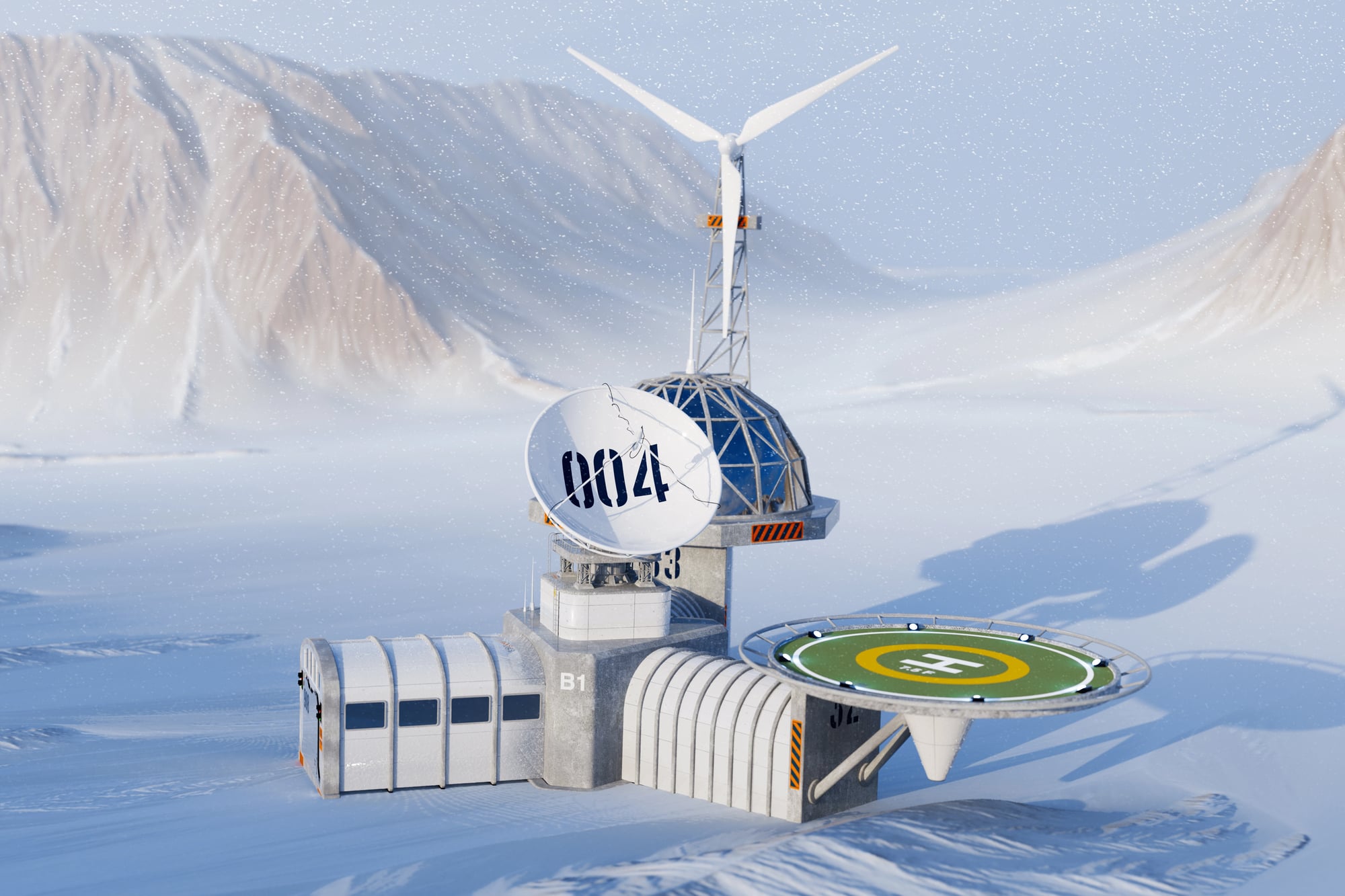
Modern Arctic research facilities rival top university laboratories in sophistication and capabilities. Stations like the Svalbard Global Seed Vault and Greenland research bases feature cutting-edge technology, comfortable living quarters, and high-speed internet.
These facilities support complex scientific research requiring precise instruments and controlled environments.
Like Go2Tutors’s content? Follow us on MSN.
When Reality Beats Fiction
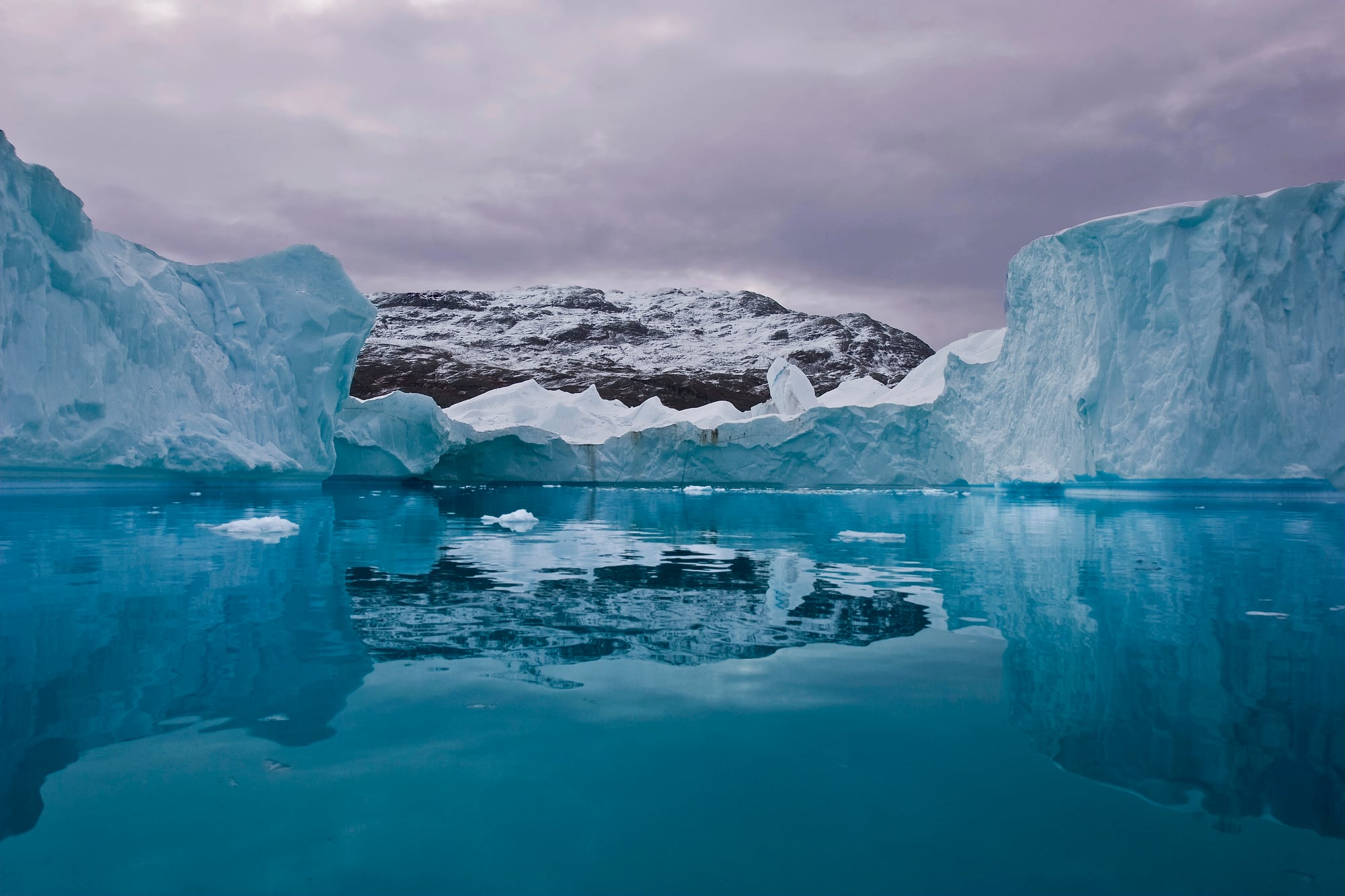
The real Arctic keeps defying simple explanations and challenging what we think we know. Scientific research continues to uncover new complexities in Arctic ecosystems, weather patterns, and human societies that make this region infinitely more interesting than any myth could capture.
Understanding the true Arctic helps us appreciate both its incredible adaptations and its vulnerability to change. As climate science advances and Arctic communities share their knowledge, reality keeps proving more fascinating than fiction when it comes to our planet’s northern frontier.
More from Go2Tutors!

- 16 Restaurant Chains That Went Too Fast
- 12 Things Sold in the 80s That Are Now Illegal
- 15 Strange Things People Have Tried to Ban (And Failed)
- 16 Collectibles People Tossed Out Too Soon
- 17 Myths from Your Childhood That Were Actually Based on Real Things
Like Go2Tutors’s content? Follow us on MSN.