15 Quirky Facts from the Rubik’s Cube’s Early Years
Back in the 70s, some Hungarian professor was just trying to teach his students about shapes. Ernő Rubik had no clue he was about to make the most annoying toy ever.
What started as a classroom thing turned into this huge deal that made people want to throw colorful cubes out windows. The whole thing was pretty crazy from the start.
Here’s a list of 15 weird facts about how the Rubik’s Cube got going.
Rubik Couldn’t Solve His Own Thing

So get this – Rubik makes this cube in 1974, mixes it up, and then has no idea how to fix it. The guy spent a whole month trying to figure out his own thing.
He’s sitting in his tiny Budapest apartment every night, probably thinking he messed up big time. Later he said he thought maybe he’d made something that couldn’t be solved.
It Wasn’t Even Called a Rubik’s Cube
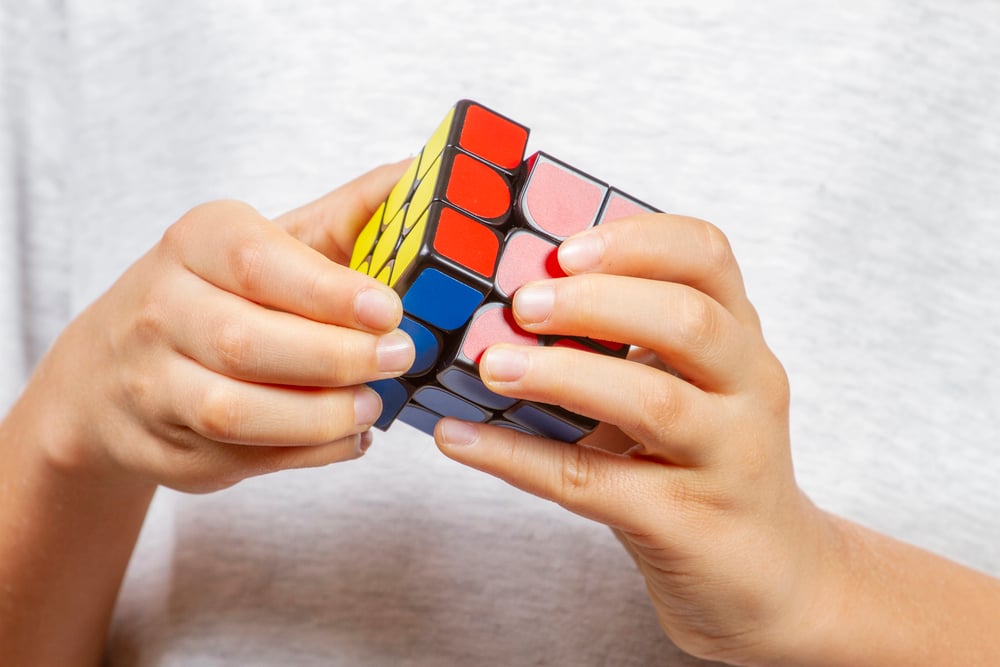
The first name was ‘Magic Cube’ when it showed up in Hungarian stores in 1977. Pretty basic, right?
When Ideal Toy brought it to America in 1980, they stuck Rubik’s name on it. Smart move – sounds way better than ‘magic cube.’
Like Go2Tutors’s content? Follow us on MSN.
You Could Buy One for Almost Nothing
When it hit American stores in May 1980, the thing cost $1.39. That’s like five bucks today.
Parents could grab one without thinking twice. Of course, everyone wanted one and prices went up fast within months.
The First Design Was Awful
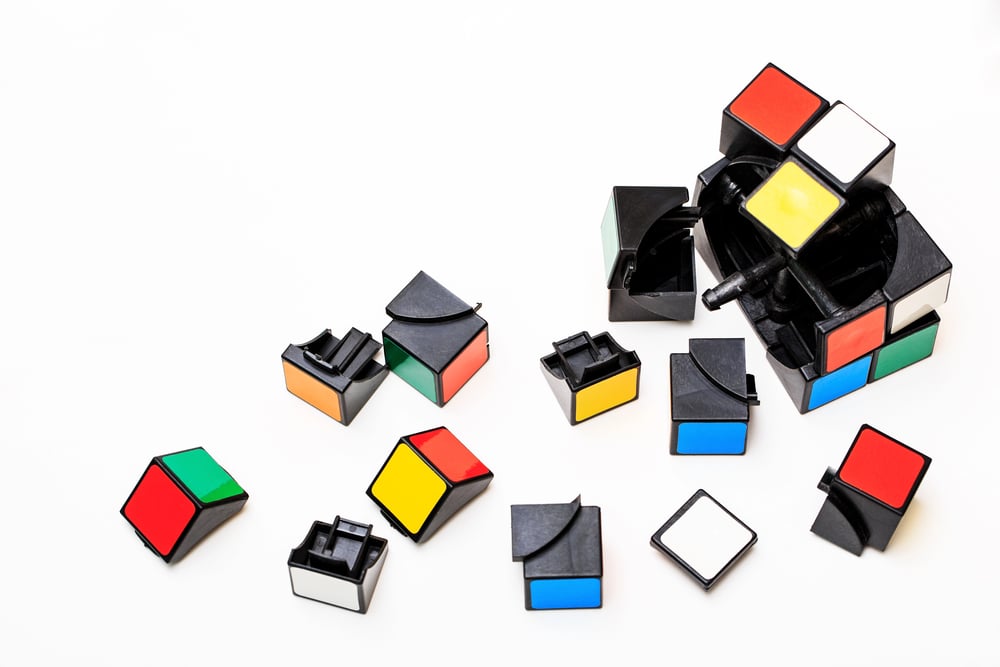
Those first Hungarian cubes were held together with rubber bands and clips. I’m not kidding.
They got stuck all the time and broke if you looked at them wrong. When other countries started making them, they totally redid the insides with the orb thing most cubes still use.
One Guy Made It Big in America

Douglas Hofstadter wrote about the cube in ‘Scientific American’ in March 1981. Called it super hard and got all deep about it.
His review got smart people hooked, and they told everyone they knew.
Like Go2Tutors’s content? Follow us on MSN.
The First Contest Was Tiny

The first real world contest happened in Budapest in June 1982. Nineteen people showed up.
That’s it. Some Vietnamese student named Minh Thai won with 22.95 seconds, which seemed crazy fast back then. Now people solve it in under 5 seconds.
Ideal Toy Spent Big Money
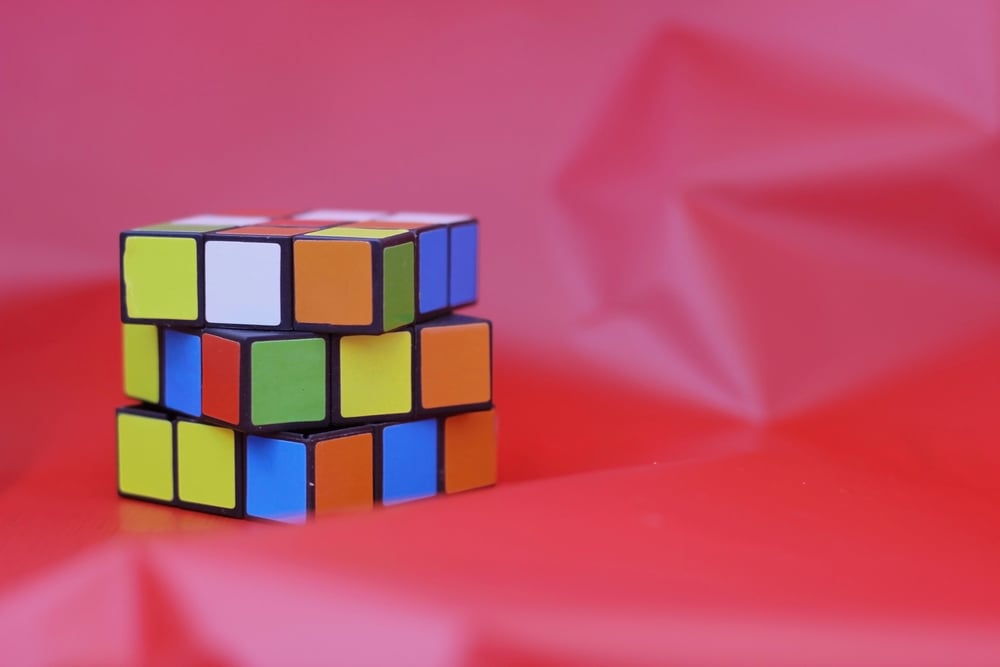
Ideal spent over $2 million on TV ads in 1980 and 1981. The commercials showed kids solving cubes while riding bikes and hanging upside down.
Total fake stuff – they used camera tricks and already-solved cubes to make it look easy.
The Directions Were Garbage

Those little books that came with early cubes? Totally useless.
They told you how the thing worked but gave zero help on actually solving it. Most people just had to figure it out by themselves or get tips from friends.
Like Go2Tutors’s content? Follow us on MSN.
Fake Ones Took Over
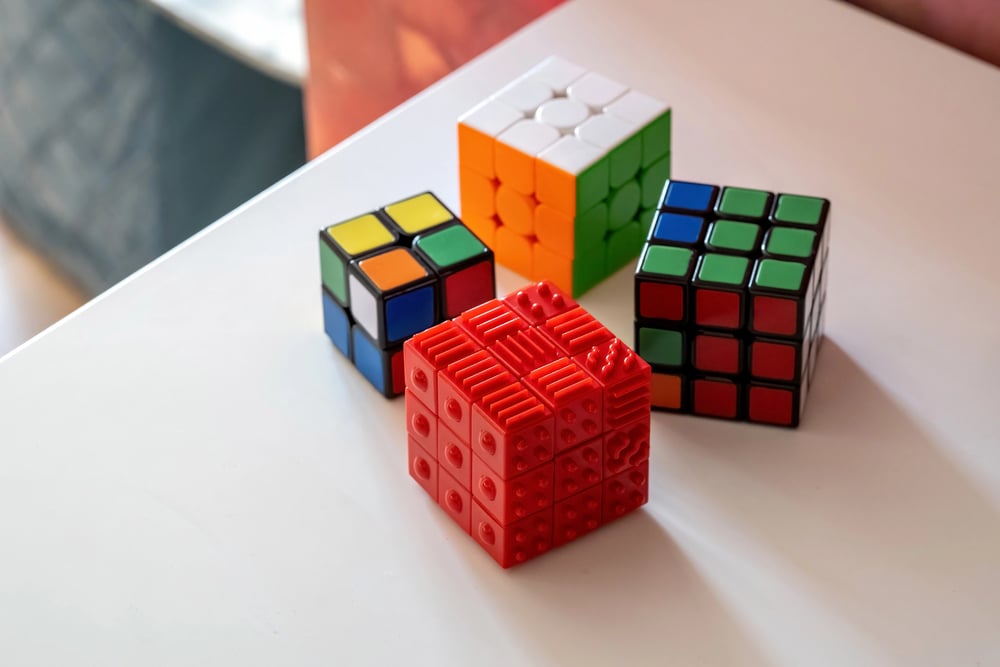
Cheap copies flooded toy stores almost right away. Some cost 50 cents and had stickers that came off if you breathed on them.
The turning parts barely worked. Fake cubes probably outsold real ones 3-to-1 during the big craze.
The Vatican Had to Say Something

In 1982, the Vatican actually put out a statement saying Catholics could play with Rubik’s Cubes. Turns out worried parents kept writing letters asking if it was like gambling or magic or something.
The Church had to give it their okay.
High School Kids Started Racing
The whole racing scene started in American high school lunch rooms around 1981. Kids would meet up with stopwatches borrowed from gym teachers and time each other.
These casual meetups made the first group of speed solvers.
Like Go2Tutors’s content? Follow us on MSN.
Rubik Made Almost Nothing

Even though he made one of the best-selling toys ever, Rubik barely got any money at first. Hungarian laws meant his deals with companies paid him almost nothing.
He didn’t see real money until the mid-80s when deals got redone.
It Made a Hit Song

The Barron Knights made a song called ‘The Rubik’s Cube’ that hit number 23 on UK charts in 1981. The words were about how annoying the puzzle was – ‘Round and round, up and down, driving me insane.’
Other bands tried cube songs too but none worked.
Libraries Started Help Groups

Public libraries began hosting Rubik’s Cube clubs in 1981 after librarians saw people throwing the puzzles around when they got mad. These meetups brought new people and experts together to share solving tricks.
Many turned into the first real contests.
Like Go2Tutors’s content? Follow us on MSN.
Records Were Kept on Paper Cards

Before digital timers, contests used handwritten records on index cards. Judges had basic stopwatches and wrote times down by hand.
Led to lots of fights about exact times. Many good early solve times probably got lost or never written down right.
Still Making People Mad

The Rubik’s Cube showed that simple ideas can grab the world’s attention in totally unexpected ways. A Hungarian professor’s teaching tool became this huge thing that started contests and annoyed millions of people.
Those crazy early years built the base for a puzzle that still makes people want to throw it across the room – which means it’s working just like it should.
More from Go2Tutors!

- 16 Historical Figures Who Were Nothing Like You Think
- 12 Things Sold in the 80s That Are Now Illegal
- 15 VHS Tapes That Could Be Worth Thousands
- 17 Historical “What Ifs” That Would Have Changed Everything
- 18 TV Shows That Vanished Without a Finale
Like Go2Tutors’s content? Follow us on MSN.