33 TV Station Signoffs Before Overnight Broadcasting
Before round-the-clock programming, a television station’s night ended with a ritual. A voice, an anthem, and a final burst of static told viewers the broadcast day was over.
The details varied from market to market, but the pieces were remarkably consistent. Each one carried a small slice of broadcasting history.
The Star-Spangled Banner

Many stations ended the day with the national anthem, played over footage of the flag or of military aircraft. It was a convenient way to close the schedule with something familiar and solemn. Some stations opened the broadcast day the same way.
Waving Flag Footage

A loop of film showing the American flag rippling against a clear sky often filled the screen while the anthem played. The imagery was cheap, durable, and instantly understood by anyone still awake. It also gave the transmitter a steady, simple picture to send in the last minutes of the night.
Fighter Jet Formations

Some stations paired the anthem with footage of military aircraft flying in formation. The shots drew on the Cold War mood of the era and gave the closing minutes a sense of motion otherwise missing from a station about to go dark. Viewers who stayed up late learned the sequence by heart.
A Pilot’s Sonnet
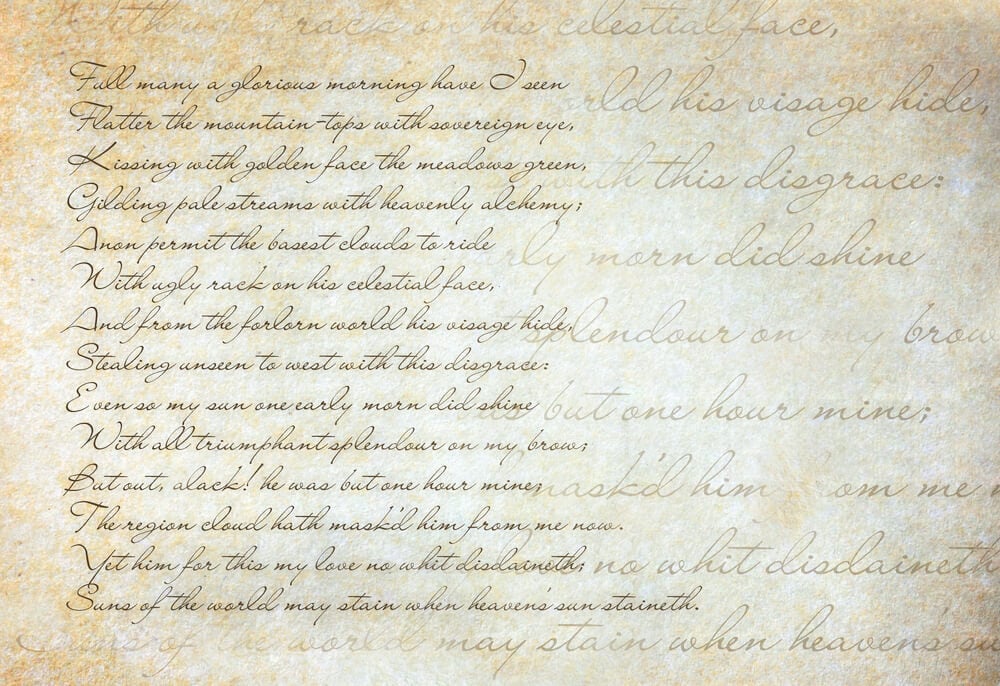
A number of stations accompanied closing aircraft footage with a reading of “High Flight,” a sonnet written by John Gillespie Magee Jr., a young pilot killed in a mid-air collision in December 1941. The poem’s imagery of climbing into open sky matched the footage, and its brevity fit the final minute of programming. Announcers delivered it in a hushed, unhurried voice.
The Indian-Head Test Pattern

RCA introduced the Indian-head test pattern in the late 1930s, and it became a symbol of a station that had left the air. The drawing showed the profile of a Native American man in a feathered headdress set inside circles and lines that engineers used to check focus and alignment. Viewers who tuned in after signoff often saw it for hours.
Color Bars
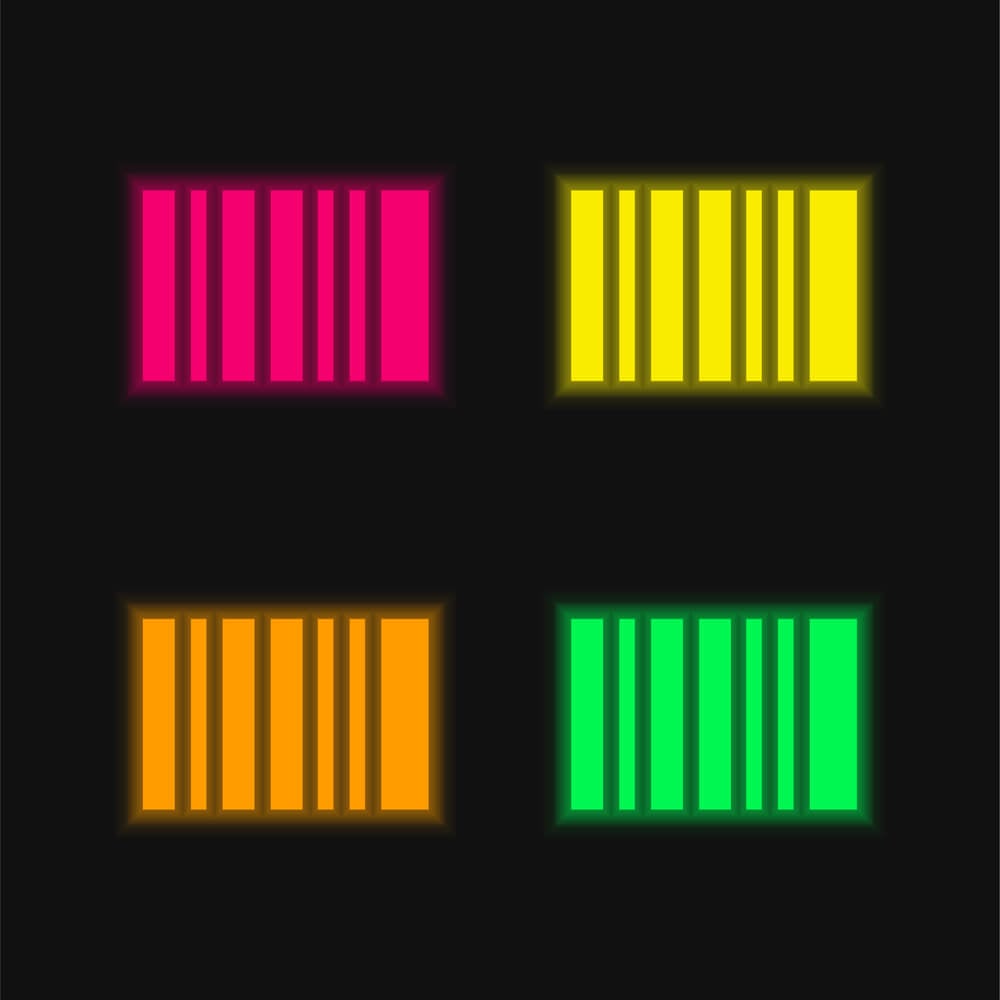
In the color era, vertical bars of white, yellow, cyan, green, magenta, red, and blue filled the screen after the last program ended. Engineers used the standardized pattern, associated with the Society of Motion Picture and Television Engineers, to calibrate color and brightness. Many viewers adjusted their own sets to it.
The Steady Test Tone
A continuous tone, commonly set at 1,000 hertz, often played under the test pattern or color bars so technicians could set audio levels. Anyone who left the television on in a dark room remembers the thin, steady whine. It was the sound of a station doing maintenance while the neighborhood slept.
The Station Identification
Federal rules required broadcasters to identify their stations by call letters and community of license, and signoff was a standard moment to do it. A slide or title card carried the letters, the channel number, and the city. It reassured viewers that someone was still responsible for the signal.
The Closing Weather Forecast

A final weather update let viewers decide whether to carry a coat the next morning. Meteorologists sometimes recorded it earlier in the evening and tucked it ahead of the anthem. The forecast was short, practical, and often delivered in front of a hand-drawn map.
The Last News Headlines

After the late newscast, many stations ran a short recap of top stories before closing. The recap gave insomniacs a reason to stay tuned until the very end. Anchors usually spoke in a measured tone, as if lowering the volume on the day.
The Late Movie’s Final Reel

The late movie often ran until nearly the hour of signoff, and a station’s signoff time could depend on when the film ended. Local stations leaned on reruns and older features that were cheap to license. When the credits rolled, the anthem followed within minutes.
The Closing Prayer

Some stations closed with a short prayer or reflection delivered by a local clergyman, sometimes called a sermonette. The segment was brief, nonsectarian in tone at some stations, and aimed at people who had worked late shifts. It sat between the late programming and the anthem as a final moment of calm.
A Closing Hymn
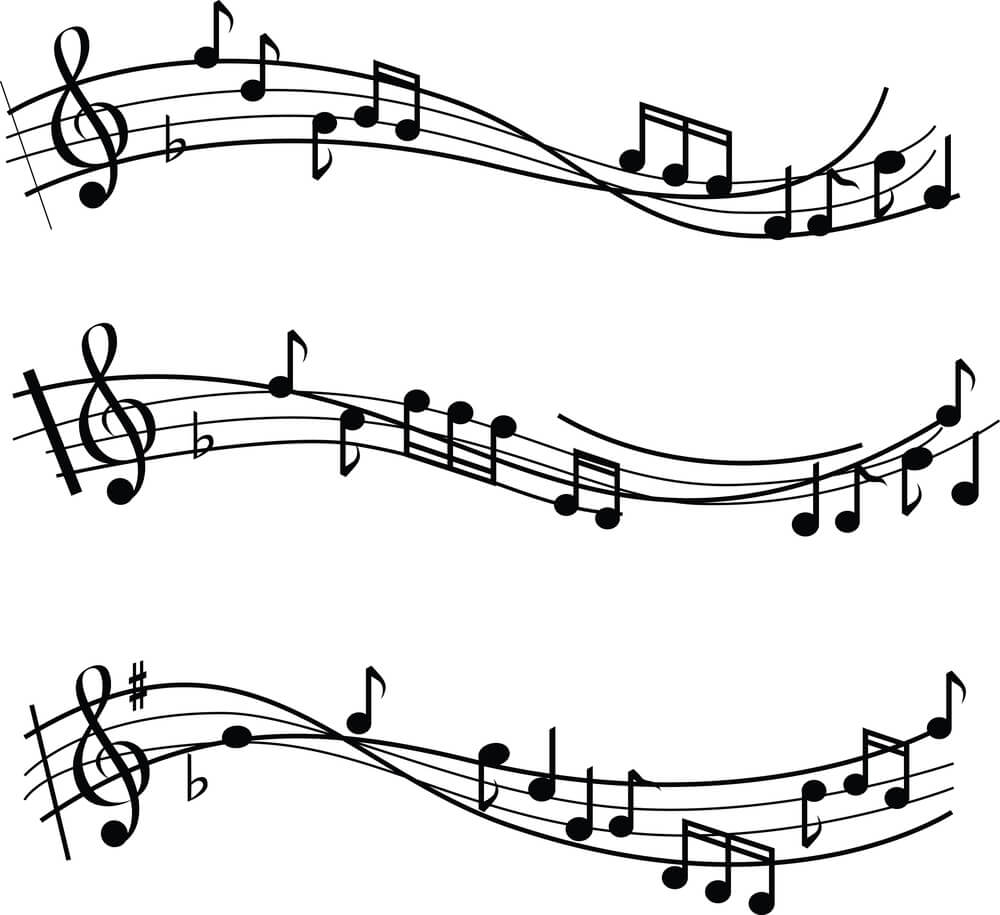
Hymn performances, sometimes sung by a local choir or played on an organ, closed the broadcast day at certain stations. The music was inexpensive to produce and fit the quiet mood of the late hour. Viewers who did not watch church programs often knew these tunes only from signoff.
The Local Announcer’s Good Night

At many stations, a staff announcer read a closing script thanking viewers and announcing the next morning’s sign-on time. The voice was usually warm and unhurried, with a tone that suggested a neighbor locking up. In smaller markets, the announcer might be a familiar face from the evening news.
Tomorrow’s Program Schedule
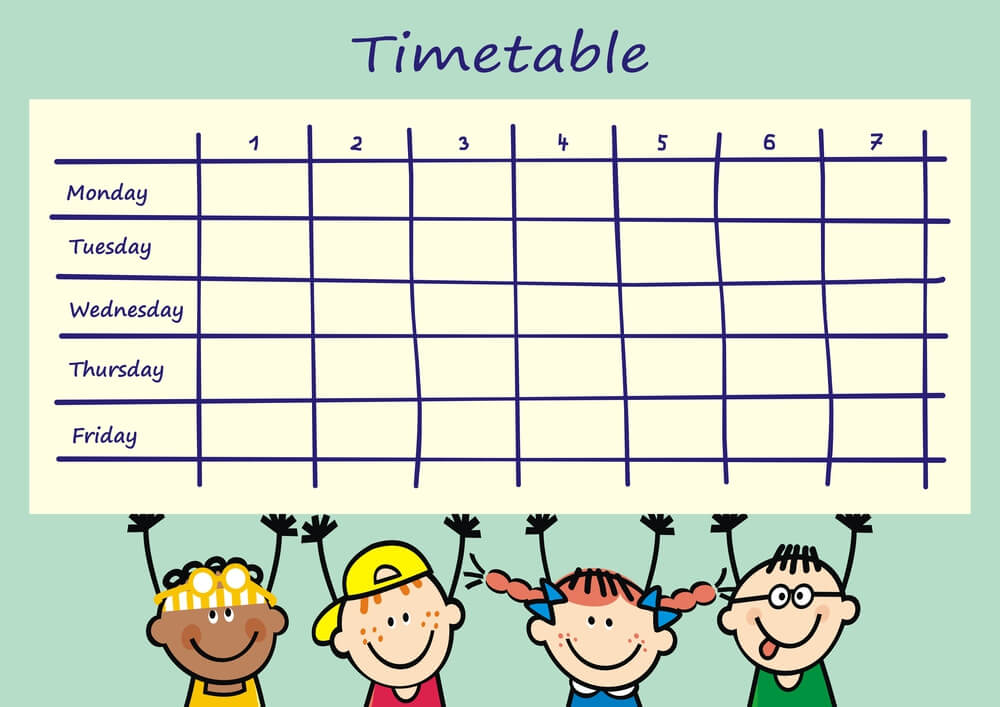
A card or announcer listing the next day’s early programs sat just before the final seconds. It gave viewers a reason to come back and advertisers a chance to be mentioned. Sign-on times could vary by day, and a station might begin earlier on weekends for farm reports or children’s shows.
The Horror Host’s Farewell

Stations that ran late-night horror movies often had a costumed local host who closed the show with a final joke. The hosts built regional followings, and their goodbyes were as anticipated as the films. Many used homemade sets, rubber props, and spooky stage names.
The Final Commercial Break
The last commercials of the night were often for local businesses such as furniture stores, used car lots, and funeral homes. The rates were low, and the audience was small but loyal. Slow, direct pitches filled the minutes before the anthem.
The Final Scores
Sports departments sometimes ran a last recap of the day’s results just before signoff. Fans who missed the late news could catch a final line of scores before the screen went dark. The segment was a tiny, tidy version of the nightly sportscast.
The Time and Temperature Slide
A static slide showing the time and temperature was a cheap way to fill gaps in the schedule, and it sometimes appeared near signoff. The numbers came from a local bank or a weather bureau instrument and were updated by hand or machine. It was less a program than a small public utility.
The Emergency Broadcast System Check

From 1963 until it was replaced in 1997 by the Emergency Alert System, the Emergency Broadcast System ran periodic tests of its attention signal. Stations often scheduled the tests during the quiet hours around signon or signoff. The long, flat tone and the on-screen message became part of the sound of late-night television.
Static Snow
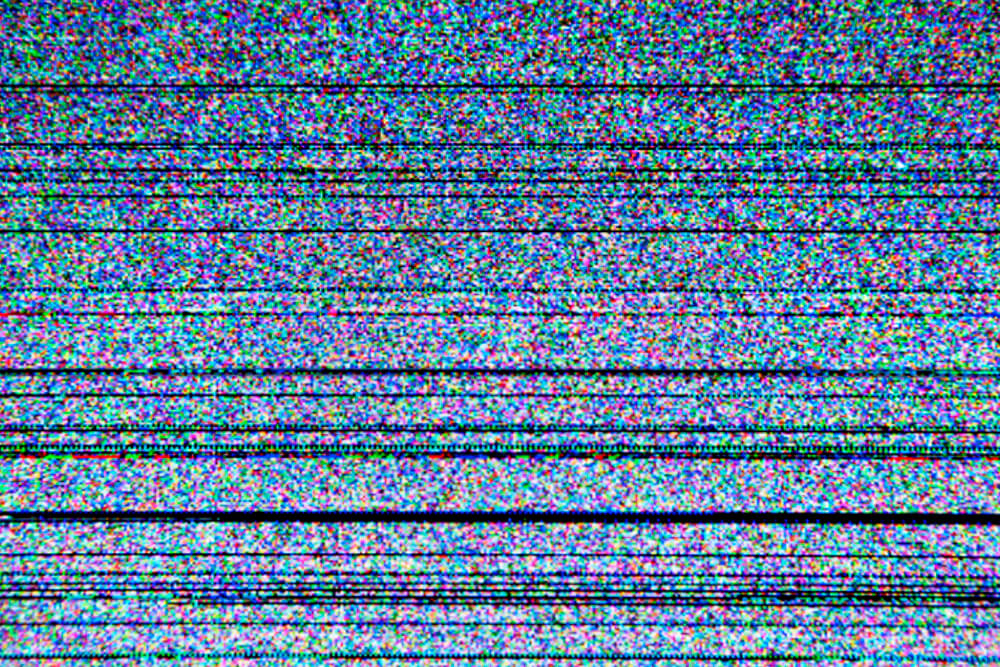
Once the transmitter went off, a television tuned to that channel showed a field of flickering gray and white specks. The pattern was the sound of the receiver amplifying noise instead of a signal. Children who stayed up late were told not to stare at it.
White Noise Hiss

The audio side of the dead channel produced a steady hiss that filled the room. It was loud enough to cover other sounds and strange enough to be unforgettable. Many households turned the set off before the hiss reached full volume.
The Empty Channel

On some sets, a dead channel showed a plain blue or black screen rather than static. Later televisions with built-in circuits blanked the picture automatically to avoid the snow. The change quietly removed one of the signature images of signoff.
Transmitter Shutdown

After the last program, engineers powered down the transmitter in a set order, a routine that took only minutes. Cooling fans slowed, meters dropped to zero, and the room settled into quiet. The sequence was invisible to viewers but defined the end of the night for the crew.
Tower Lights That Stayed On
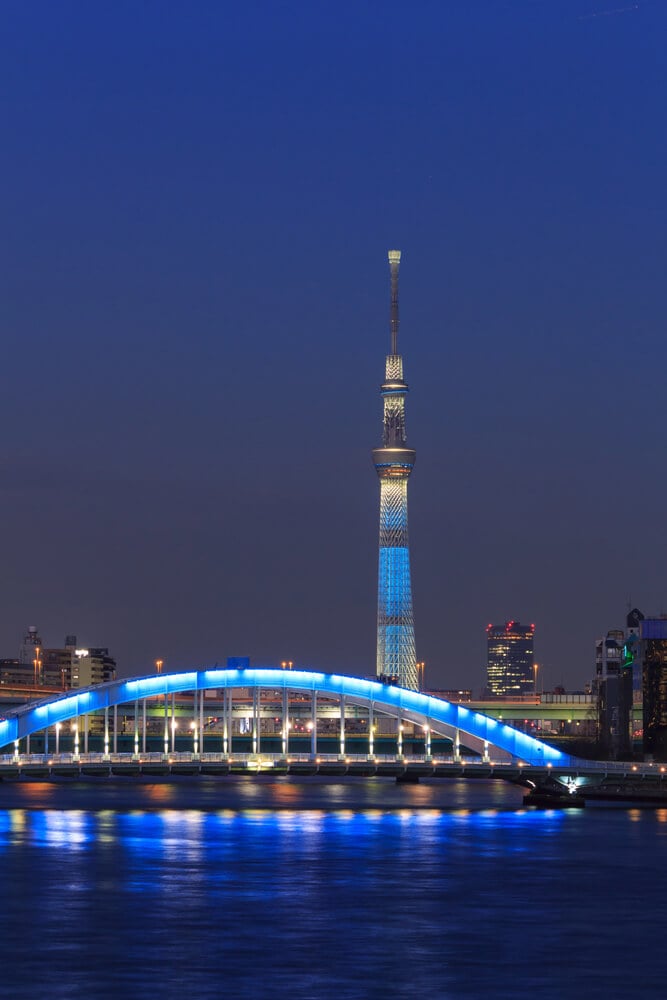
Even after the station went dark, the red lights on its broadcast tower kept blinking, since aviation rules require towers to remain lit. Drivers on rural roads saw them marking a signal that no longer existed. The lights were a reminder that the station was only asleep.
Overnight Engineering Maintenance

The quiet hours were often used for repairs, tube replacements, and equipment checks. Engineers climbed towers, swapped parts, and tested backup power. A good maintenance night meant the morning sign-on went smoothly.
A Montage of Local Landmarks

Some stations closed with slides or film of local sights such as bridges, courthouses, and riverfronts. The images built civic pride at a time when viewers had only a handful of channels. A soft musical arrangement usually played underneath.
The Bald Eagle

Footage of a bald eagle in flight or perched on a branch accompanied the anthem at some stations. The bird fit the patriotic mood and photographed beautifully. It was a favorite of film editors who needed a few reliable seconds of grace.
National Monuments
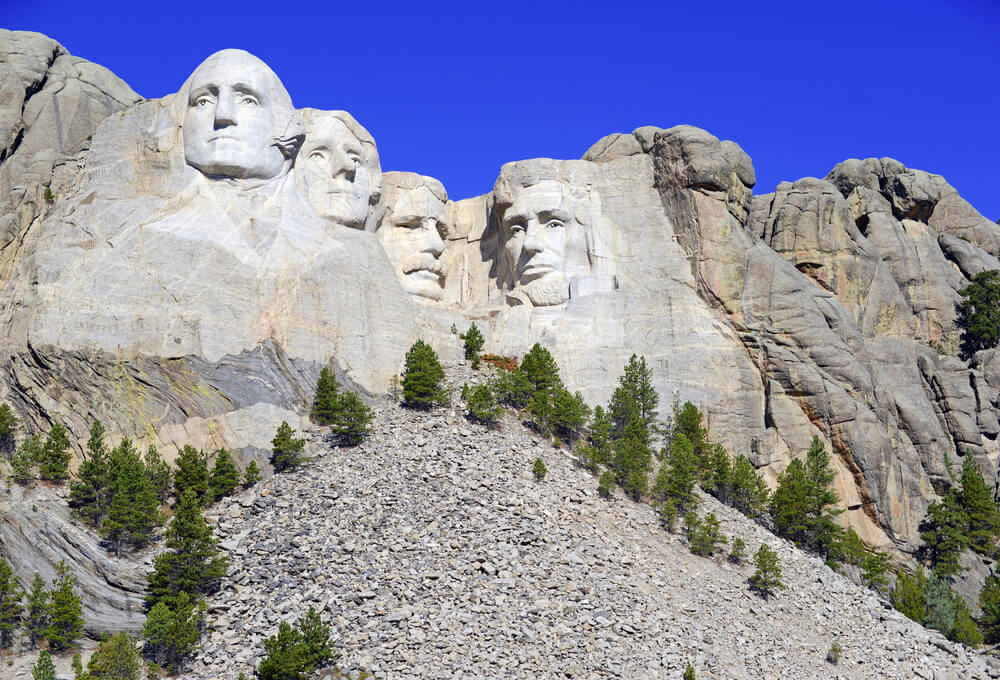
Pictures of the Lincoln Memorial, Mount Rushmore, or the Statue of Liberty sometimes played during the anthem. The images were widely available on stock film and slides. Viewers across the country saw the same few monuments, which gave signoff an odd national uniformity.
The Station Mascot

Stations with animated mascots or cartoon characters sometimes had them wave good night on the closing slide. The figures were drawn by local artists and used on promotional material. A cartoon wave was a gentle way to end the day for viewers who stayed up past bedtime.
A Public Service Message

Stations often filled the final minute with a public service announcement about safety, health, or community events. These spots cost nothing to air and helped meet the broadcaster’s obligation to serve the public interest. They ran just before the anthem so that someone would still be watching.
The Viewer Mail Card

A card with the station’s address and phone number invited viewers to write in with comments or requests. Stations used the mail as a rough measure of audience reaction. The card was a small admission that a real office stood behind the signal.
Dimming the Studio Lights

In the studio, the crew shut off the bright lamps one bank at a time as the final program wound down. The room cooled, cameras were capped, and the floor manager said good night. Few viewers ever saw this part, but it marked the end of the shift.
What the Static Said

The signoff mattered because it gave a shared medium a boundary. For a few minutes each night, an entire audience was told, with an anthem and a test pattern, that the broadcast was finished. The schedule had an edge, and the edge made the programming feel like an event rather than a stream.
Overnight broadcasting erased that edge, and with it the odd intimacy of watching the last frame of the day. The test patterns and tones have become nostalgia items, but they remain a record of how television once understood time. Every night it said goodbye, and every morning it signed on again.
More from Go2Tutors!

- 27 Silver Dollars and Half Dollars Worth Keeping
- 28 Restaurant Menu Items Nobody Orders Anymore
- 17 Places Built in Seemingly Impossible Spots
- 27 Vintage Rings Worth More Than They Look
- 25 Restricted Sites Tourists Can’t Enter
Like Go2Tutors’s content? Follow us on MSN.