14 Plants That Use Animals for Protection
Plants might seem like passive players in nature’s grand theater, yet many have evolved clever strategies to recruit animal bodyguards. These botanical masterminds have developed fascinating partnerships where they provide food, shelter, or other benefits in exchange for protection from herbivores and competitors.
Nature’s most successful partnerships often involve mutual benefit. The plant kingdom offers some of the most ingenious examples of this cooperation. Here is a list of 16 plants that have mastered the art of turning animals into their personal security force.
Acacia Trees

Acacia trees across Africa and Central America have struck up one of nature’s most famous protection deals with ants. These trees produce hollow thorns — perfect ant apartments, complete with nectar-filled nectaries that act like room service.
The ants get free housing plus meals, while the acacia gets round-the-clock security from a colony of aggressive defenders. When herbivores try to munch on acacia leaves, the ants swarm out. They deliver painful stings that send even large animals running.
Cecropia Trees
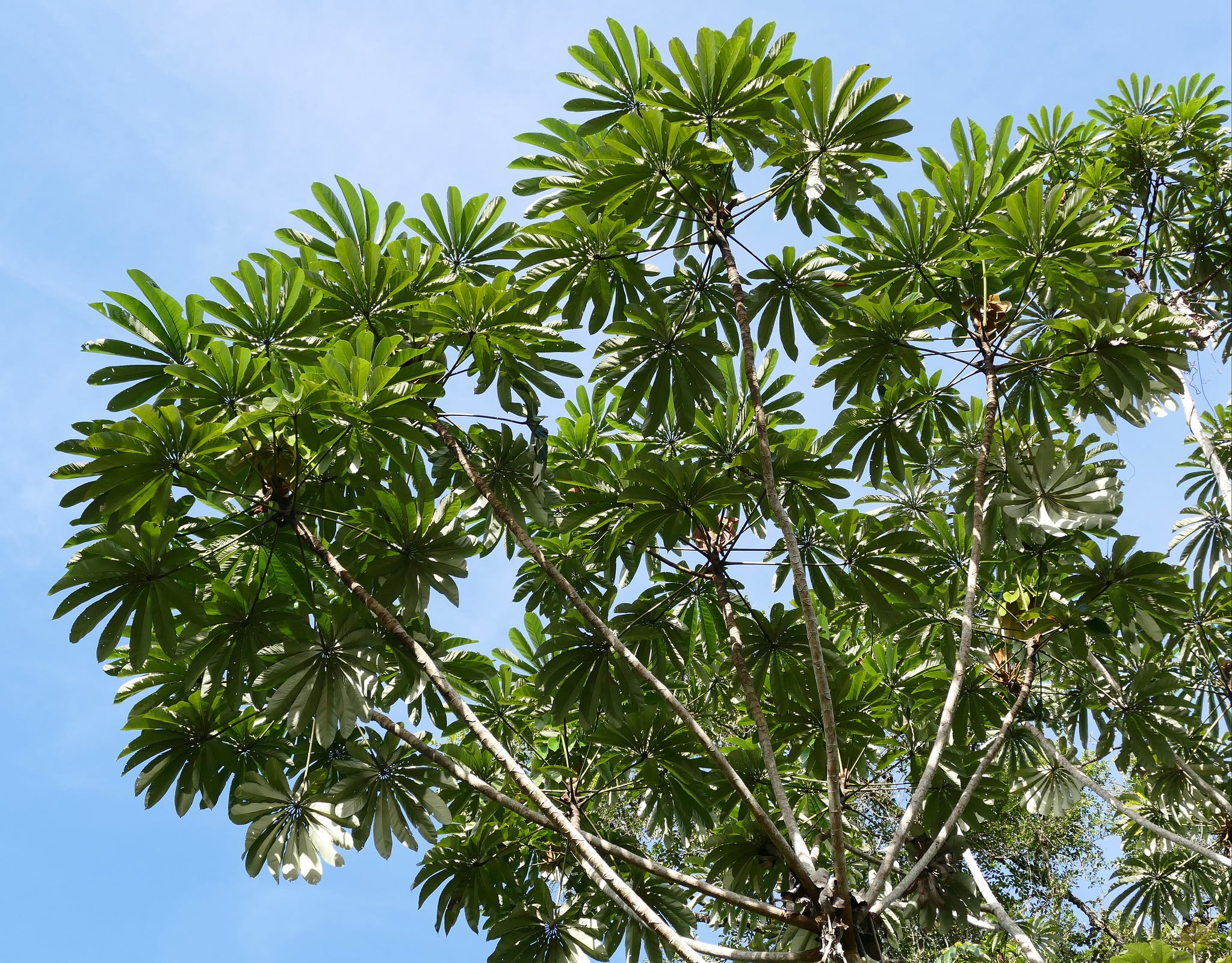
Cecropia trees in tropical rainforests have developed their own ant army recruitment system. These fast-growing trees produce specialized structures called Mullerian bodies at the base of their leaf stems — essentially ant candy packed with nutrients.
The trees also have hollow internodes where Azteca ants can build their colonies. In return for this five-star accommodation plus gourmet meals, the ants aggressively patrol the tree’s surface. They attack anything that might harm their host.
Like Go2Tutors’s content? Follow us on MSN.
Whistling Thorn Acacia

The whistling thorn acacia of East Africa takes the ant partnership to another level with its modified thorns that actually whistle in the wind. These bulbous thorns house four different species of ants — each with their own specialized role in protecting the tree.
Some ants focus on removing competing vegetation around the tree’s base. Others specialize in attacking large herbivores. The tree provides different types of food rewards to keep its diverse security team well-fed and motivated.
Macaranga Trees
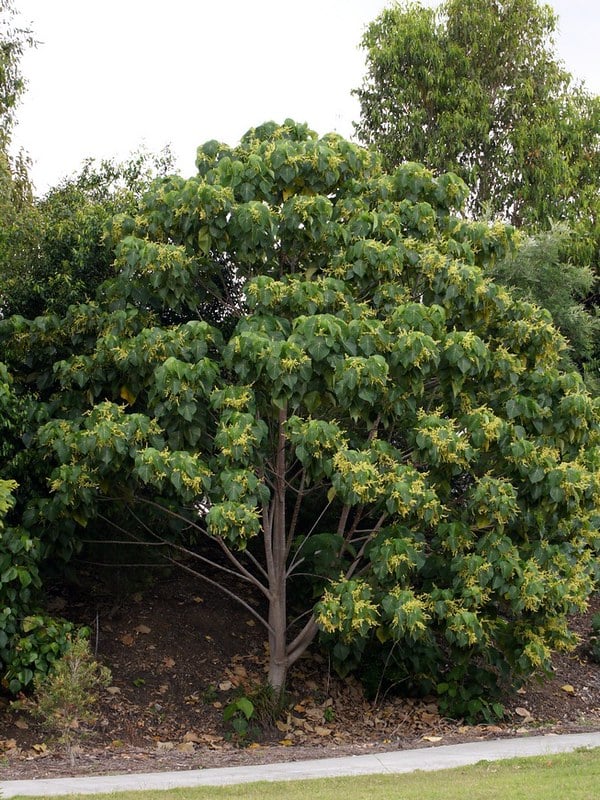
Macaranga trees in Southeast Asian rainforests have evolved some of the most sophisticated ant partnerships in the plant kingdom. These trees produce special food bodies called Beccarian bodies — essentially custom-made ant nutrition bars.
The trees also have hollow stems with thin walls that ants can easily excavate for nesting. The resident Crematogaster ants don’t just protect against herbivores. They also prune competing vines and clear the ground around the tree of other plant seedlings.
Cordia Trees

Cordia trees in Central America have developed a unique three-way partnership with both ants and scale insects. The trees house Azteca ants in their hollow branches, while the ants tend to scale insects that produce honeydew.
This creates a complex economy — the tree provides housing, the scale insects provide food for the ants, yet the ants protect both the tree and their scale insect ‘livestock’ from threats. It’s like having a security company that also runs a small farm on your property.
Like Go2Tutors’s content? Follow us on MSN.
Piper Plants

Piper plants, relatives of black pepper, have developed ant partnerships throughout tropical regions worldwide. These plants produce specialized structures called pearl bodies — packed with lipids and proteins specifically designed to attract and feed ants.
The ants nest in the plant’s hollow stems while aggressively defending against herbivorous insects and competing plants. Some Piper species even coordinate their pearl body production with ant colony cycles to maximize their protection benefits.
Endospermum Trees

Endospermum trees in Southeast Asia have mastered the art of ant recruitment through architectural innovation. These trees have hollow twigs with thin walls that ants can easily modify for nesting — plus specialized domatia (ant chambers) at the base of leaves.
The trees produce lipid-rich food bodies along with extrafloral nectar to keep their ant partners well-fed. The resident ants, typically Cladomyrma species, are so effective at protection that Endospermum trees with ant partners grow significantly faster than those without.
Wild Cotton
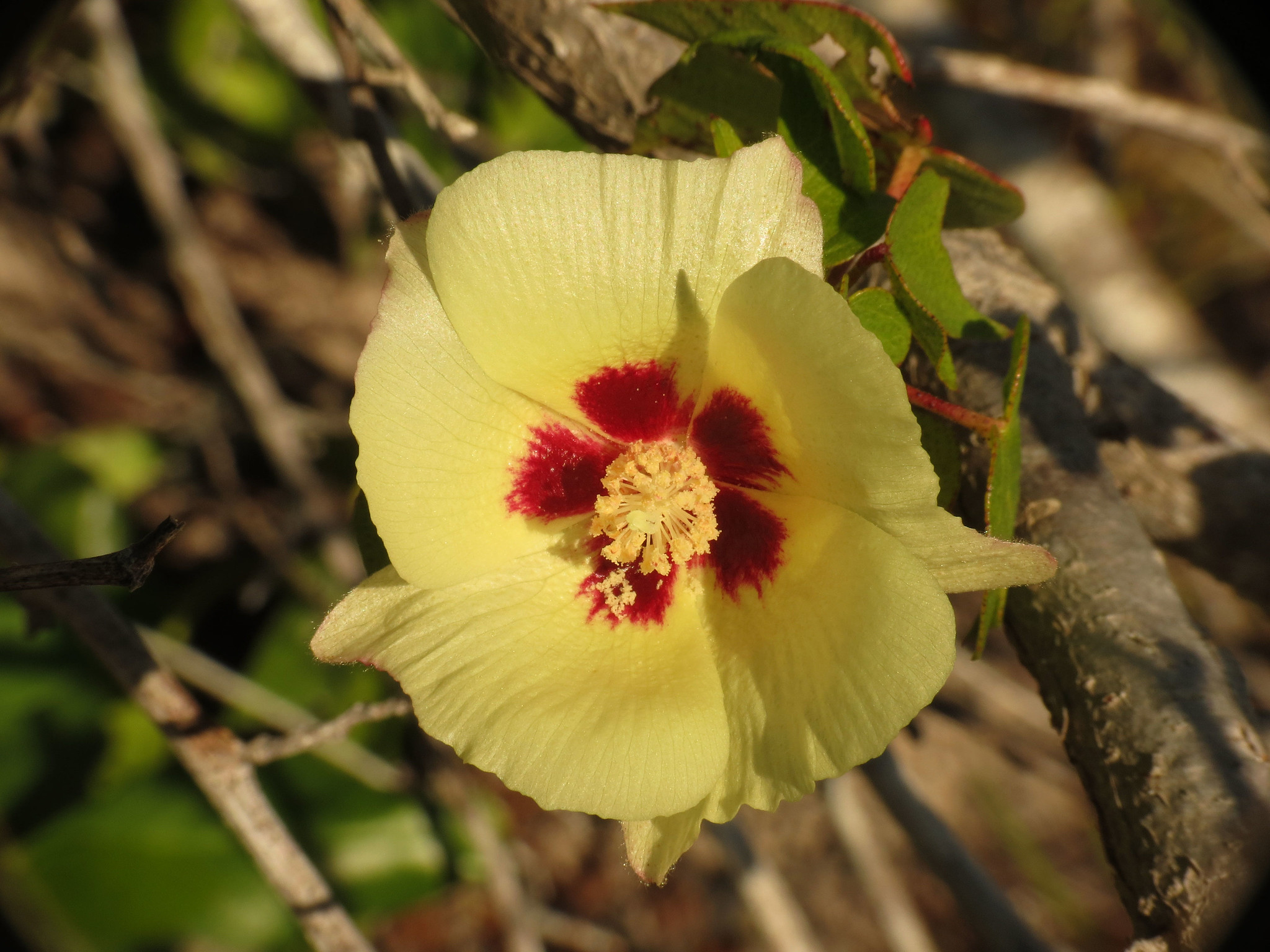
Wild cotton plants have developed a sophisticated chemical communication system with their ant protectors. When herbivorous insects attack the cotton, the plant releases specific volatile compounds — acting like chemical alarm signals that call nearby ants to the rescue.
The cotton also produces extrafloral nectar on its leaves plus stems to keep ants patrolling the area. This partnership is so effective that cotton plants with ant protection suffer up to 50% less herbivore damage than unprotected plants.
Like Go2Tutors’s content? Follow us on MSN.
Vicia Faba
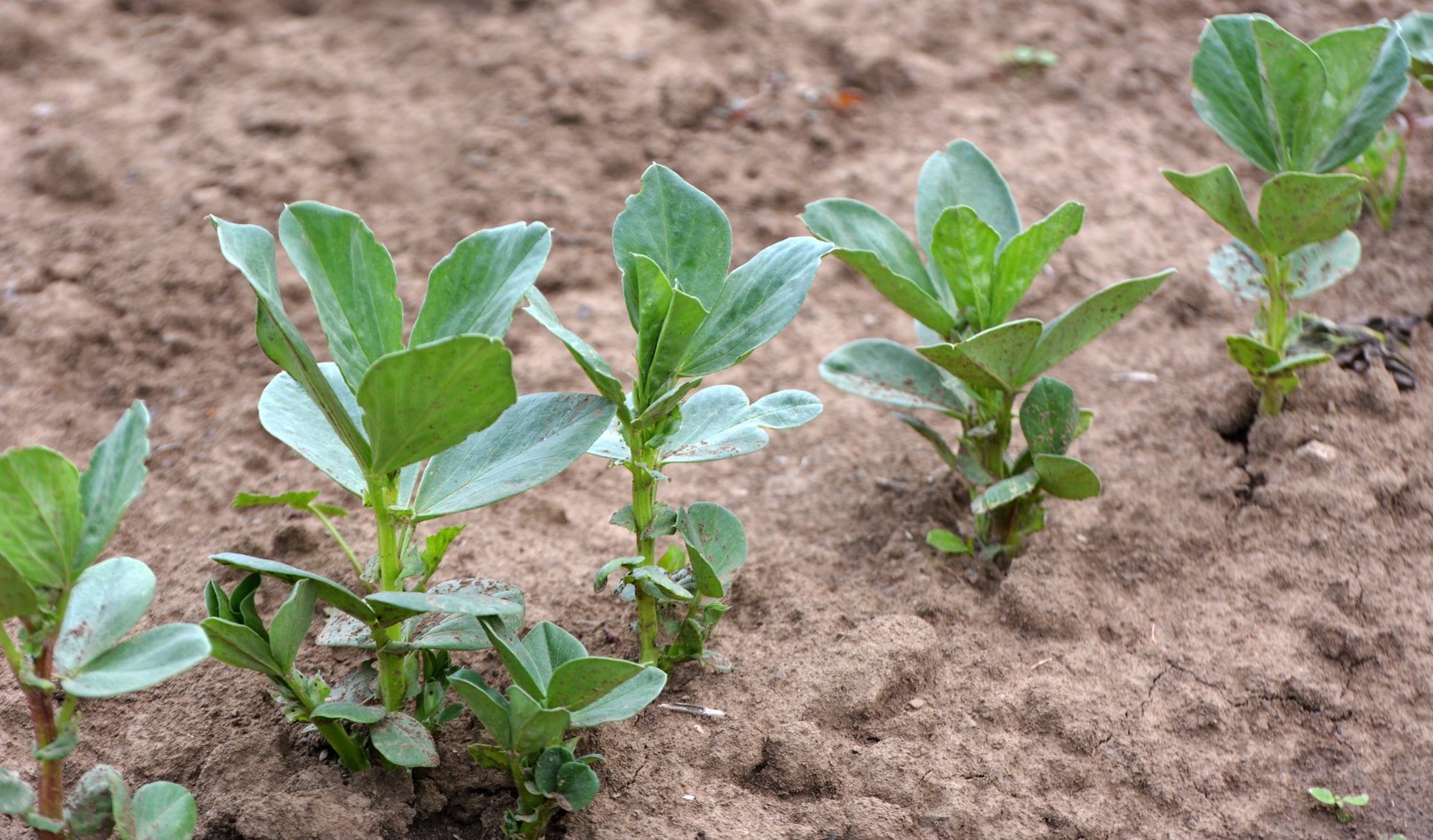
Vicia faba, commonly known as broad beans, demonstrates that even agricultural plants can benefit from ant protection. These plants produce extrafloral nectaries on their stipules — leaf-like structures at the base of leaves that attract various ant species.
The ants feed on this nectar though in return protect the plants from aphids and other pest insects. This natural pest control system is so effective that some organic farmers actively encourage ant populations to protect their bean crops.
Passiflora Vines

Passiflora vines, better known as passion vines, have evolved multiple strategies to recruit ant bodyguards. These climbing plants produce extrafloral nectar on their leaves and specialized food bodies on their stems to attract ants.
Some species even have fake butterfly eggs on their leaves that ants remove, thinking they’re protecting the plant from herbivorous caterpillars. The ants also attack real butterfly eggs and small caterpillars, providing crucial protection during the plant’s vulnerable early growth stages.
Turnera Plants

Turnera plants in tropical and subtropical regions have developed a fascinating timing system for their ant partnerships. These plants produce extrafloral nectar in cycles that coincide with when they’re most vulnerable to herbivore attacks.
The plants also produce specialized food bodies that are rich in lipids and proteins, making them irresistible to ants. This precise timing ensures that ant protection is strongest when the plants need it most, creating an efficient and cost-effective security system.
Like Go2Tutors’s content? Follow us on MSN.
Inga Trees

Inga trees in neotropical forests have evolved one of the most generous ant partnership programs in nature. These trees produce large quantities of extrafloral nectar from glands on their leaf stems and rachises, essentially creating an all-you-can-eat buffet for ants.
The trees also have hollow stipules that provide nesting sites for smaller ant species. In return, the resident ants attack herbivorous insects and remove competing vegetation, allowing Inga trees to dominate their forest understory habitats.
Ricinus Plants

Ricinus plants, commonly known as castor bean plants, have developed ant partnerships that provide protection from both herbivores and competing plants. These plants produce extrafloral nectar on their leaf petioles and flower clusters that attract various ant species.
The ants not only protect the plants from herbivorous insects but also clear competing vegetation from around the plant’s base. This gives castor bean plants a significant advantage in establishing themselves in new habitats.
Chrysanthemum Plants
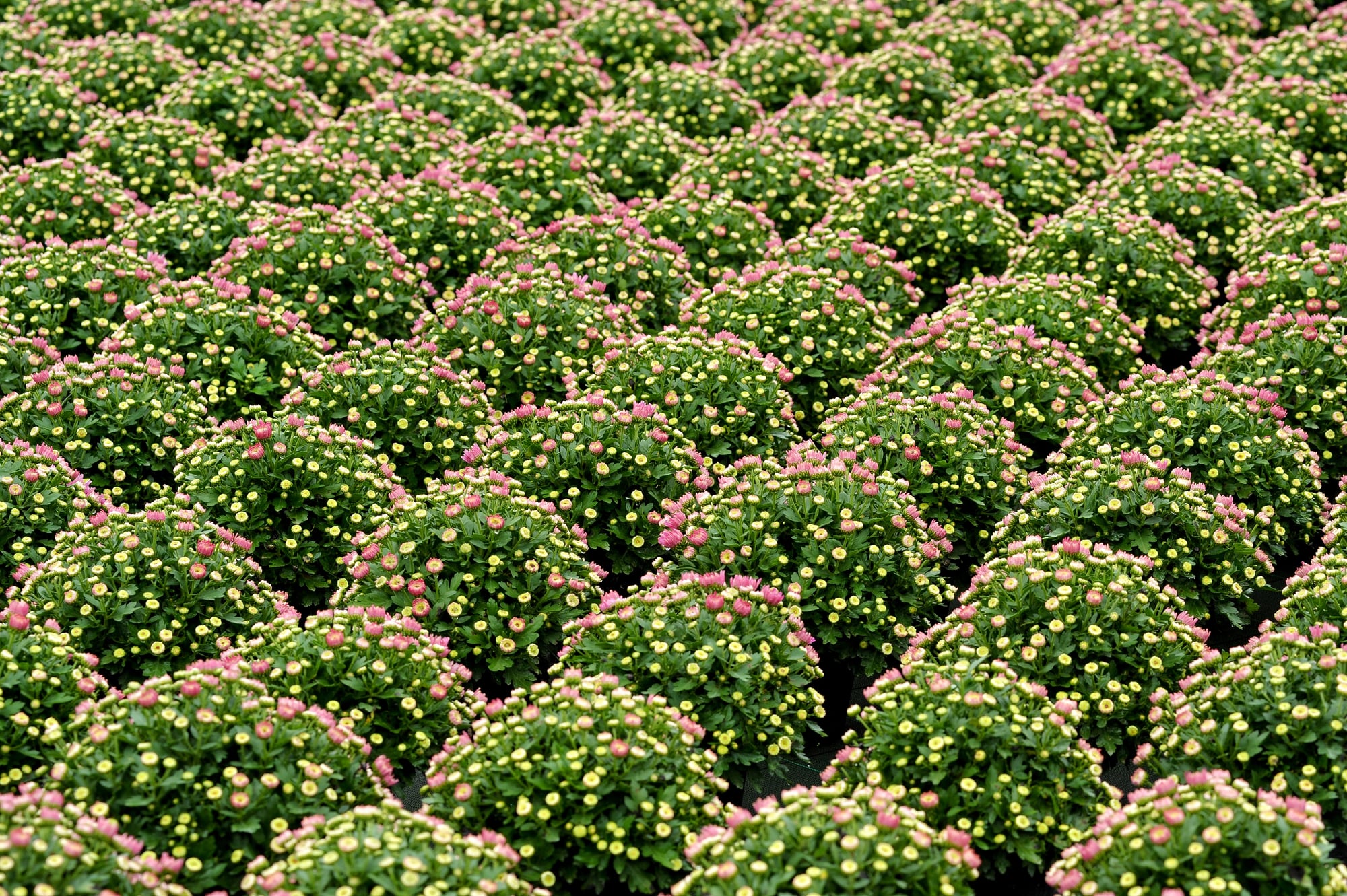
Wild chrysanthemum species have evolved sophisticated ant partnerships that provide multi-layered protection. These plants produce extrafloral nectar on their flower heads and leaf bases that attracts ants during their most vulnerable periods.
The ants protect both the developing flowers from herbivorous insects and the seeds from granivorous animals. Some chrysanthemum species even time their nectar production to coincide with peak ant activity periods, maximizing their protection benefits.
Like Go2Tutors’s content? Follow us on MSN.
Nature’s Security Contracts Still Active Today
These plant-ant partnerships represent millions of years of evolutionary fine-tuning, creating some of nature’s most sophisticated protection systems. While humans have developed complex security technologies, these plants figured out long ago that the best protection often comes from building mutually beneficial relationships rather than going it alone.
Today, many of these partnerships continue to thrive in forests and gardens around the world, proving that cooperation often beats competition in the long game of survival. Understanding these natural security systems not only helps appreciation of plant intelligence complexity but also provides insights for developing more sustainable approaches to crop protection and pest management.
More from Go2Tutors!

- 16 Historical Figures Who Were Nothing Like You Think
- 12 Things Sold in the 80s That Are Now Illegal
- 15 VHS Tapes That Could Be Worth Thousands
- 17 Historical “What Ifs” That Would Have Changed Everything
- 18 TV Shows That Vanished Without a Finale
Like Go2Tutors’s content? Follow us on MSN.



