Bizarre Laws in Small Towns That Are Still Enforced
Small towns have a way of clinging to their history, including the legal kind that makes absolutely no sense anymore. These aren’t dusty ordinances forgotten in filing cabinets — they’re laws that local authorities still cite, fine people for, and occasionally drag someone to court over. The reasons behind them might have vanished decades ago, but the laws themselves remain stubbornly in place, creating headaches for residents and endless amusement for everyone else.
Eureka, Nevada
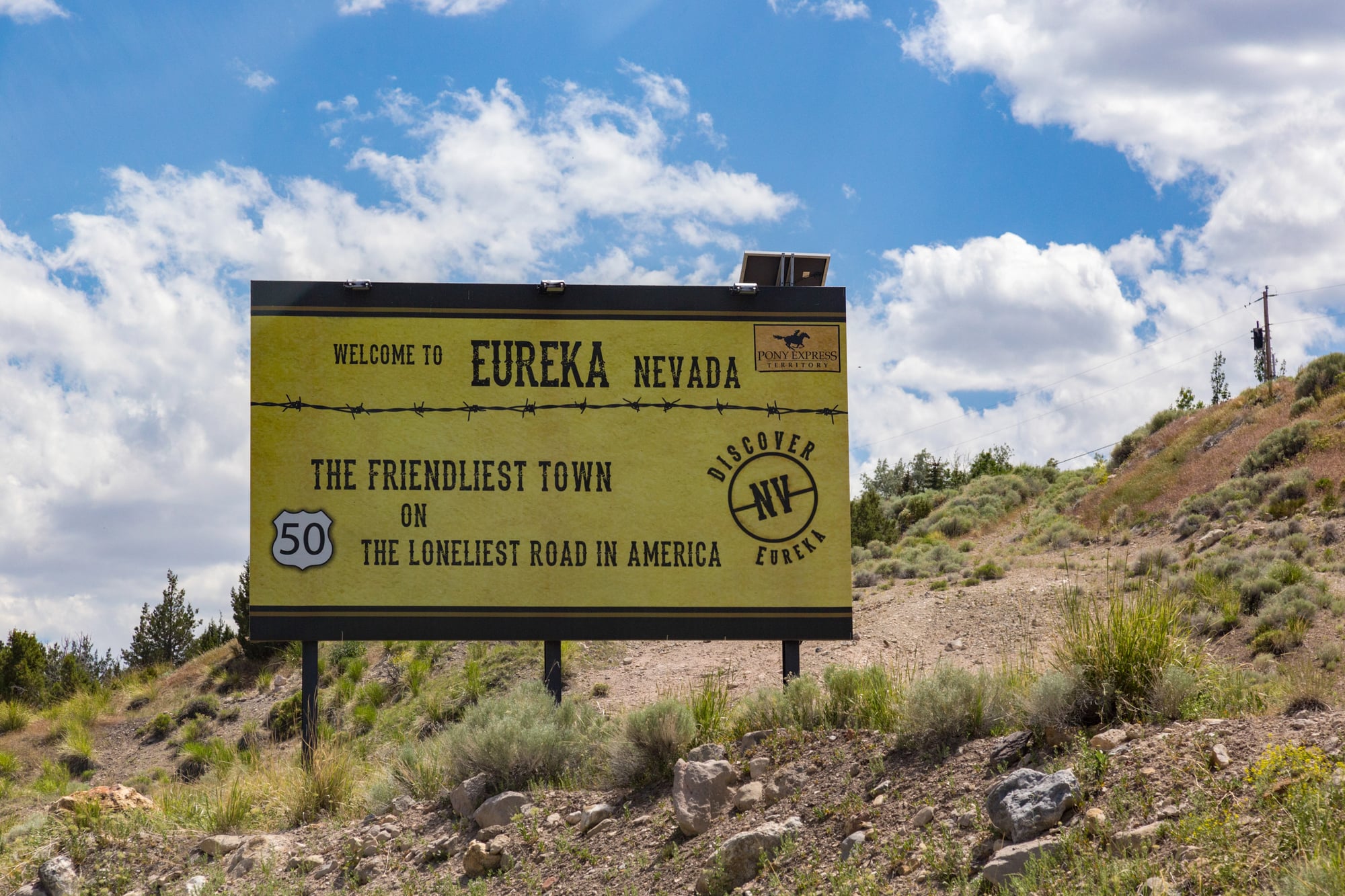
It’s illegal to kiss someone if you have a mustache in this tiny Nevada town. The law exists, it’s enforced, and yes, people have actually been fined for it. The reasoning apparently involved concerns about hygiene and the spread of disease back when the town was a booming mining camp in the 1800s.
French Lick, Indiana
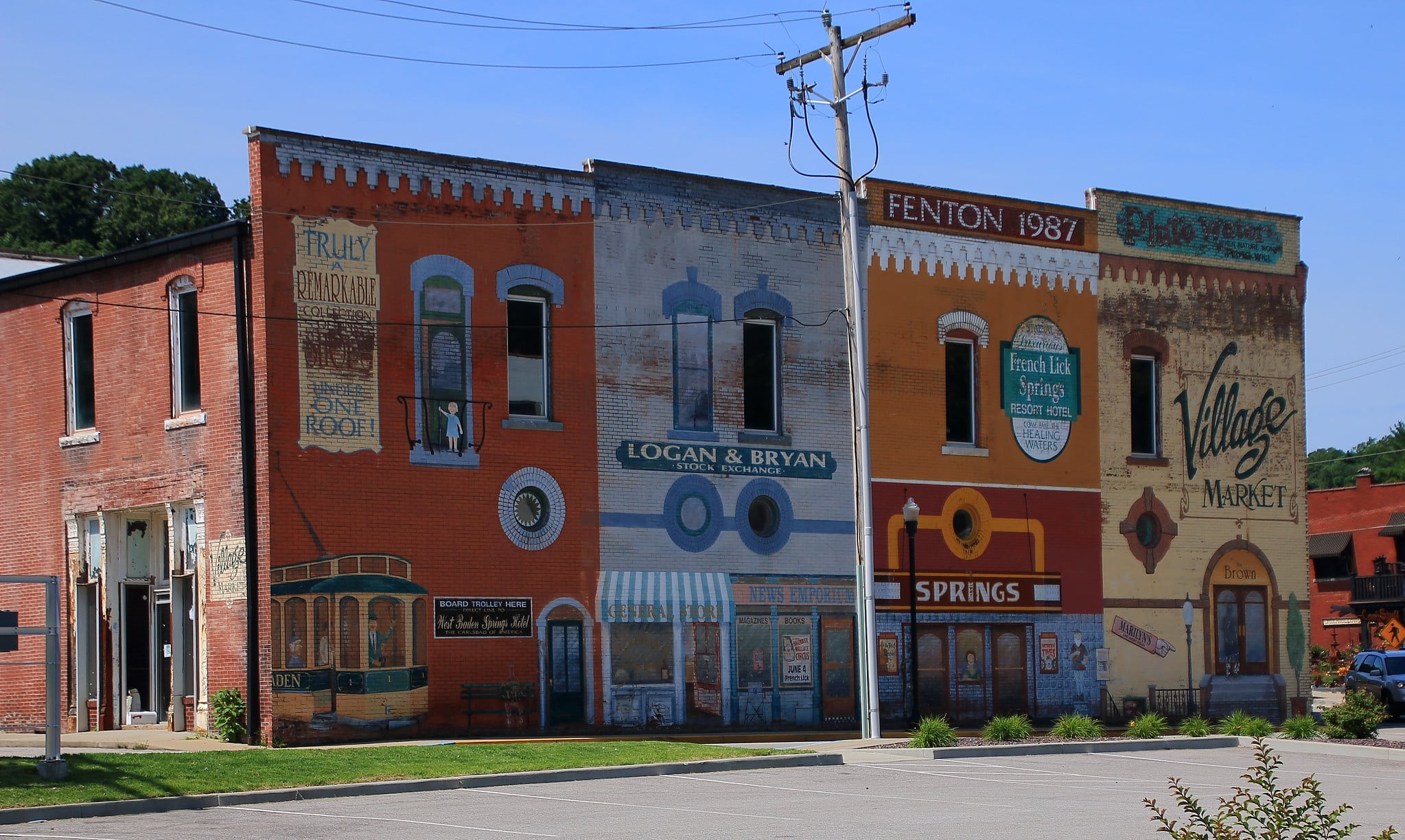
You cannot take a bath between October and March. The ordinance stems from water conservation concerns during the town’s early days as a resort destination, when natural springs were the main attraction. Local law enforcement still issues warnings to newcomers who don’t know about this seasonal bathing restriction.
Fairbanks, Alaska

Moose are prohibited from having relations on city sidewalks, and the local authorities take this seriously during mating season (which, for the record, happens naturally outside human control). The law was created after several incidents where amorous moose blocked traffic and created public disturbances, but enforcement proves challenging since moose don’t typically respond to citations. And yet the town keeps trying — animal control officers have developed an elaborate system of noise makers and barriers to redirect romantic moose encounters away from pedestrian areas, though success rates vary considerably depending on how determined the moose happen to be. Fair enough.
Lebanon, Ohio
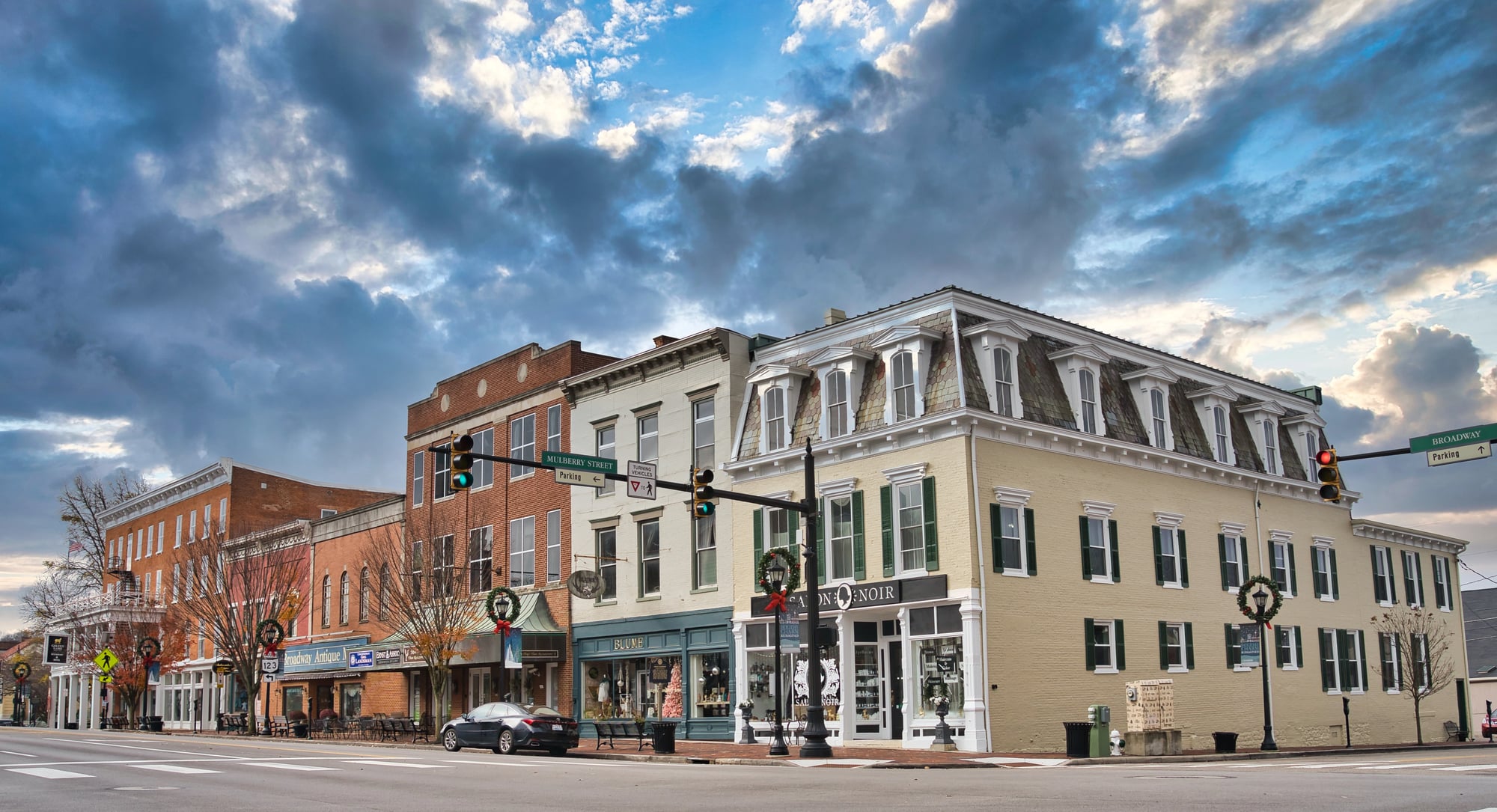
Soft drinks are forbidden in cemeteries, and this rule gets strictly enforced during funeral services. The law emerged after repeated incidents of sticky spills damaging historic gravestones, but it extends to all carbonated beverages regardless of container type. Mourners regularly get reminded of this restriction by cemetery staff who patrol with unusual dedication.
Gainesville, Georgia

Eating fried chicken with utensils is prohibited throughout the city limits. This law gets enforced at restaurants, public events, and even private gatherings that spill into public spaces. The town passed the ordinance as a tourism gimmick to promote itself as the “Poultry Capital of the World,” but visitors still get cited for using forks and knives on their drumsticks.
Murphy, North Carolina

Women cannot hold public office if they’ve been divorced, remarried, or “engaged in any behavior unbecoming to a lady.” The definition of unbecoming behavior remains deliberately vague, which gives local officials disturbing discretionary power over female candidates. Several women have challenged this law in recent years, but it stays on the books and continues influencing local elections in ways that would make most people’s heads spin.
Waterloo, Nebraska

Barbers are forbidden from eating onions between 7 AM and 7 PM on workdays. The ordinance addresses customer complaints about onion breath during close-contact services like shaving and haircuts. Local authorities conduct spot checks at barbershops, and violations result in fines that can reach several hundred dollars for repeat offenders.
Spades, Indiana

You cannot open a can of food with anything other than a can opener within city limits, and this restriction extends to knives, scissors, rocks, or any improvised opening method. The law exists because of safety concerns, but enforcement reaches absurd levels during camping season when visitors attempt to open cans around campfires using various tools. Rangers actually patrol campsites checking for proper can-opening equipment, which seems like an odd use of municipal resources until you witness the citation process firsthand.
Myrtle Creek, Oregon

Boxing matches between kangaroos and humans are specifically prohibited, which raises obvious questions about what prompted this particular legislation. The law appeared on the books in 1987 after a traveling carnival attempted to stage such an event as a fundraiser, but nobody talks much about how that situation got resolved. Current city officials simply point to the ordinance and change the subject.
Wilbur, Washington
You cannot ride an ugly horse down Main Street, and the determination of ugliness falls to a committee of three local residents appointed by the mayor. This subjective standard creates endless disputes between horse owners and the aesthetic evaluation panel, leading to appeals, counter-appeals, and occasional heated town hall meetings about equine beauty standards. The committee takes their responsibilities seriously and maintains detailed records of their decisions, complete with photographs and written justifications for each ruling.
Small Town Justice Lives On

These laws persist because small towns operate differently than big cities — everyone knows everyone, change happens slowly, and sometimes the absurd becomes normal through sheer repetition. The people enforcing these ordinances aren’t power-hungry bureaucrats; they’re neighbors doing their jobs according to rules that made sense to someone at some point in time. That the original reasoning has vanished into history doesn’t seem to bother anyone enough to actually repeal the laws, so they endure as monuments to the specific kind of local government that only happens when a few hundred people decide how they want to live together.
More from Go2Tutors!

- The Romanov Crown Jewels and Their Tragic Fate
- 13 Historical Mysteries That Science Still Can’t Solve
- Famous Hoaxes That Fooled the World for Years
- 15 Child Stars with Tragic Adult Lives
- 16 Famous Jewelry Pieces in History
Like Go2Tutors’s content? Follow us on MSN.



