Dangerous Cosmetics Used During the Middle Ages Period
The pursuit of beauty has always carried a price, but during the Middle Ages, that price was often paid in health, sanity, and sometimes life itself. Medieval beauty standards demanded pale skin, rosy cheeks, and bright eyes — achievements that required cosmetic concoctions so toxic they’d be classified as hazardous waste today.
Women and men alike applied lead, mercury, and arsenic to their faces with the same casual confidence we might use moisturizer.
These weren’t isolated incidents of vanity gone wrong. Entire social classes participated in a beauty culture that slowly poisoned its practitioners, creating a macabre irony where the pursuit of attractiveness led to disfigurement, illness, and death.
The cosmetics industry of the medieval period operated without any understanding of chemistry or toxicology, relying instead on folklore, superstition, and the dangerous assumption that if something made you look beautiful immediately, it must be safe.
Lead-based face powders
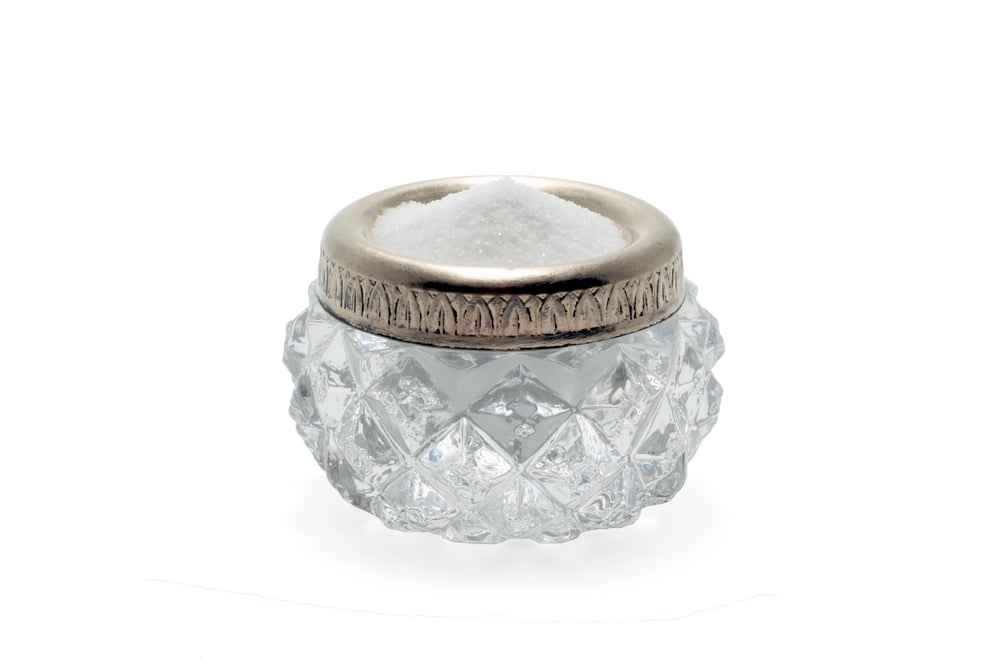
Lead powder was the foundation of medieval beauty. Literally.
Women ground white lead into fine powder and dusted it across their faces to achieve the coveted pale complexion that signified nobility and refinement.
The results were immediately stunning and ultimately devastating. Lead poisoning crept in slowly — first causing headaches and fatigue, then progressing to muscle weakness, memory loss, and eventually death.
The irony was cruel: the whiter and more beautiful a woman’s complexion became, the sicker she grew.
Mercury-infused rouge

Mercury gave cheeks a luminous, almost supernatural glow. Mixed with red pigments, it created rouge that seemed to light up from within, giving wearers an otherworldly beauty that was quite literally otherworldly — no healthy human should have looked like that.
The metal attacked the nervous system with ruthless efficiency, causing tremors, mood swings, and gradual mental deterioration. Women who used mercury rouge for extended periods often developed what physicians now recognize as mercury poisoning, though medieval doctors had no understanding of the connection between their patients’ cosmetics and their declining health.
Arsenic complexion treatments
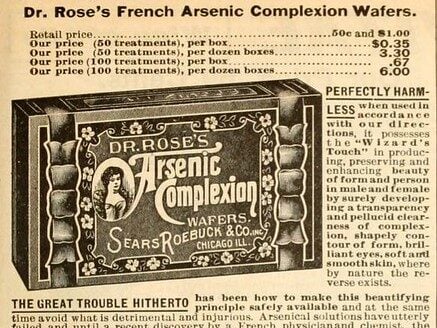
Here’s something that sounds insane until you consider the medieval mindset: arsenic was considered a miracle beauty ingredient. Applied as a paste or dissolved in solutions, it promised to eliminate blemishes and create flawless skin.
And it delivered — temporarily.
The element worked by essentially killing the top layers of skin, creating a smooth, porcelain-like surface. Of course, arsenic doesn’t stop at surface-level damage (which is saying something, considering surface-level damage from arsenic is already horrific).
The poison accumulated in organs, causing systematic failure over months or years. Beauty came at the cost of liver function, kidney health, and eventually life itself.
Belladonna eye drops

Medieval women understood something about beauty that modern makeup artists still know: dilated pupils are irresistibly attractive. They just chose the worst possible method to achieve the effect.
Belladonna, also known as deadly nightshade, was dropped directly into the eyes to create wide, luminous pupils that gave women an ethereal, almost hypnotic gaze.
The plant’s name literally means “beautiful lady” in Italian, which tells you everything about its popularity and nothing about its safety. The same alkaloids that dilated pupils also caused hallucinations, delirium, and in sufficient doses, complete respiratory failure.
Women would apply belladonna before social events and spend the evening seeing things that weren’t there while looking devastatingly beautiful. The beauty was real; everything else became questionable.
But the effects weren’t limited to temporary hallucinations — repeated use caused permanent vision problems and, in some cases, blindness. So women traded their sight for beauty, quite literally.
And many considered it a fair exchange, at least until the blindness set in.
Antimony kohl

Antimony made eyes look impossibly dark and dramatic. Ground into powder and applied as eyeliner, it created the intense, smoky effect that medieval beauty standards demanded.
The metal had been used for centuries across different cultures, which gave it an air of legitimacy that was completely undeserved.
The element slowly accumulated in the body, causing nausea, dizziness, and skin irritation as immediate effects. Long-term exposure led to more serious complications including heart problems and damage to the liver and kidneys.
Women were essentially drawing poison around their eyes daily, and the proximity to mucous membranes meant faster absorption into the bloodstream.
Sulfur acne treatments
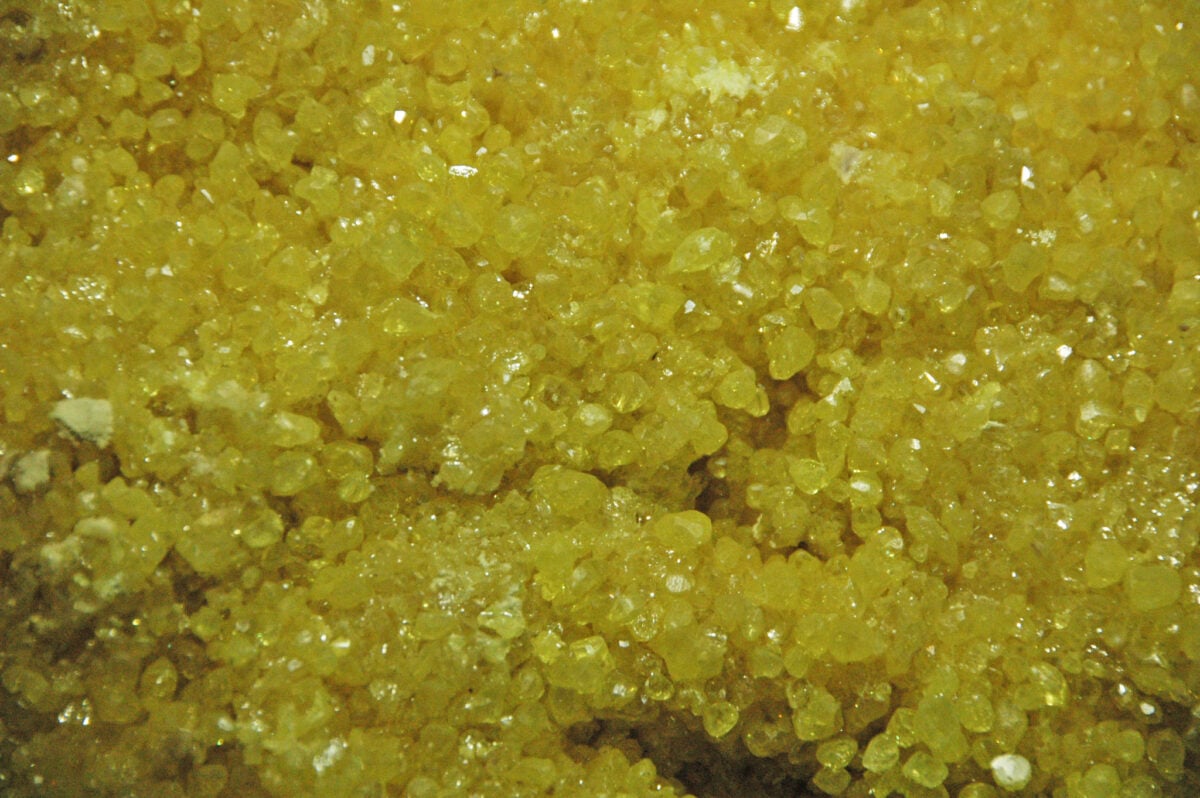
Sulfur treatments promised clear, blemish-free skin through what amounted to controlled chemical burns. Mixed into pastes and applied to problem areas, sulfur would strip away layers of skin, taking acne and healthy tissue along with it.
The burns often became infected, creating scars worse than the original blemishes. Medieval hygiene standards meant these wounds rarely healed properly, leading to permanent disfigurement.
The treatment was often worse than the condition it was meant to cure, but the promise of clear skin kept people applying caustic sulfur compounds to their faces.
Vinegar and lead hair dyes
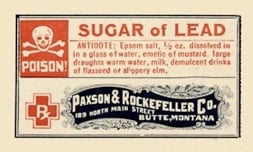
Hair dyeing in the Middle Ages required commitment — and a complete disregard for personal safety. Lead acetate, known as “sugar of lead” for its sweet taste, was mixed with vinegar to create hair dyes that could darken gray hair or create fashionable black locks.
The combination was applied to the scalp and hair repeatedly until the desired color was achieved. Lead absorption through the scalp caused the same poisoning effects as facial powders, but the process was often repeated weekly to maintain the color.
Hair became beautiful and lustrous while the person underneath grew progressively sicker.
Quicksilver beauty masks
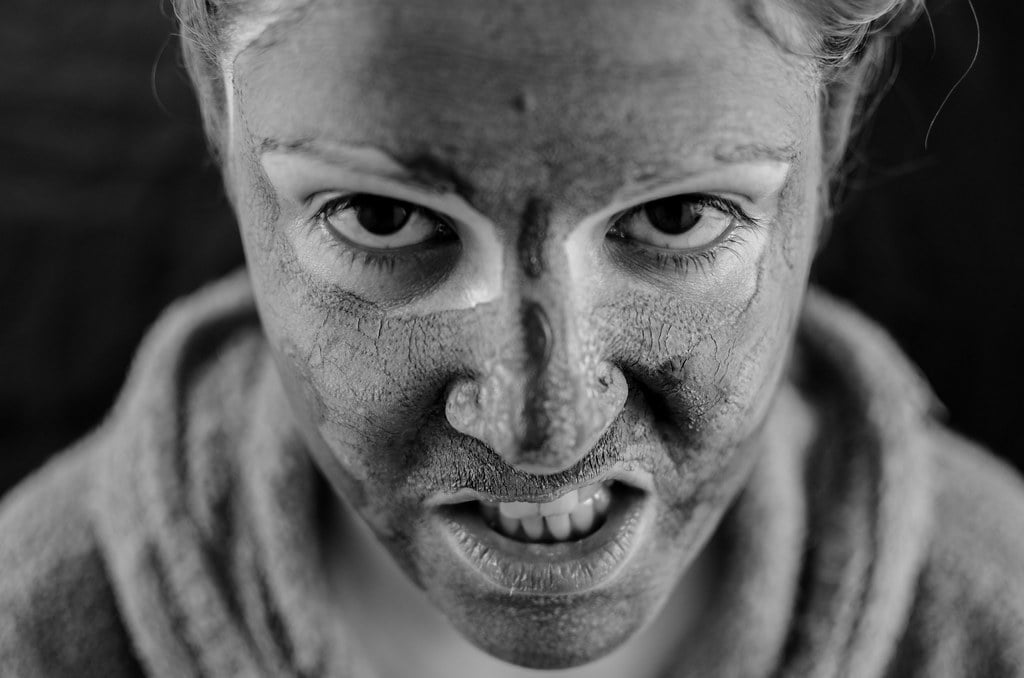
Think of quicksilver masks as medieval Botox, except instead of temporarily paralyzing muscles, they permanently damaged everything they touched. Mercury-based masks promised to smooth wrinkles and create flawless skin by essentially burning away imperfections (and healthy skin alike, but that was considered an acceptable casualty in the war against aging).
The masks worked through destruction rather than enhancement. Mercury corroded skin tissue, creating the appearance of smoothness by eliminating texture entirely — both good and bad.
Users developed what we now know as mercury dermatitis, characterized by rashes, peeling, and eventual scarring that was far worse than any wrinkles the treatment was meant to address.
And yet women continued using quicksilver masks because the immediate results were so dramatic. Fresh application created an almost marble-like perfection that photographs beautifully (if photographs had existed) and looked stunning by candlelight.
The real damage only became apparent weeks or months later, by which point users were often addicted to the temporary perfection mercury provided.
Ceruse foundation
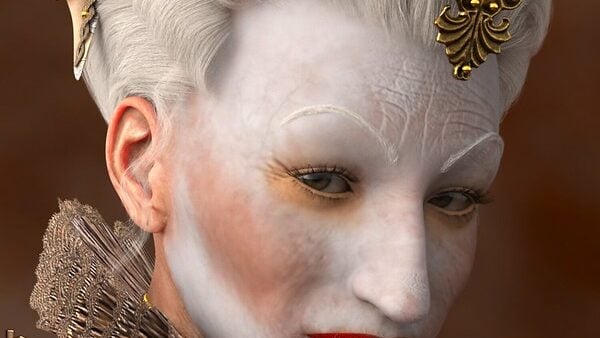
Ceruse was the luxury cosmetic of medieval times — a white lead-based foundation that promised porcelain perfection. Made from white lead and vinegar, it created a smooth, opaque coverage that could hide any imperfection and create the pale complexion that medieval society prized above all other beauty traits.
The foundation was applied thickly, almost like a mask, creating an artificial skin that looked flawless but felt rigid and unnatural. Women wore ceruse daily, reapplying it throughout the day to maintain the effect.
The lead content was so high that users were essentially painting their faces with poison, but the results were so striking that ceruse remained popular despite its obvious health consequences.
Orpiment hair removal

Orpiment, an arsenic-based mineral, was ground into powder and mixed with quicklime to create a hair removal paste that was both effective and extraordinarily dangerous. The combination created a chemical depilatory that could remove unwanted hair from any part of the body — along with several layers of skin.
The paste worked by dissolving the protein structure of hair, but it couldn’t distinguish between hair protein and skin protein. Chemical burns were almost inevitable, and the arsenic content meant that even successful applications poisoned users through skin absorption.
Medieval beauty standards demanded hair removal from the forehead and temples to create a high hairline, making orpiment paste a regular part of many women’s beauty routines despite its devastating effects.
Cinnabar lip rouge
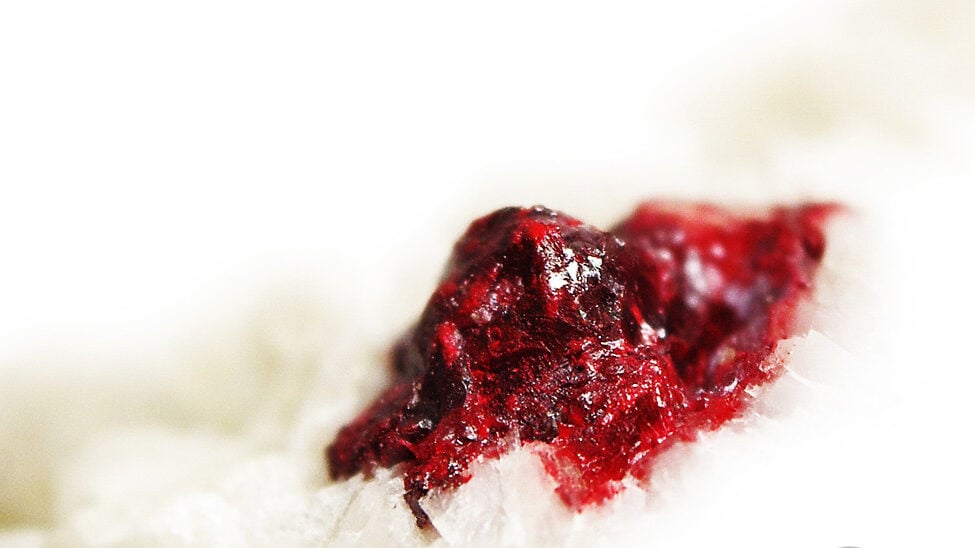
Red lips required red pigment, and medieval cosmetics makers chose cinnabar — a mercury sulfide mineral that provided the most vibrant red color available. Ground into powder and mixed with oils or waxes, cinnabar created lip rouge that was both beautiful and toxic.
The mercury content meant that women were essentially poisoning themselves every time they licked their lips or ate while wearing the rouge. The mineral also caused contact dermatitis, leading to cracked, painful lips that required even more rouge to cover the damage.
The cycle was self-perpetuating: the cosmetic caused the problem it was meant to solve, ensuring continued use.
Verdigris eye makeup
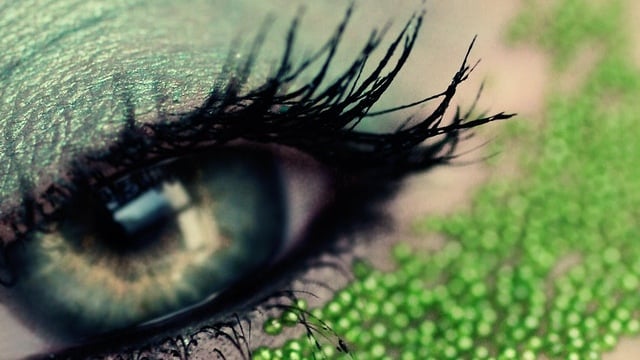
Copper acetate, known as verdigris, provided a striking green pigment for eye makeup that was popular among fashion-forward medieval women. The green created dramatic contrast and was considered exotic and sophisticated — qualities that came at a significant price.
Copper poisoning from verdigris caused nausea, vomiting, and abdominal pain as immediate effects. Long-term exposure led to liver damage and neurological problems.
The proximity to the eyes meant faster absorption and more serious complications, including eye irritation and vision problems. But the color was so unusual and striking that women continued using verdigris despite obvious health consequences.
Sublimate of mercury treatments
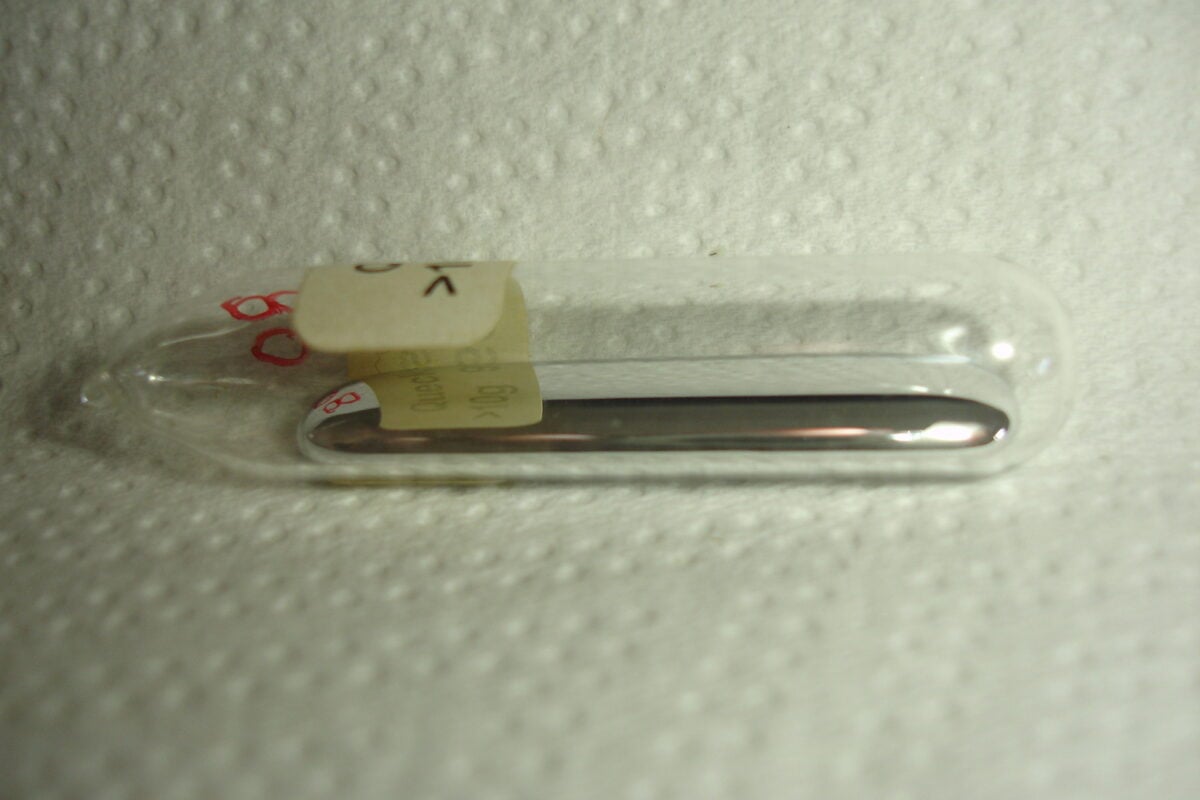
Sublimate of mercury was marketed as a cure-all beauty treatment that could address everything from wrinkles to skin discoloration. Applied as a wash or incorporated into creams, it promised to transform problem skin into flawless perfection through what was essentially controlled poisoning.
The treatment worked by killing skin cells and causing the outer layer to slough off, revealing fresh skin underneath. But mercury doesn’t stop at surface treatment — it penetrates deep into tissue, accumulating in organs and causing systematic poisoning.
Users often saw dramatic initial improvements followed by increasingly serious health problems as mercury built up in their systems.
A legacy written in poison

The medieval approach to beauty reads like a cautionary tale about the dangers of pursuing perfection without understanding consequences. These weren’t isolated experiments or rare accidents — they were standard practice, recommended by physicians and used by anyone who could afford them.
The pursuit of beauty became a slow form of self-harm, carried out one application at a time.
What makes medieval cosmetics particularly haunting is how effective they were at achieving their intended goals. Lead did create porcelain skin, mercury did provide an otherworldly glow, and arsenic did eliminate blemishes.
The tragedy wasn’t that these cosmetics didn’t work — it was that they worked exactly as intended while slowly killing their users. Beauty came with a price that was paid in installments, with interest compounding in damaged organs and deteriorating health.
More from Go2Tutors!

- The Romanov Crown Jewels and Their Tragic Fate
- 13 Historical Mysteries That Science Still Can’t Solve
- Famous Hoaxes That Fooled the World for Years
- 15 Child Stars with Tragic Adult Lives
- 16 Famous Jewelry Pieces in History
Like Go2Tutors’s content? Follow us on MSN.



