14 Rare Pan am Bags Selling for Massive Prices
Pan Am disappeared from the skies over three decades ago, but its logo still commands attention at auction houses and vintage marketplaces worldwide. The airline that once symbolized the golden age of aviation lives on through collectibles, and nothing captures that mystique quite like the bags that once accompanied travelers to exotic destinations around the globe.
These aren’t just vintage accessories gathering dust in estate sales. Pan Am bags have become serious collectibles, with some pieces fetching thousands of dollars from buyers who never even flew on the airline.
The bags represent something larger than mere functionality — they’re artifacts of an era when flying felt like an adventure rather than an endurance test.
1960s Canvas Flight Crew Bag
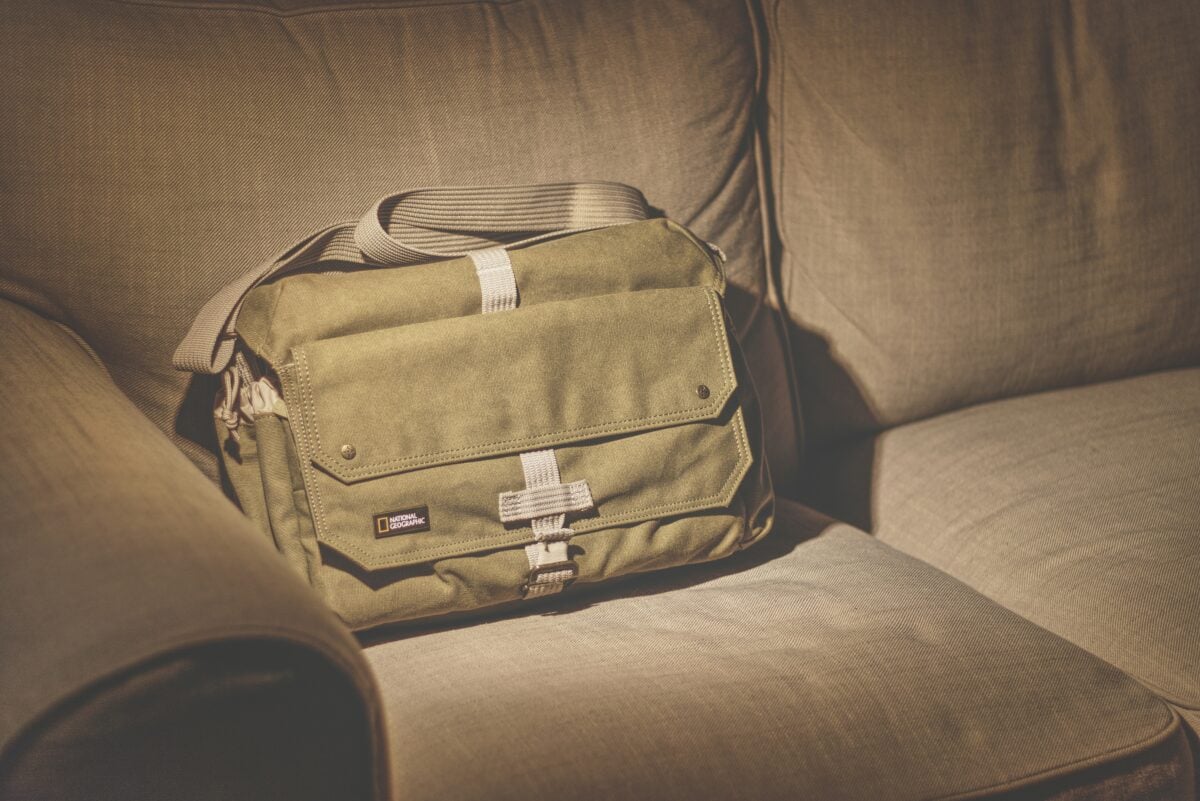
Crew members carried these sturdy canvas bags between destinations, and authentic examples (especially those with crew member names or employee numbers written inside) have sold for upwards of $2,800. The appeal goes beyond nostalgia — these bags were built to withstand constant travel across continents.
What makes these particularly valuable is their connection to the actual operation of the airline, not just the passenger experience. Collectors pay premiums for items that were part of Pan Am’s working machinery, and crew bags represent the human element behind those iconic flights.
Executive Briefcase with Pan Am Globe Logo
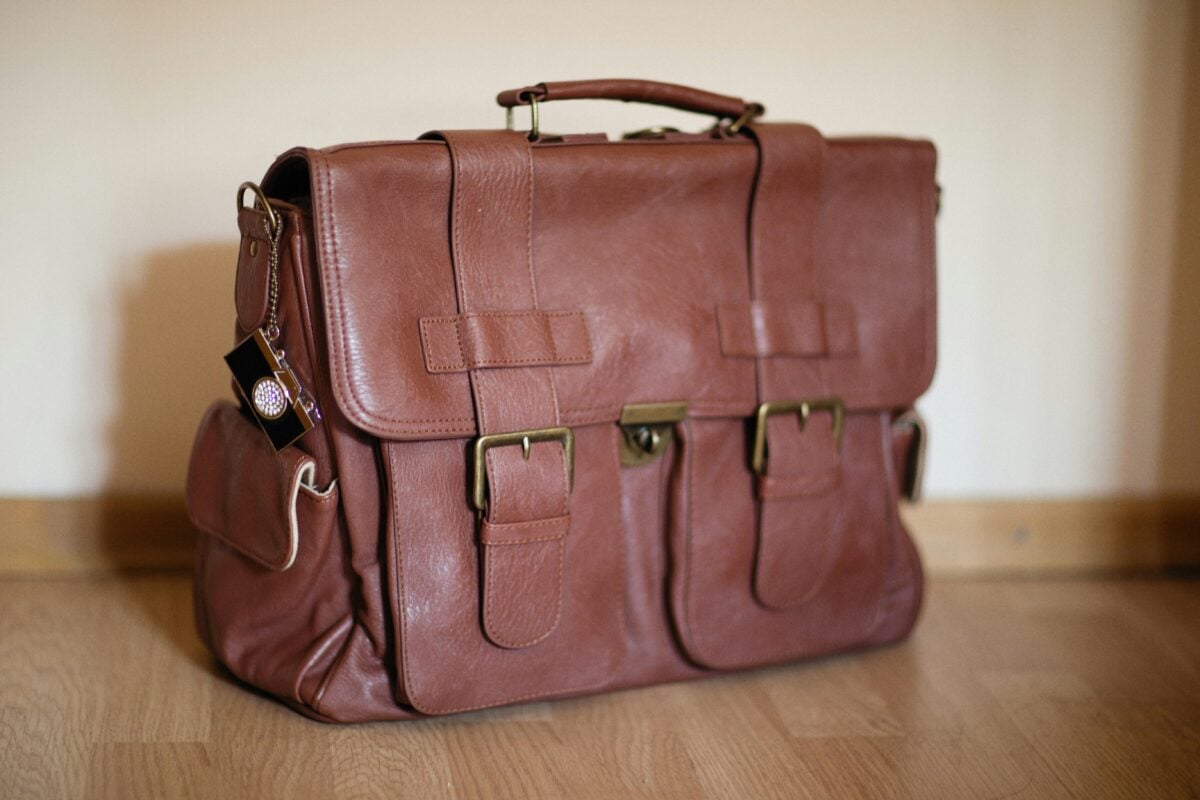
Pan Am executives carried briefcases that reflected the airline’s global ambitions, and surviving examples tell stories that stretch far beyond their leather construction (often sourced from European suppliers who understood that American business travelers expected a certain level of sophistication). The globe logo, embossed rather than merely printed, served as both identification and aspiration — here was a company that didn’t just fly to distant places but saw itself as connecting the world in ways that seemed almost impossibly grand for its time.
These briefcases, when they surface at auction, carry price tags that can reach $4,200 for examples in excellent condition. But the real value isn’t monetary.
The briefcase becomes a vessel for imagining the decisions made inside corporate boardrooms where executives planned routes to cities that seemed exotic to most Americans: Tehran, Saigon, Lagos. And those brass clasps that still snap shut with authority after all these decades. They don’t make hardware like that anymore.
Limited Edition Tote from the Final Years
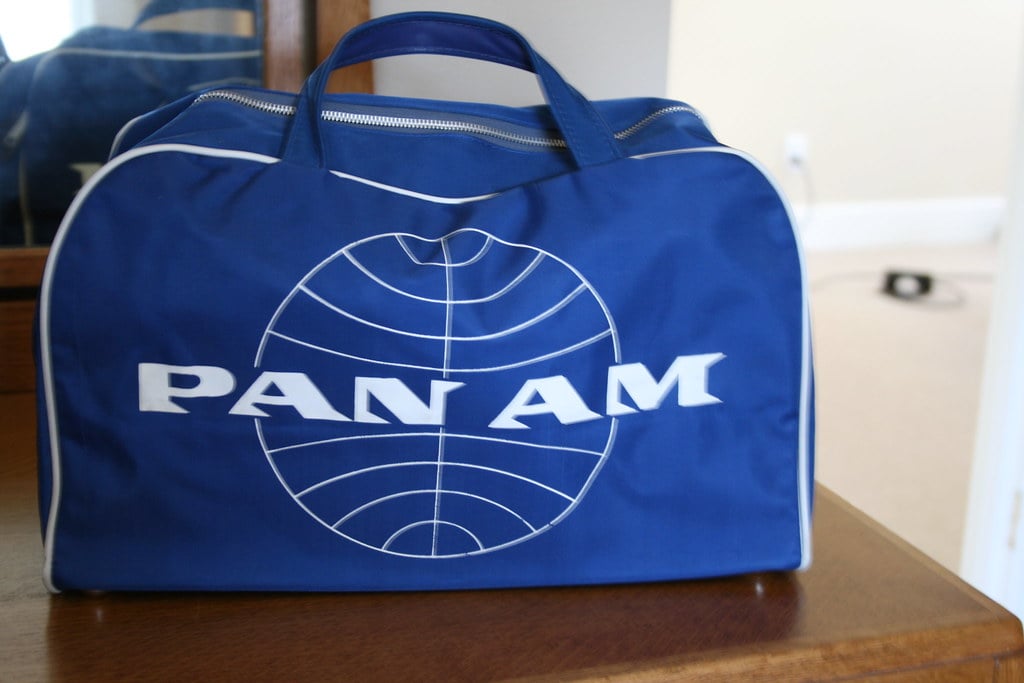
Pan Am’s final years produced some unexpected collectibles. Tote bags from the late 1980s and early 1990s, particularly those made for employees during the airline’s bankruptcy proceedings, have reached $1,800 at auction.
The irony isn’t lost on collectors — bags from the company’s decline are worth more than many from its heyday. These bags carry a melancholy that earlier pieces lack.
They’re artifacts of an ending, which gives them a poignancy that drives up prices among collectors who appreciate historical significance over mere glamour.
Vintage Stewardess Overnight Case
Flight attendants needed luggage that could handle rapid turnarounds between international destinations, and Pan Am provided cases designed specifically for their needs. These compact but ingeniously organized cases, with their distinctive blue lining and Pan Am monogramming, have commanded prices exceeding $2,600.
Think of a jewelry box, but designed for someone whose office moves at 500 miles per hour above the Atlantic. Every compartment serves a purpose, every strap has a reason.
The efficiency feels almost sculptural — form following function with a precision that modern luggage rarely achieves. The cases tell stories through their wear patterns: scuffs from overhead compartments, fading on handles from countless trips through international terminals, small repairs made in hotel rooms between flights.
Each imperfection is evidence of a working life spent in motion.
First-Class Amenity Kit Case
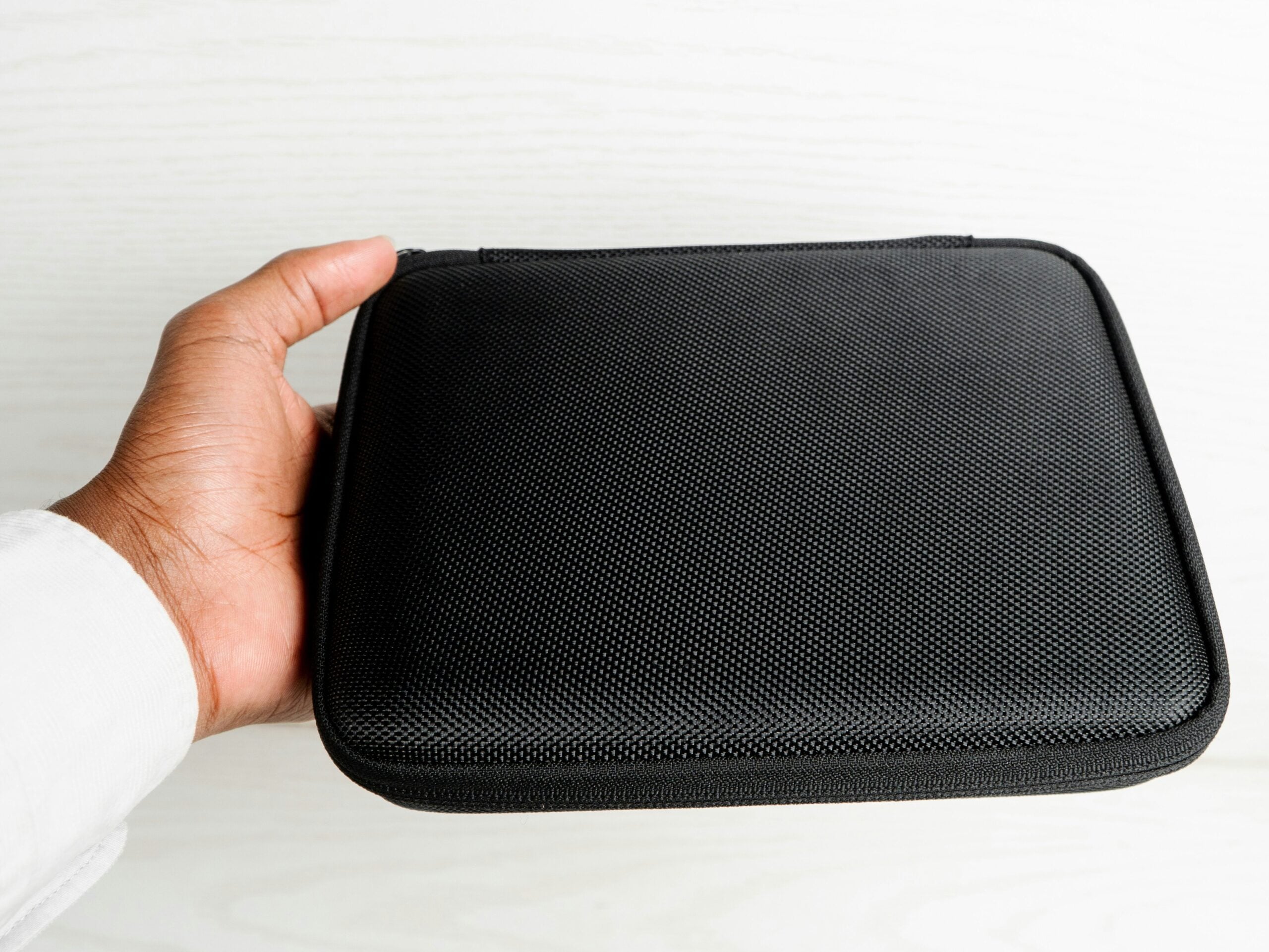
Premium passengers received amenity kits housed in reusable cases that doubled as travel accessories. Original first-class cases, particularly those from the 1970s with their distinctive geometric patterns, regularly sell for $1,500 or more.
The logic was simple: if passengers were paying premium fares, every detail should reflect that investment. These cases weren’t disposable — they were keepsakes that passengers would associate with their Pan Am experience long after landing.
Captain’s Document Portfolio
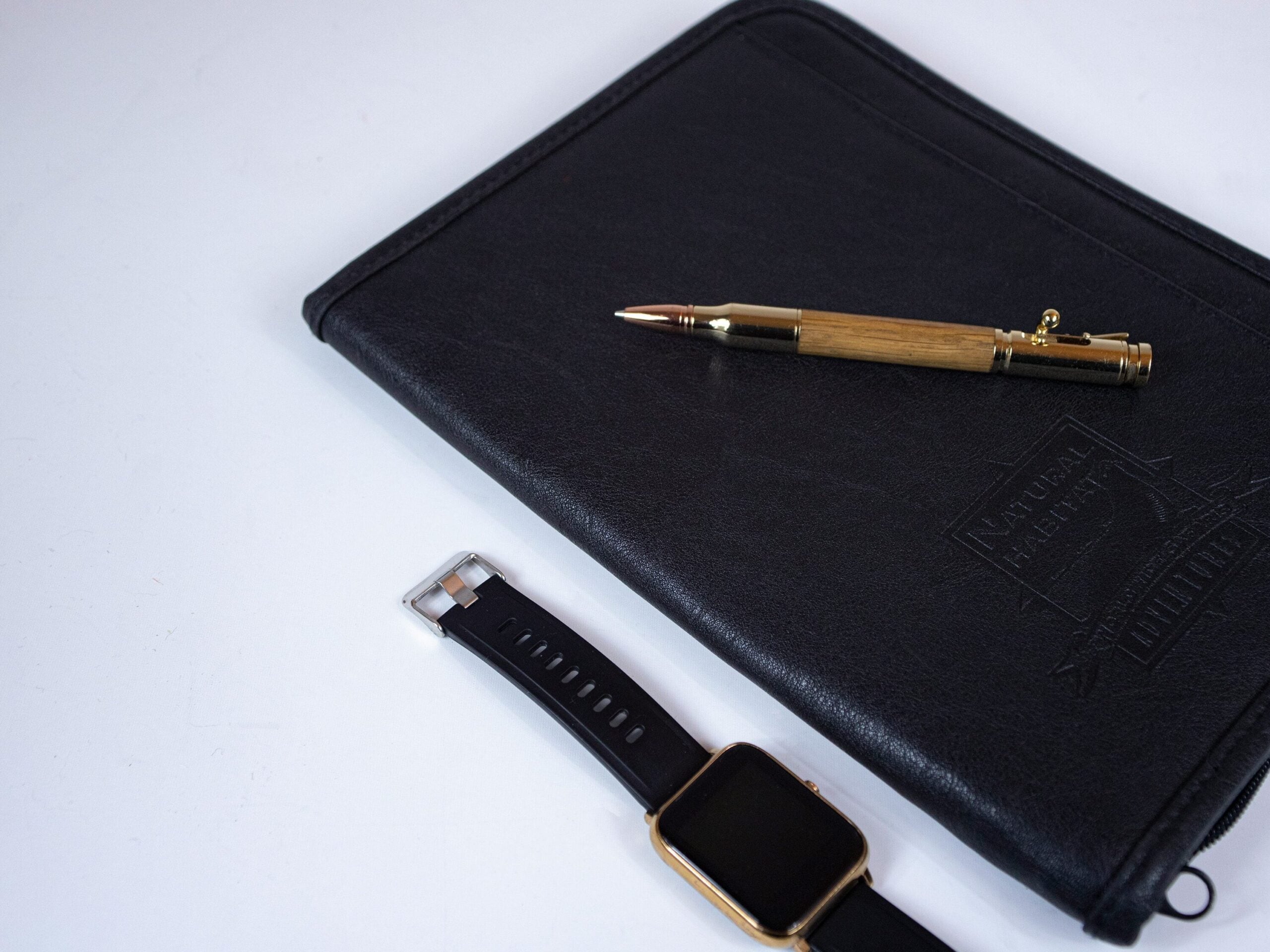
Airline captains needed secure, weather-resistant cases for navigation charts and flight documentation. Pan Am’s captain portfolios, made from heavy-duty leather with waterproof linings, have reached $3,200 at specialty auctions.
The craftsmanship reflects the life-or-death importance of the documents they protected. These weren’t fashion accessories.
They were professional tools designed for people whose decisions affected hundreds of lives at 35,000 feet. The weight of the leather, the precision of the stitching, the reliability of the clasps — everything reinforced the seriousness of commercial aviation during Pan Am’s prime years.
1950s Passenger Carry-On
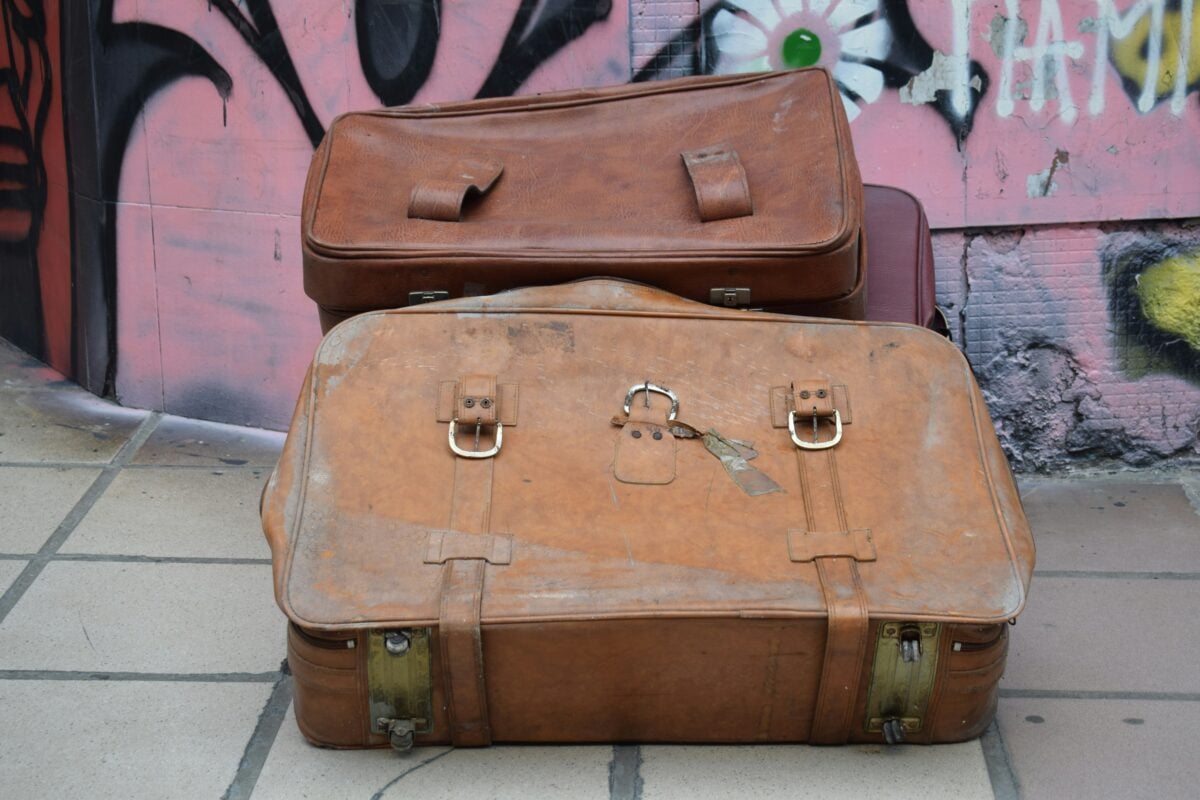
Early jet-age carry-on bags represent Pan Am at its most optimistic. These rigid cases, designed to fit in the overhead compartments of Boeing 707s and Douglas DC-8s, embody the airline’s confidence that air travel would become increasingly sophisticated and civilized.
The bags assume passengers will dress well, pack carefully, and treat flying as a special occasion worth preparing for. Recent auction prices have topped $2,400 for examples in original condition, complete with their fitted interiors designed to prevent wrinkles during transcontinental flights.
International Route Map Tote
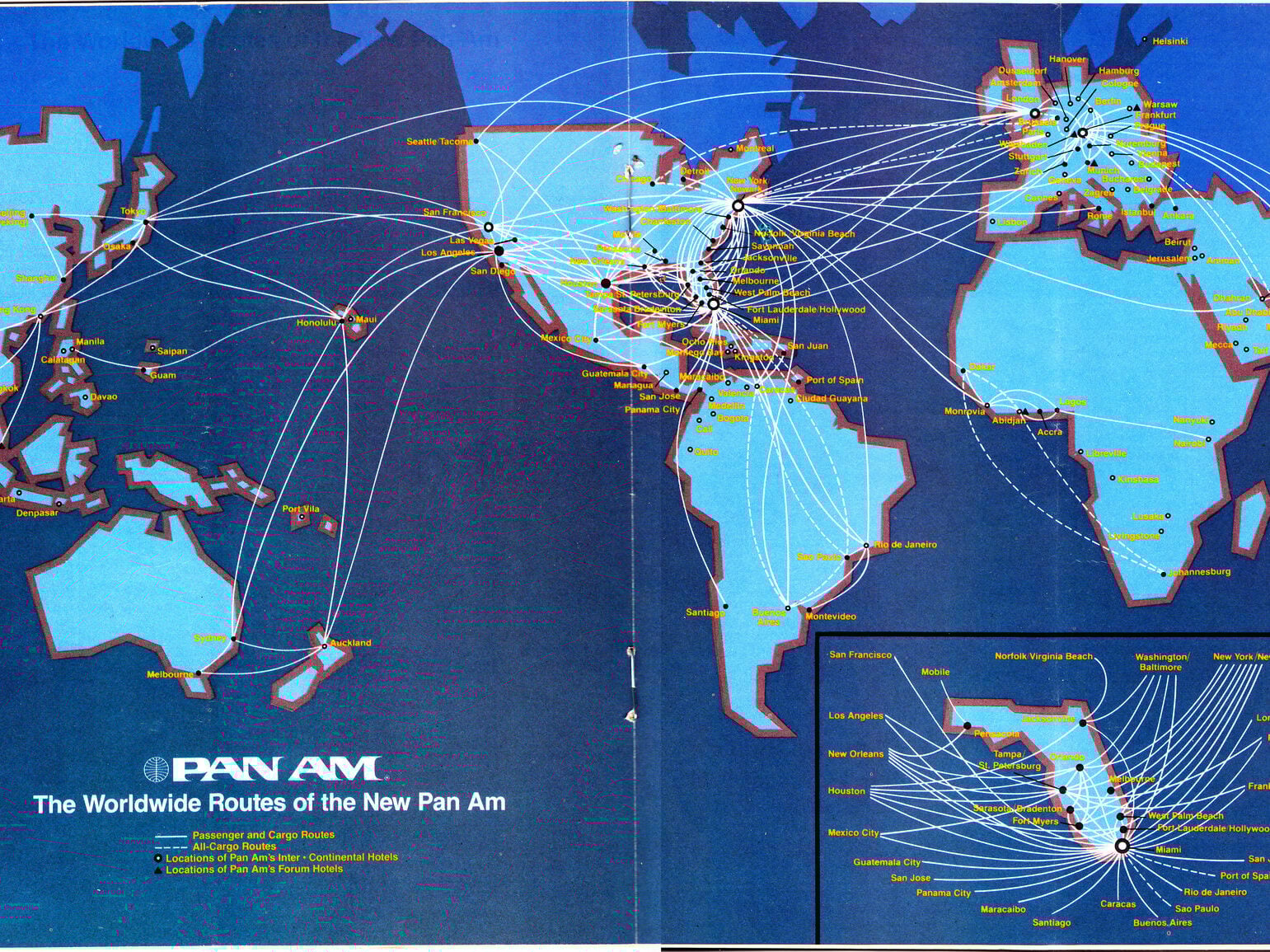
Pan Am produced tote bags featuring detailed route maps that doubled as functional travel accessories and marketing tools, and these pieces now command attention from collectors who appreciate both their practical design and their historical significance as artifacts of the airline’s global ambitions (the routes traced on these bags tell the story of Pan Am’s expansion into markets that seemed impossibly distant to most Americans). The maps aren’t just decorative — they reflect the genuine pride Pan Am took in its worldwide network, back when few airlines could claim truly international reach.
And yet the bags themselves are surprisingly practical, built to last rather than merely impress. Recent sales have reached $1,900 for bags in excellent condition, particularly those featuring routes to destinations that Pan Am served exclusively during certain periods.
But the real value lies in what these bags represent: a time when airline route maps were sources of genuine excitement rather than scheduling frustration. So collectors pay premium prices not just for vintage luggage, but for captured optimism.
VIP Guest Relations Case
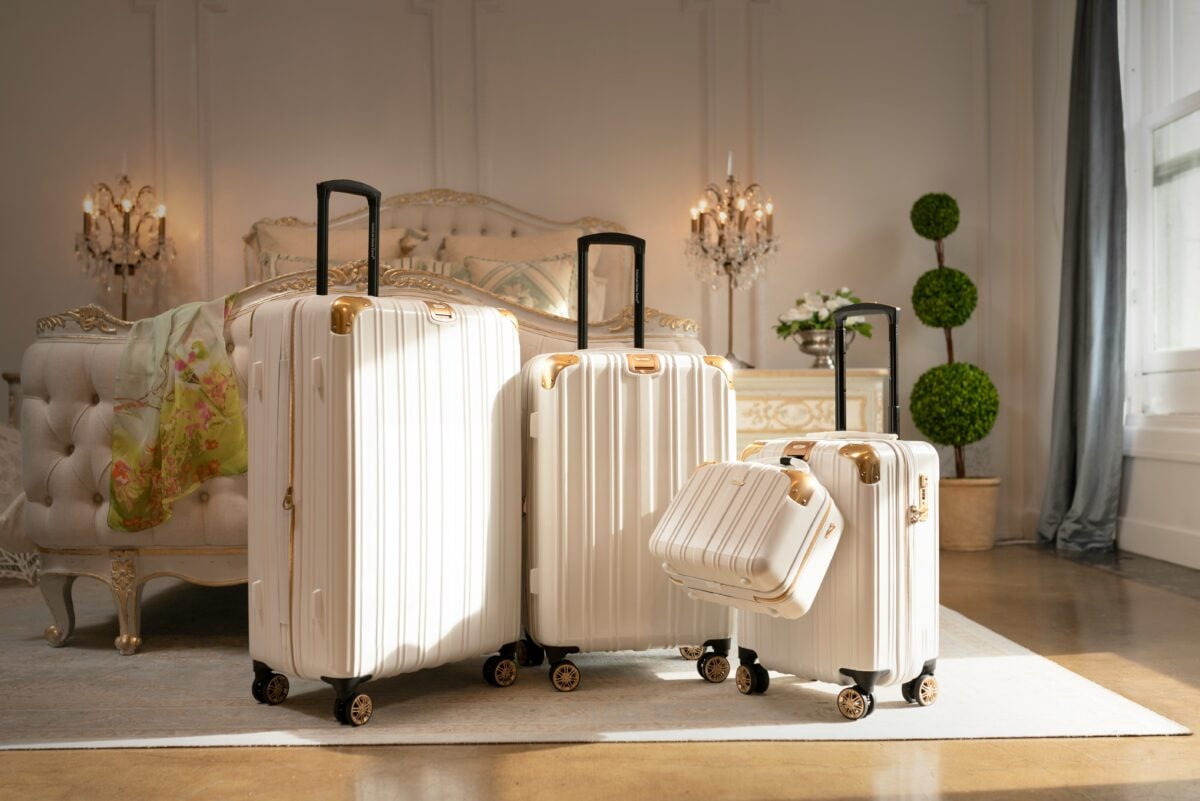
Pan Am maintained special services for dignitaries and high-profile passengers, and the cases used by guest relations staff have become highly sought collectibles. These cases, designed to carry amenities and documentation for VIP passengers, have sold for $2,100 in recent auctions.
The cases reflect Pan Am’s understanding that some passengers required special handling — not just upgraded meals or larger seats, but personalized service that began the moment they entered the terminal. Guest relations staff needed tools that matched the level of service they provided.
Training Department Instructor Bag
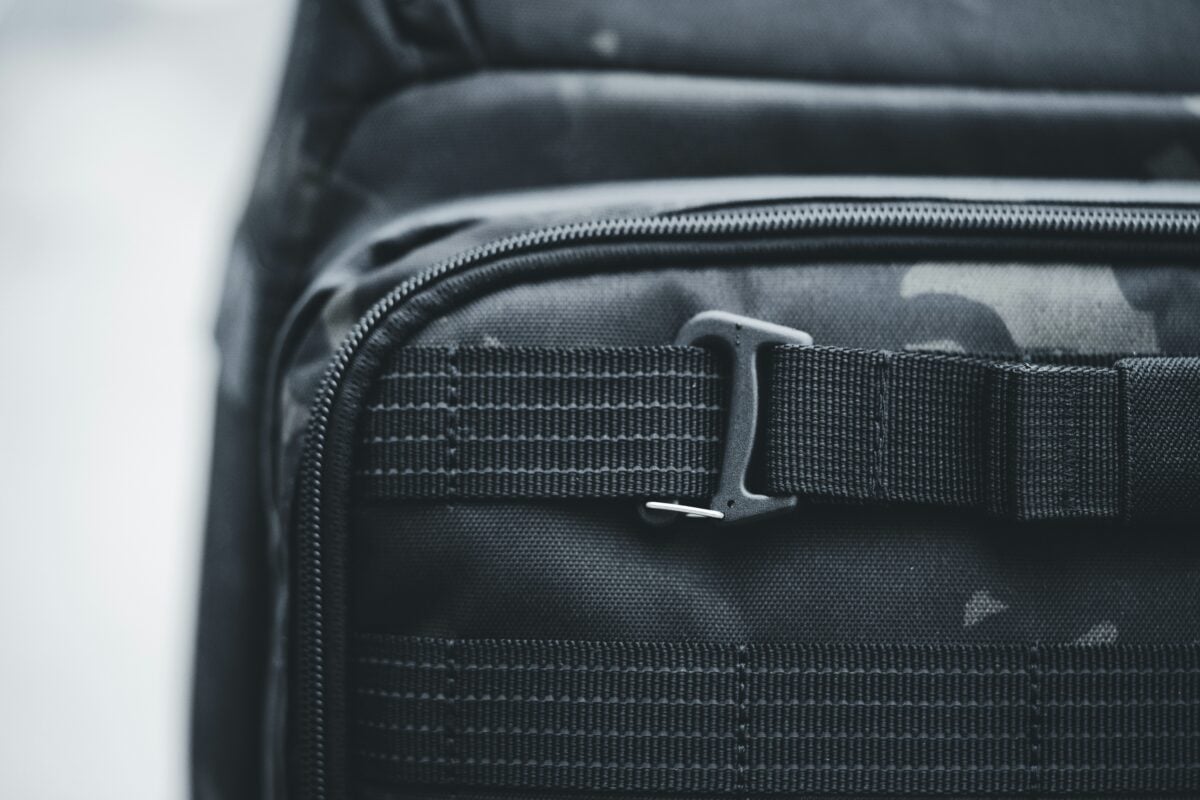
Pan Am’s flight training programs were industry standards, and the bags used by instructors have found eager buyers among aviation enthusiasts. These functional cases, designed to transport training materials and demonstration equipment, command prices around $1,700.
Training was serious business at Pan Am. The airline’s reputation depended on crew competency, and instructors needed equipment that could withstand constant use in classroom and simulator environments while maintaining a professional appearance that reinforced Pan Am’s image as the premium carrier.
Diplomatic Pouch Style Messenger
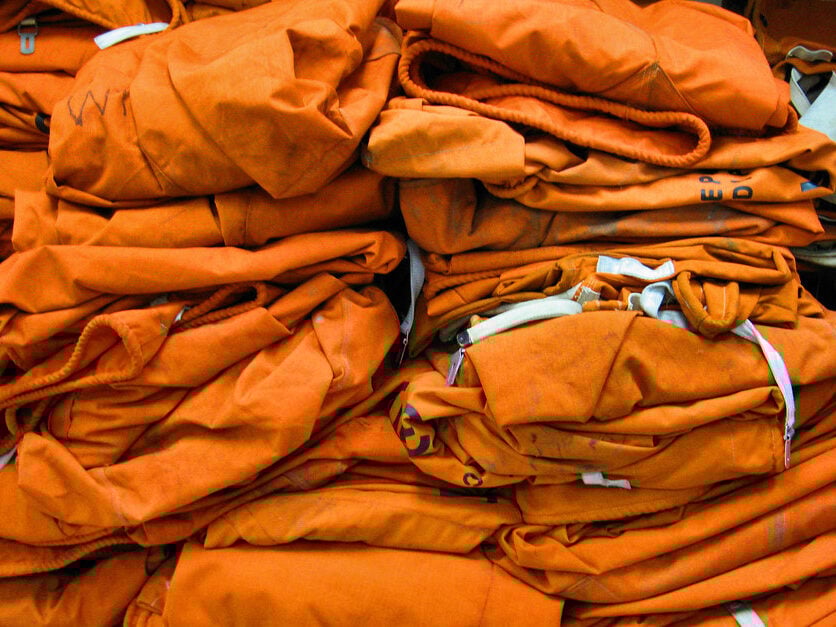
Pan Am carried diplomatic mail on many international routes, and the airline produced messenger bags inspired by this prestigious cargo. These bags, with their distinctive closures and official-looking hardware, have reached $2,000 at auction.
The bags capitalize on Pan Am’s role as an unofficial extension of American diplomacy. Flying Pan Am wasn’t just about reaching a destination — it was about arriving with the backing of American prestige and reliability.
Special Events Commemorative Case
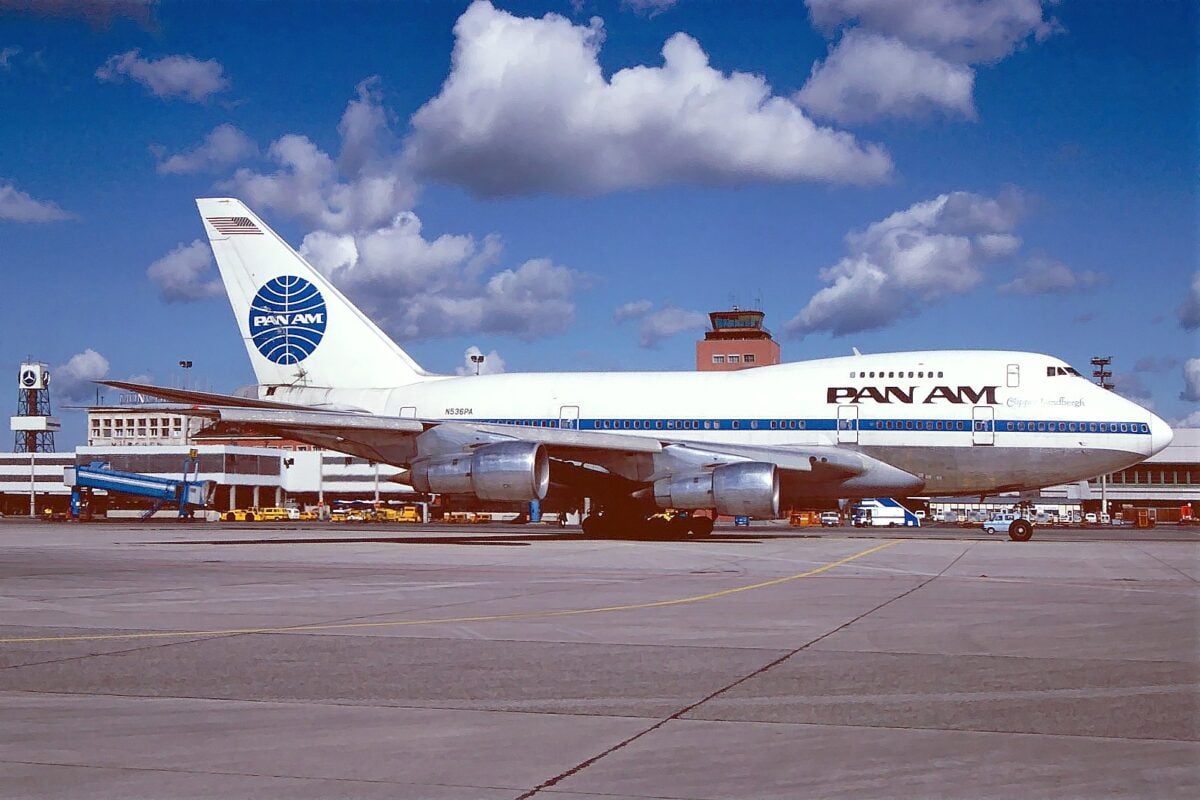
Pan Am marked significant milestones with limited-edition luggage pieces, and these commemorative cases have become valuable collectibles. Examples marking route inaugurations or anniversary celebrations have sold for $1,600 or more, depending on the event commemorated.
These pieces were never mass-produced, which drives up their current value. They were gifts for employees, dignitaries, or major customers — tokens of appreciation that have outlasted the airline that created them.
Marketing Department Presentation Case
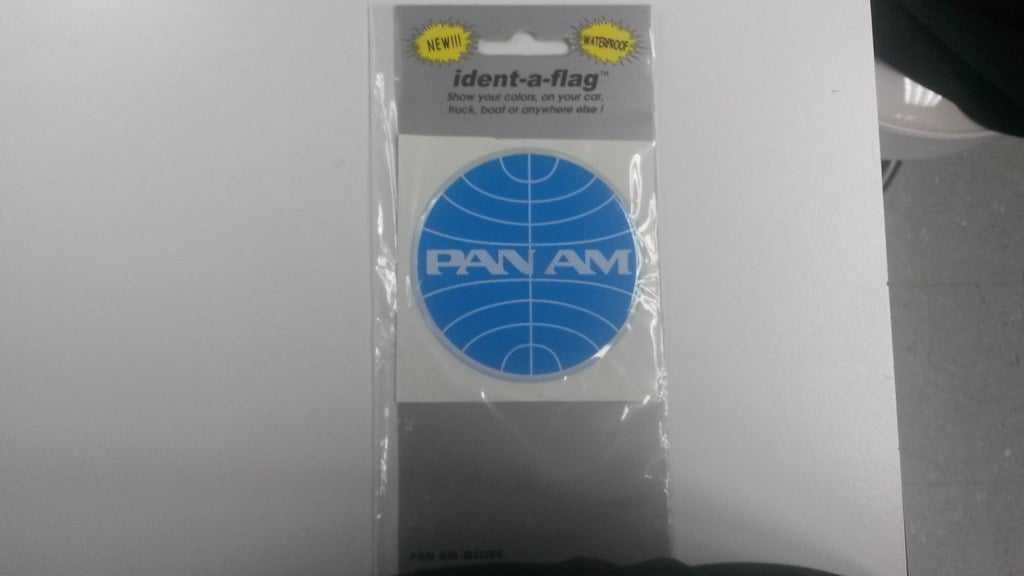
Pan Am’s marketing materials required special handling during the era of print advertising and physical presentations. The cases designed for marketing staff, with their custom compartments for promotional materials and presentation aids, have found buyers willing to pay $1,400 for well-preserved examples.
Marketing was warfare in the airline industry, and Pan Am’s tools needed to match the sophistication of their campaigns. These cases weren’t just storage — they were part of the presentation, reinforcing Pan Am’s image as the professional choice for serious travelers.
Final Flight Crew Memento Bag
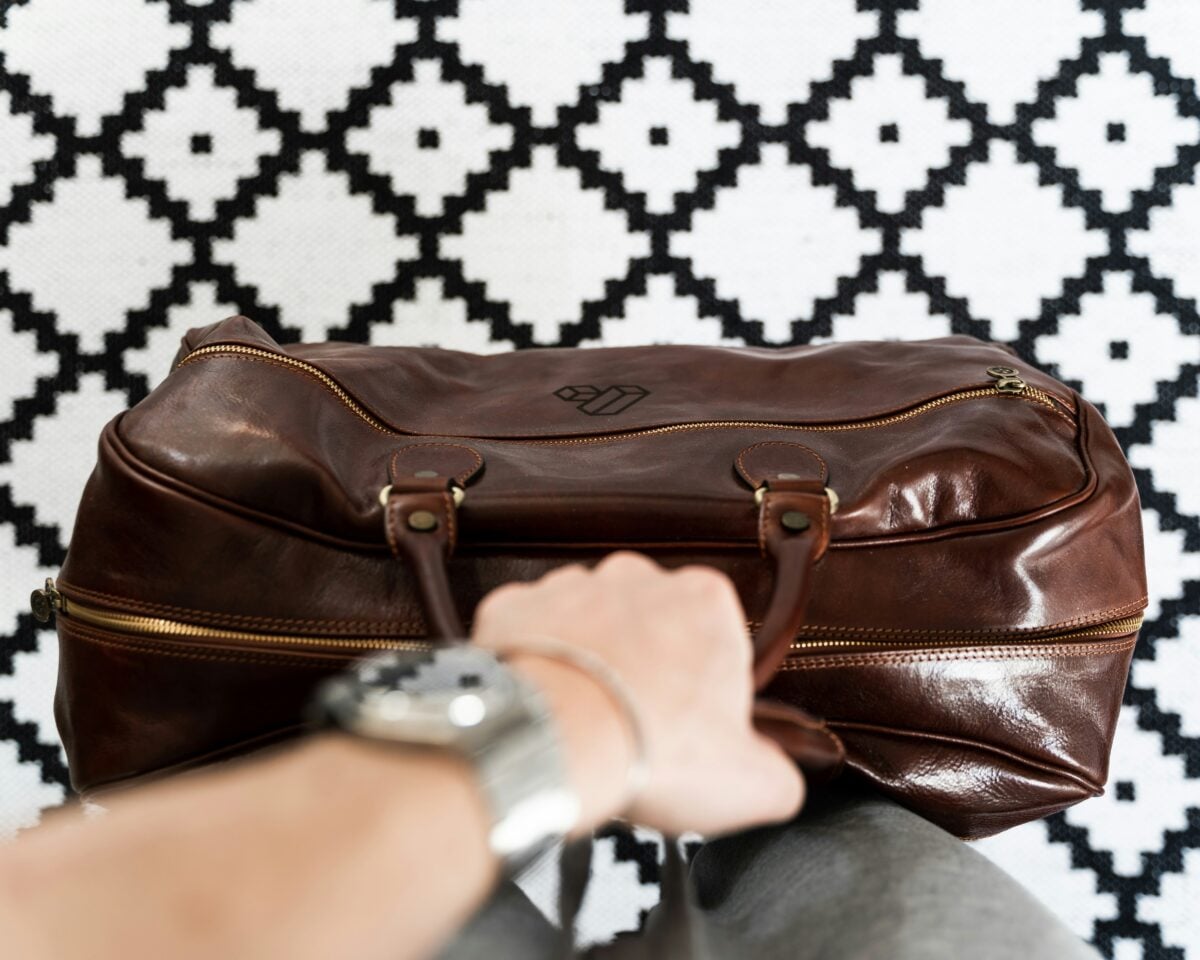
The most poignant Pan Am collectibles come from the airline’s final flights in December 1991. Crew members received commemorative bags marking the end of the Pan Am era, and these pieces have commanded extraordinary prices — some reaching $5,000 — among collectors who understand their historical significance.
These bags represent the end of an era in commercial aviation. Pan Am didn’t just go out of business; it marked the conclusion of the golden age of flying, when airlines competed on glamour and service rather than just price and scheduling efficiency.
Where Memories Take Flight
The prices these bags command reflect something deeper than simple nostalgia for vintage airline memorabilia. They’re artifacts of a time when flying felt like participation in something larger than transportation — when airlines sold adventure, sophistication, and connection to a wider world that seemed full of possibility rather than complications.
Pan Am bags continue to find buyers because they represent values that disappeared along with the airline: attention to craftsmanship, pride in service, and confidence that travel should be an experience worth remembering long after reaching your destination. In a world of budget carriers and luggage fees, these bags remind us of what we’ve lost — and what some collectors are willing to pay handsomely to recover.
More from Go2Tutors!

- The Romanov Crown Jewels and Their Tragic Fate
- 13 Historical Mysteries That Science Still Can’t Solve
- Famous Hoaxes That Fooled the World for Years
- 15 Child Stars with Tragic Adult Lives
- 16 Famous Jewelry Pieces in History
Like Go2Tutors’s content? Follow us on MSN.



