15 Common Sayings Born From Military Jargon
The English language carries the weight of countless battles, strategies, and soldiers’ experiences in ways most people never realize. Walk through any conversation, and phrases forged in trenches, barracks, and command centers surface naturally.
These expressions traveled from military operations into everyday speech, carrying their tactical precision and battlefield wisdom into boardrooms, classrooms, and kitchen tables across the country.
Over the Top

Soldiers in World War I trenches knew exactly what this meant. Go over the top of the trench, charge into no man’s land, face the enemy head-on.
Simple. Brutal. Often fatal.
Today it describes anything excessive or dramatic. Someone’s reaction is “over the top” when they’ve abandoned restraint and charged full-force into emotional territory.
The military precision is gone, but the sense of abandoning safety remains.
AWOL
“Absent Without Leave” became AWOL in military records (a bureaucratic necessity when soldiers disappeared from their posts without permission), but the acronym found civilian life surprisingly welcoming.
And why wouldn’t it? The concept translates perfectly: someone who should be somewhere but isn’t, someone who’s broken an unspoken contract about showing up.
Your coworker who vanishes from meetings without explanation has gone AWOL. Your friend who stops responding to texts for weeks — same thing.
The military gave us a crisp, official way to describe the frustrating human tendency to simply disappear when responsibility calls. So we kept it, because sometimes you need a word that carries a little authority when someone lets you down.
Bite the Bullet
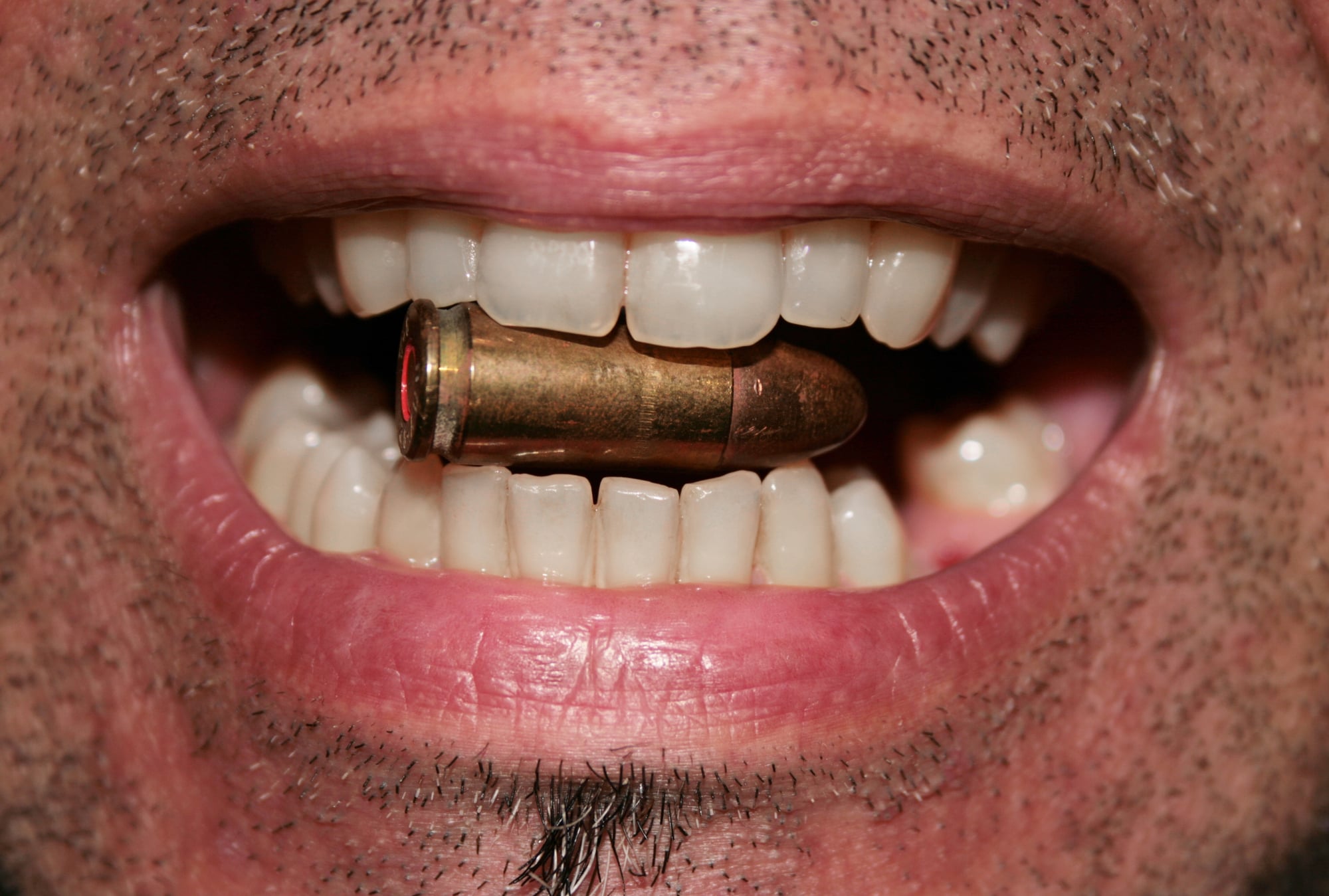
Surgery without anesthesia requires something to clamp down on. Bullets worked.
Lead was soft enough not to shatter teeth but firm enough to give soldiers something to focus on while field medics dug shrapnel from their flesh.
The phrase landed in civilian vocabulary as a metaphor for enduring something unpleasant but necessary. Like watching a bullet-biting soldier, you steel yourself and get through it.
The physical pain is gone, but the mental preparation remains exactly the same.
Shot in the Dark
Military reconnaissance meant sending soldiers into unknown territory without intelligence, without maps, without knowing what waited ahead. These missions were shots in the dark — literal attempts to gather information when visibility was poor and success uncertain.
The phrase captures that exact feeling of acting without adequate information. Making a decision when the outcome can’t be predicted.
Taking a shot when you can’t see the target clearly. Some shots in the dark hit their mark anyway, which is why people keep taking them.
Bite the Dust
Cowboys didn’t create this phrase (though Hollywood wants you to think so), and neither did the Old West. Military commanders used it to describe soldiers falling face-first into the ground after being shot — their final act being an involuntary bite of battlefield dirt.
The imagery is stark enough that it stuck around to describe any kind of failure or death, literal or metaphorical.
Projects bite the dust. Relationships bite the dust. The phrase carries the finality of a soldier’s last breath, even when describing something as mundane as a broken appliance.
On the Double
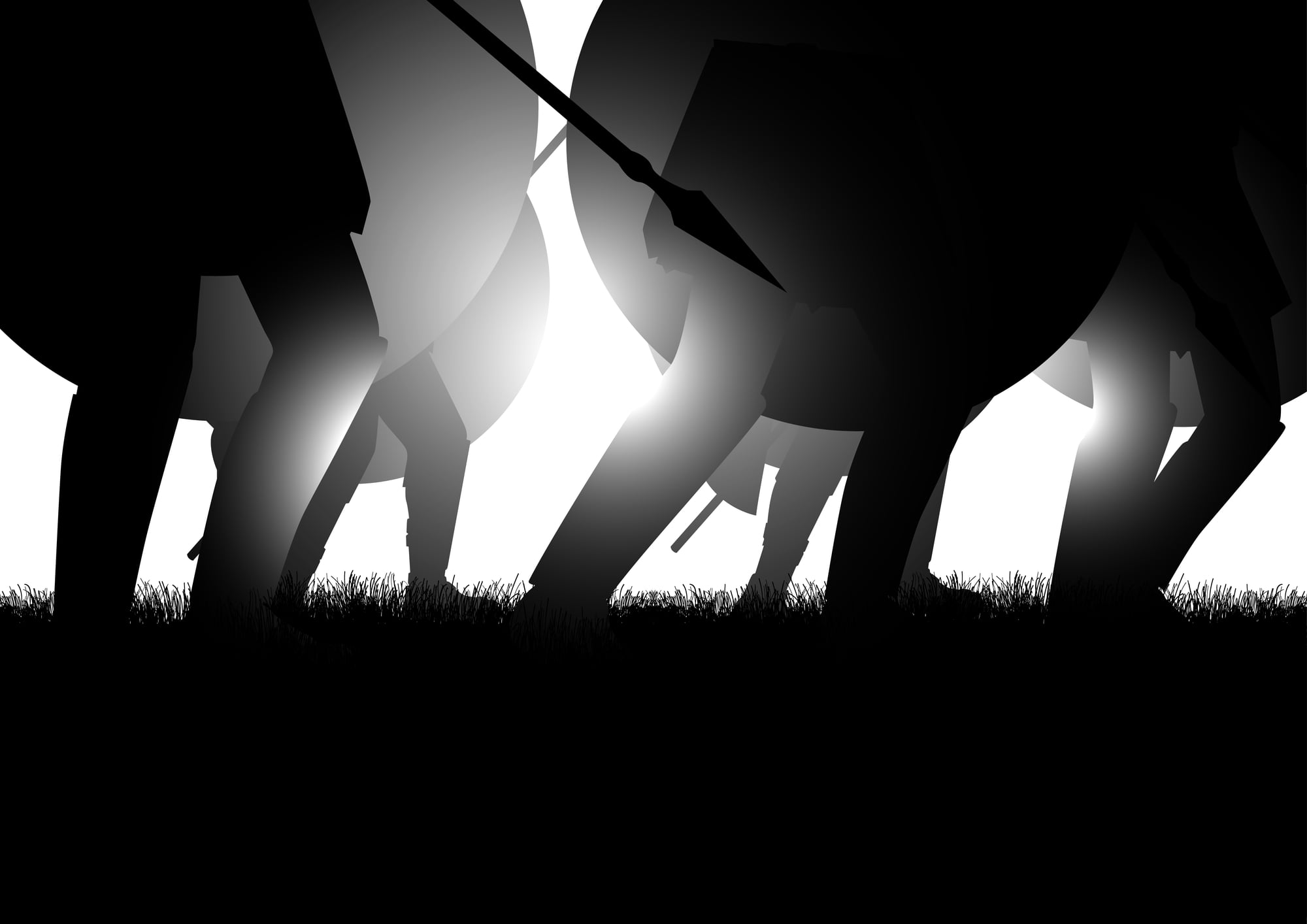
When military commanders needed something done immediately, they ordered troops to move “on the double” — double-time marching that covered ground twice as fast as normal pace. The urgency was built into the language because battlefield timing often meant the difference between success and catastrophe.
Civilians borrowed this phrase because civilian life has its own emergencies, its own moments when normal speed isn’t fast enough.
The military precision of double-time marching becomes the civilian scramble to meet deadlines, catch flights, or respond to crises. Same energy, different stakes.
Over the Barrel

Artillery crews positioned enemies exactly where they wanted them — directly in the line of fire, with no escape routes available. Being “over the barrel” of a cannon meant facing inevitable destruction with no good options remaining.
The phrase evolved to describe any situation where someone has lost control and must accept unfavorable terms.
Whether it’s a business negotiation, a legal settlement, or a personal relationship, being over the barrel means the other party holds all the leverage. The cannon may be gone, but the helplessness translates perfectly to modern power dynamics.
Rank and File

Military organizations separate officers from enlisted soldiers — the commanders from the commanded. “Rank and file” referred specifically to the ordinary soldiers who formed the bulk of any fighting force, the ones who followed orders rather than giving them.
Political movements adopted the phrase to distinguish between leadership and membership. Labor unions use it to describe regular workers versus management.
The military hierarchy became a template for understanding power structures everywhere, because every organization eventually develops its own version of rank and file.
Show Your True Colors

Naval warfare required ships to display flags identifying their nationality — their colors — so other vessels could determine friend from enemy. Some ships flew false colors to deceive opponents, revealing their true allegiance only at the last moment before attacking.
The deception became the metaphor. People show their true colors when they drop pretense and reveal their actual character, usually during moments of stress or conflict.
The naval strategy of false flags became a way to describe the universal human tendency to hide intentions until the moment of truth arrives.
Close Ranks
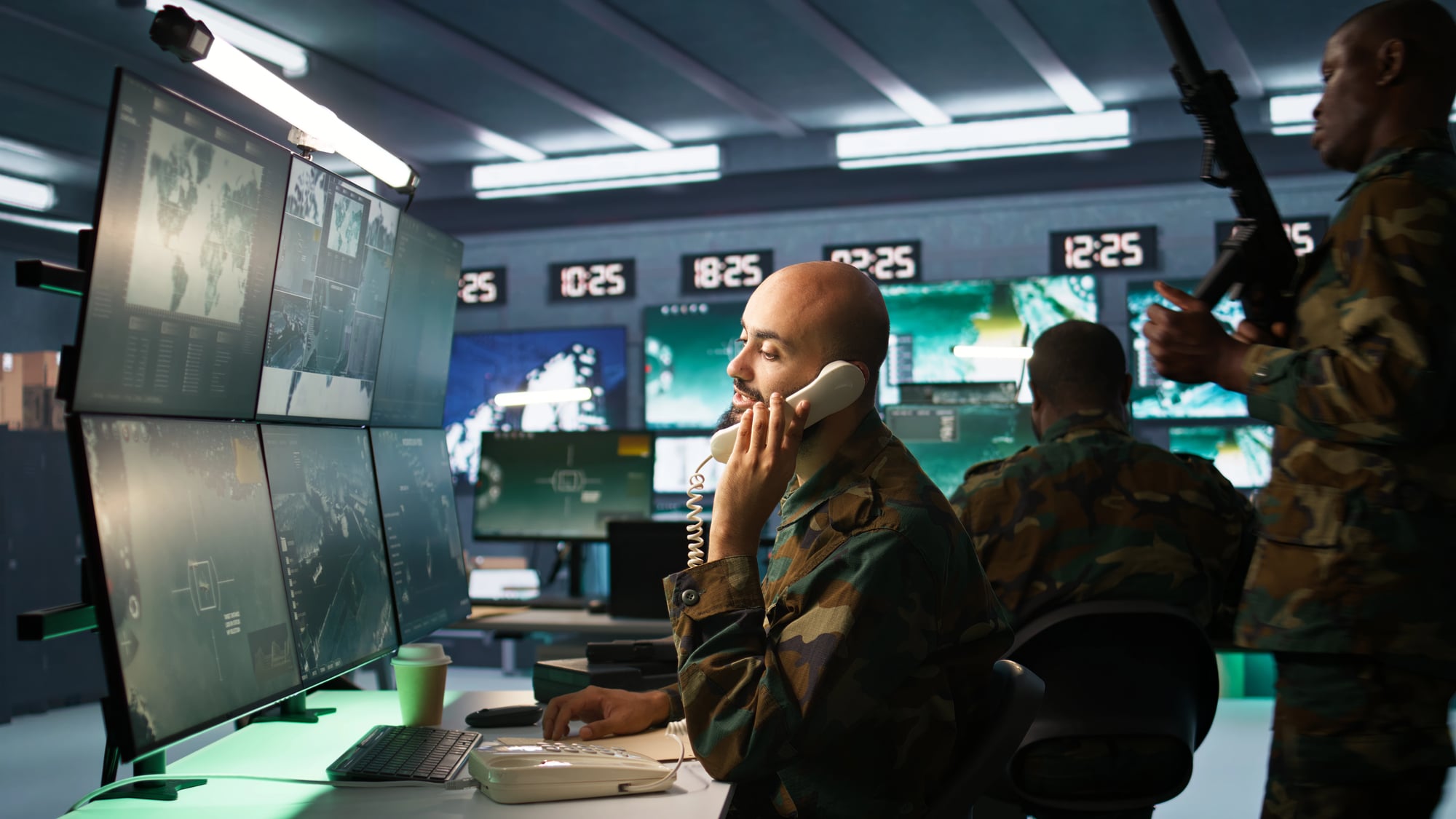
Battle formations required soldiers to maintain tight spacing — closing ranks — so enemy forces couldn’t break through gaps in the line. When soldiers fell, others moved inward to fill the spaces and preserve the defensive wall.
Organizations facing external threats naturally close ranks the same way military units do. Family members close ranks when one is criticized.
Political parties close ranks during scandals. Companies close ranks during hostile takeovers. The tactical necessity of maintaining a solid front translated seamlessly to any group defending against outside pressure.
Fall in Line
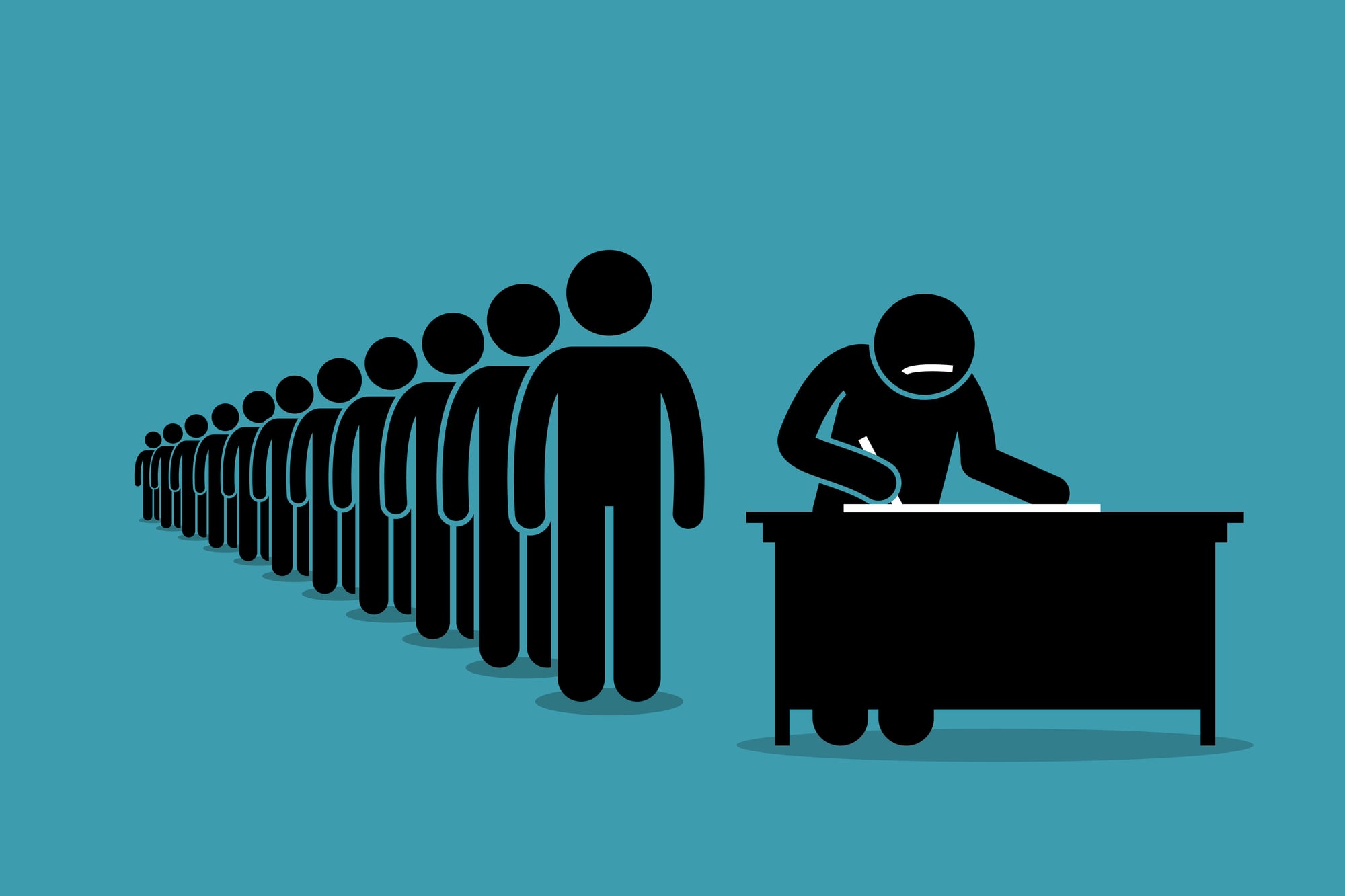
Military formations demand precise positioning. Soldiers fall in line according to height, rank, or tactical necessity, creating order from chaos.
The command “fall in line” wasn’t a suggestion — it was the difference between an effective unit and a confused mob.
The phrase moved into civilian use to describe conformity and compliance. Fall in line with company policy.
Fall in line behind a political candidate. The military’s need for instant coordination became society’s expectation that individuals will sometimes subordinate personal preferences to group objectives.
Zero Hour
Military operations launched at precisely scheduled times — zero hour marked the moment when planning ended and action began. Artillery bombardments started at zero hour.
Infantry charges began at zero hour. Everything hinged on that exact moment when the clock reached the predetermined time.
Civilian life borrowed zero hour for any crucial deadline or moment of truth. Zero hour for project launches, business decisions, or personal commitments.
The military’s tactical precision became a way to describe the psychological pressure of facing any make-or-break moment.
Under Fire
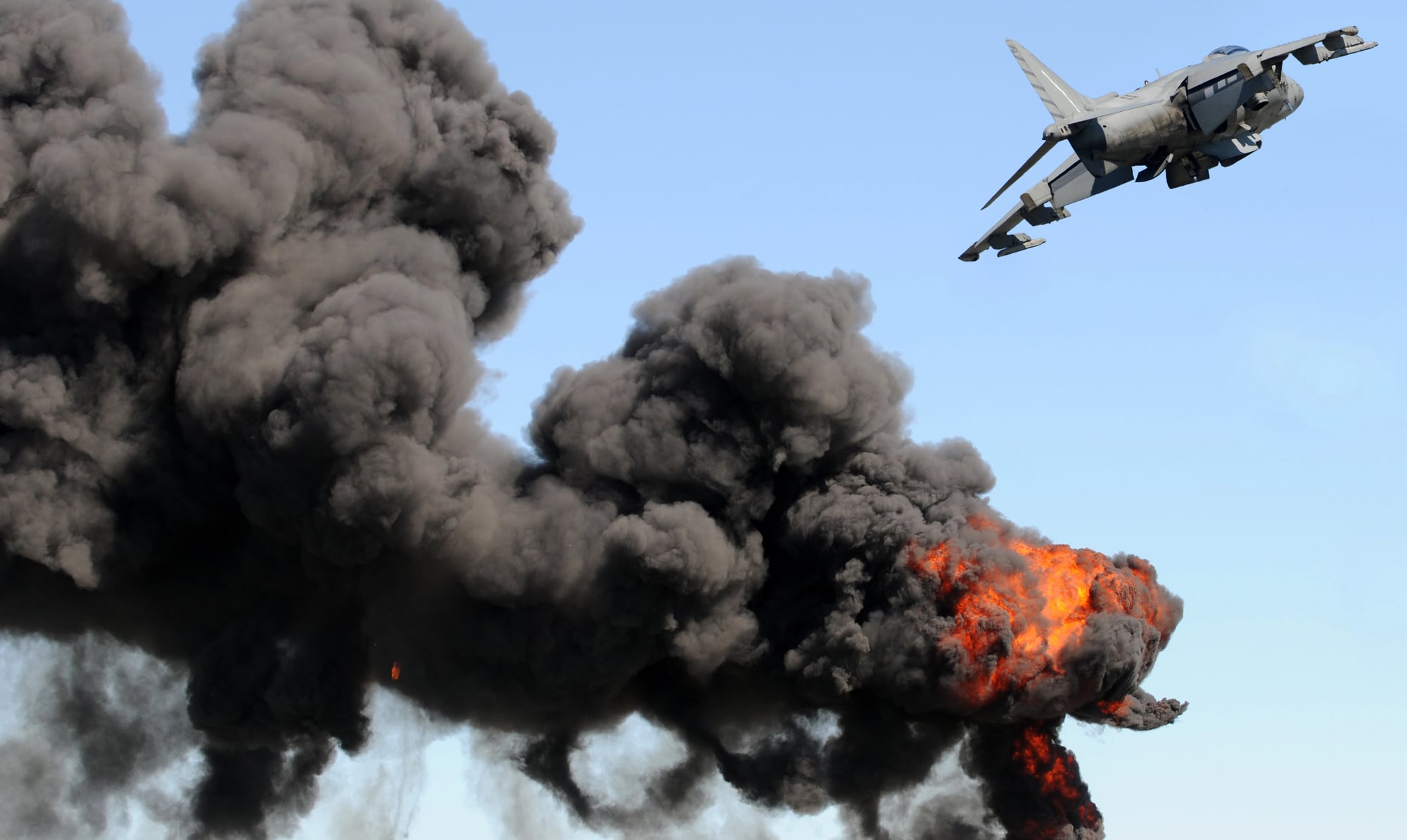
Soldiers under enemy fire had limited options — return fire, seek cover, or advance through the danger. The phrase described the immediate, physical experience of being targeted by hostile forces, with bullets and artillery creating an environment where survival required constant alertness.
Professional environments adopted “under fire” to describe intense criticism or pressure. Politicians come under fire for policy decisions.
CEOs come under fire for company performance. The metaphor works because both situations involve being targeted, defending your position, and maintaining function while external forces attempt to break your resolve.
No Man’s Land

World War I created literal no man’s land — the devastated territory between opposing trenches where soldiers from either side faced almost certain death. This ground belonged to nobody because nobody could hold it for long without being killed.
The phrase expanded to describe any dangerous or disputed territory, physical or metaphorical. Abandoned neighborhoods become no man’s land.
Contentious political issues create no man’s land where taking a position invites attack from multiple directions. The original meaning — territory too dangerous to occupy — applies perfectly to modern situations where engagement carries unacceptable risks.
All Hands on Deck

Naval emergencies required every crew member to abandon their regular duties and focus on immediate survival. “All hands on deck” meant cooks stopped cooking, clerks stopped filing, and everyone grabbed whatever tools were needed to save the ship.
Modern crises trigger the same response. Startups facing deadlines call all hands on deck.
Emergency responders use all hands on deck during natural disasters. The naval command became civilian shorthand for moments when normal job descriptions become irrelevant and everyone contributes whatever skills they have to address urgent problems.
Words That Survived the Peace
Military language persists because military situations — pressure, hierarchy, life-or-death decisions — mirror the fundamental challenges of civilian life. The phrases that survived carried useful concepts from one world to another, providing precise language for universal human experiences.
These expressions didn’t just cross over from military to civilian use; they revealed that the boundary between those worlds was always thinner than it appeared.
More from Go2Tutors!

- The Romanov Crown Jewels and Their Tragic Fate
- 13 Historical Mysteries That Science Still Can’t Solve
- Famous Hoaxes That Fooled the World for Years
- 15 Child Stars with Tragic Adult Lives
- 16 Famous Jewelry Pieces in History
Like Go2Tutors’s content? Follow us on MSN.



