Photos Of Iconic Landmarks Still Under Construction
There’s something unsettling about seeing the world’s most famous landmarks stripped of their grandeur. The Eiffel Tower surrounded by scaffolding, Mount Rushmore as half-carved faces emerging from rock, or the Golden Gate Bridge as nothing more than steel beams reaching across water.
These images remind us that everything we consider permanent and inevitable was once just an ambitious idea and a construction site. The monuments that define our cities and countries didn’t appear overnight — they were built piece by piece, often taking decades to complete and sometimes nearly abandoned along the way.
The Eiffel Tower
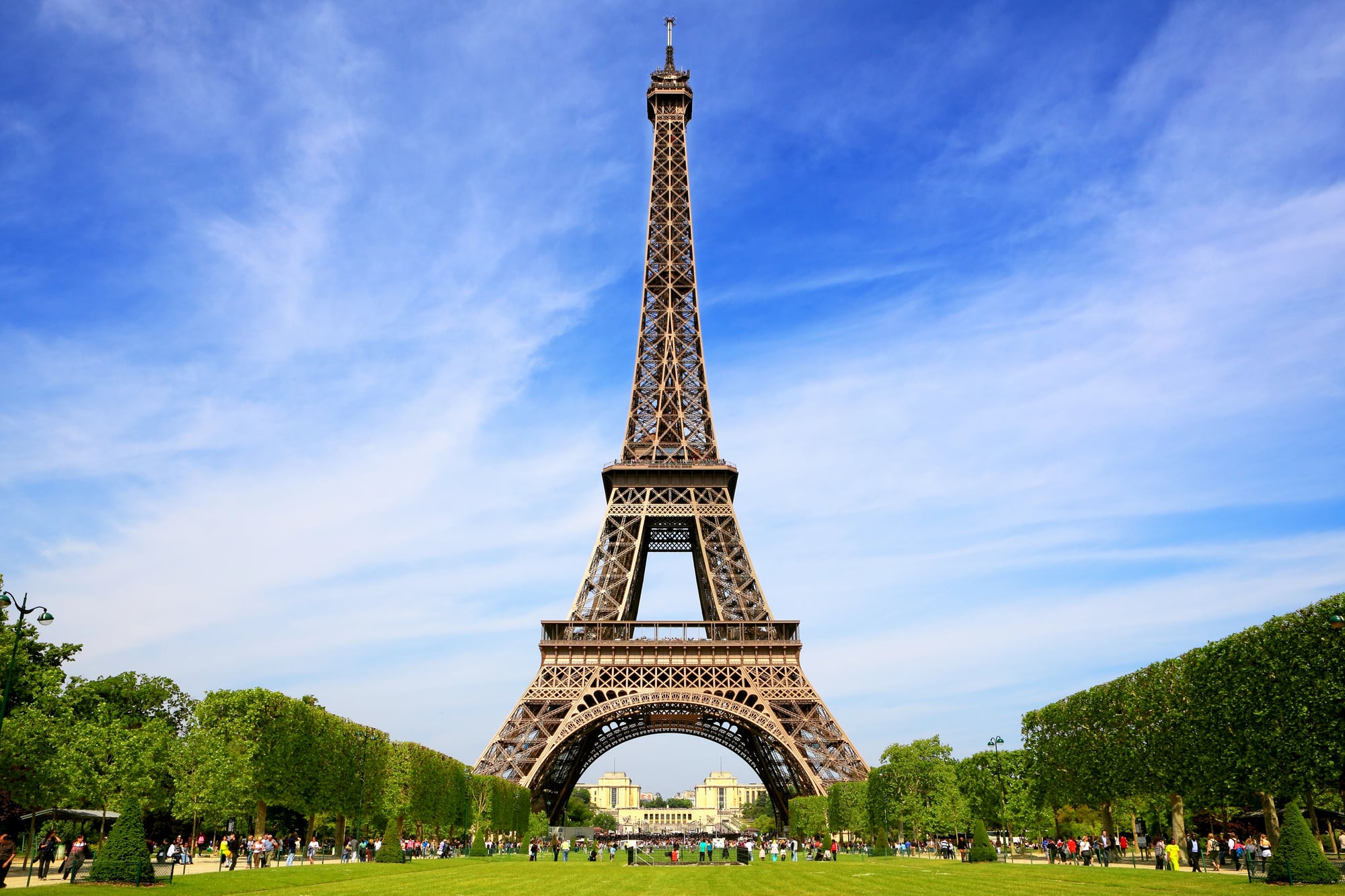
The Eiffel Tower looked like a mistake. Iron girders jutting up from the Champ de Mars, half-finished and skeletal against the Parisian sky.
Critics called it an eyesore before it was even done. By 1888, the tower had reached its first platform, but the iron lattice looked more like industrial scaffolding than a monument.
Workers climbed the exposed framework daily, riveting piece after piece into place. The whole thing swayed in the wind.
Parisians walked by and shook their heads — this was supposed to represent French engineering at the 1889 World’s Fair.
Mount Rushmore
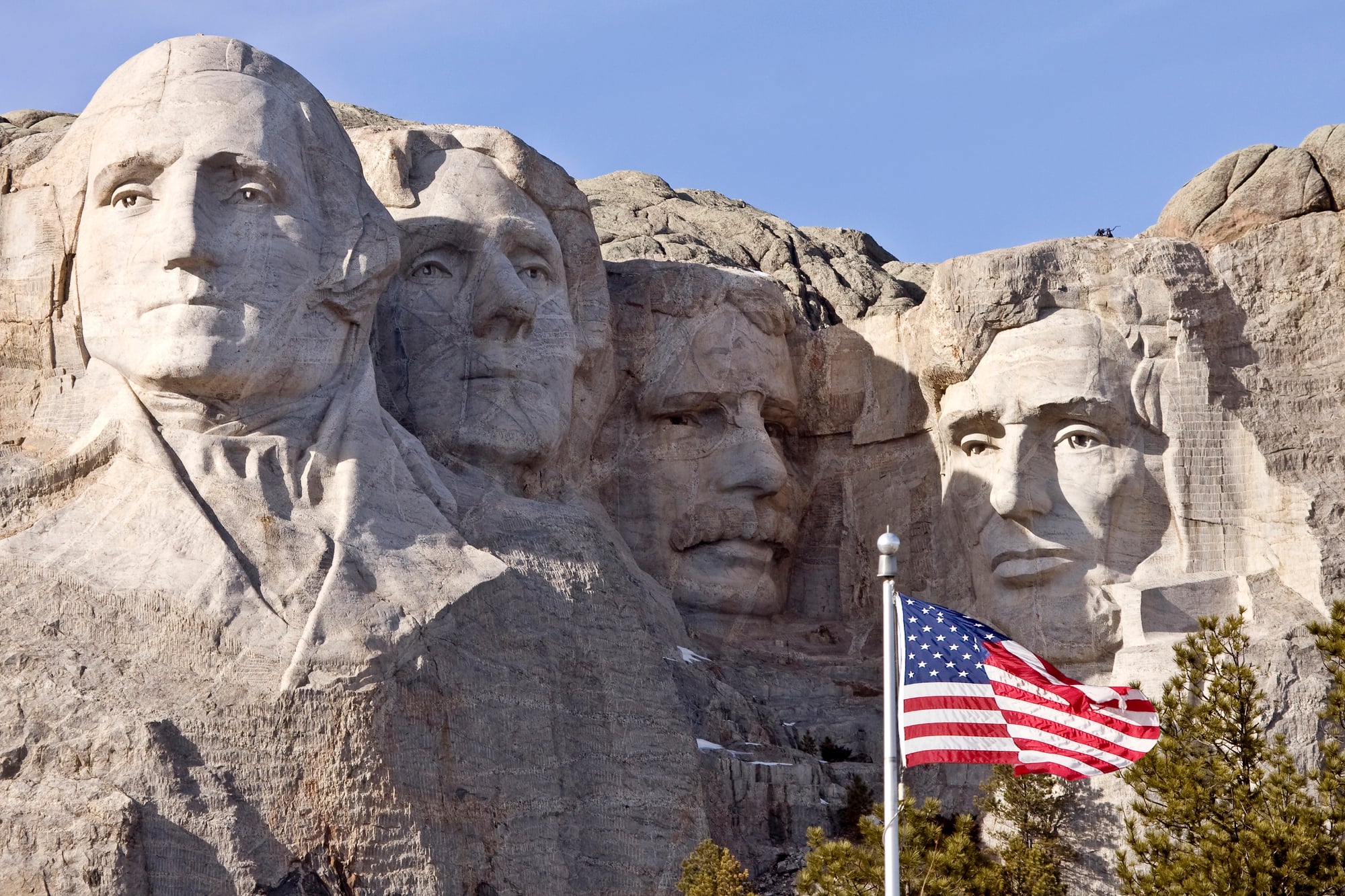
The mountainside in the Black Hills looked like a construction accident for most of the 1930s. Gutzon Borglum and his crew spent years dangling from ropes, using dynamite to blast away chunks of granite.
Washington’s face appeared first, a lone head floating in stone, and for months it stayed that way while workers figured out how to fit Jefferson next to him. They actually had to blast away their first attempt at Jefferson’s face and start over when they realized the rock wouldn’t cooperate.
The Golden Gate Bridge
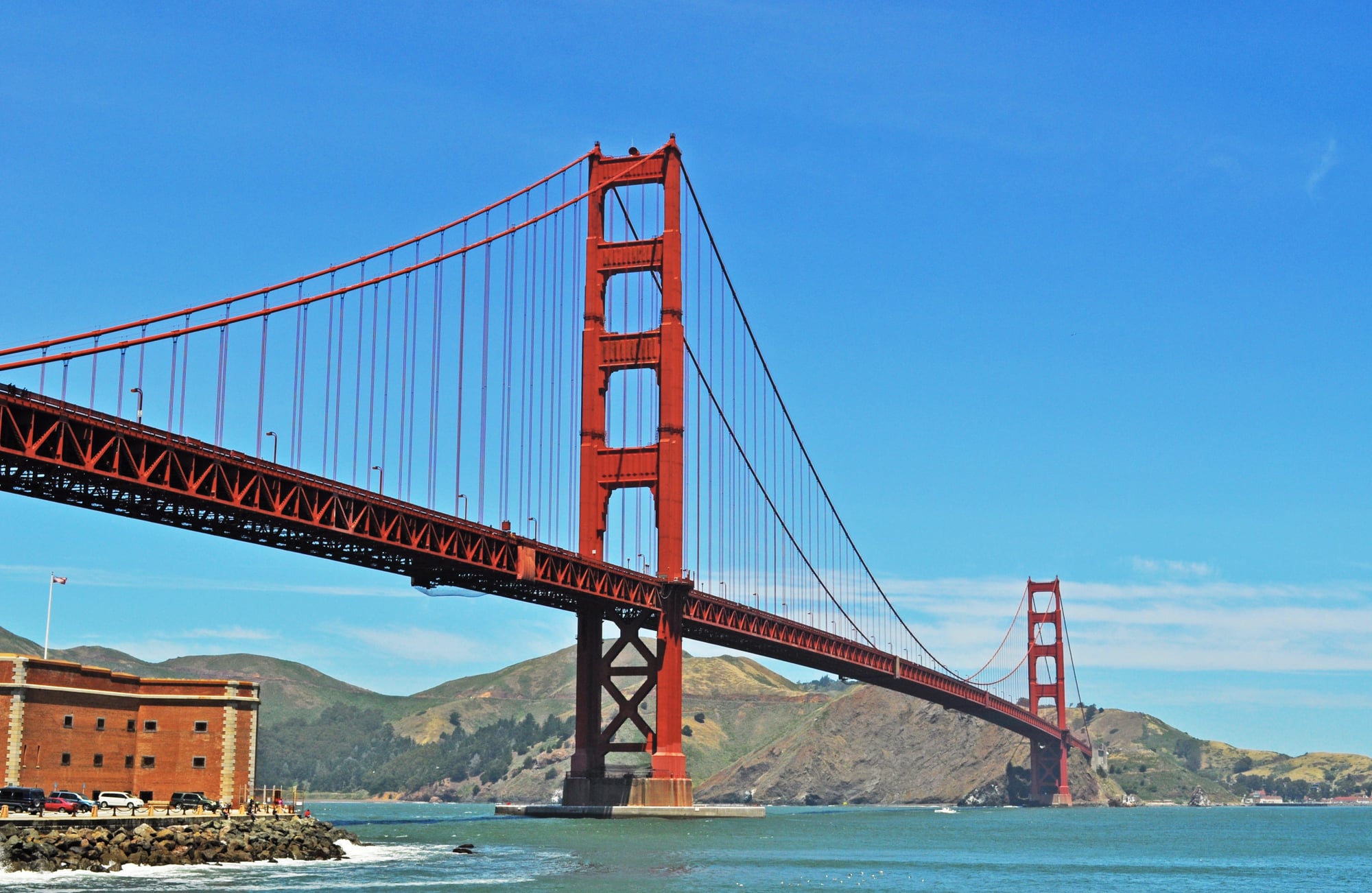
The Golden Gate Bridge spent most of 1935 and 1936 looking like someone had given up halfway through. One tower stood complete on the San Francisco side while nothing but construction equipment marked the Marin side.
The span existed only in blueprints and the imaginations of engineers who weren’t entirely sure their calculations would hold up against Pacific winds. Workers spent months just building the towers, dealing with fog so thick they couldn’t see where they were placing the next piece of steel.
The famous International Orange paint job hadn’t happened yet. Everything was primer gray and rust stains.
Ships passed underneath a bridge that led nowhere, and people in San Francisco squinted across the bay at a construction project that looked more like an abandoned idea than a future icon.
The Sydney Opera House
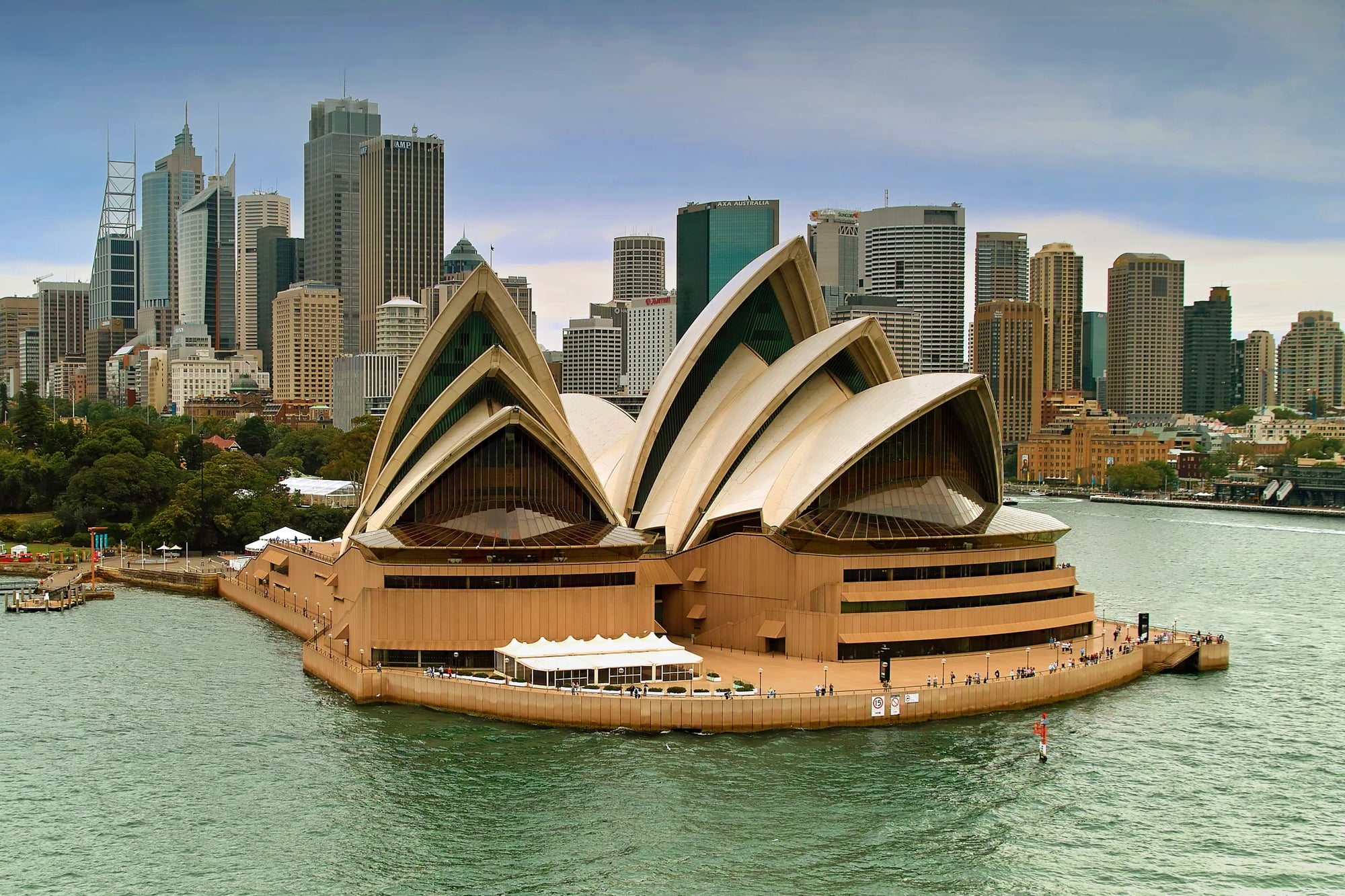
Picture the Sydney Opera House as a series of concrete ribs poking out of the harbor like the skeleton of some beached whale. The building’s famous shell-like roof sections weren’t installed as complete units; they were built up piece by piece.
Even the architects weren’t entirely sure how the whole thing was supposed to fit together. So the Opera House sat there, half-finished and slightly embarrassing, while engineers worked out problems that should have been solved on paper.
The building that now defines Sydney’s skyline spent years looking like a construction mistake that the city couldn’t afford to abandon.
The Statue Of Liberty
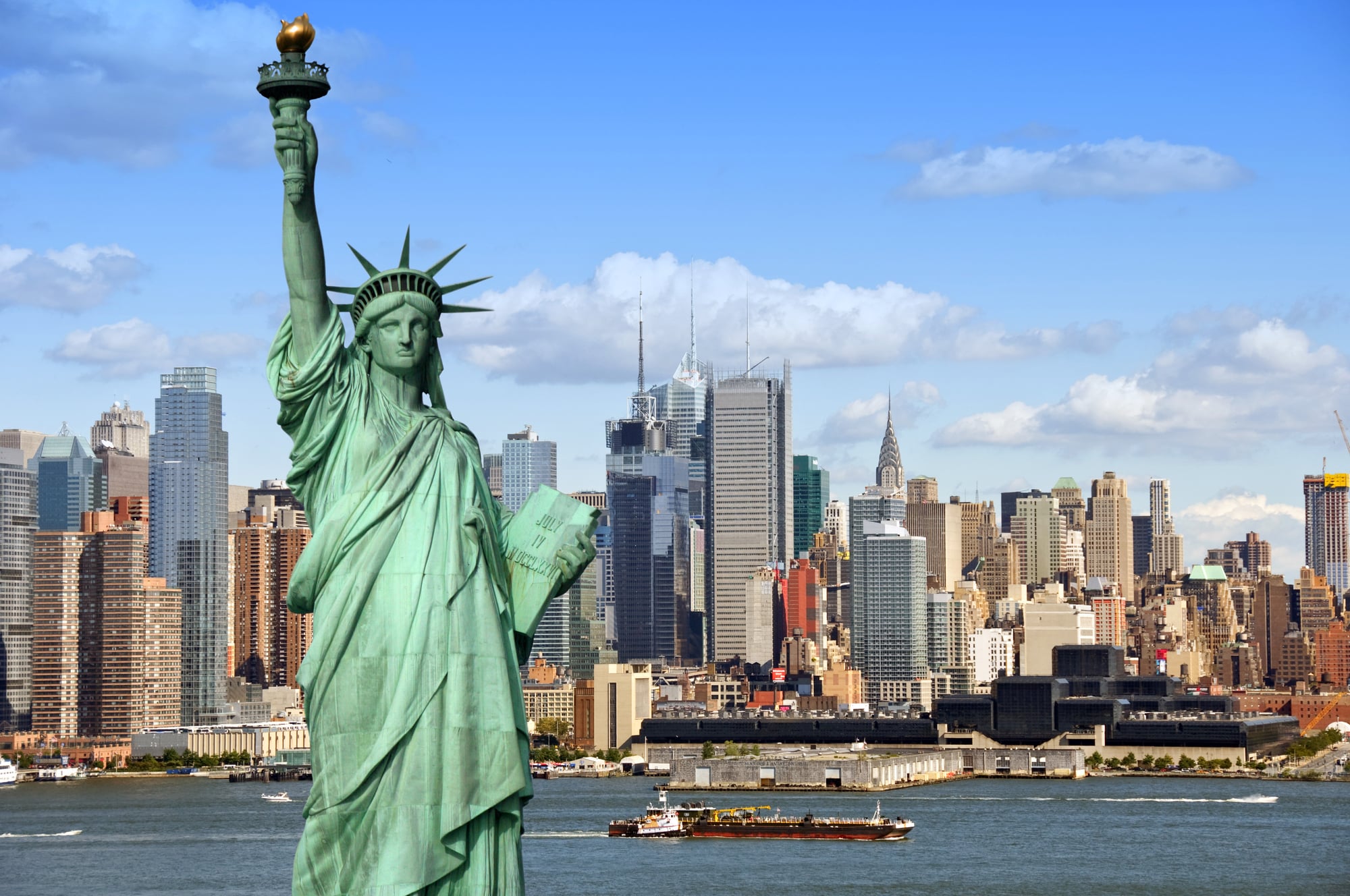
The Statue of Liberty arrived in New York Harbor in pieces, packed in 214 wooden crates. For months, Lady Liberty existed as individual body parts scattered around what would become Liberty Island.
Her arm and torch had actually been on display at the 1876 Philadelphia World’s Fair, six years before the rest of her showed up. The head sat in a warehouse while fundraising efforts tried to pay for the pedestal.
America had agreed to build the base, but money was tight. Meanwhile, Liberty’s face gathered dust indoors, waiting for someone to figure out where to put her.
The torch-bearing arm was displayed in Madison Square Park for years, completely detached from any body. Visitors could climb inside and look out from the torch of a statue that didn’t yet exist as a whole.
The Washington Monument

The Washington Monument stopped halfway to heaven and stayed there for 22 years. Construction began in 1848 with grand plans and solid momentum, but by 1854 the money had dried up and the monument sat abandoned at 152 feet.
The Civil War came and went, presidents served and died, and still the unfinished monument sat there, a concrete reminder of good intentions gone nowhere. You can actually see where construction stopped and restarted — the marble from the second phase of construction came from a different quarry, creating a distinct color change.
The Brooklyn Bridge

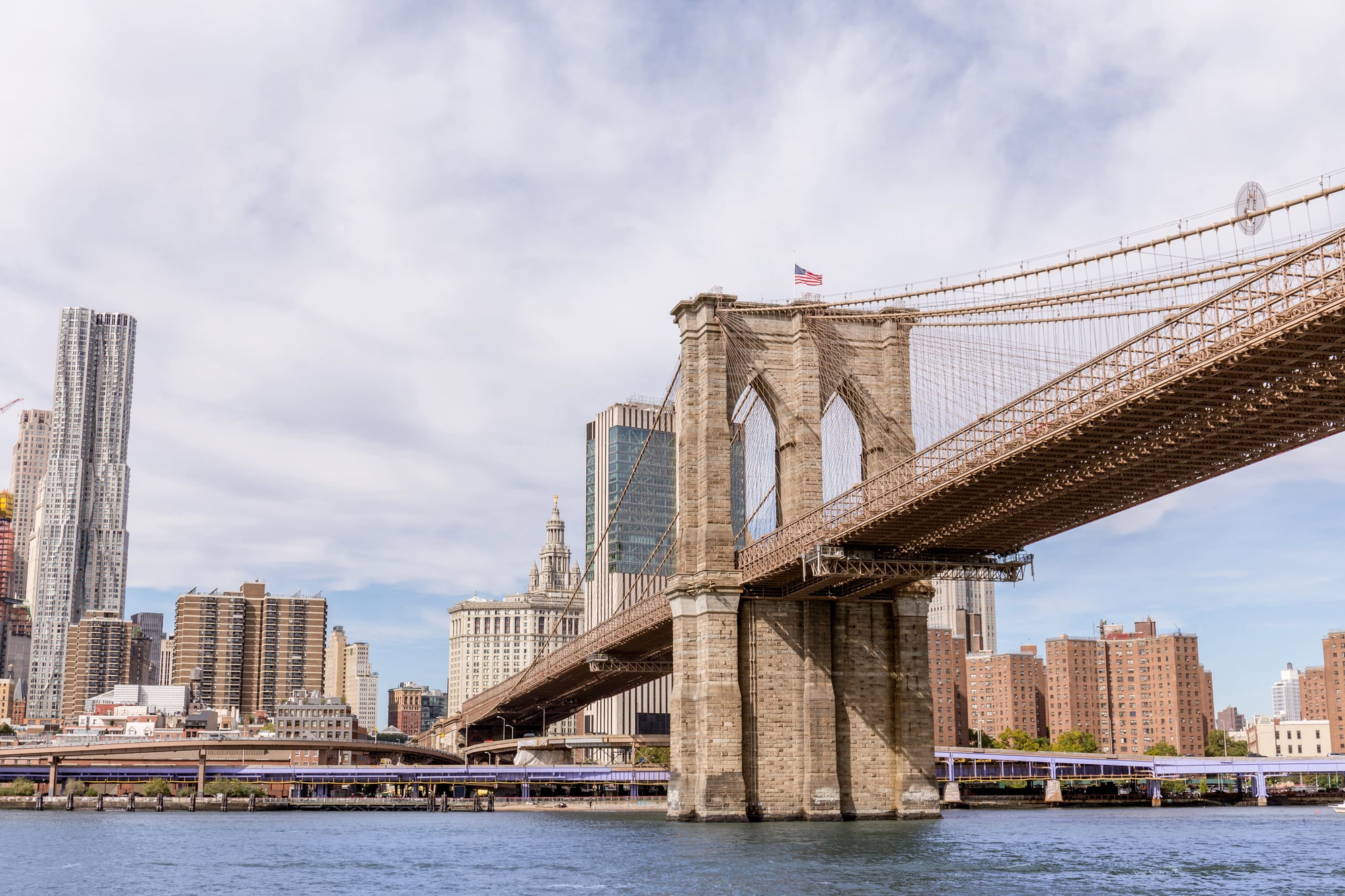
Building the Brooklyn Bridge meant spending years staring at two massive stone towers that connected to nothing. The towers rose from the East River like medieval fortresses, complete and impressive but entirely pointless without the cables and roadway.
Workers died building those towers. John Roebling, the bridge’s designer, died from tetanus after his foot was crushed during the initial surveying.
His son Washington took over, then developed decompression sickness from working in the underwater chambers. Washington’s wife Emily ended up running much of the construction.
For most of the 1870s, the towers stood alone while the Roebling family figured out how to span the distance between them.
Big Ben
The clock tower we call Big Ben spent most of the 1850s looking like an unfinished church steeple. The tower rose floor by floor while clockmakers worked on the mechanisms in workshops across London.
The famous clock faces weren’t installed until 1859, so for years Londoners walked past a blank tower that told no time at all. The bells caused their own problems.
The original 13-ton bell cracked during testing and had to be recast. The replacement bell cracked too, but they decided to use it anyway and just turn it so the crack wouldn’t affect the sound as much.
Big Ben has been slightly damaged goods since the day it was installed. The tower’s name comes from that imperfect bell, and Parliament has been running on cracked time ever since.
The Leaning Tower Of Pisa
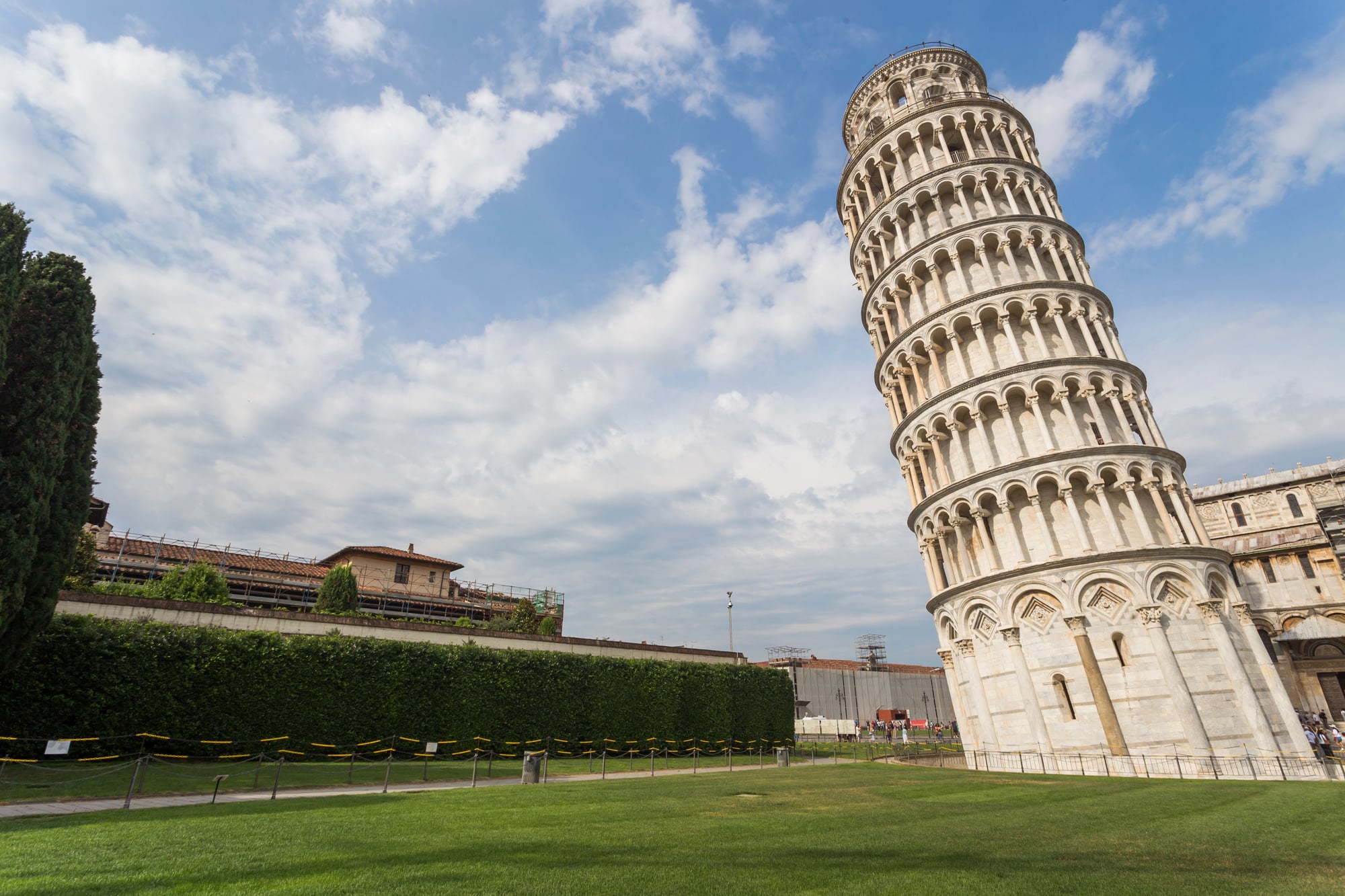
The Tower of Pisa started leaning before it was finished. By 1178, the tower had only reached its third floor, but the foundation had already begun to sink on the south side.
Construction stopped for 94 years while engineers debated what to do with their tilting mistake. When work resumed in 1272, the builders tried to compensate by making the upper floors slightly taller on the leaning side.
This created a tower that’s not just tilted but subtly curved. The whole structure became a 200-year experiment in stubborn persistence over common sense.
The tower was finally completed in 1372, still leaning, still defying basic engineering principles, and somehow still standing.
St. Basil’s Cathedral
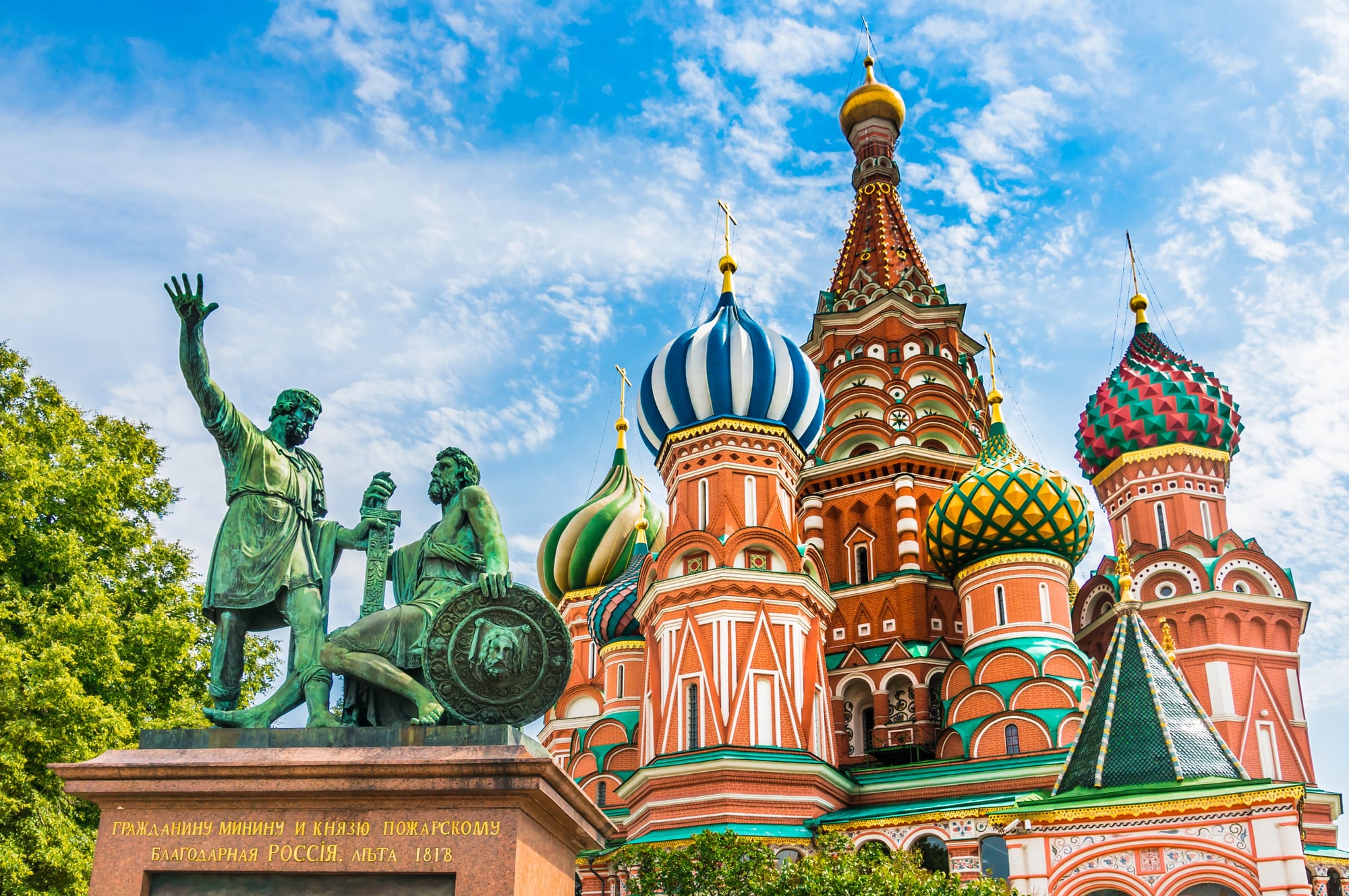
St. Basil’s Cathedral took shape like a fever dream, one onion dome at a time. Ivan the Terrible commissioned the church in 1555, but the construction photos would have shown a confusing jumble of half-built towers, each one different from the others.
The cathedral’s famous colorful domes weren’t painted until the 17th century. For its first hundred years, St. Basil’s was mostly white and gold, which made the architectural chaos less obvious.
The construction crew worked without a master plan, adding towers and chapels as inspiration struck. The result somehow became the symbol of Russia, which says something about the power of architectural accidents.
The Taj Mahal
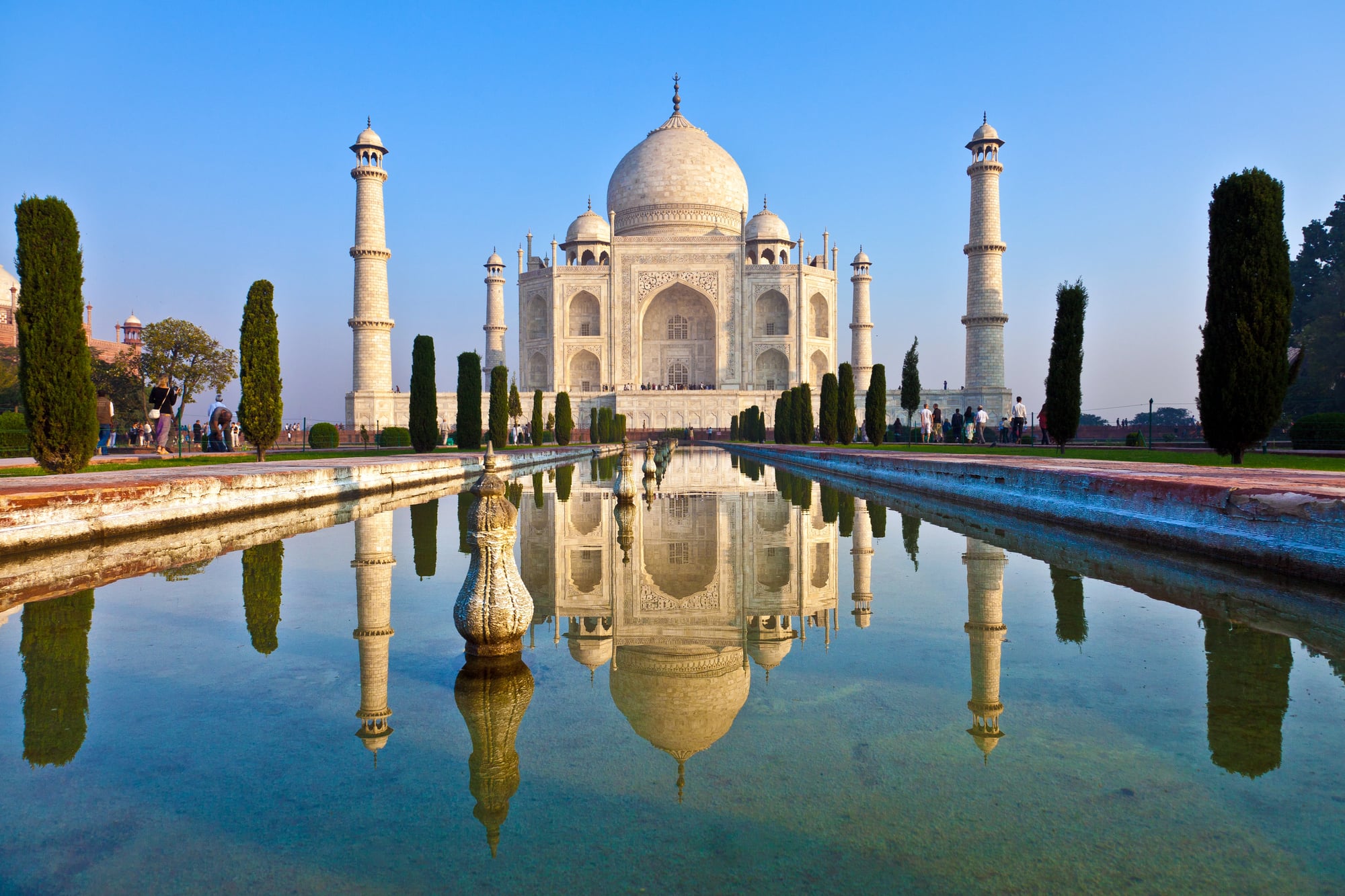
The Taj Mahal spent 22 years looking like the world’s most elaborate construction site. Shah Jahan commissioned the tomb for his wife Mumtaz in 1632, but for most of the 1640s, visitors would have seen thousands of workers, elephants hauling marble blocks, and a central dome that existed only as scaffolding and ambitious plans.
The famous white marble came from quarries 200 miles away, transported by elephant caravans that took weeks to make the journey. The inlaid precious stones came from across Asia — turquoise from Tibet, jade from China, sapphires from Sri Lanka.
For years, the Taj Mahal was just a construction site surrounded by piles of exotic materials and craftsmen who weren’t entirely sure how everything was supposed to fit together.
The Sagrada Familia
The Sagrada Familia has been under construction since 1882. Antoni Gaudí took over the project in 1883 and spent the next 43 years of his life working on it.
When he died in 1926, less than a quarter of the cathedral was complete. Today, nearly 140 years after construction began, it’s still not finished.
Gaudí left detailed plans, but much of his vision existed only in his head. The architects who came after him have been essentially reverse-engineering his intentions, using computer models to figure out how his organic, mathematical designs should actually be built.
The cathedral has become a permanent work in progress, with each generation of builders adding their interpretation of what Gaudí might have wanted.
The Space Needle
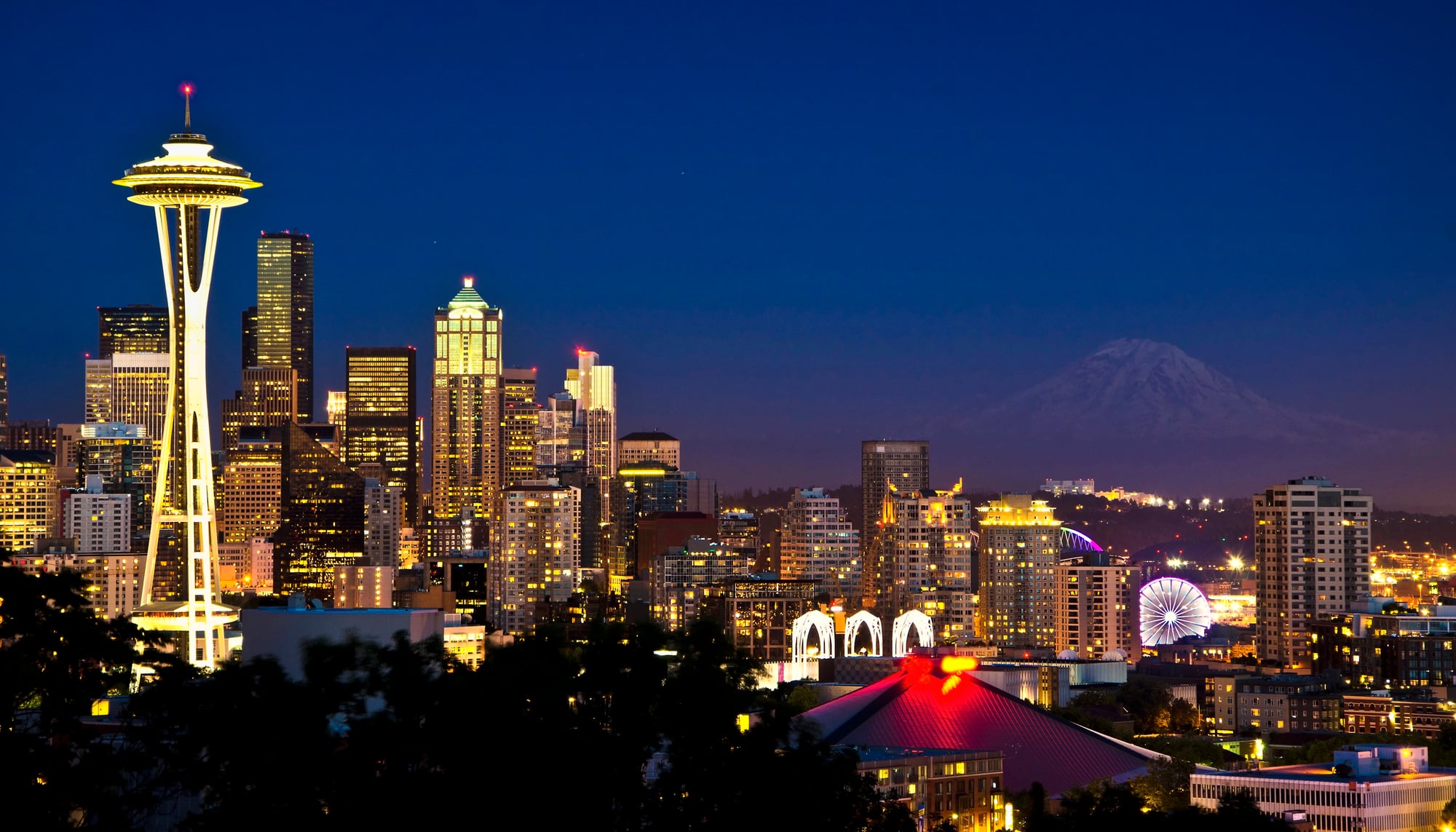
The Space Needle was built for the 1962 World’s Fair in Seattle, but for most of 1961, it looked like someone had planted a concrete stalk in the ground and forgotten about it. The distinctive flying saucer-shaped top section wasn’t added until the final months of construction.
The foundation required a massive concrete pour — the largest continuous concrete pour in the West at that time. For weeks, the Space Needle existed as just a foundation and the beginning of a shaft, like the start of a very tall building that might never get finished.
The iconic top section had to be lifted by crane in prefabricated pieces, assembled 600 feet in the air while Seattle watched and wondered if the whole thing would hold together.
The Christ The Redeemer Statue
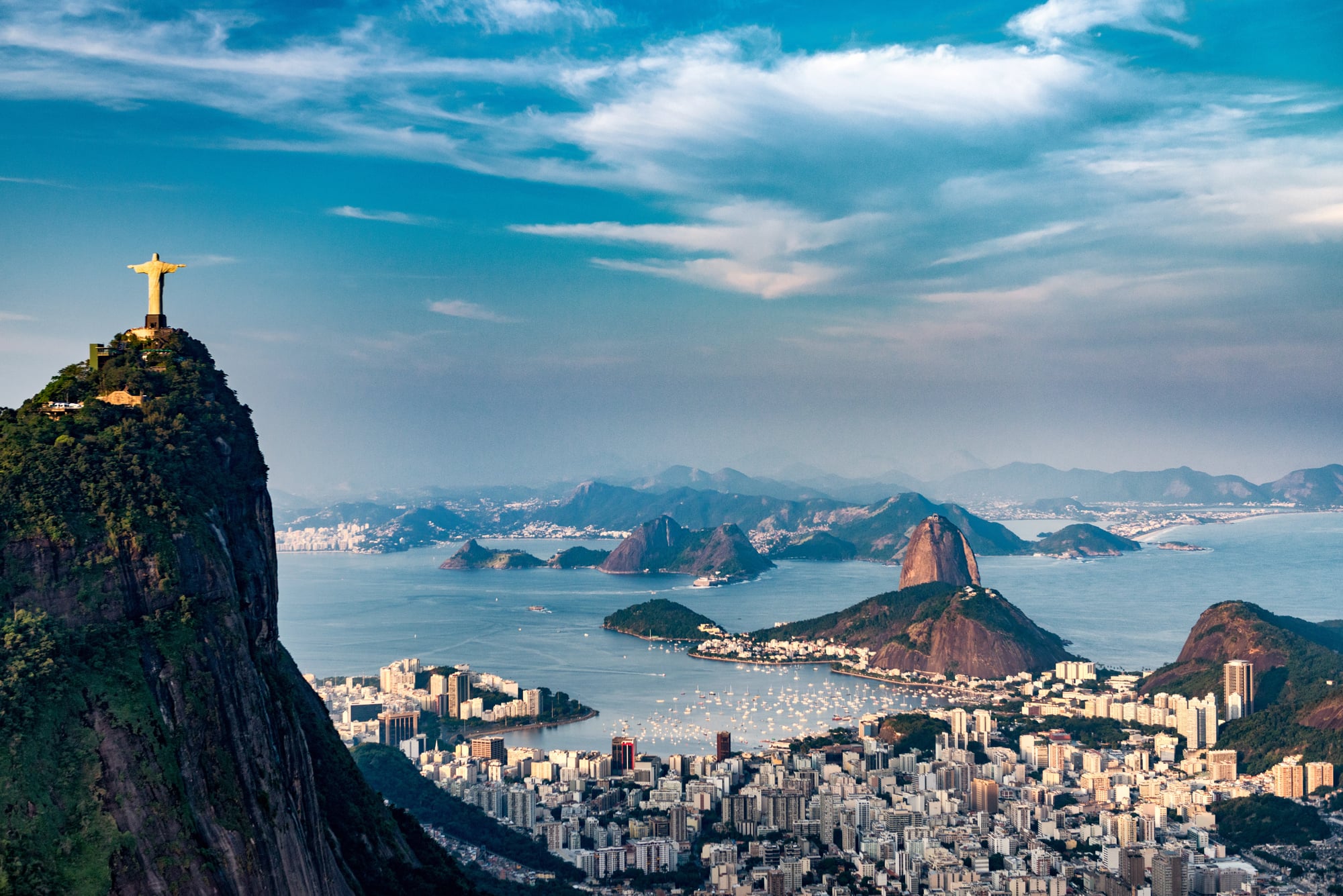
Christ the Redeemer took nine years to build on top of Corcovado Mountain in Rio de Janeiro, but for most of that time, Rio’s residents looked up and saw a headless figure with outstretched arms. The 98-foot-tall statue was built in sections, and the body was completed long before the head and face were added in the final stages of construction.
Getting materials to the top of the mountain required building a railway specifically for construction. Workers hauled thousands of soapstone tiles
More from Go2Tutors!

- The Romanov Crown Jewels and Their Tragic Fate
- 13 Historical Mysteries That Science Still Can’t Solve
- Famous Hoaxes That Fooled the World for Years
- 15 Child Stars with Tragic Adult Lives
- 16 Famous Jewelry Pieces in History
Like Go2Tutors’s content? Follow us on MSN.