17 Fascinating Photos of “Firsts” in History
There’s something magnetic about firsts. The moment someone steps into uncharted territory, breaks a barrier that seemed unbreakable, or does what everyone said couldn’t be done.
These moments get frozen in time, captured by photographers who understood they were witnessing history unfold. The images that follow aren’t just pictures — they’re windows into the exact instant when the world changed, when someone dared to go first, and when the impossible became inevitable.
The Wright Brothers’ First Flight
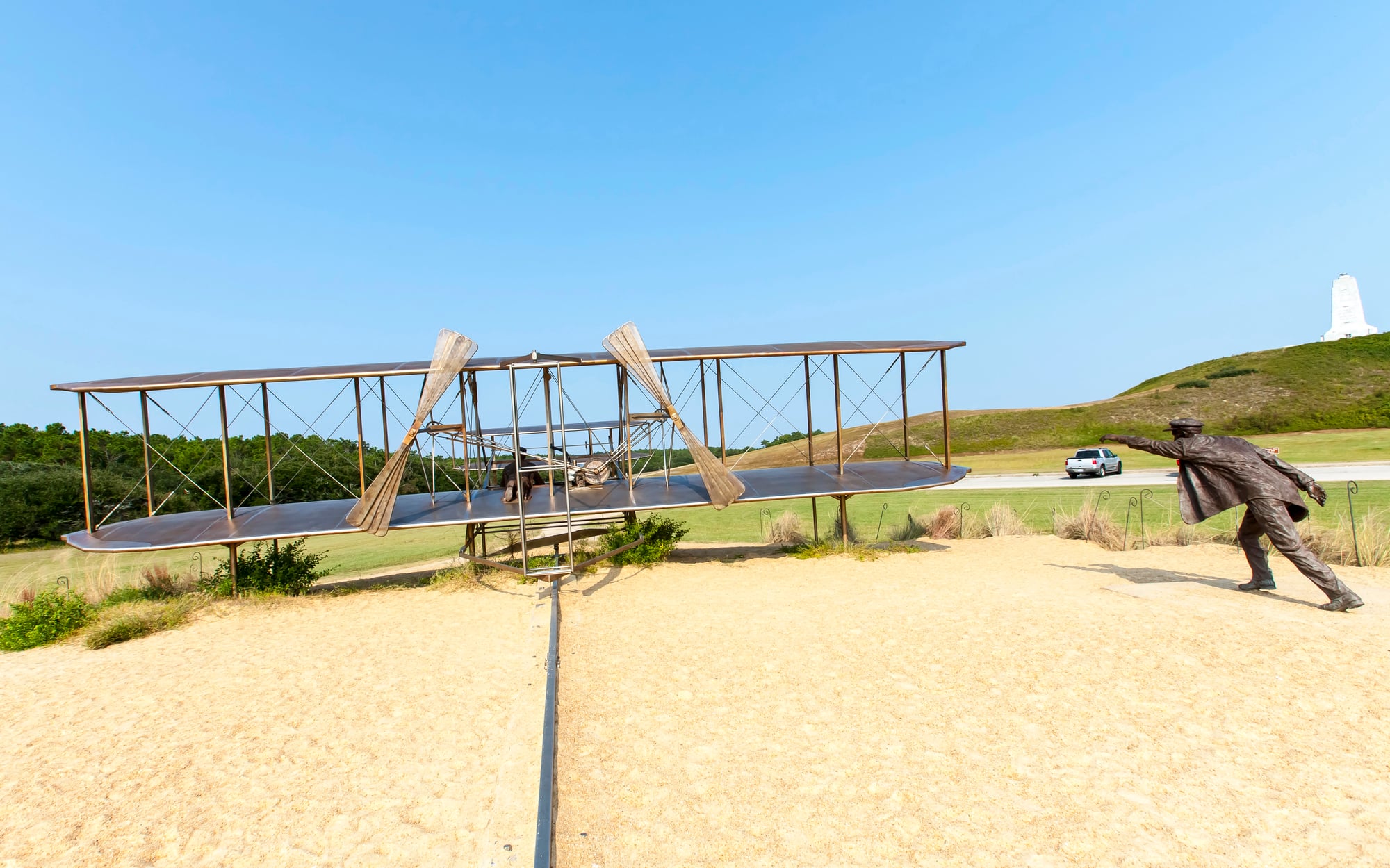
December 17, 1903, at Kitty Hawk. Twelve seconds that changed everything.
The photograph shows Orville Wright piloting the Wright Flyer while his brother Wilbur runs alongside. Twelve seconds doesn’t sound like much, but it was enough to prove humans could fly under their own power.
The camera captured the moment humanity left the ground for good.
First Woman to Vote
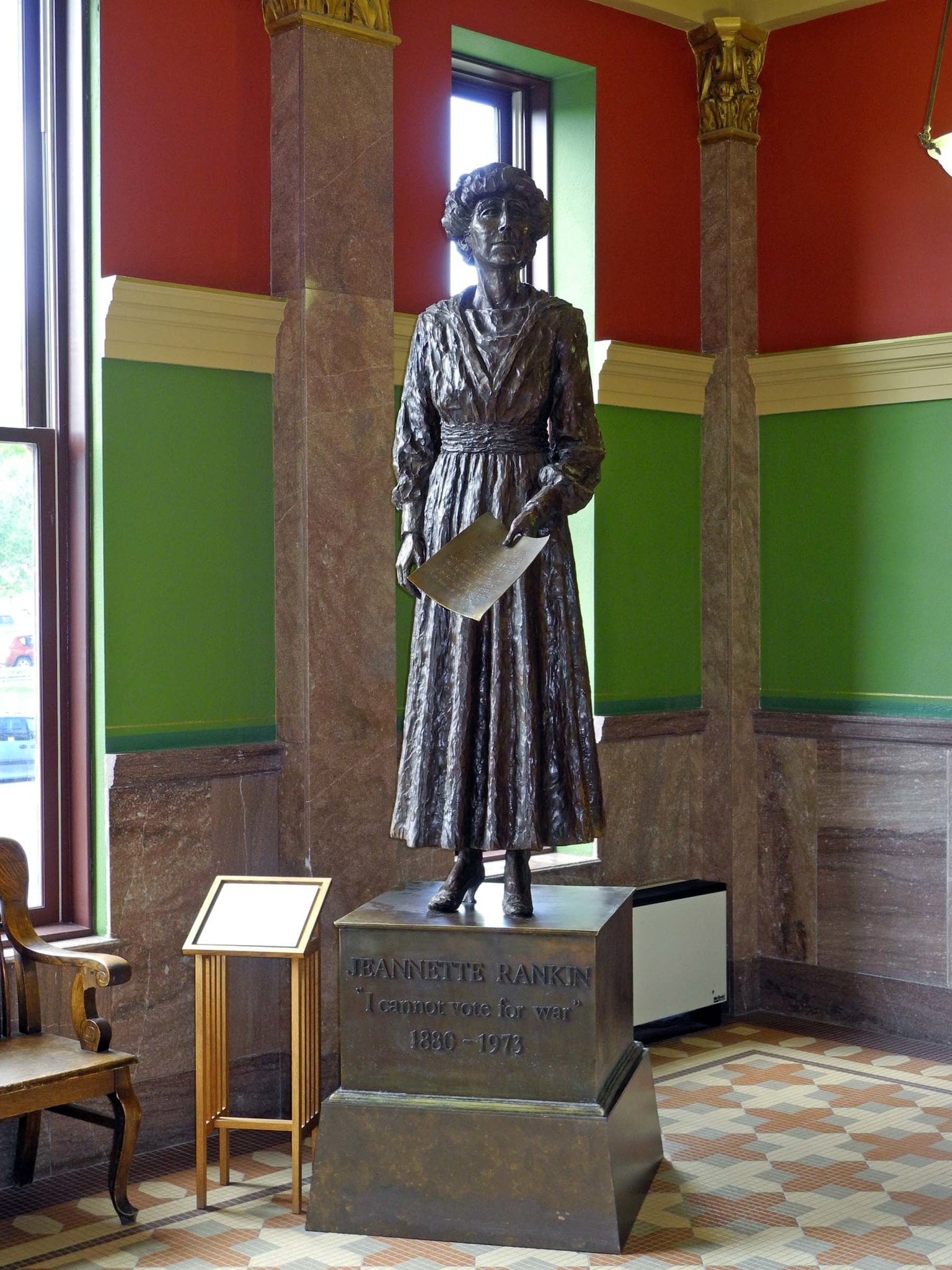
Jeannette Rankin made history twice. Once when she became the first woman elected to Congress in 1916 — four years before women gained the right to vote nationally — and again when she cast the only vote against entering World War II.
The photograph captures more than a political moment. It documents a significant milestone: the first woman to hold federal elective office, at a time when women still lacked voting rights in most of the country.
Her election was a crack in a system that had excluded women from political power for the nation’s entire history.
Neil Armstrong Steps on the Moon
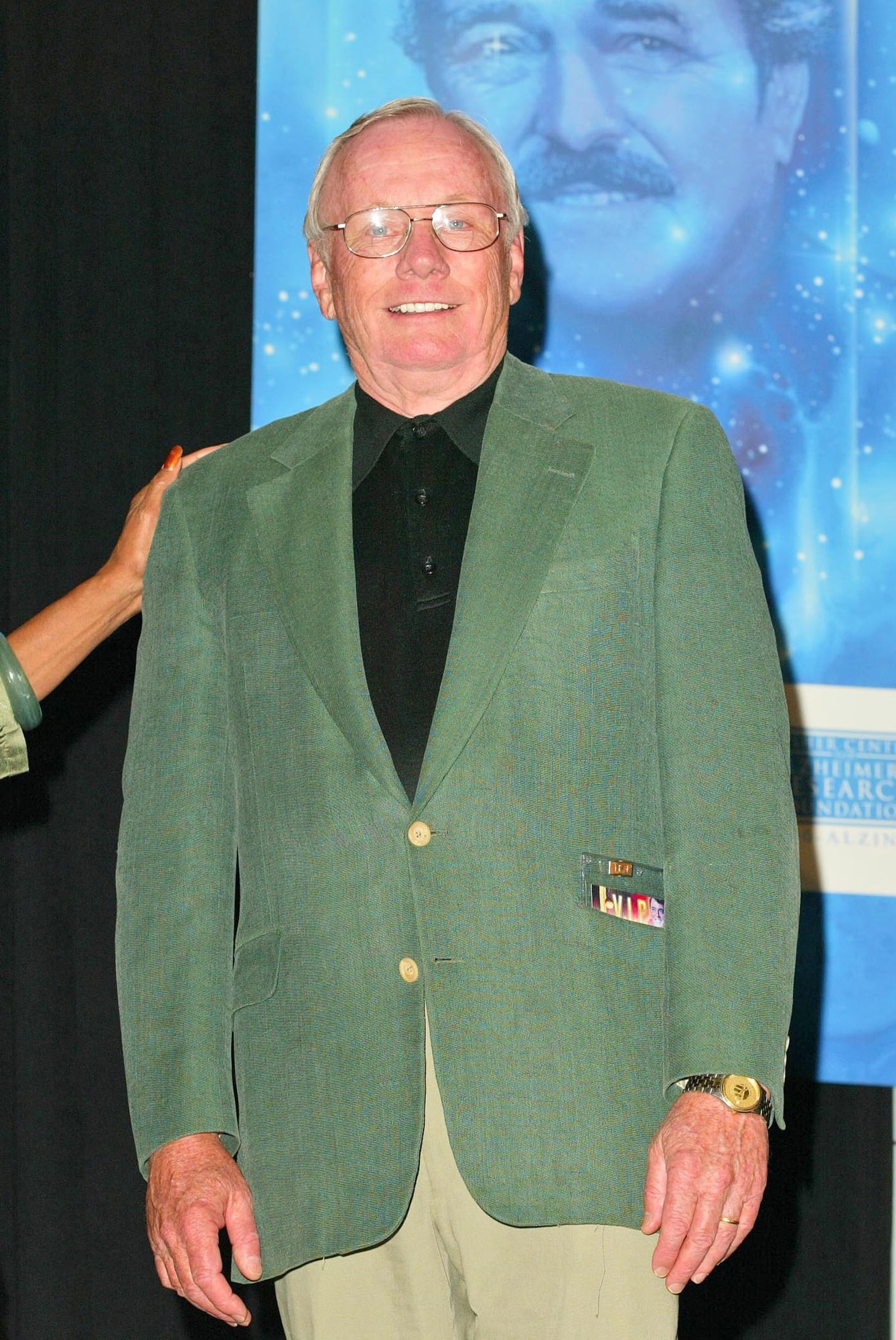
Everyone knows the quote, but the photograph tells a different story (and it wasn’t even Armstrong who took it — that honor goes to Buzz Aldrin, since Armstrong was holding the camera when this iconic image was snapped, meaning we’re actually looking at Aldrin’s reflection in Armstrong’s visor, which is the kind of detail that makes you realize how carefully orchestrated this moment was, even though it felt spontaneous).
So much planning went into this moment. Years of calculation and risk assessment.
But the image itself feels almost casual — like someone just happened to be walking around on another celestial body and decided to document it for posterity.
And that’s what makes it powerful: the photograph transforms one of humanity’s greatest achievements into something that looks almost routine, which is probably the most human response possible to doing the impossible. Of course we’d make walking on the moon look like a Sunday stroll.
Because that’s how you know we belonged there.
Rosa Parks Refuses to Give Up Her Seat
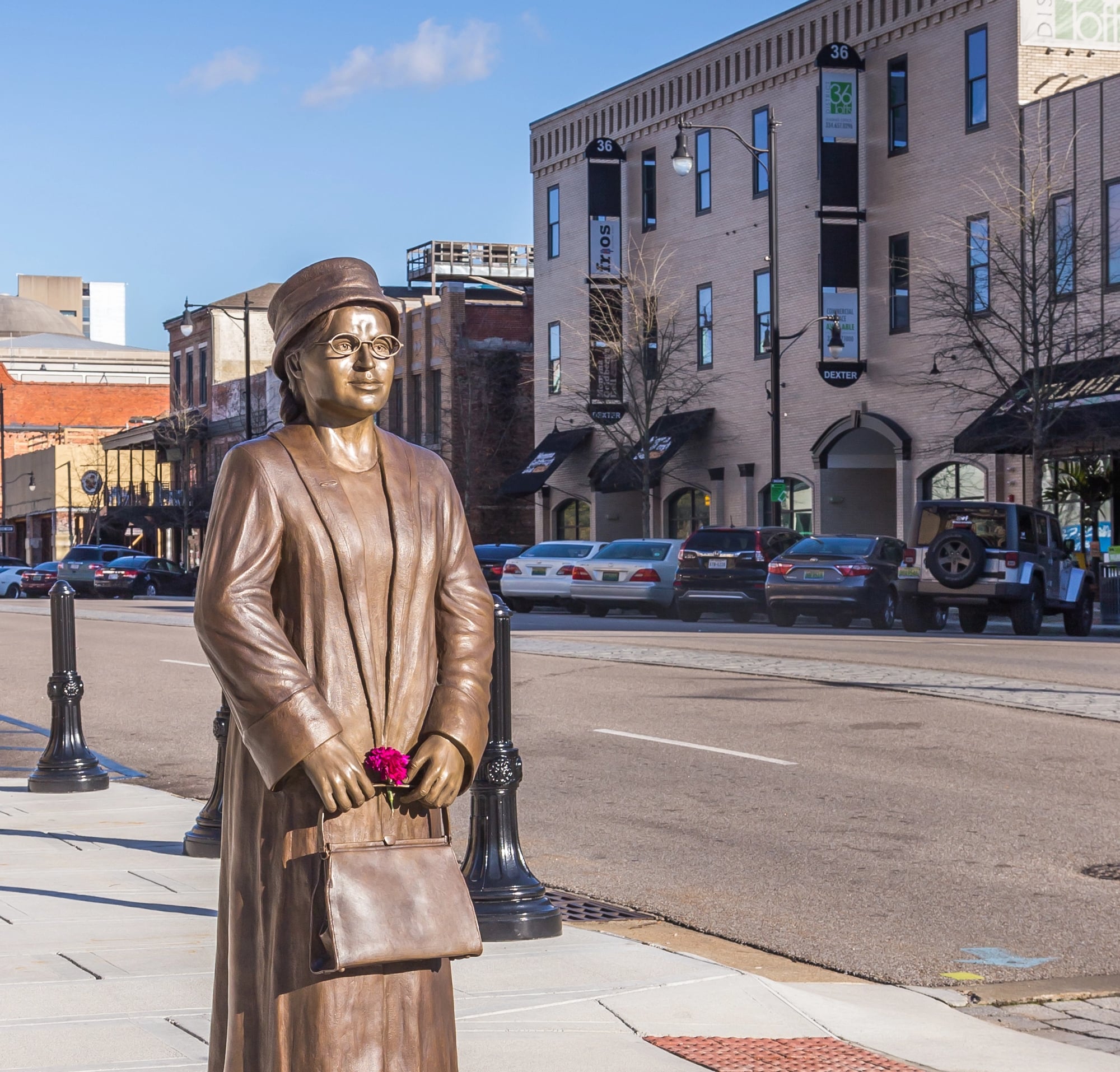
The photograph captures Parks sitting calmly on a Montgomery city bus after the boycott ended. She’s looking out the window, not at the camera, which makes the image feel genuine rather than staged.
What strikes you about the photograph is how ordinary the moment appears. Parks isn’t posing or making a statement — she’s just sitting where she has every right to sit.
That ordinariness is precisely what made her act of defiance so powerful. She turned an everyday moment into a catalyst for change.
The First Television Broadcast
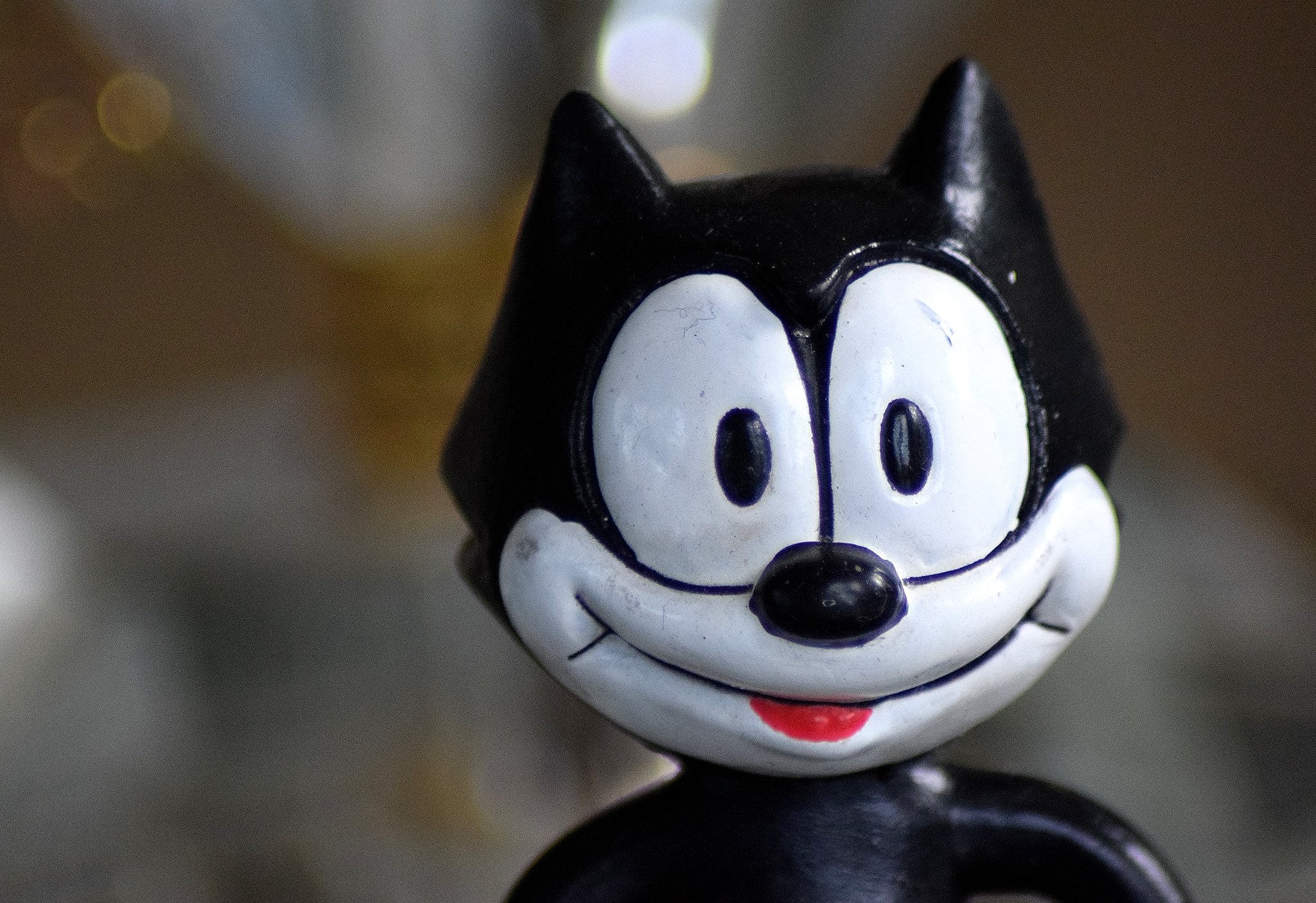
The first television broadcast happened in 1928, and the photograph shows Felix the Cat spinning on a turntable for 13 straight hours. This wasn’t exactly prestige television — it was a test pattern with a cartoon cat.
But someone had to go first. Someone had to figure out how to send moving images through the air so the rest of us could eventually argue about what to watch.
Felix the Cat earned that distinction, which is oddly fitting. Television has always been a little absurd.
Jackie Robinson Breaks the Color Barrier
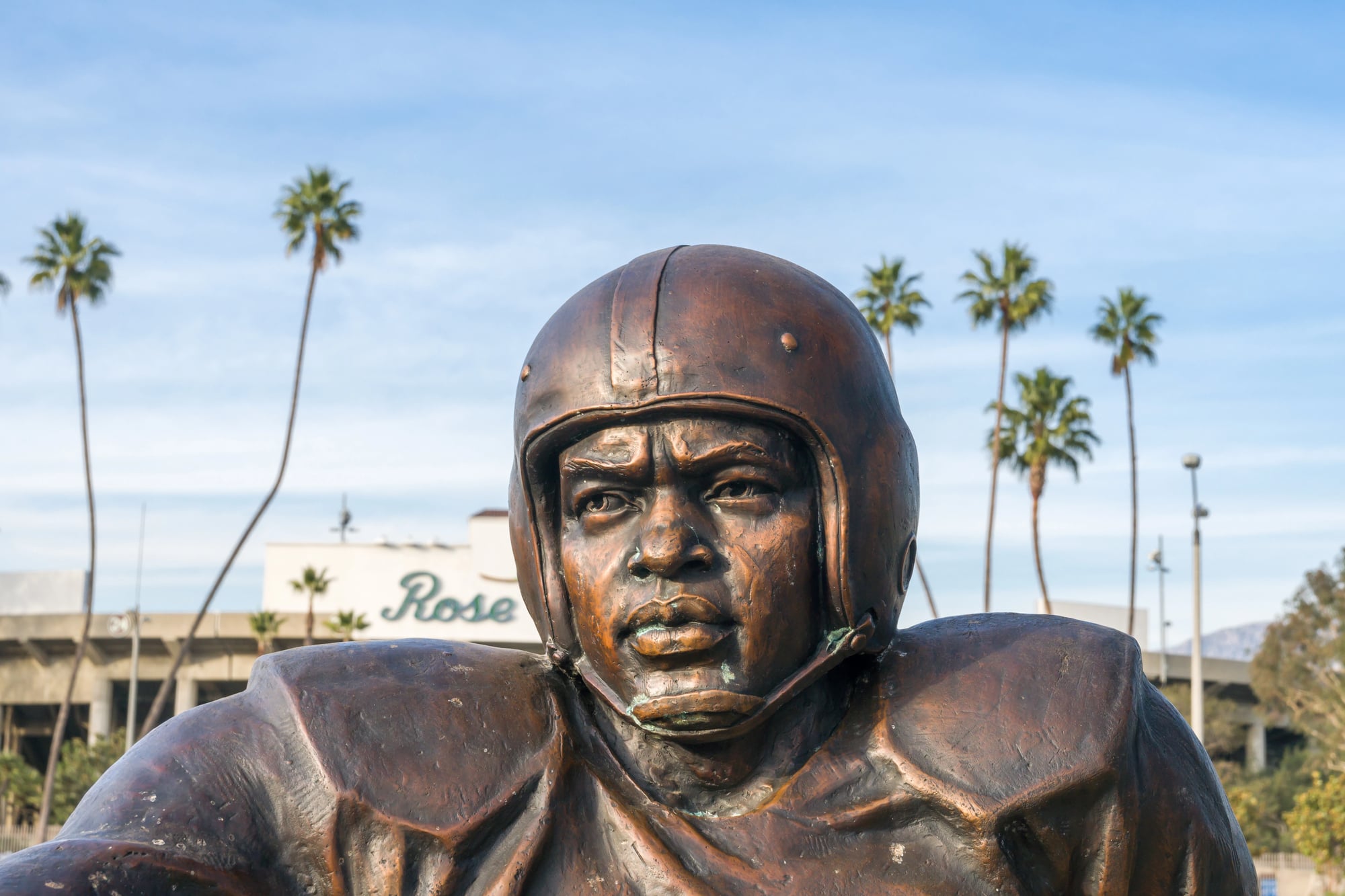
The photograph shows Robinson sliding into home plate during his rookie season with the Brooklyn Dodgers (and you can see the determination in his face, the way his whole body is committed to that slide, which tells you everything about how he approached not just baseball but the weight of being first — because being first meant that failure wasn’t just personal failure, it was proof that the door should never have been opened in the first place).
But Robinson succeeded, and the photograph captures that success in motion. The slide isn’t just about reaching home plate; it’s about claiming space that had been denied to Black players for decades.
So when you look at this image, you’re seeing someone who understood that every play was bigger than baseball, every game was a statement, every success was a door opening wider for those who would follow.
And he made it look effortless, which might have been the most radical thing of all.
The First Automobile Assembly Line
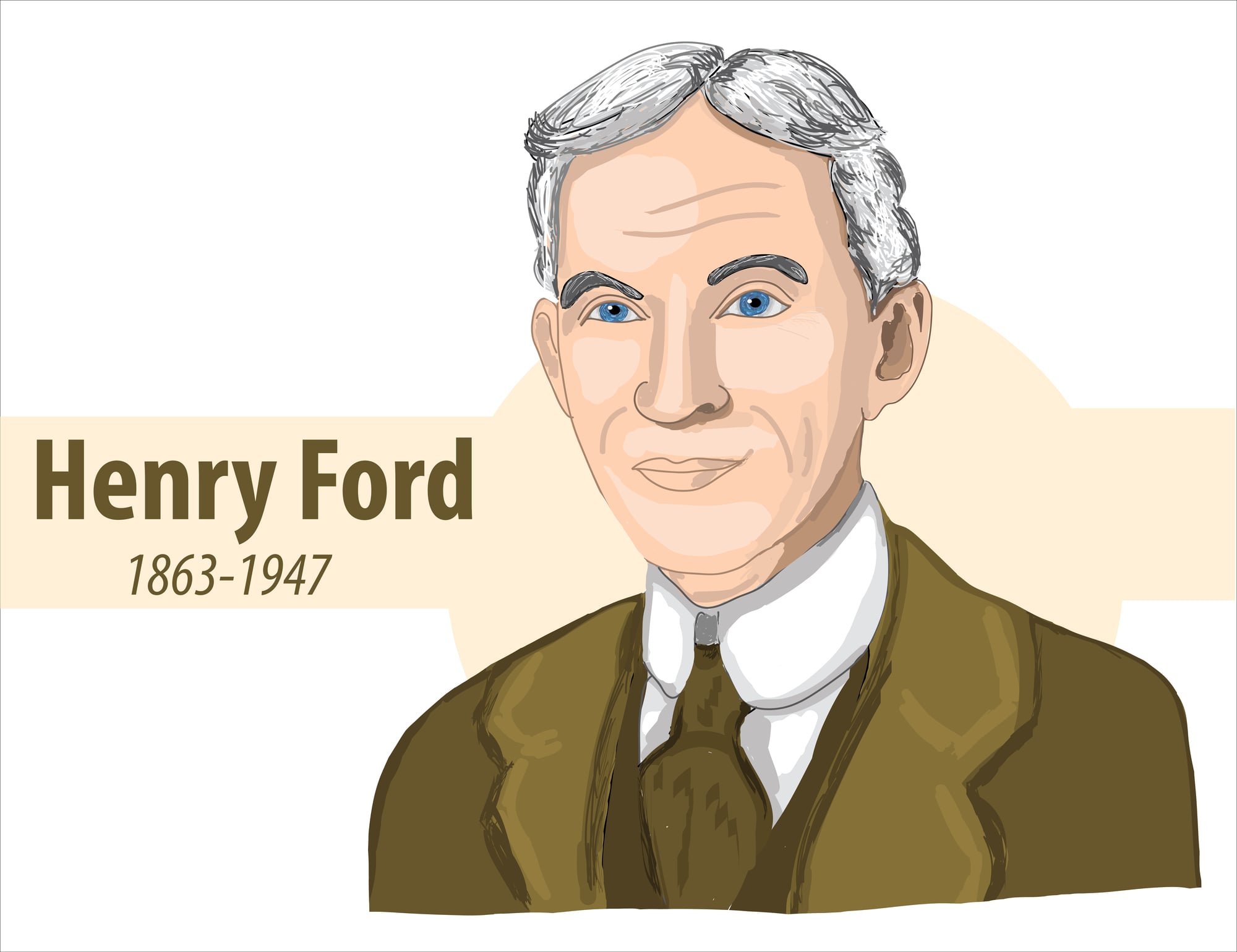
Henry Ford’s assembly line revolutionized manufacturing, but the photograph of workers building Model T cars tells a different story than the one usually told about innovation. This isn’t a picture of progress — it’s a picture of repetition.
Men standing in a line, each performing the same task over and over again.
Ford didn’t invent the car. He invented a way to build cars that turned skilled craftsmen into interchangeable parts.
The photograph captures the moment when work became something entirely different than it had ever been before. Whether that was an improvement depends on where you were standing on that line.
Amelia Earhart Before Her Final Flight
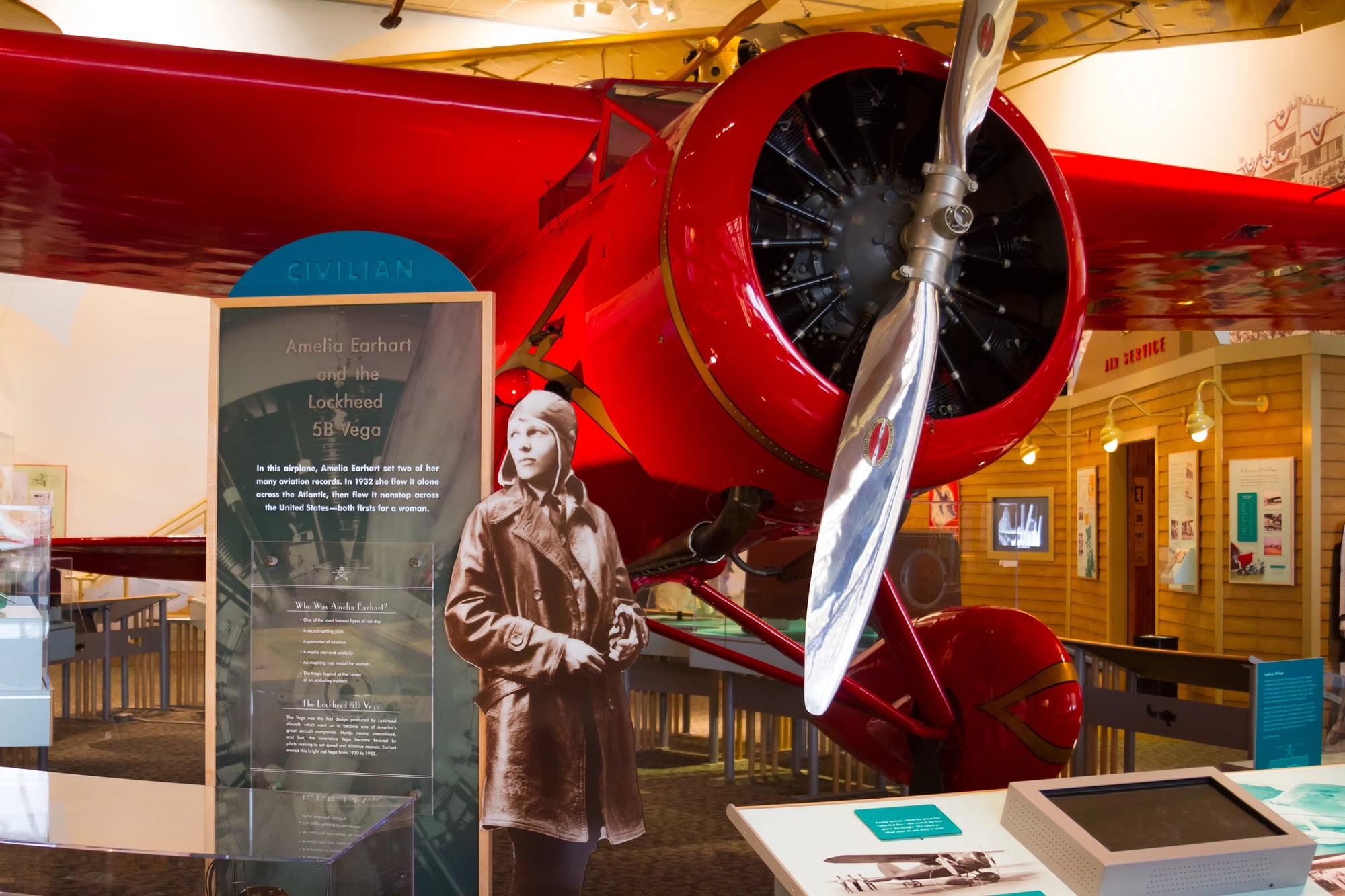
The photograph of Earhart standing next to her Lockheed Electra before her 1937 attempt to circumnavigate the globe carries weight because of what happened next. She’s smiling, confident, ready for what would become aviation’s most famous disappearance.
What the photograph doesn’t show is doubt. Earhart knew the risks — everyone did — but she looks like someone who had made peace with whatever might happen.
That confidence, frozen in time just before everything went wrong, makes the image both inspiring and haunting. Some firsts come with a price that’s only clear in retrospect.
The First Skyscraper Construction
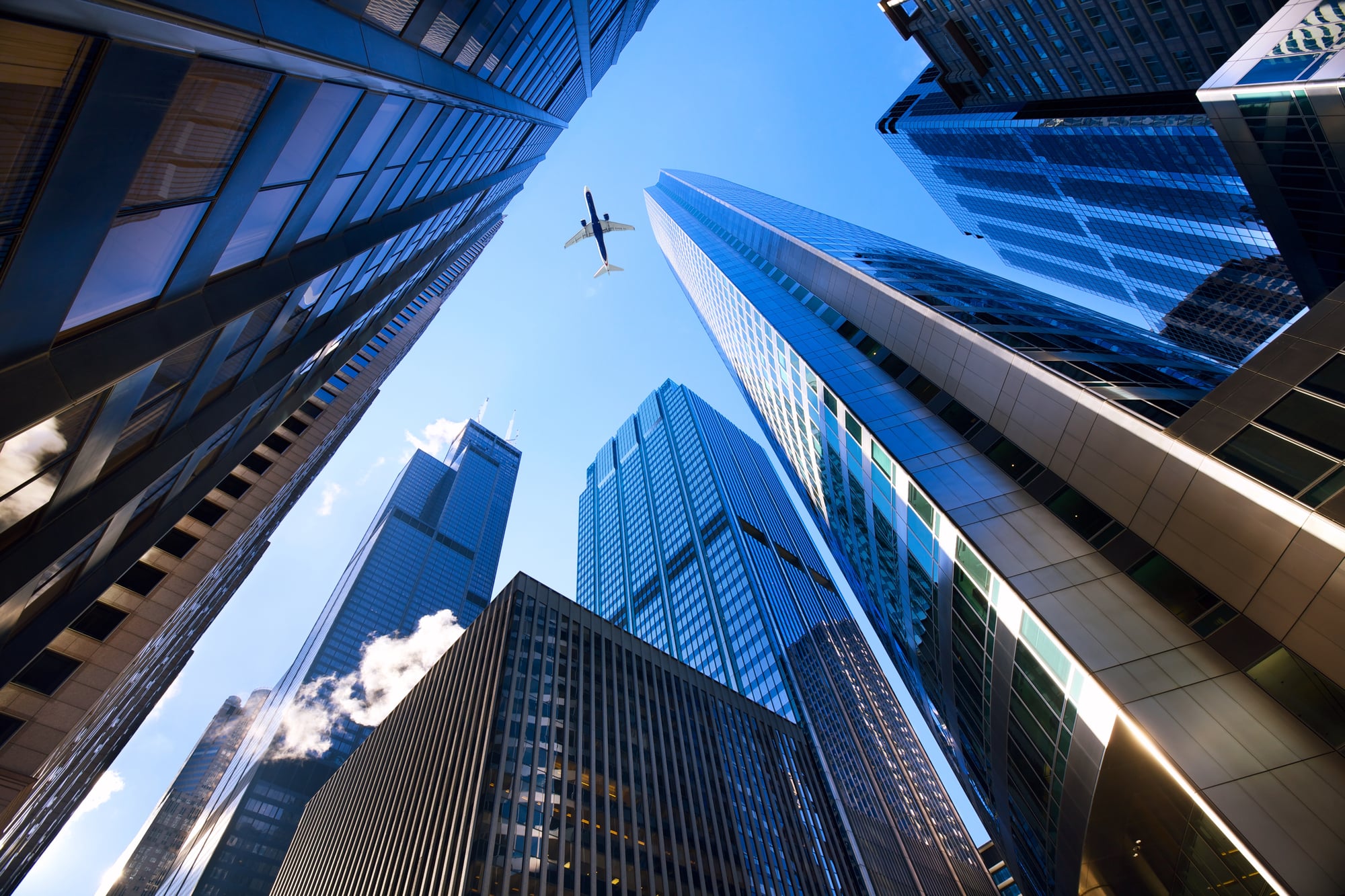
The photograph of workers building the Empire State Building in 1930 shows men eating lunch while sitting on a steel beam 840 feet above the ground. No safety harnesses, no nets, just workers taking a break from building what was then the world’s tallest building.
The casual nature of the scene is what makes it remarkable. These men were literally reaching new heights, but the photograph shows them treating it like any other day at work.
That’s the thing about firsts — someone has to act like it’s normal before it becomes normal.
The First Computer
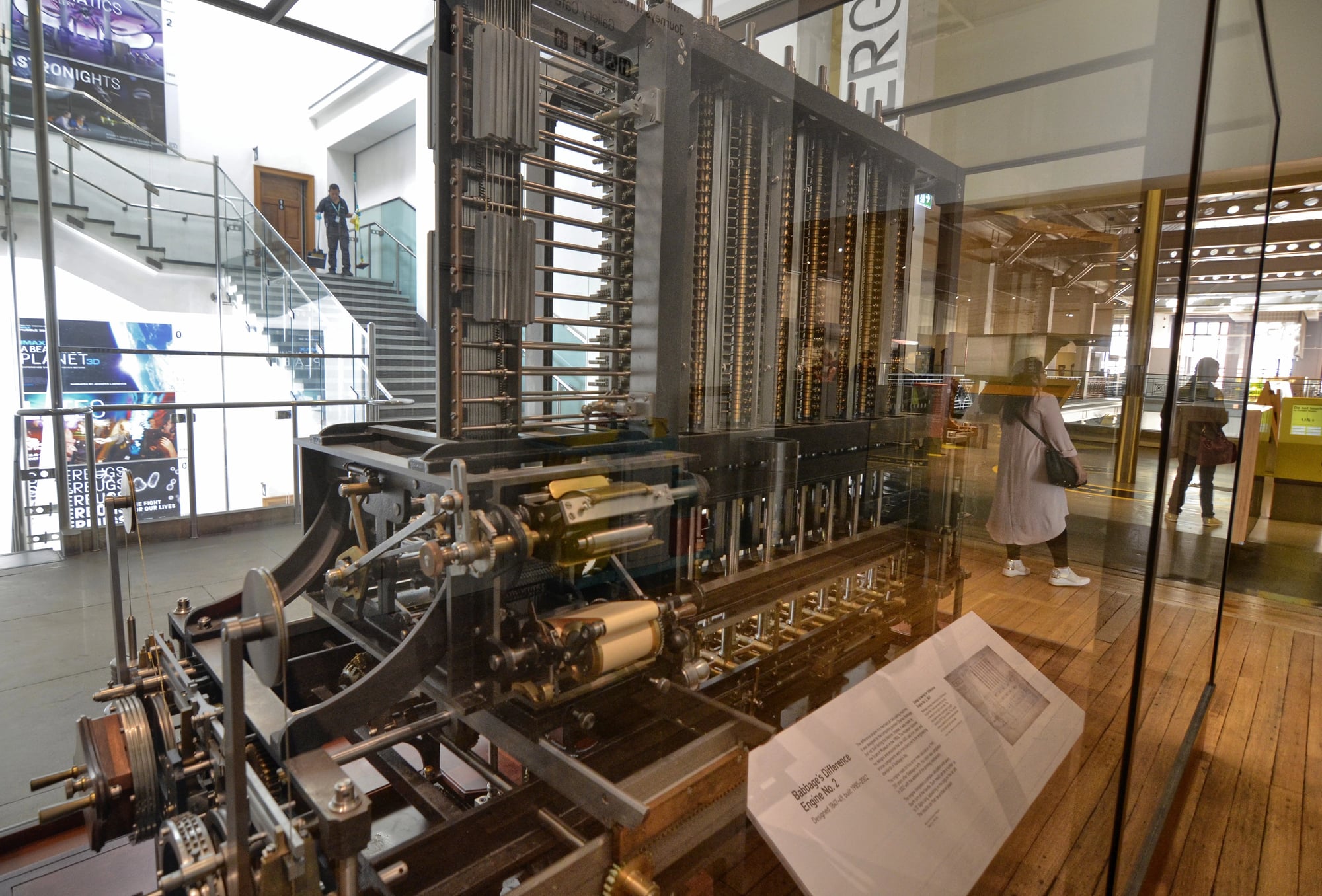
ENIAC (Electronic Numerical Integrator and Computer, though the acronym sounds friendlier than what it actually was — a 30-ton machine that filled an entire room and required six people just to program it for the simplest calculations, which makes your phone’s computing power feel like something approaching magic, especially when you consider that ENIAC was built to calculate artillery trajectories during World War II).
But this photograph shows something else: the beginning of the digital age. Those room-sized machines with their thousands of vacuum tubes and miles of wiring were the ancestors of every device you use today.
And yet the people in the photograph look so formal, so serious — they’re wearing suits and ties to operate a computer, which feels charmingly old-fashioned now but made perfect sense then, because they were doing serious work with serious machines.
So different from today, when the most powerful computers fit in our pockets and we use them to watch videos of cats.
The First McDonald’s Restaurant
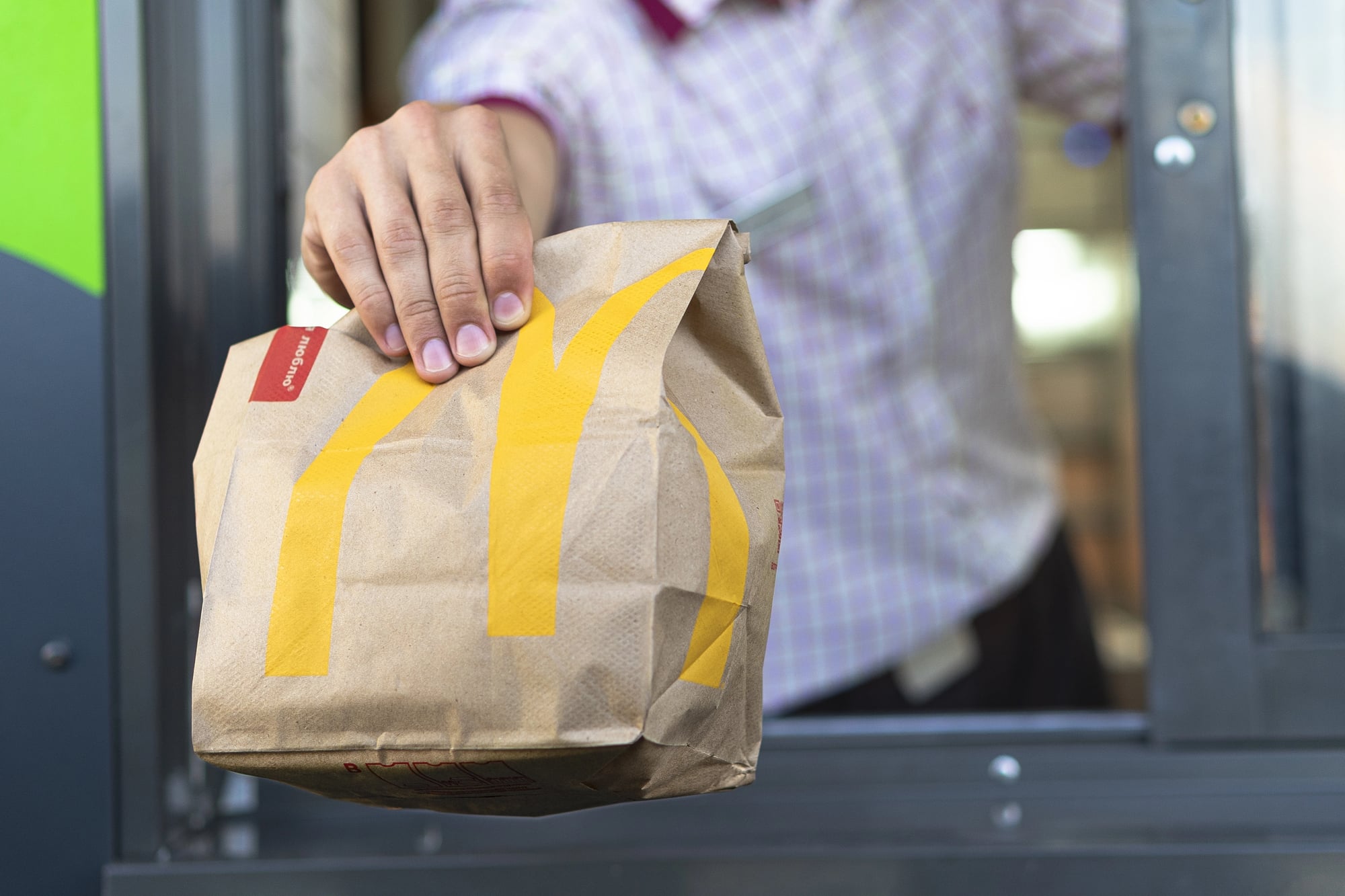
The photograph of the original McDonald’s restaurant in San Bernardino, California, shows a simple building with golden arches and a sign promising “over 1 million sold.” This was before McDonald’s became a global empire, when it was just a local restaurant experimenting with something called “fast food.”
What’s striking about the image is how small it all looks. The building, the parking lot, the sign — everything feels human-scaled.
It’s hard to imagine that this modest restaurant would eventually change how the world eats, but that’s exactly what happened. Sometimes the biggest changes start in the smallest places.
The First Credit Card Transaction

The photograph shows a businessman using what appears to be the first credit card at a New York restaurant in 1950. He’s signing a receipt while the server watches, both of them participating in a transaction that would fundamentally change how money works.
Neither person in the photograph looks like they understand they’re witnessing the birth of consumer debt culture. They’re just trying out a new way to pay for dinner.
But that single transaction helped create the system that now allows people to buy things they don’t have money for, which turned out to be both liberating and dangerous in ways no one could have predicted.
The First Supermarket

The King Kullen grocery store in Queens, New York, opened in 1930 as the first true supermarket (and the photograph shows customers pushing shopping carts through aisles lined with products, which seems unremarkable now but was revolutionary then — before supermarkets, you went to the butcher for meat, the baker for bread, the grocer for vegetables, and you asked someone behind a counter for everything you needed instead of wandering around selecting things yourself).
But this photograph captures the moment when shopping became self-service, when customers started doing the work that store employees used to do.
The customers in the image look slightly bewildered, like they’re not quite sure what they’re supposed to do with all this choice and freedom.
And maybe they were right to be uncertain — the supermarket changed not just how we shop, but how we eat, how we plan our time, how we think about food itself. All of that started in this one store in Queens.
The First Commercial Jet Flight
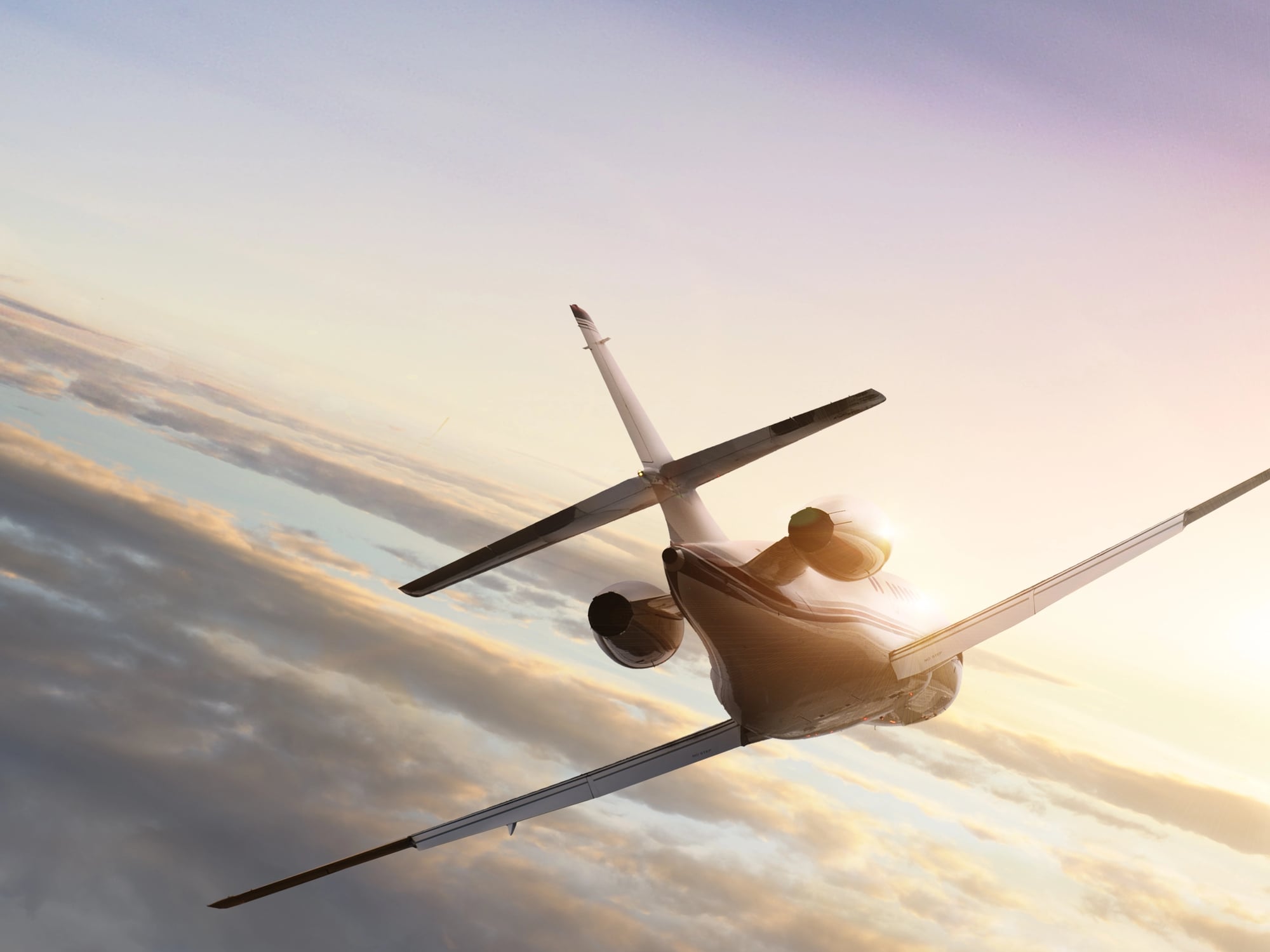
The de Havilland Comet took off from London in 1952, carrying paying passengers on the world’s first commercial jet flight. The photograph shows passengers boarding what looks like a remarkably small aircraft by today’s standards.
The passengers are dressed formally — suits and ties, dresses and hats — because flying was still an occasion worth dressing up for. They’re boarding an aircraft that will cut their travel time in half, though they don’t look particularly excited about it.
Maybe that’s because they understood they were test subjects for a technology that hadn’t been fully proven yet. The Comet would later be grounded due to fatal accidents, but this photograph captures the optimism before anyone knew what could go wrong.
The First ATM Transaction
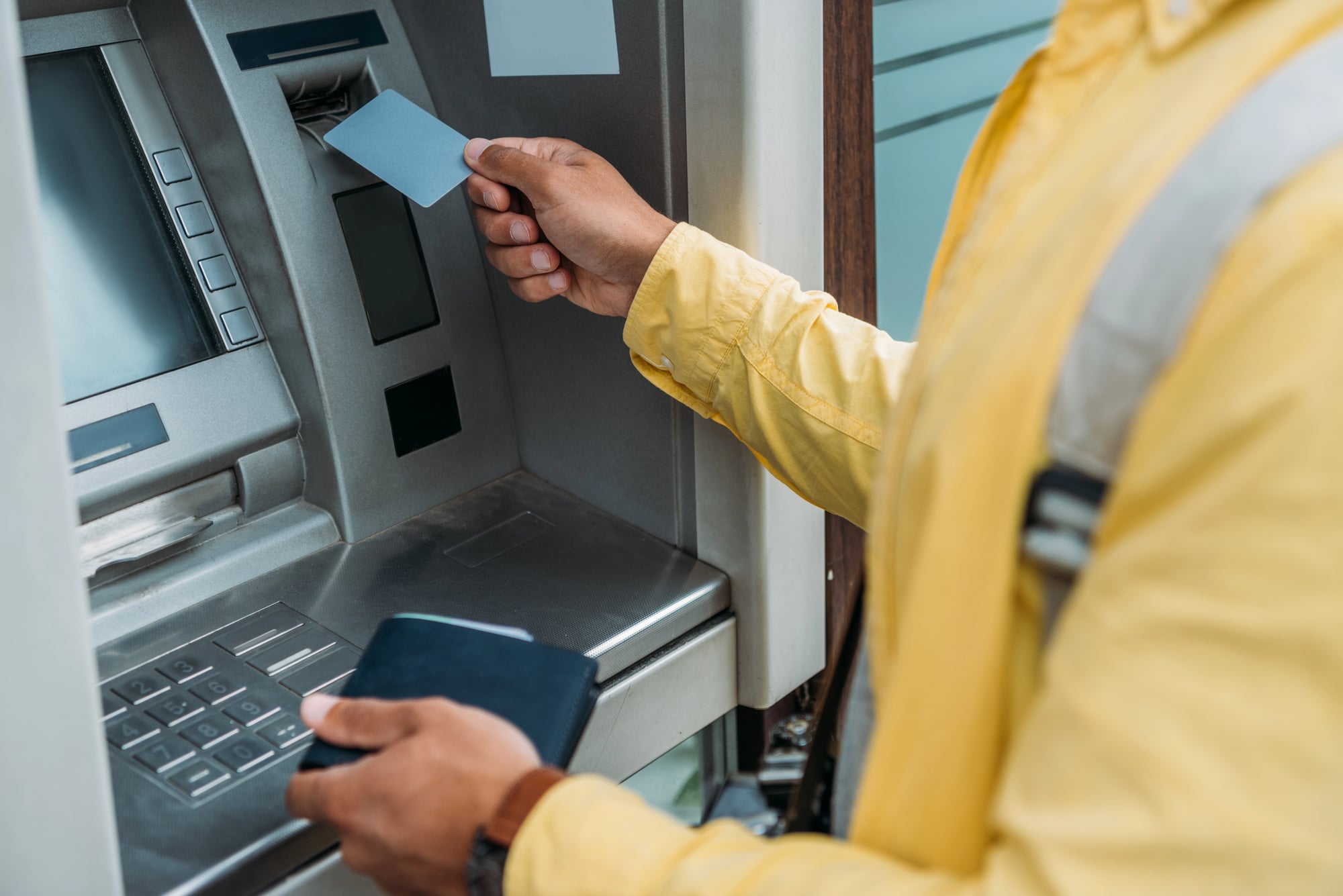
The photograph shows a customer using the world’s first automated teller machine at Barclays Bank in London in 1967. The machine looks primitive by today’s standards — more like a vending machine than the sleek interfaces we’re used to now.
The customer in the photograph is using a special voucher instead of a plastic card, and the whole process looks cumbersome and experimental.
But this transaction eliminated the need for human bank tellers for basic transactions, which seemed like progress until you realized it also eliminated jobs and made banking feel less personal. Sometimes convenience comes with costs that aren’t obvious until later.
The First Mobile Phone Call

The photograph shows Martin Cooper of Motorola making the first handheld mobile phone call in 1973. He’s standing on a New York street corner, holding what looks like a brick with an antenna, talking to his rival at Bell Labs.
Cooper looks pleased with himself, and he should. He’s holding a device that weighs nearly three pounds and costs $4,000, but it represents freedom from landlines and the beginning of constant connectivity.
The photograph captures a moment of pure technological triumph, before anyone understood that being reachable everywhere might not always be a blessing.
The First Internet Message

The photograph shows the computer terminal at UCLA from which the first internet message was sent in 1969. The message was supposed to be “LOGIN” but the system crashed after “LO,” which seems like an appropriately humble beginning for something that would eventually connect the entire world.
The terminal looks impossibly primitive — a simple keyboard and monitor that could barely display text.
But this machine sent the message that began the internet, which means it started the process that led to everything from email to social media to online shopping. Not bad for two letters and a system crash.
Beyond the Frame
These photographs do more than document historical moments — they preserve the exact instant when the impossible became routine. Each image captures someone taking a step into the unknown, often without fully understanding what they were beginning.
The Wright brothers probably didn’t imagine commercial aviation. Rosa Parks wasn’t thinking about the entire civil rights movement.
The first internet message was just two letters and a crash.
But that’s what makes these images so powerful. They show us that history doesn’t happen in grand gestures — it happens in ordinary moments when ordinary people decide to do something that hasn’t been done before.
And sometimes, a photographer is there to catch it.
More from Go2Tutors!

- The Romanov Crown Jewels and Their Tragic Fate
- 13 Historical Mysteries That Science Still Can’t Solve
- Famous Hoaxes That Fooled the World for Years
- 15 Child Stars with Tragic Adult Lives
- 16 Famous Jewelry Pieces in History
Like Go2Tutors’s content? Follow us on MSN.